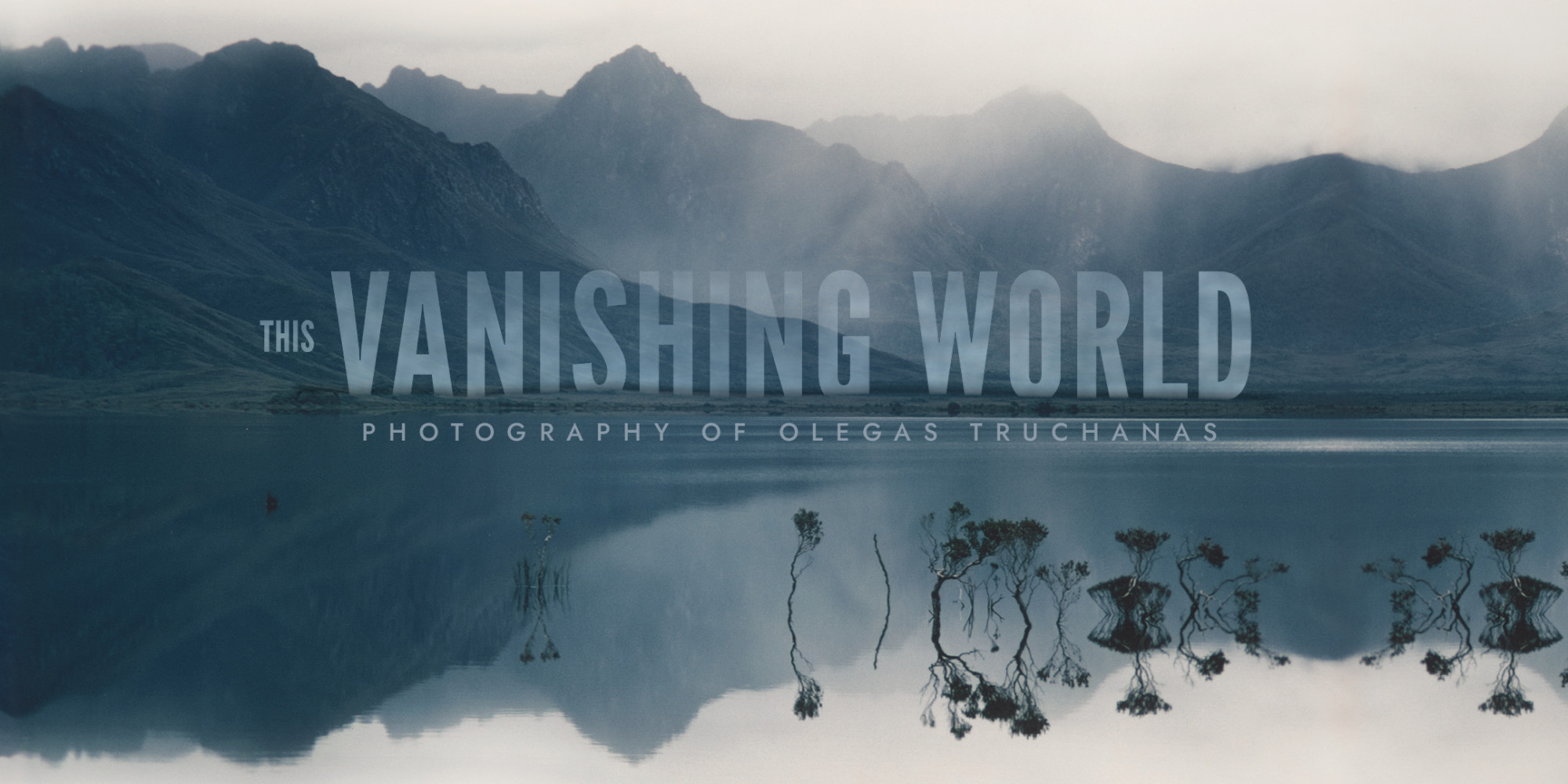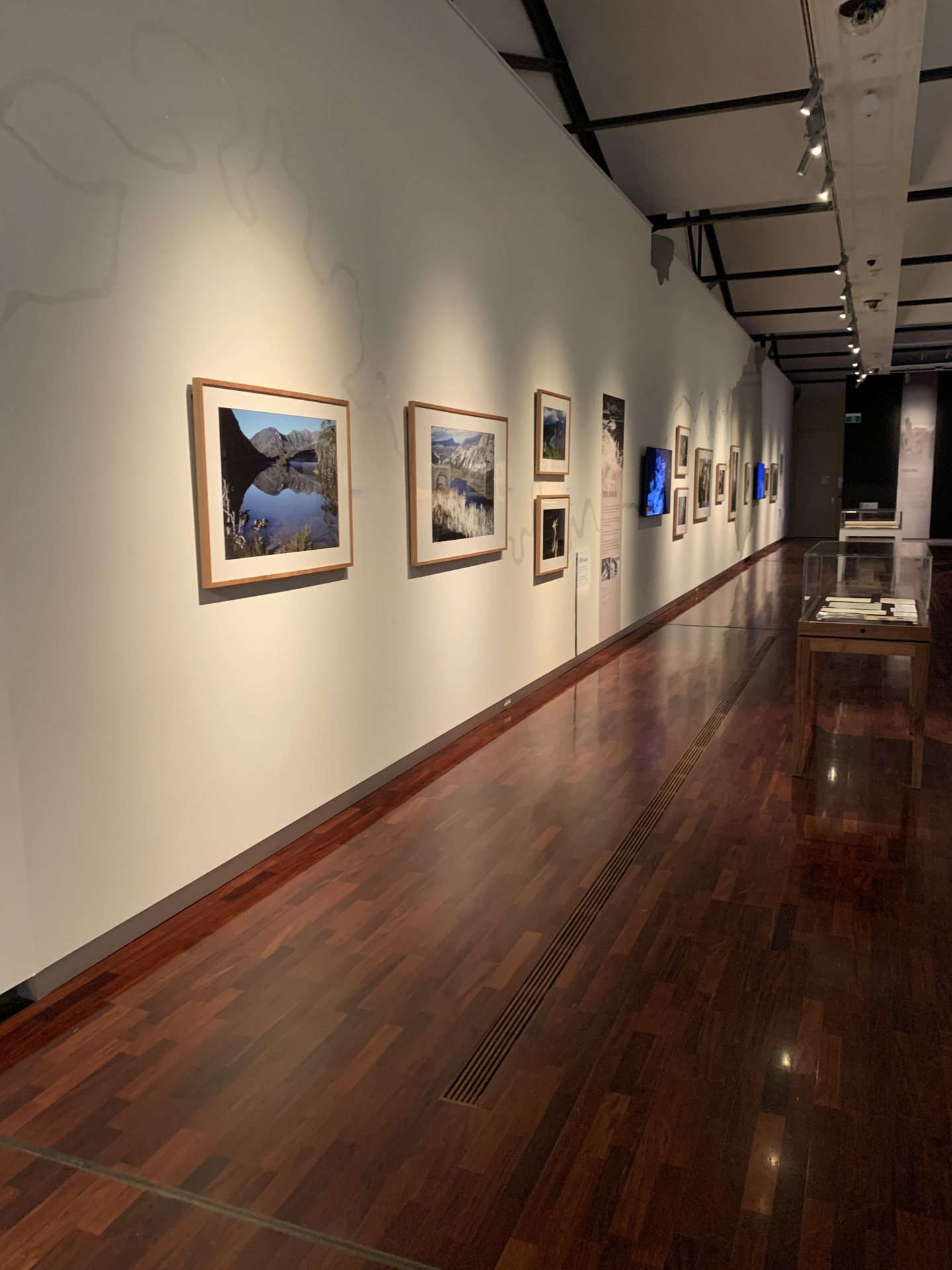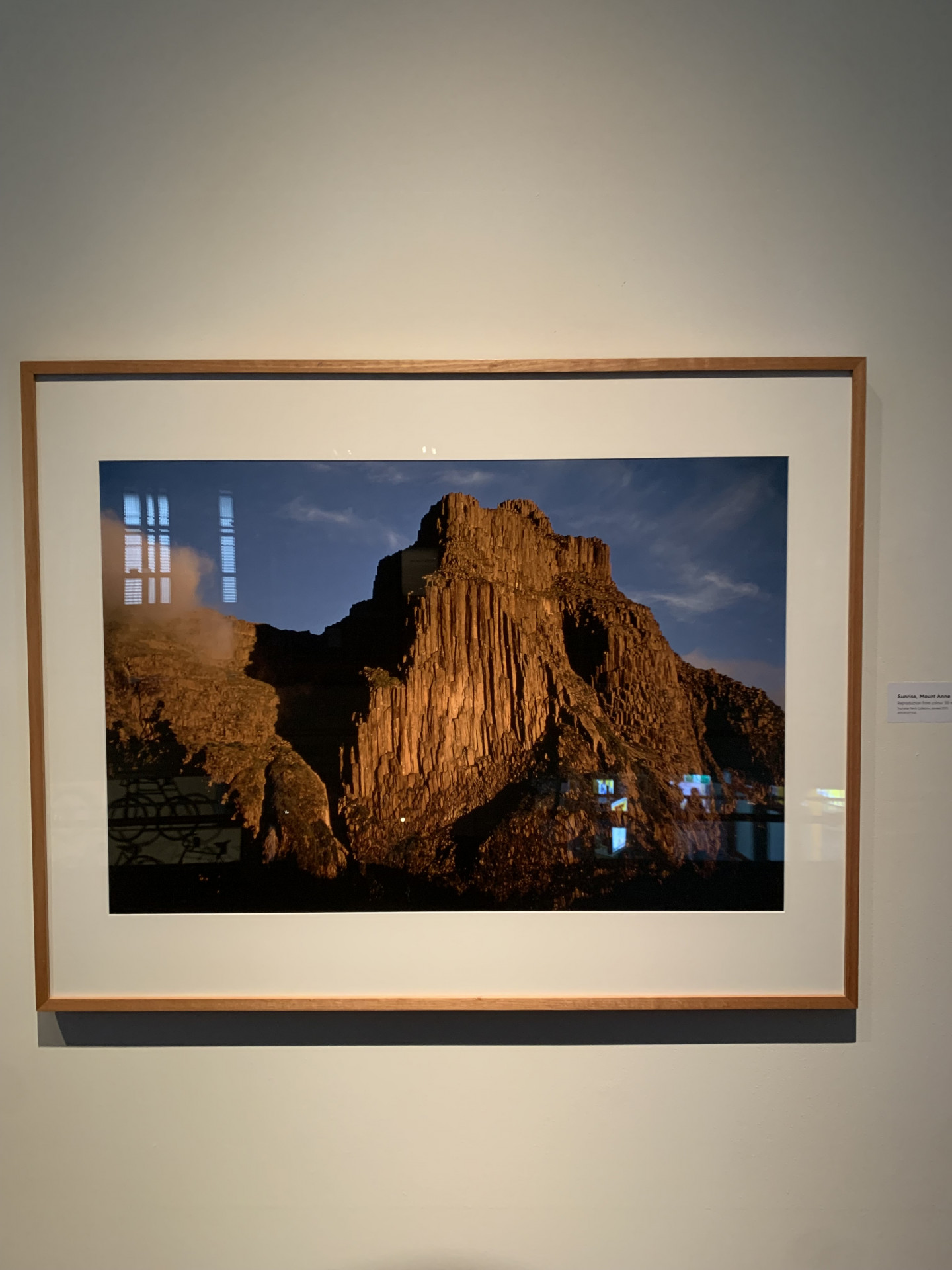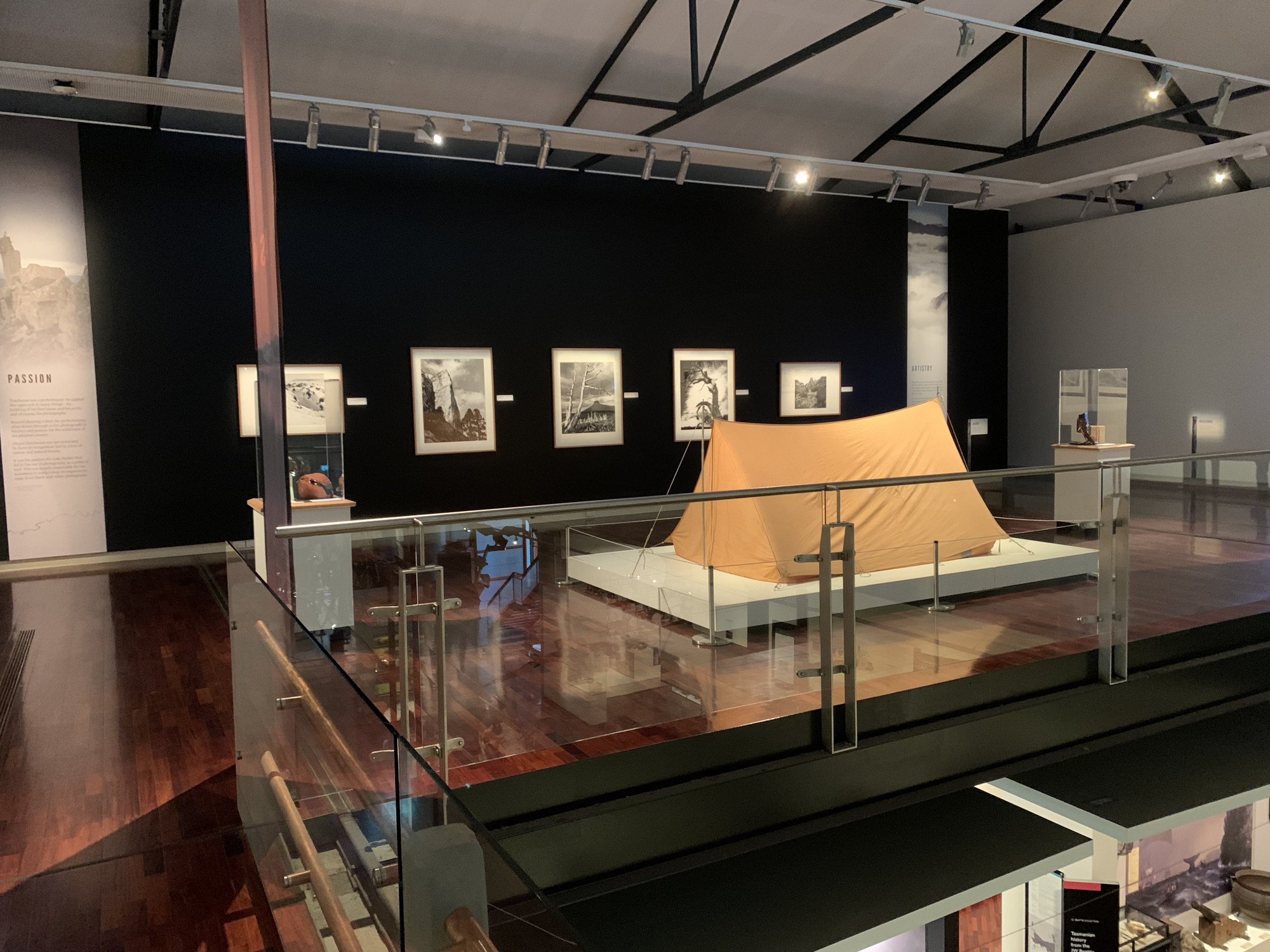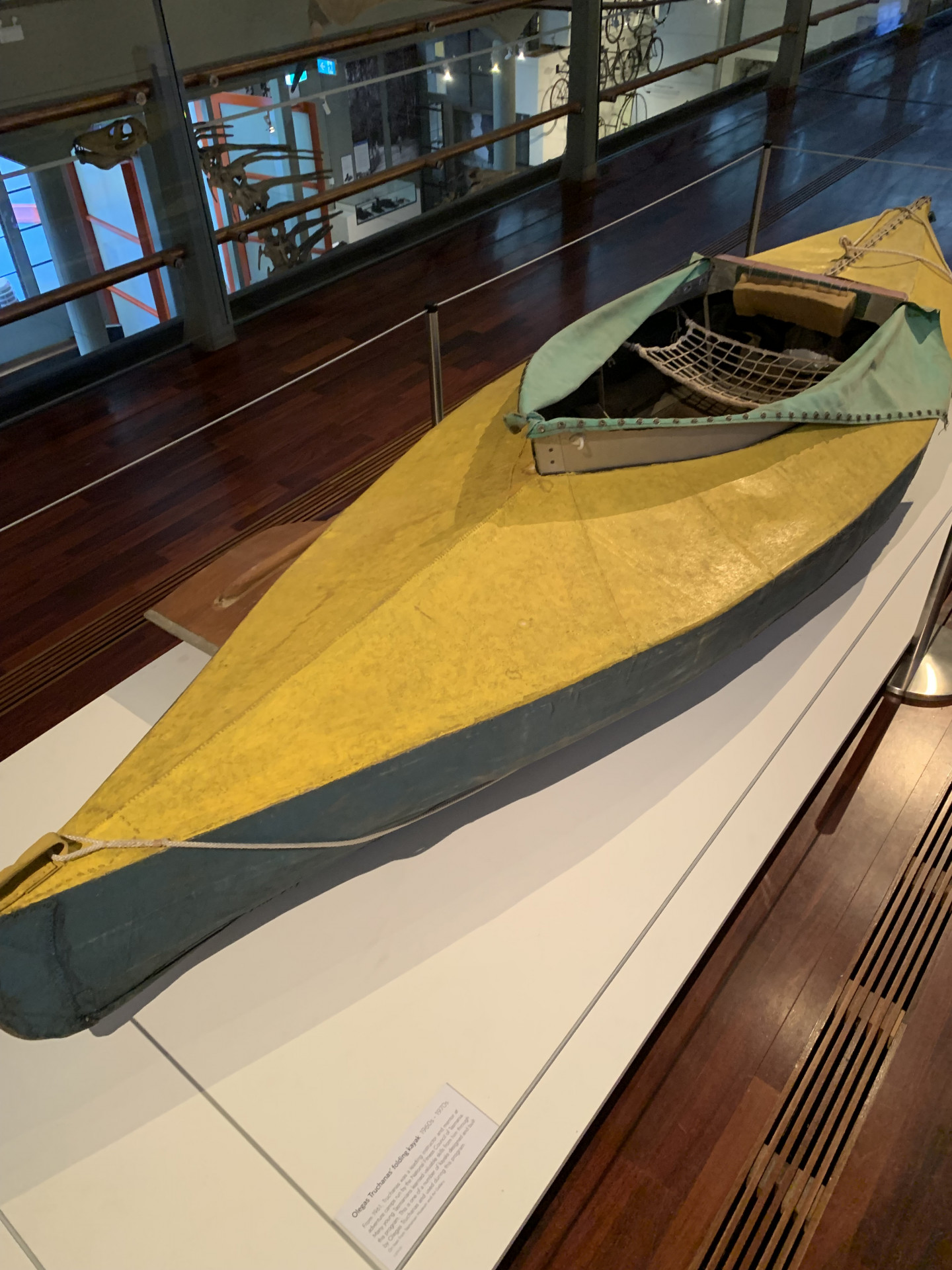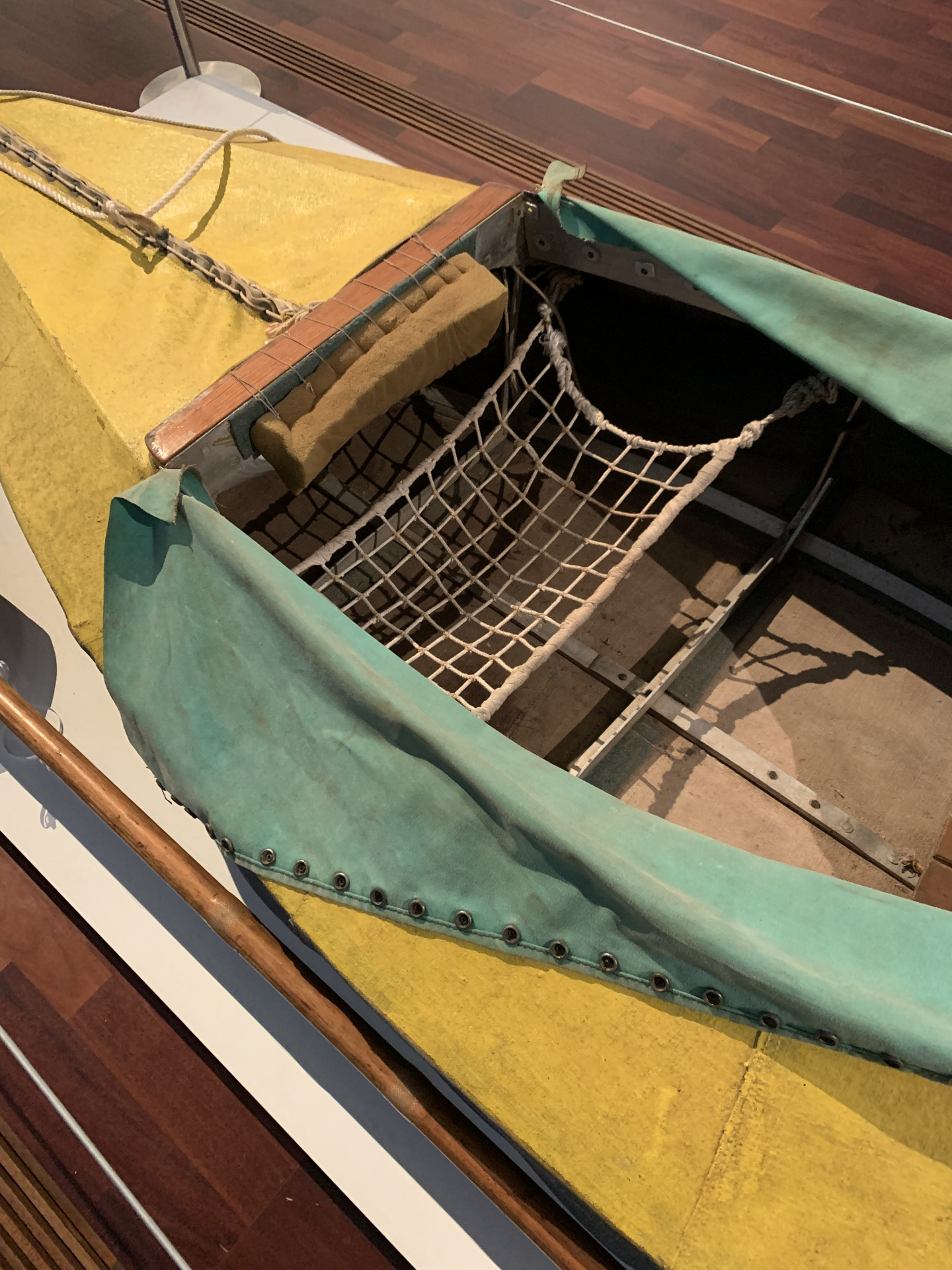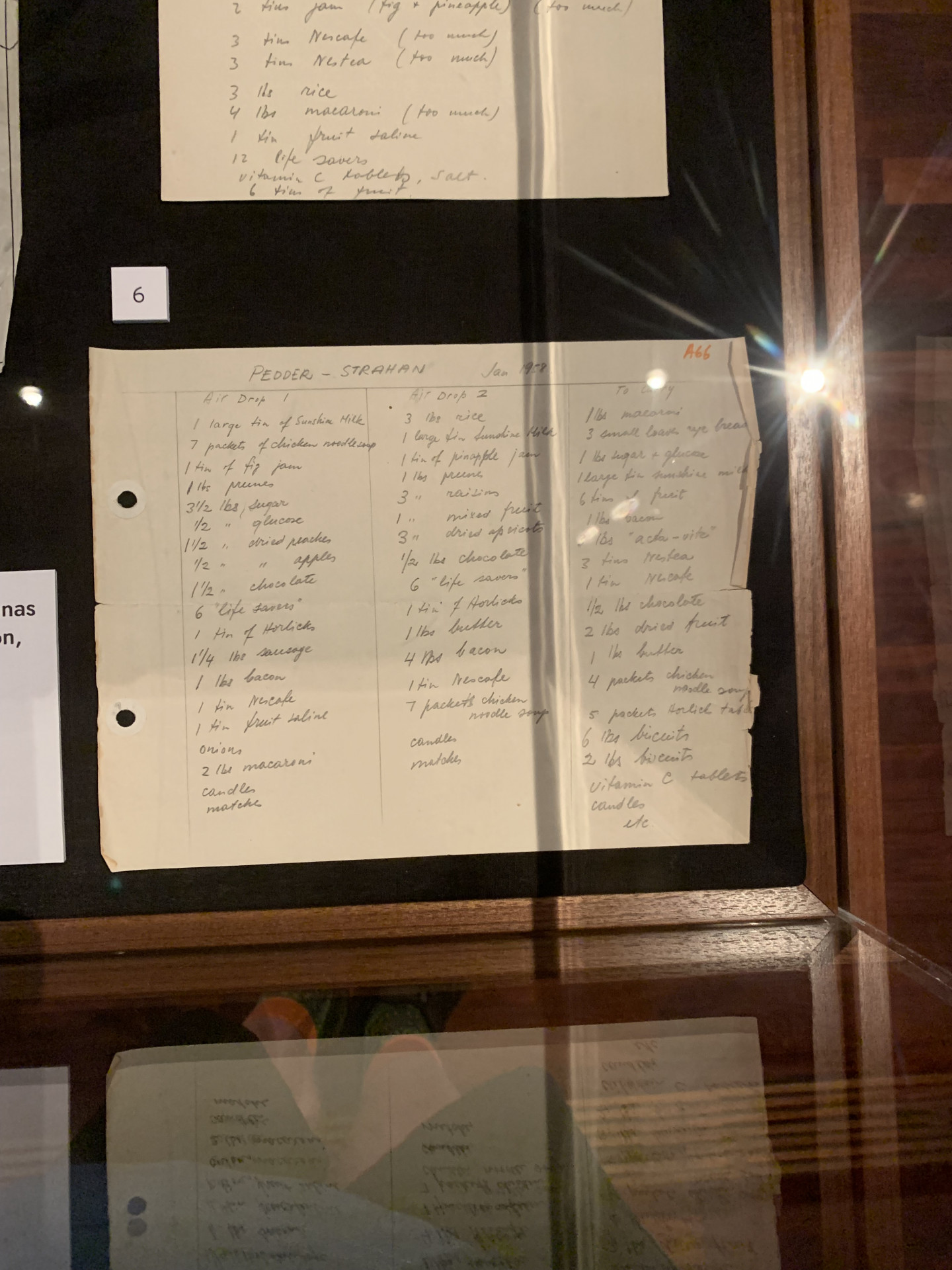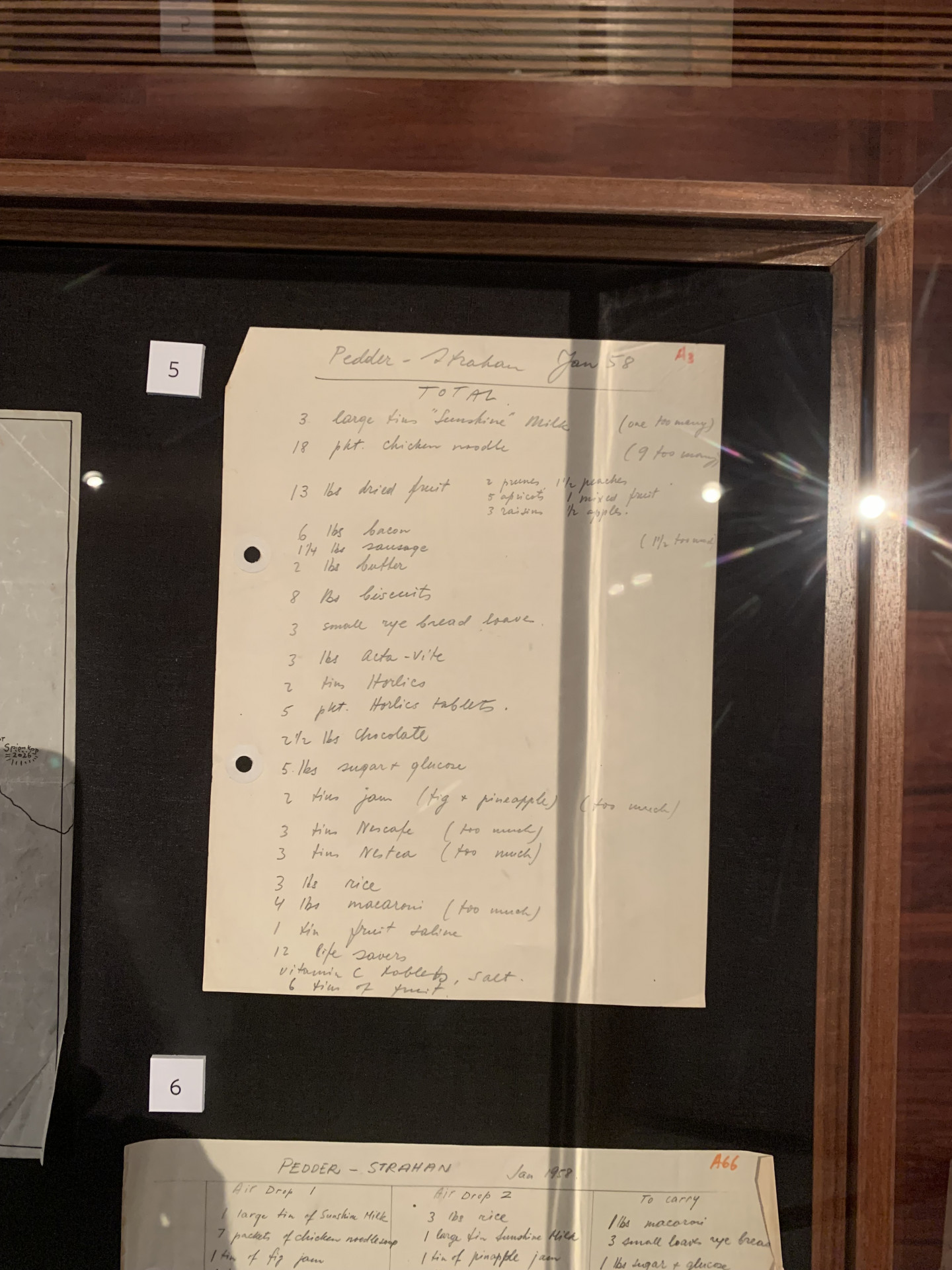
Jenny & I went to see her late uncle’s exhibition –This Vanishing World: Photography of Olegas Truchanas at the Queen Victoria Museum at Inveresk in Launceston. We also visited her cousins in Hobart.
Sunday 23 to Wednesday 26 March
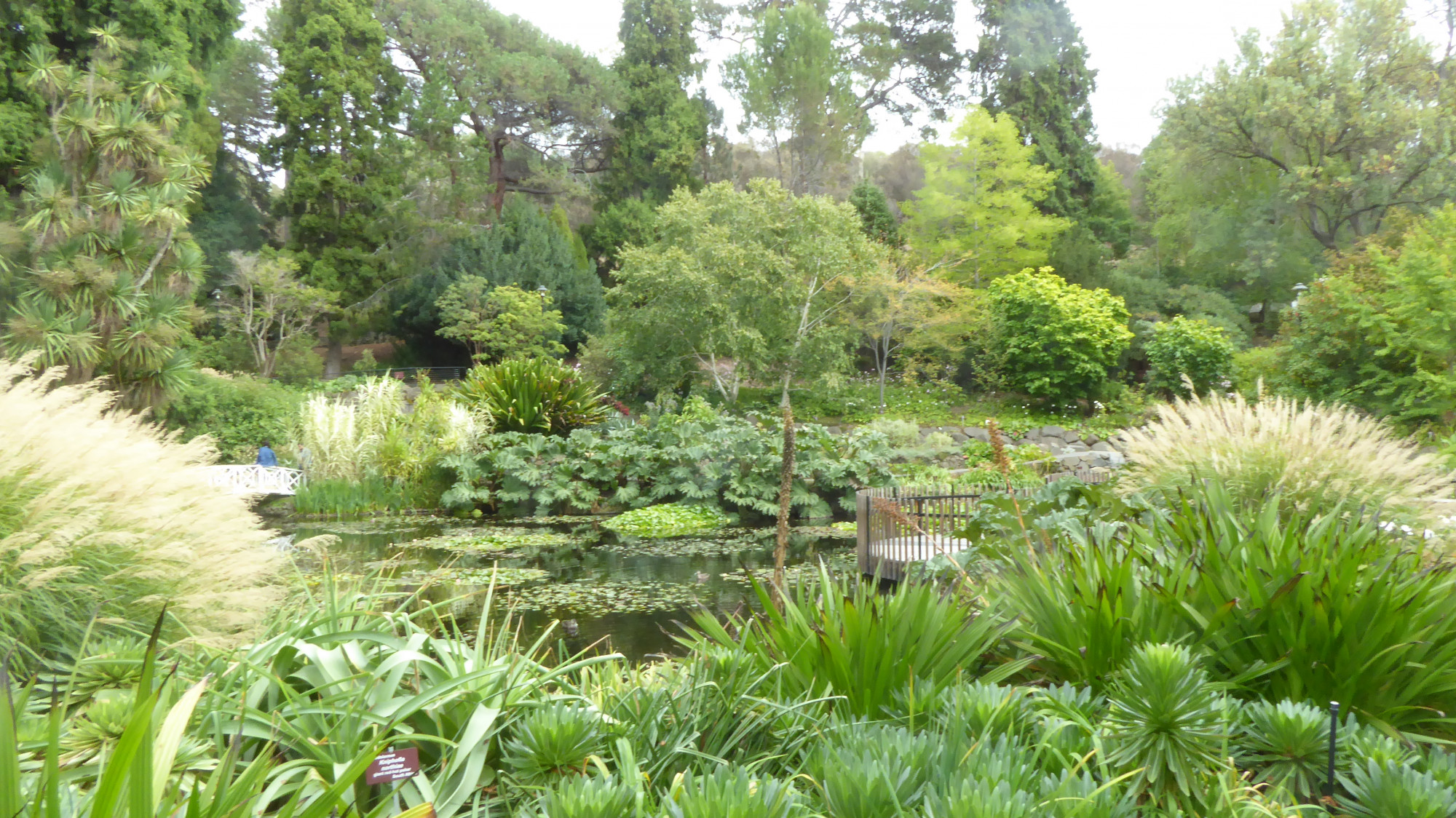
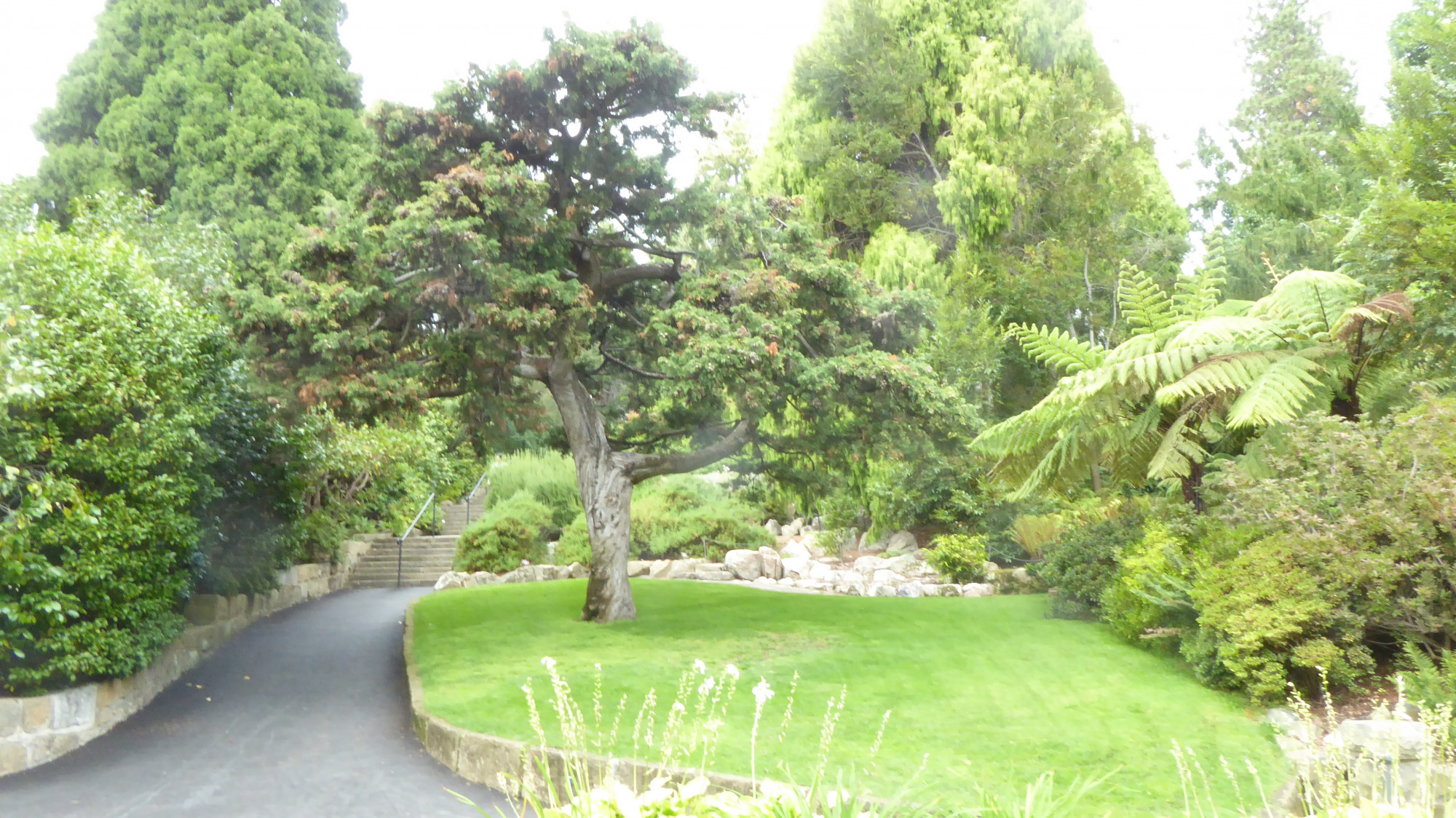
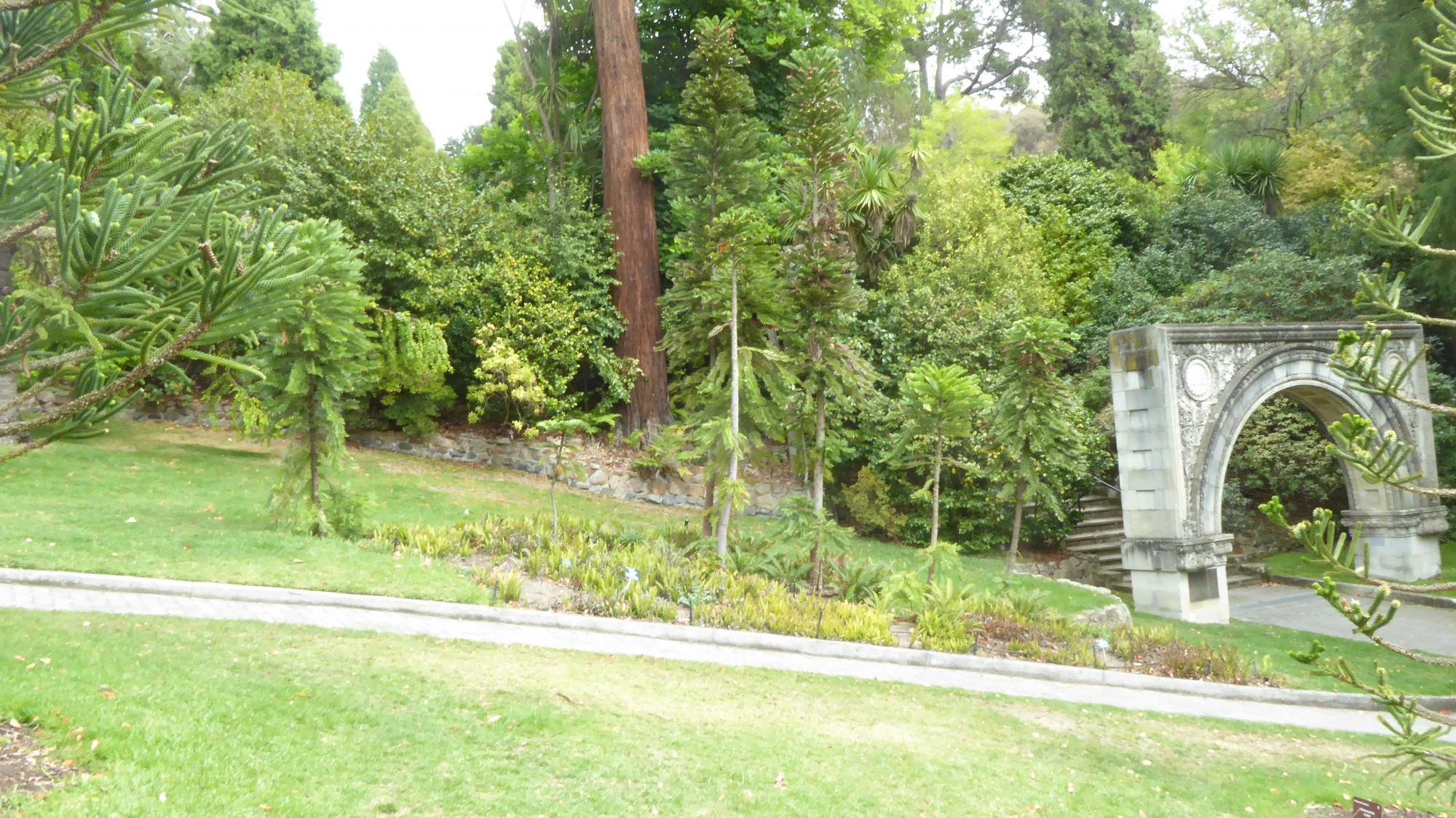
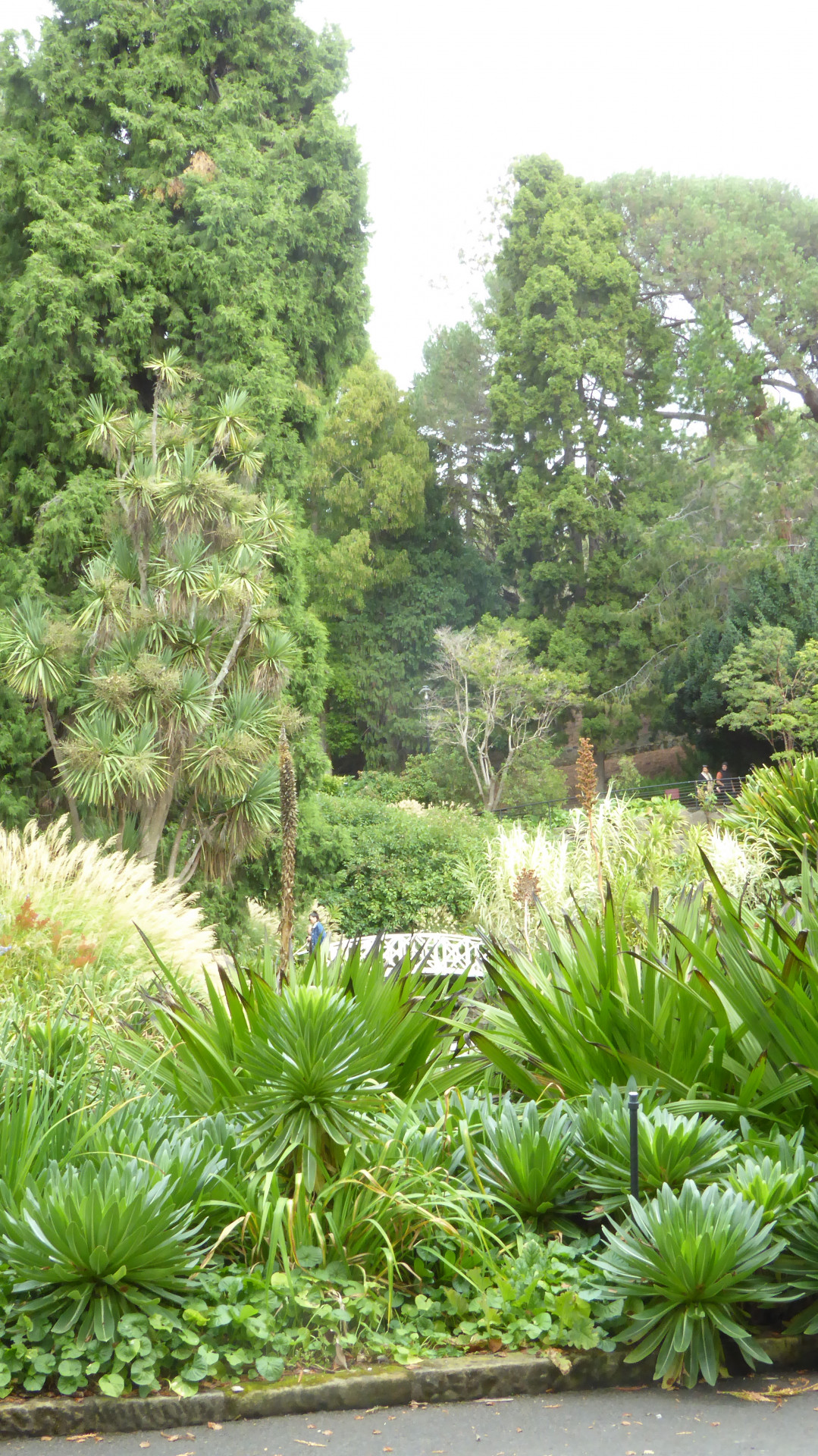
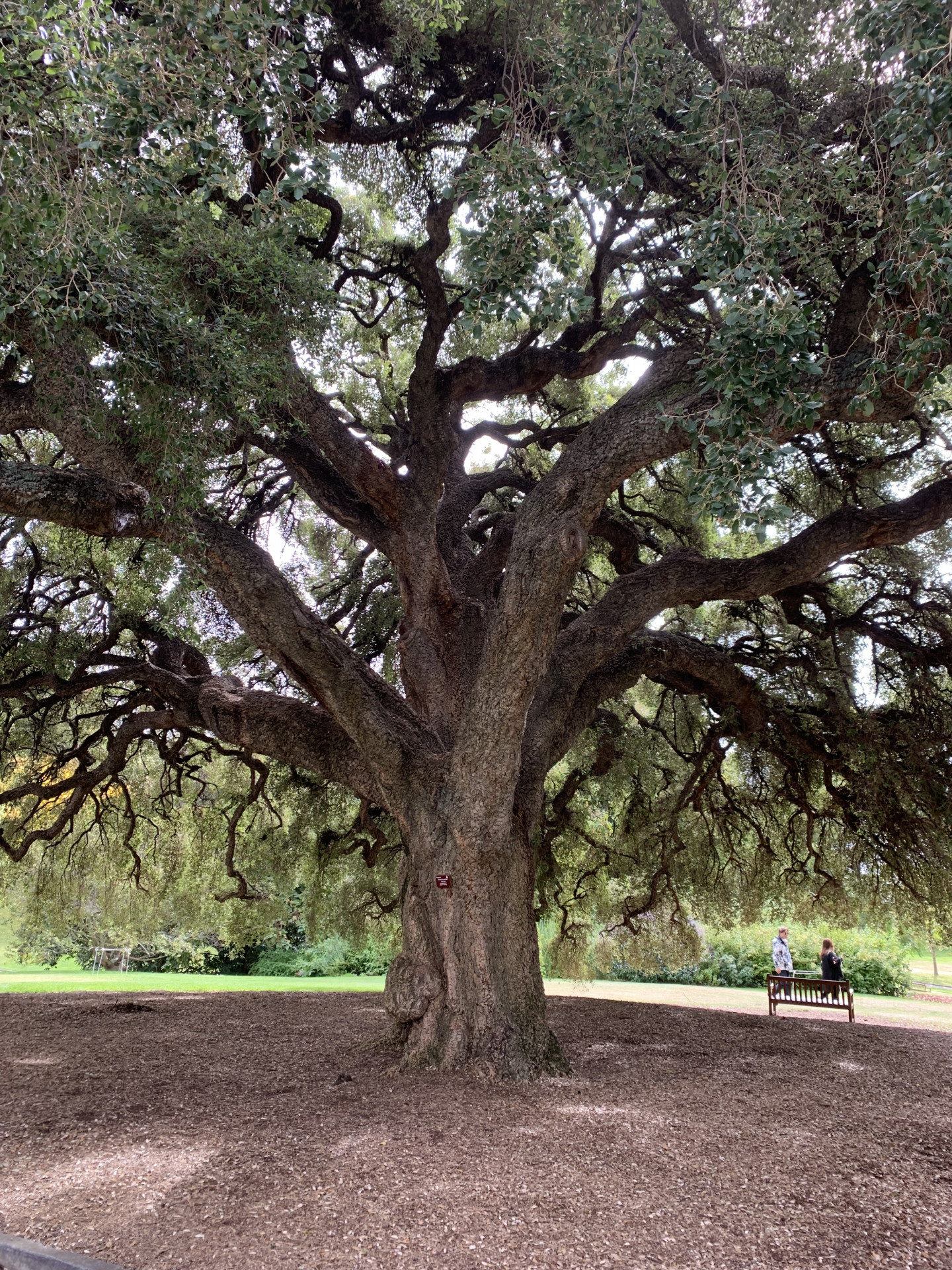
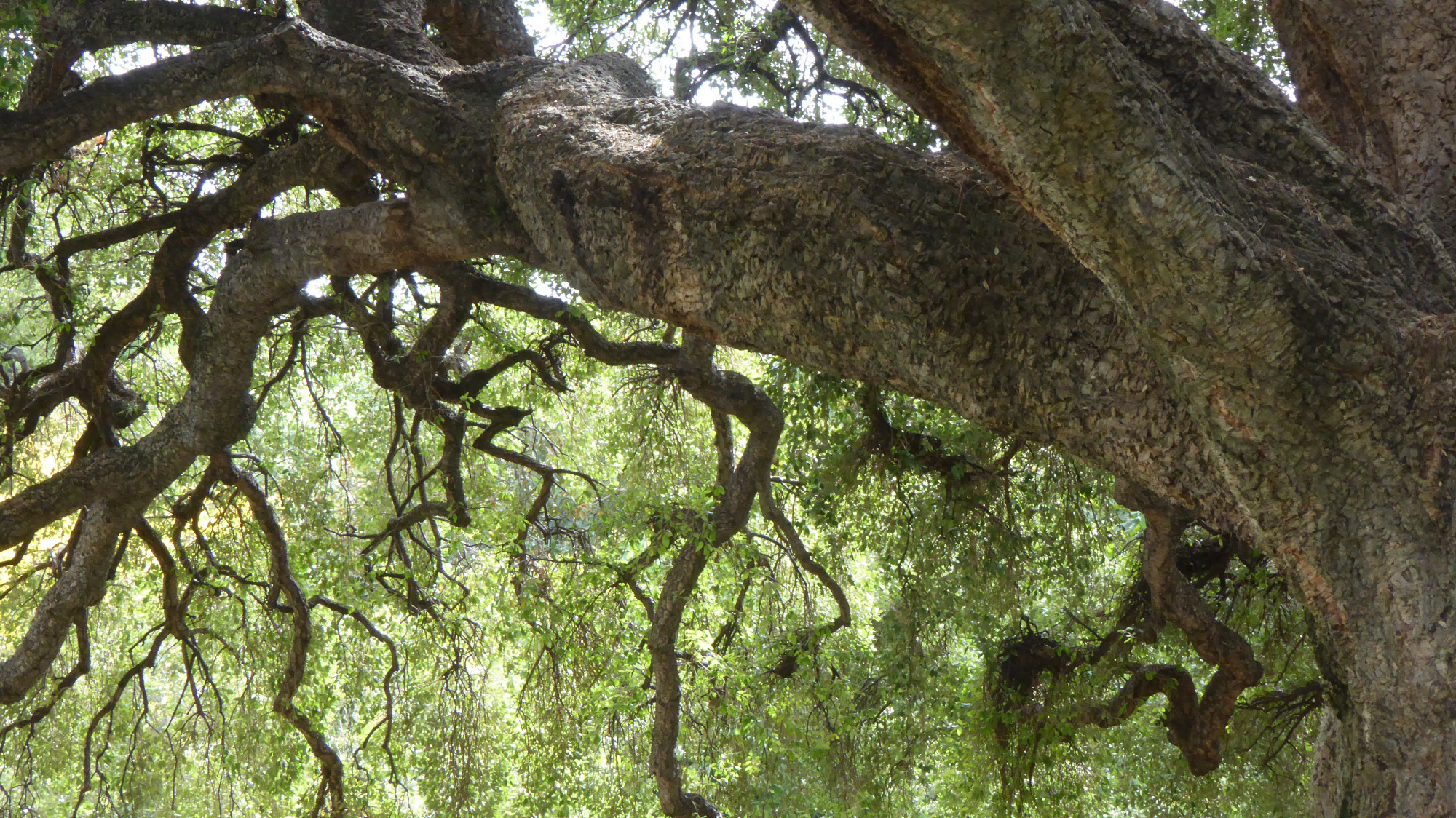
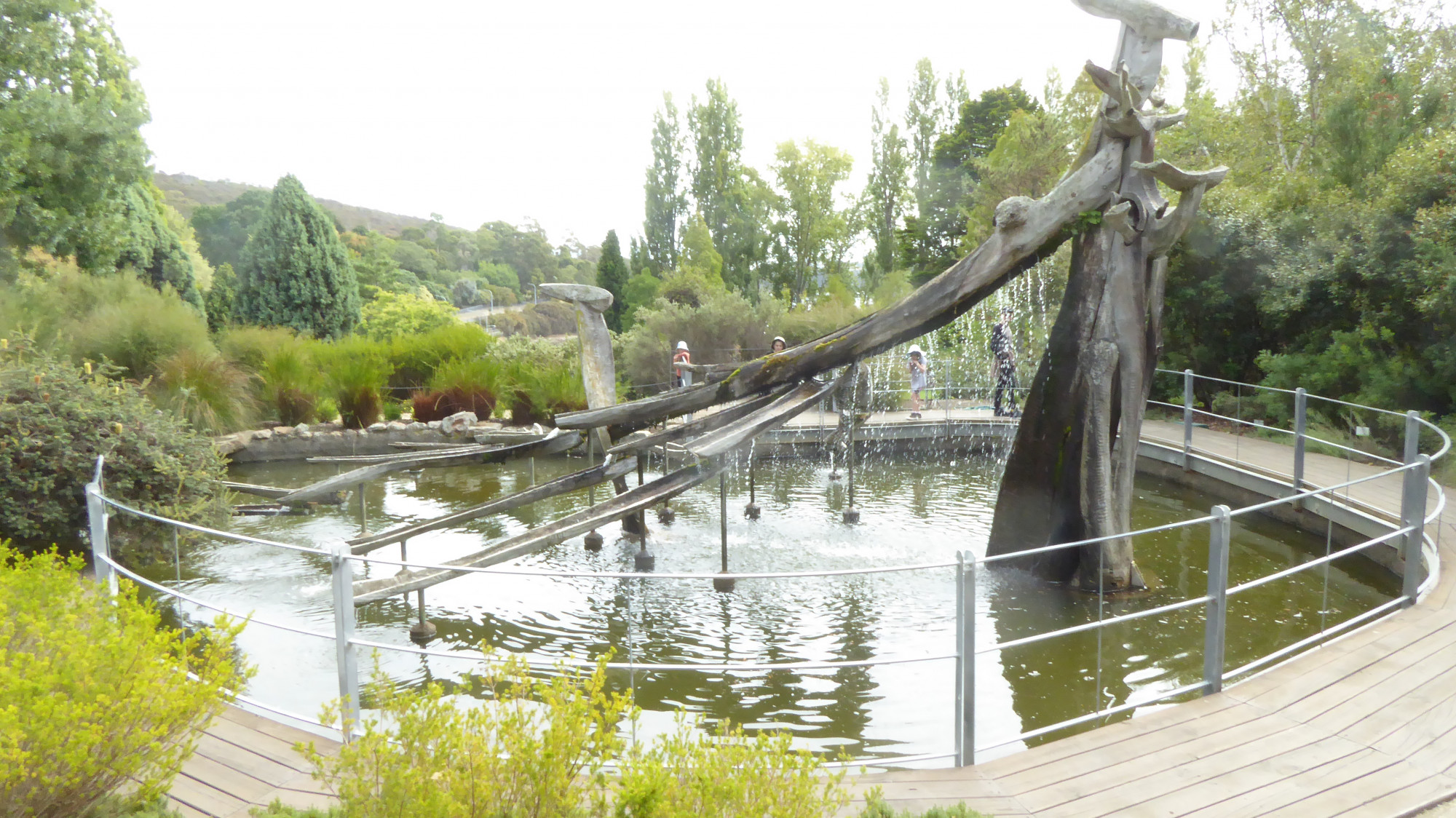
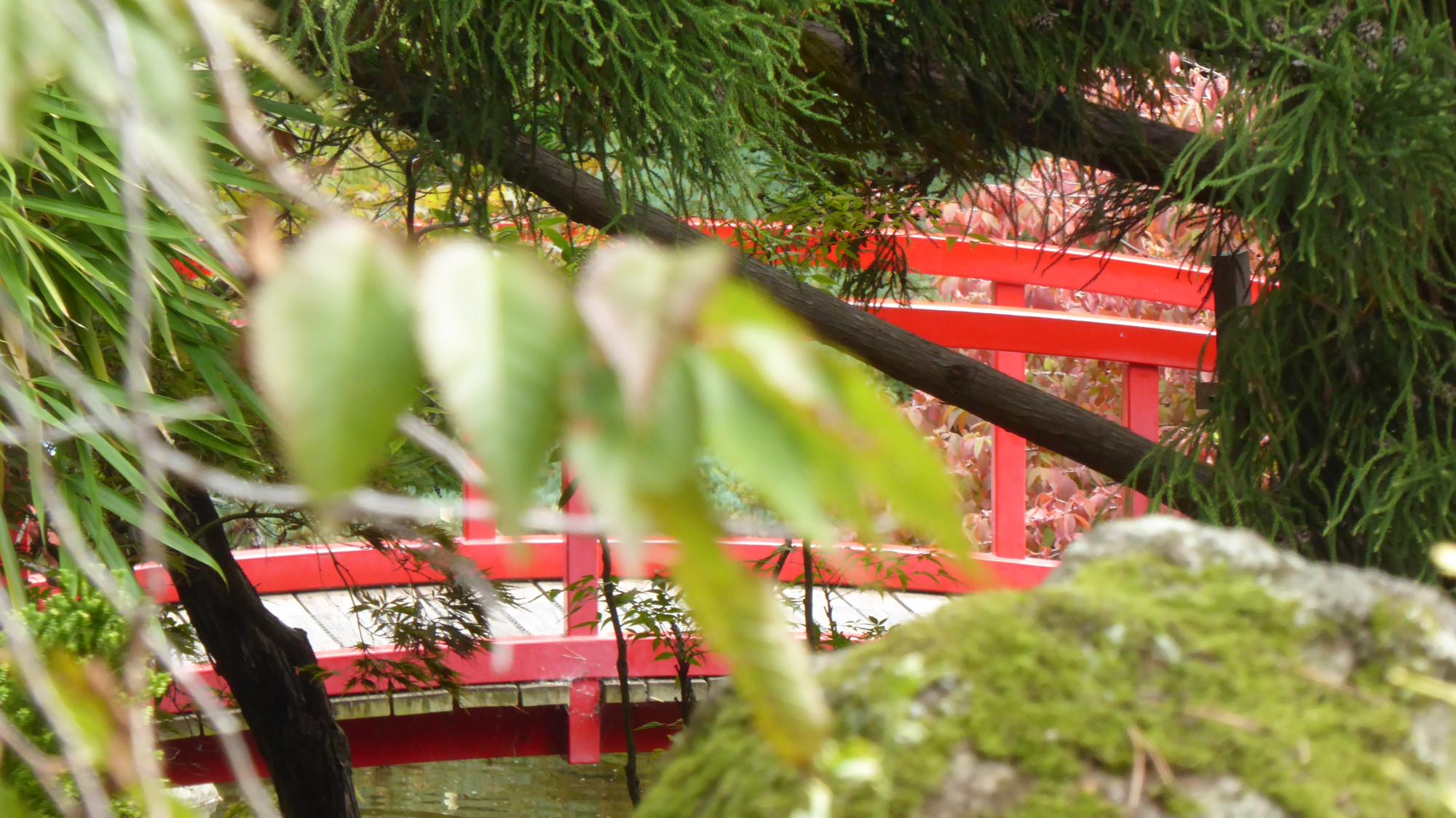
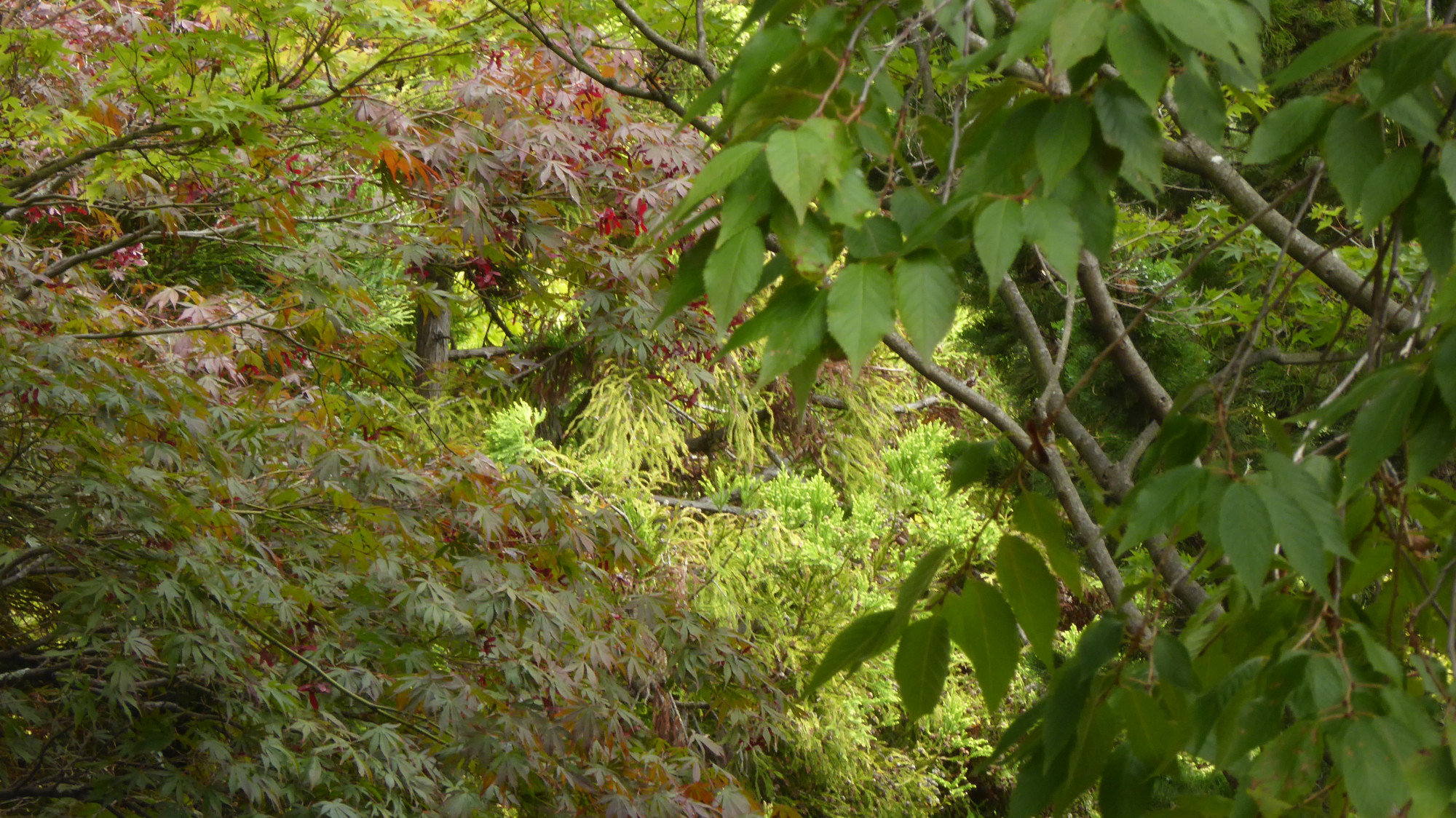
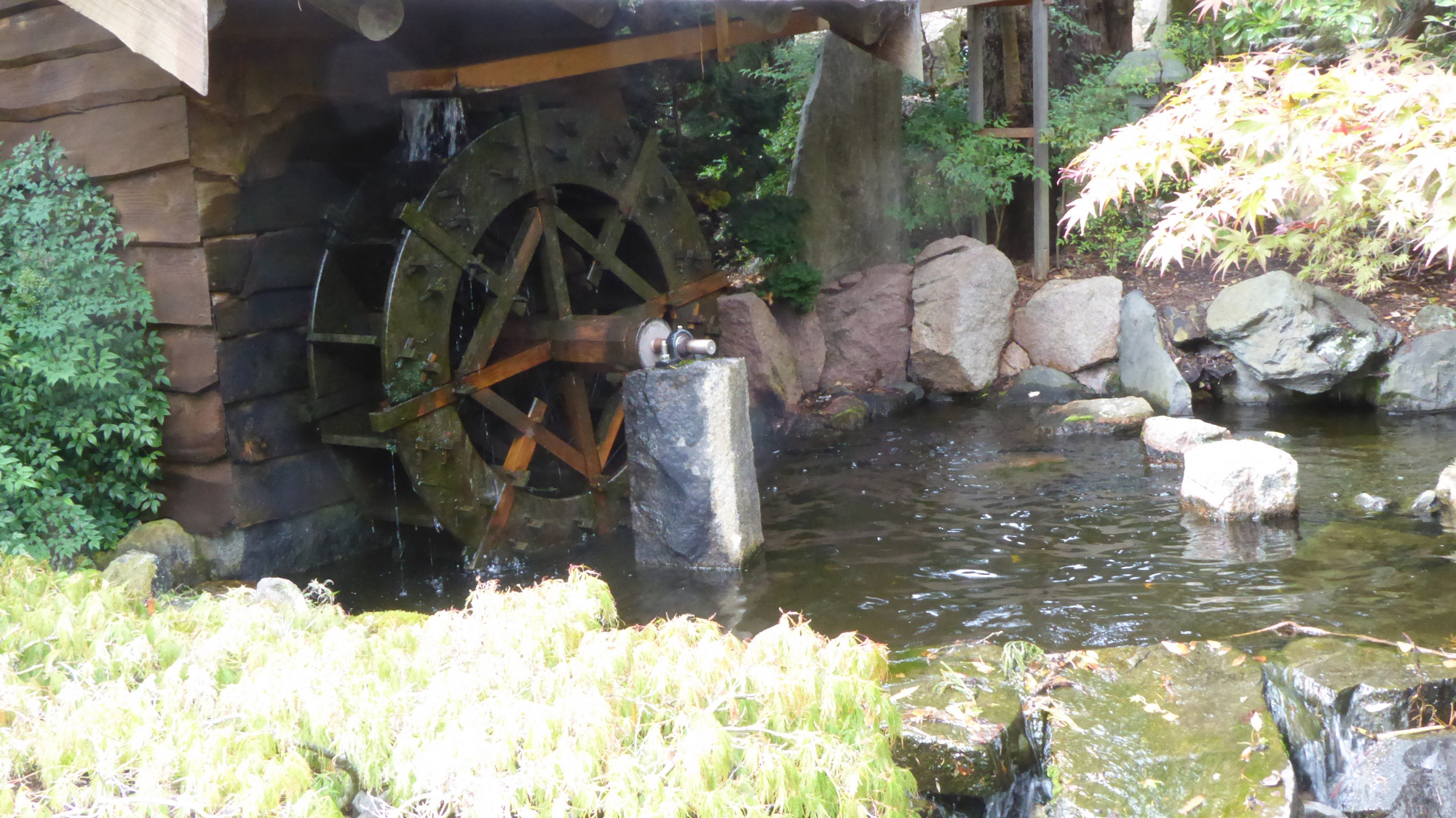
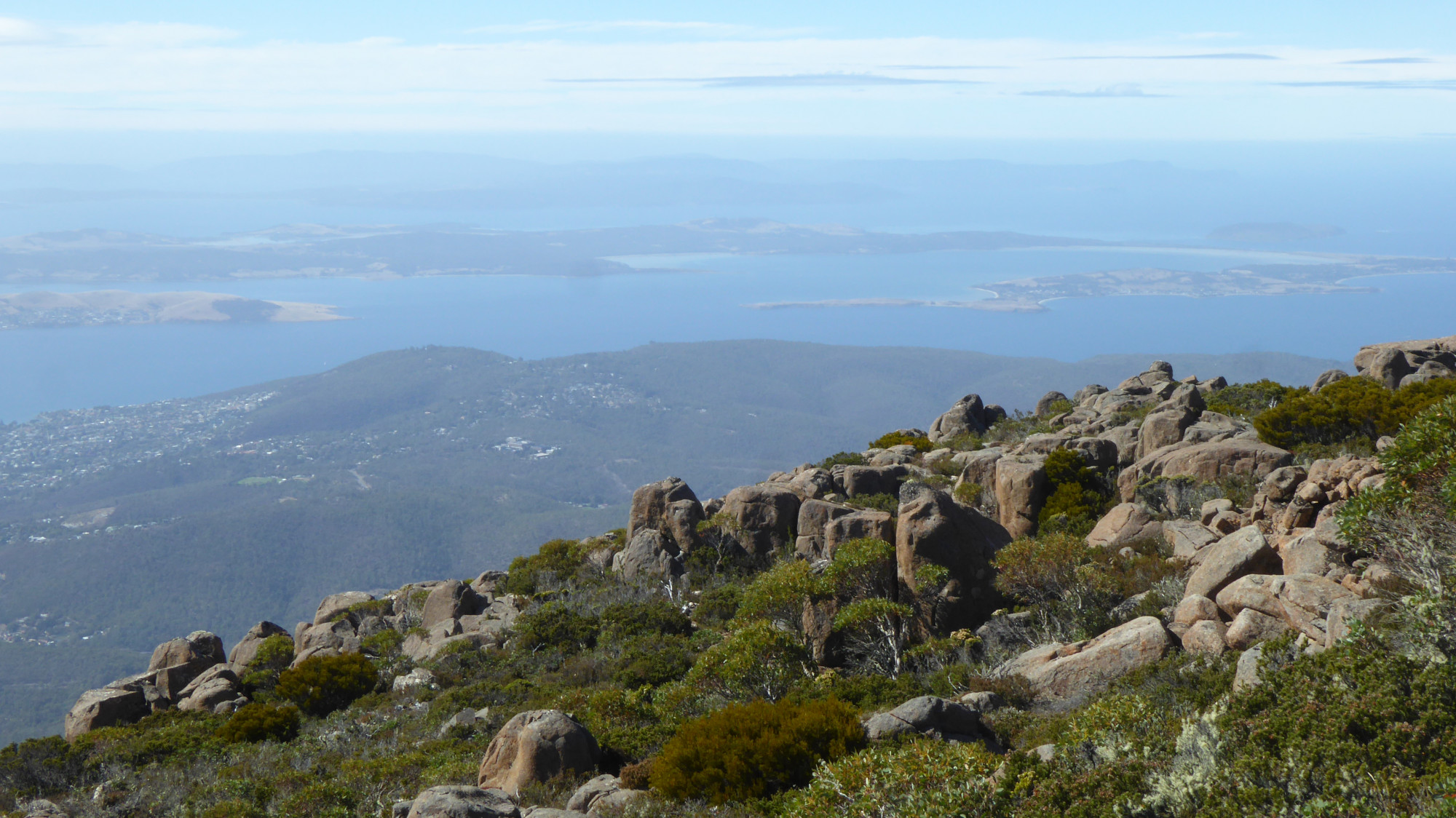
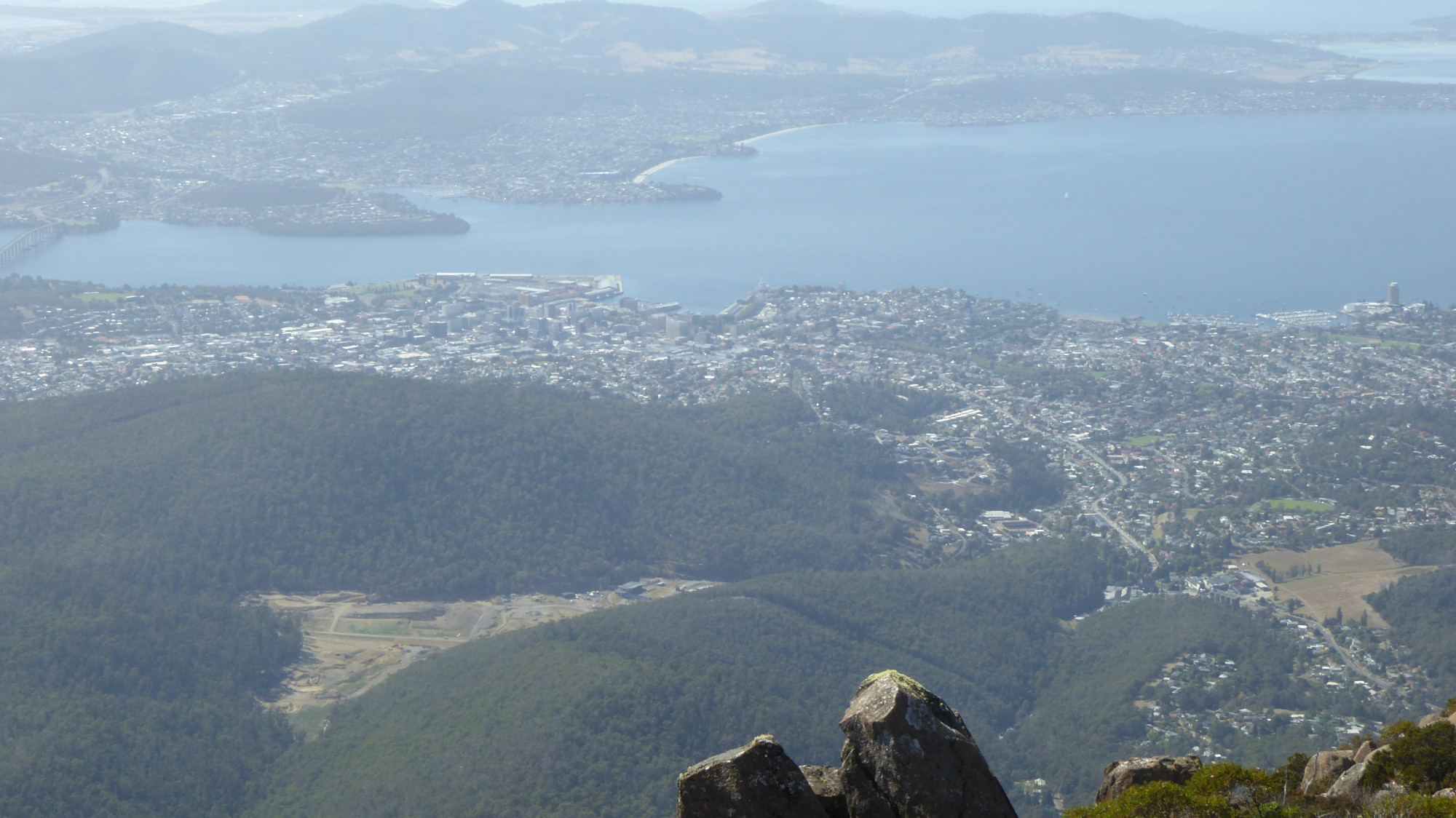
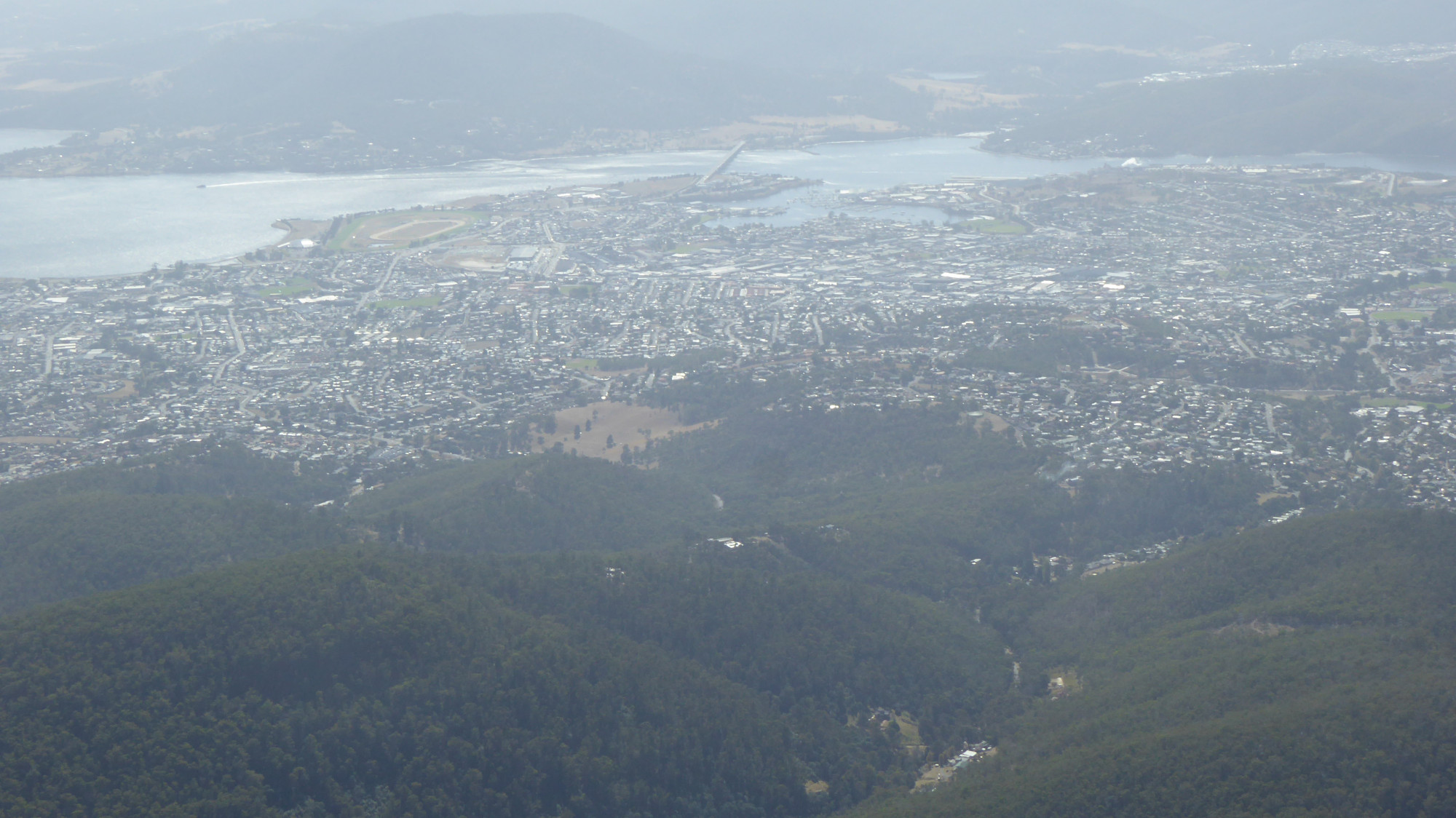
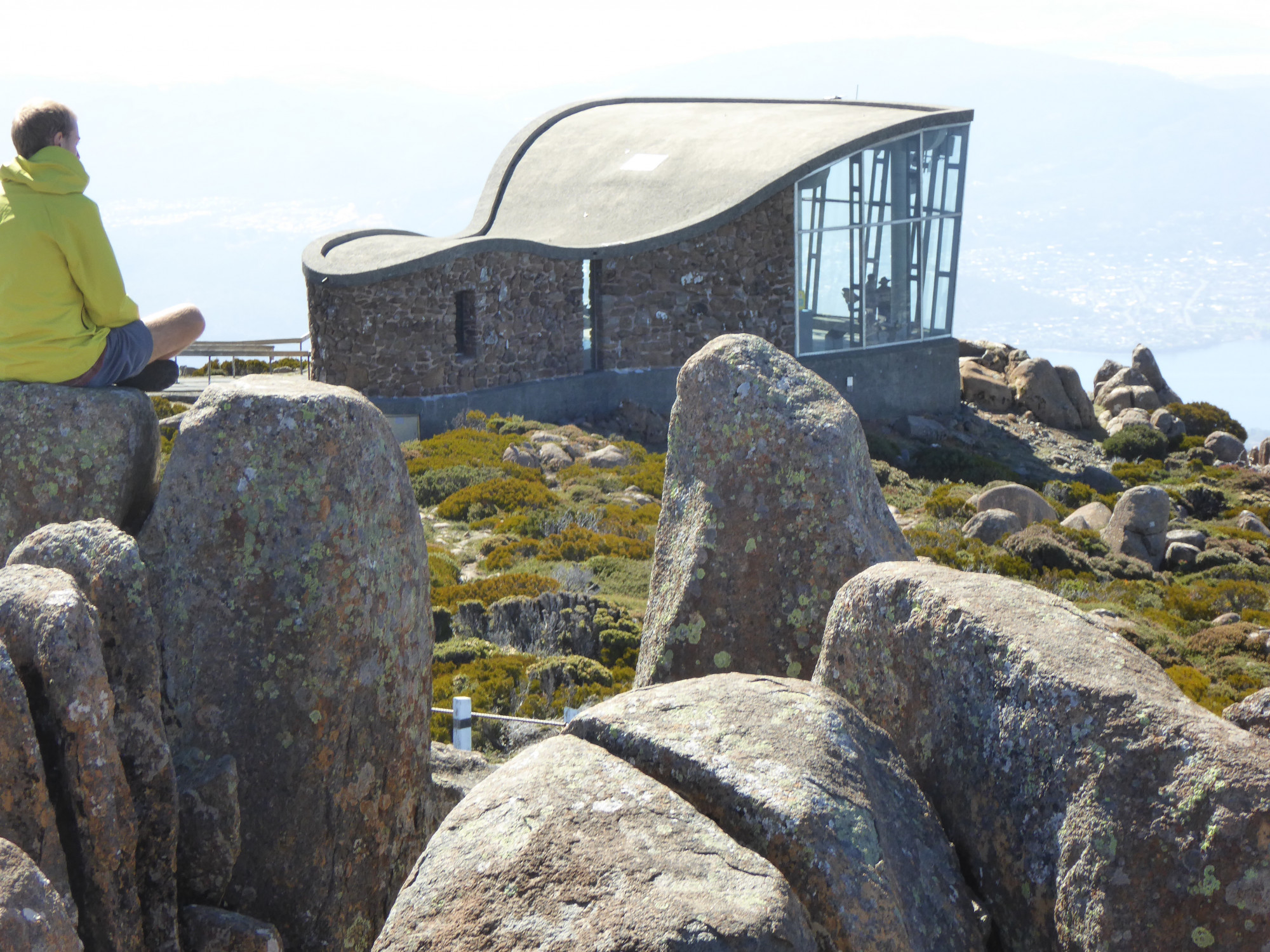
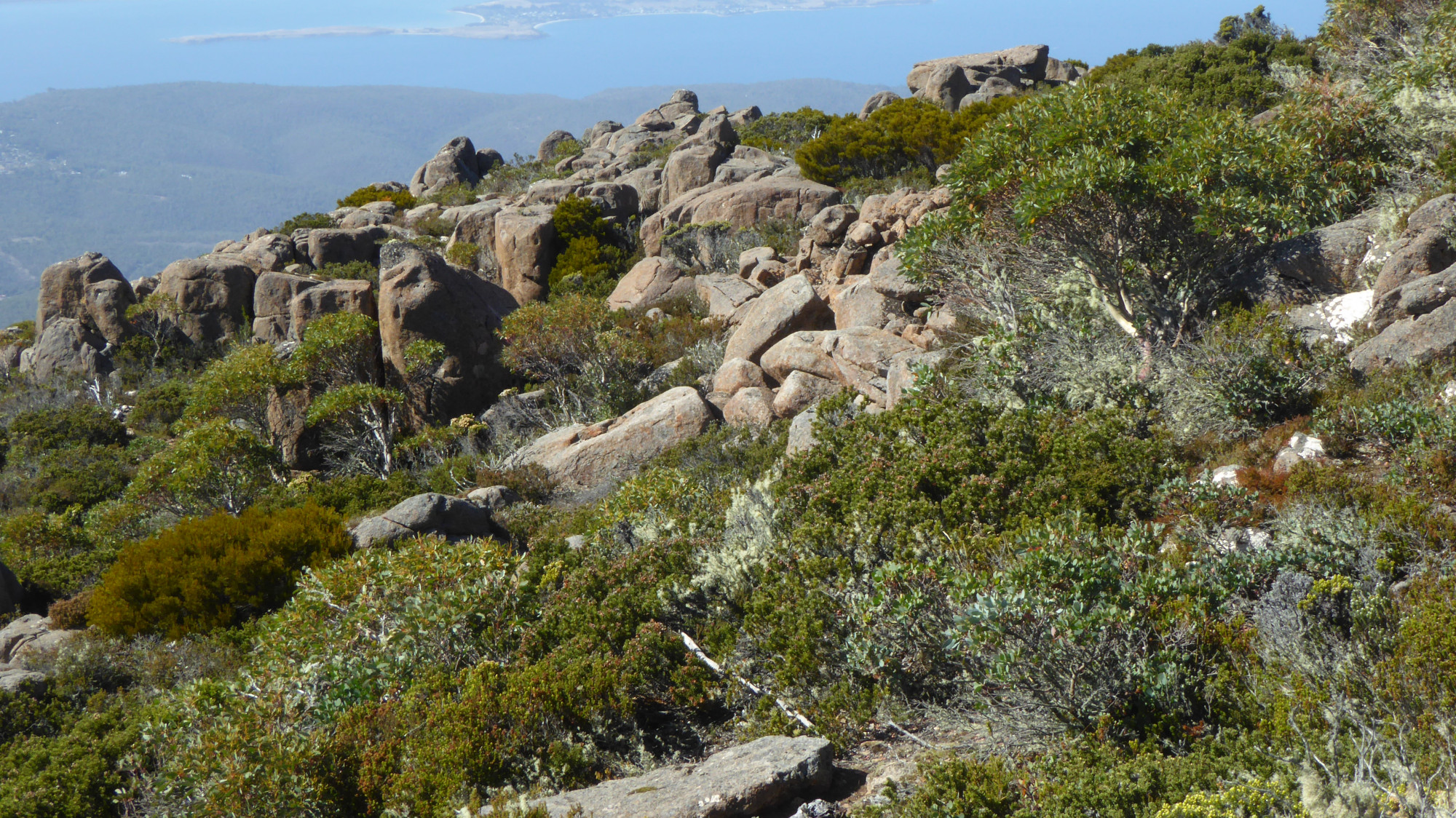
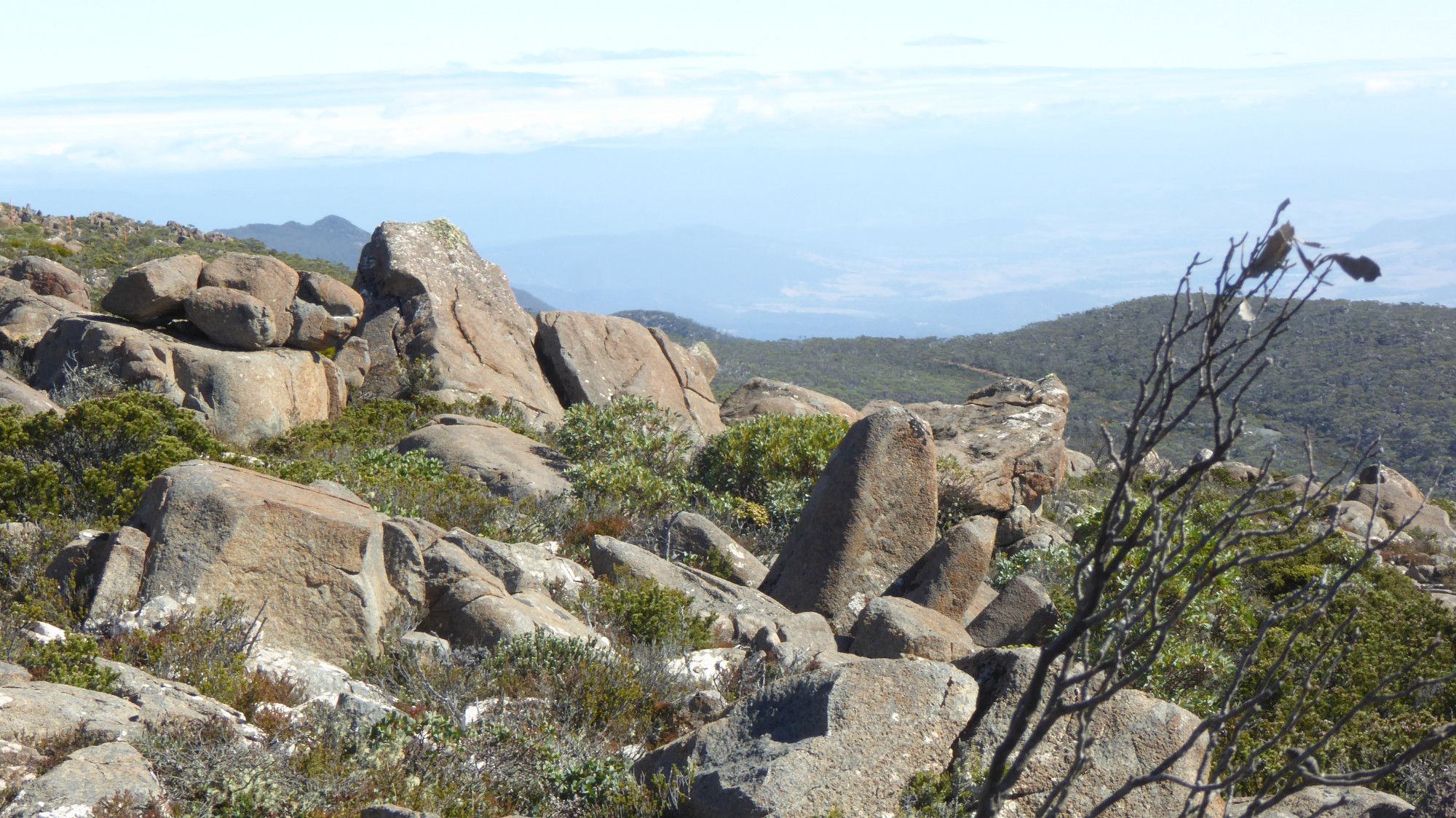
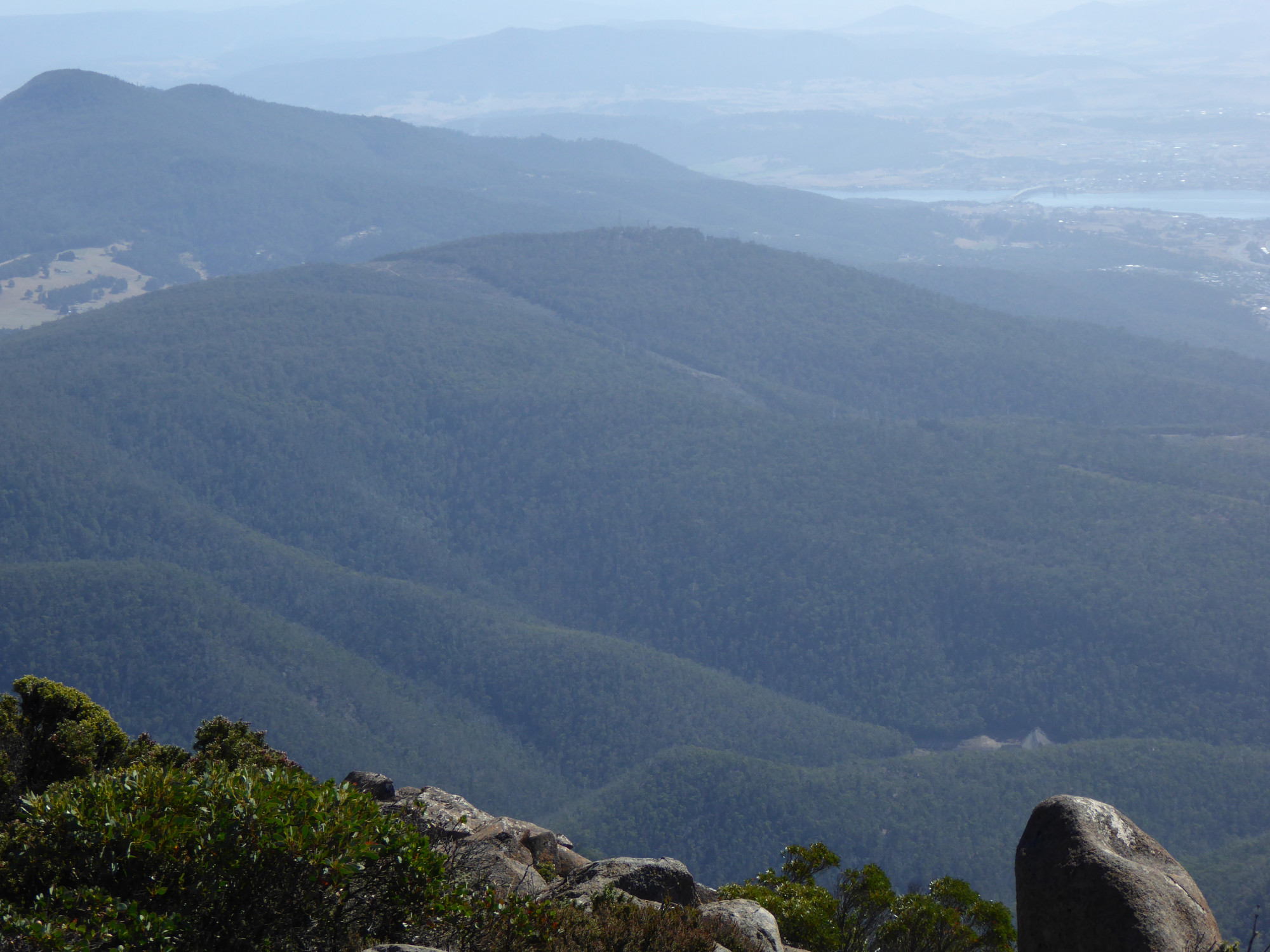
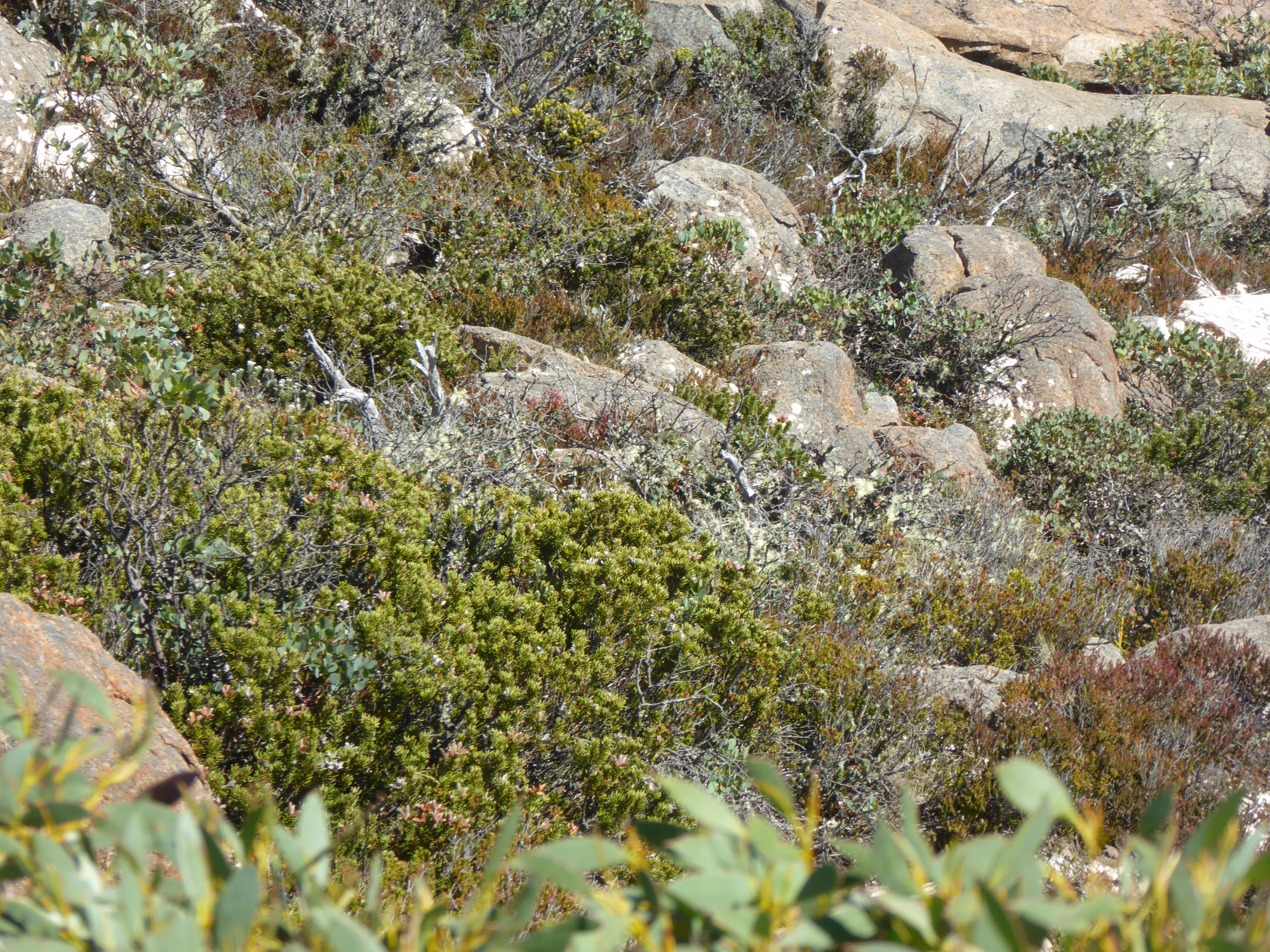
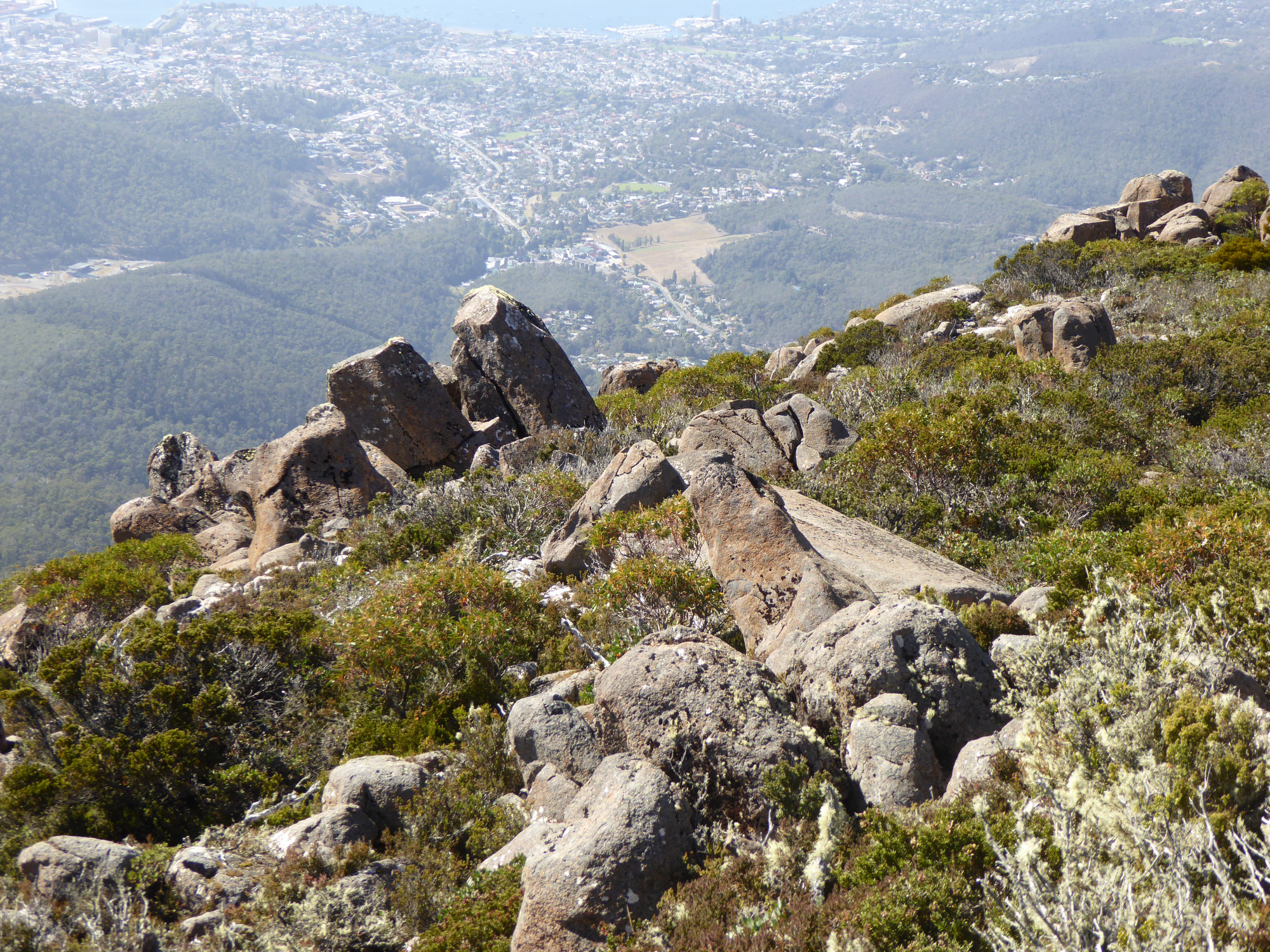
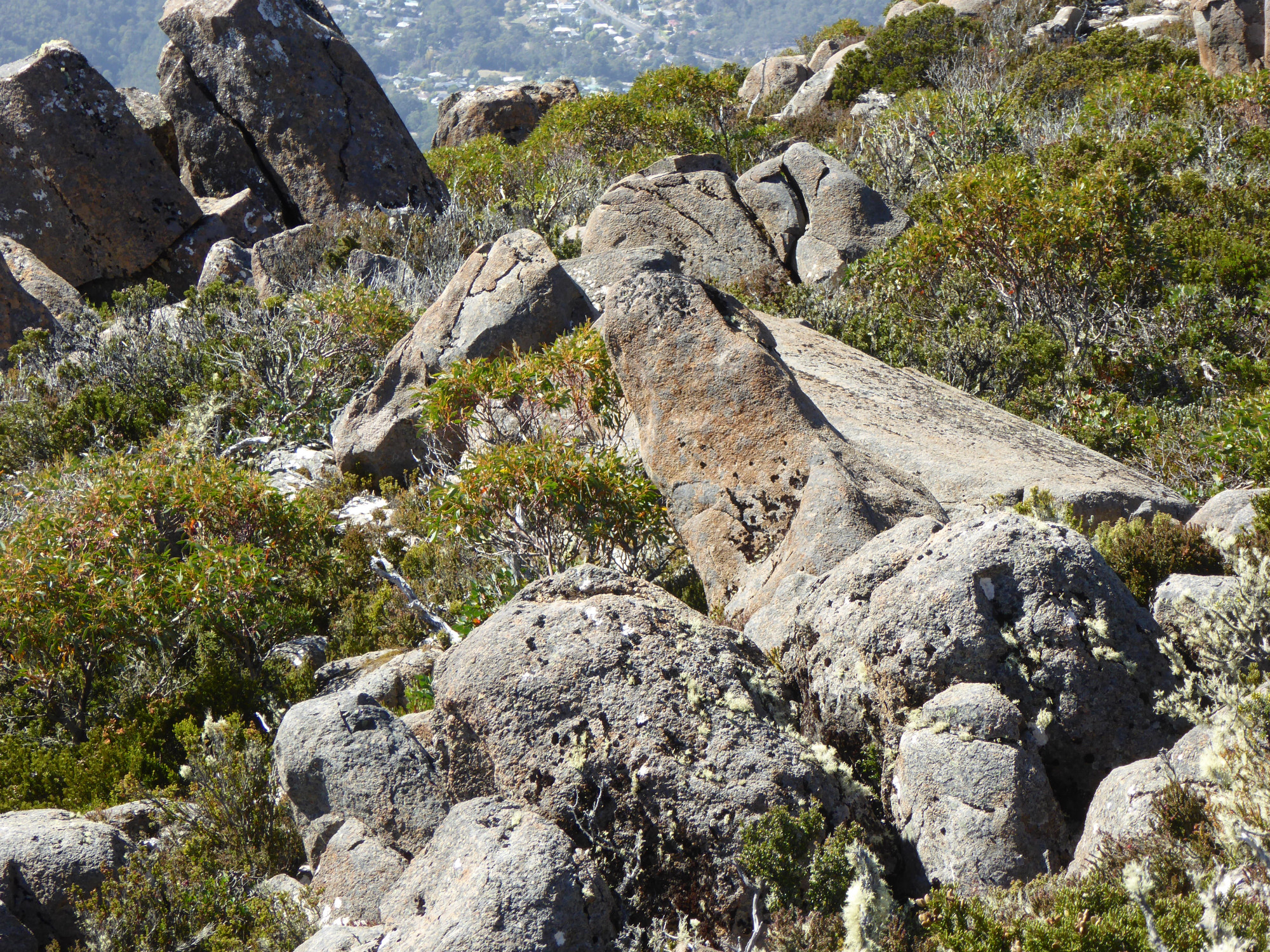
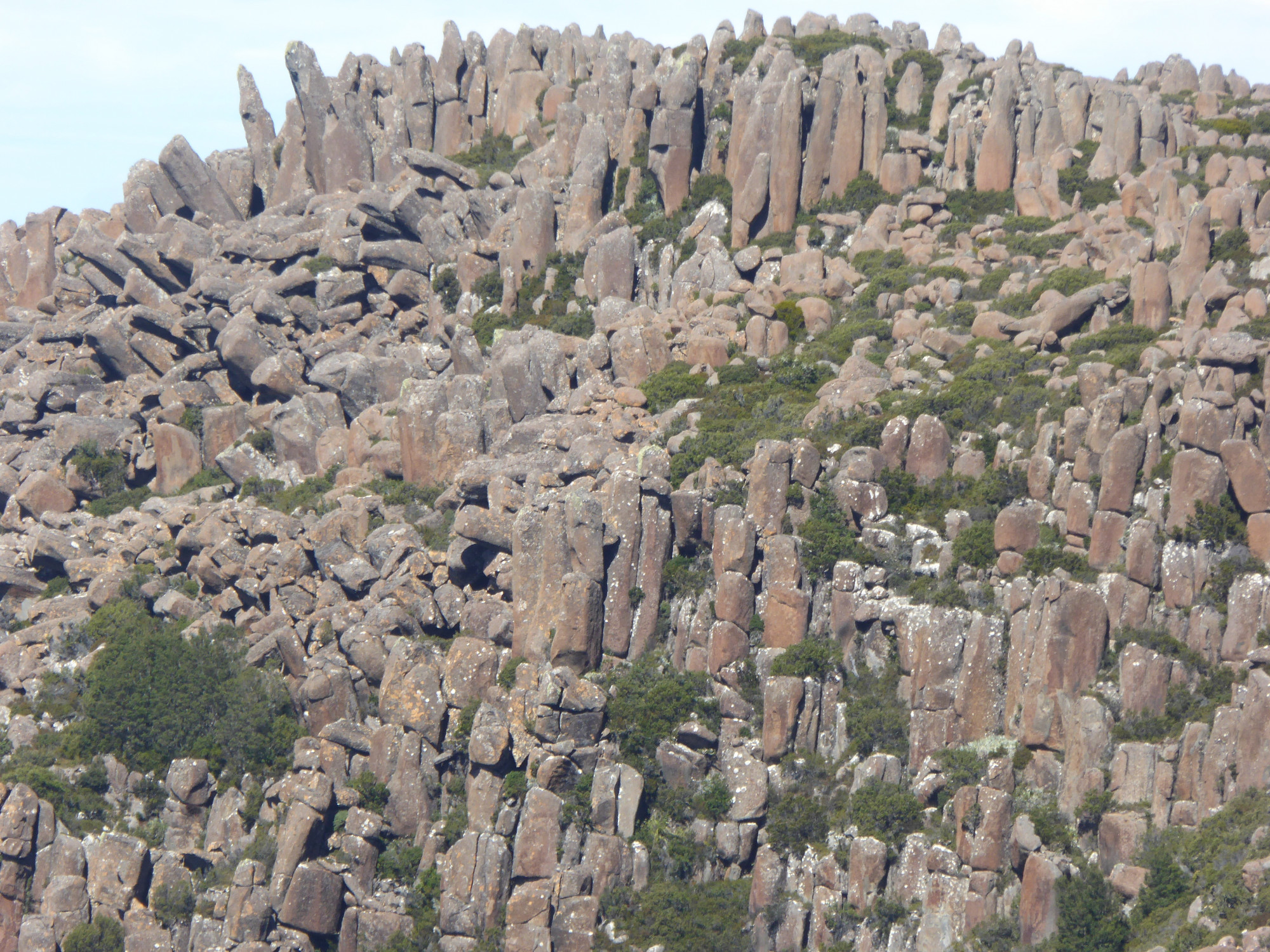
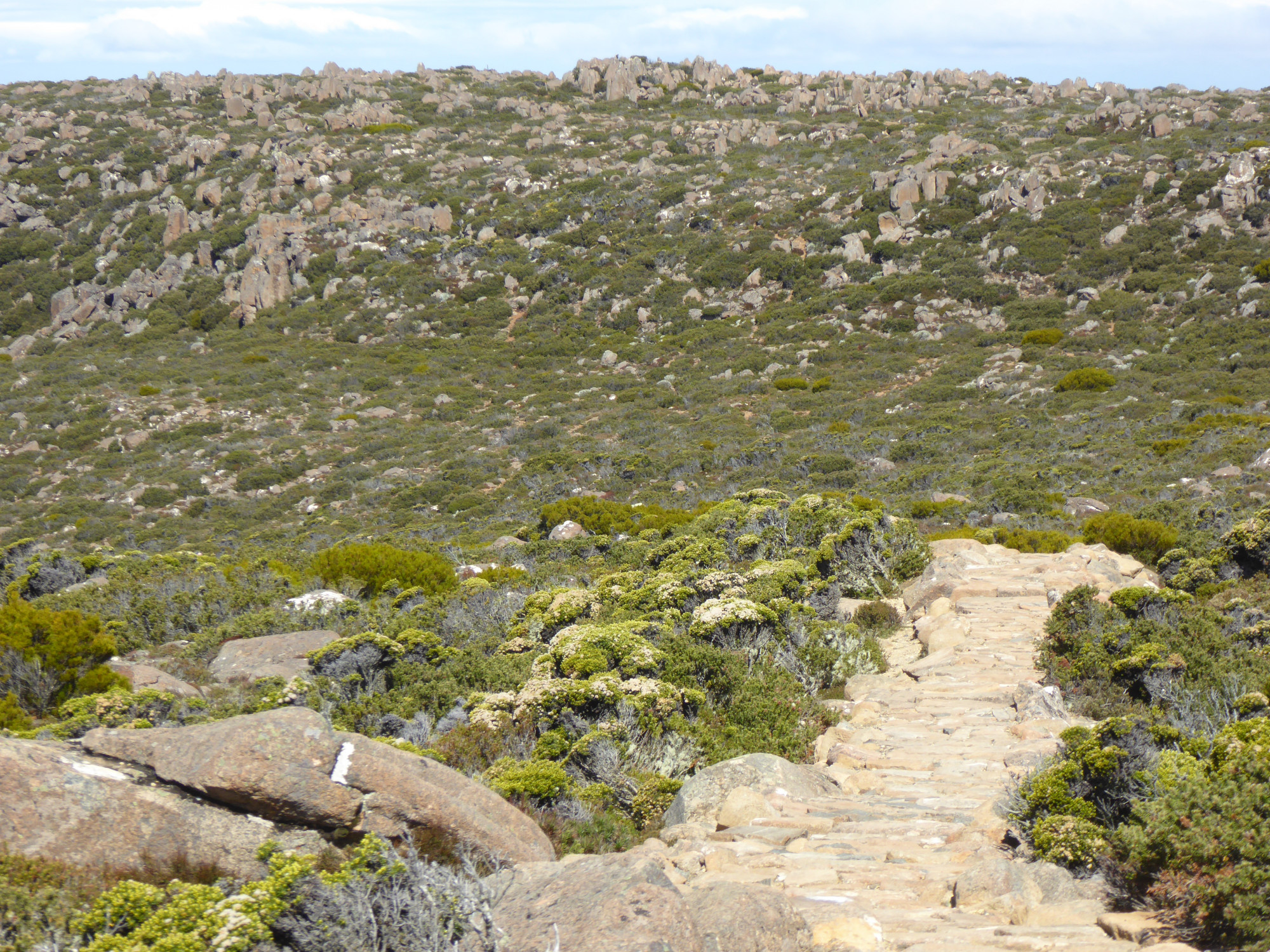
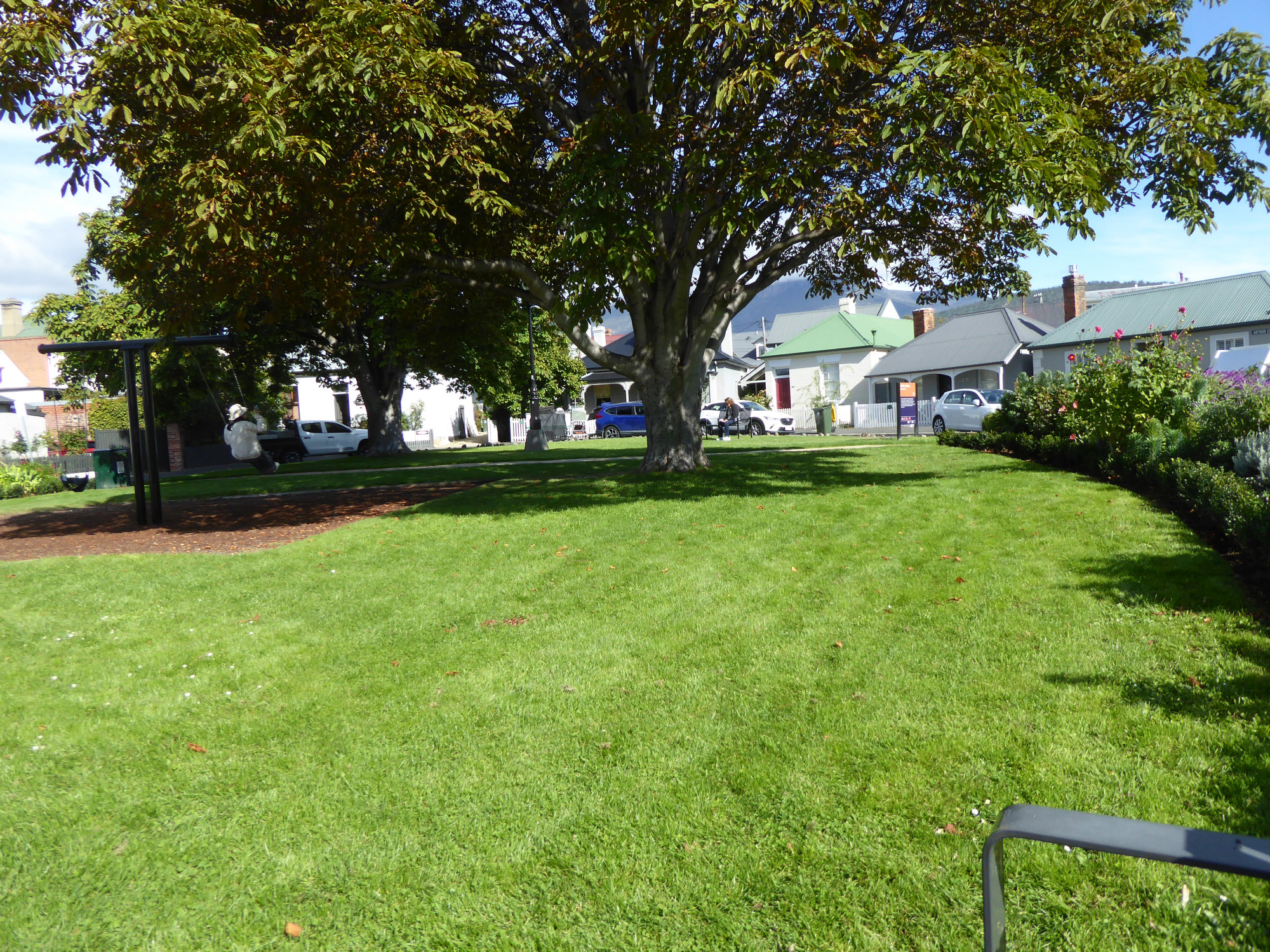
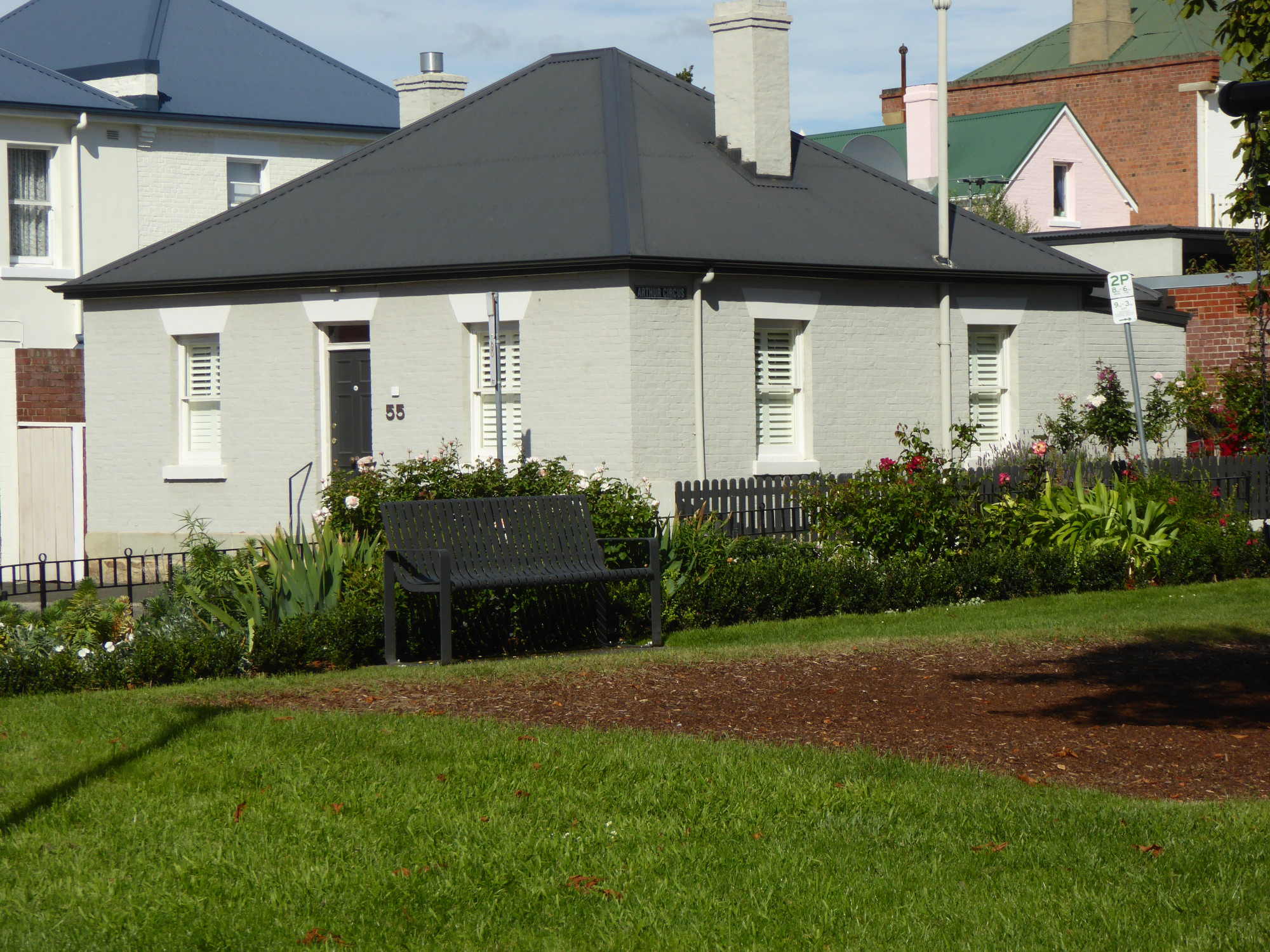
Met Anita in the Hobart Botanical Gardens, visited Mount Wellington and Battery Point, meal with Nic and Anita.
Wednesday 26 to Saturday 29 March
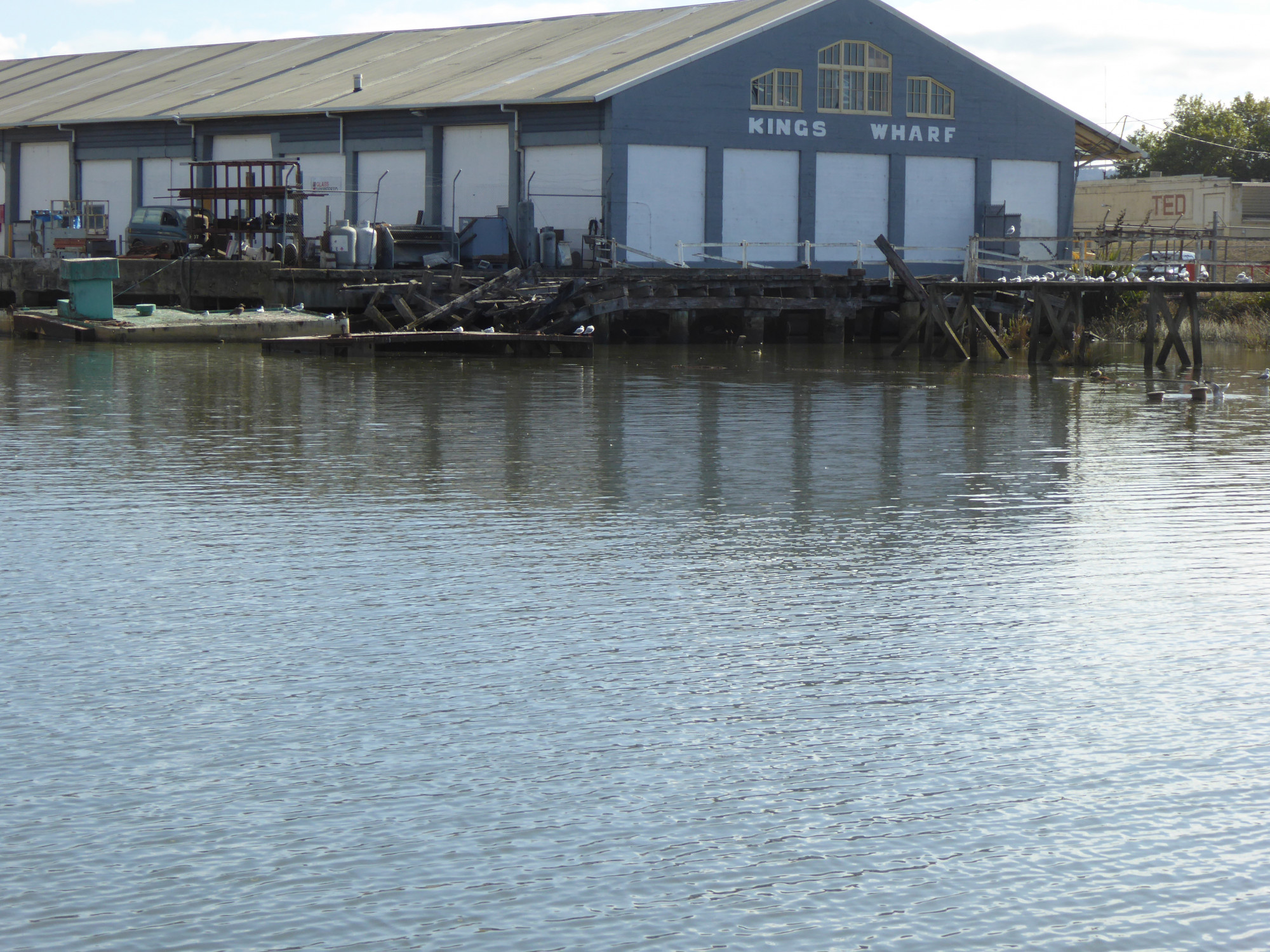
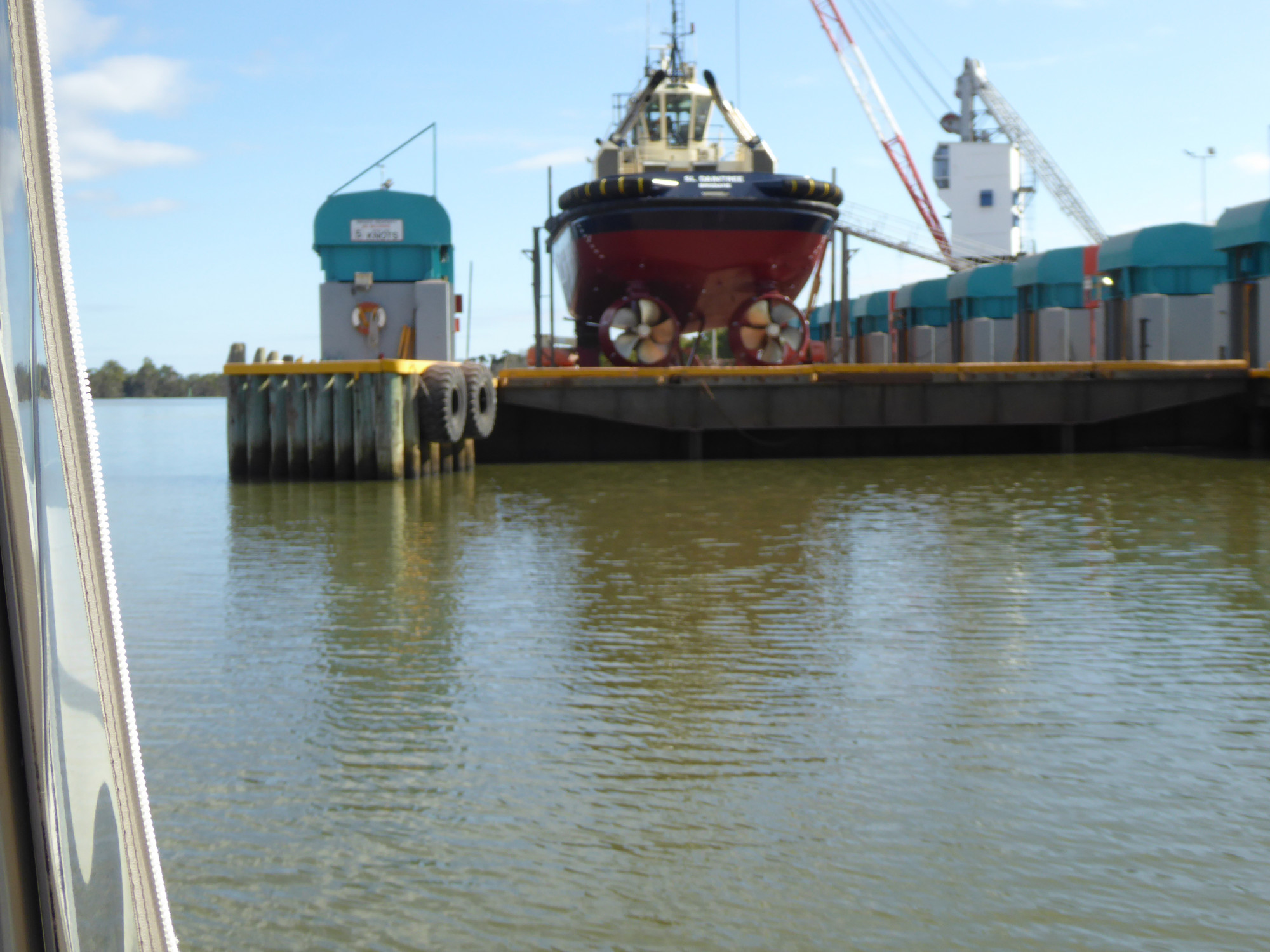
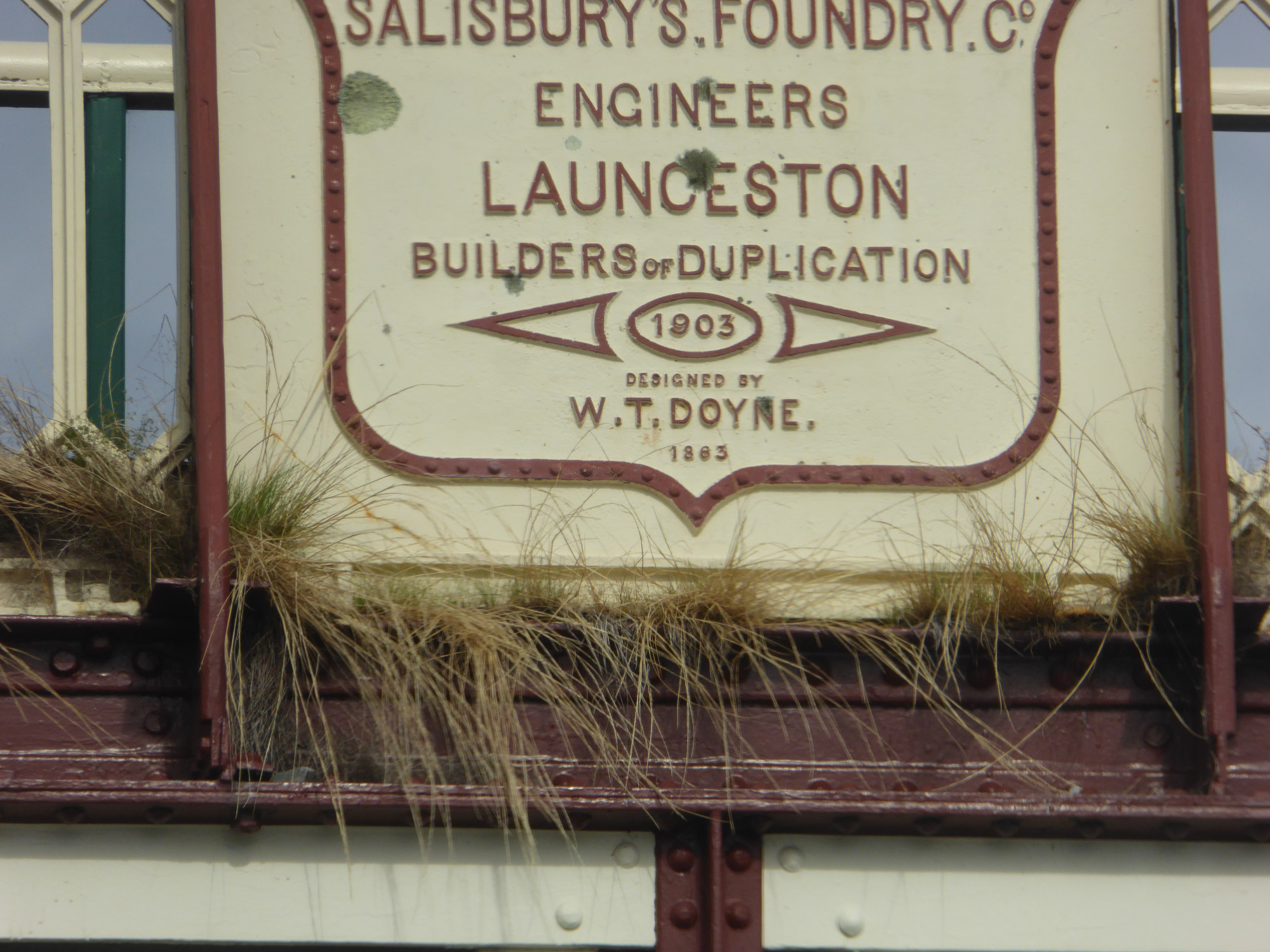
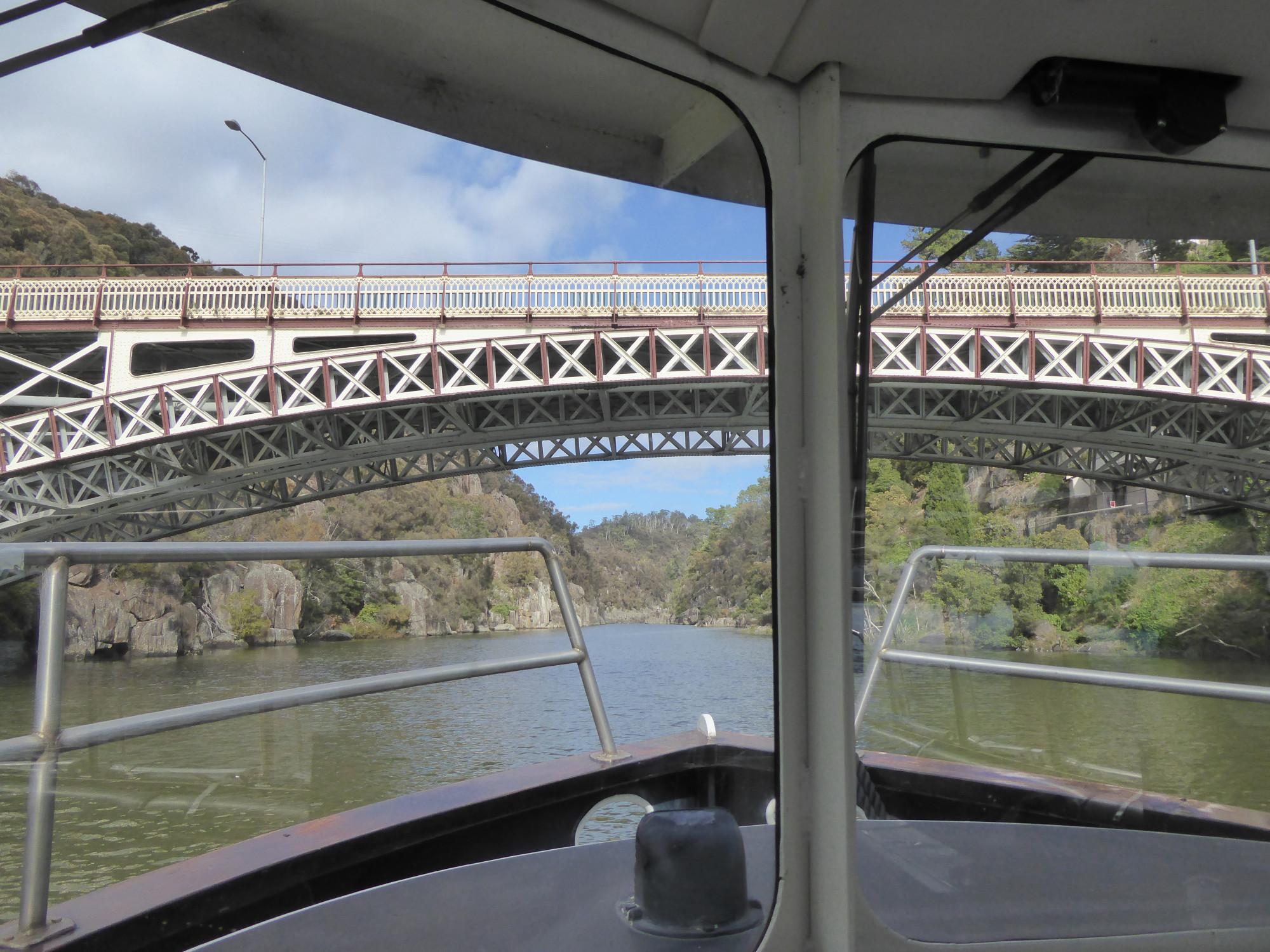
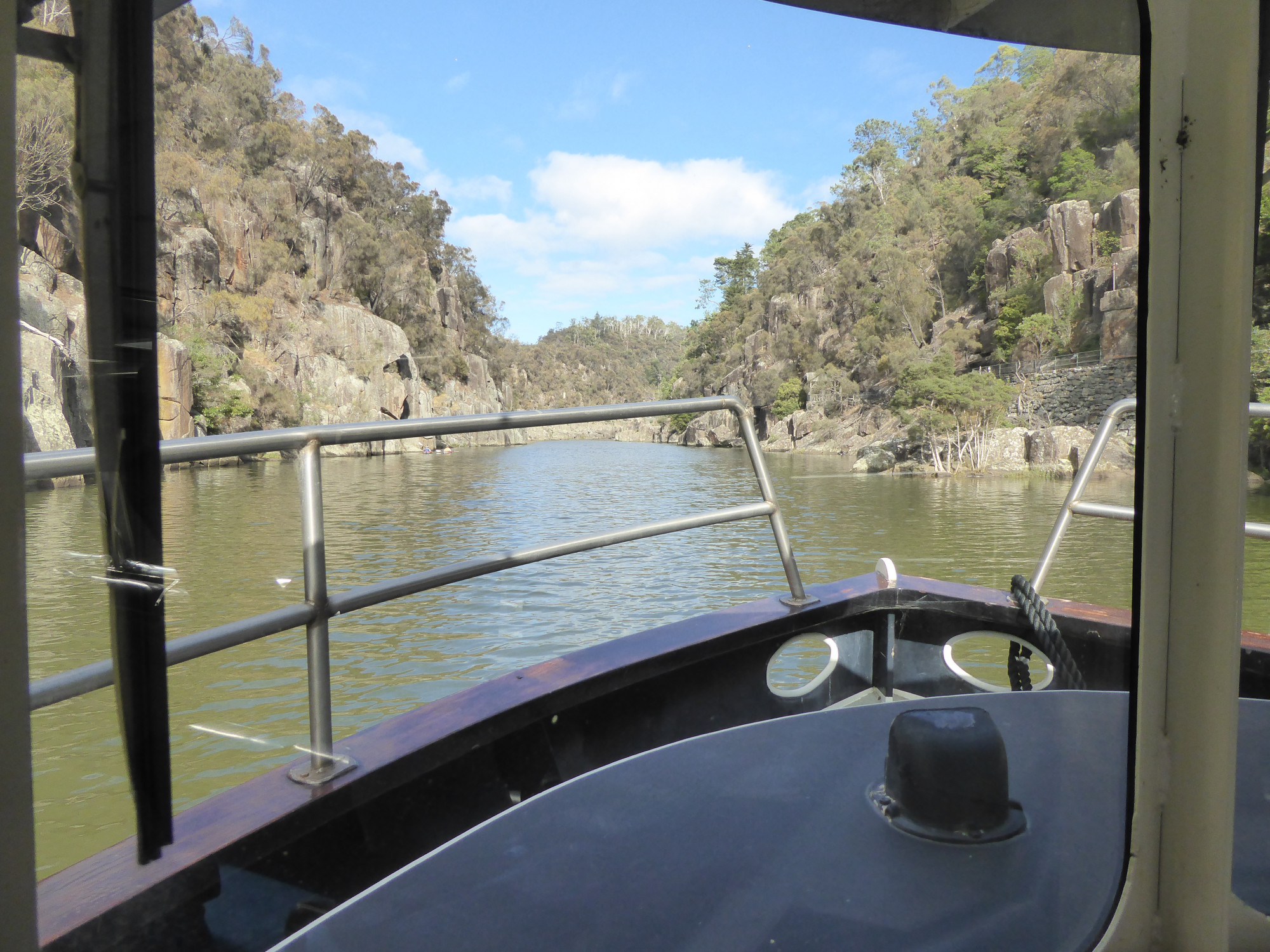
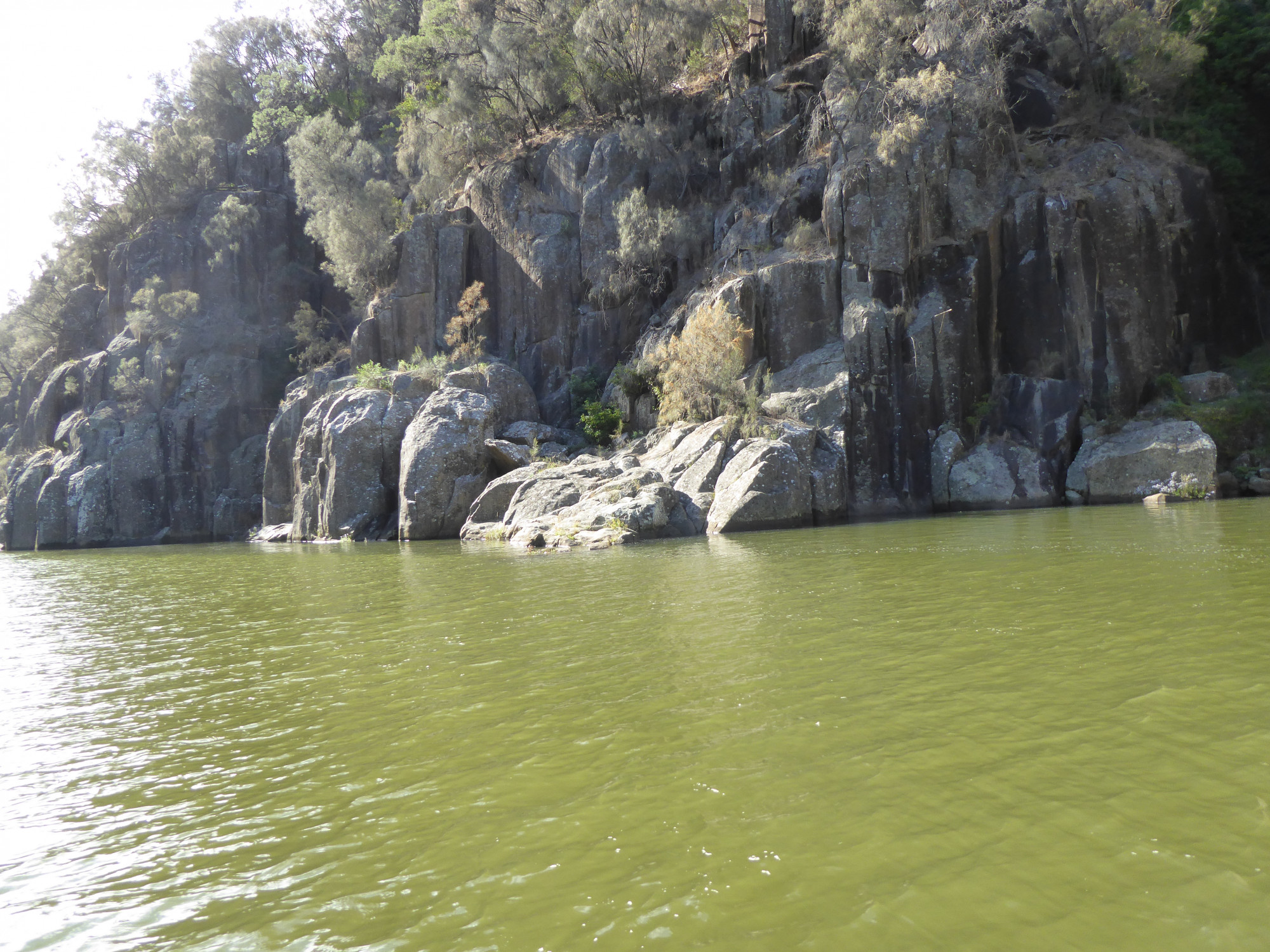
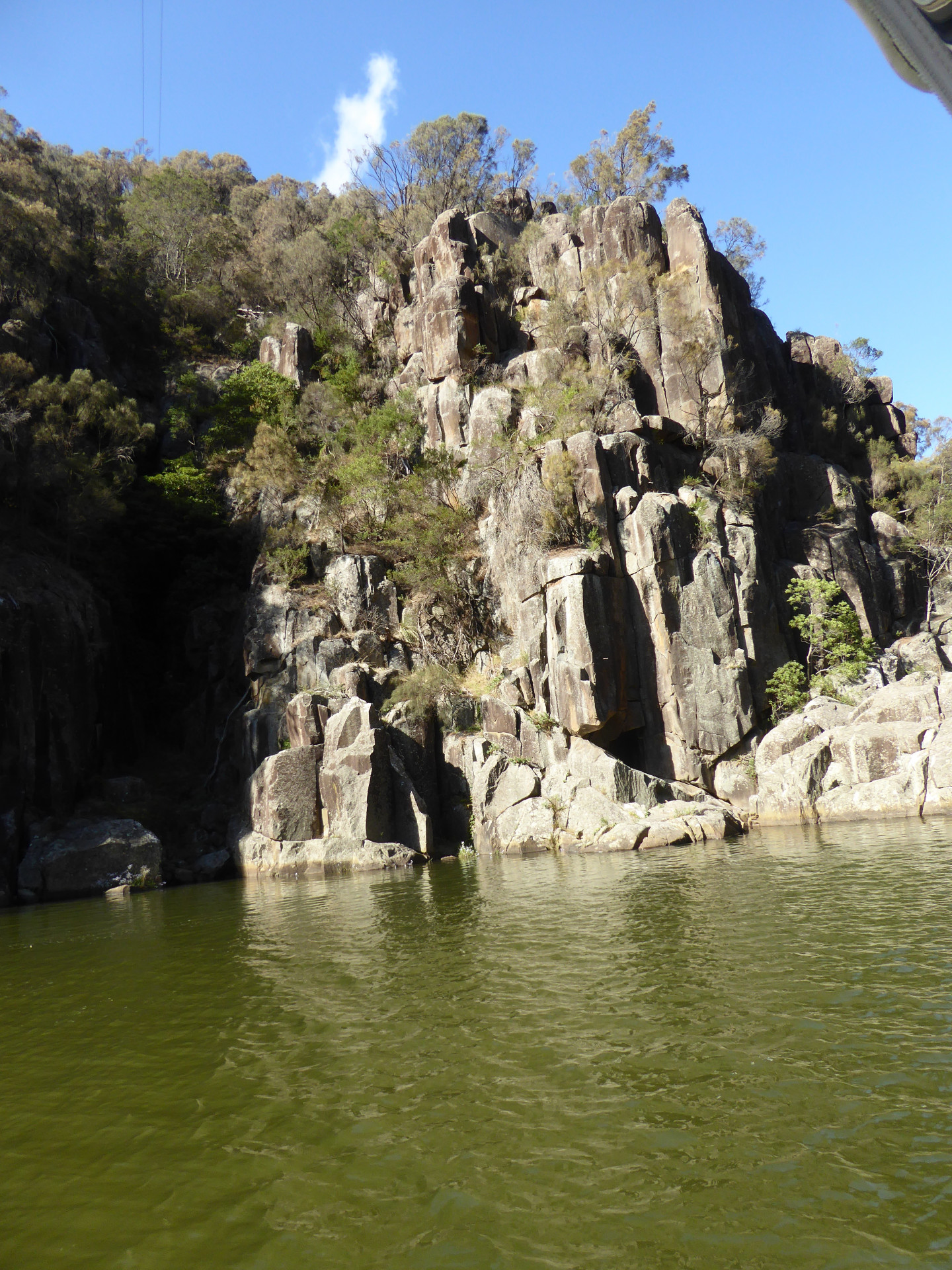
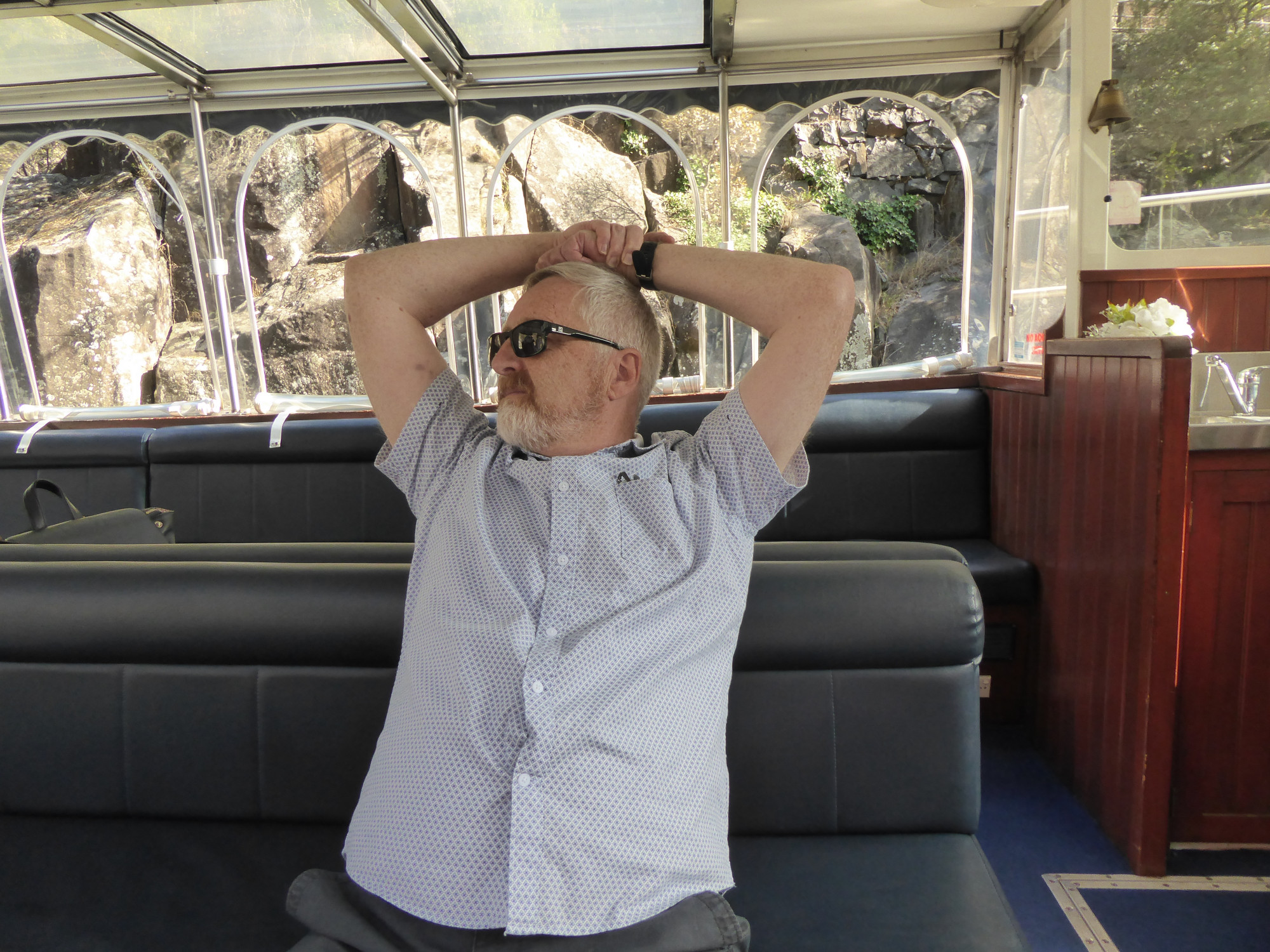
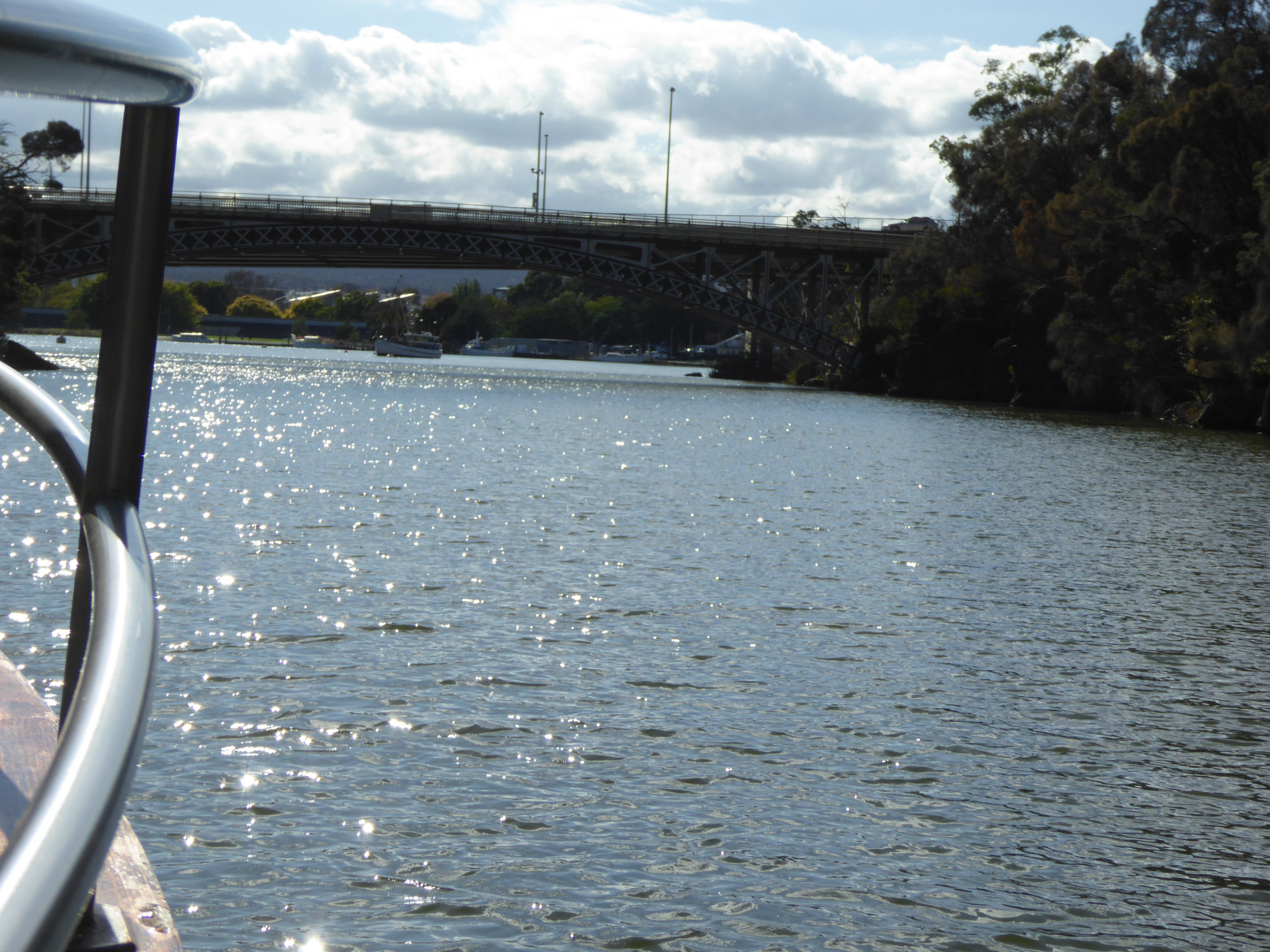
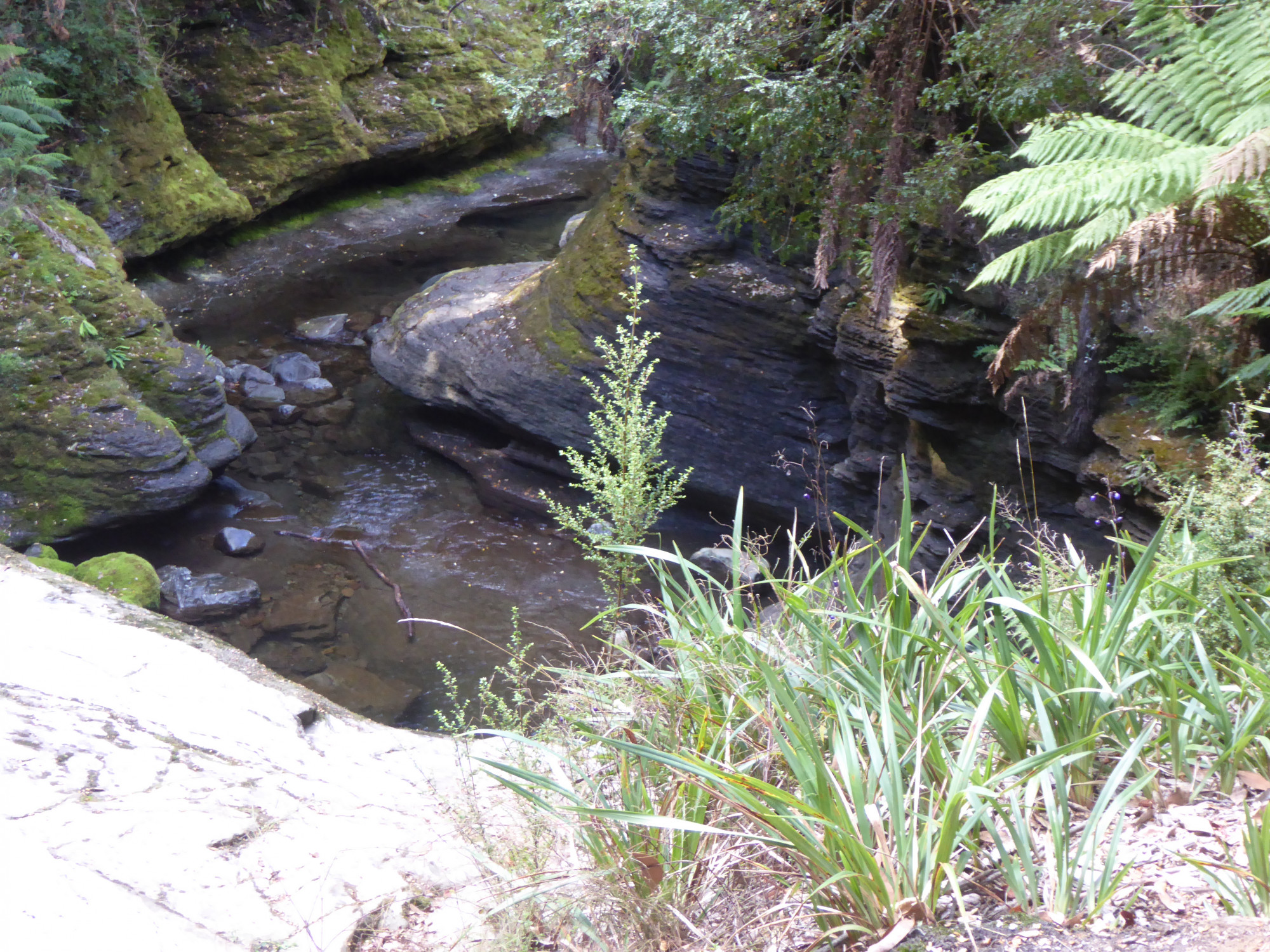
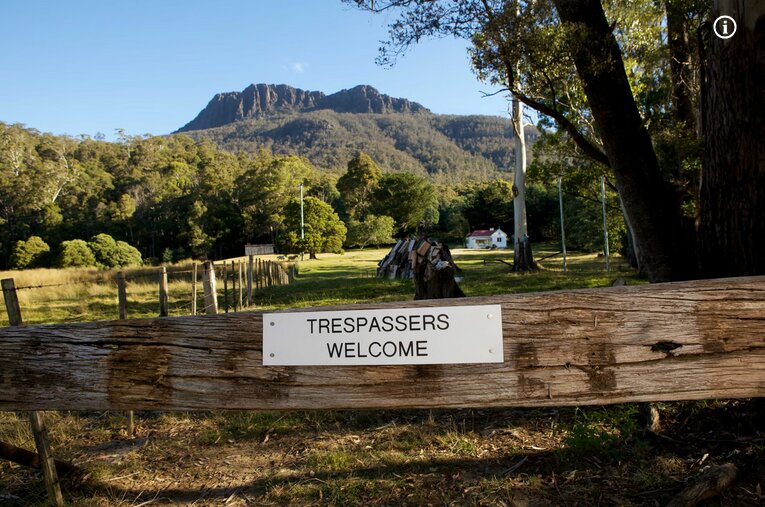
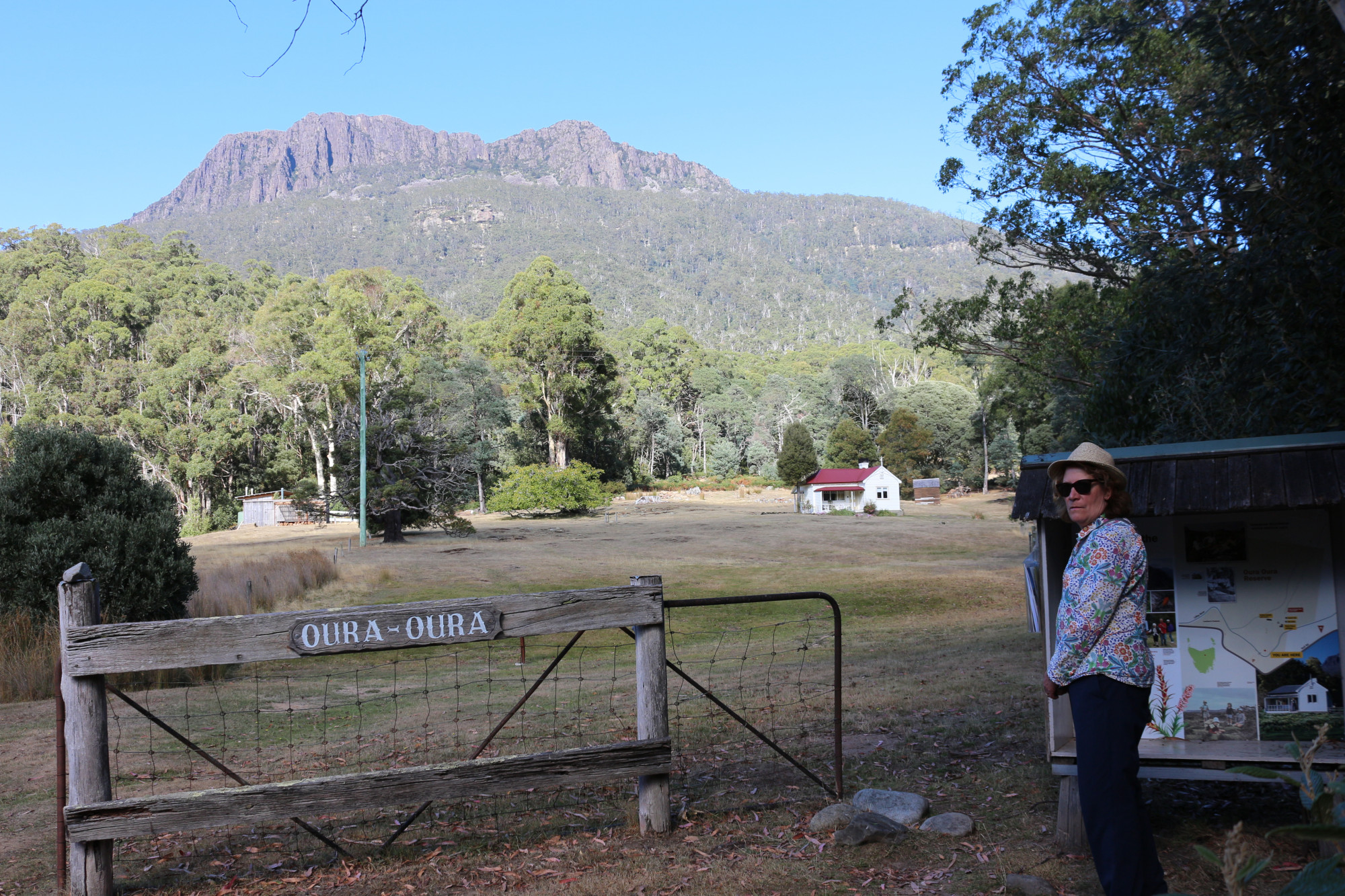
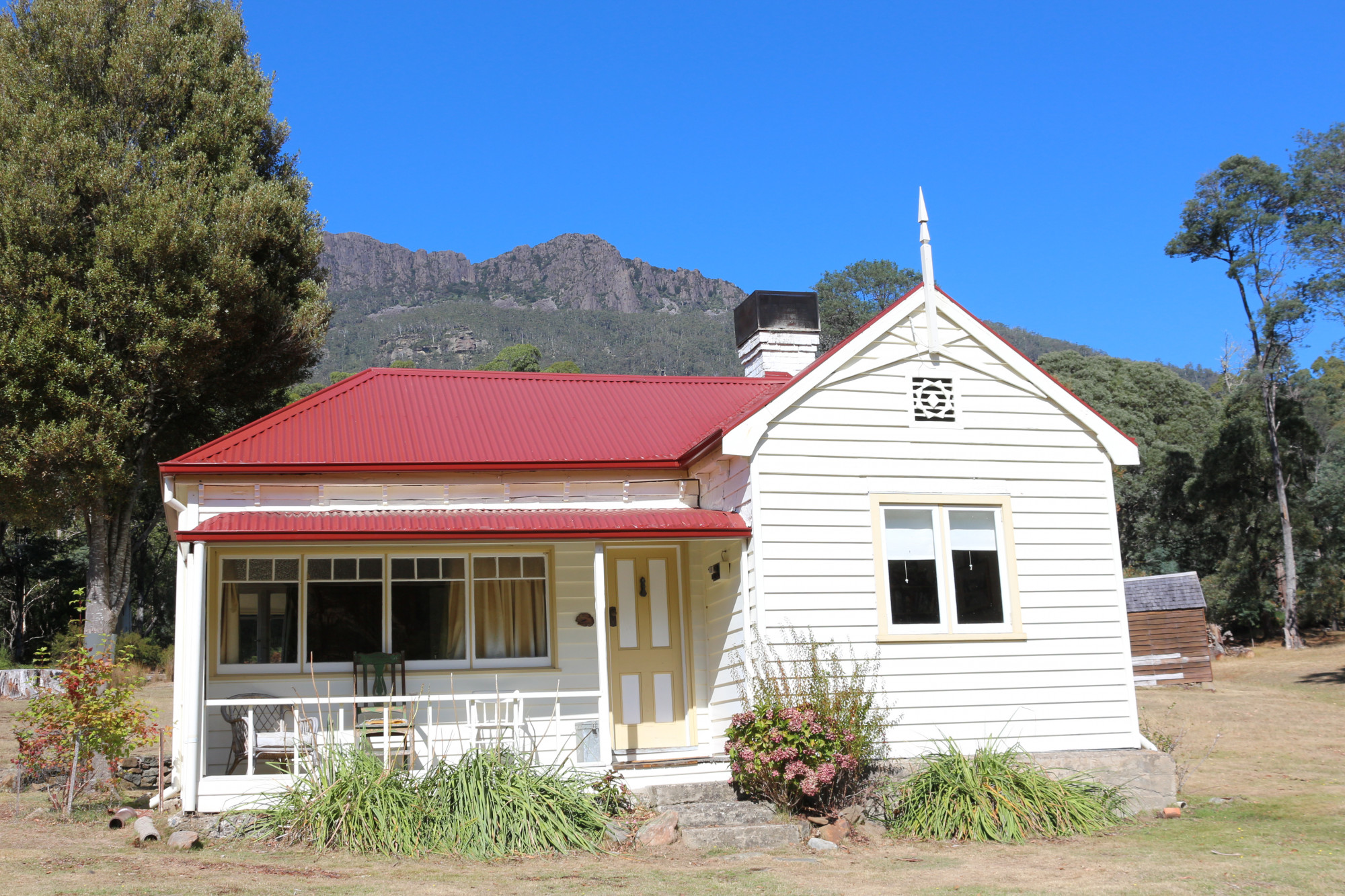
Drove to Launceston. Nice AirBnB. Saw the exhibition twice, cruise on the river and Cataract George, visited my cousins Joy and Darryl, Oura Oura (former Bob Brown residence), Liffey Falls and Adams Distillery.
Drove back to Hobart then home.

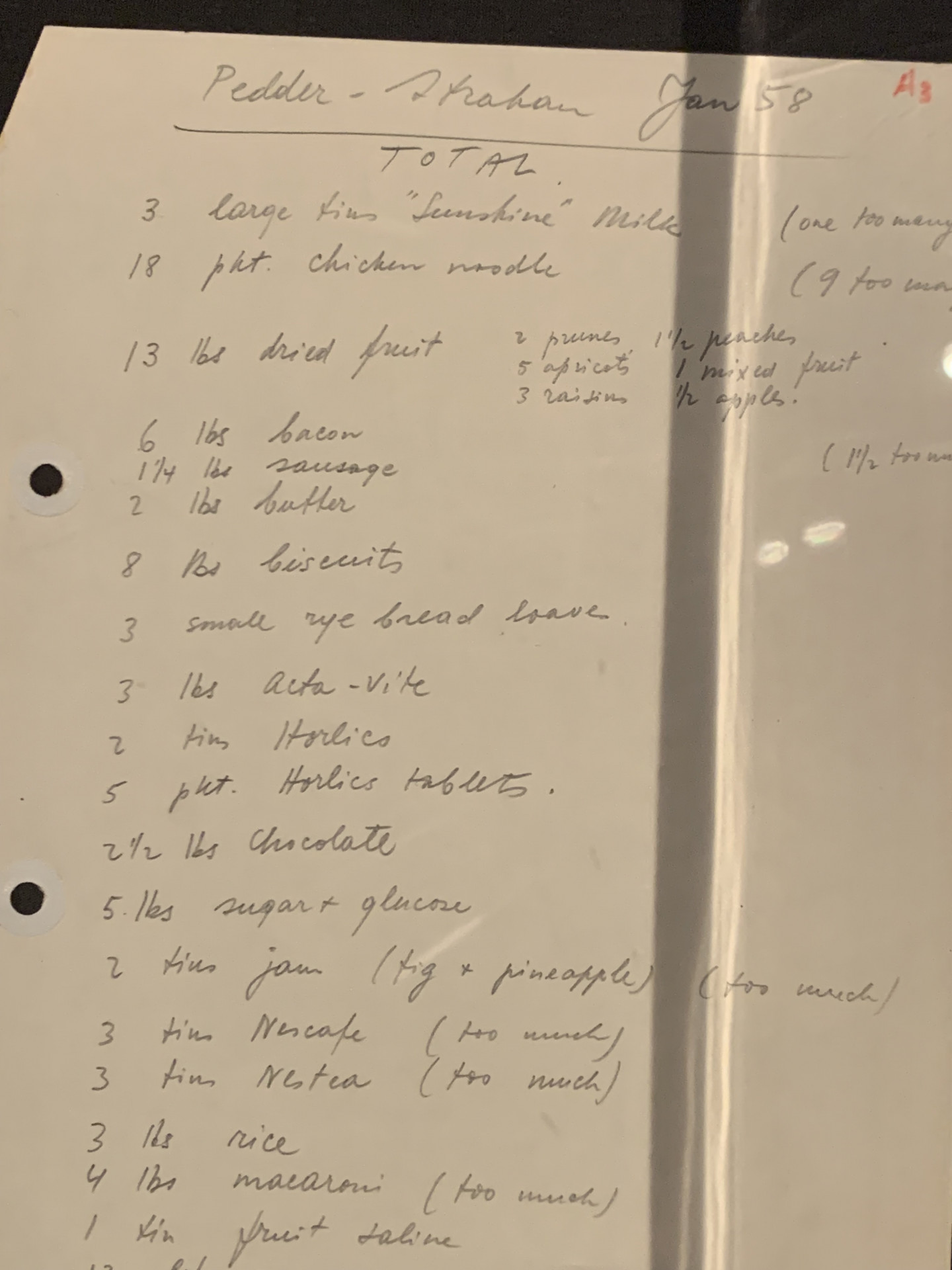
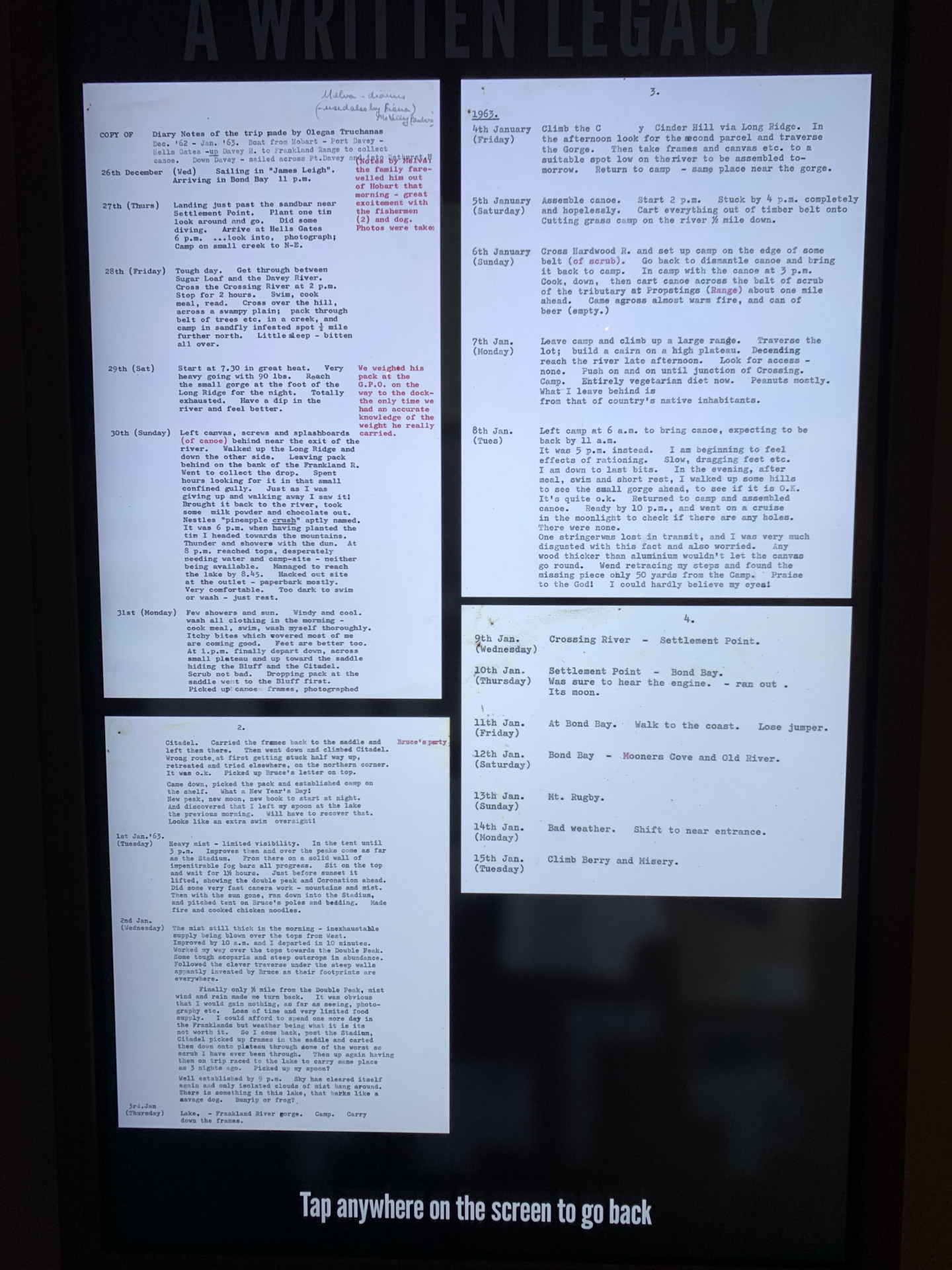
For twenty years, Olegas Truchanas explored Tasmania’s remote South West, with great physical and mental endurance. His photographic skill enabled him to share his personal experiences with others.
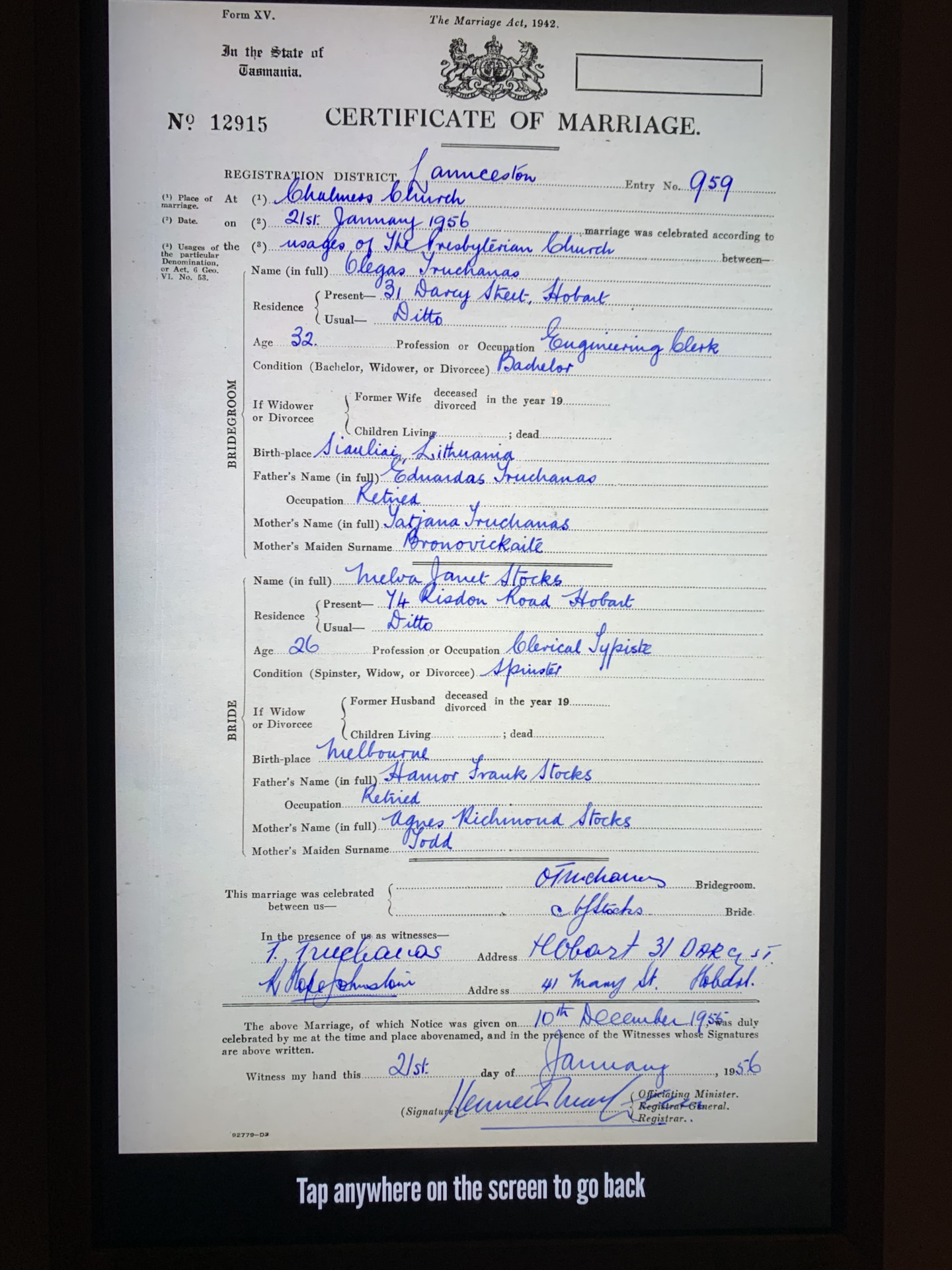
Born in 1923, Olegas grew up in Lithuania, a country invaded three times by two different nations. In January 1949, he migrated to Australia, and after a month at a displaced persons camp in Victoria, moved to Tasmania.
Motivated by a love of nature and natural beauty, Olegas Truchanas’ legacy is told with carefully selected images to celebrate his birth just over 100 years ago.
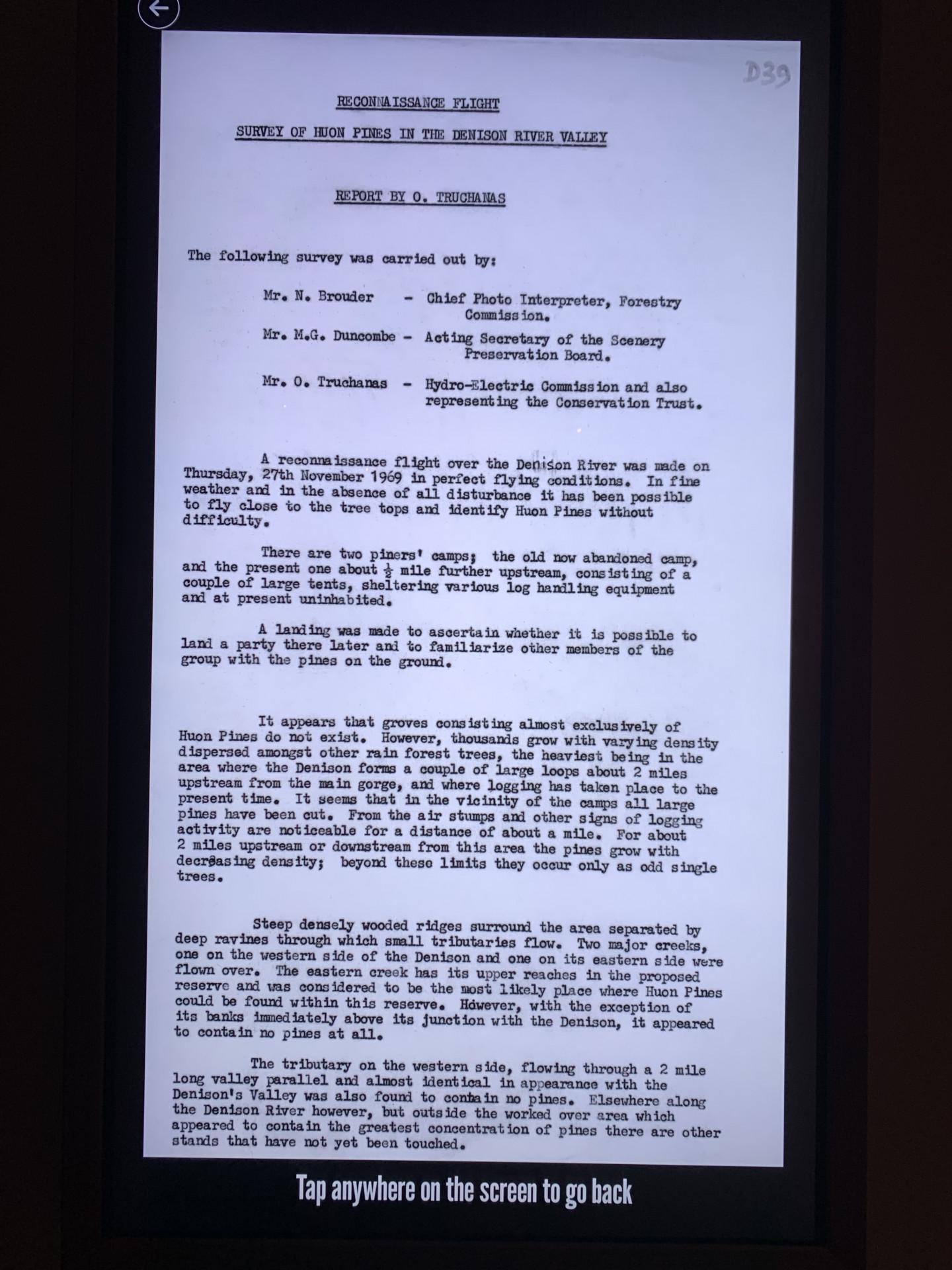
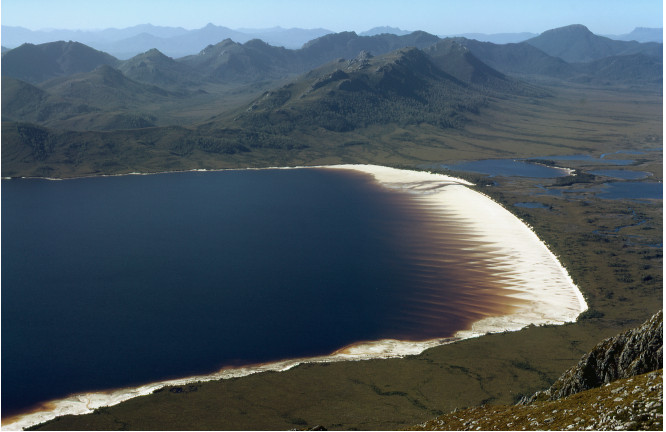
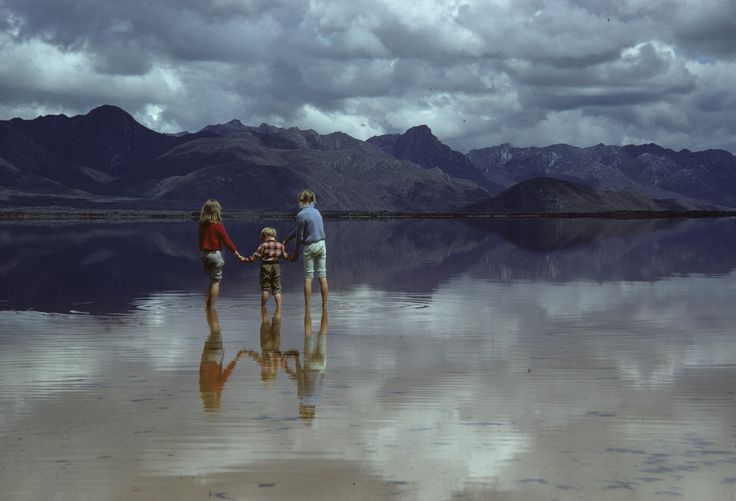
Through the lens of his camera, This Vanishing World shares the journey of Olegas Truchanas and his campaign to expand awareness of Tasmania’s unique and endangered south-west in the 1950-70’s, which helped inspire an ongoing environment protection movement.
This Vanishing World the Photography of Olegas Truchanas exhibition acknowledges the influence of his work on talented wilderness photographers who continue to represent endangered wild country.
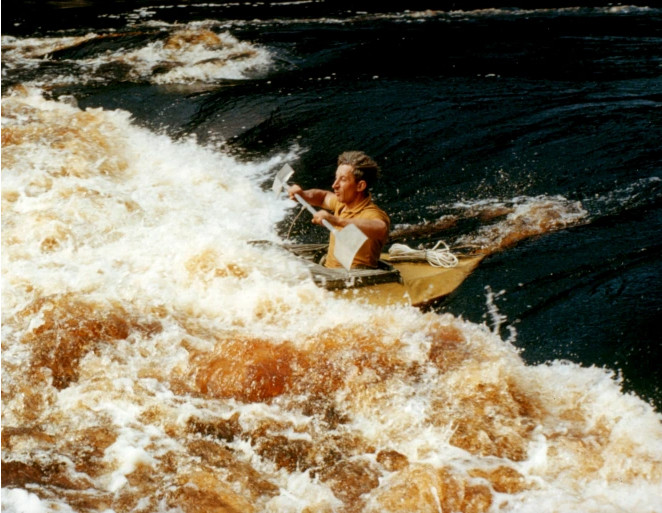
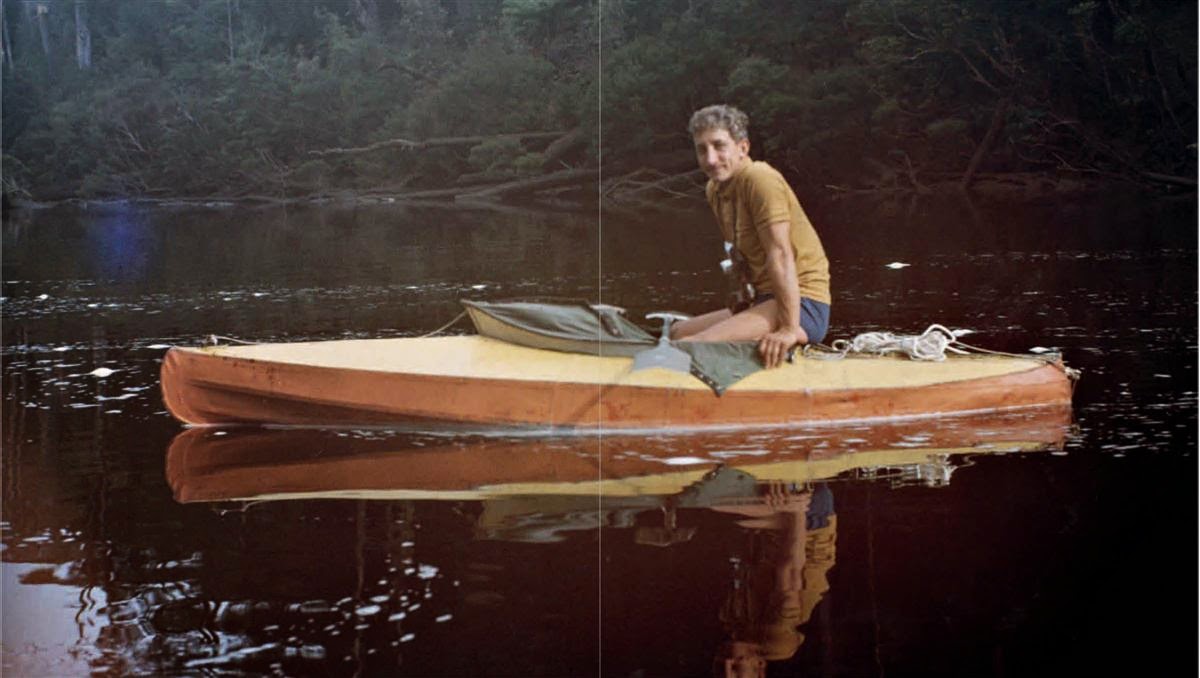
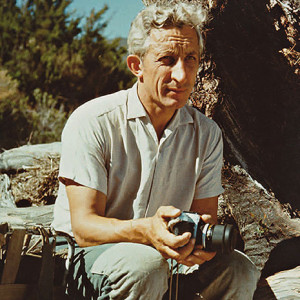
Photograph (above): Olegas Truchanas c 1960. From Pedder Dreaming: Olegas Truchanas and a Lost Tasmanian Wilderness.
Photographer unknown
I highly recommend browsing through the 105 high resolution images that were donated by the Truchanas Family to the National Library of Australia. They are stunning and nothing here does them the justice they deserve: https://nla.gov.au/nla.obj-144700220 (click on the ‘Browse this Collection’ button).
There are numerous books, websites and articles about Olegas including:
Jenny & I went to see her late uncle’s exhibition –This Vanishing World: Photography of Olegas Truchanas at the Queen Victoria Museum at Inveresk in Launceston. We also visited her cousins in Hobart.
Sunday 23 to Wednesday 26 March
Met Anita in the Hobart Botanical Gardens, visited Mount Wellington and Battery Point, meal with Nic and Anita.
Wednesday 26 to Saturday 29 March
Drove to Launceston. Nice AirBnB. Saw the exhibition twice, cruise on the river and Cataract George, visited my cousins Joy and Darryl, Oura Oura (former Bob Brown residence), Liffey Falls and Adams Distillery.
Drove back to Hobart then home.

For twenty years, Olegas Truchanas explored Tasmania’s remote South West, with great physical and mental endurance. His photographic skill enabled him to share his personal experiences with others.
Born in 1923, Olegas grew up in Lithuania, a country invaded three times by two different nations. In January 1949, he migrated to Australia, and after a month at a displaced persons camp in Victoria, moved to Tasmania.
Motivated by a love of nature and natural beauty, Olegas Truchanas’ legacy is told with carefully selected images to celebrate his birth just over 100 years ago.
Through the lens of his camera, This Vanishing World shares the journey of Olegas Truchanas and his campaign to expand awareness of Tasmania’s unique and endangered south-west in the 1950-70’s, which helped inspire an ongoing environment protection movement.
This Vanishing World the Photography of Olegas Truchanas exhibition acknowledges the influence of his work on talented wilderness photographers who continue to represent endangered wild country.
Photograph (above): Olegas Truchanas c 1960. From Pedder Dreaming: Olegas Truchanas and a Lost Tasmanian Wilderness.
Photographer unknown
I highly recommend browsing through the 105 high resolution images that were donated by the Truchanas Family to the National Library of Australia. They are stunning and nothing here does them the justice they deserve: https://nla.gov.au/nla.obj-144700220 (click on the ‘Browse this Collection’ button).
There are numerous books, websites and articles about Olegas including: