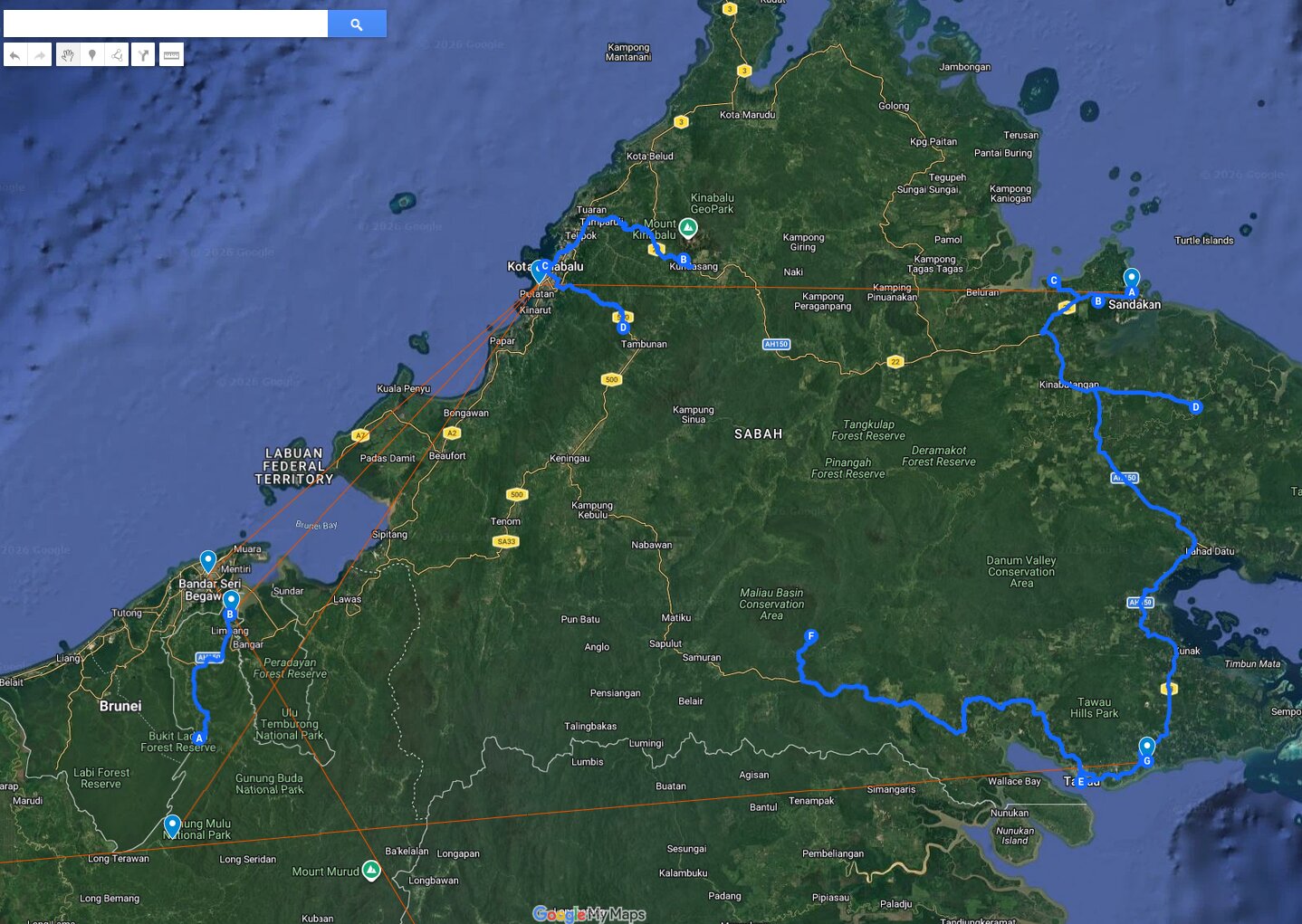
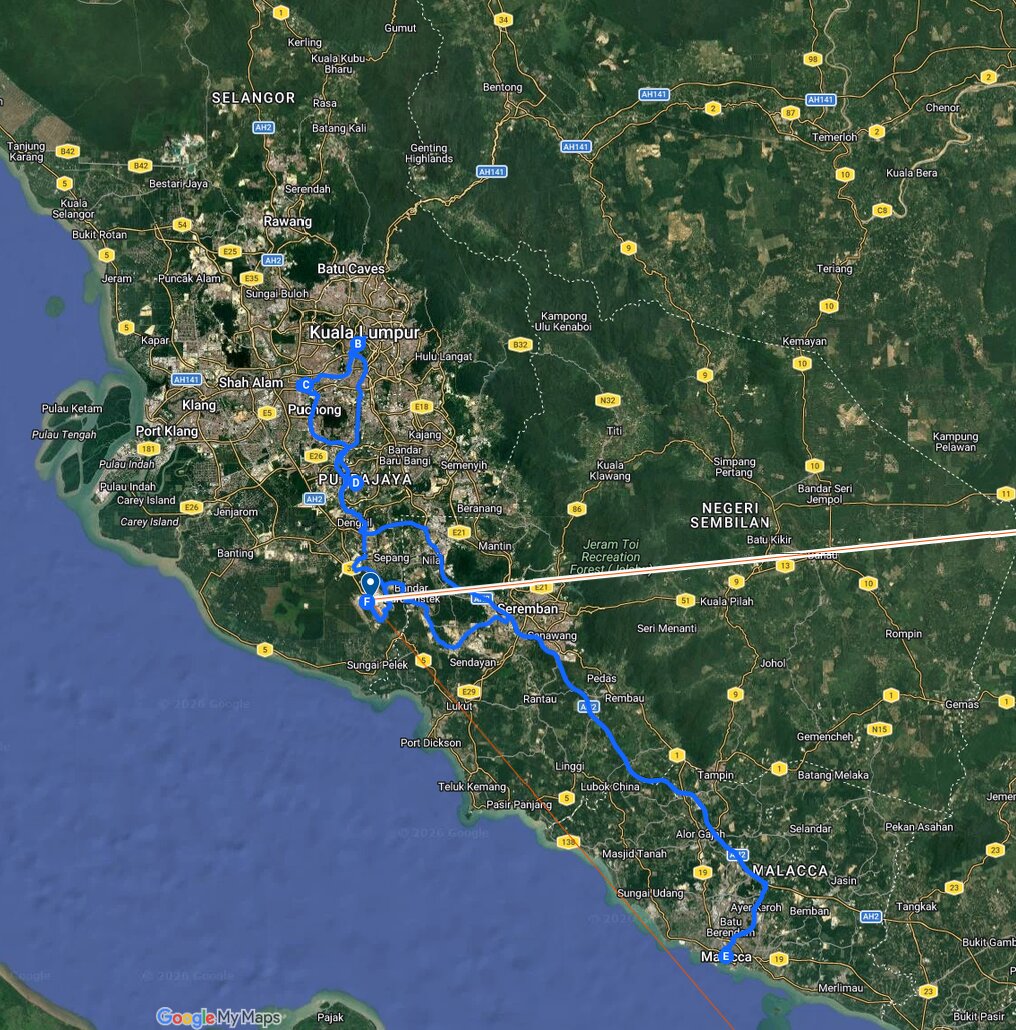
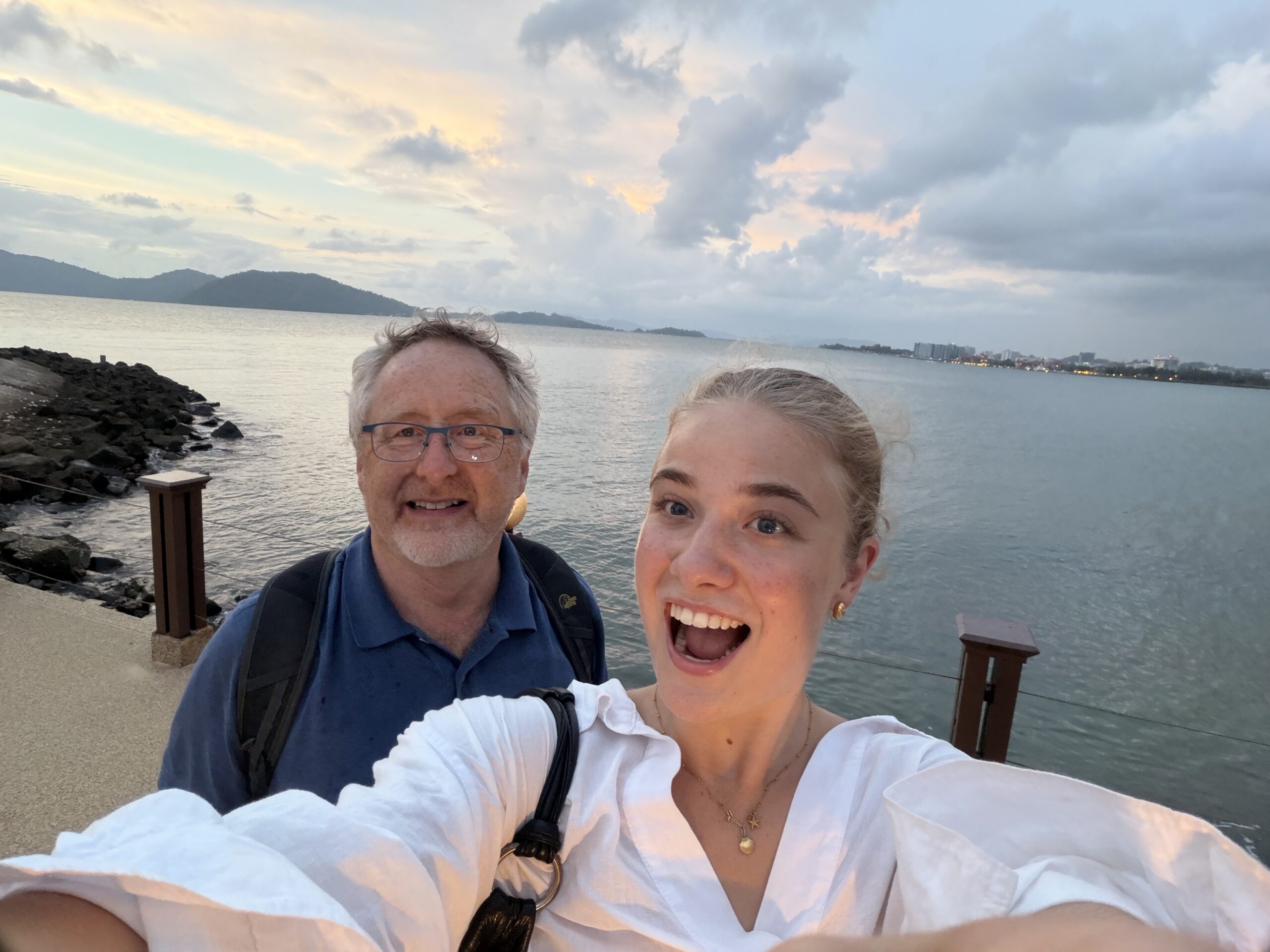
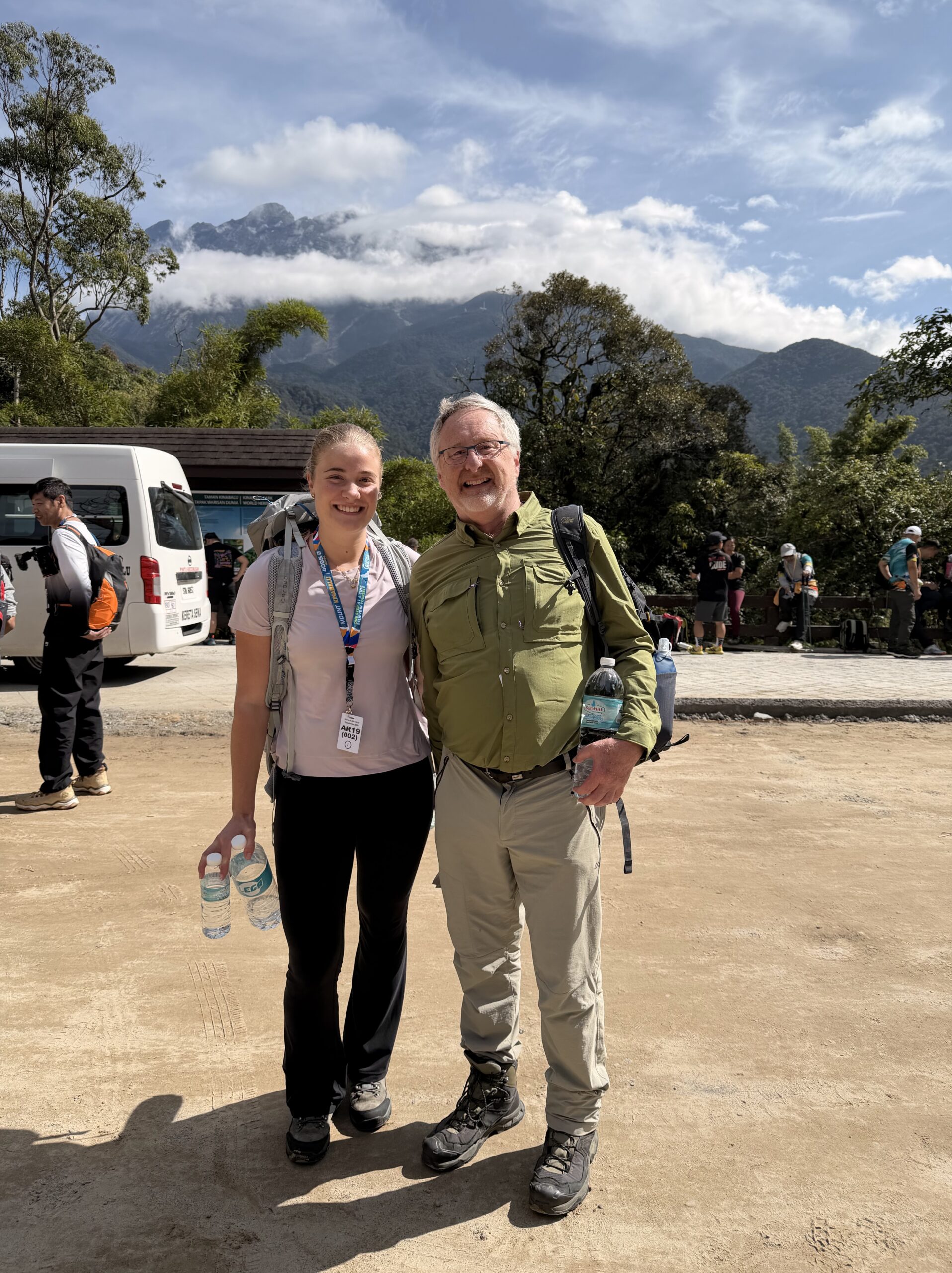
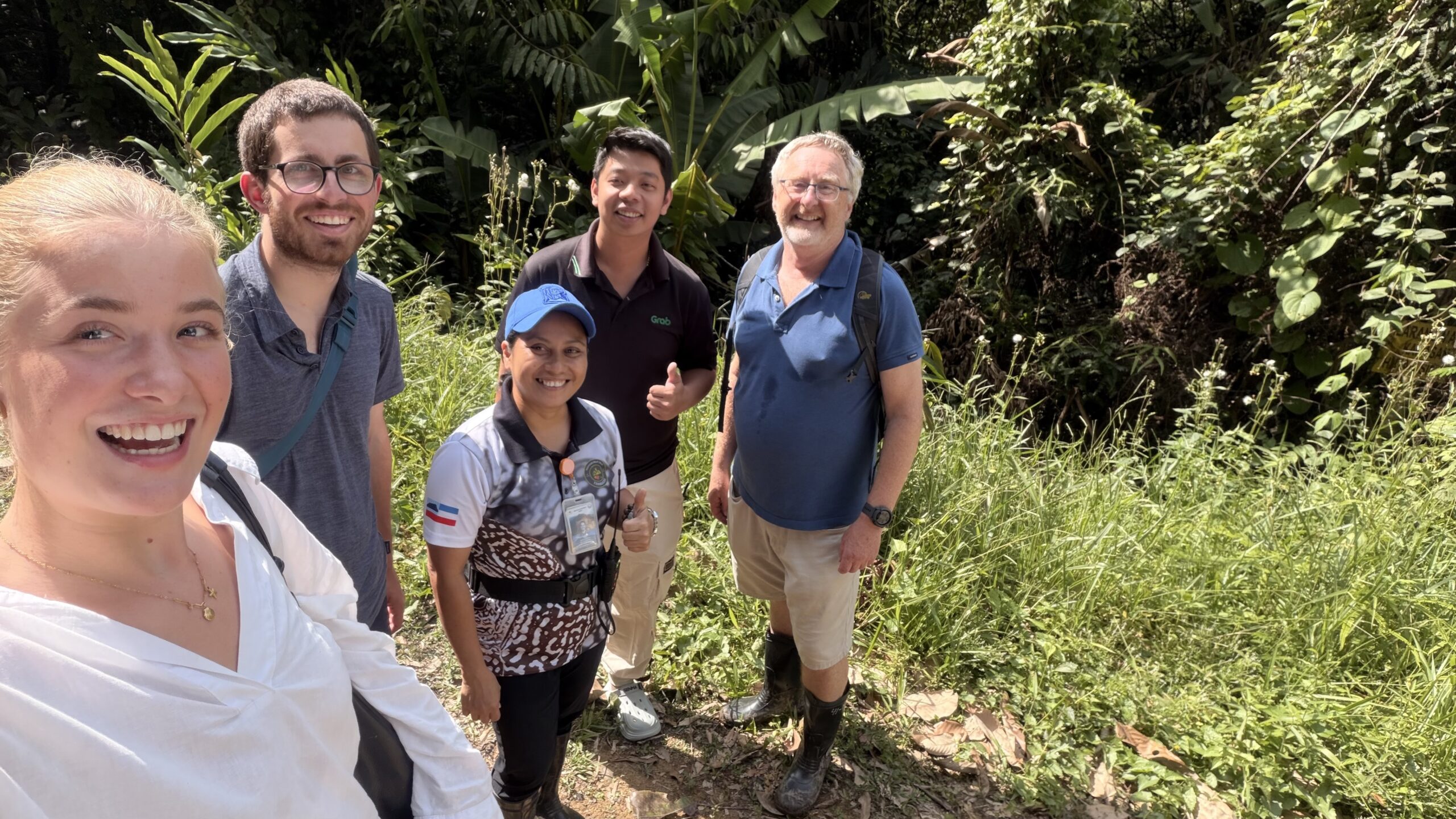
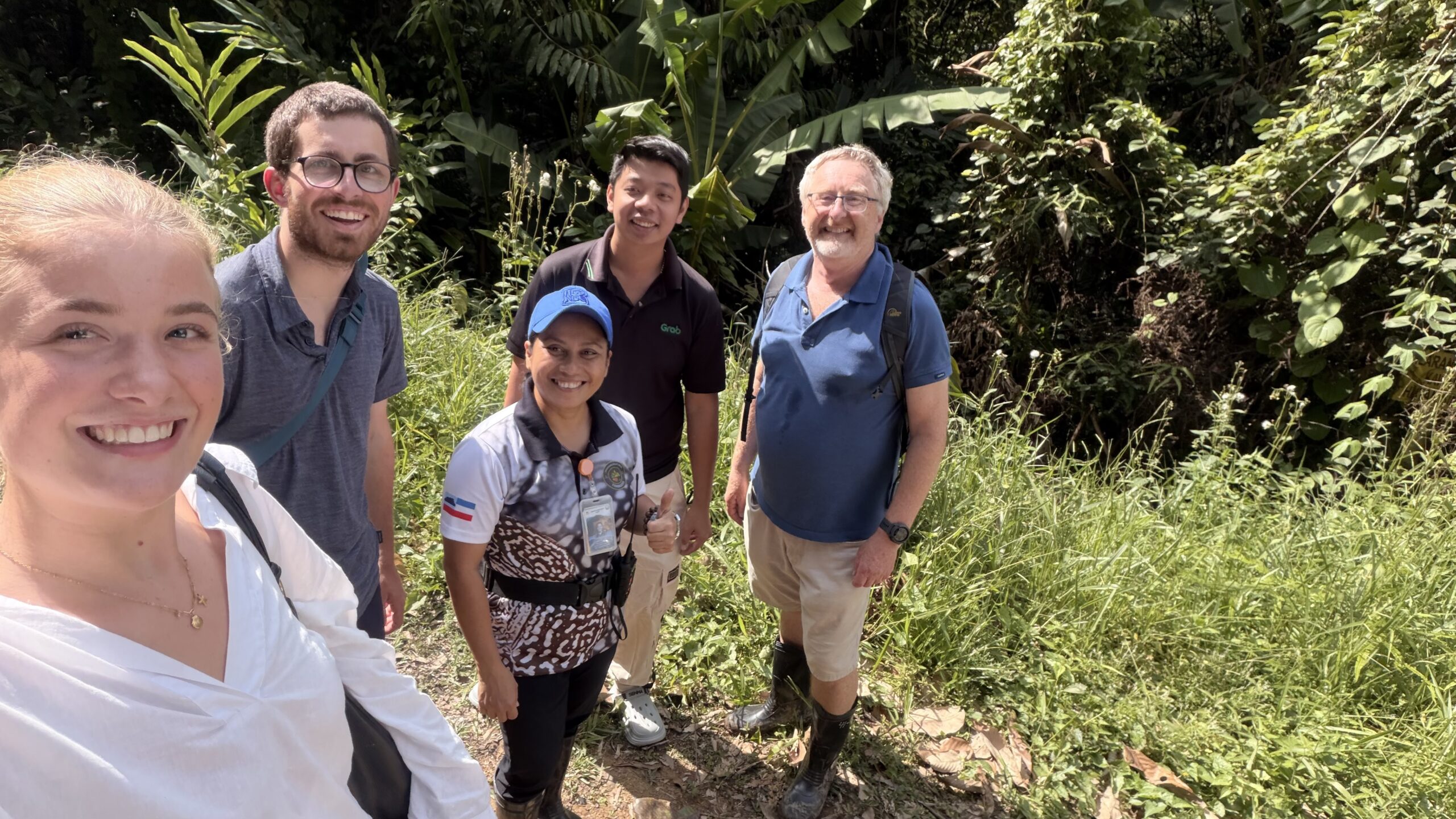
Rianna transferred to the Monash University Kuala Lumpur campus for the last semester of her course. Towards the end of her stay We met in Borneo for a week and then two weeks later I rejoined her in Kuala Lumpur.
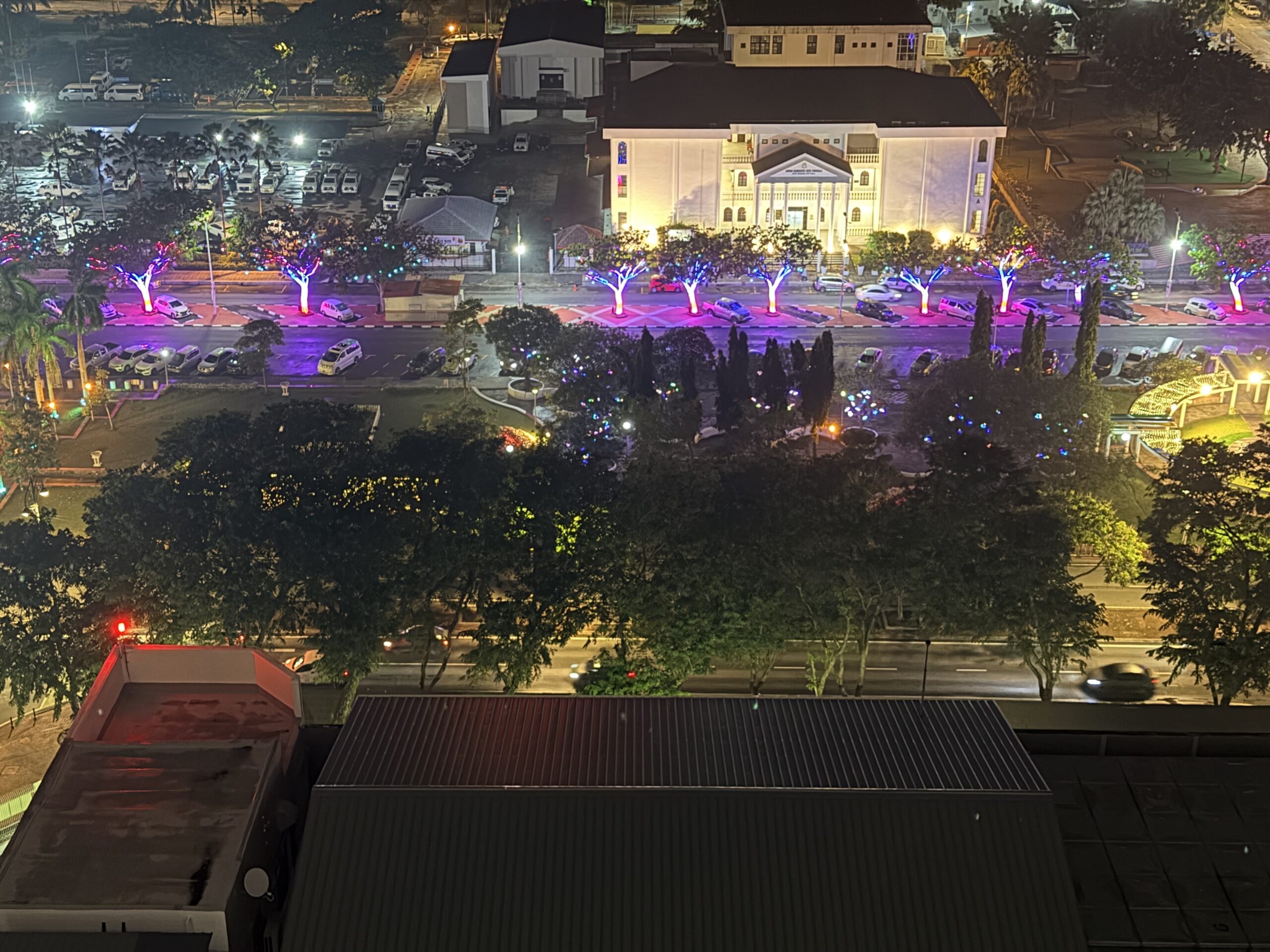
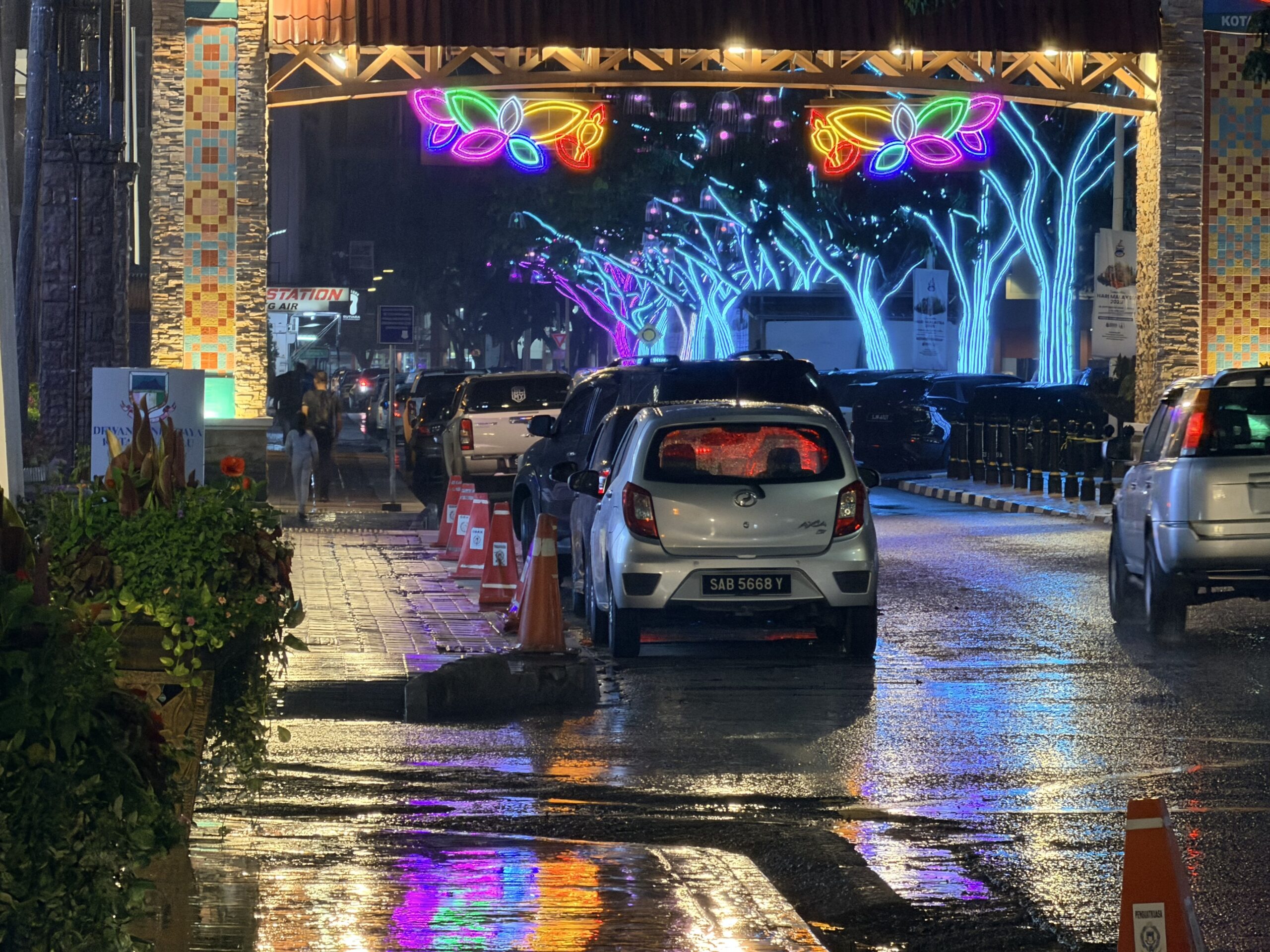
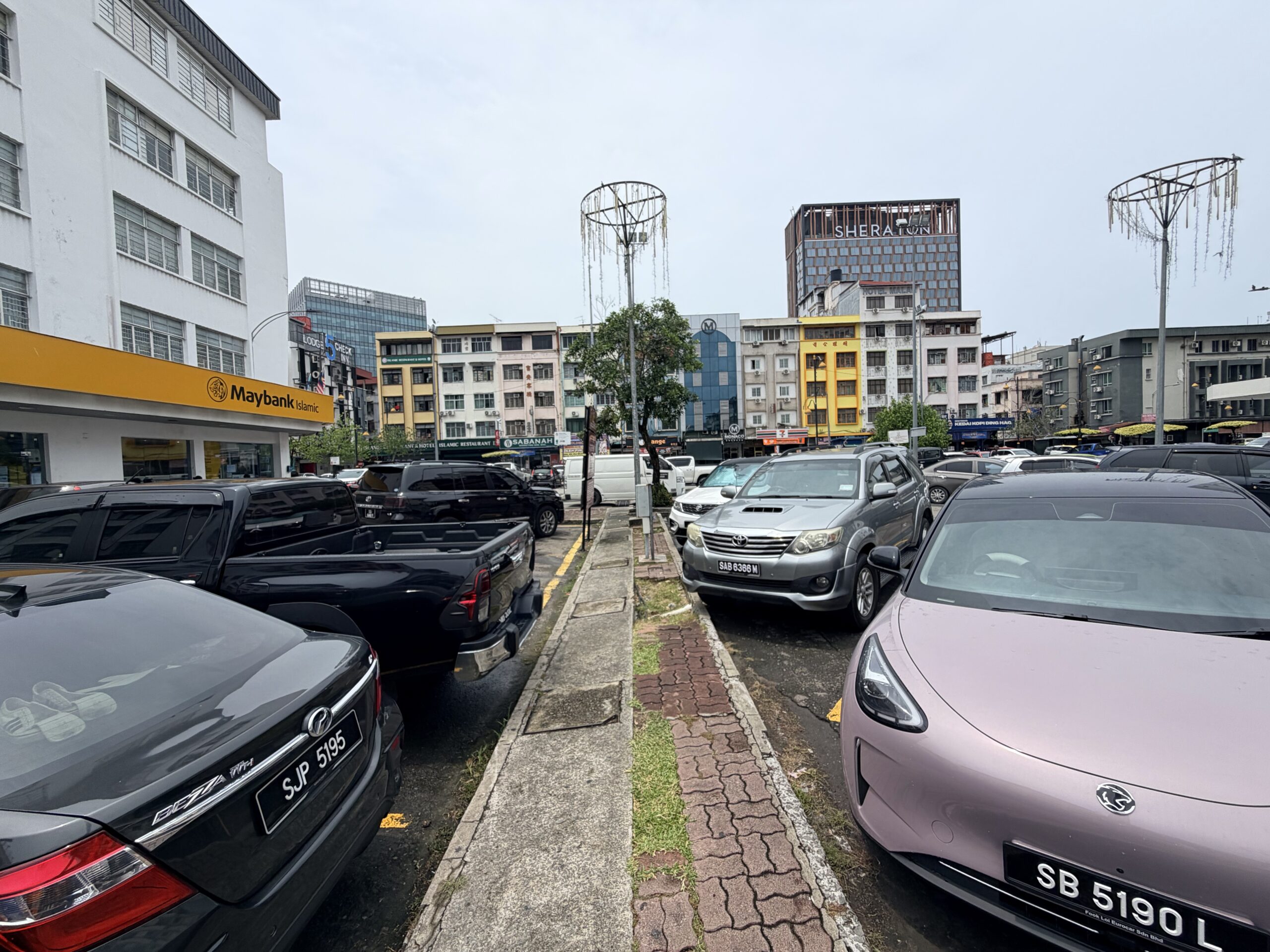
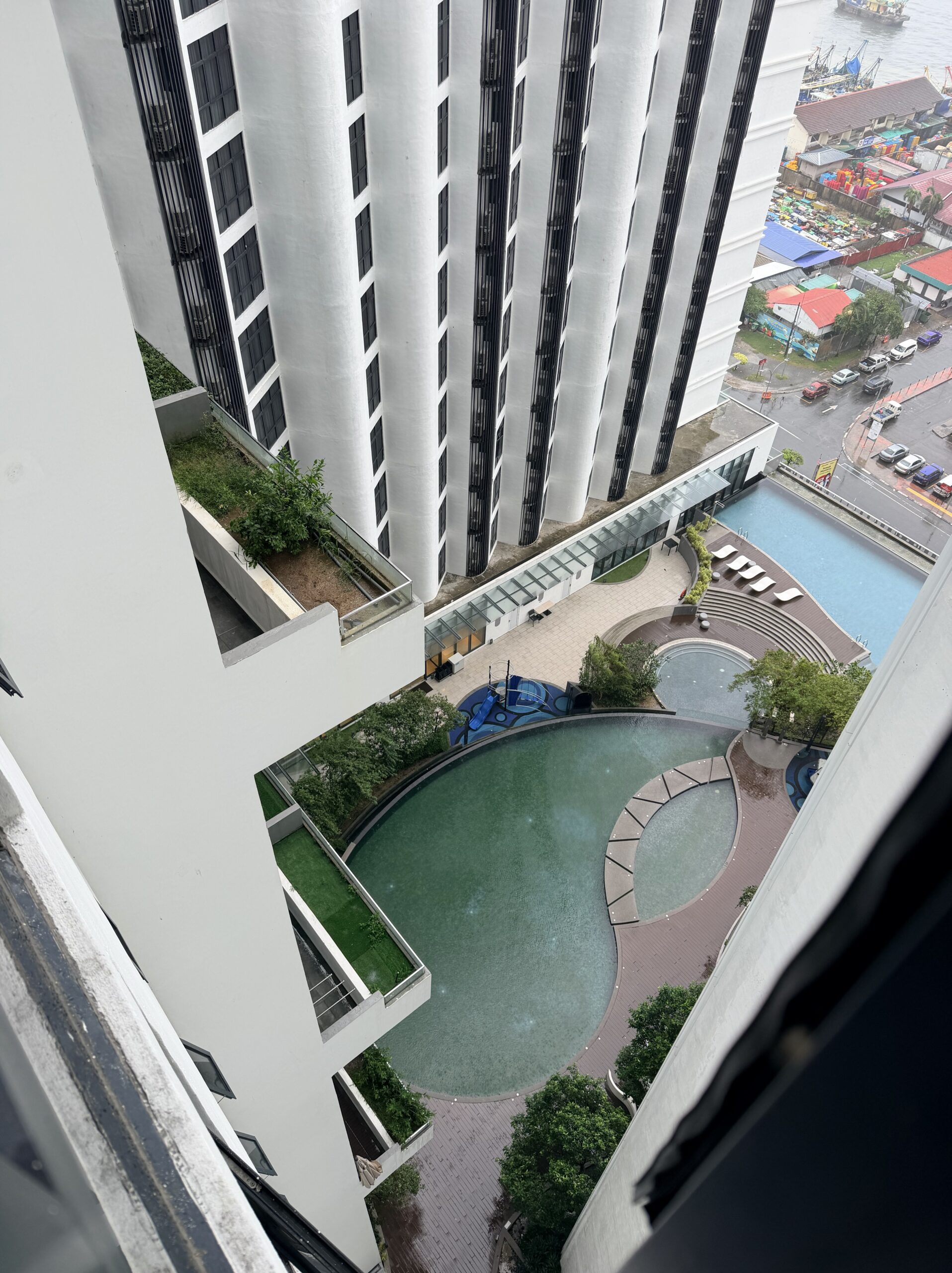
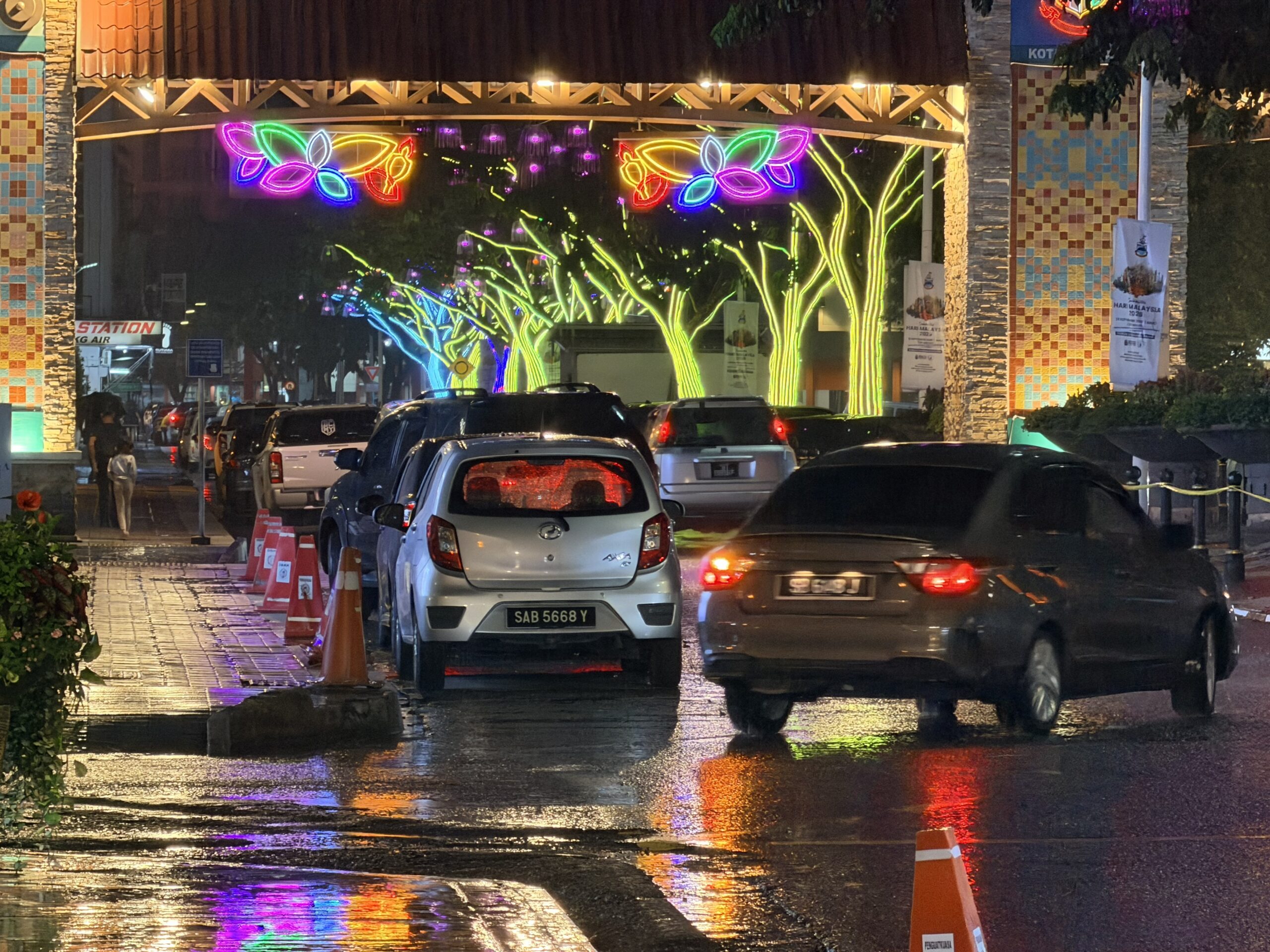
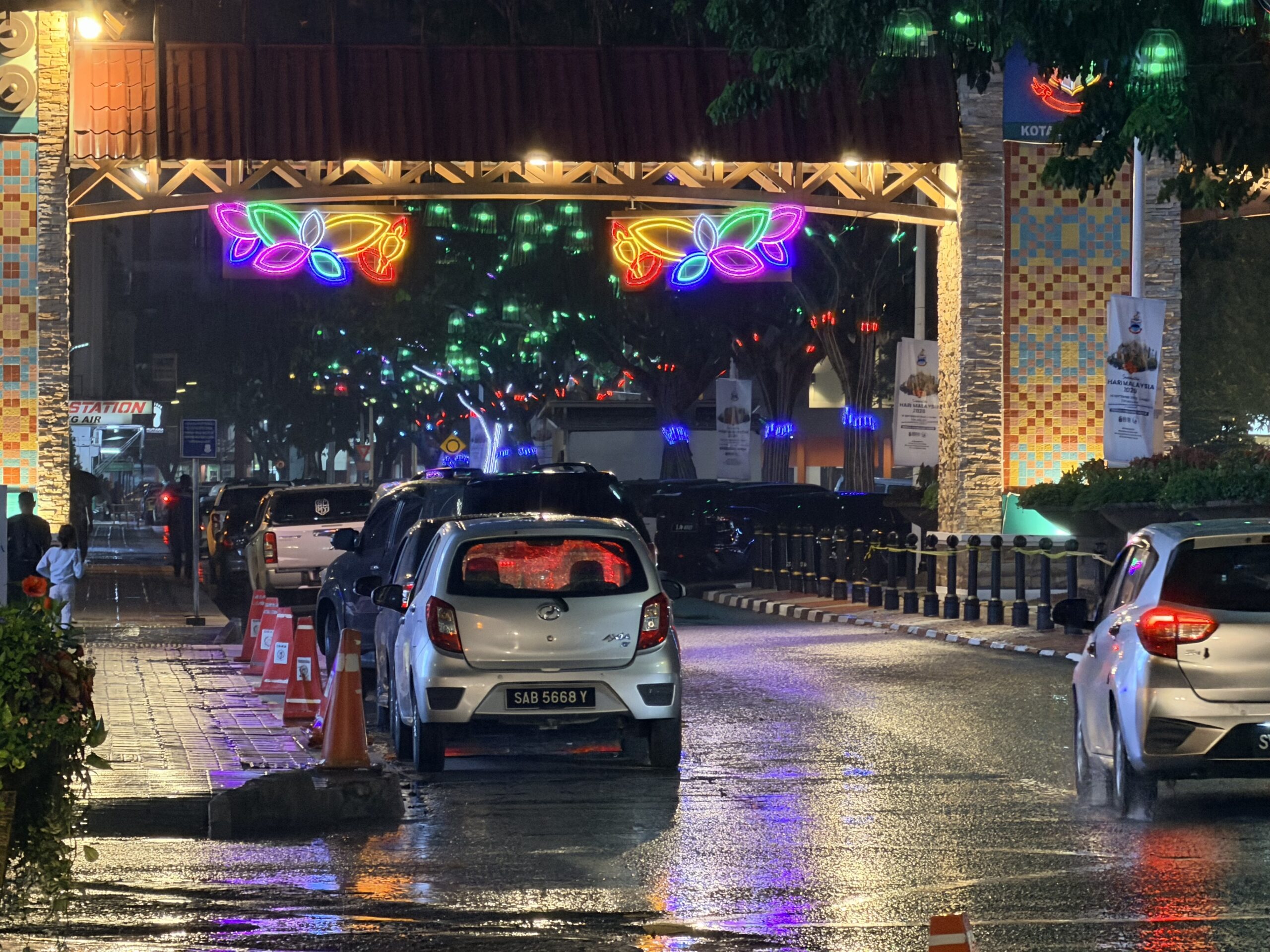
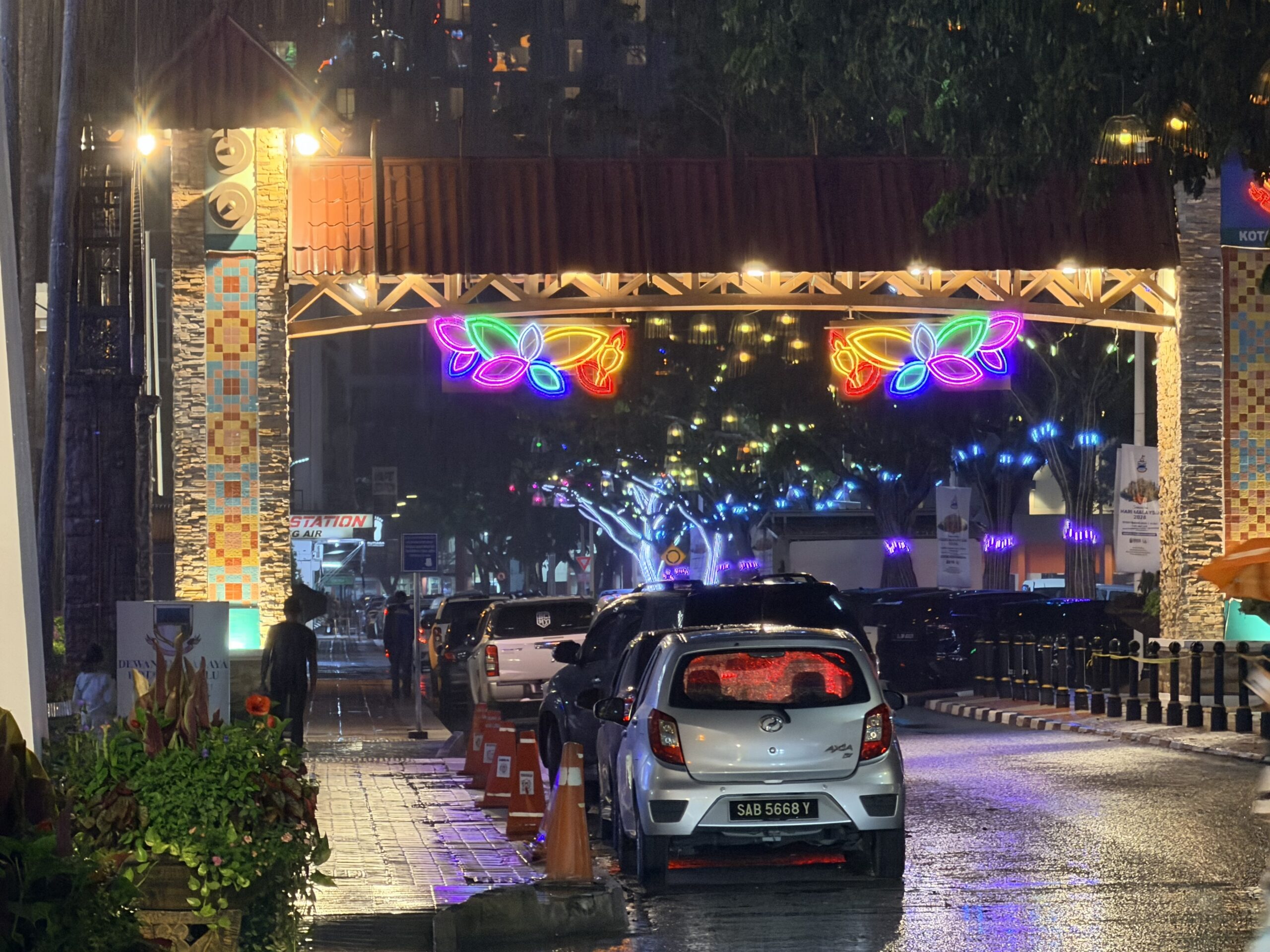
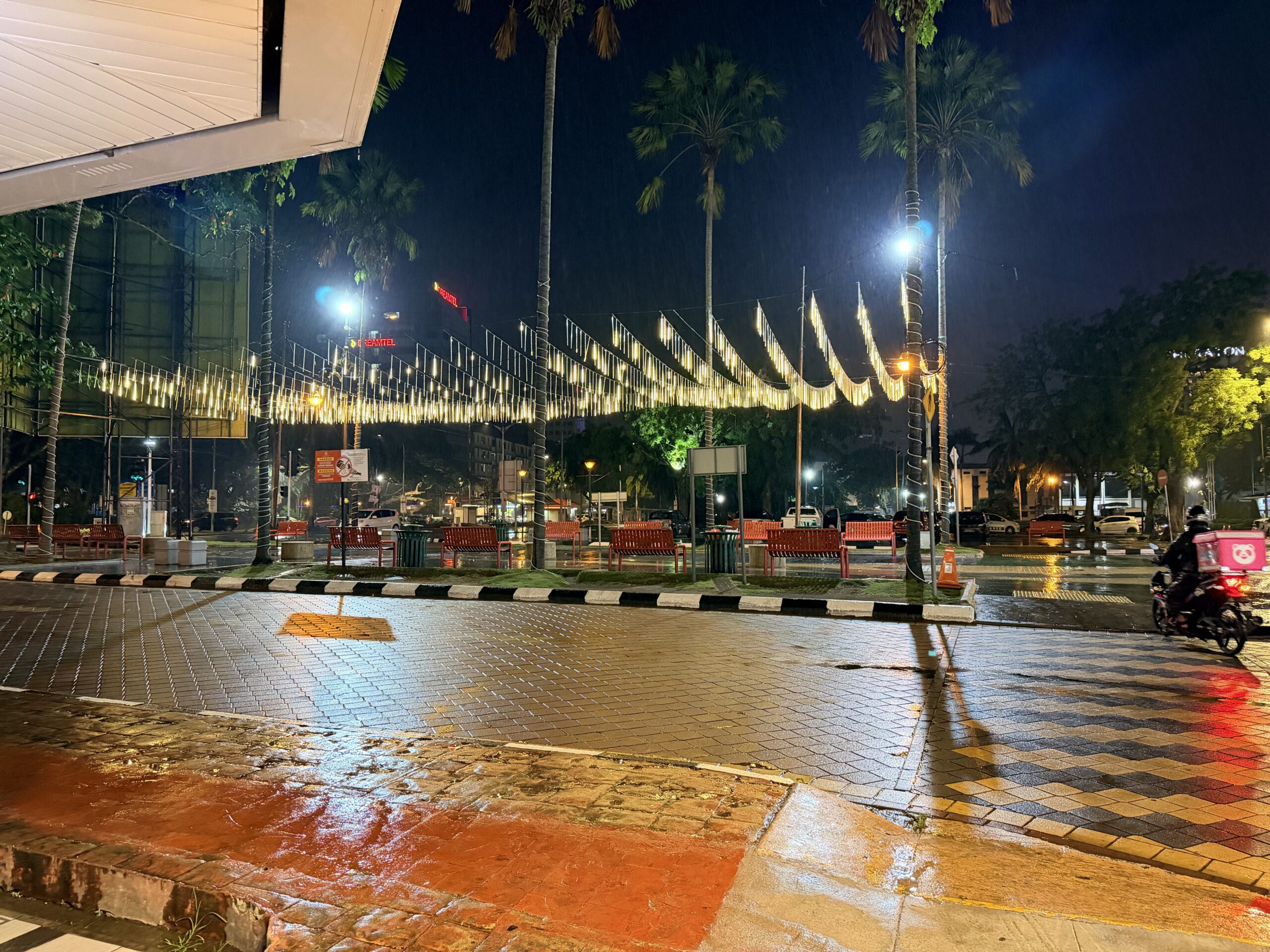
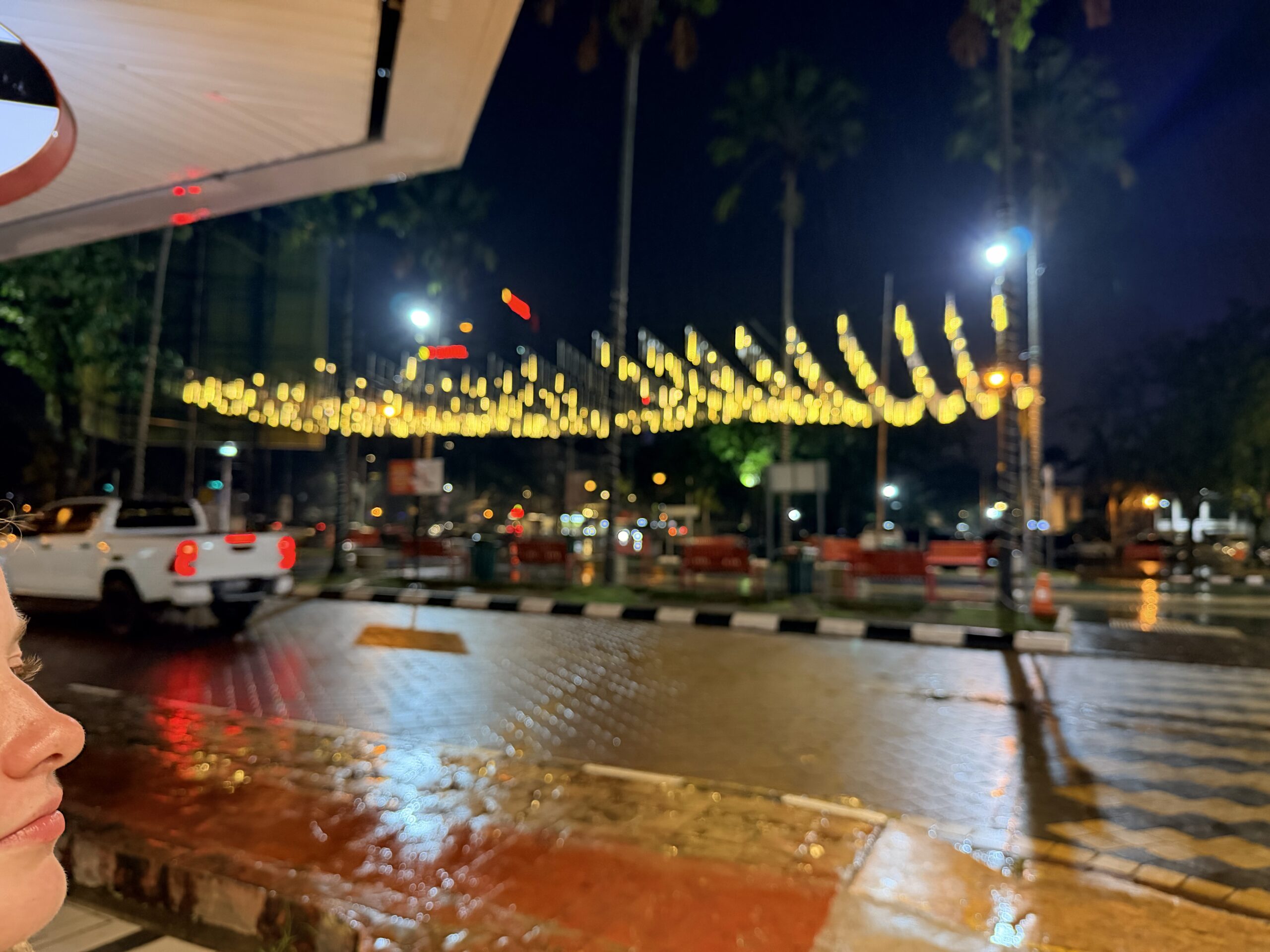
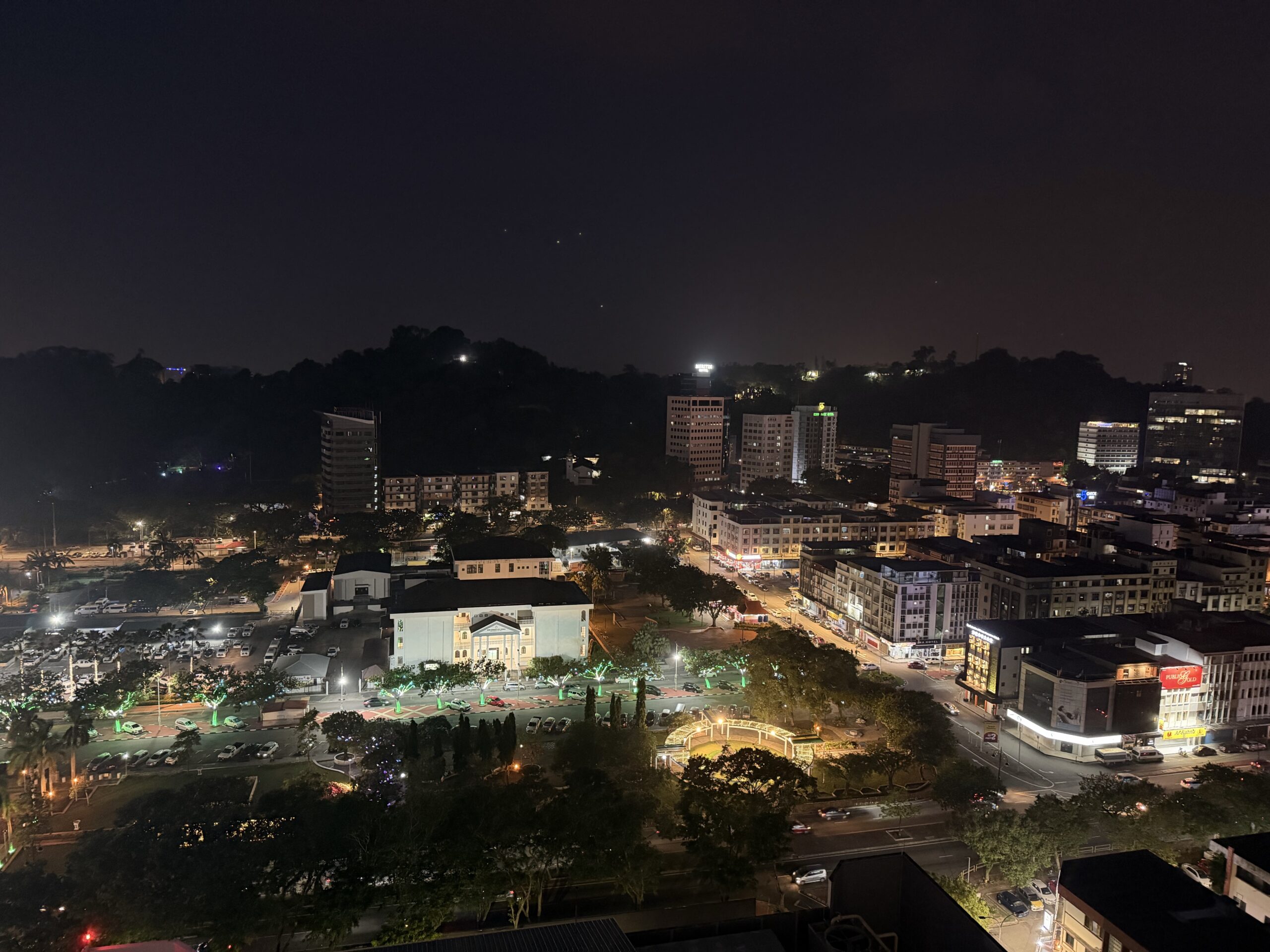
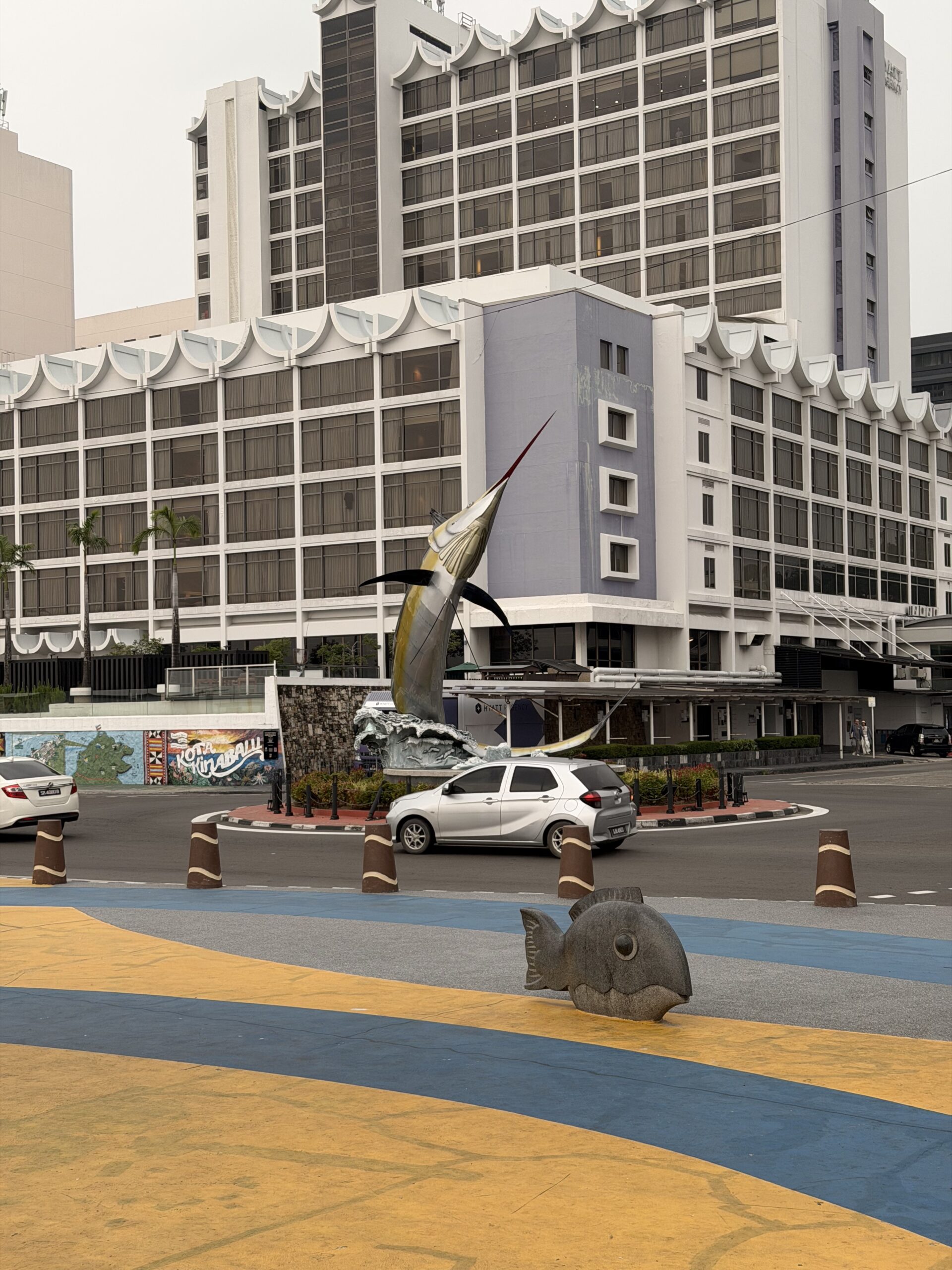
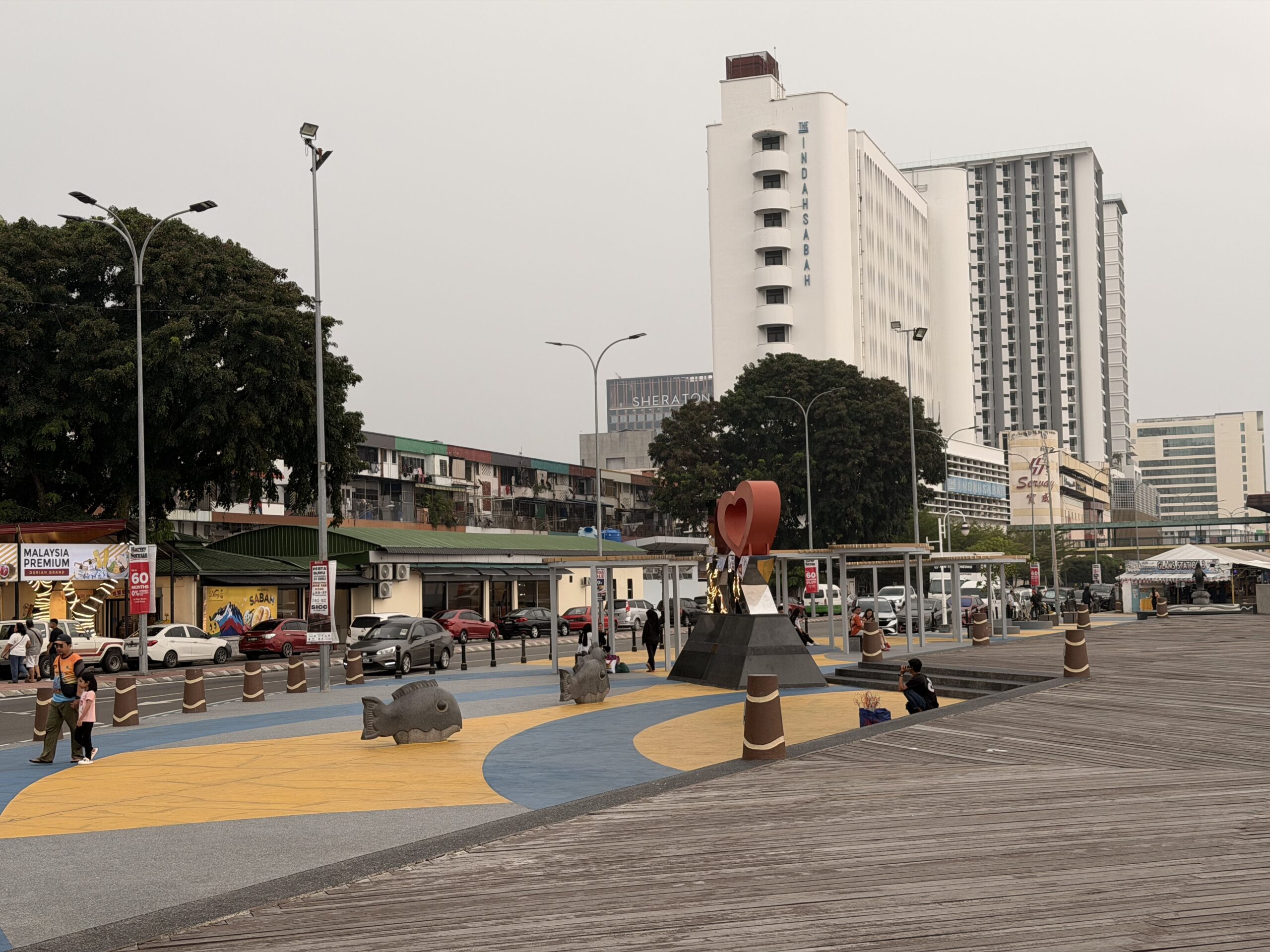
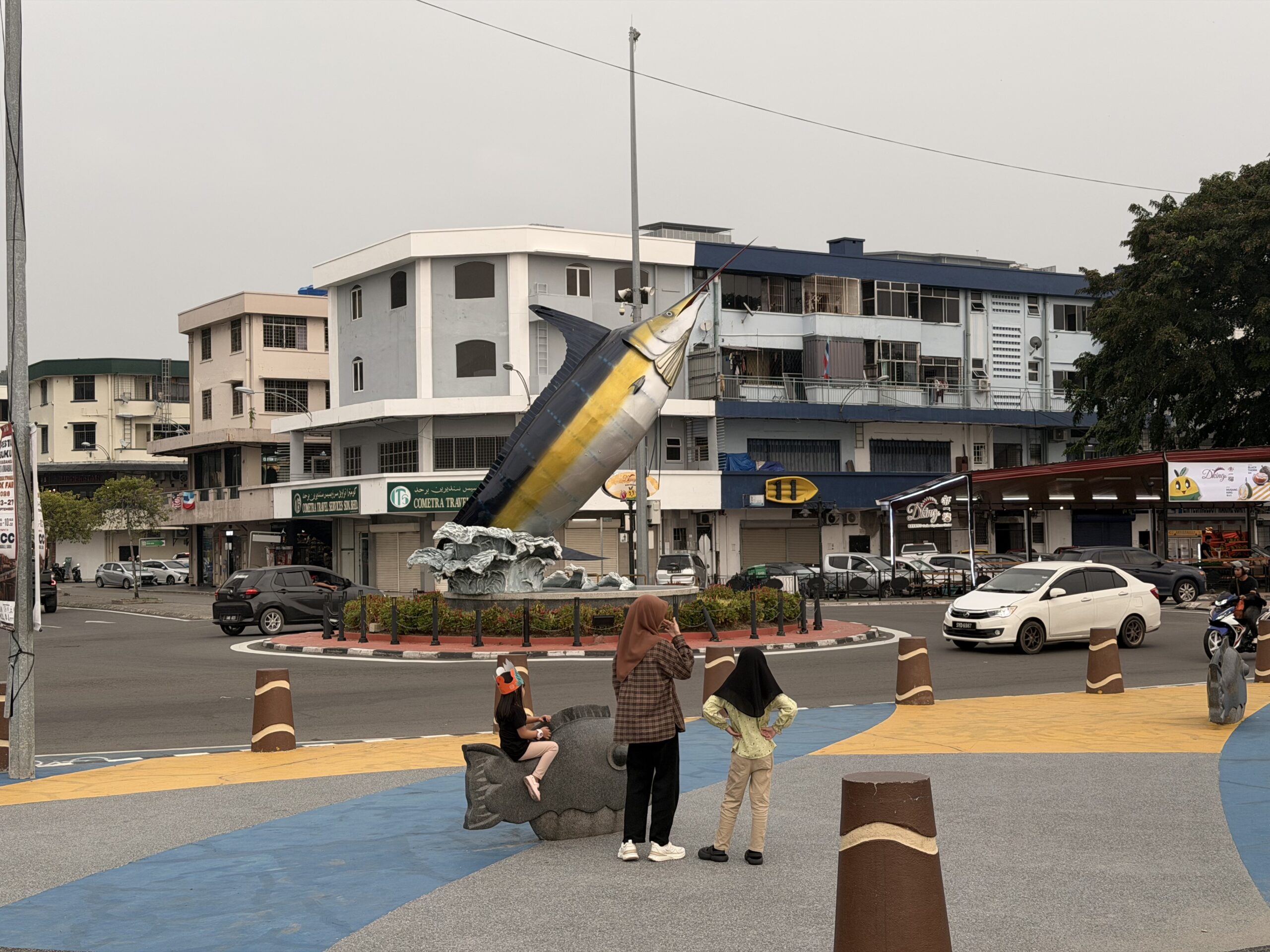
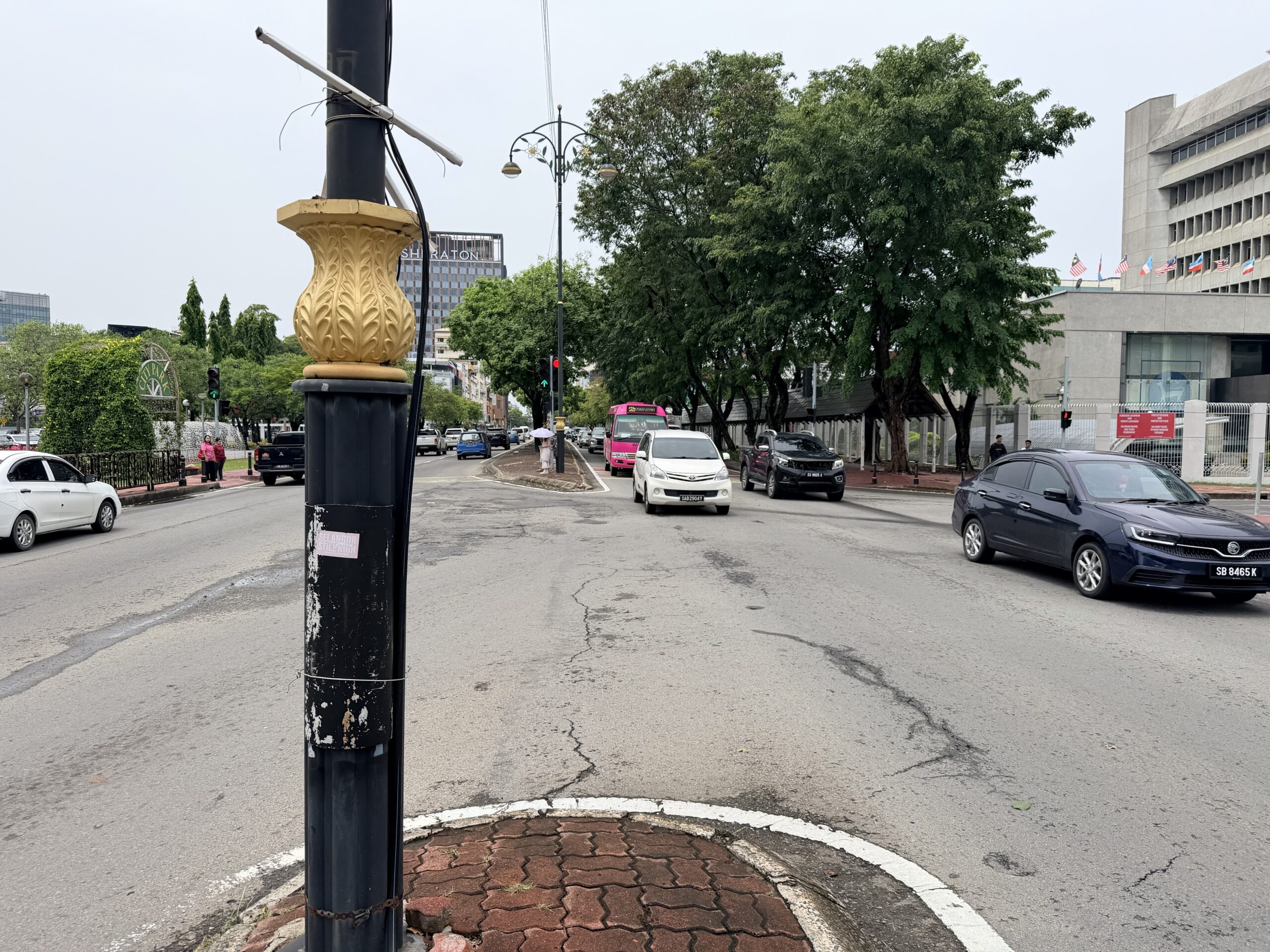
We co-ordinated our arrivals in to Kota Kinabula in the Sabah province of Malaysia on Borneo, and had a day preparing for the hike up Mount Kinabula.
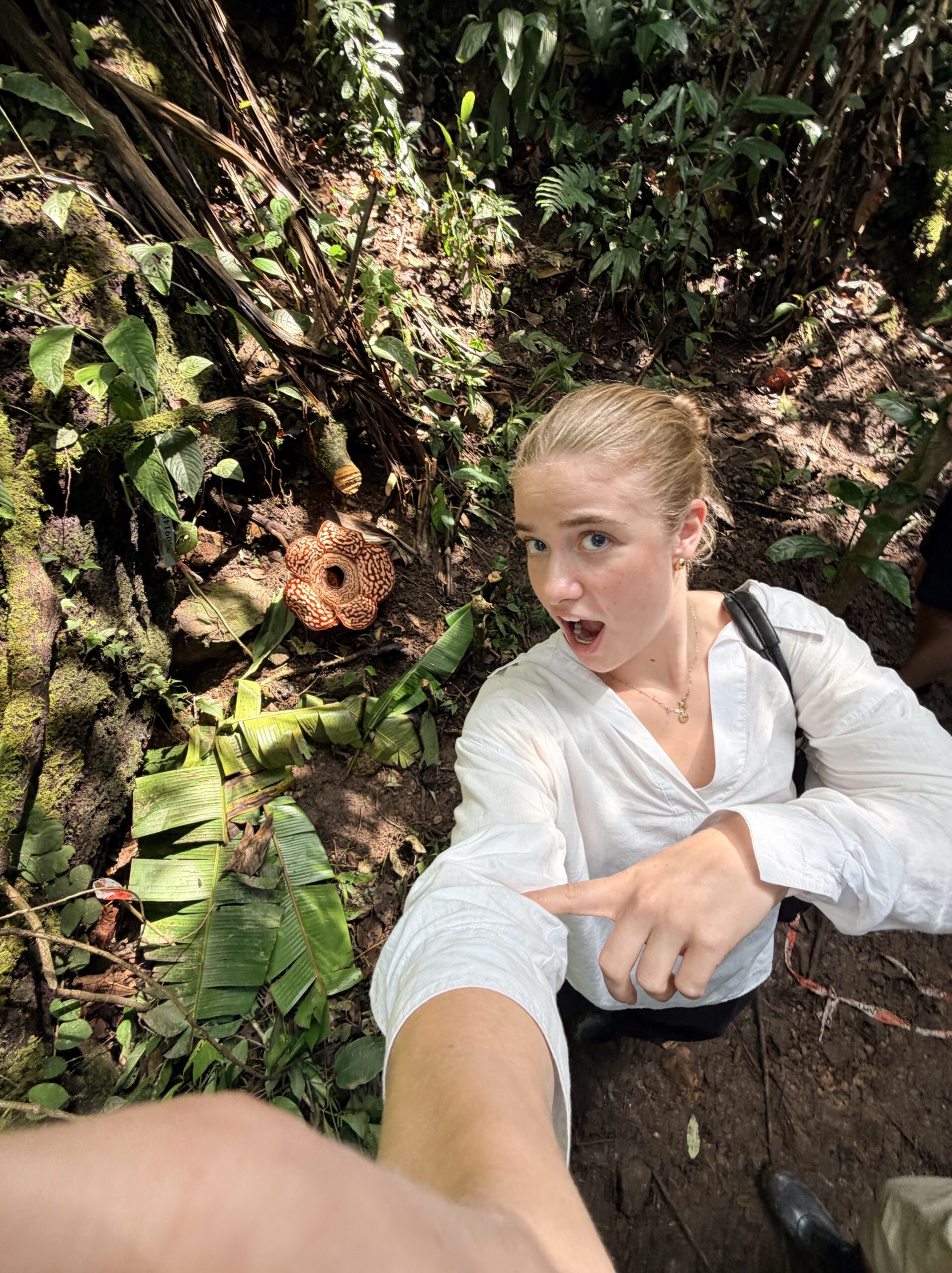
We explored Kota Kinabalu on our return for a day and then discovered some refflesia flowers in bloom that we travelled to. Rianna then flew out to clime Mount Rinjani in Indonesia and I flew into the Gunung Mulu National Park. After that I flew across to Sandakan to see various wildlife refuges and a wildlife river cruise, and finished with six days in the Maliau Basin Conservation Area.
I then flew into KL where Rianna showed me some of the sites. By myself I visited the Batu Caves, their museum and the world heritage town of Melacaw.
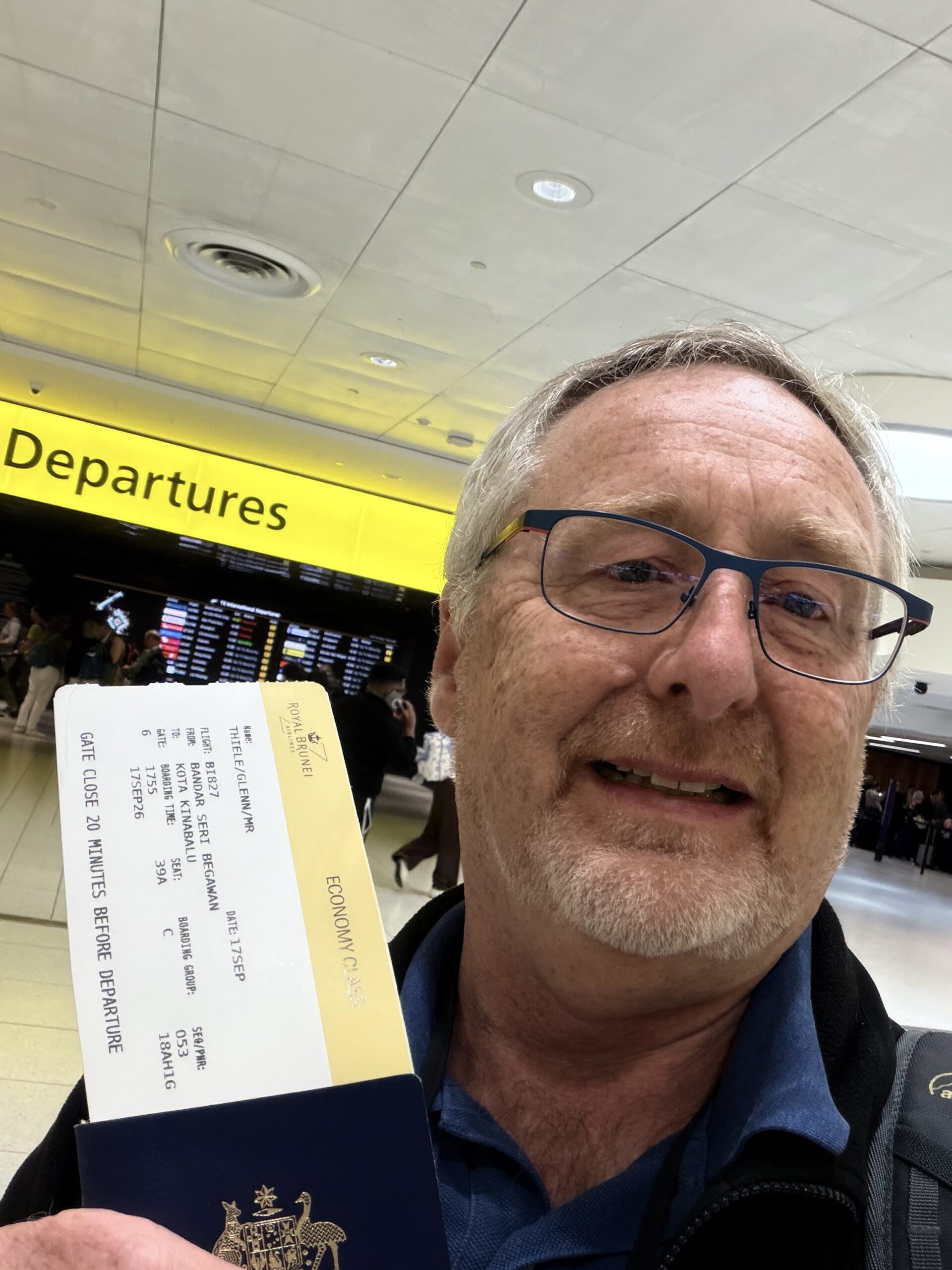
Rianna flew from Kuala Lumpur to Kota Kinabalu on the morning of 17 September. Just. After sleeping through her seven alarms.
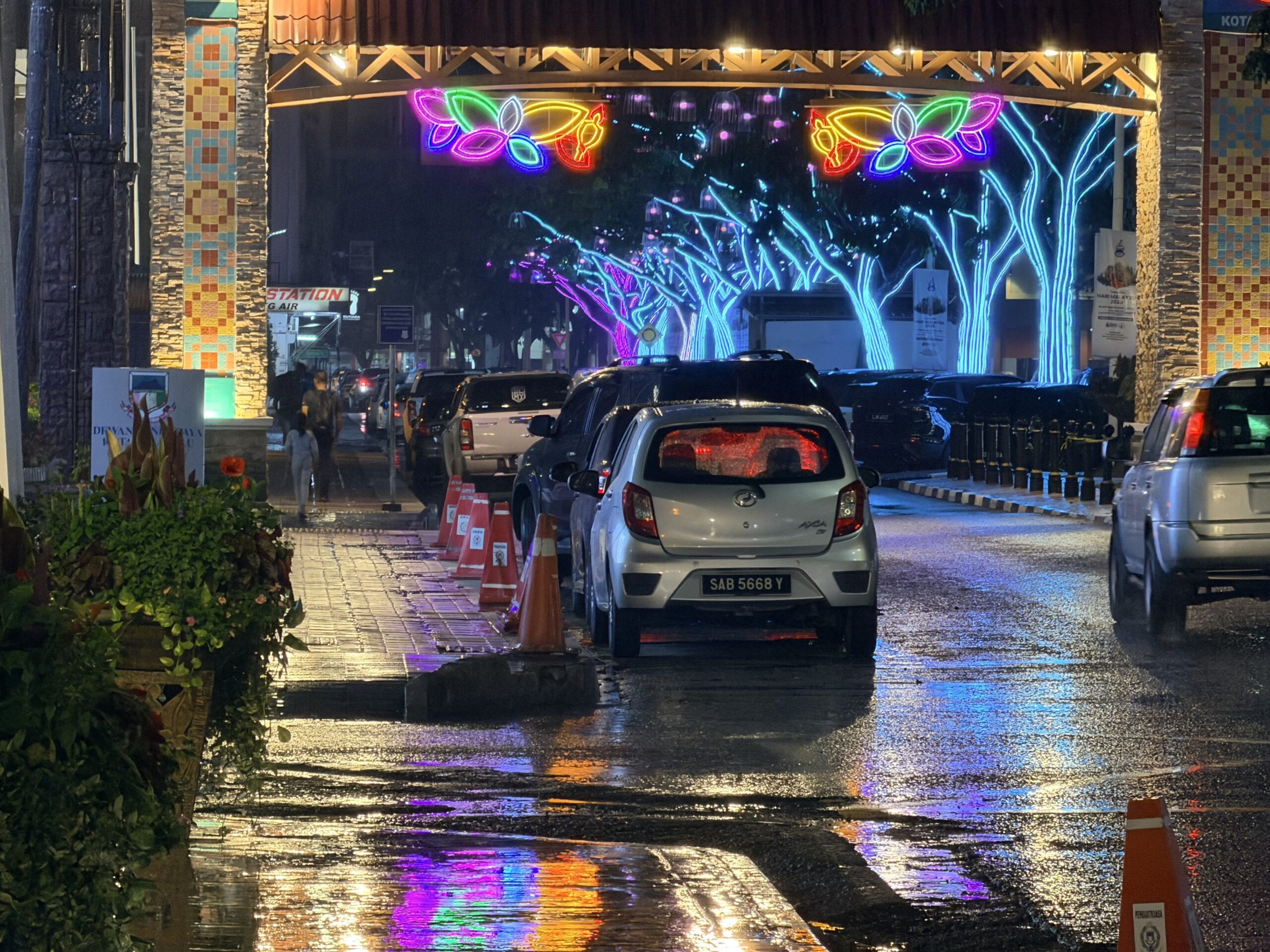
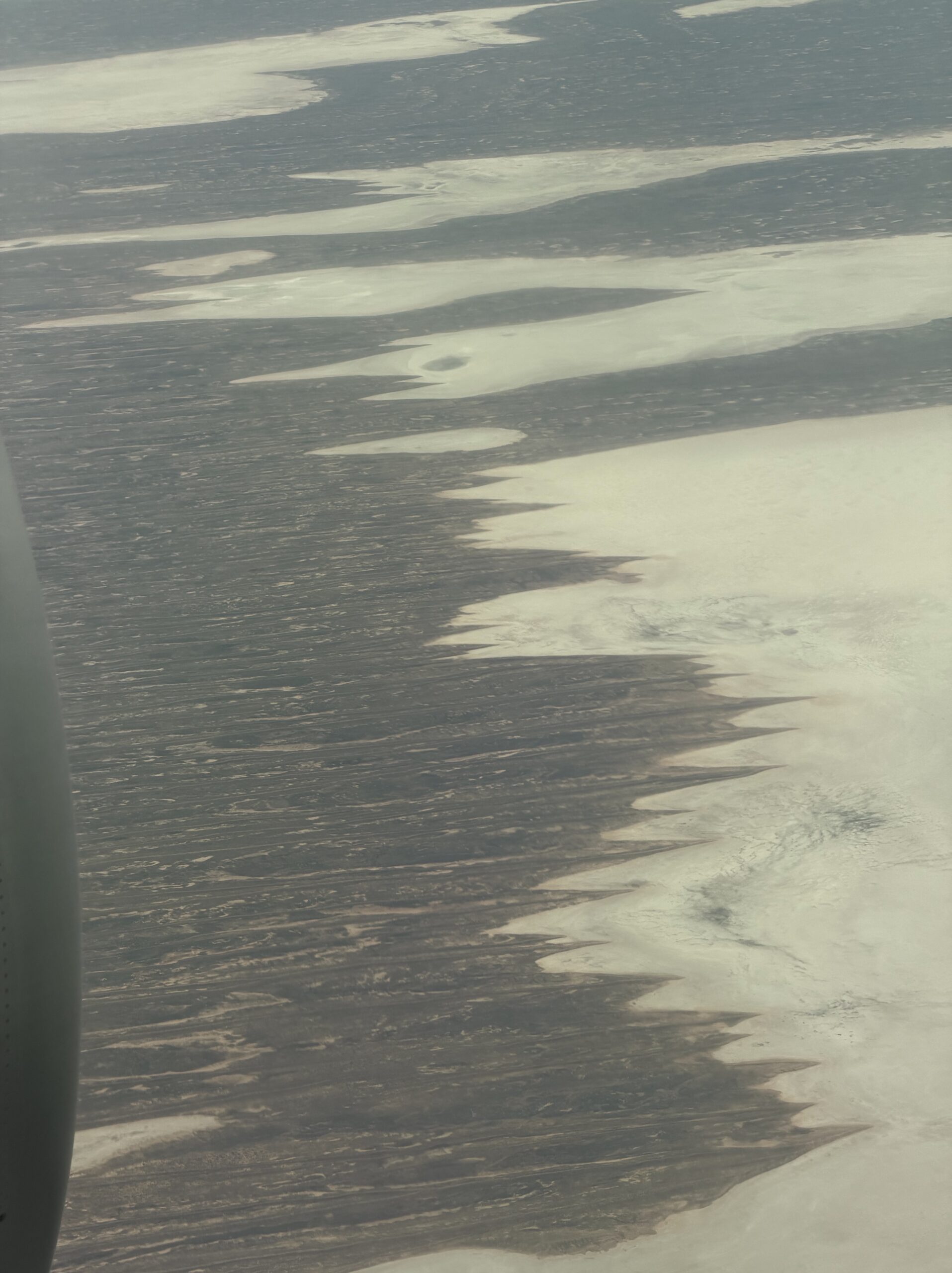
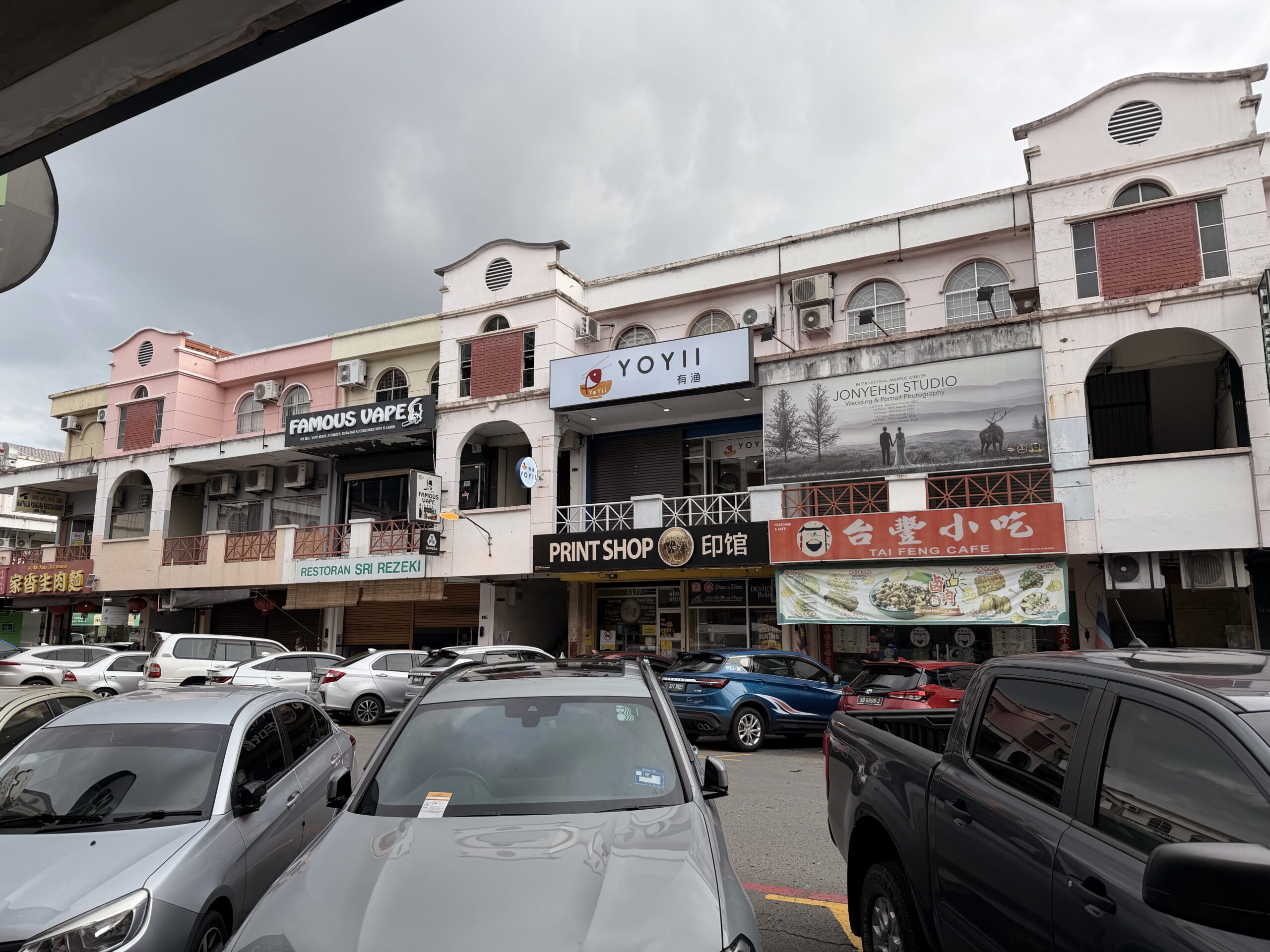
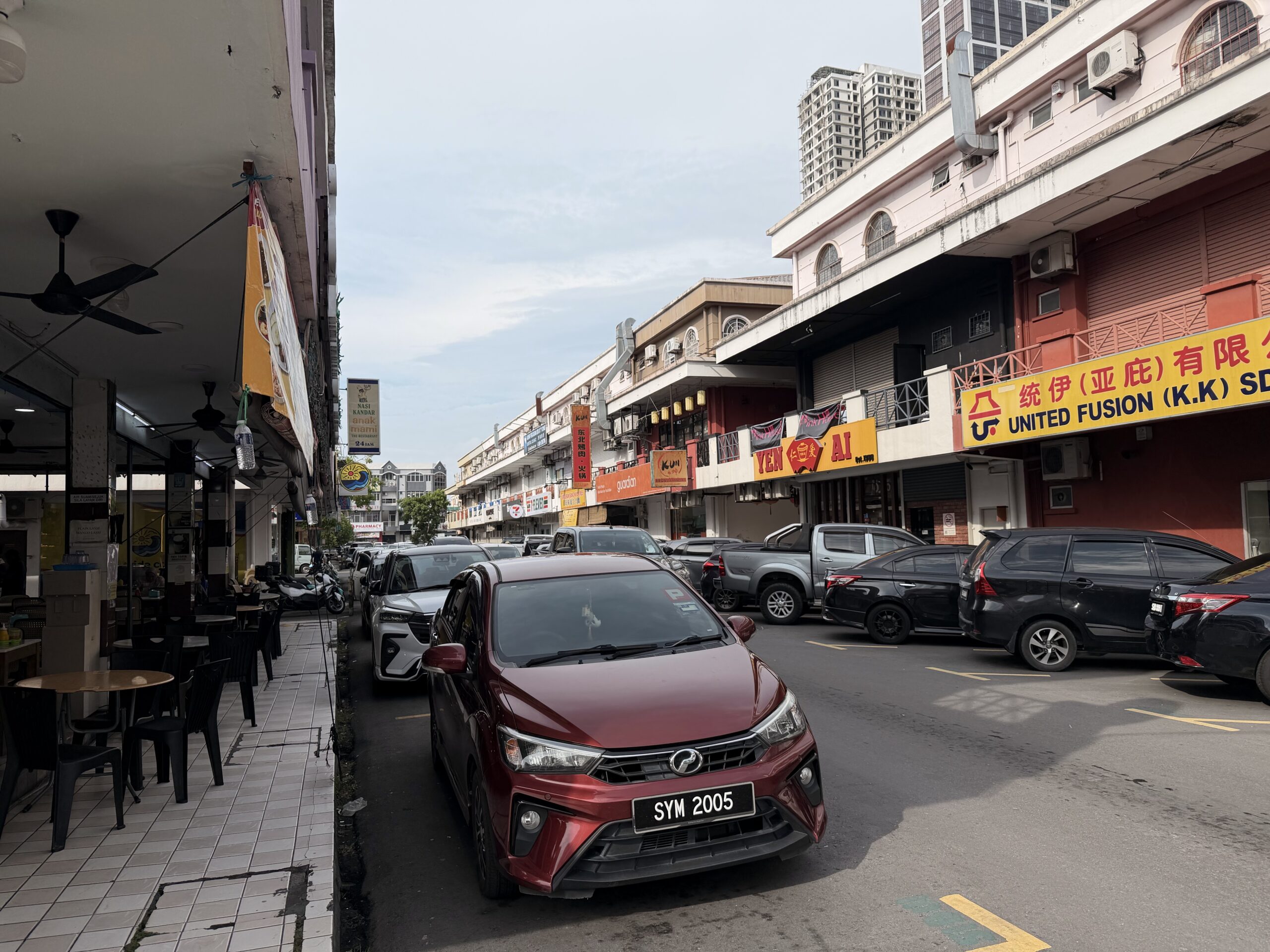
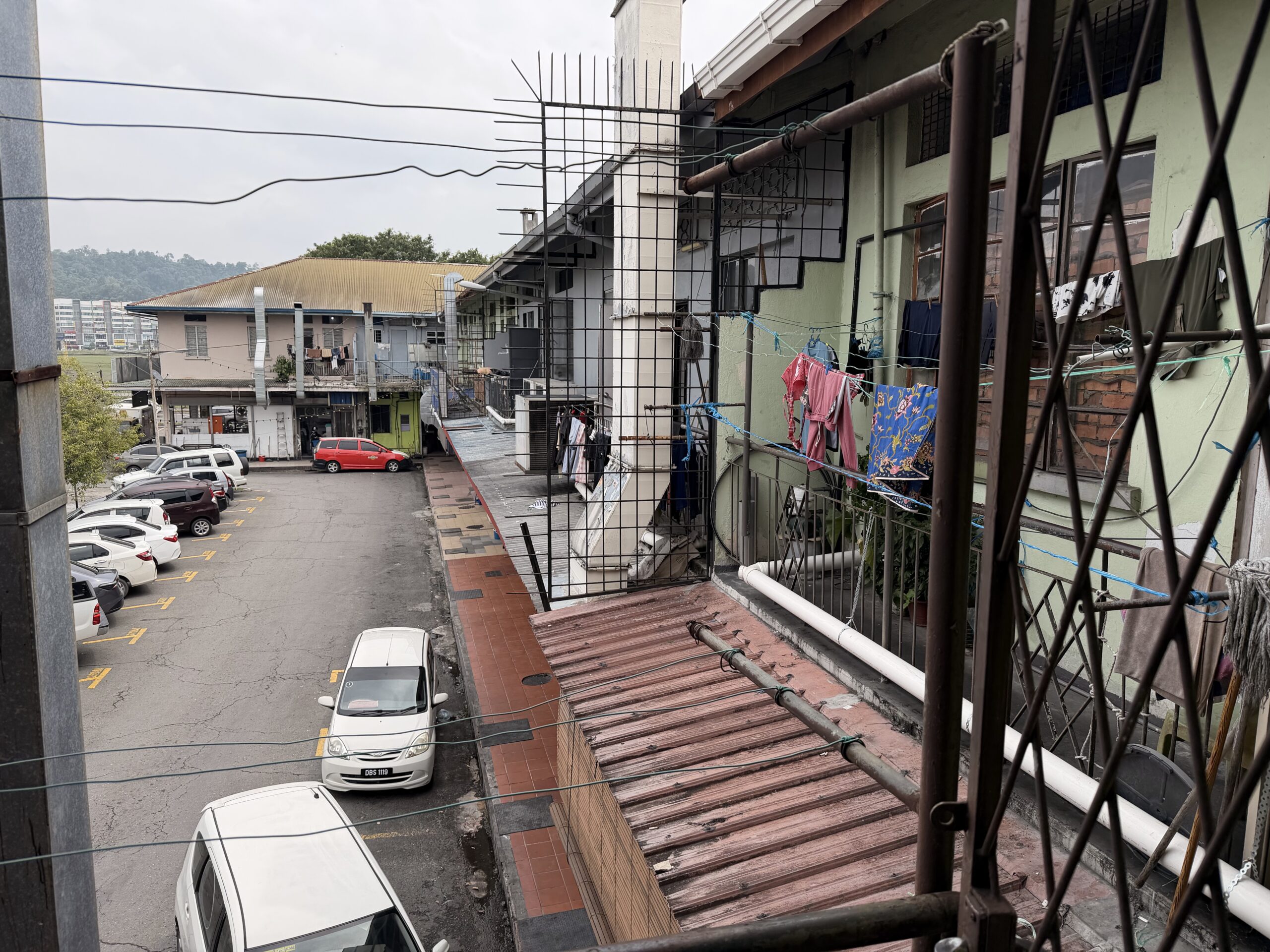
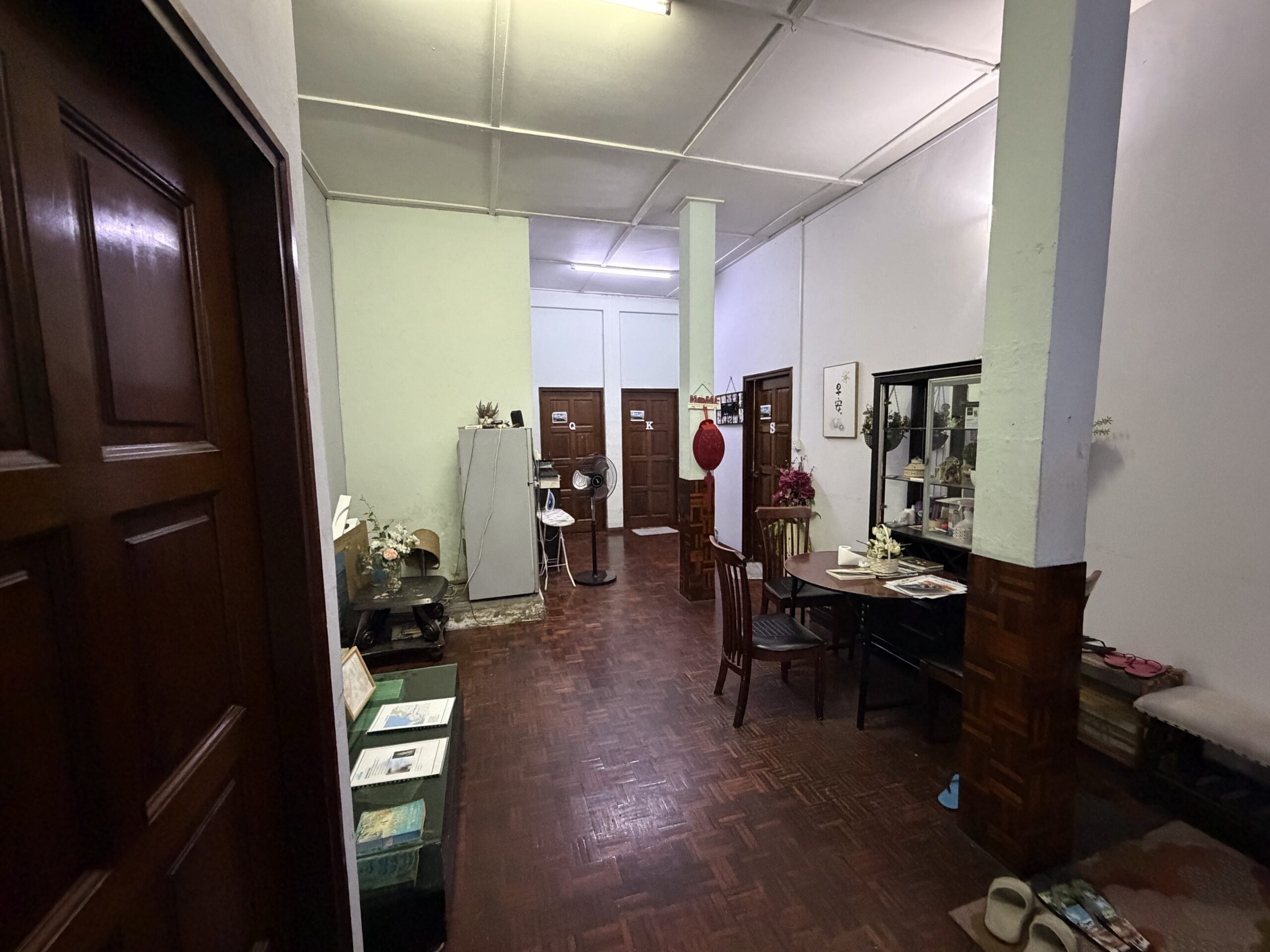
My flight had a stopover in Brunei, except the two hours became about seven hours due to ’emergency runway repairs’ at Kota Kinabalu. Hence I got to Rianna after 3:00 am. We had a room in a house with shared kitchen/bathroom above little shops.
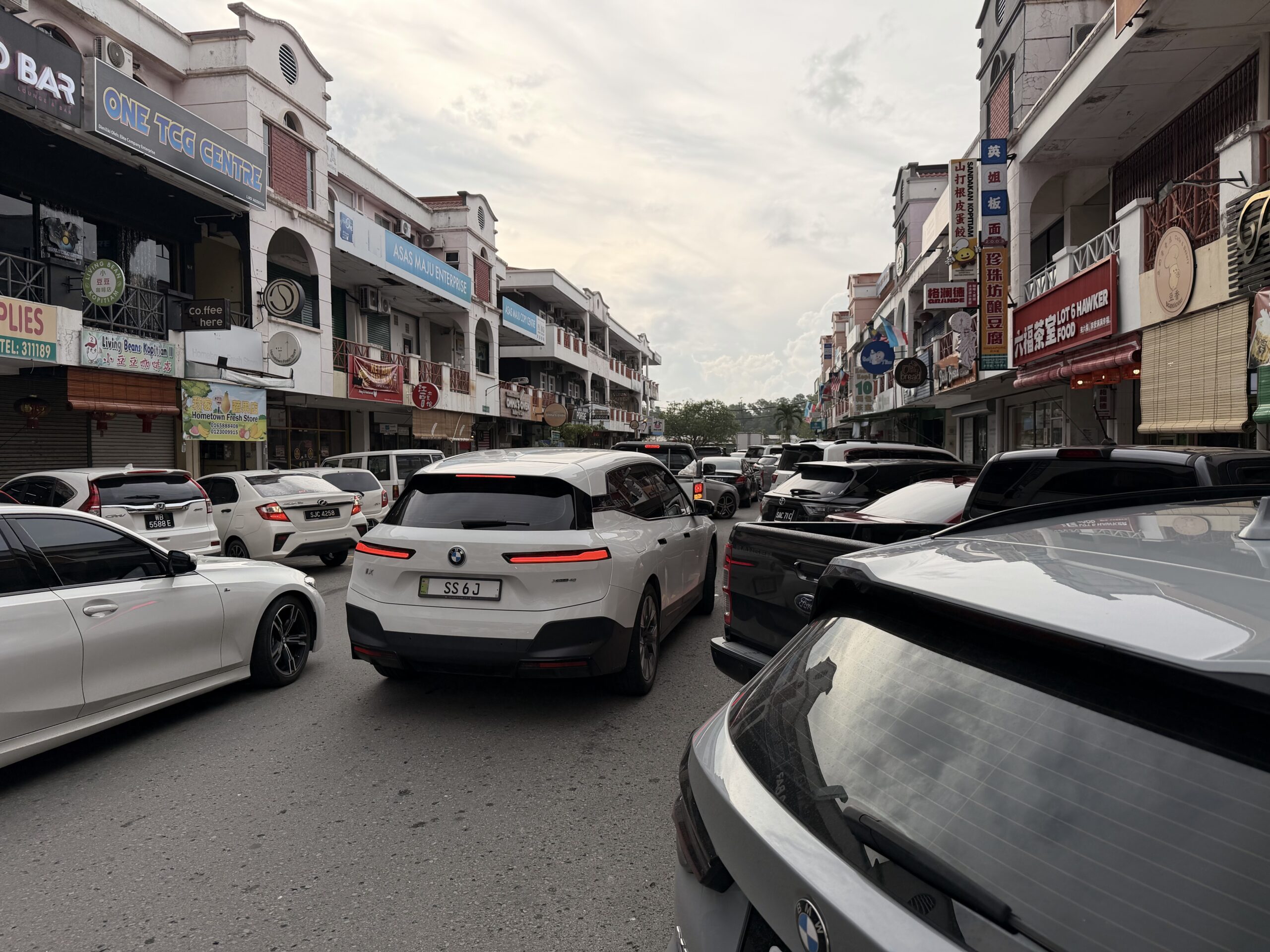
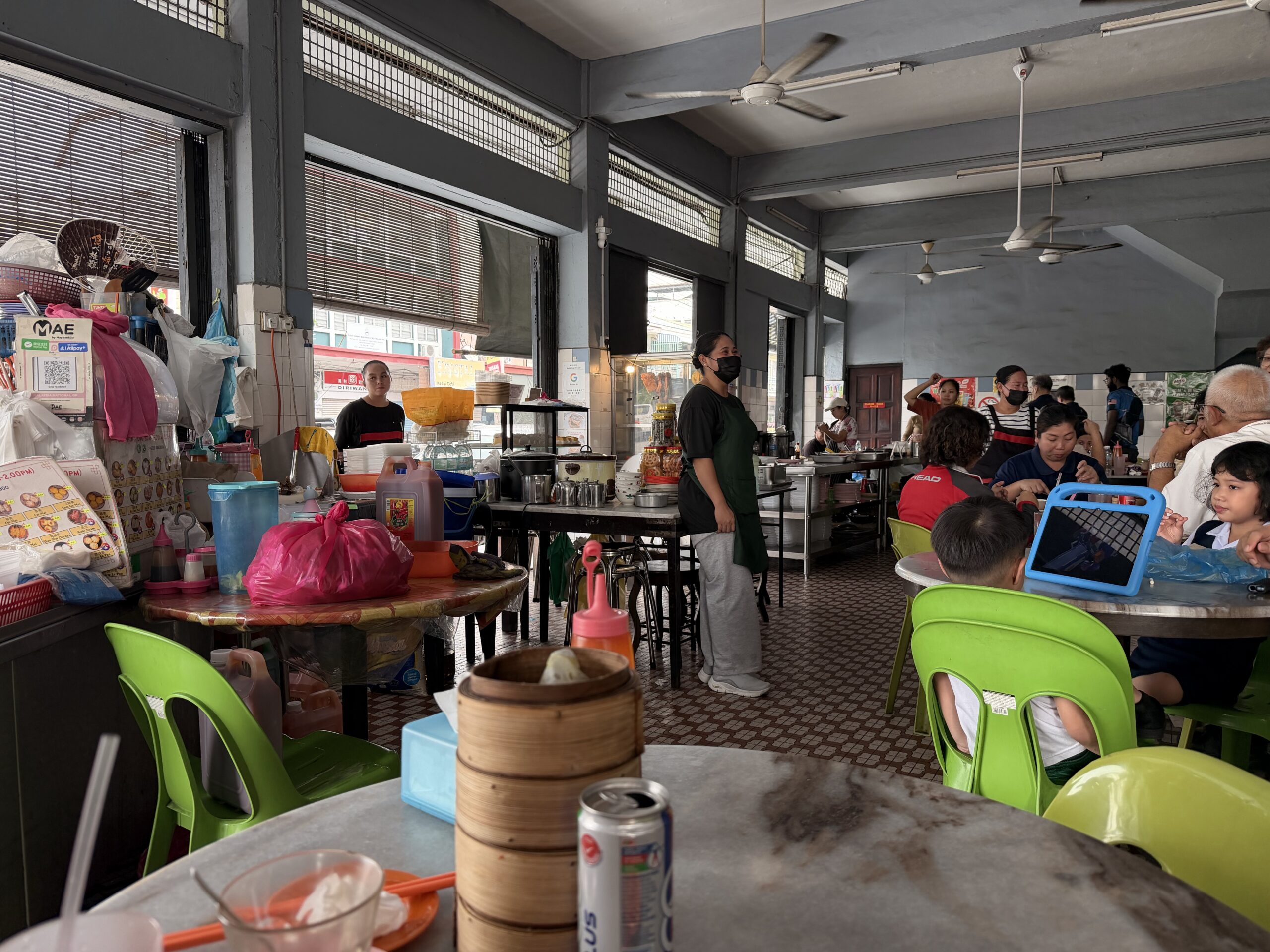
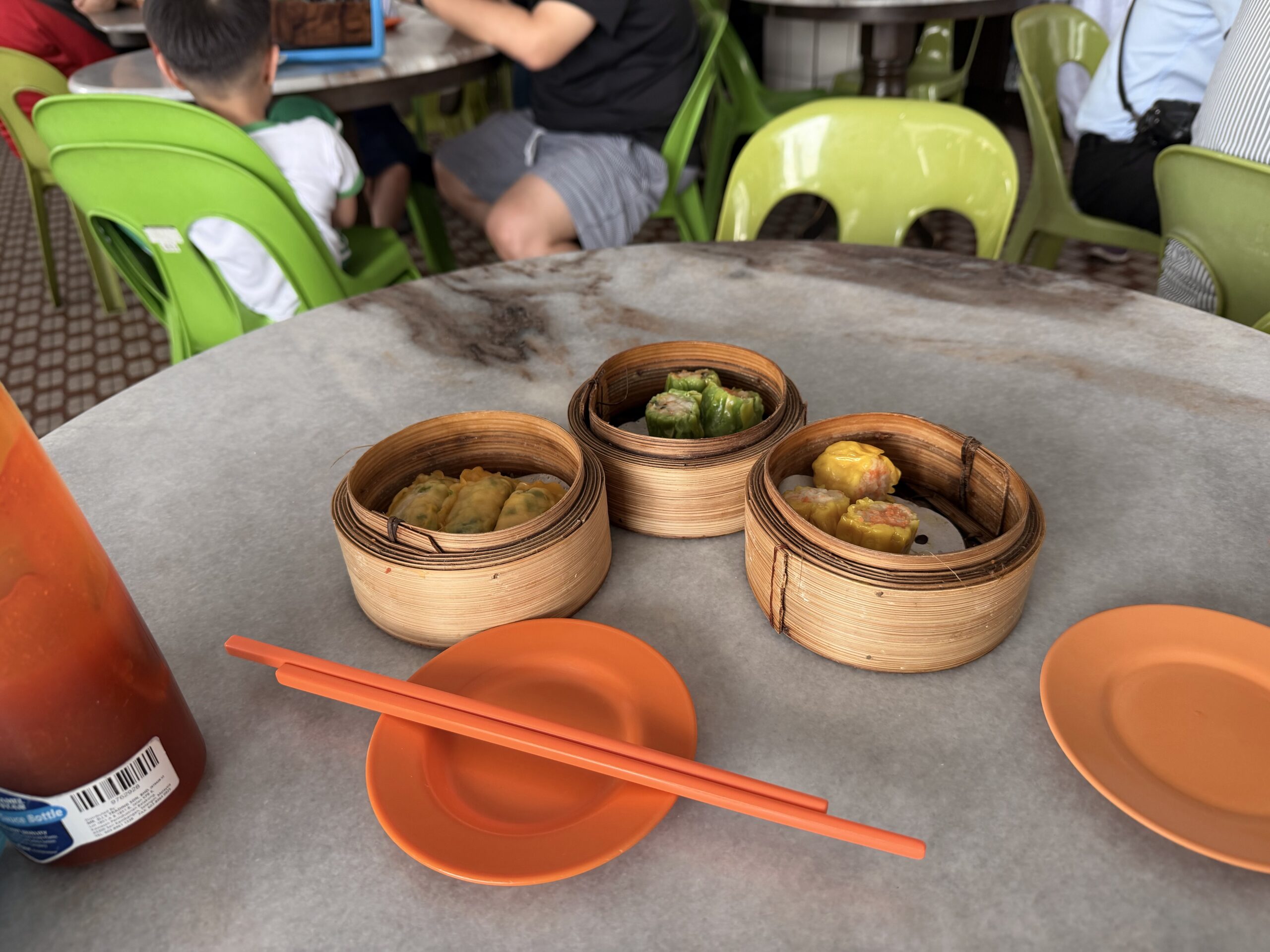
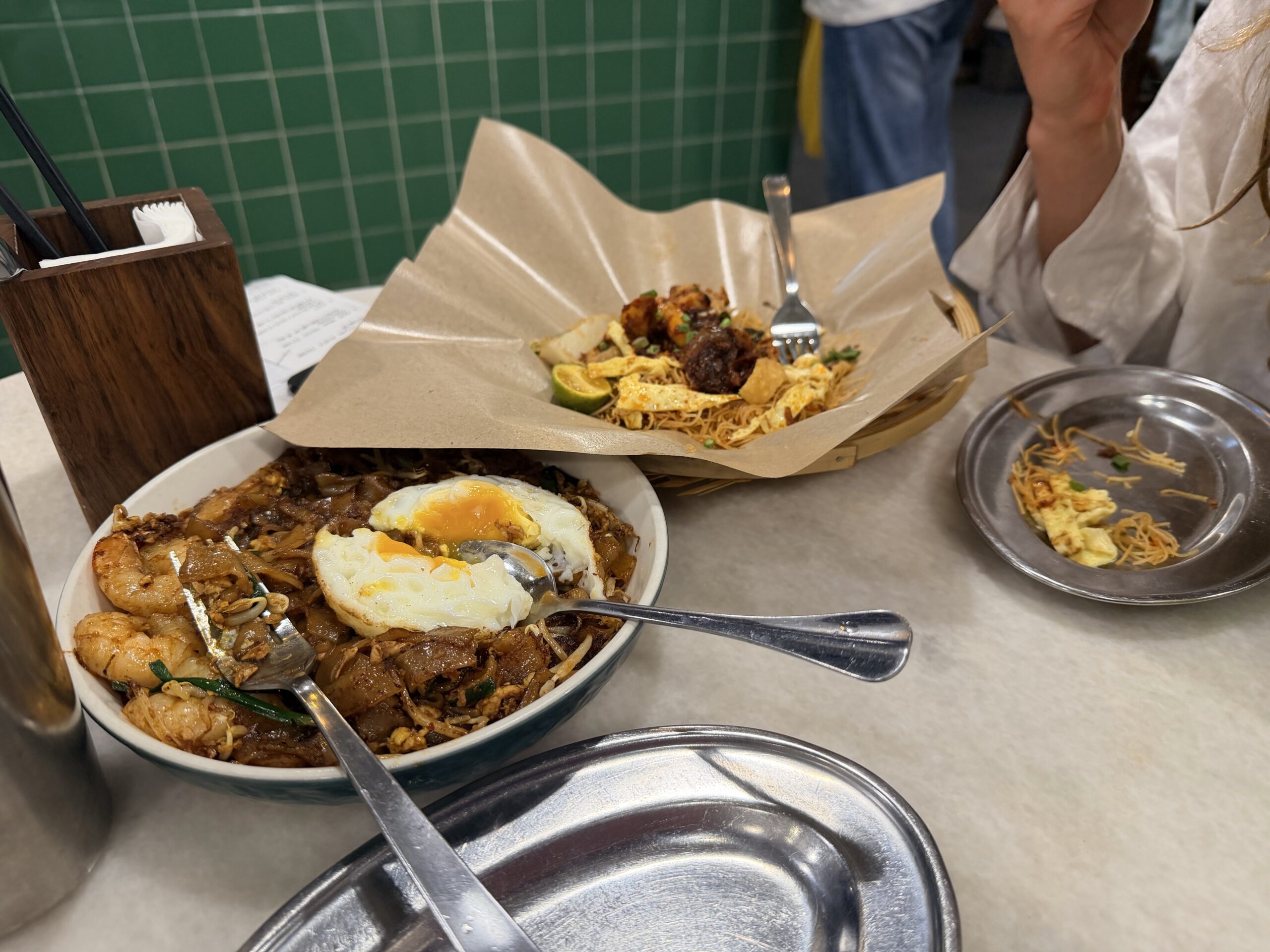
Our free day was mostly spent fixing (resetting) Rianna’s phone, and that included a Grab dash to a repair shop, just before they closed – saving the day. I so loved the cafe’s – one apparent shop was really occupied by several stallholders – selling hot drinks or cold drinks or meals, and they would swap cash between themselves at the end.
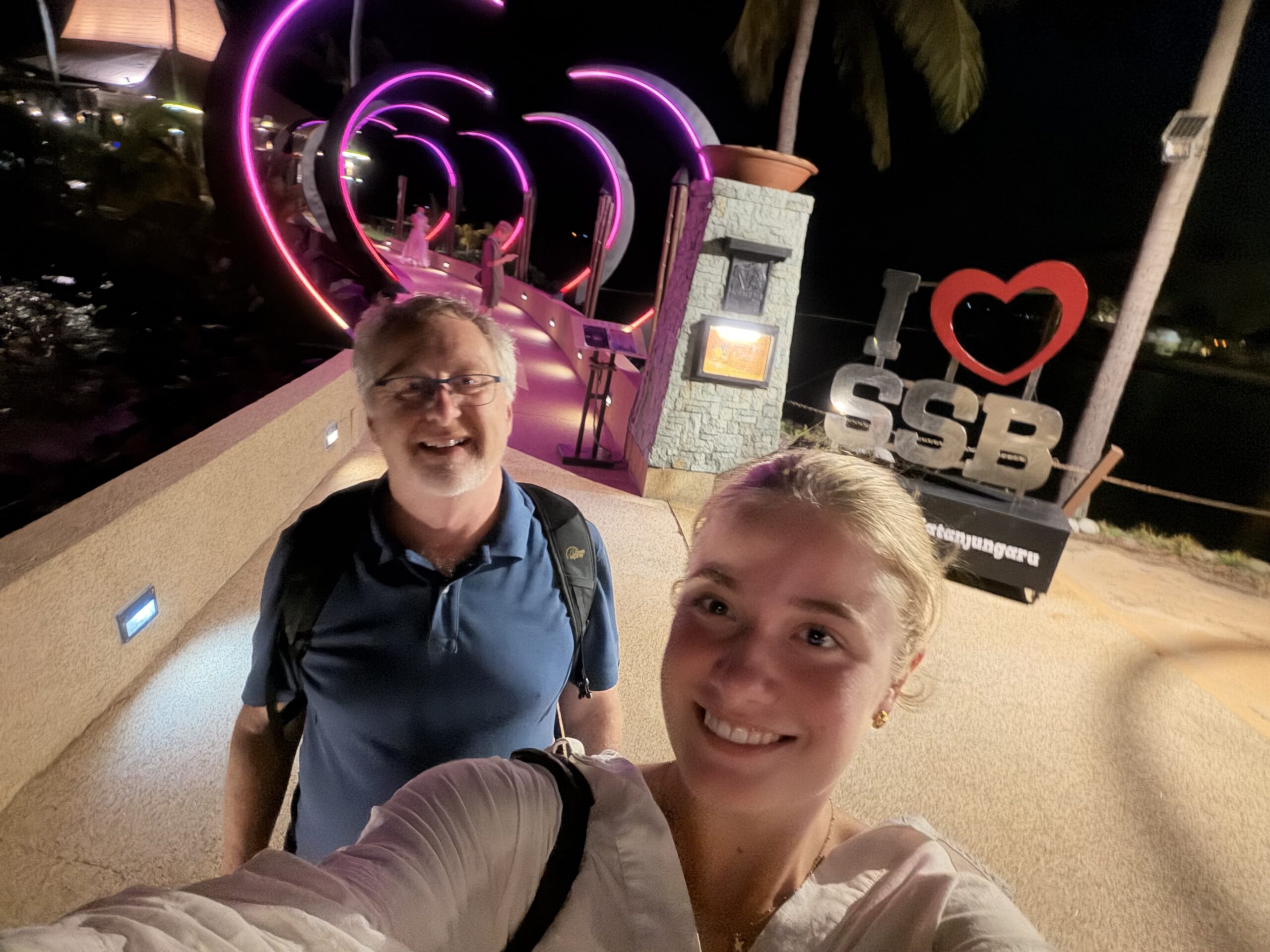
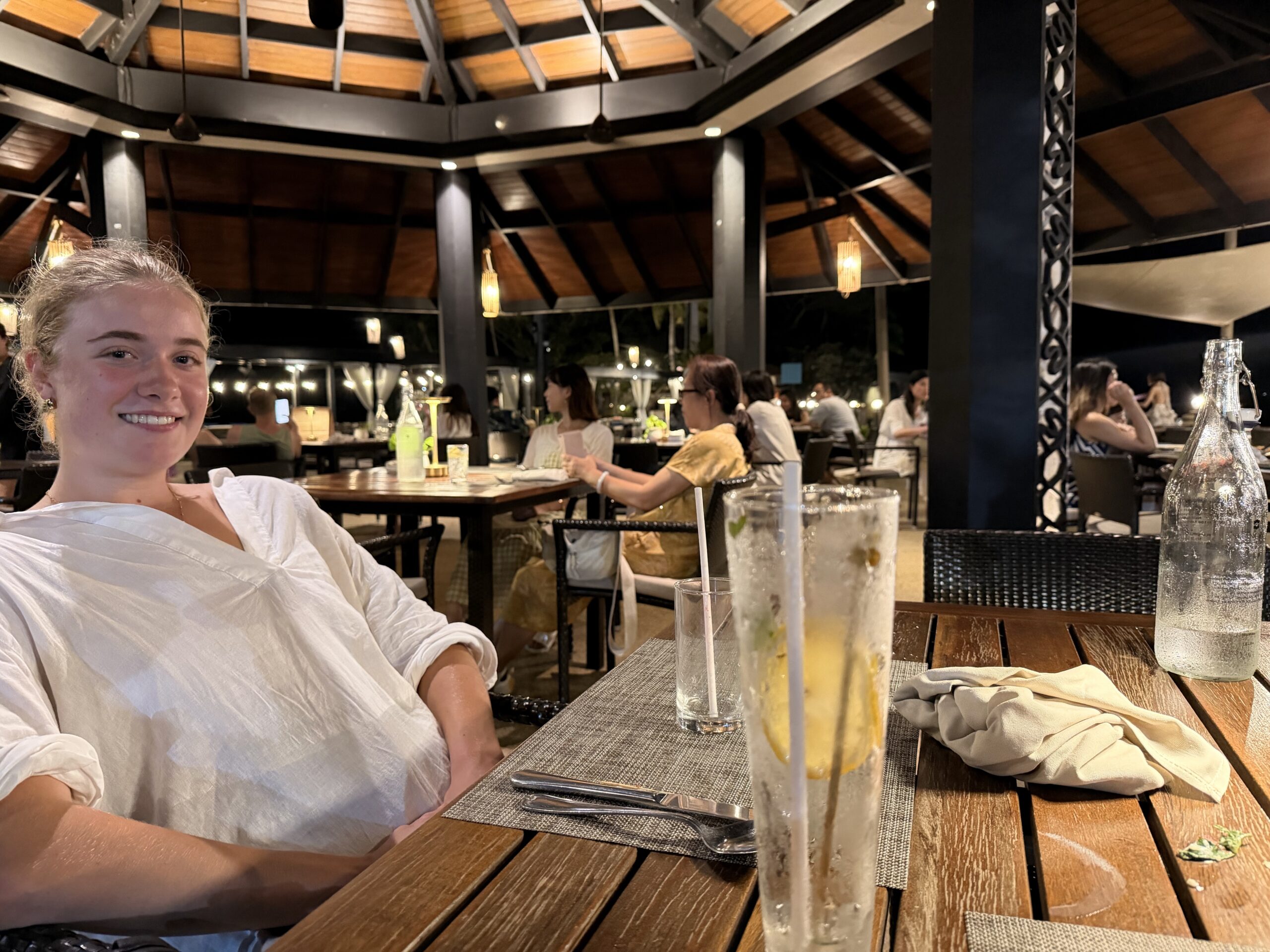
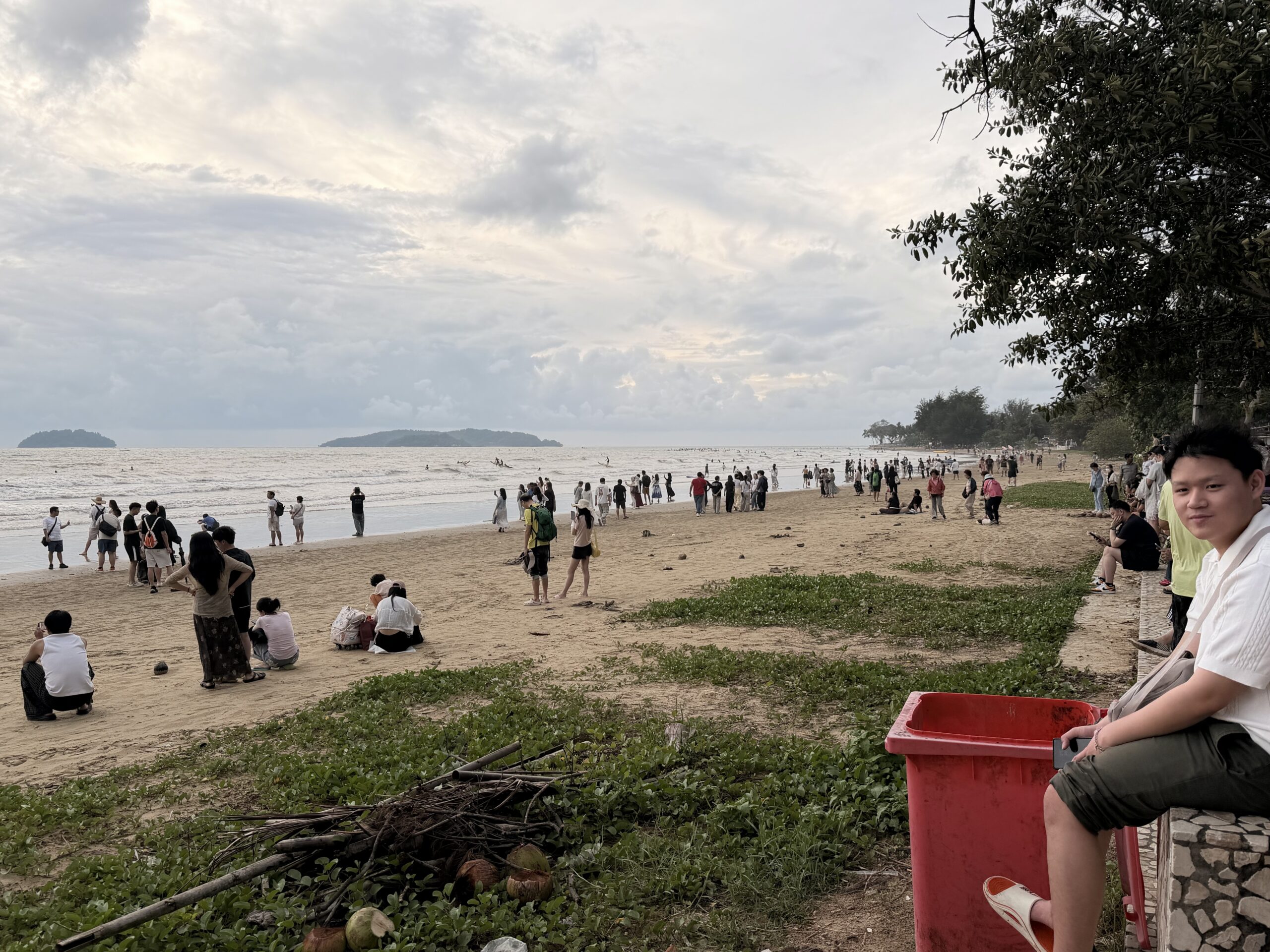
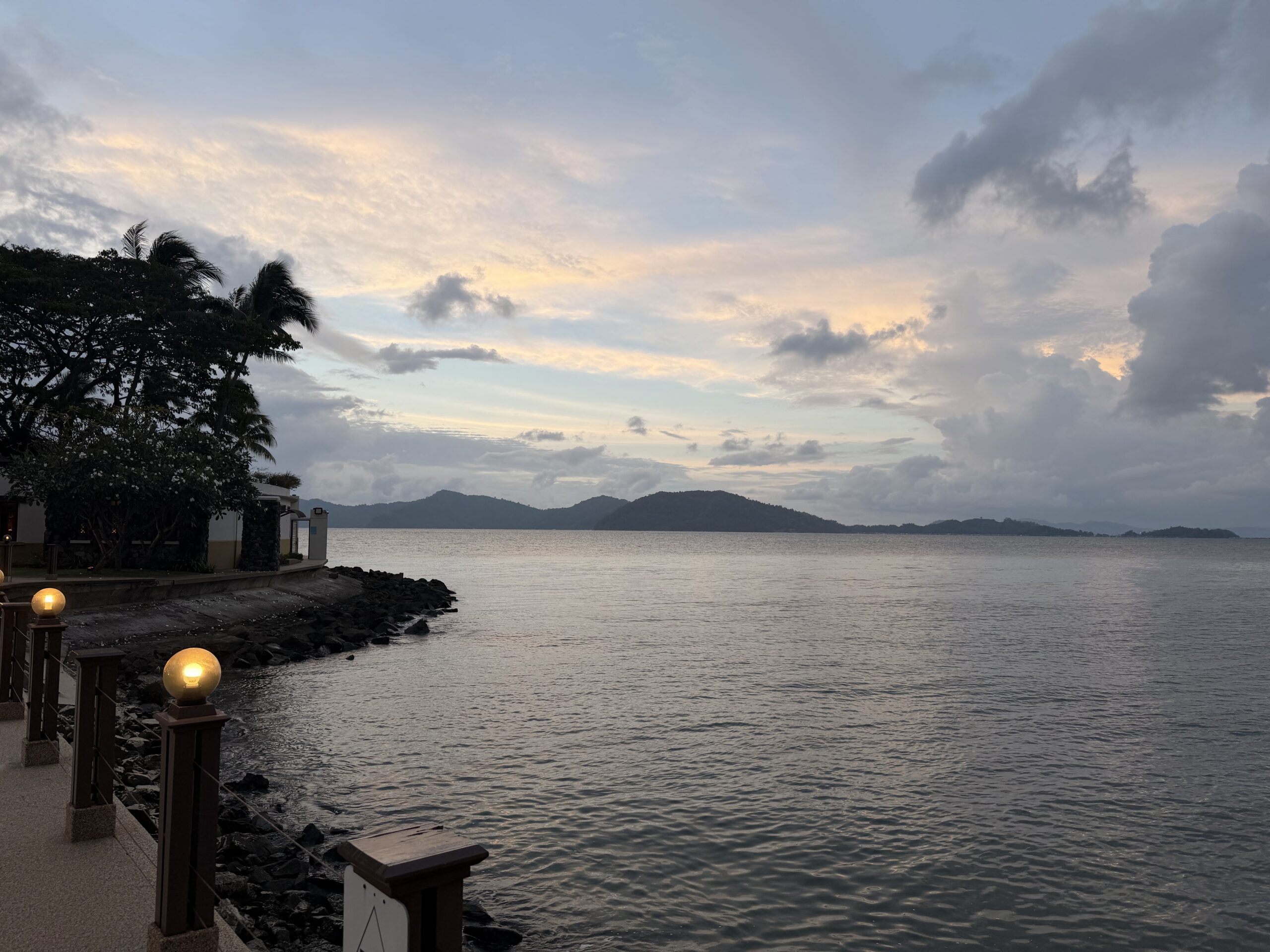
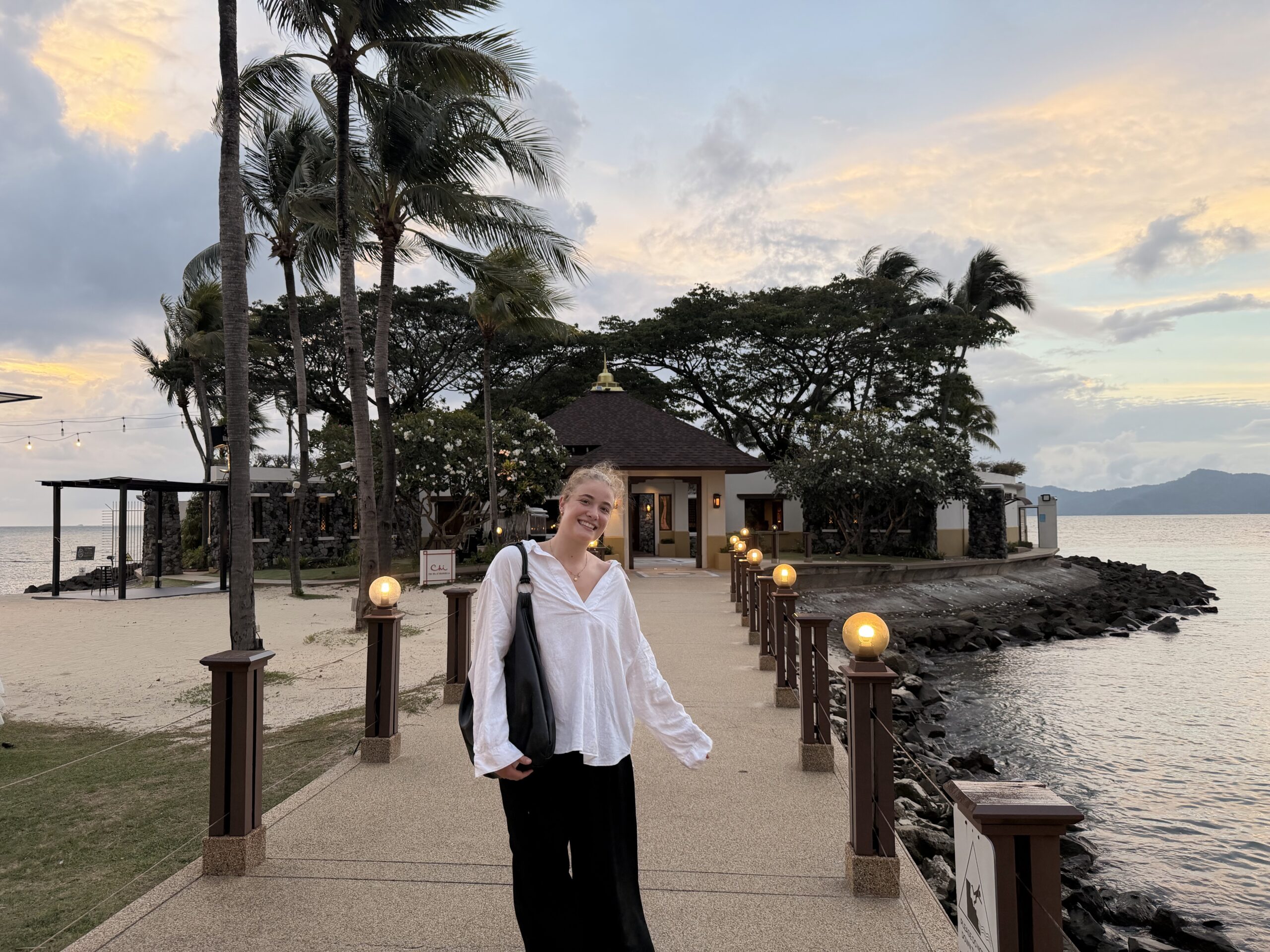
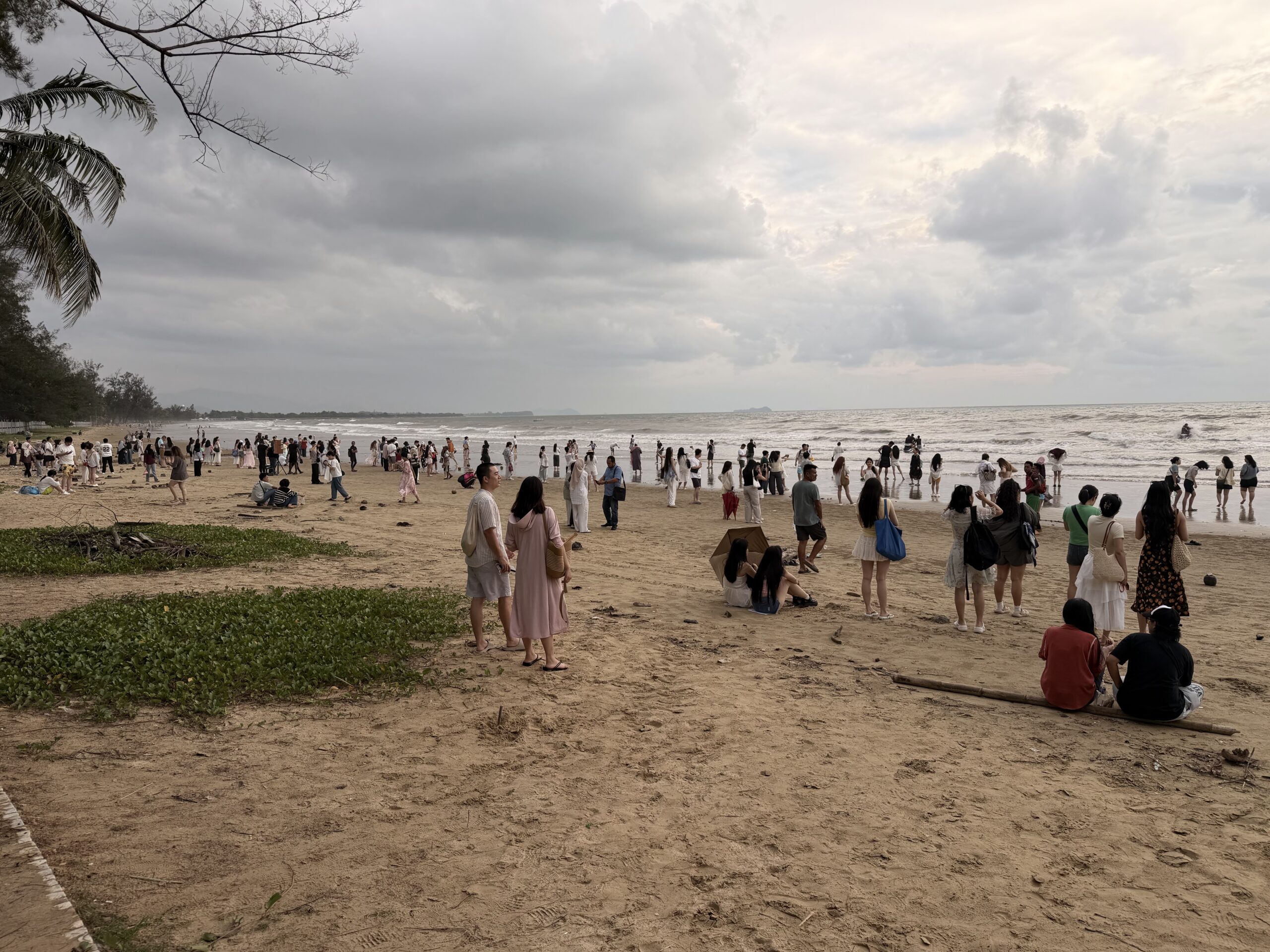
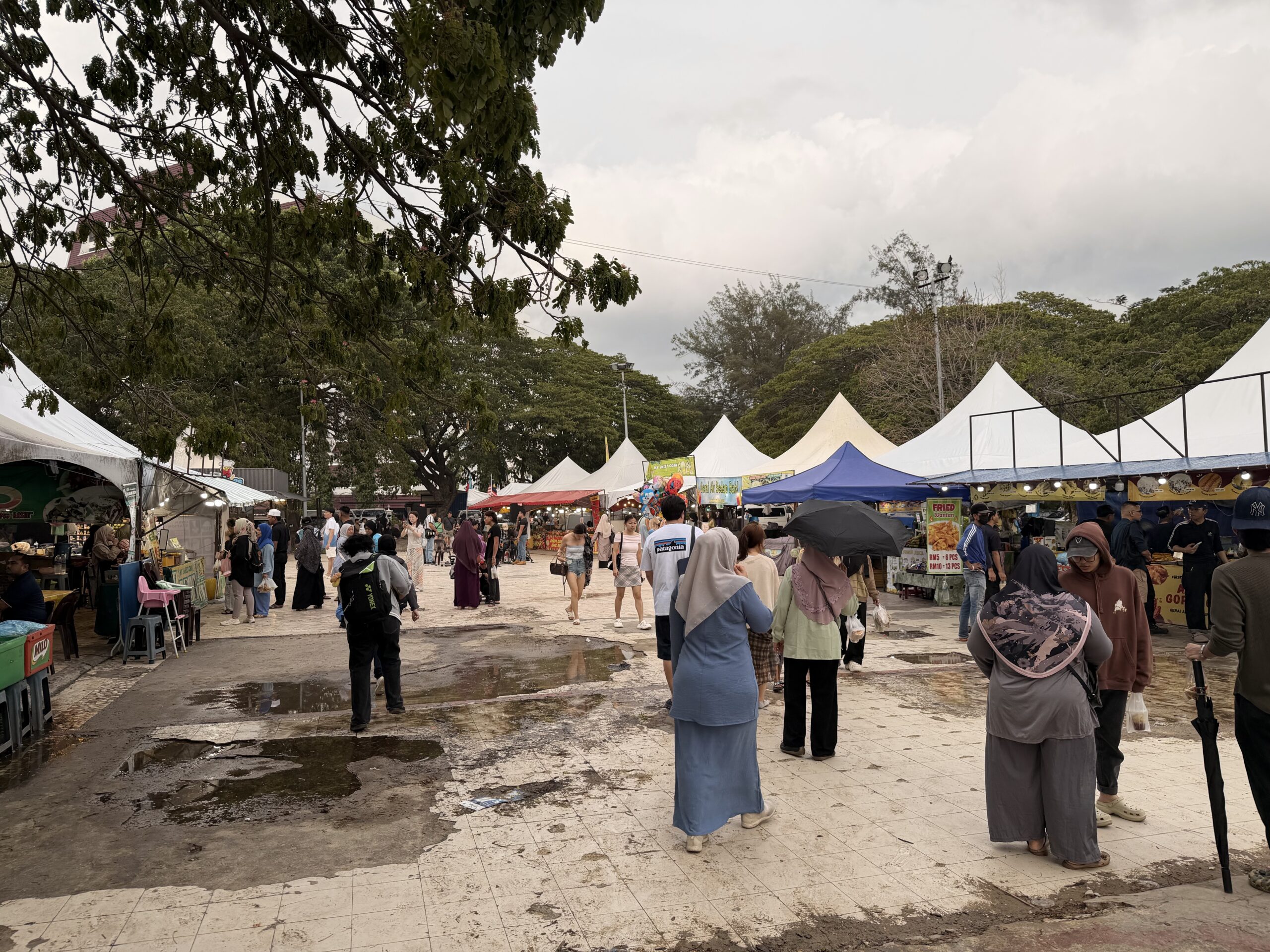
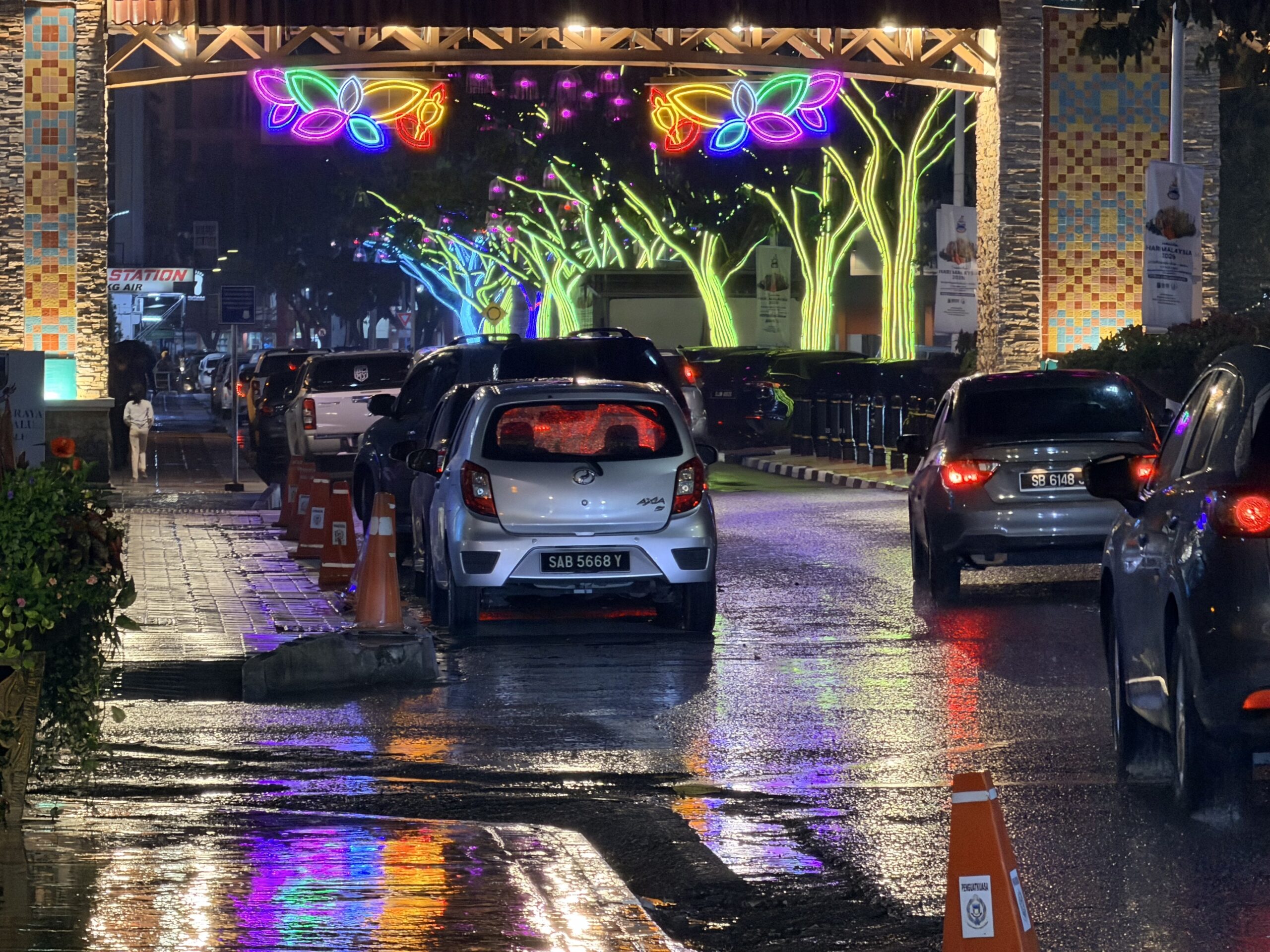
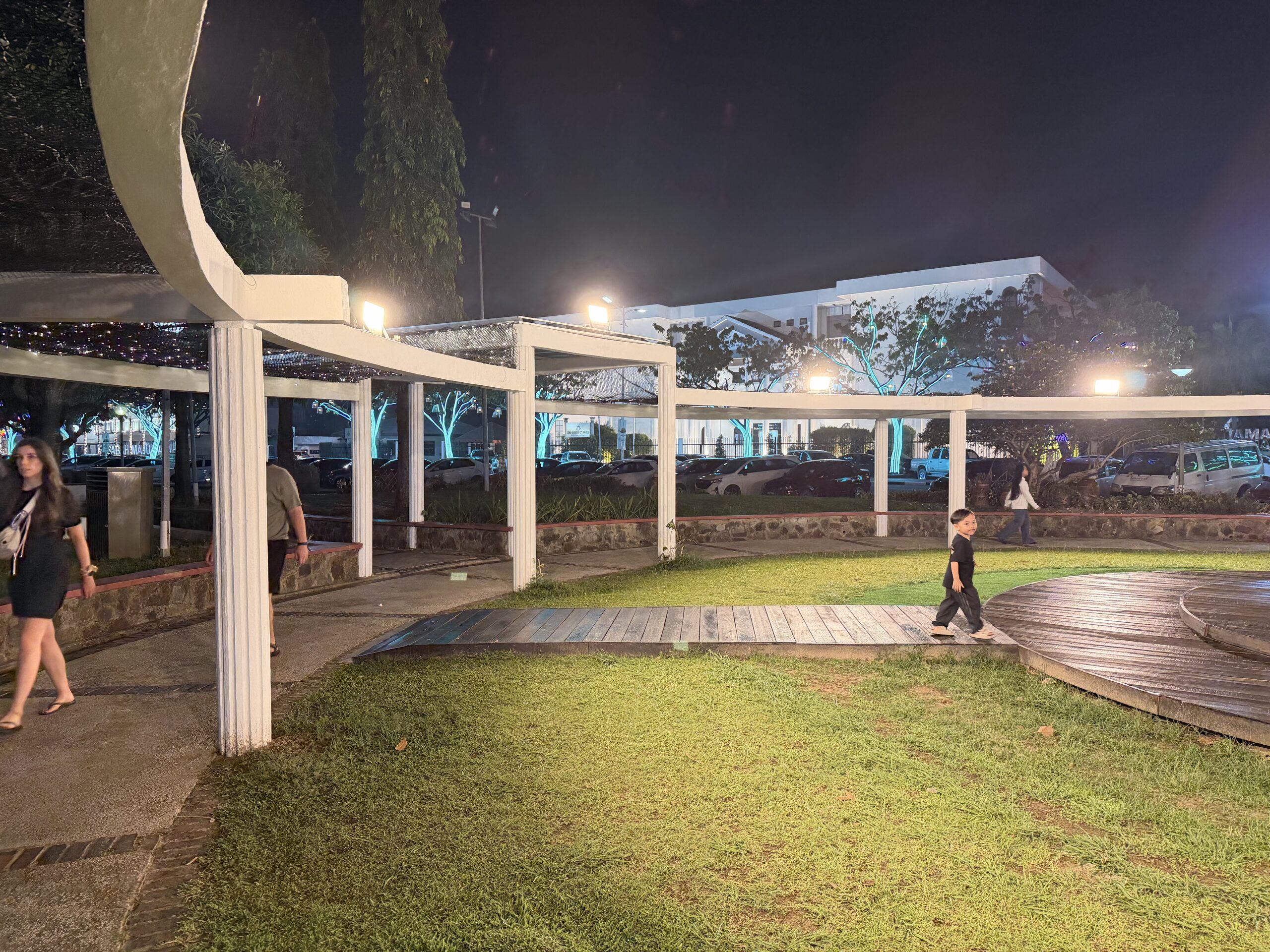
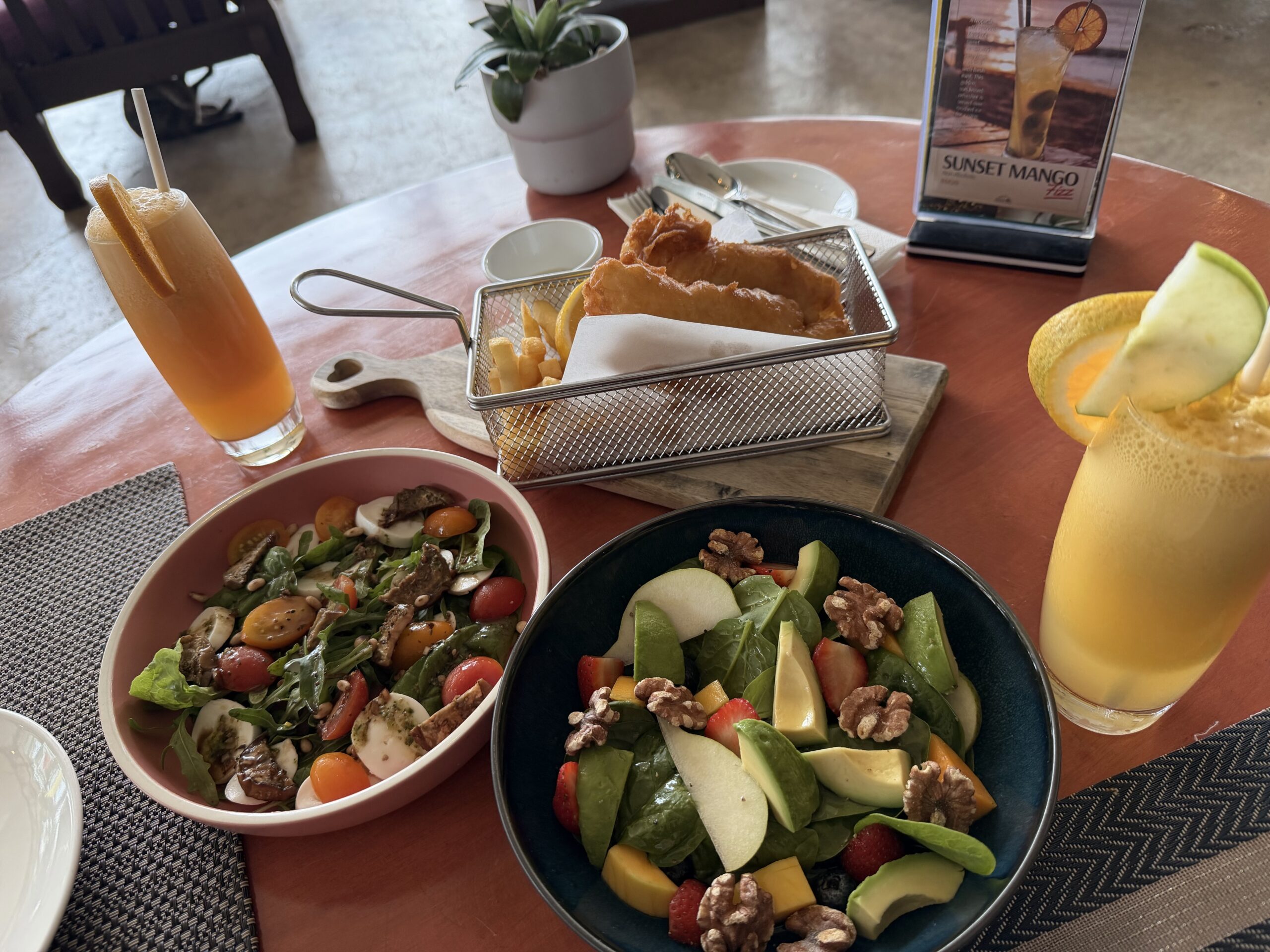
That evening we walked to the local beach and market, and a very nice pre-climb western meal in Coco-Joes Bar and Grill, before getting very lost trying to find the exit from the Shangri-La resort.’
Climbing Mount Kinabalu
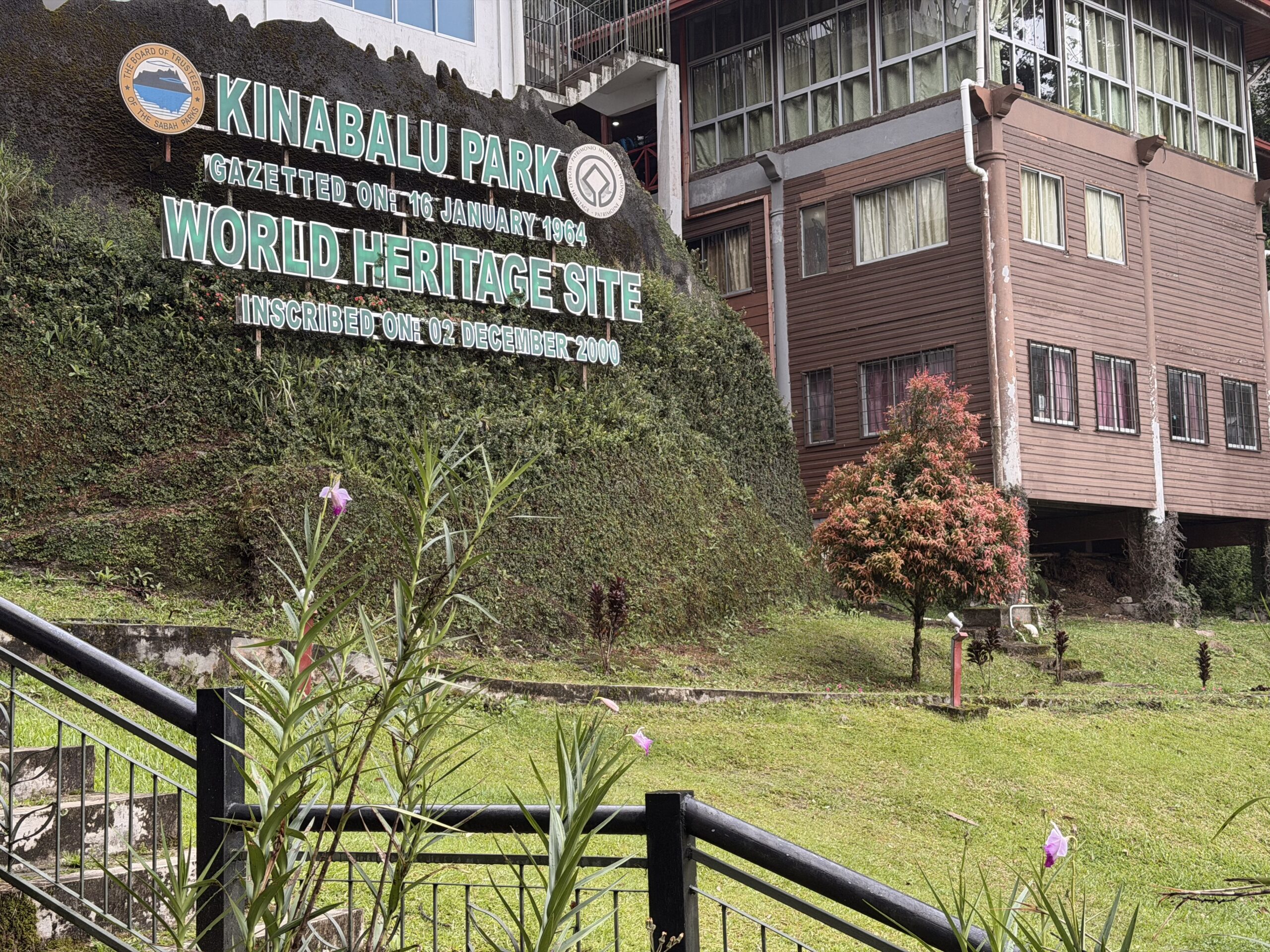
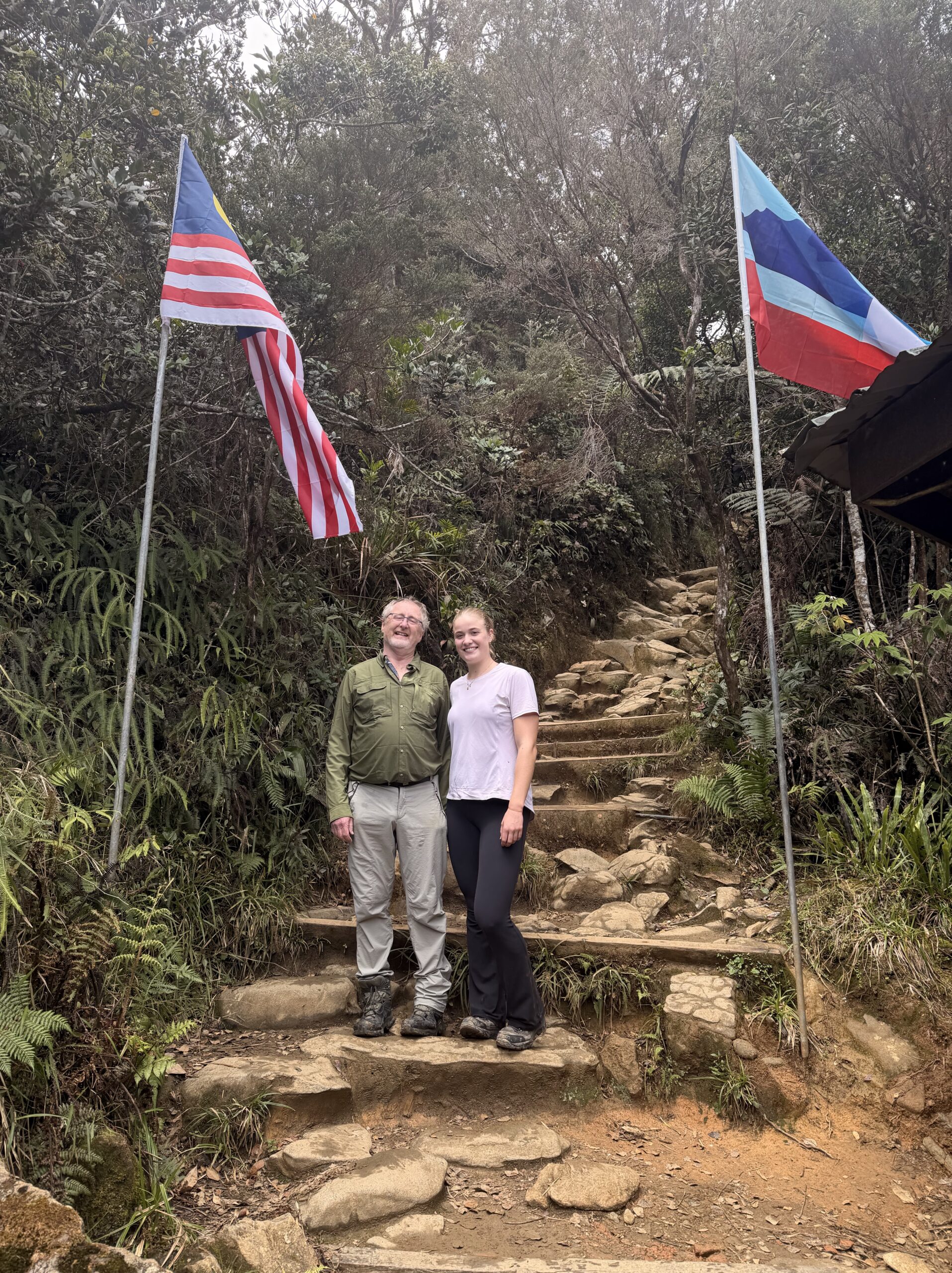
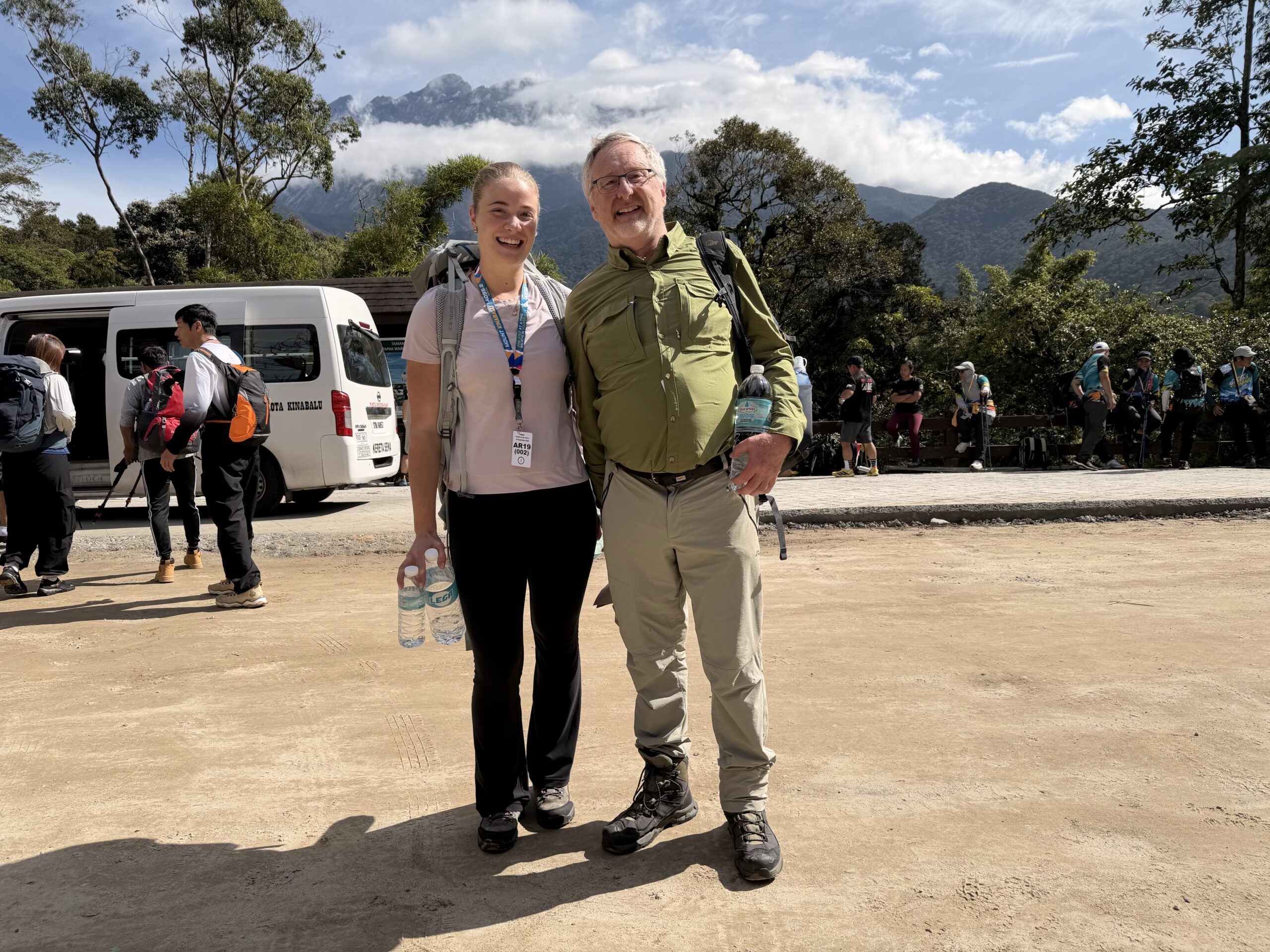
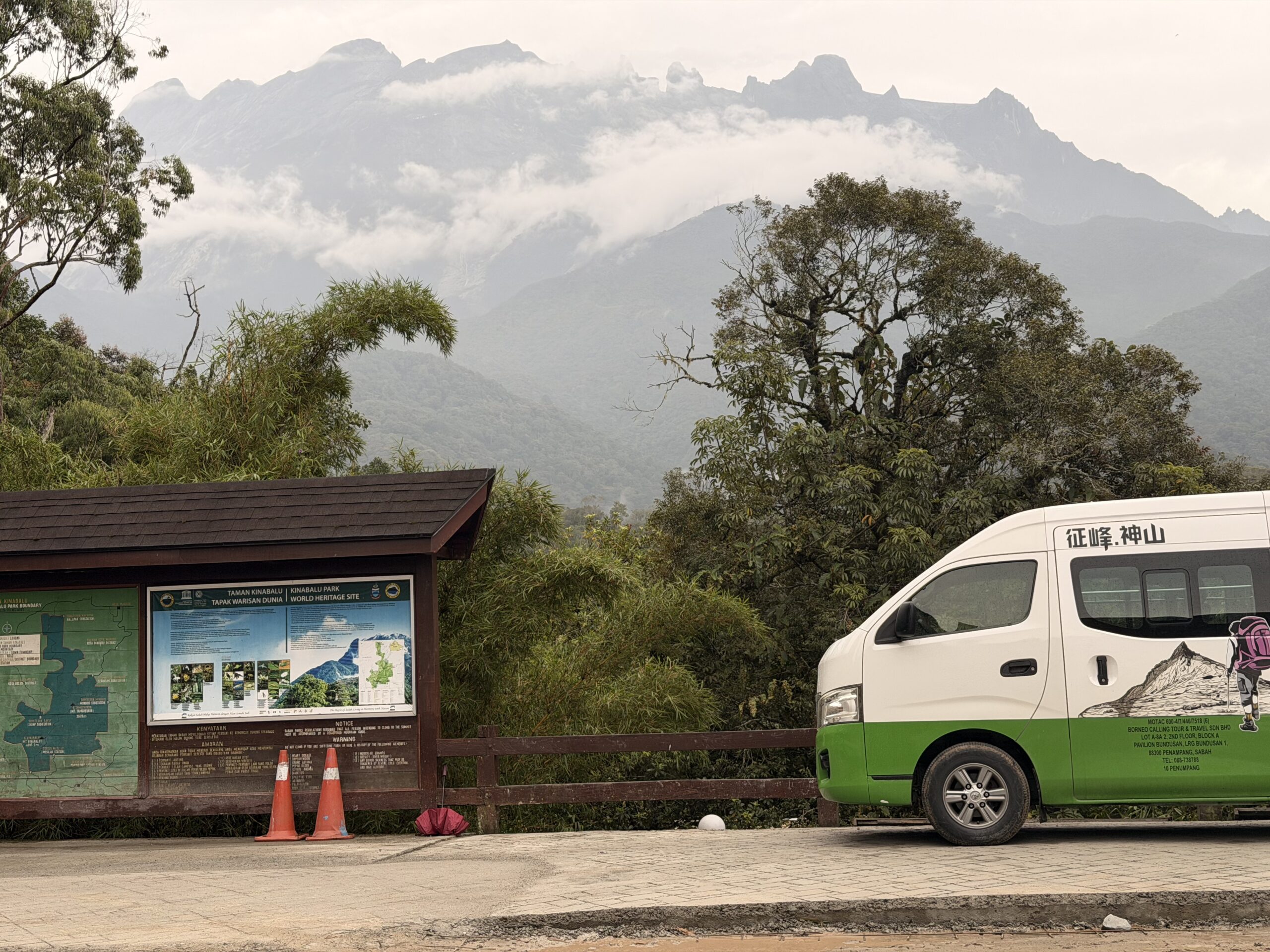
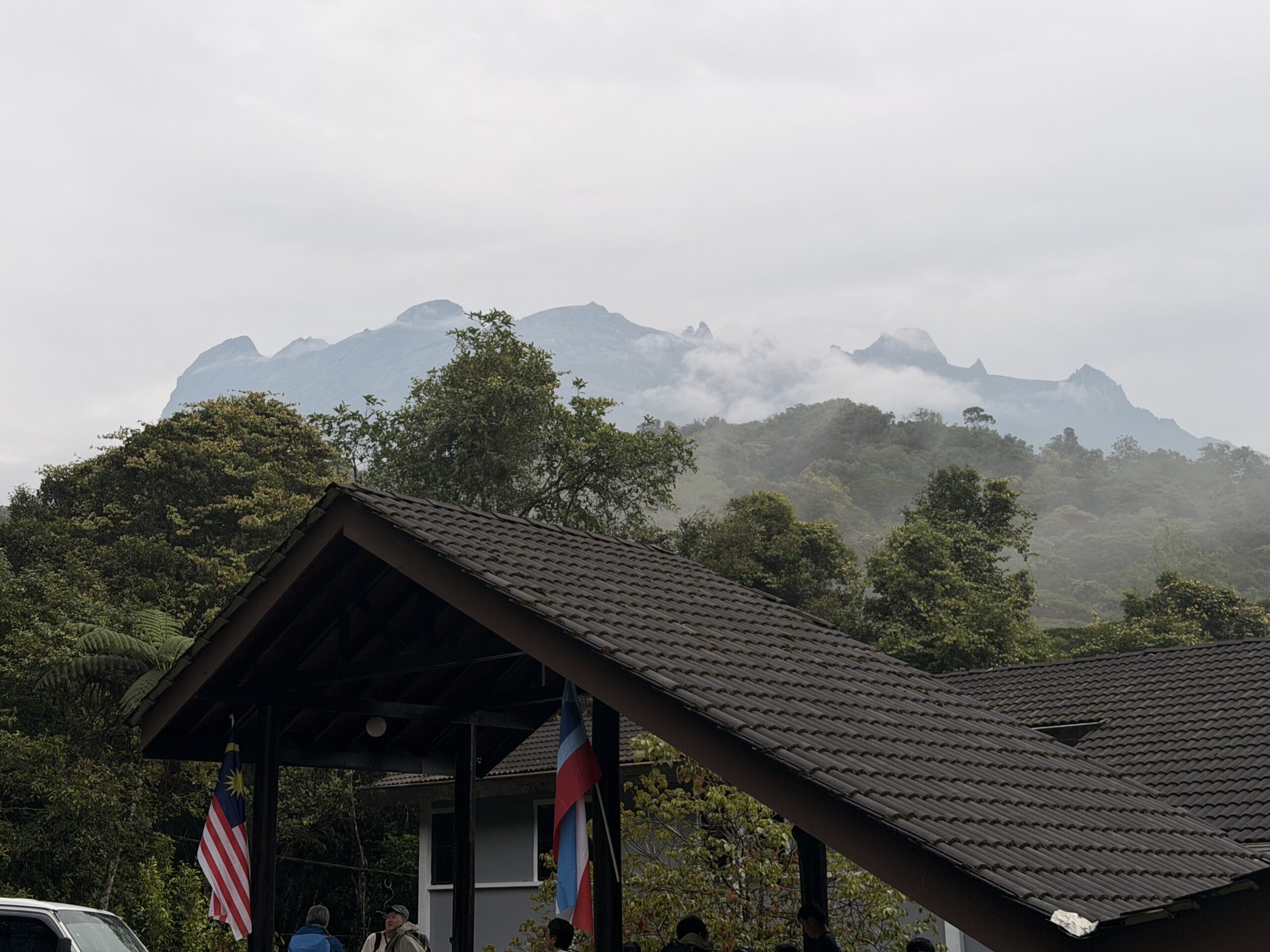
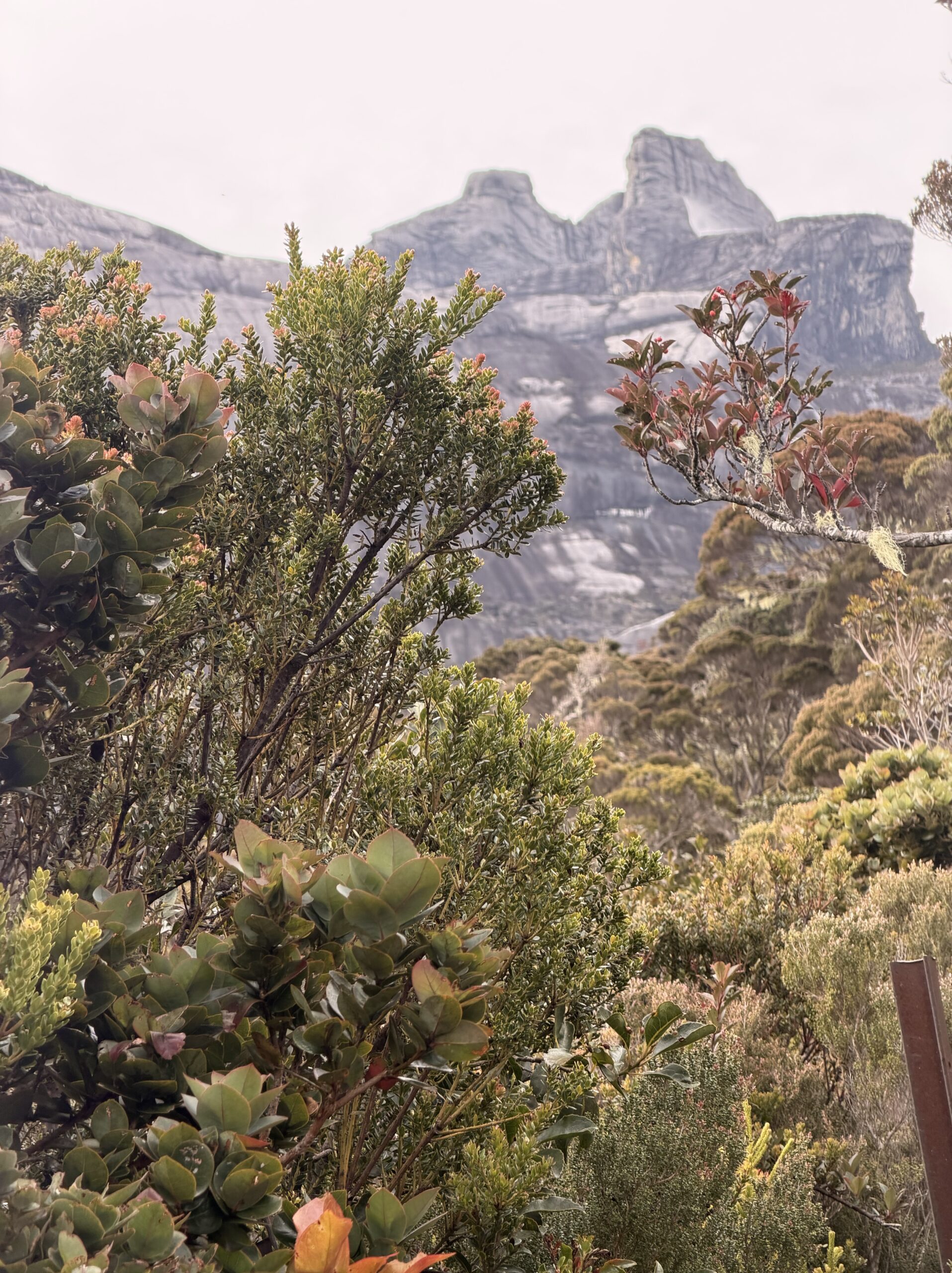
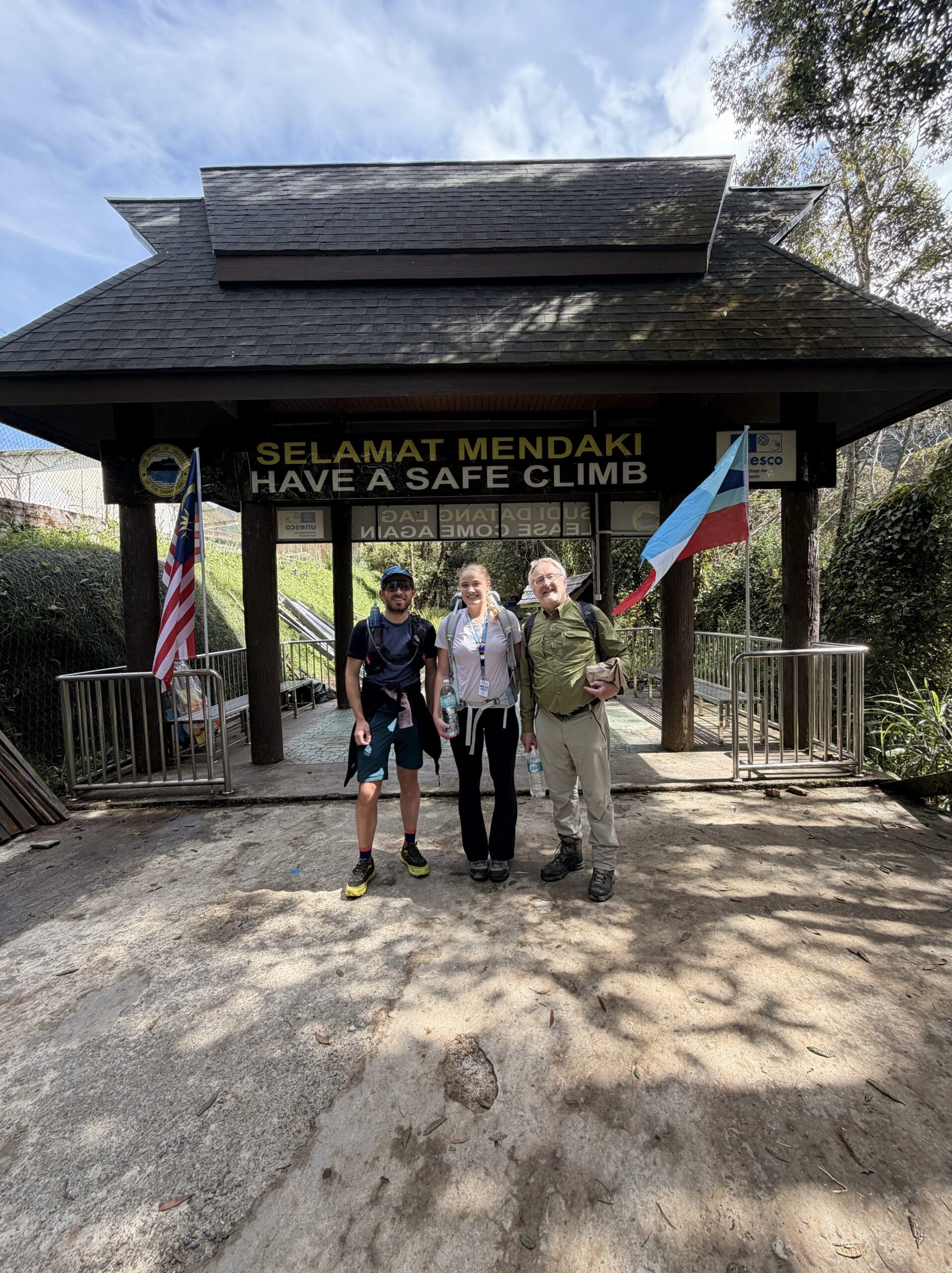
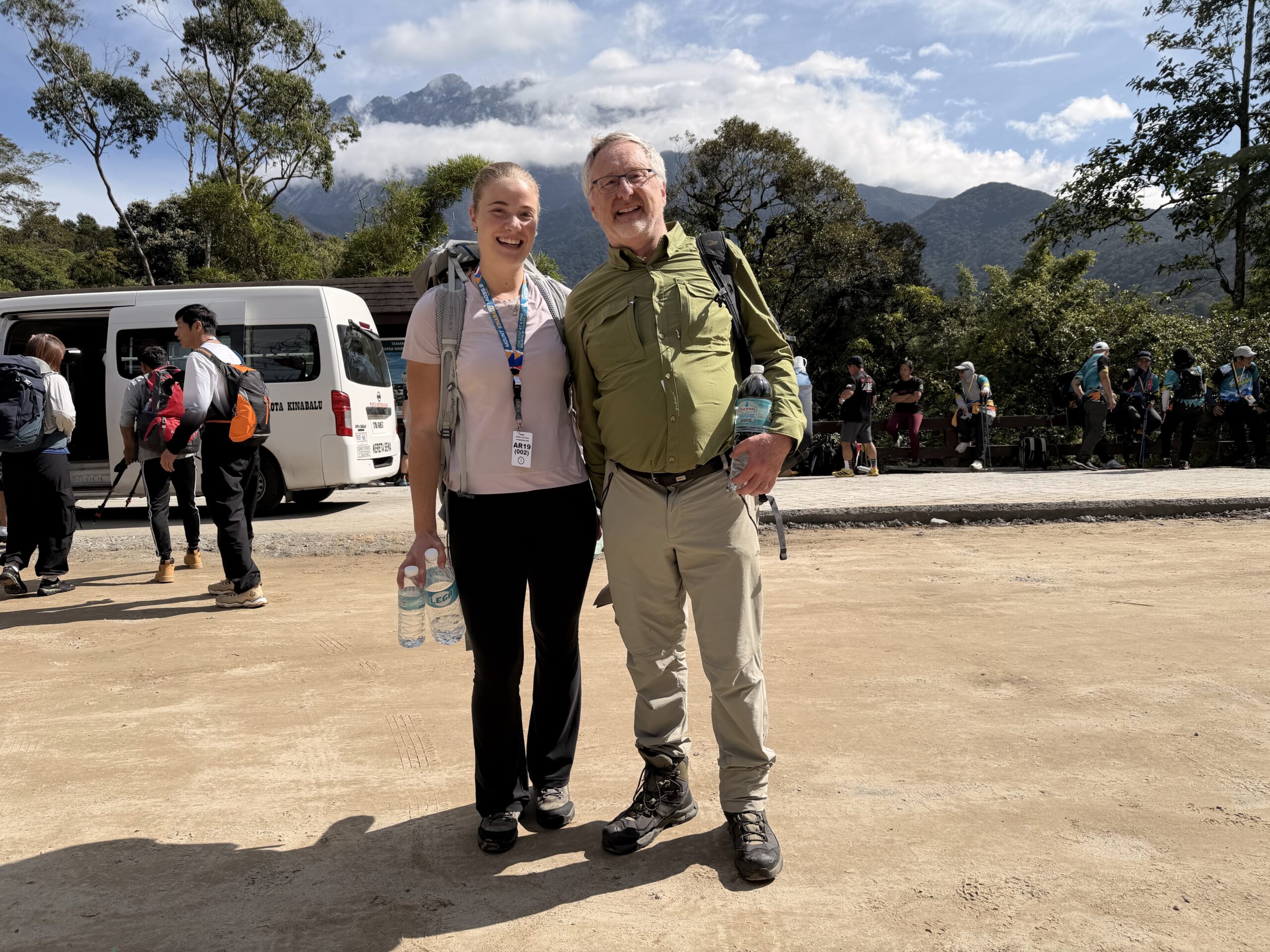
The next morning our bus to Mount Kinabalu came eventually, and David from France teamed up with us. Little things that seemed problematic beforehand, like luggage storage, porters, meals and the connecting bus a few kms to the actual start of the walk were in fact very well organised. With nearly 200 hikers setting off every day the processes were well established, and all we had to do was walk with light daypacks.
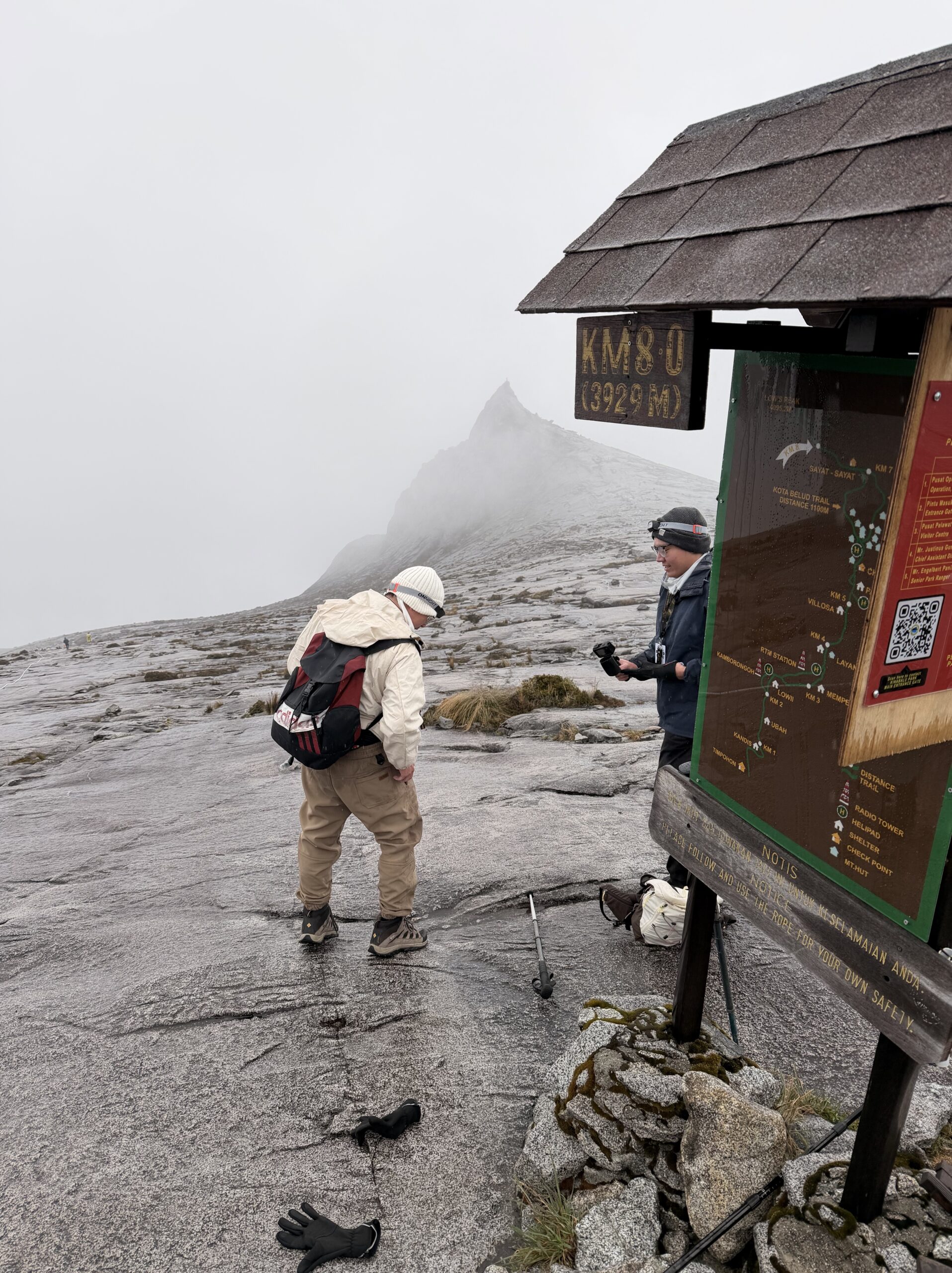
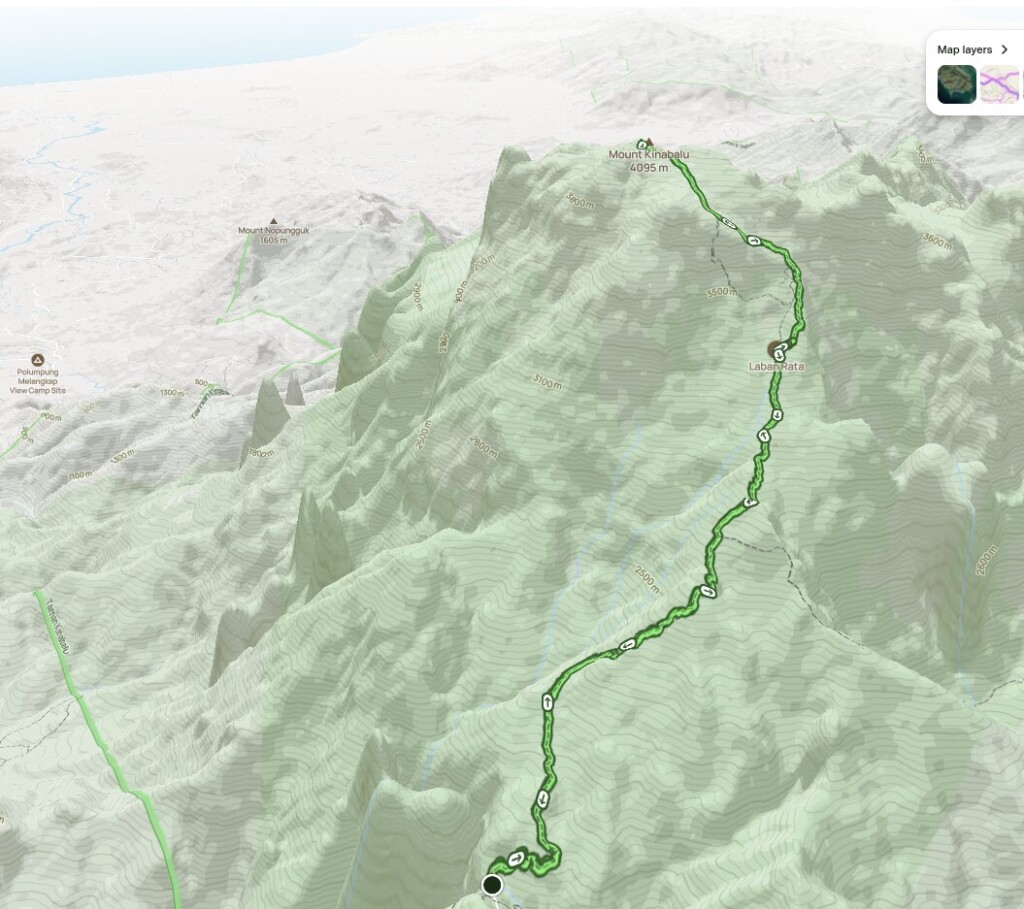
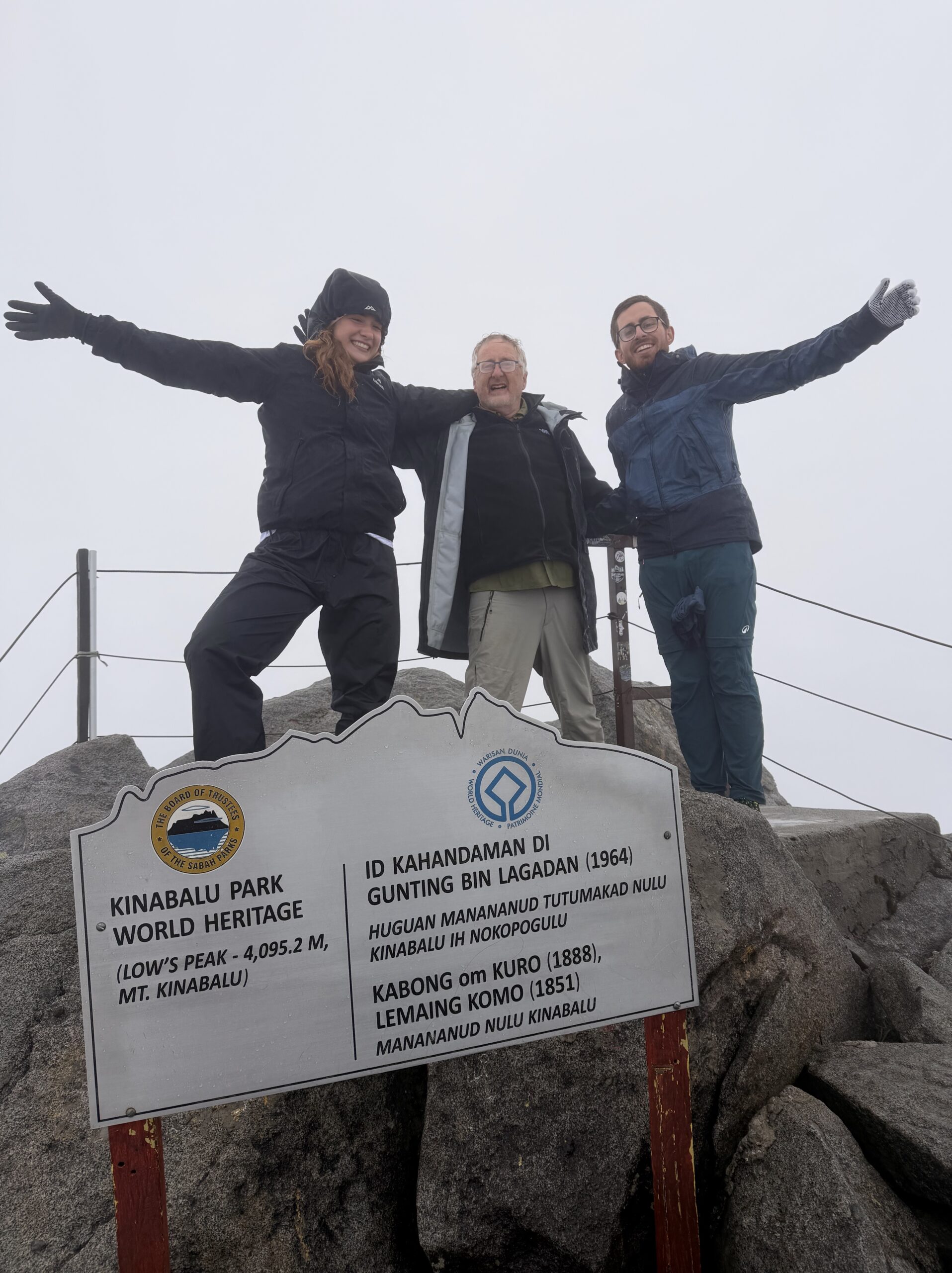
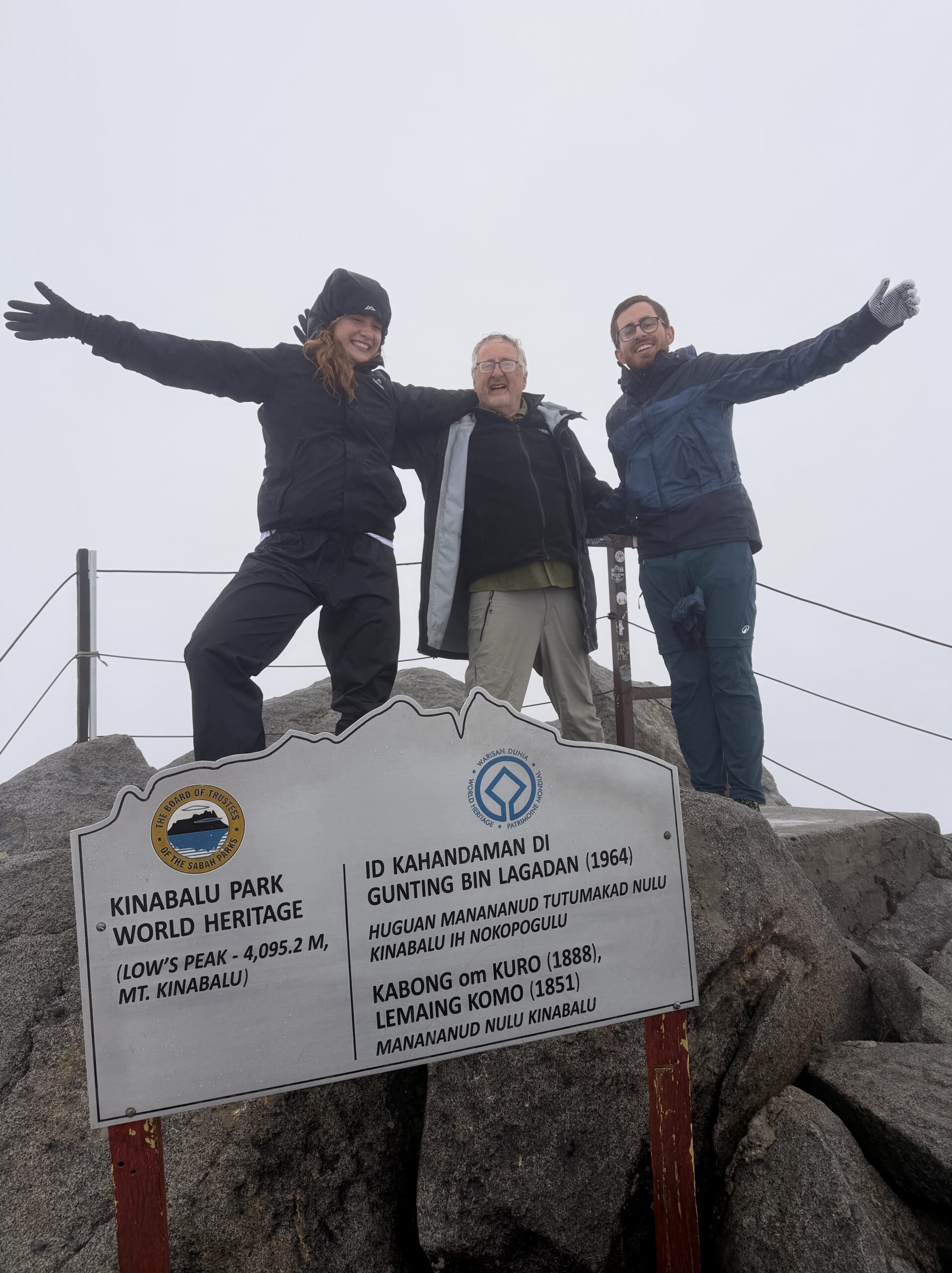
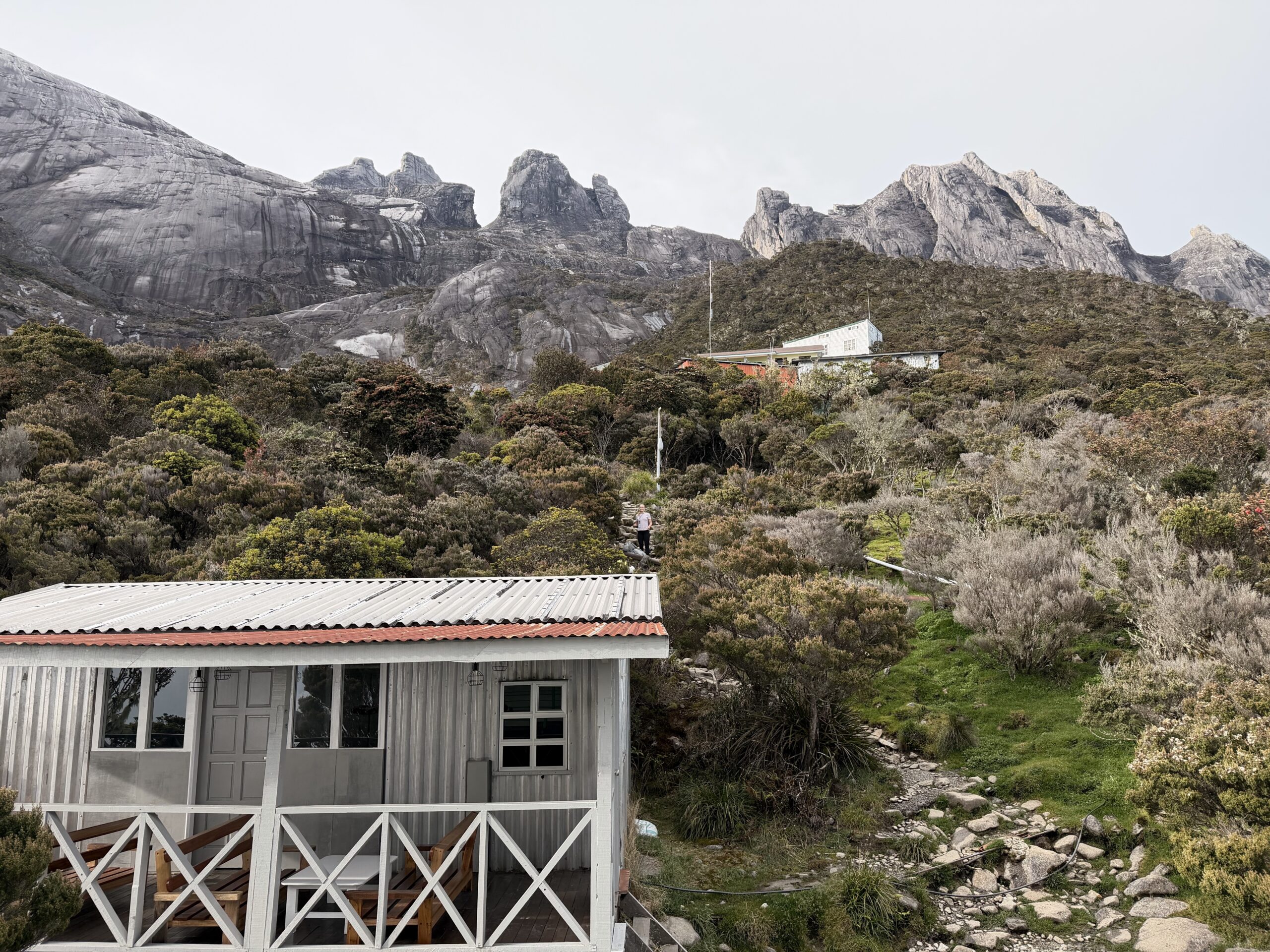
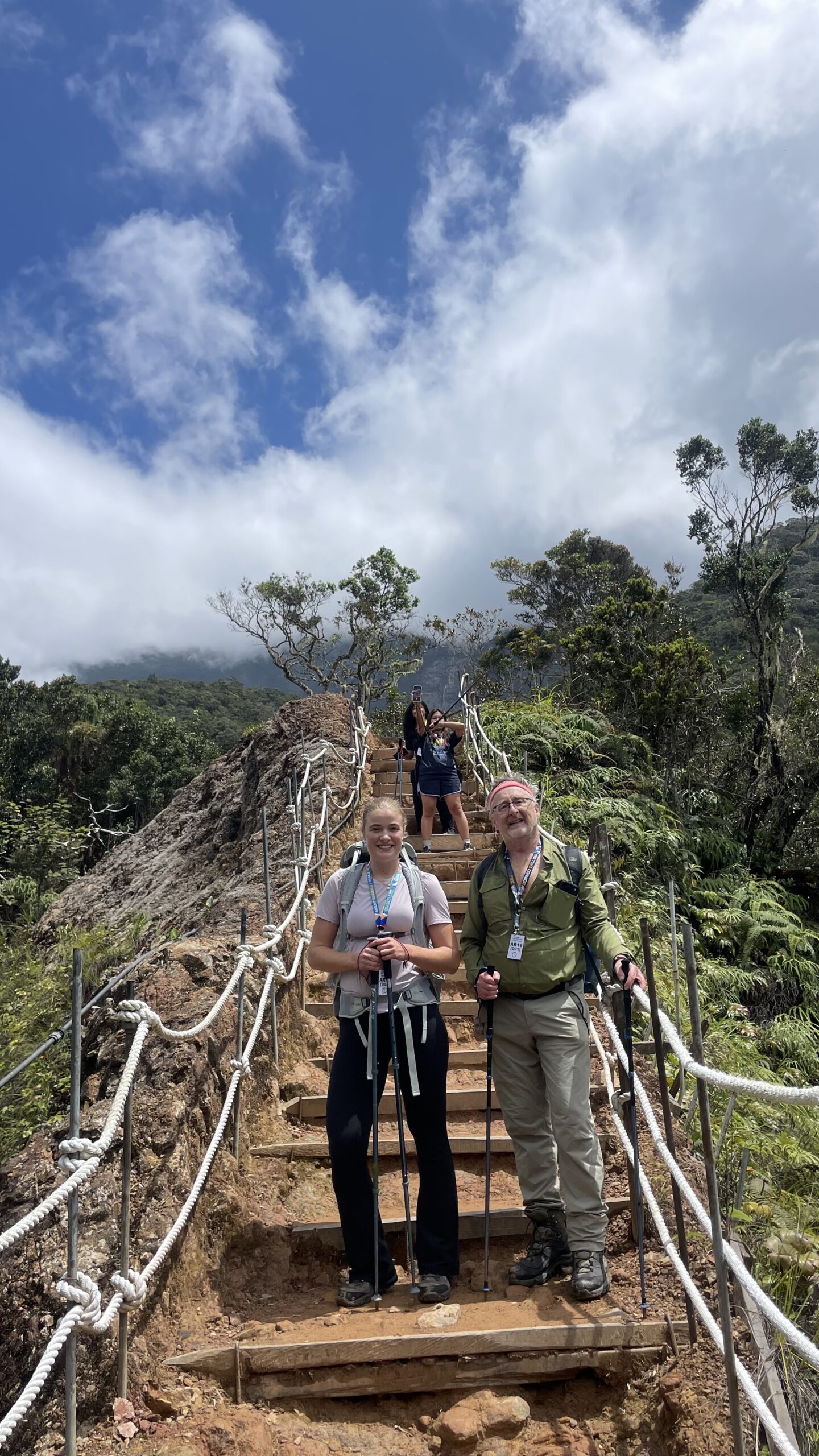
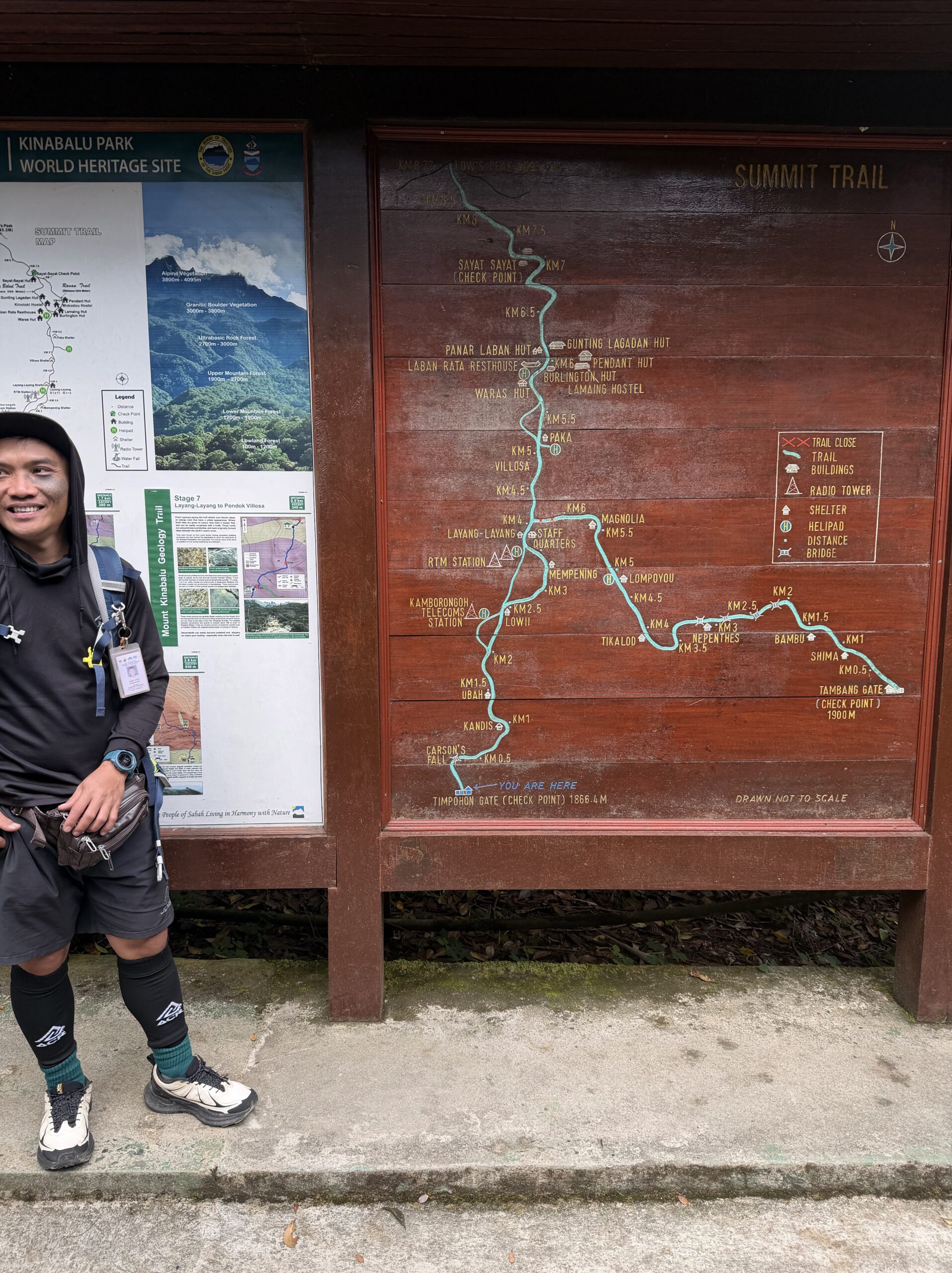
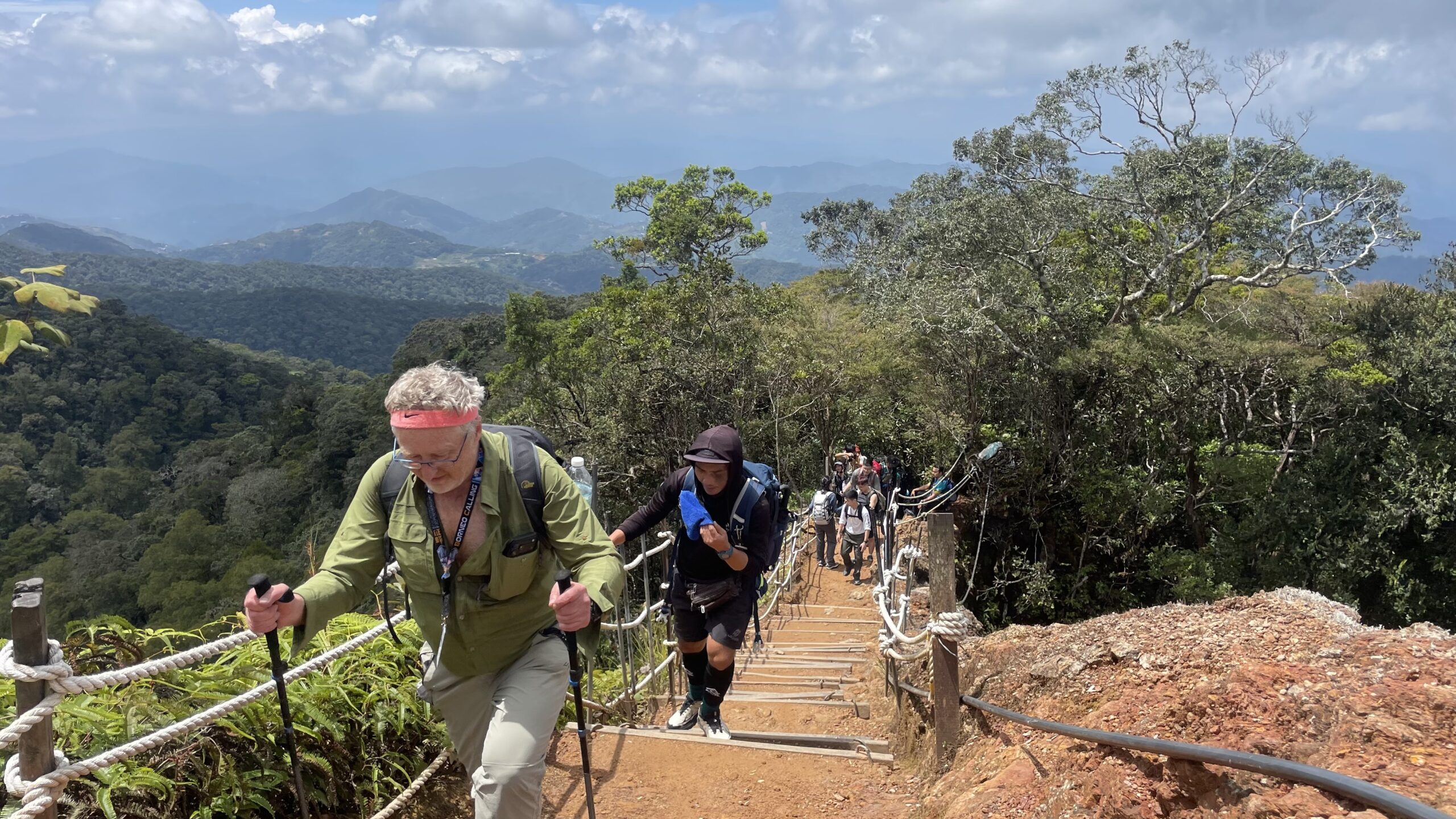
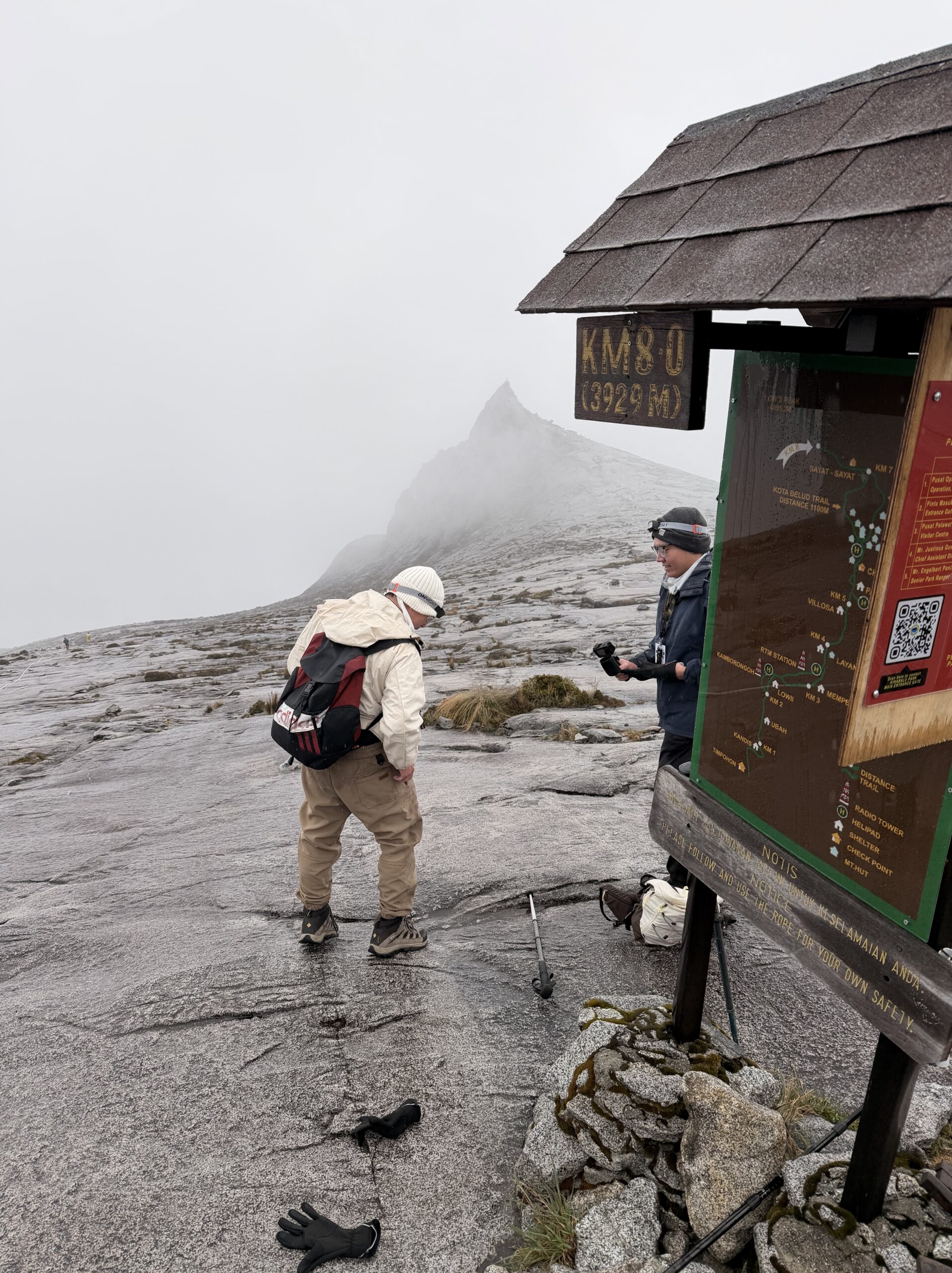
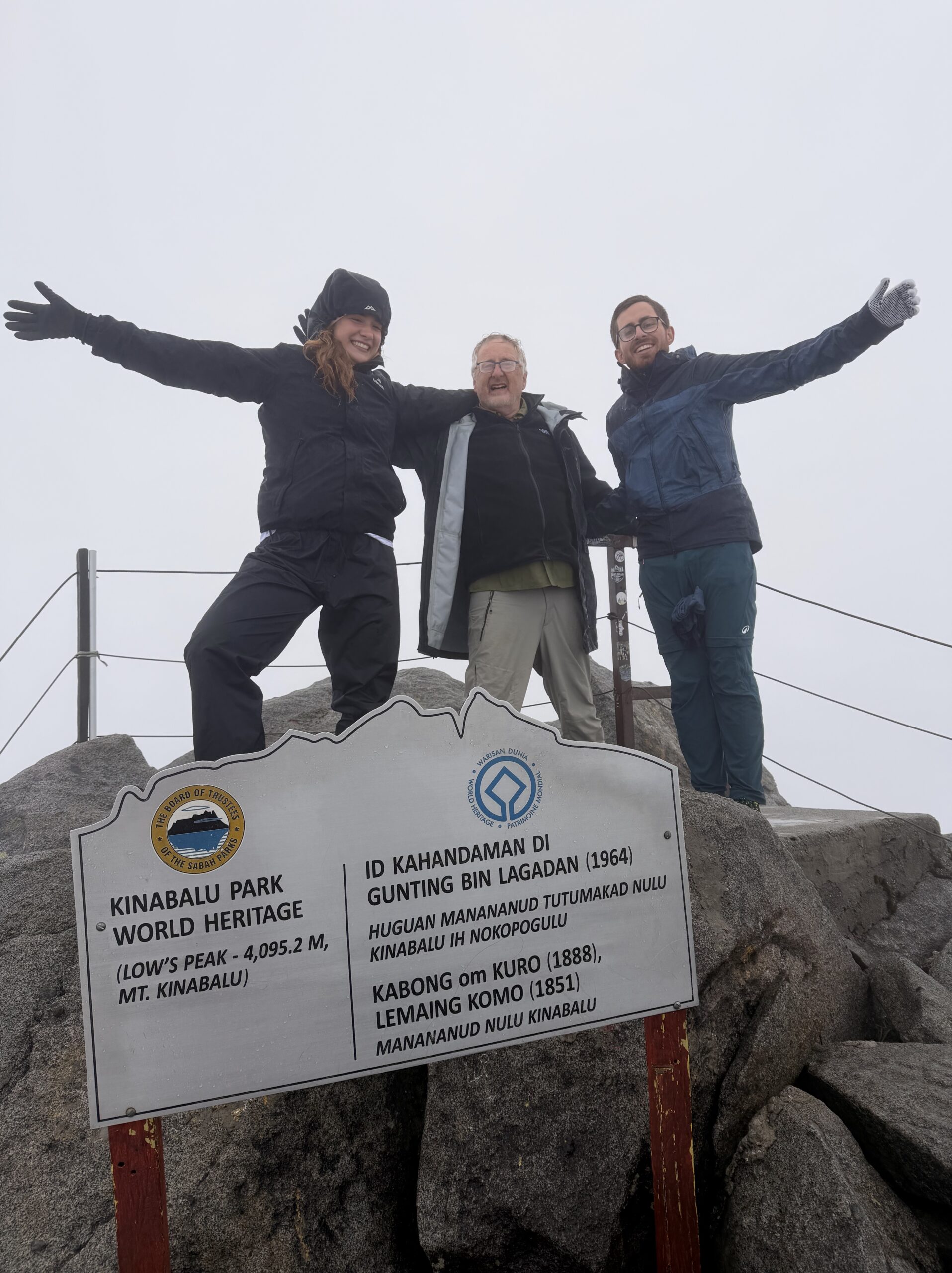
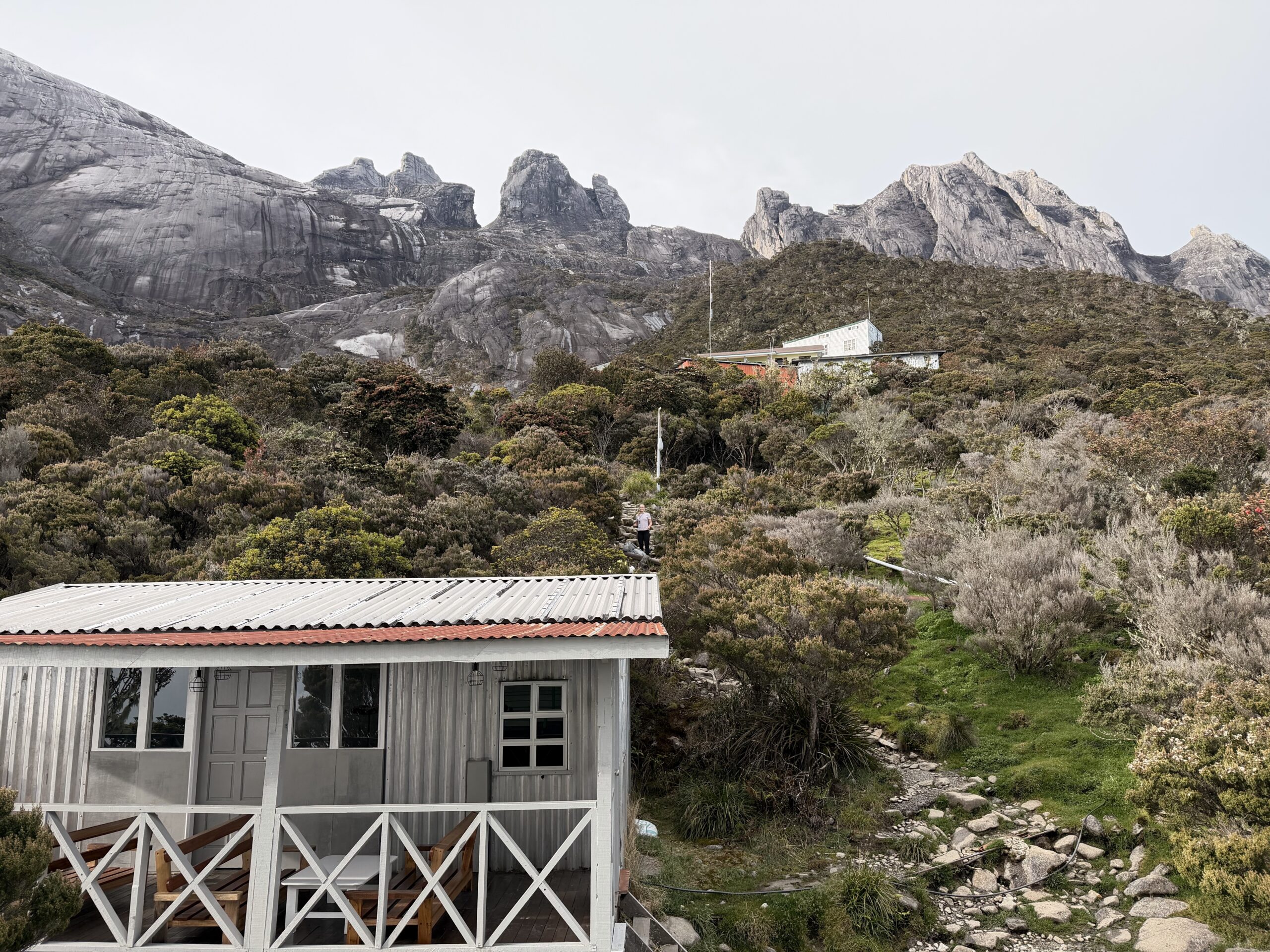
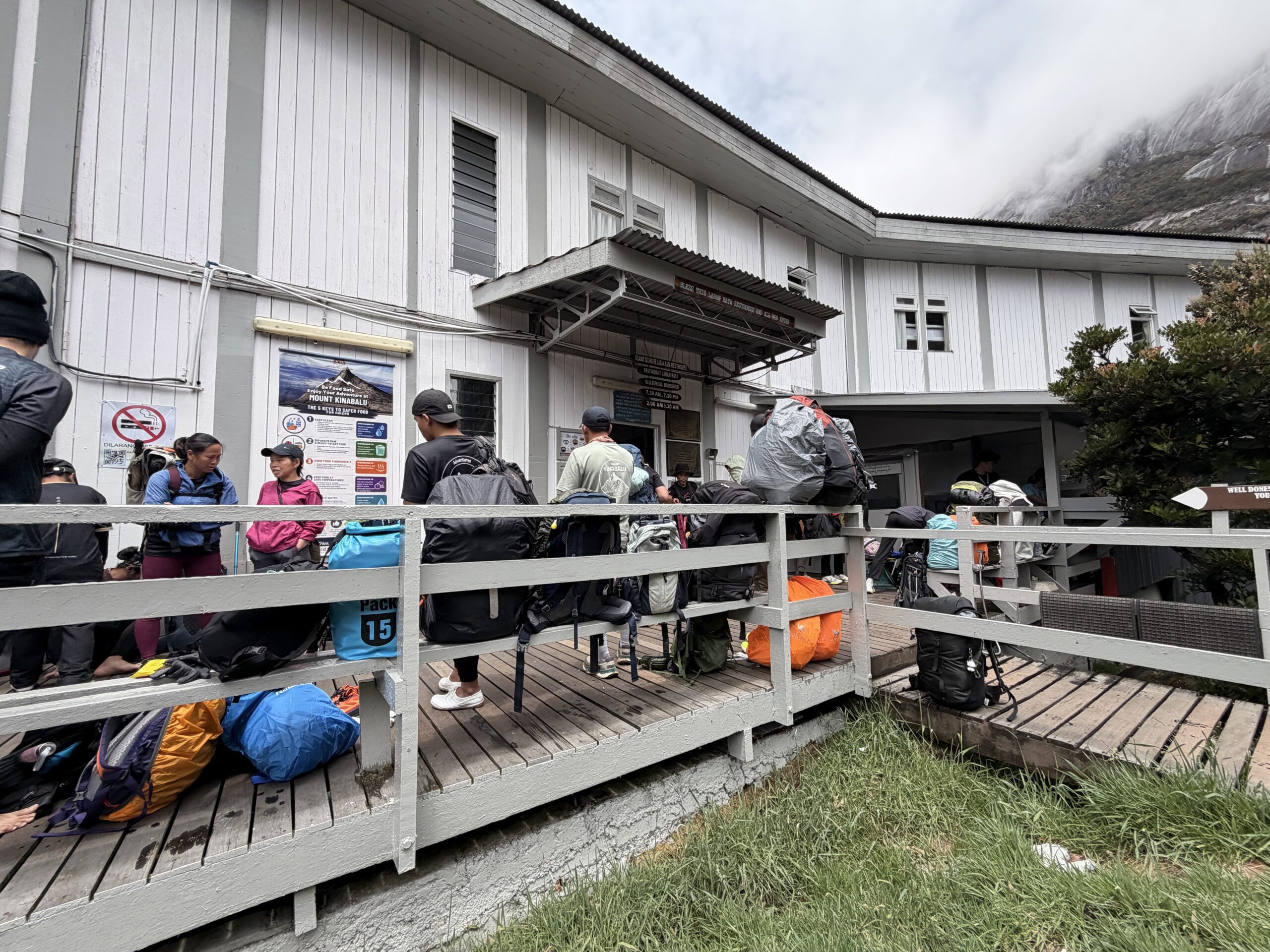
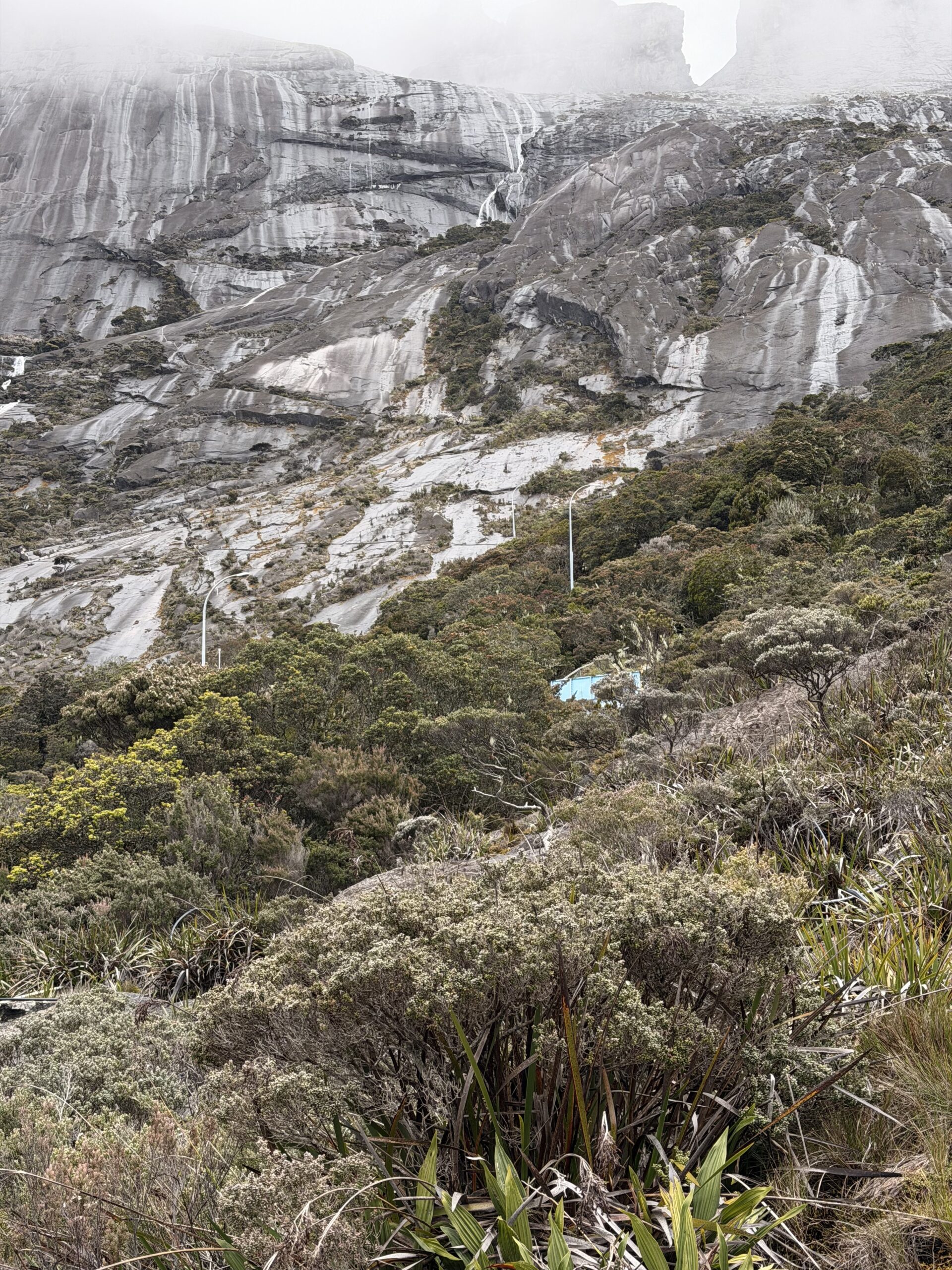
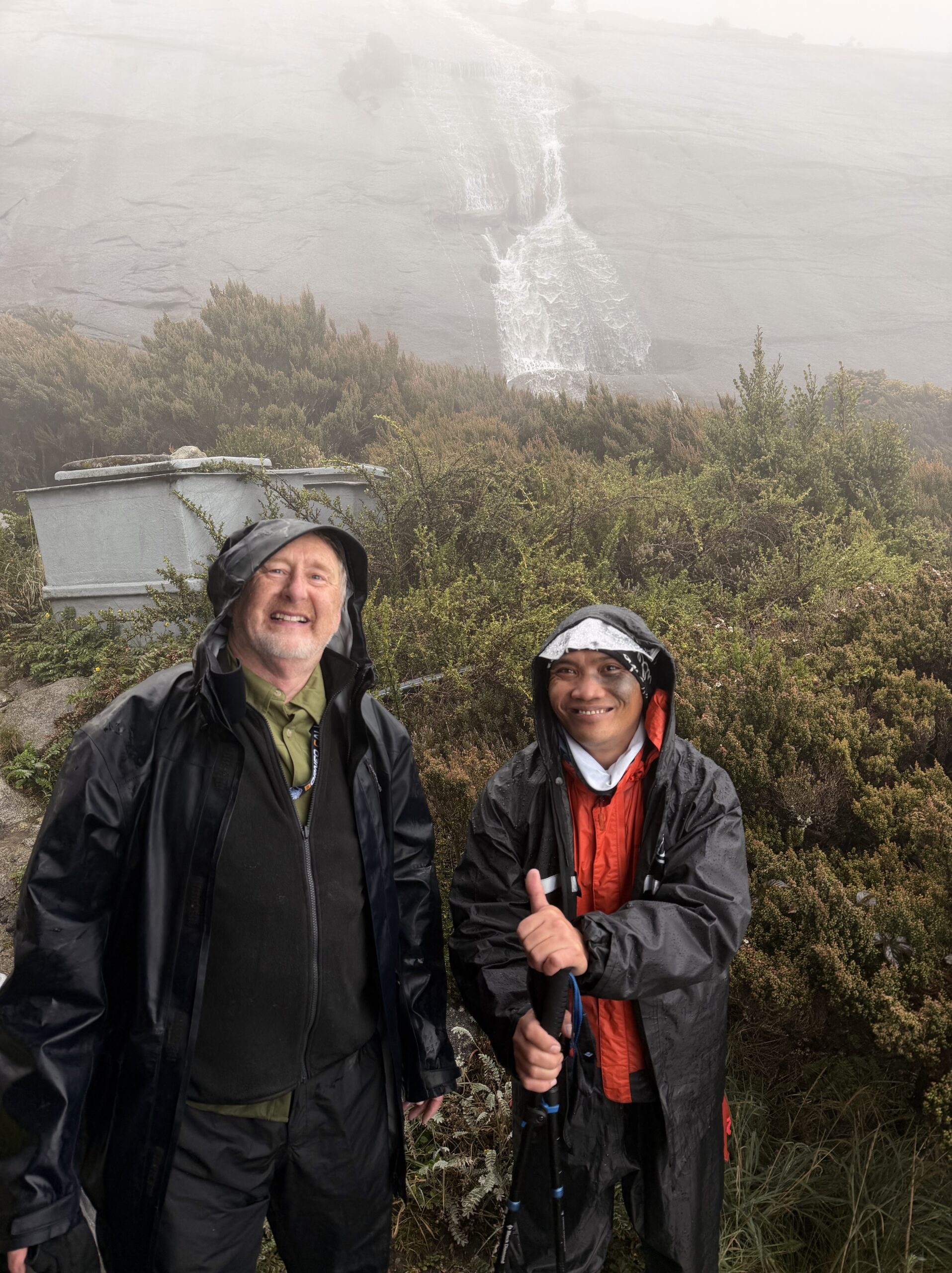
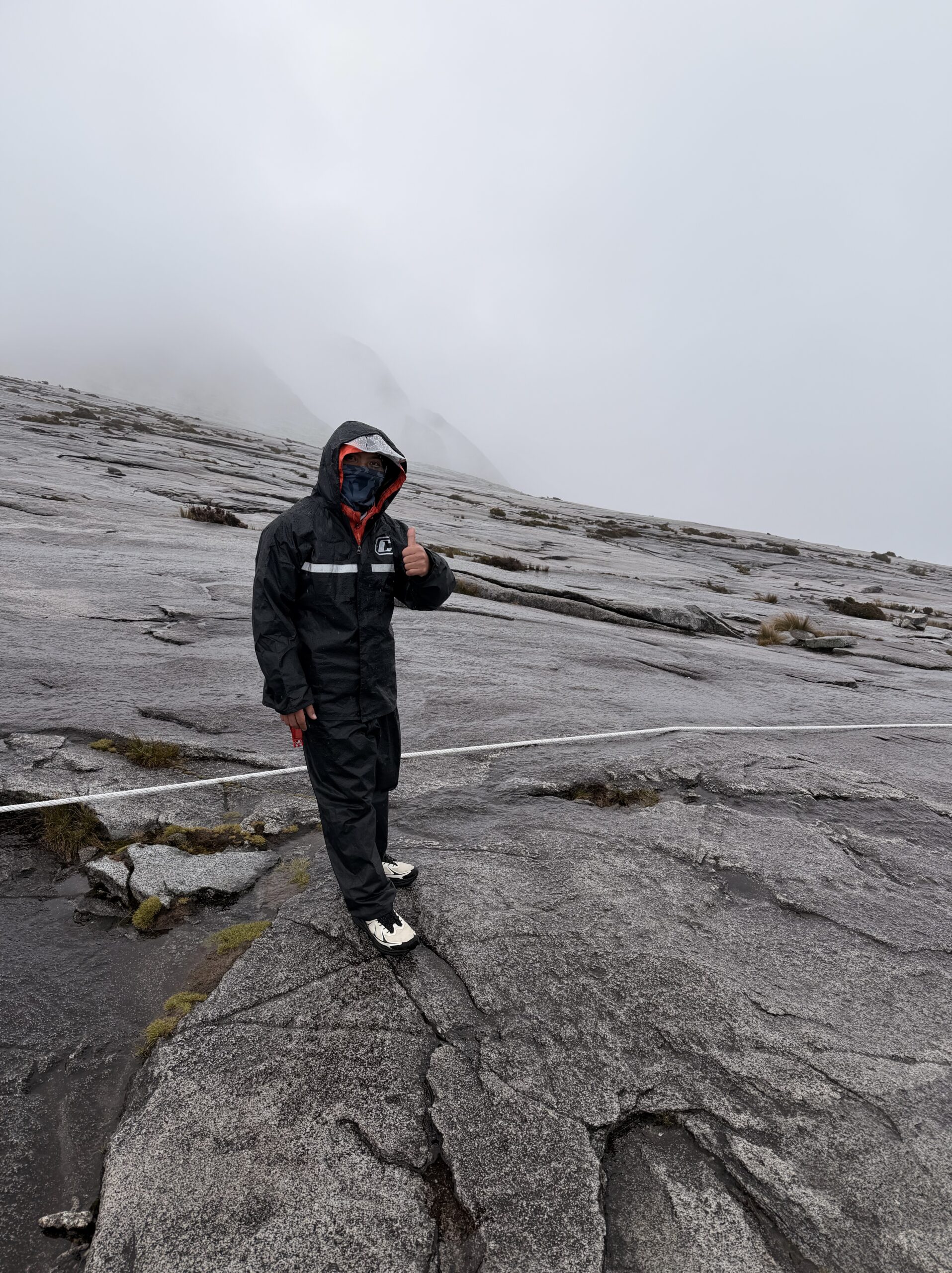
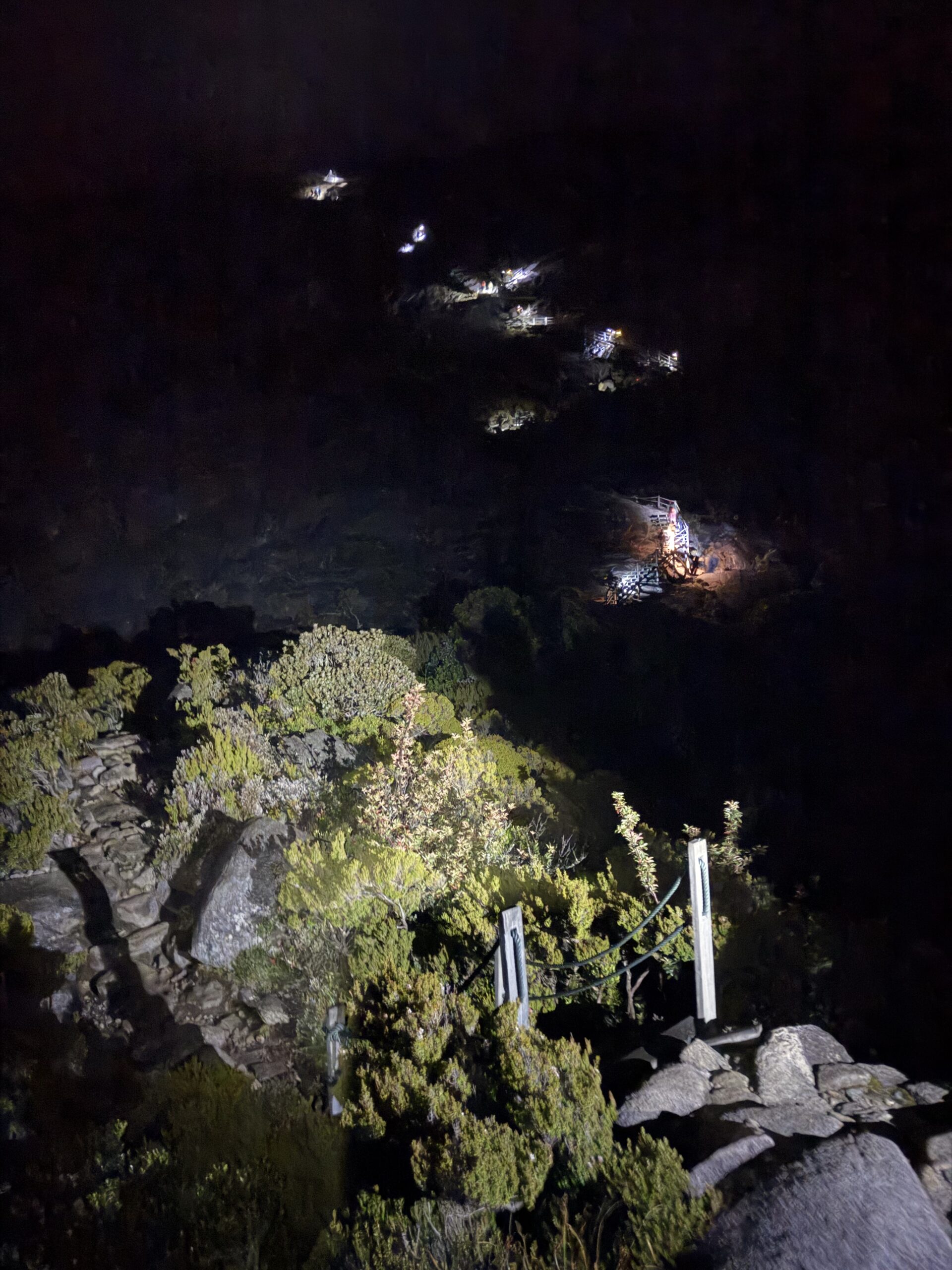
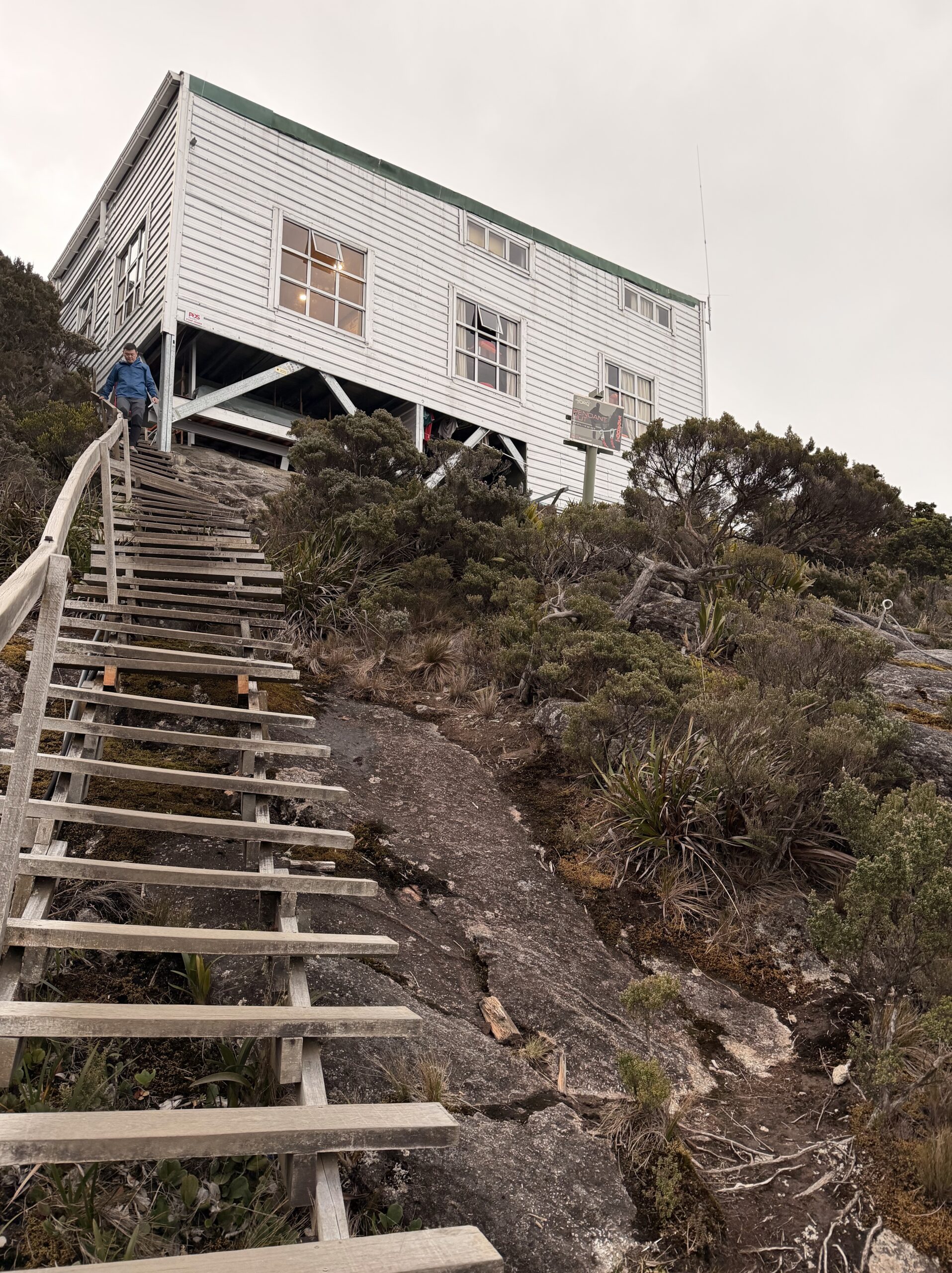
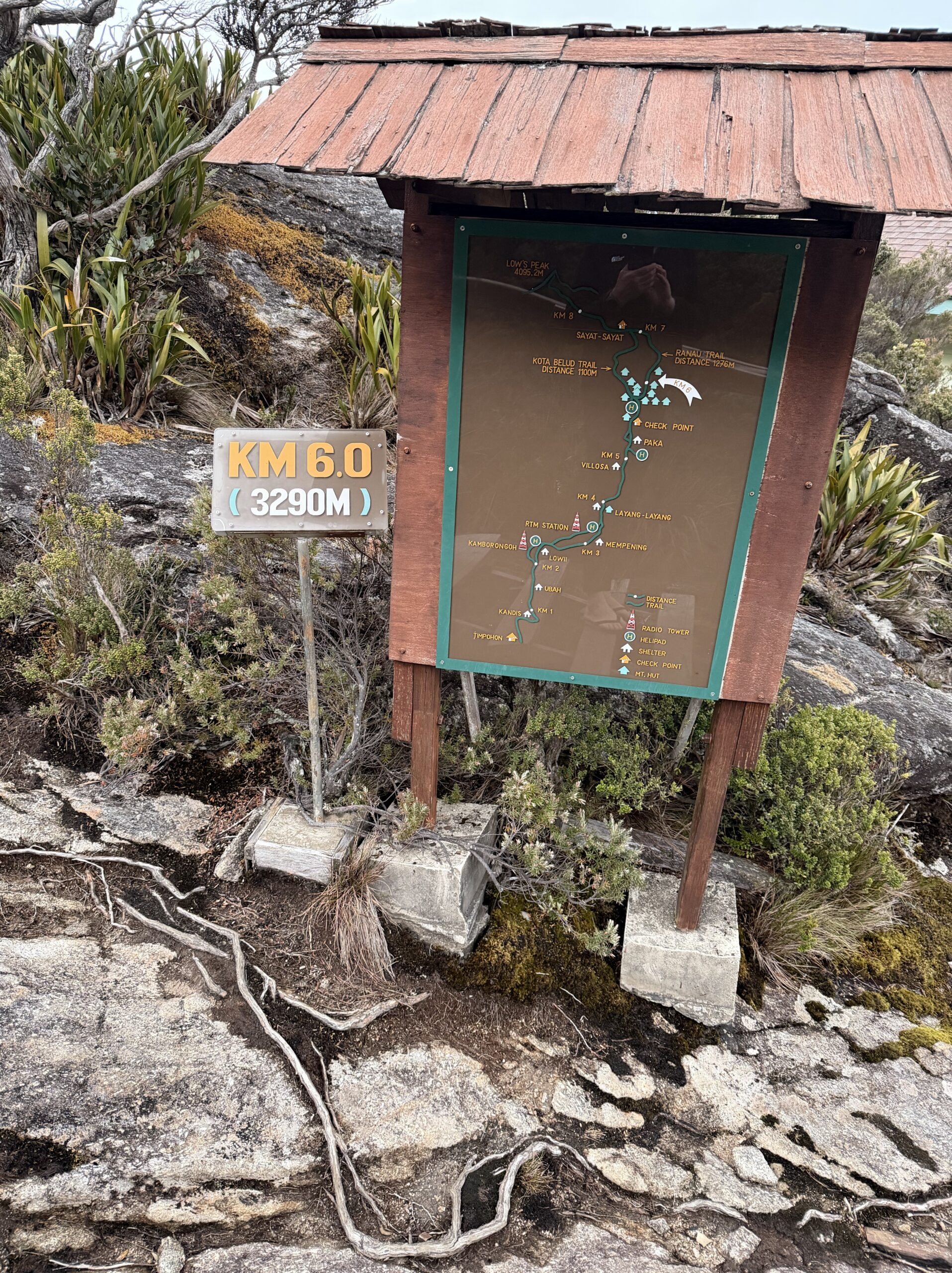
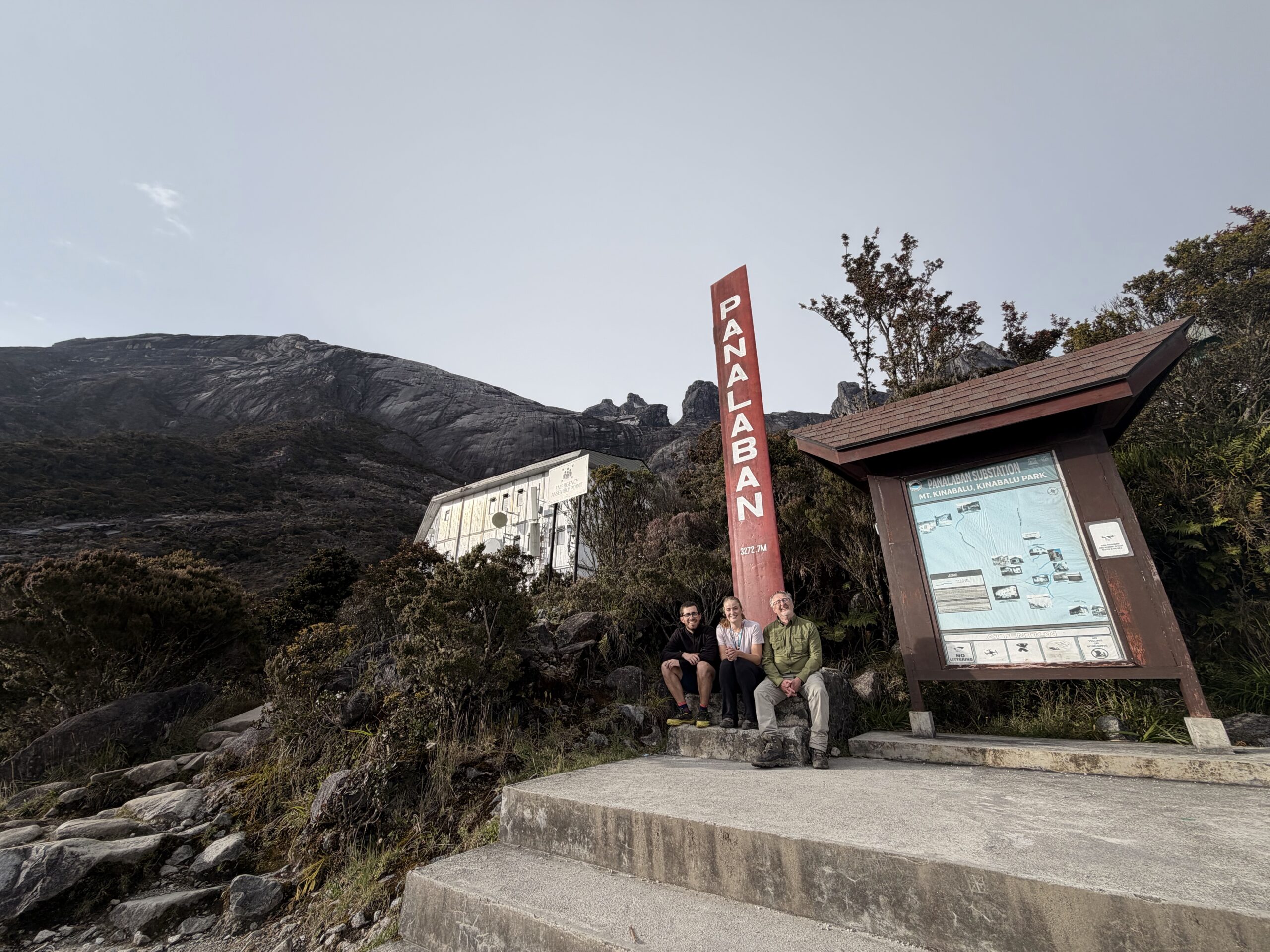
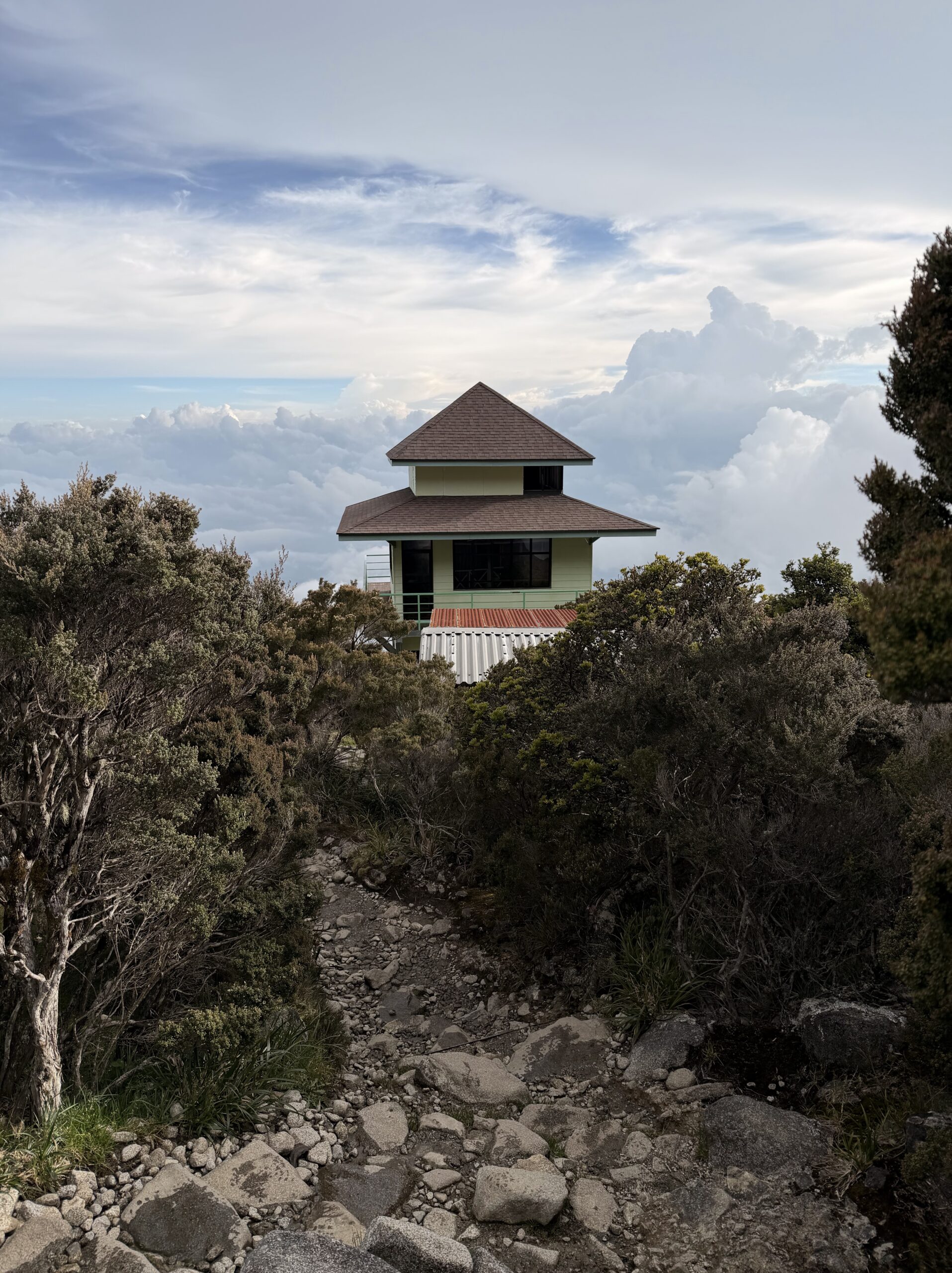
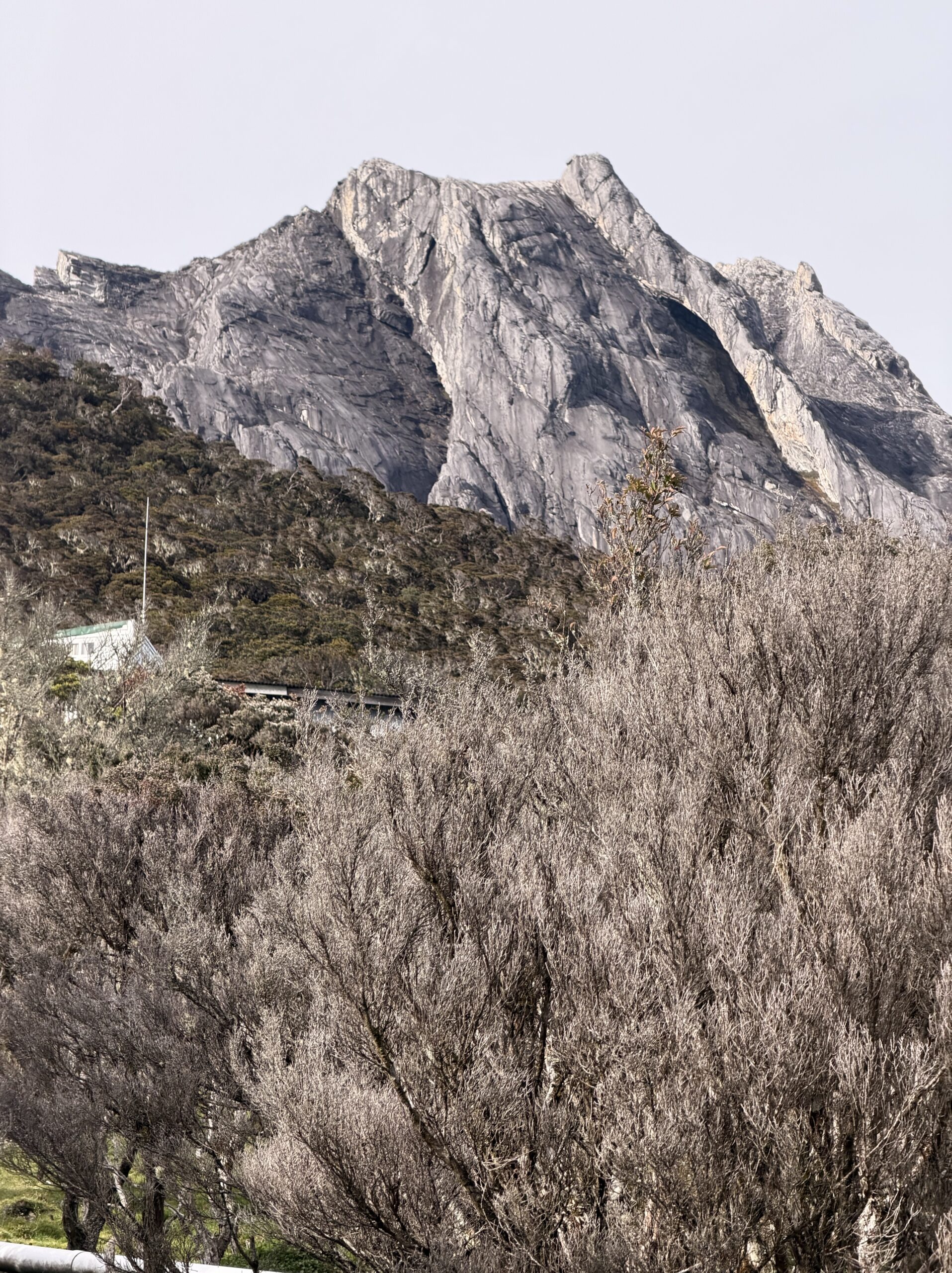
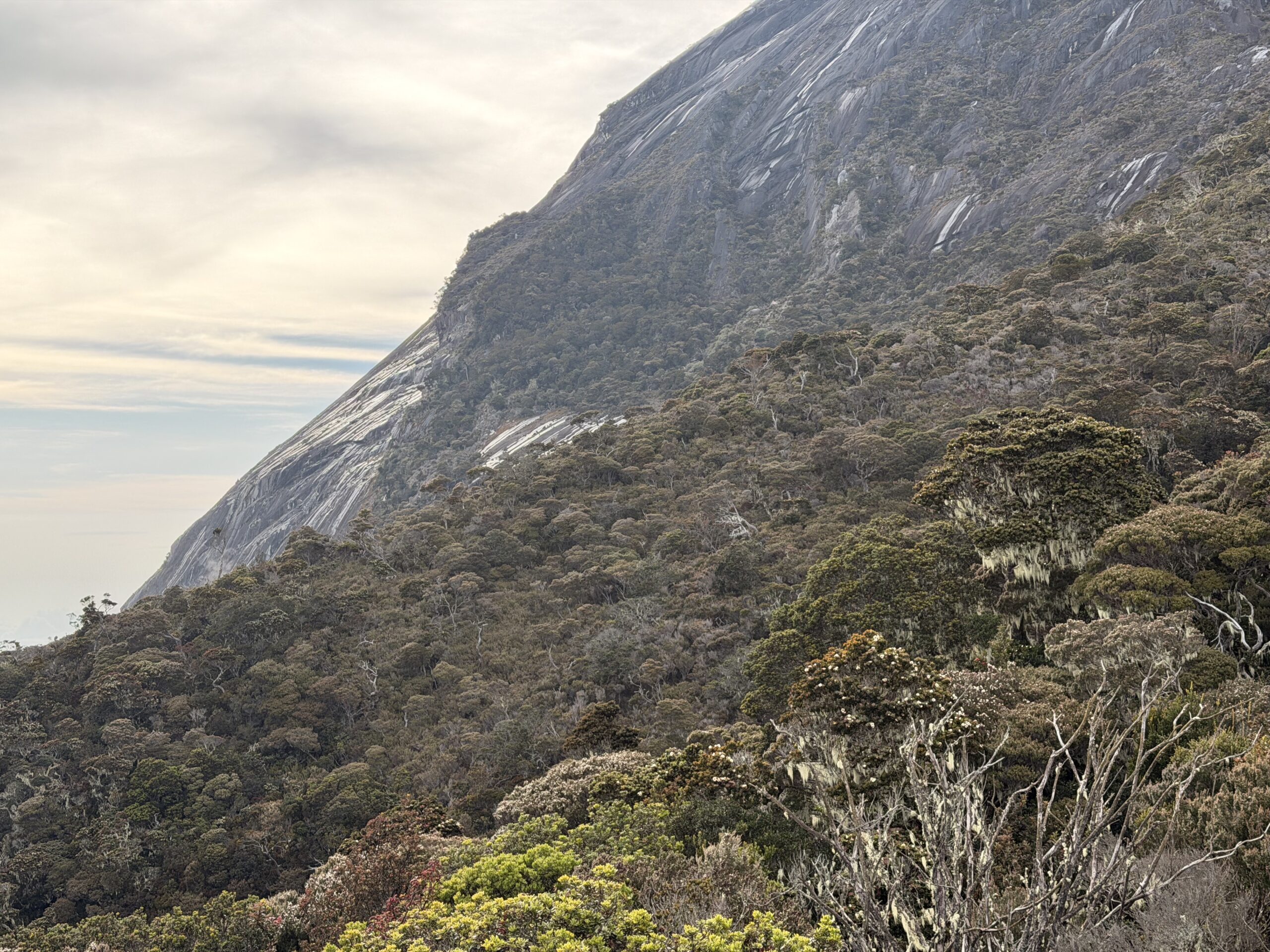
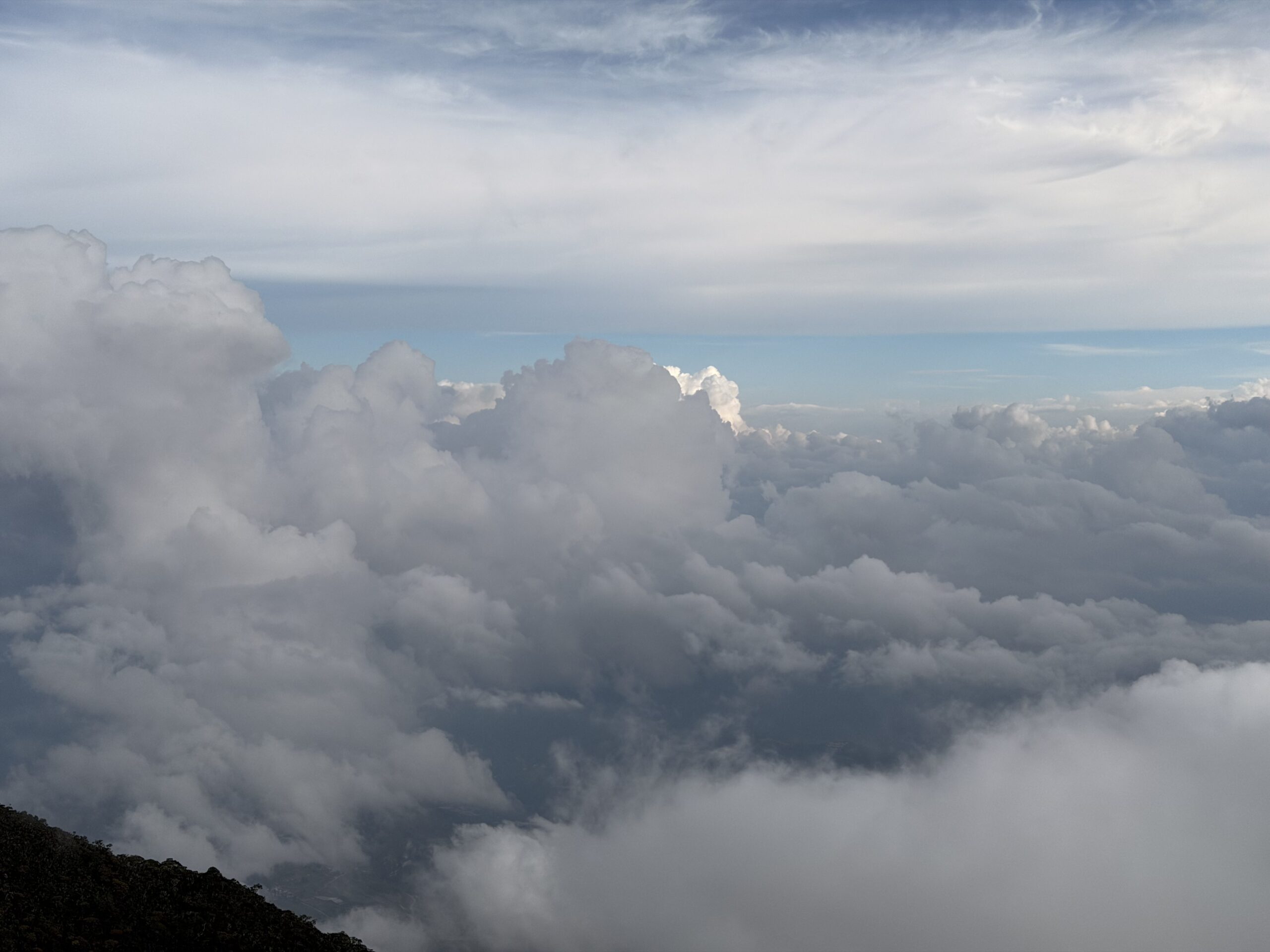
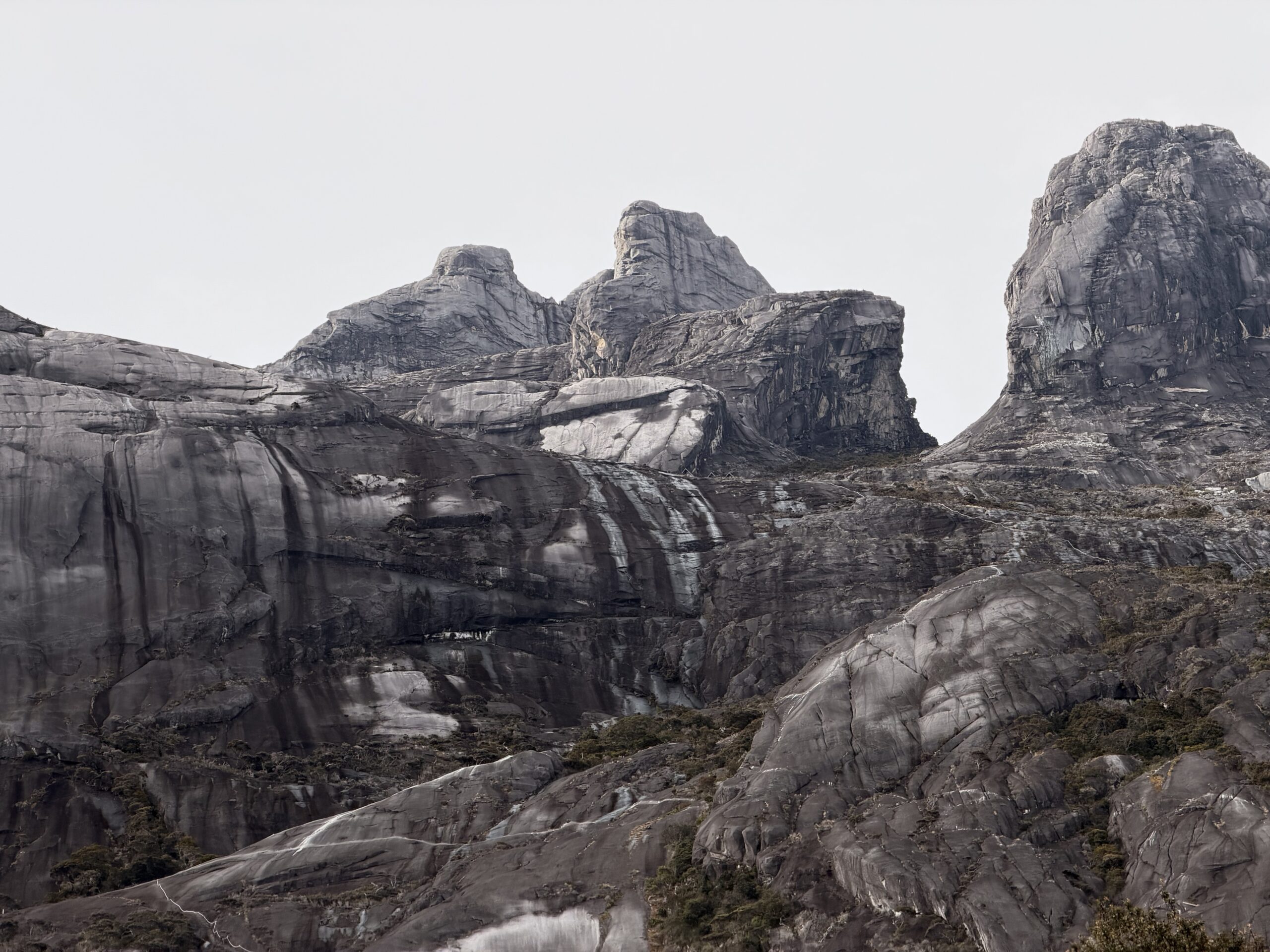
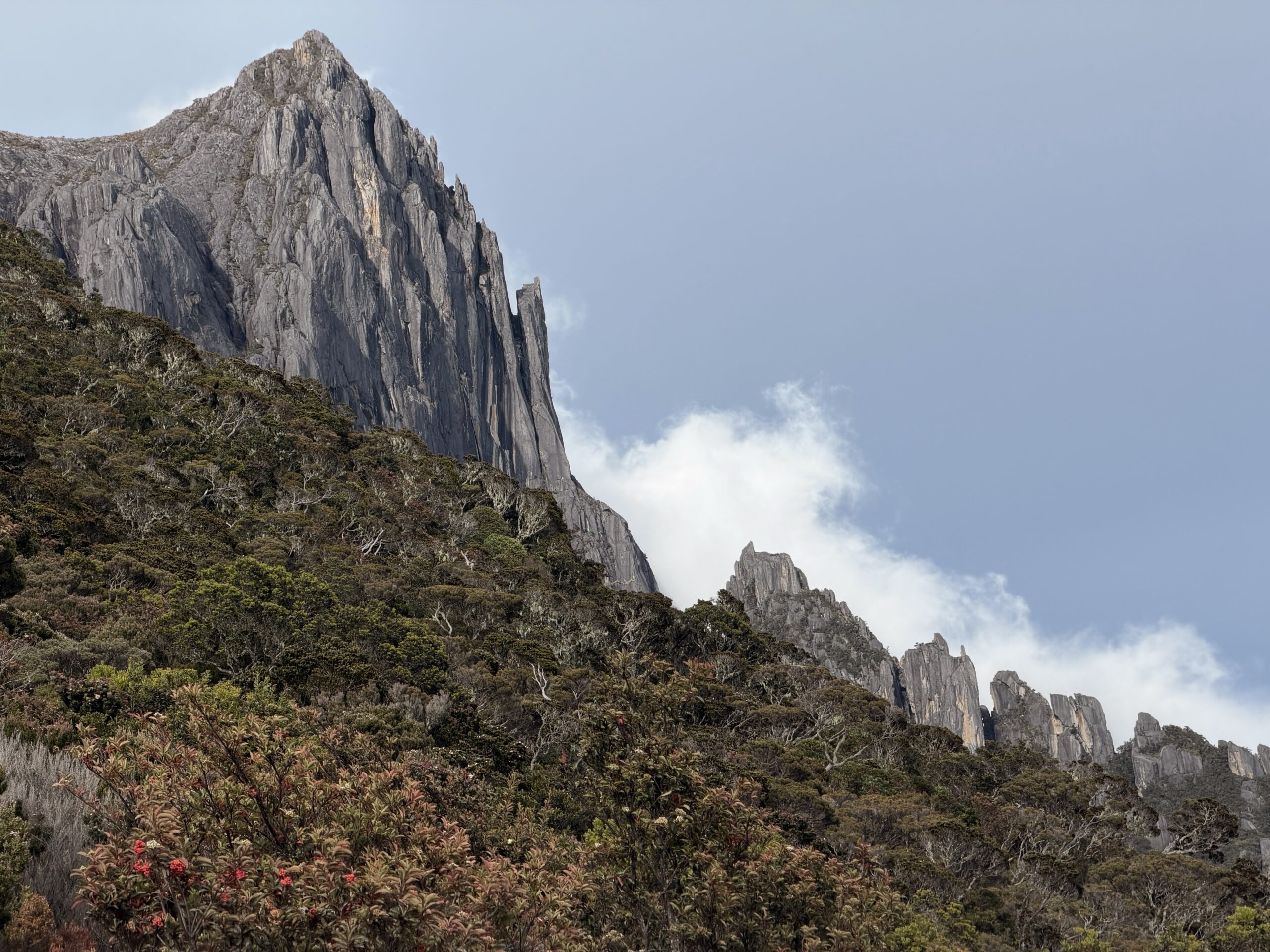
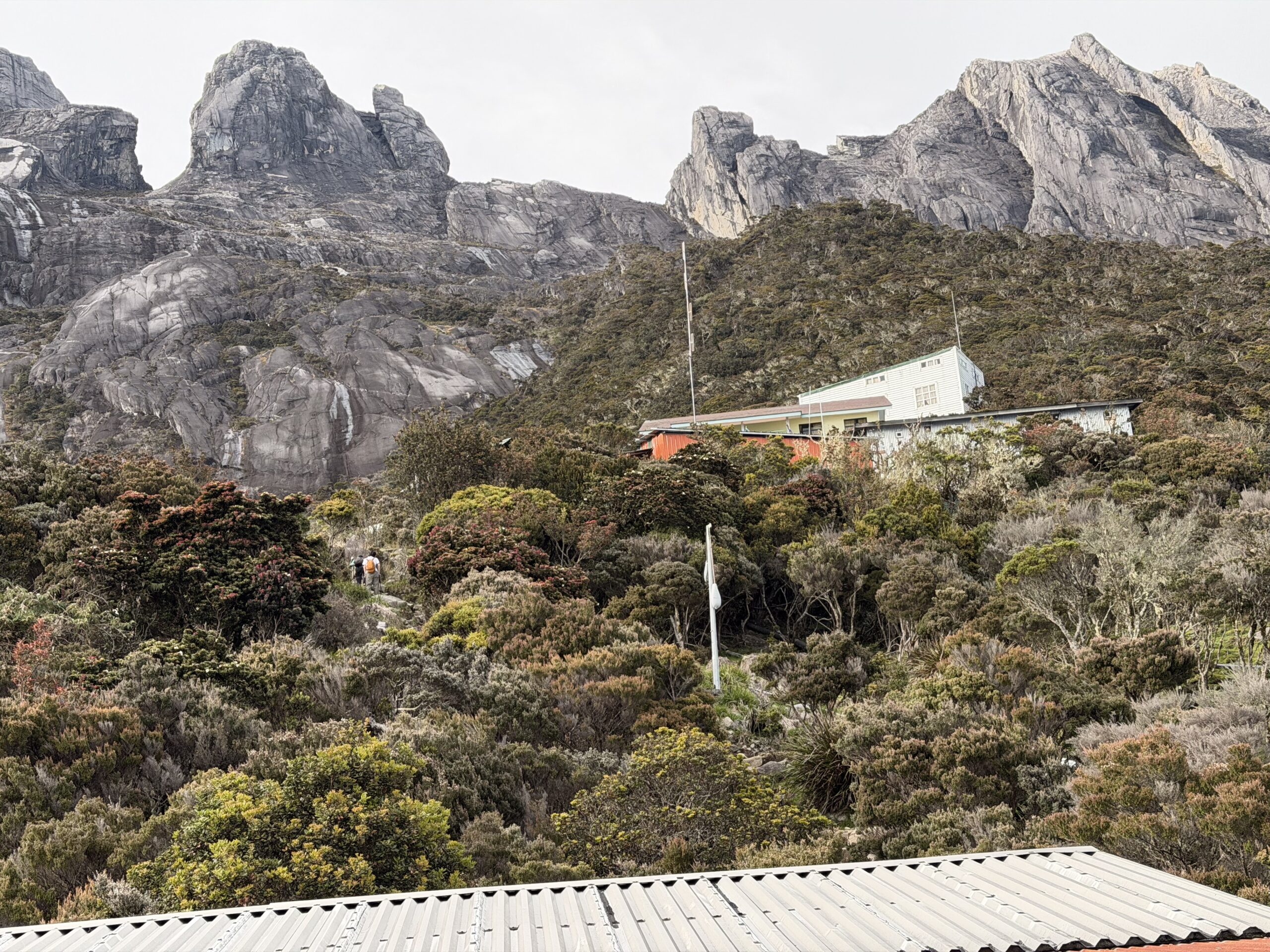
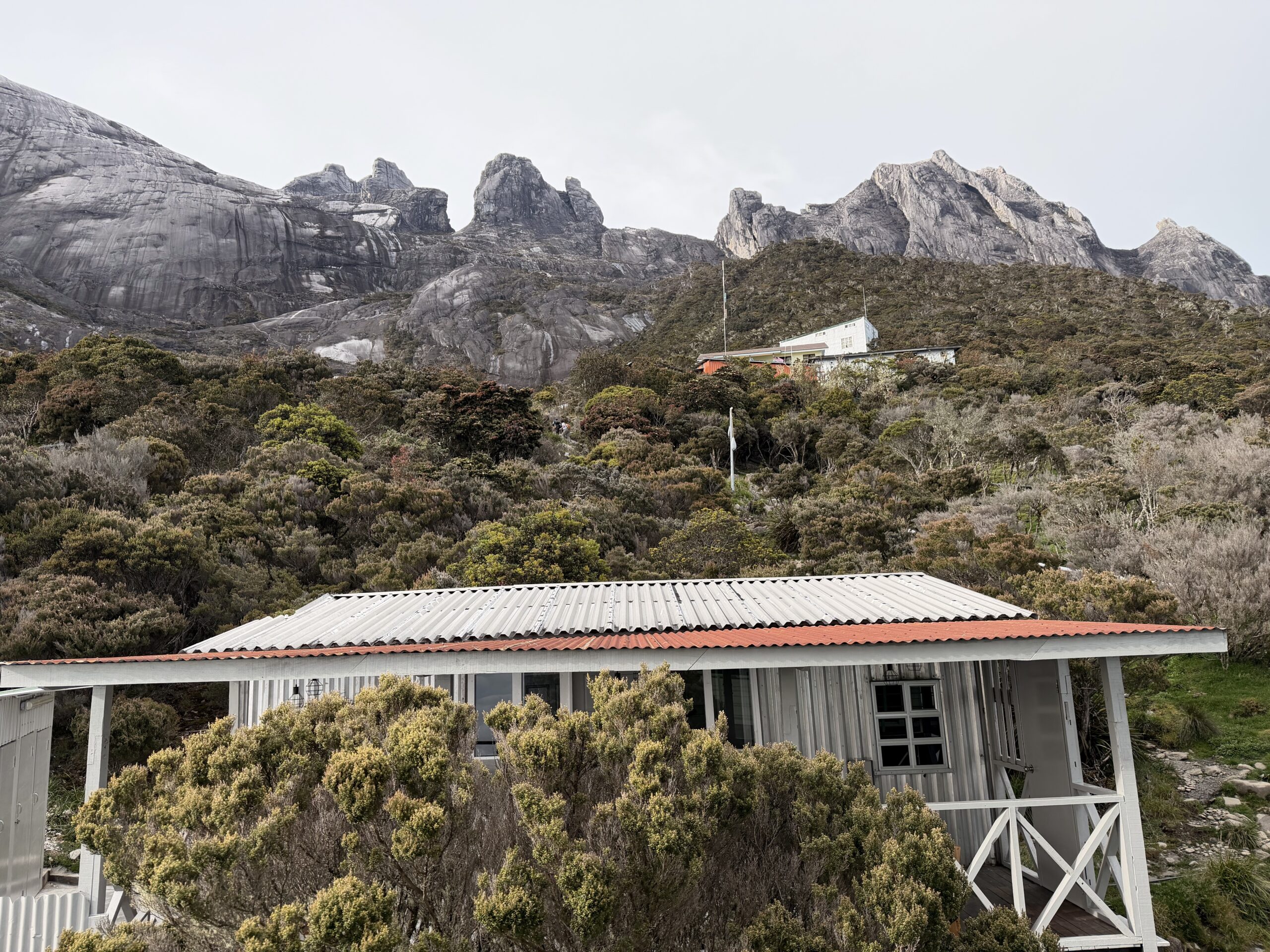
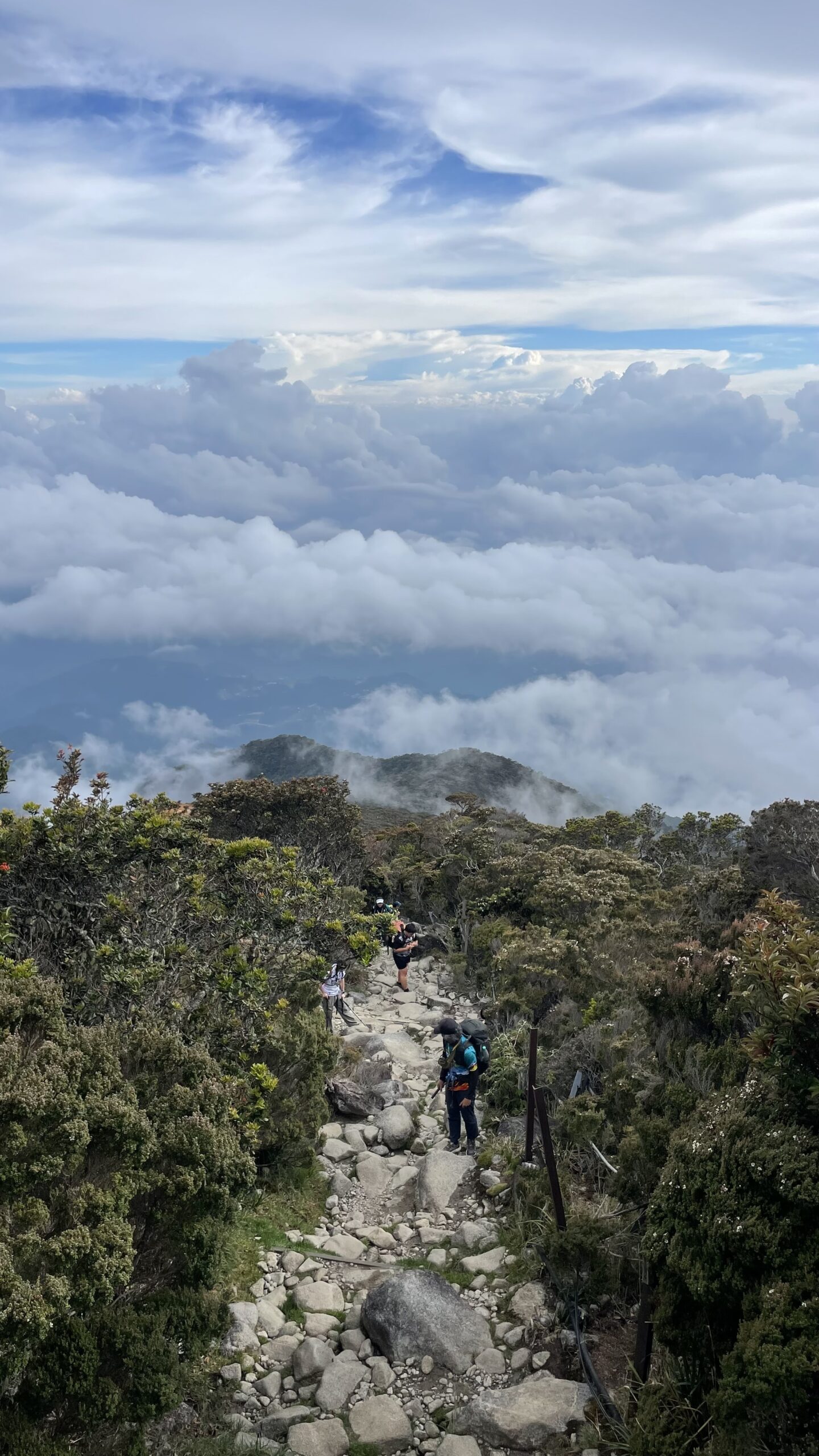
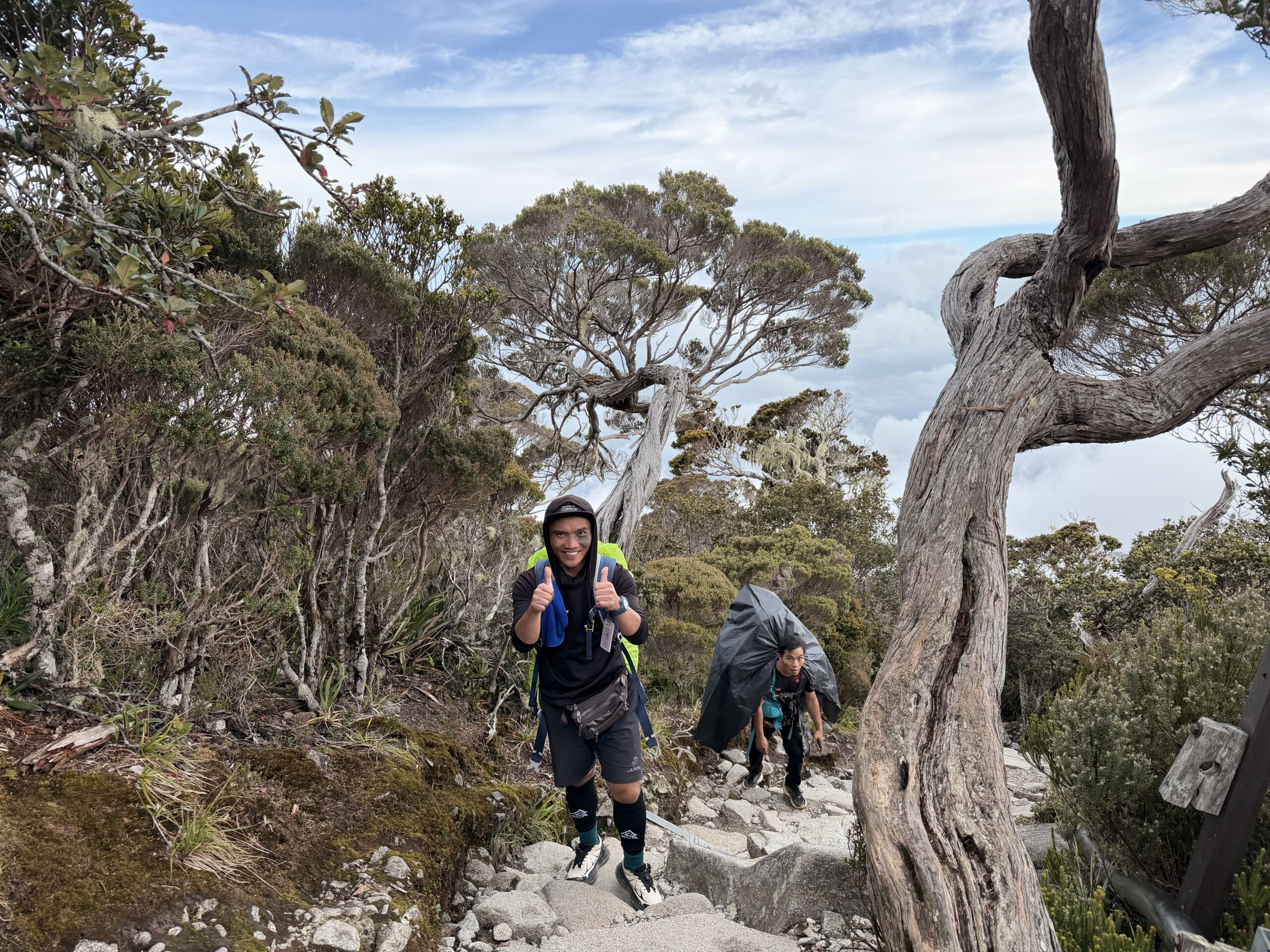
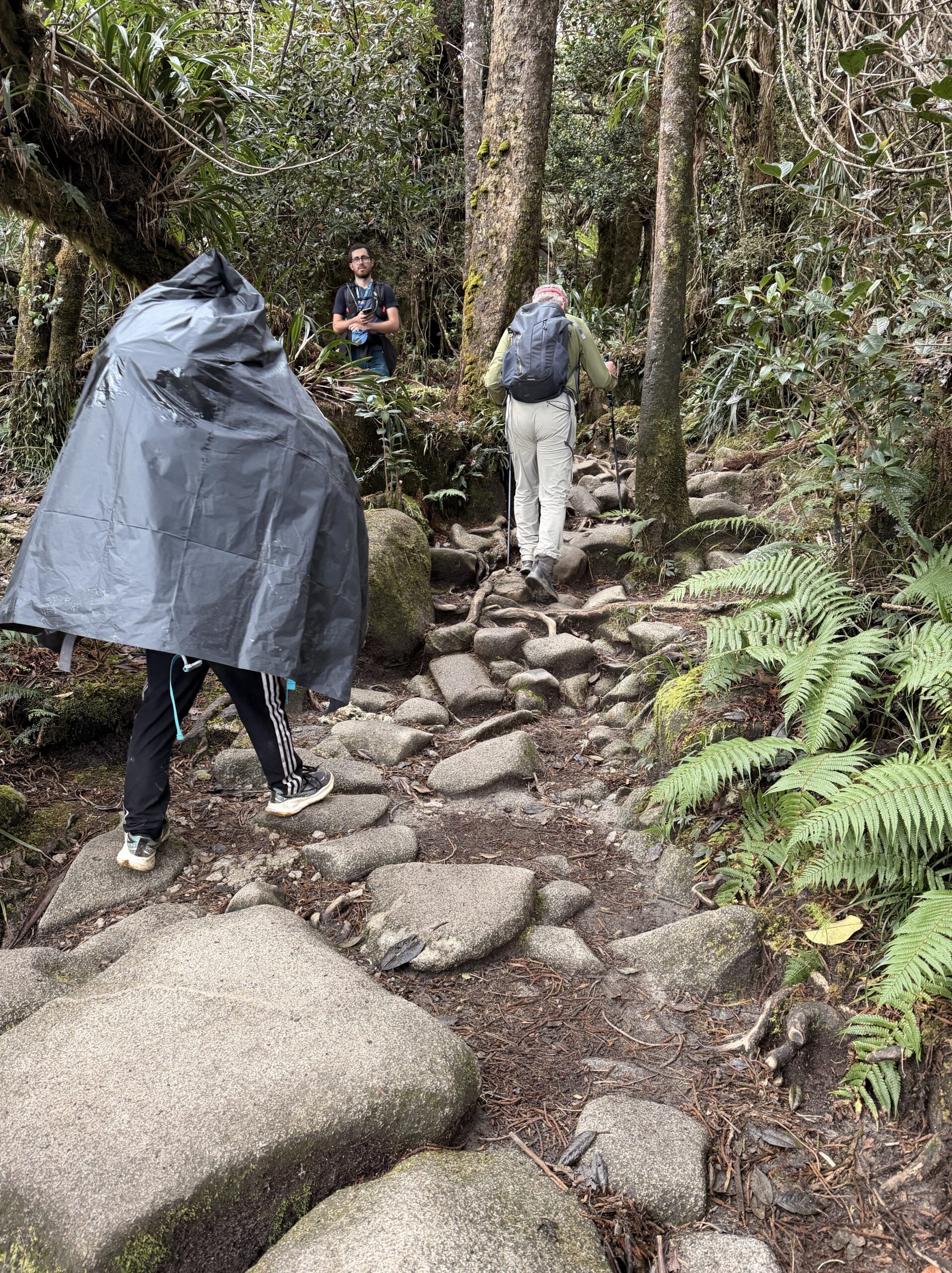
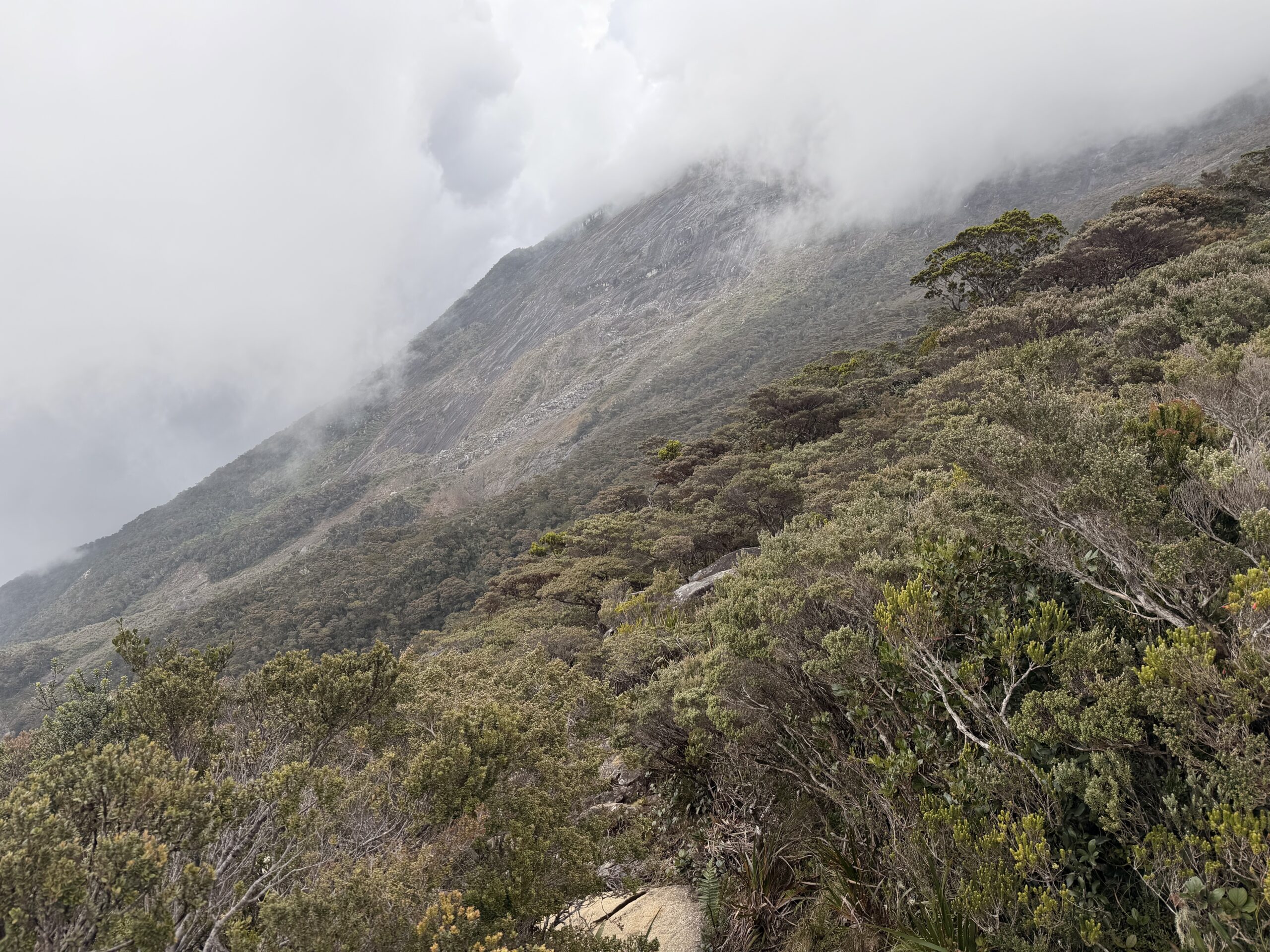
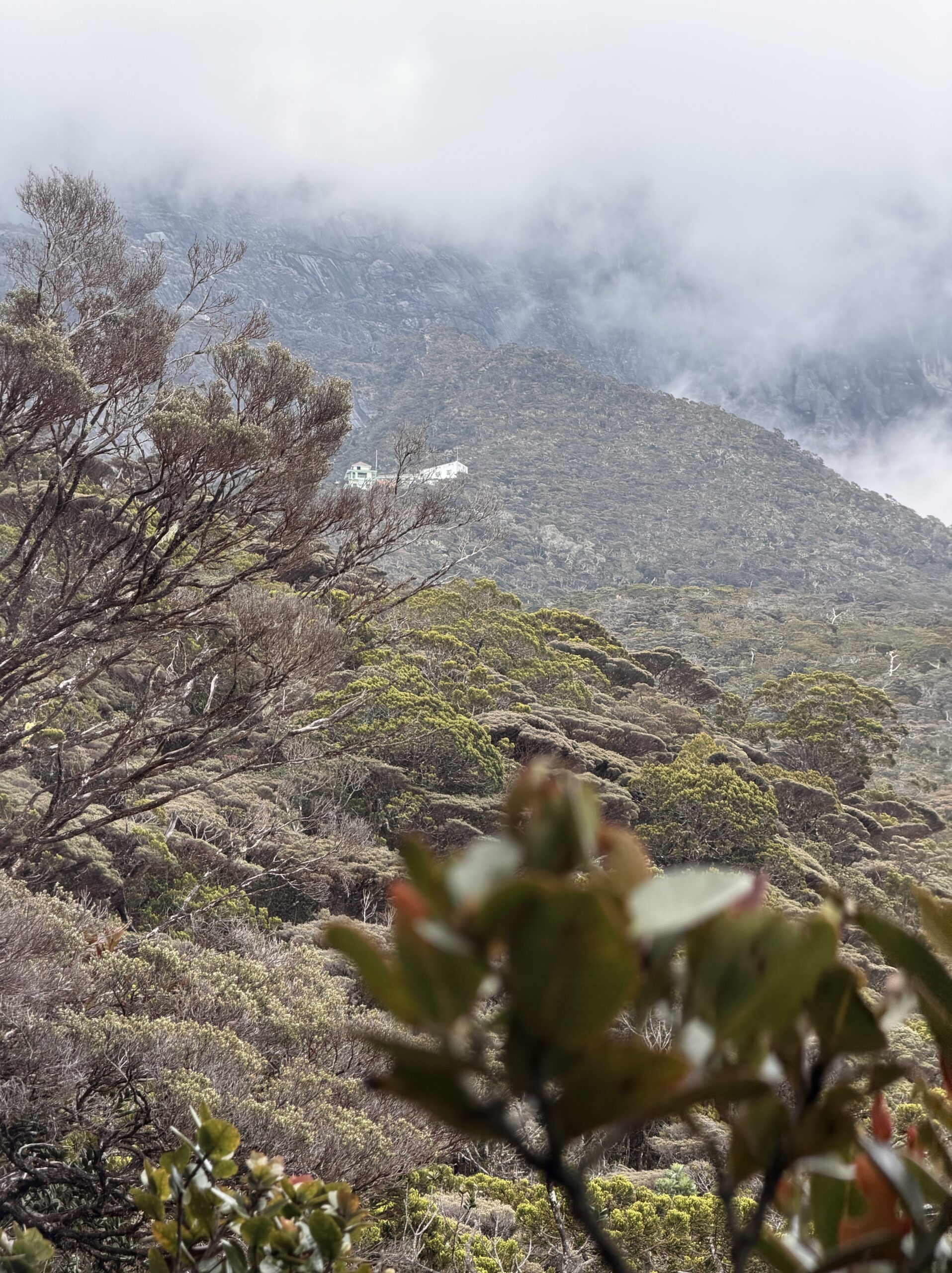
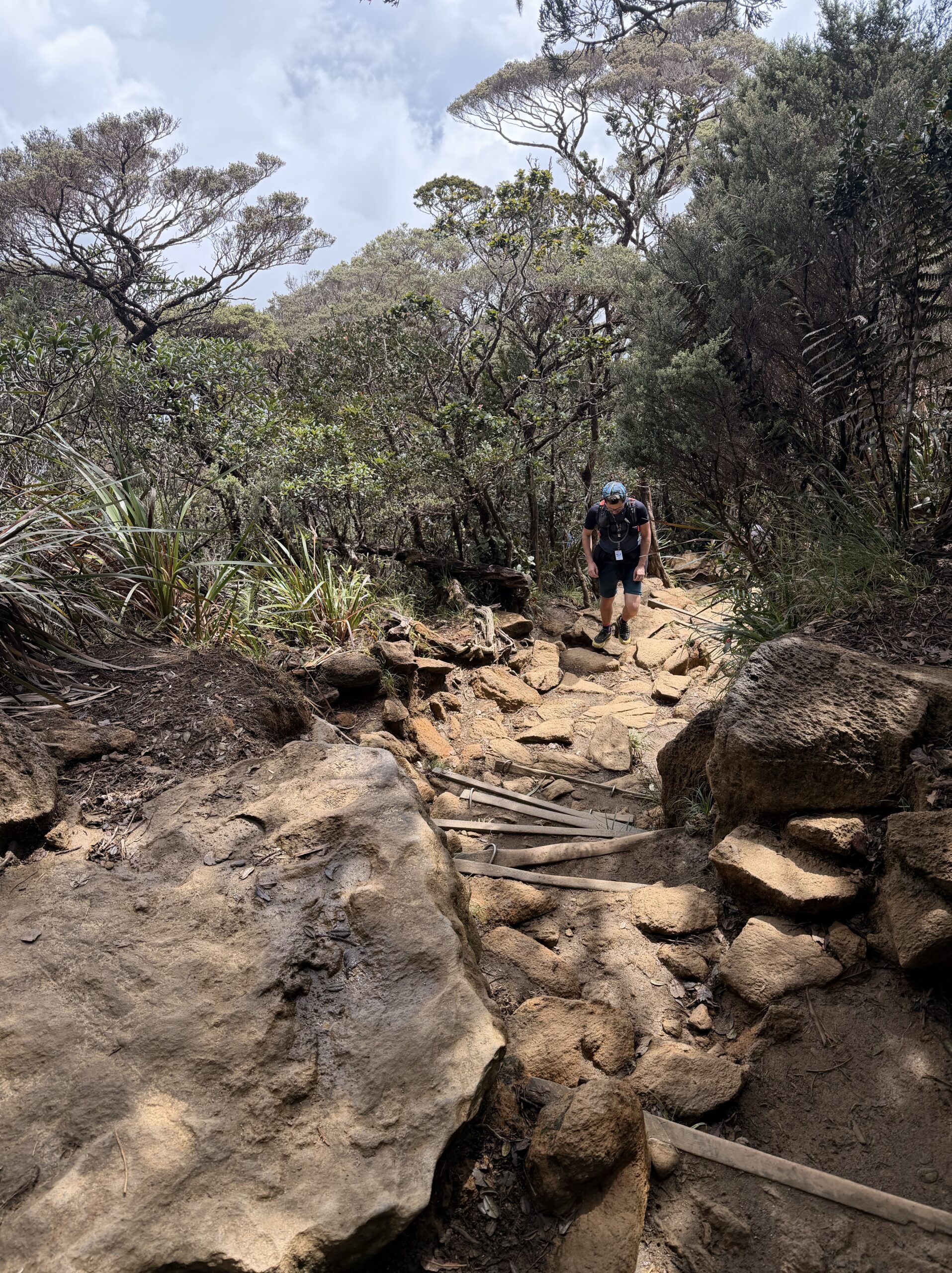
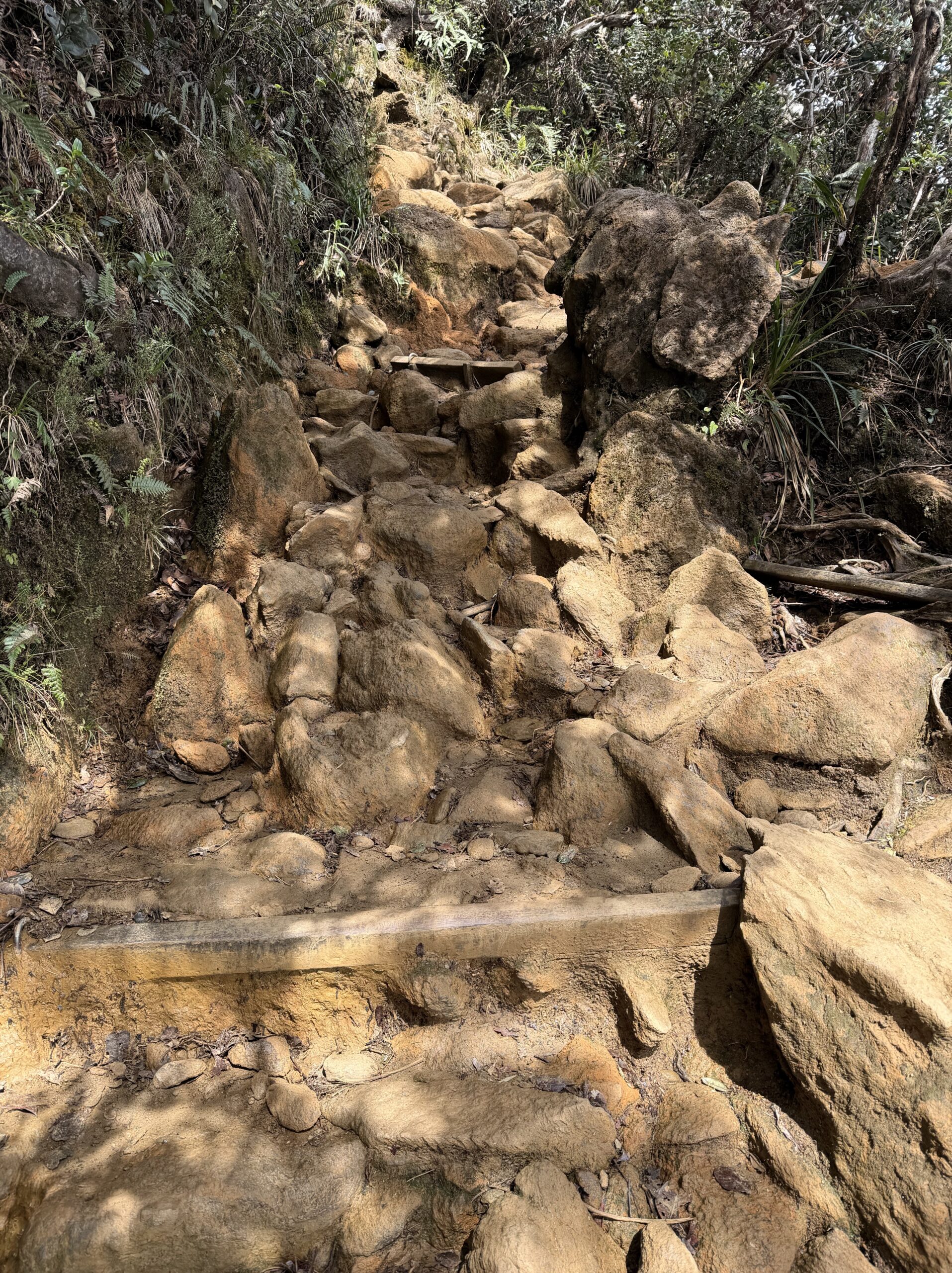
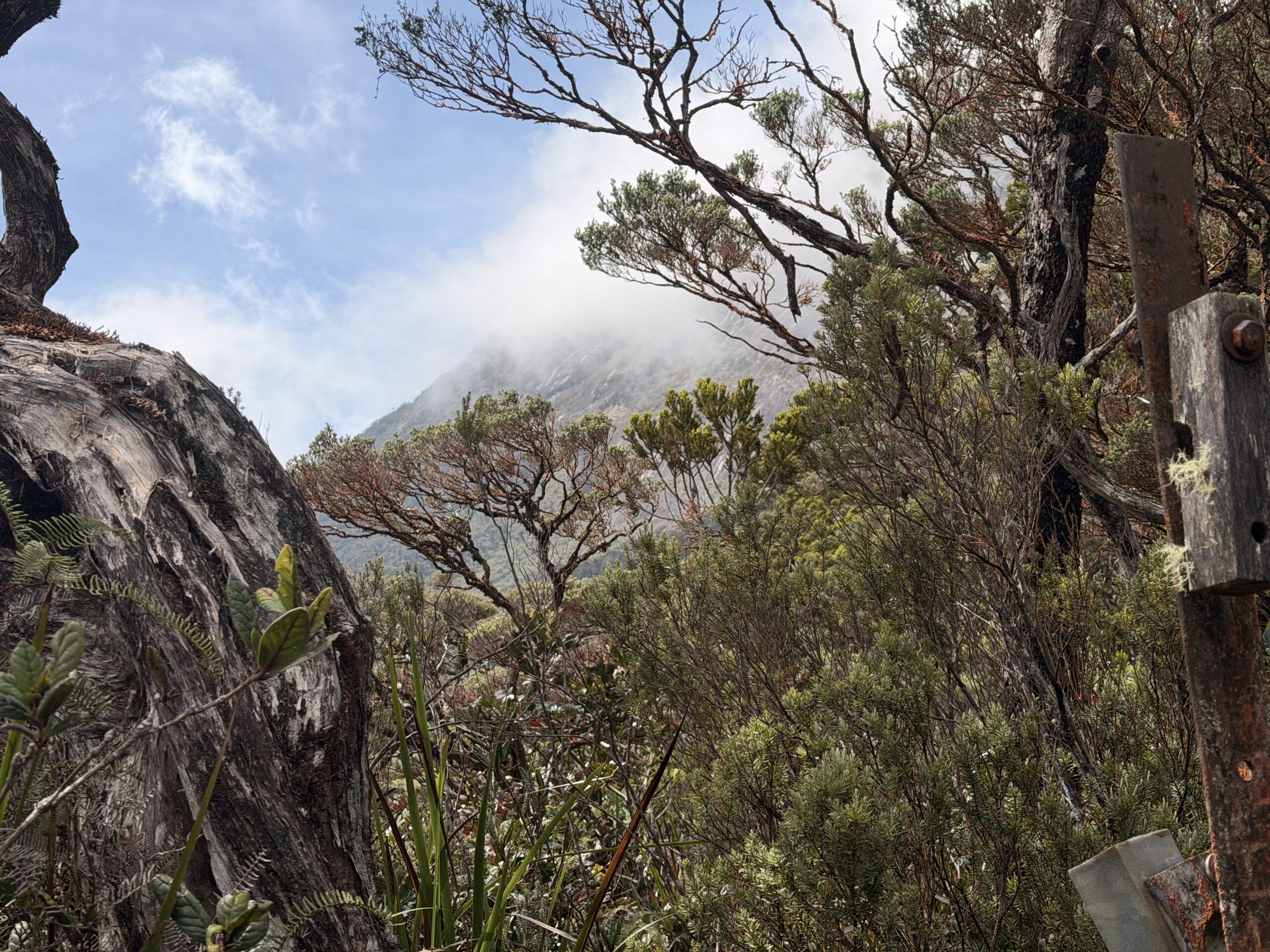
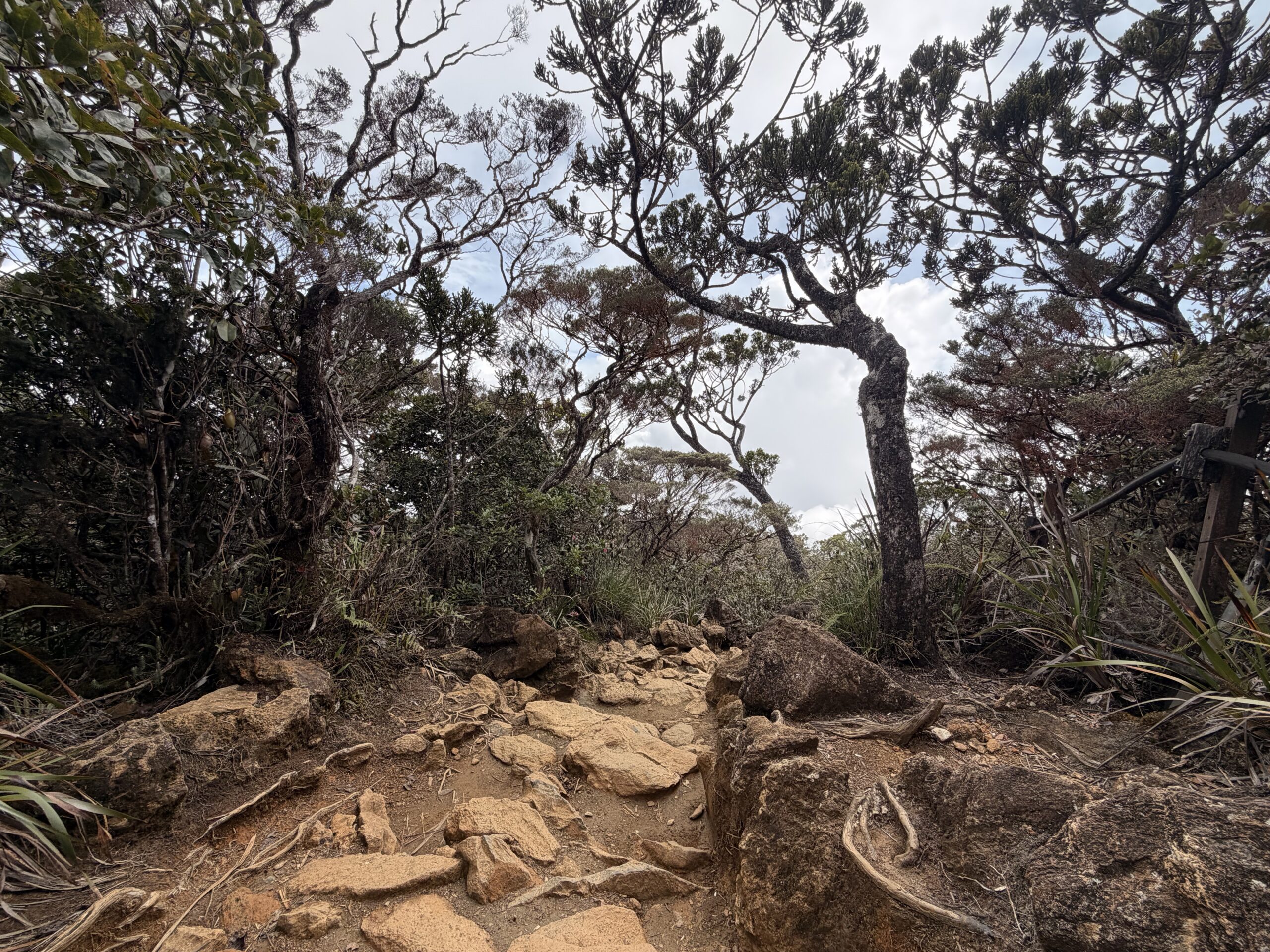
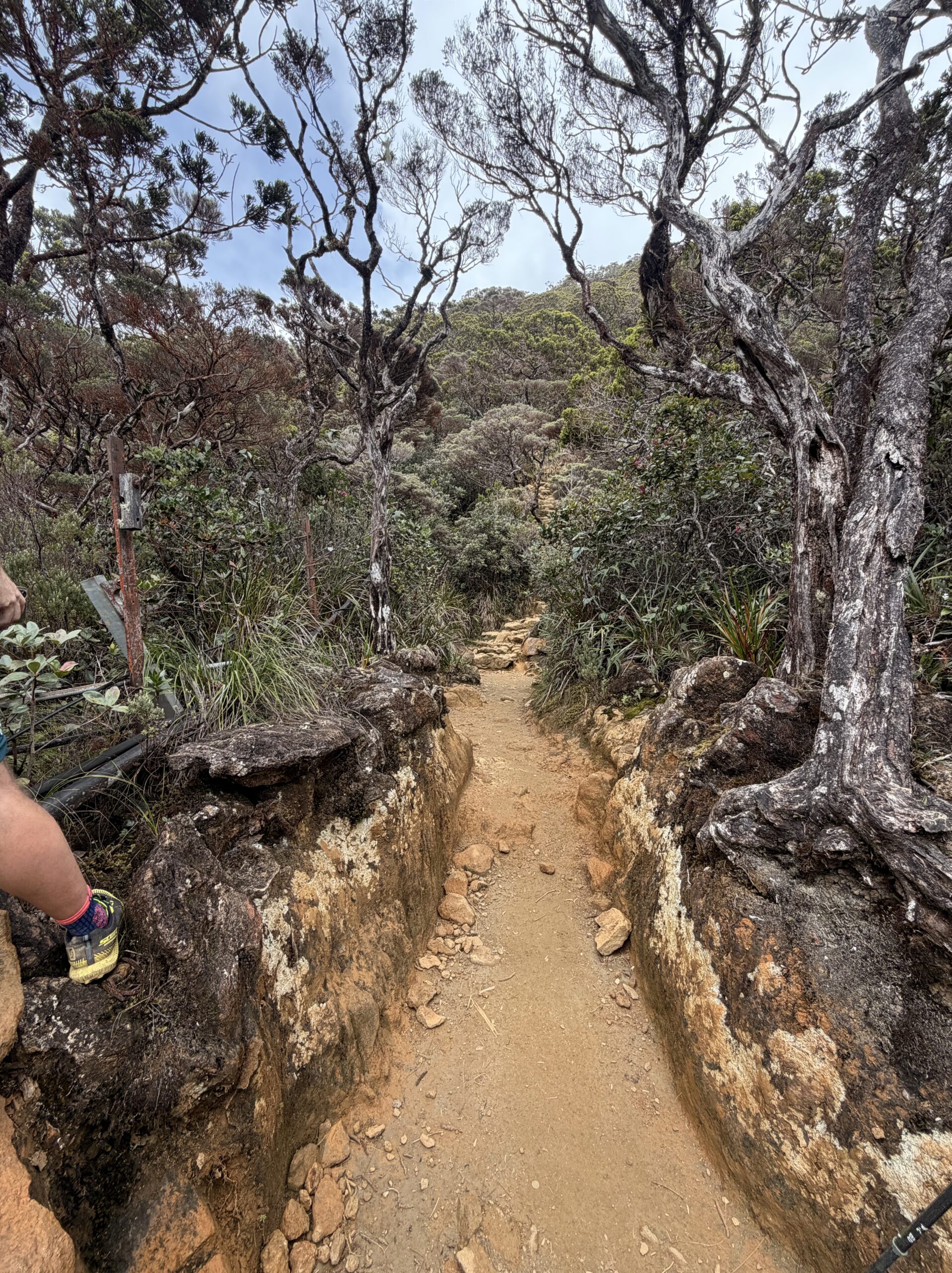
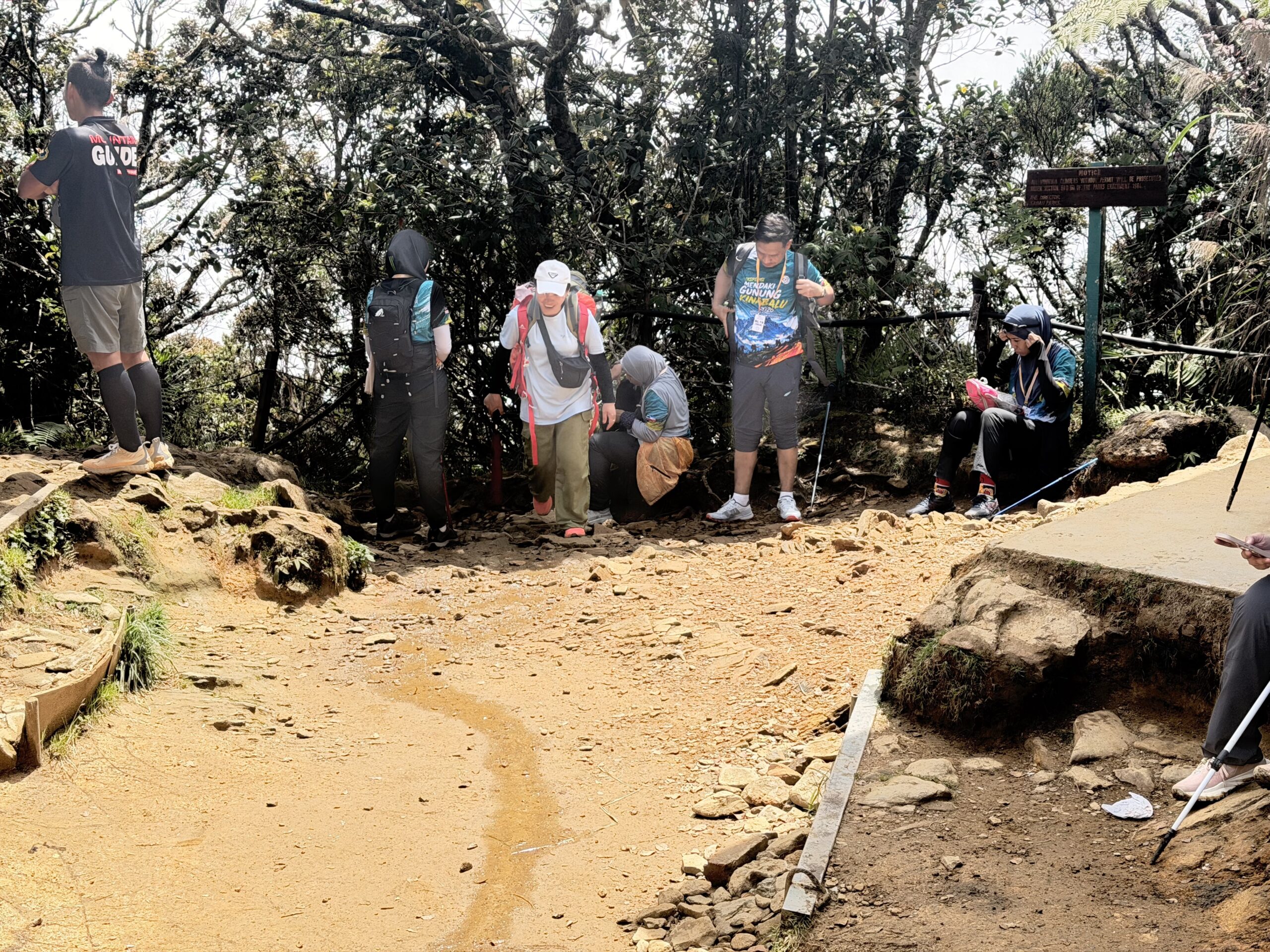
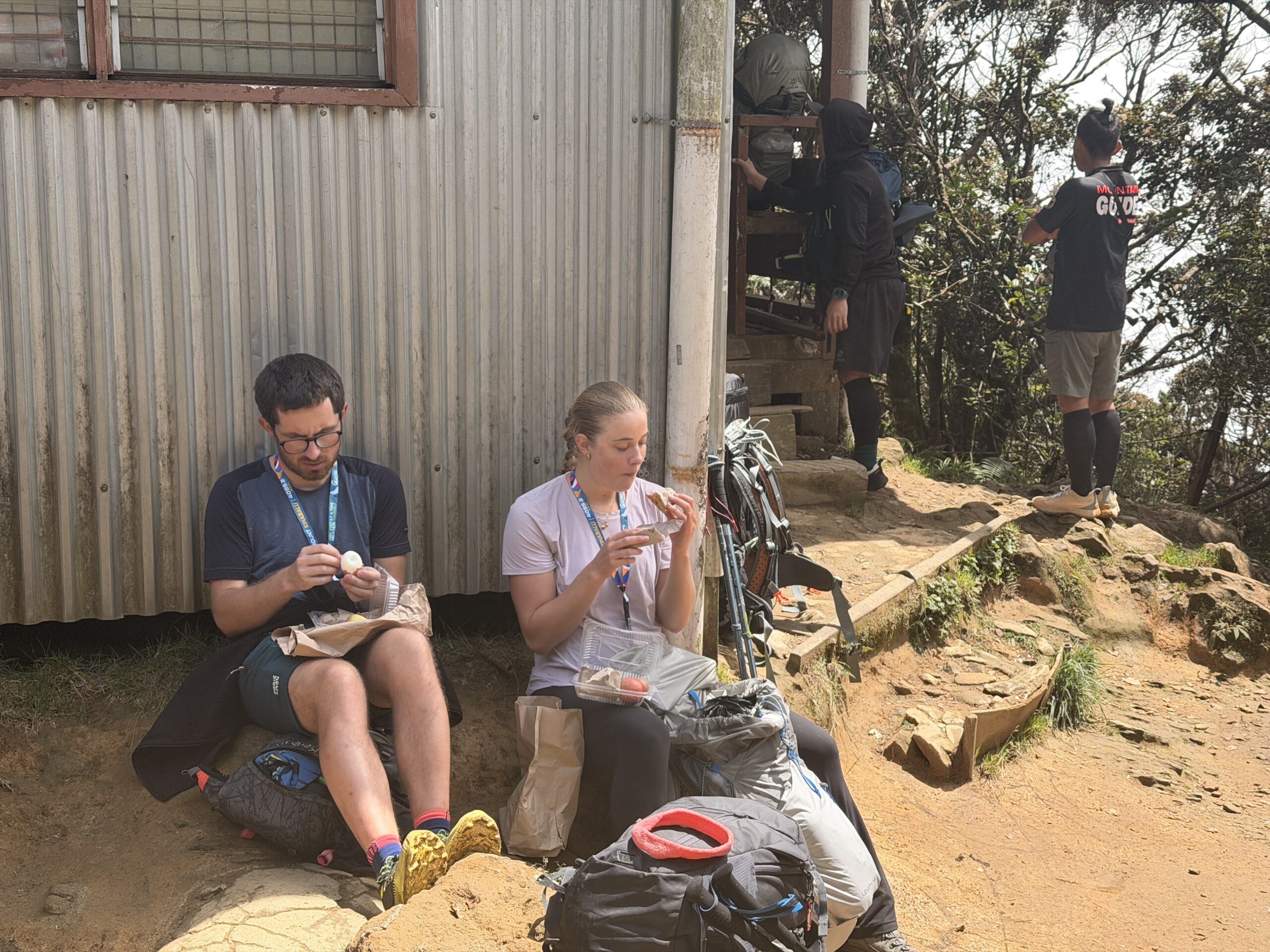
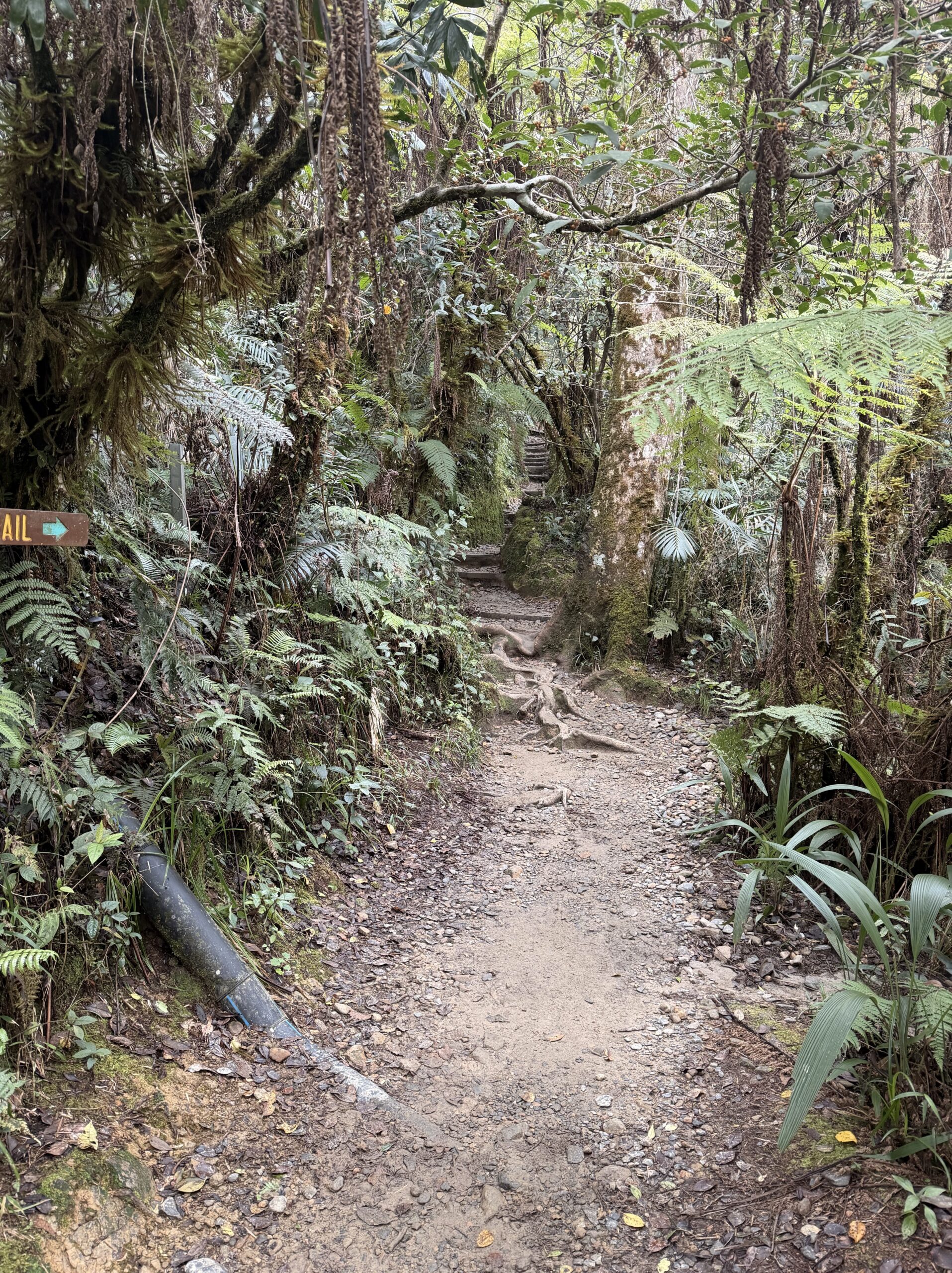
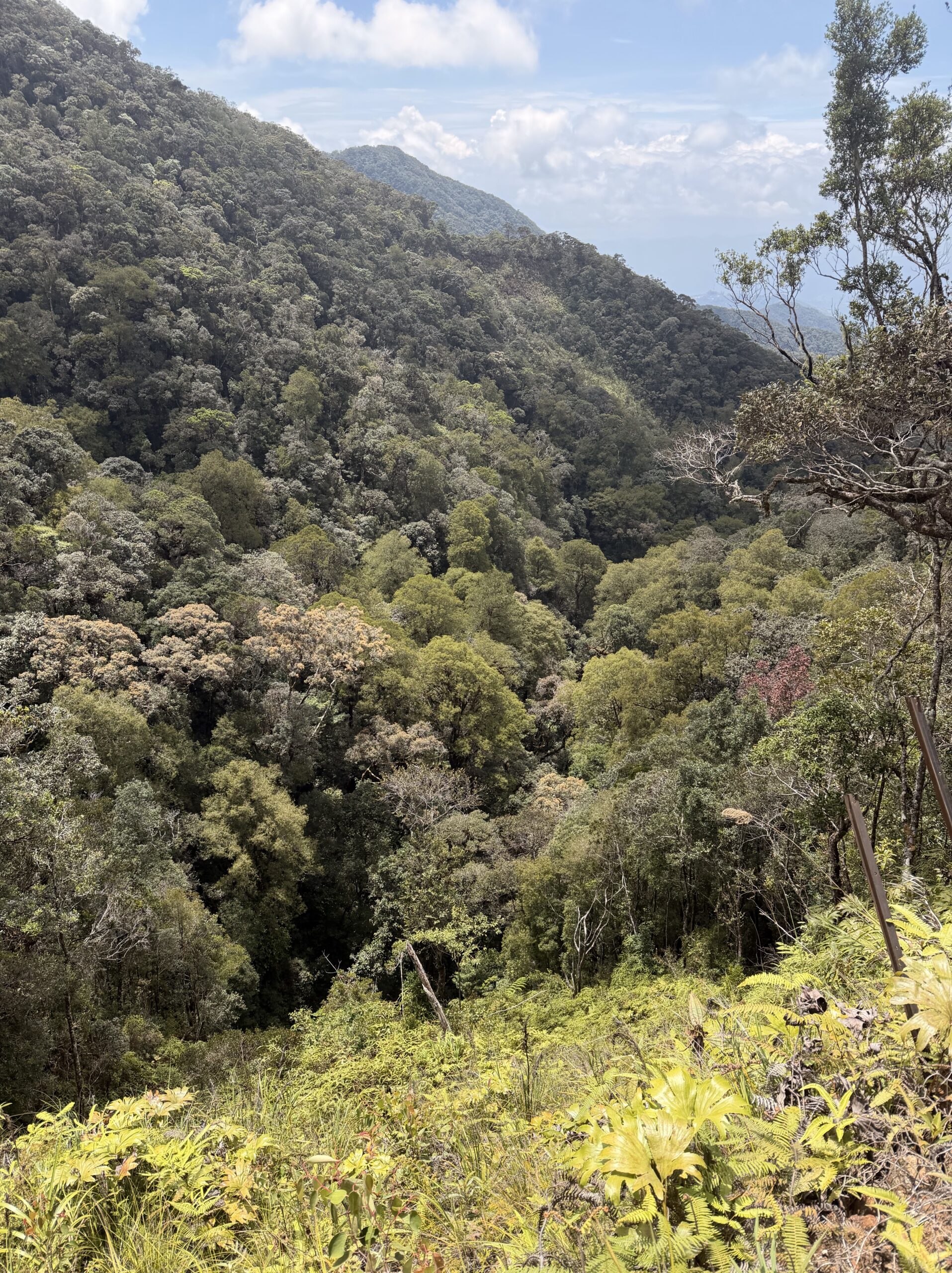
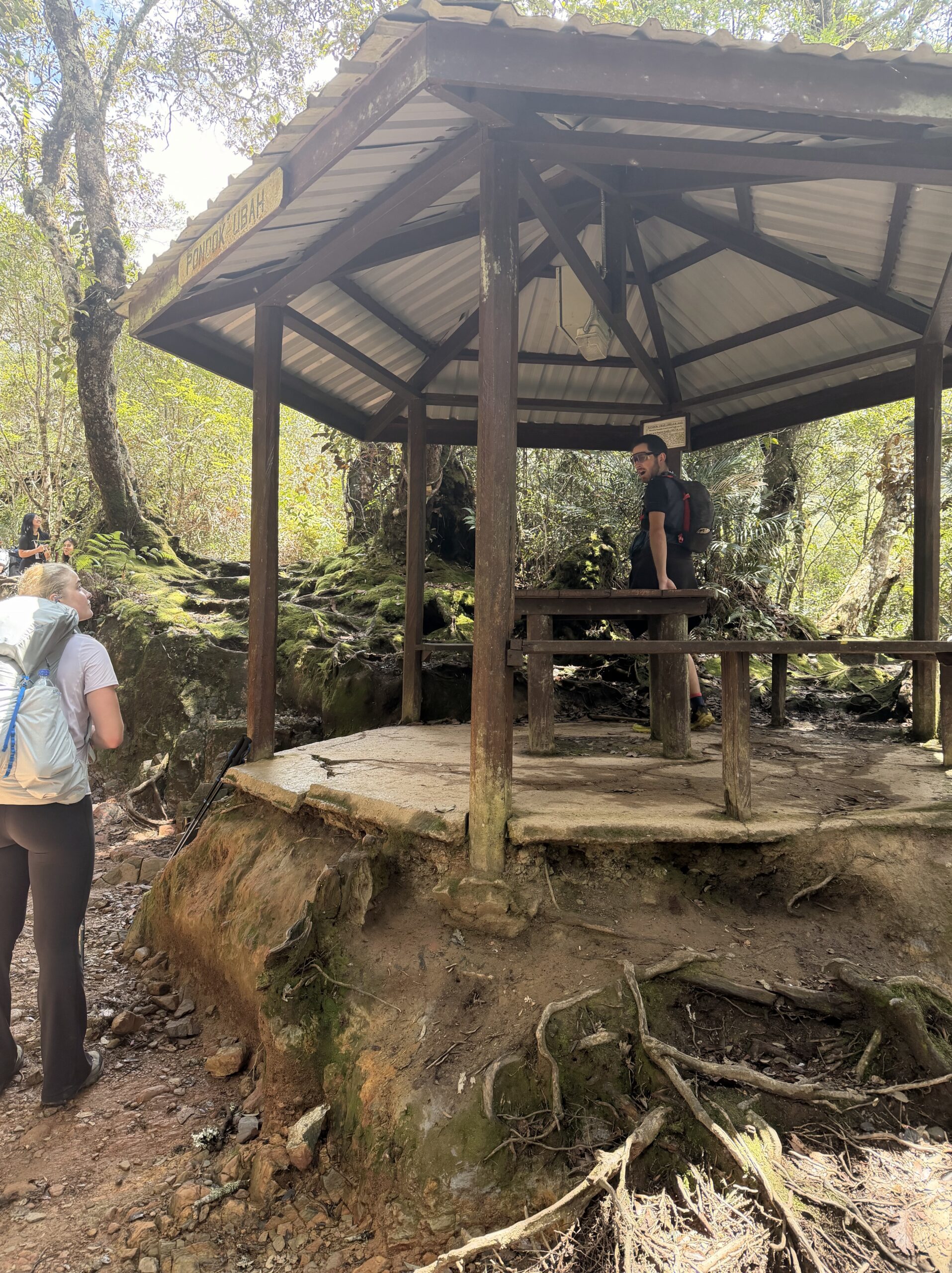
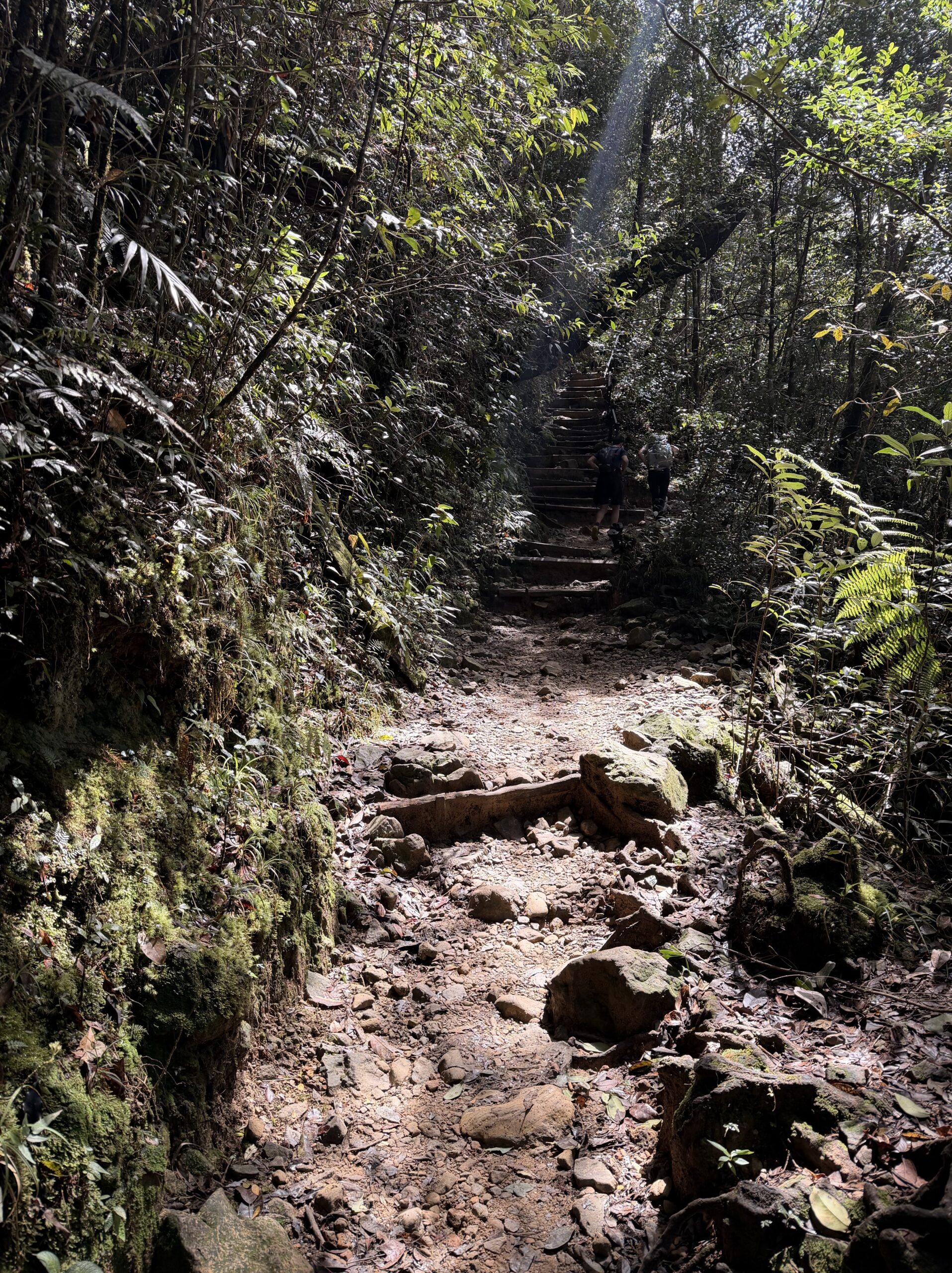
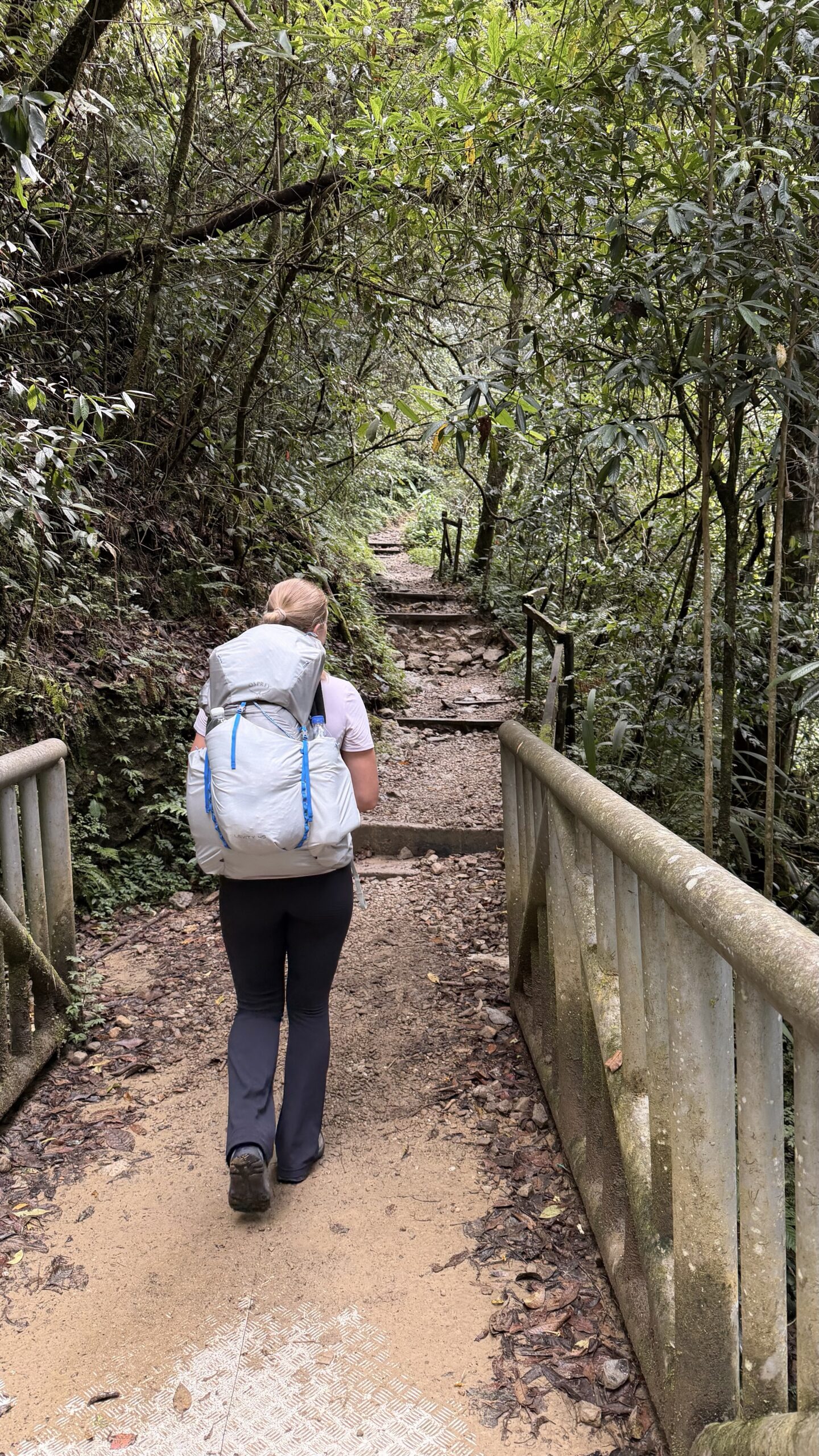
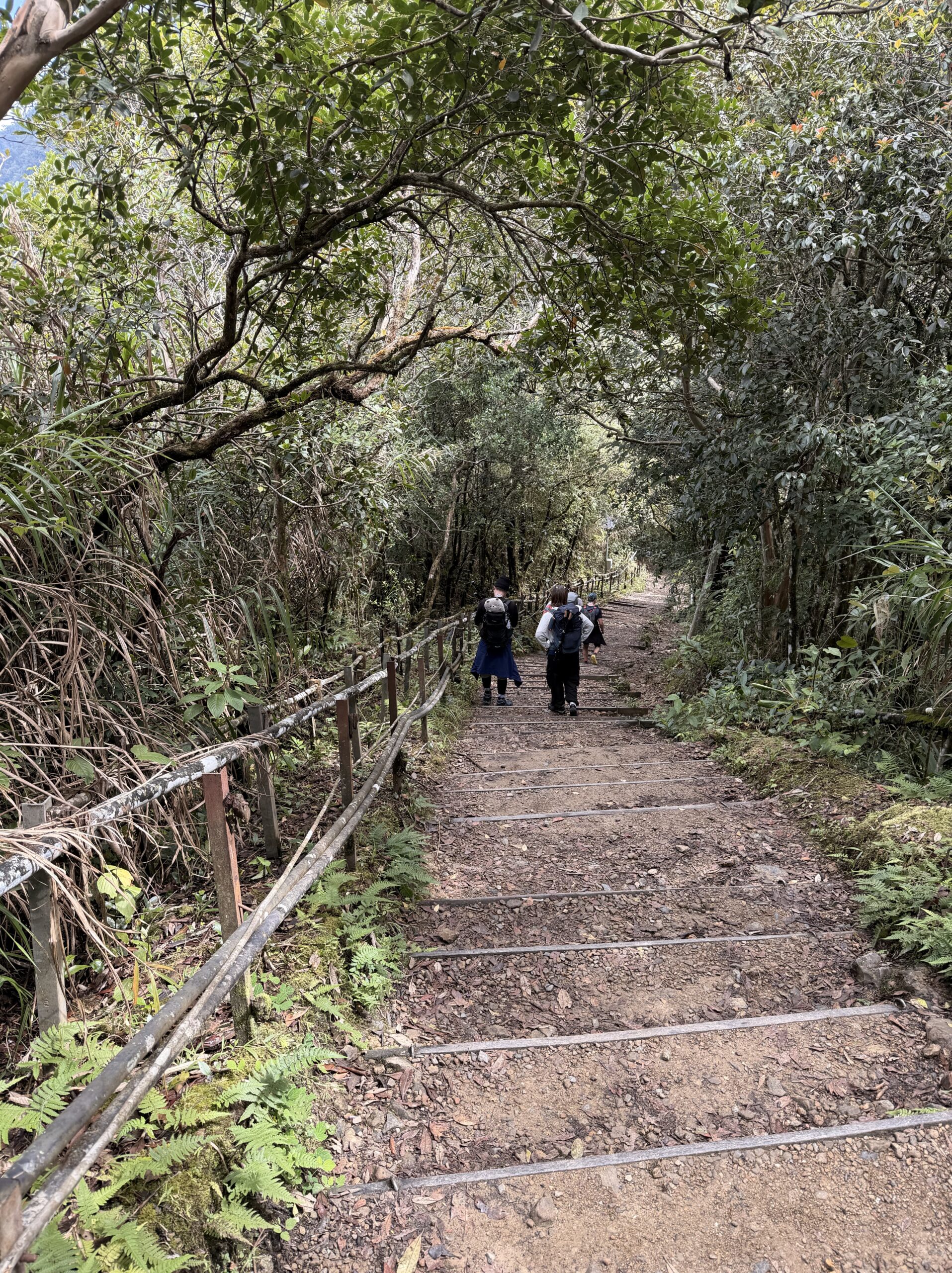
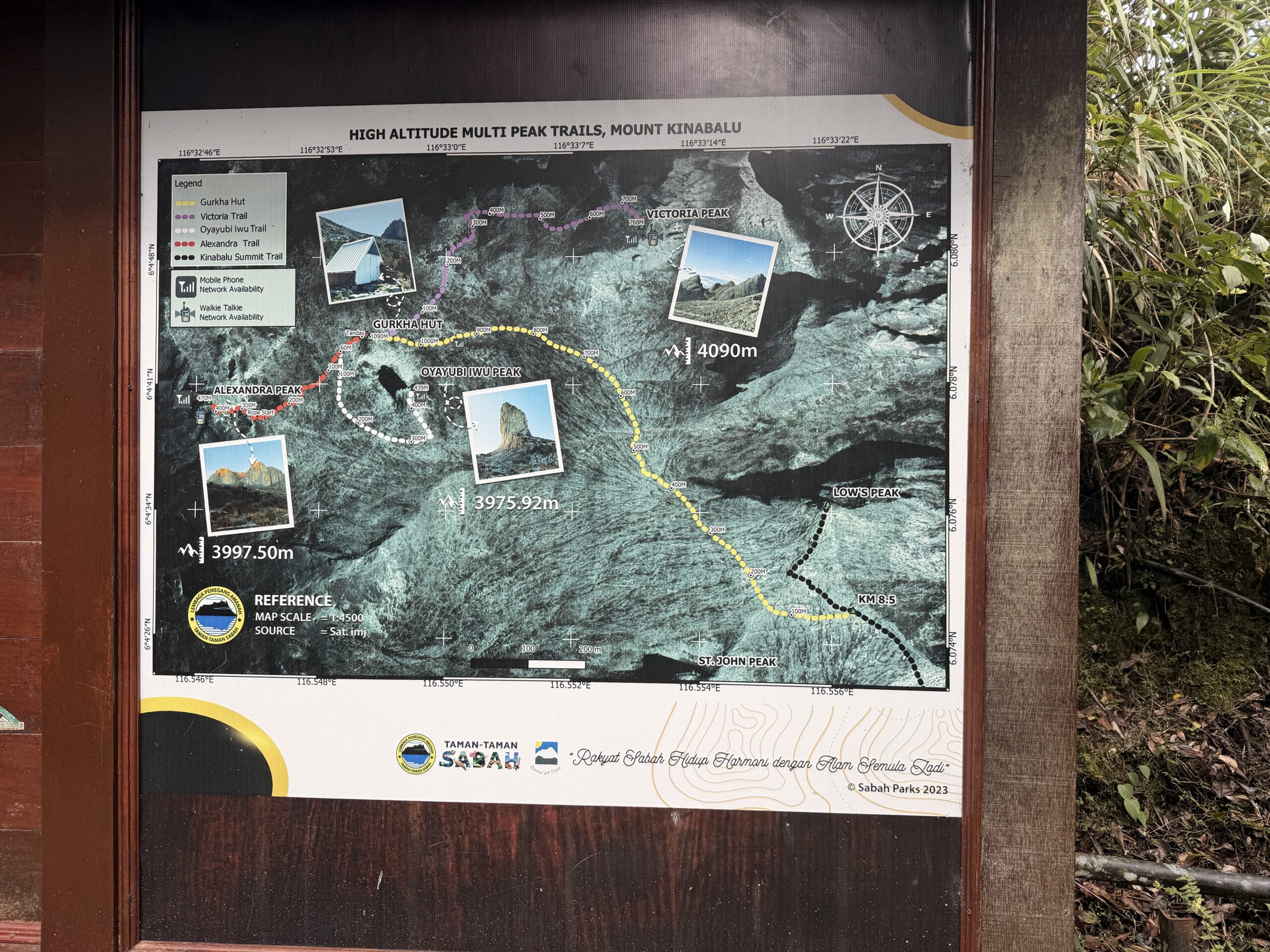
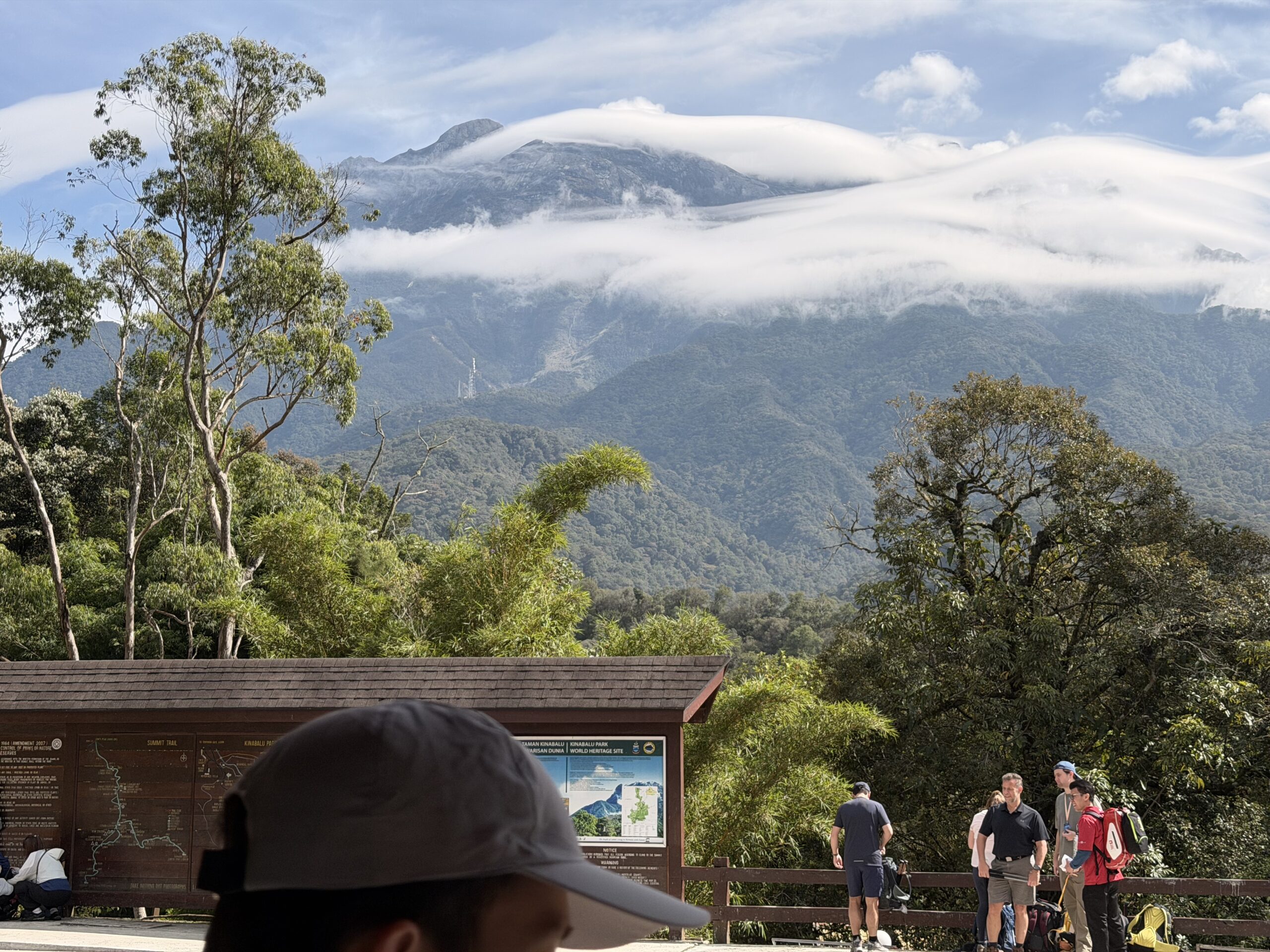
A shuttle bus took us from the Park entrance to the start of the hike – at ‘Timpohon Gate’ at an elevation of about 1900 m asl. The next 6 km saw an elevation gain of about 1300 m. There were simple shelters and toilets every 1 km. Still is was a tough five plus hours to reach thecabin accommodation (Pendant hut) at Panalaban, at about 3300 m. A meal and early to bed for a 2:00 am start the next morning. Except rain delayed departure until 3:00 am. Not that that permitted a change in the cut-off time of 5:30 am at the Sayat-Sayat check point on the 2 km climb to the summit (Low’s Peak) at 4095.2 m asl. The previous day had been a steep dirt and rock track, but this section was mostly timber stairs or rope sections. The rain held off, but the mountain top was in cloud, so views were very limited, and the sunrise non-existant. The summit was crowded and cold, so after a wait we took a few rapid-fire photographs and then headed back down – just as the rain commenced.
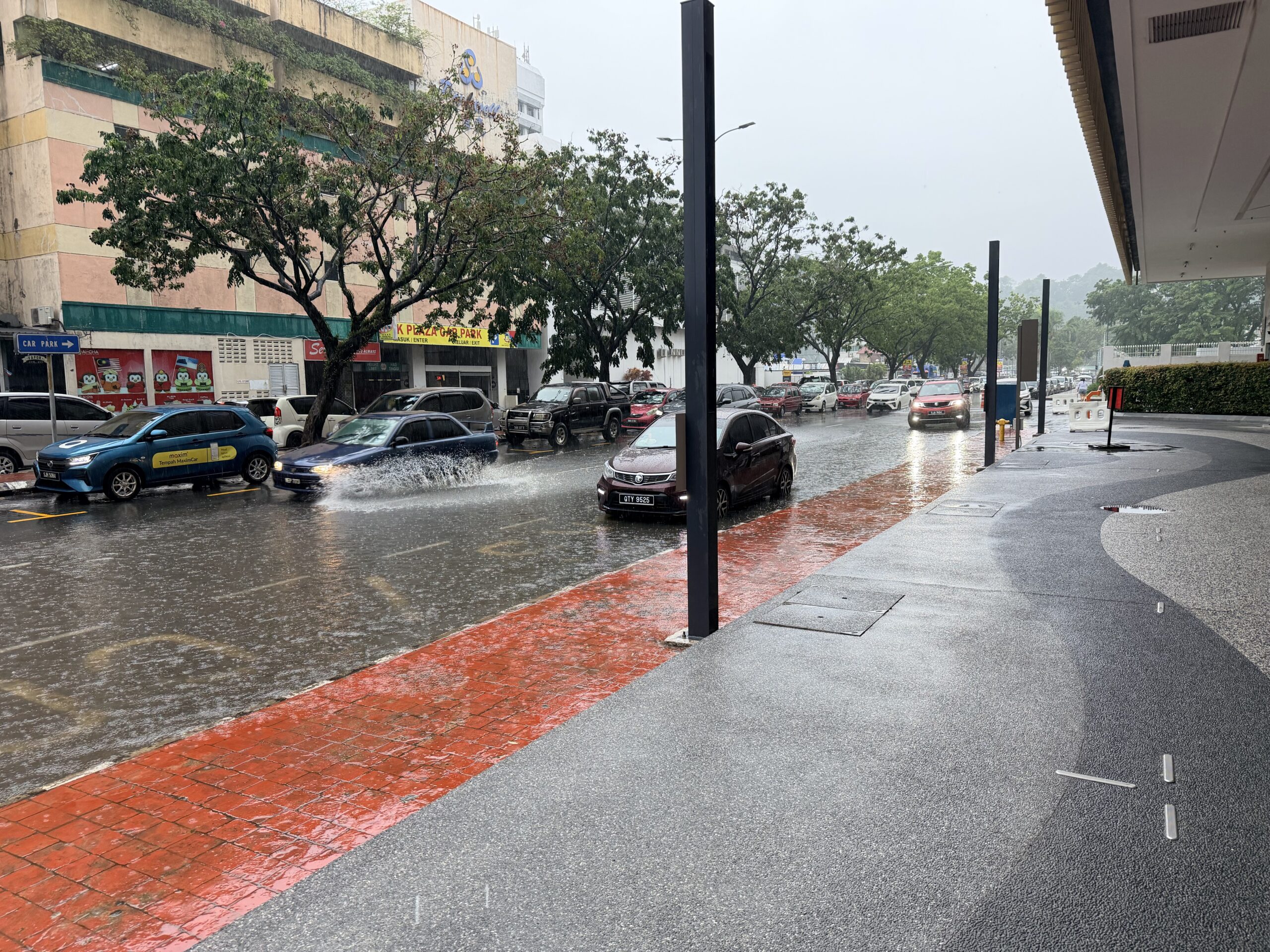
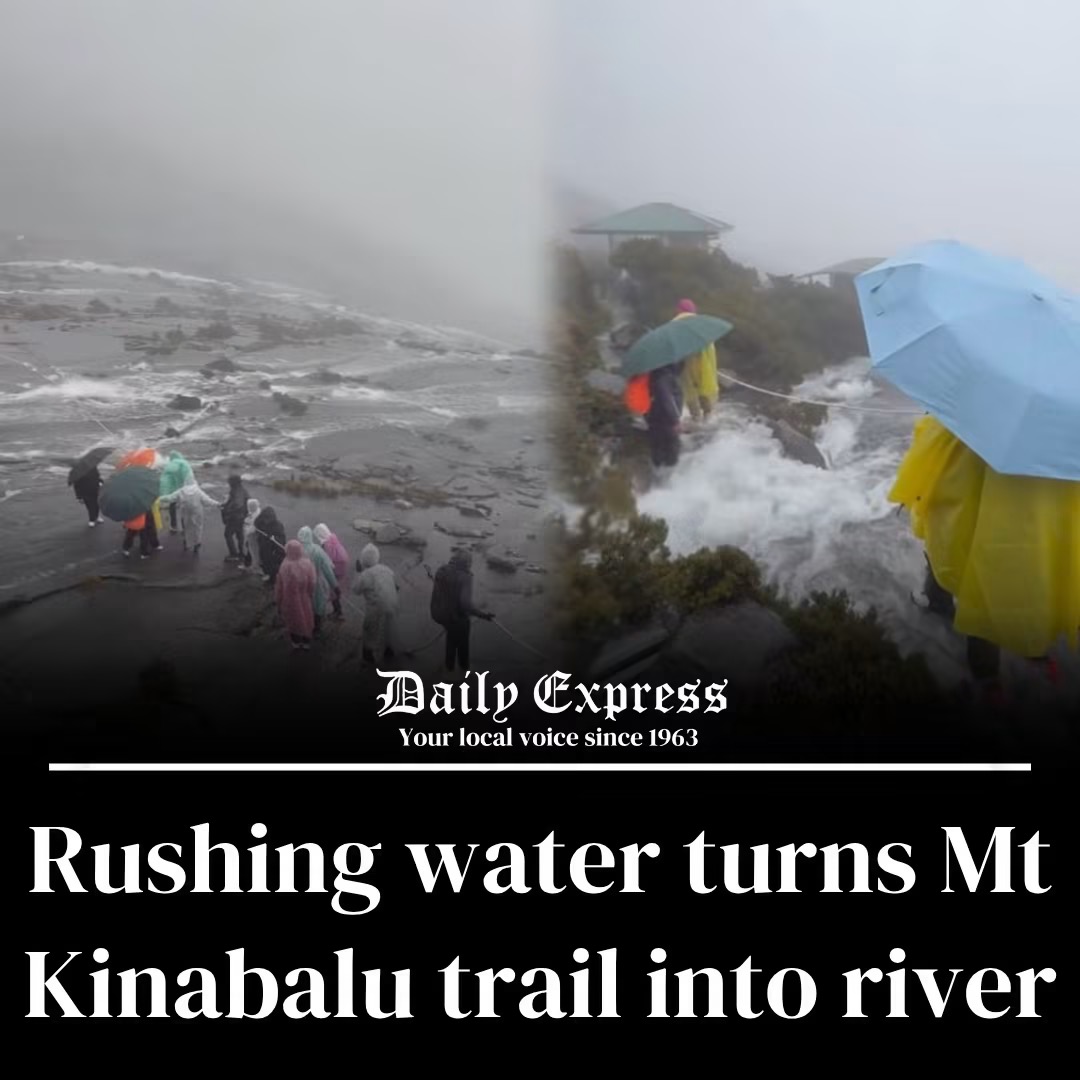
Then it got heavier and heavier. Water had just been low points on the way up were genuine streams and raging torrents on the way down. One photo (with me in it) made the local newspaper.
Quite drenched we got back to the camp by mid-morning where we showered and had a hot lunch before continuing all the way down to the start – which we reached by about 4:00 pm. It rained almost the entire way down. I wished I had photographed the group of about 10 porters, each carry two full size mattresses up to a new lodge that was under construction.
Time in Kota Kinabalu
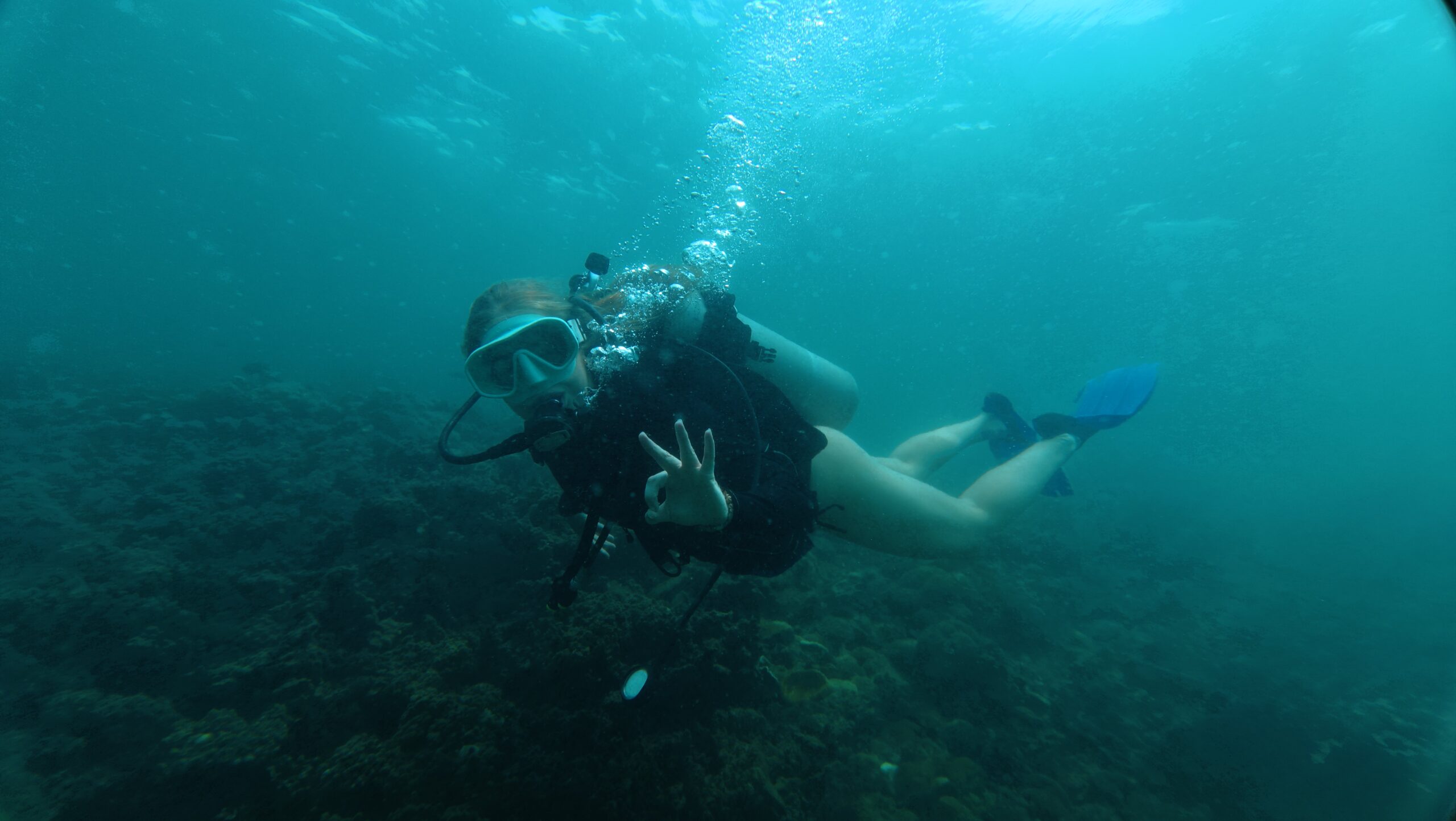
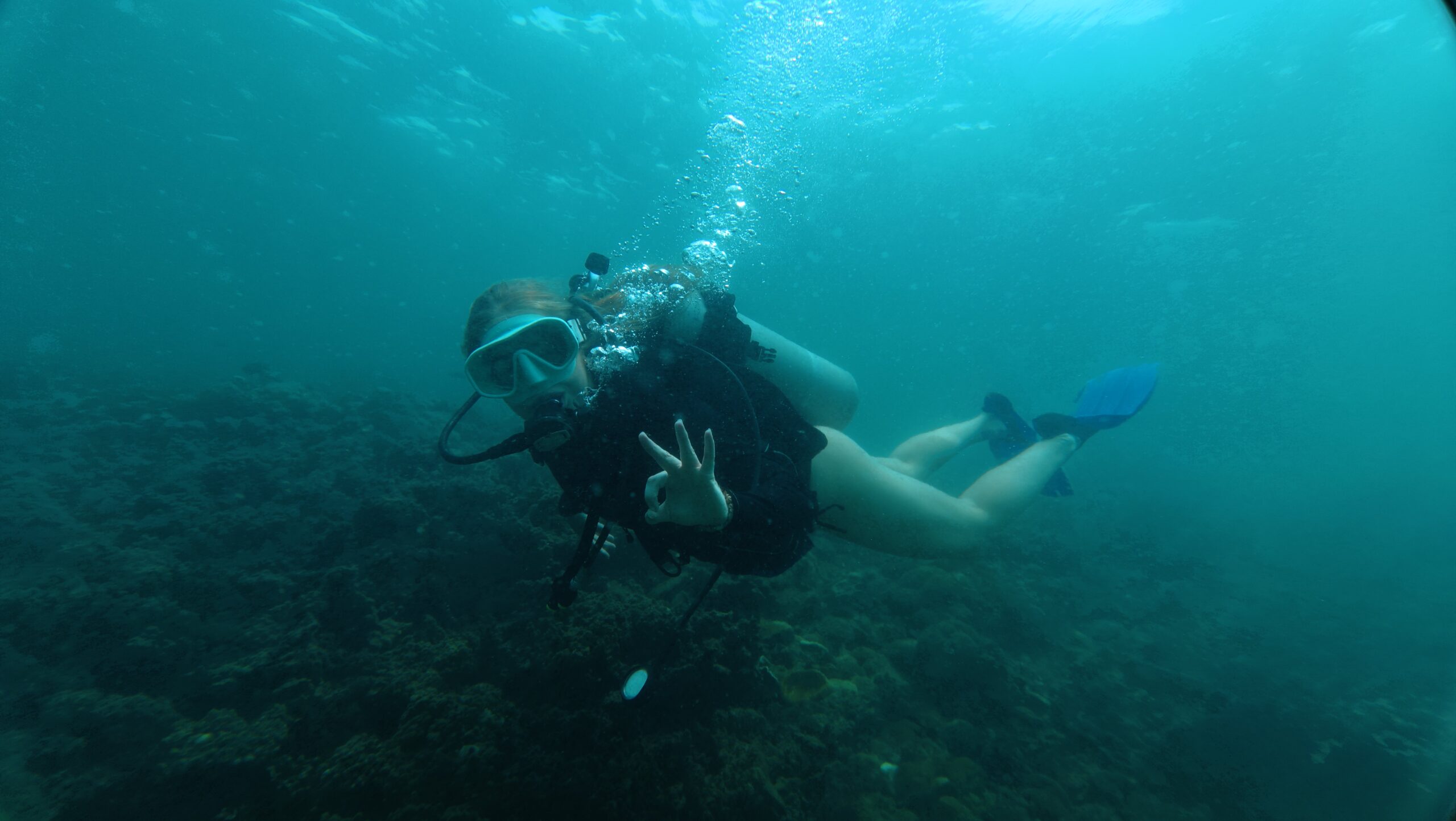
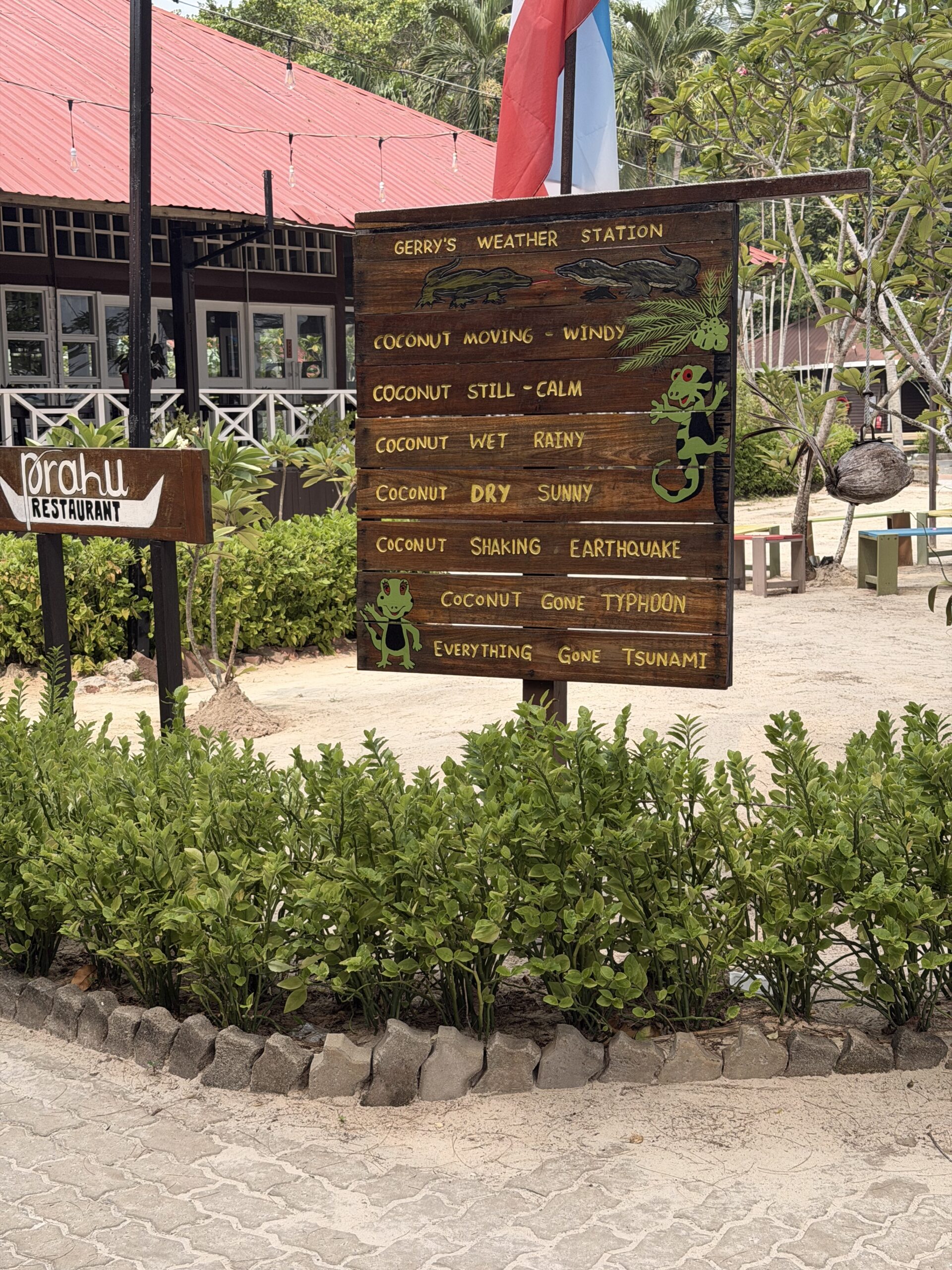
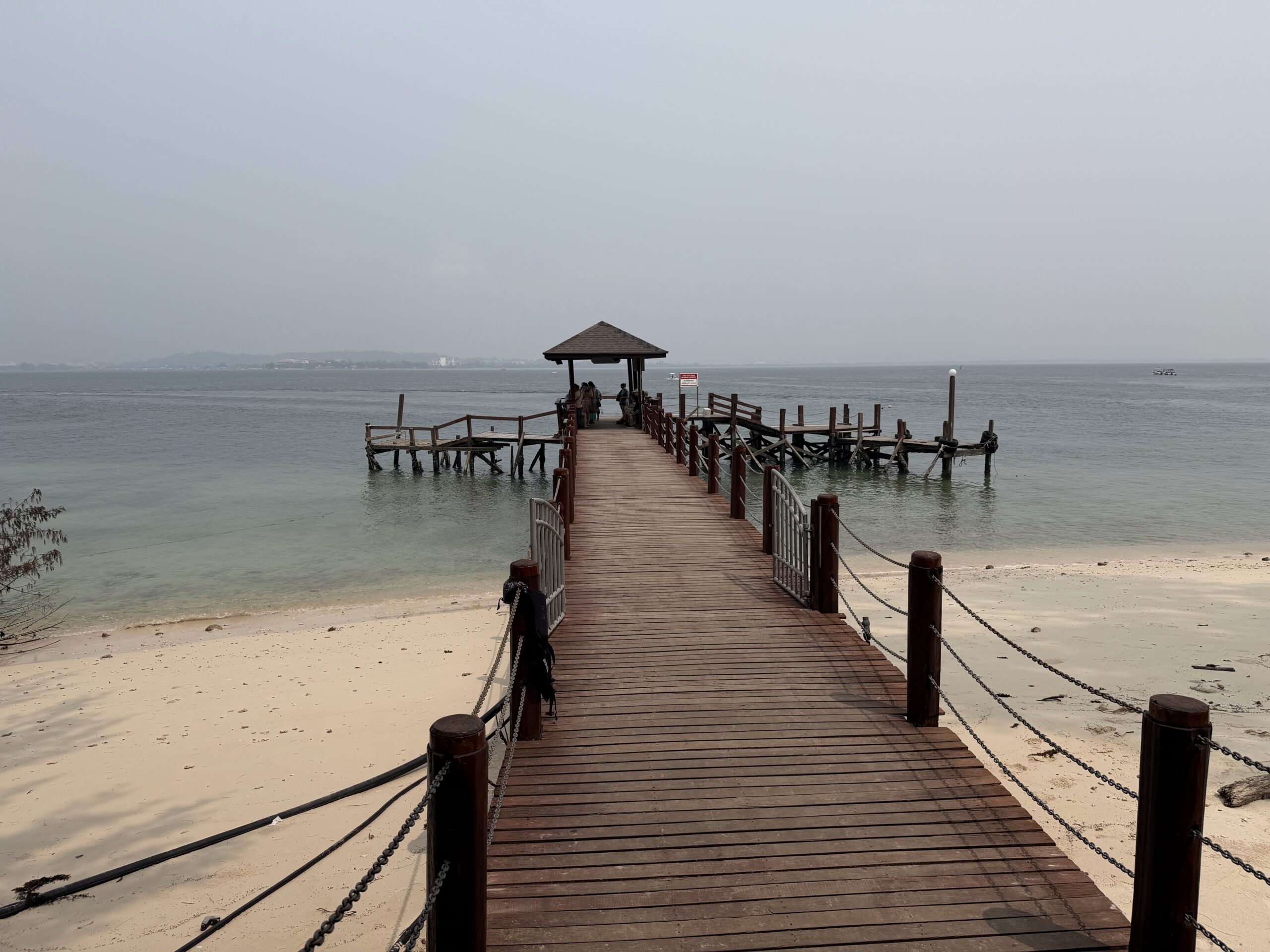
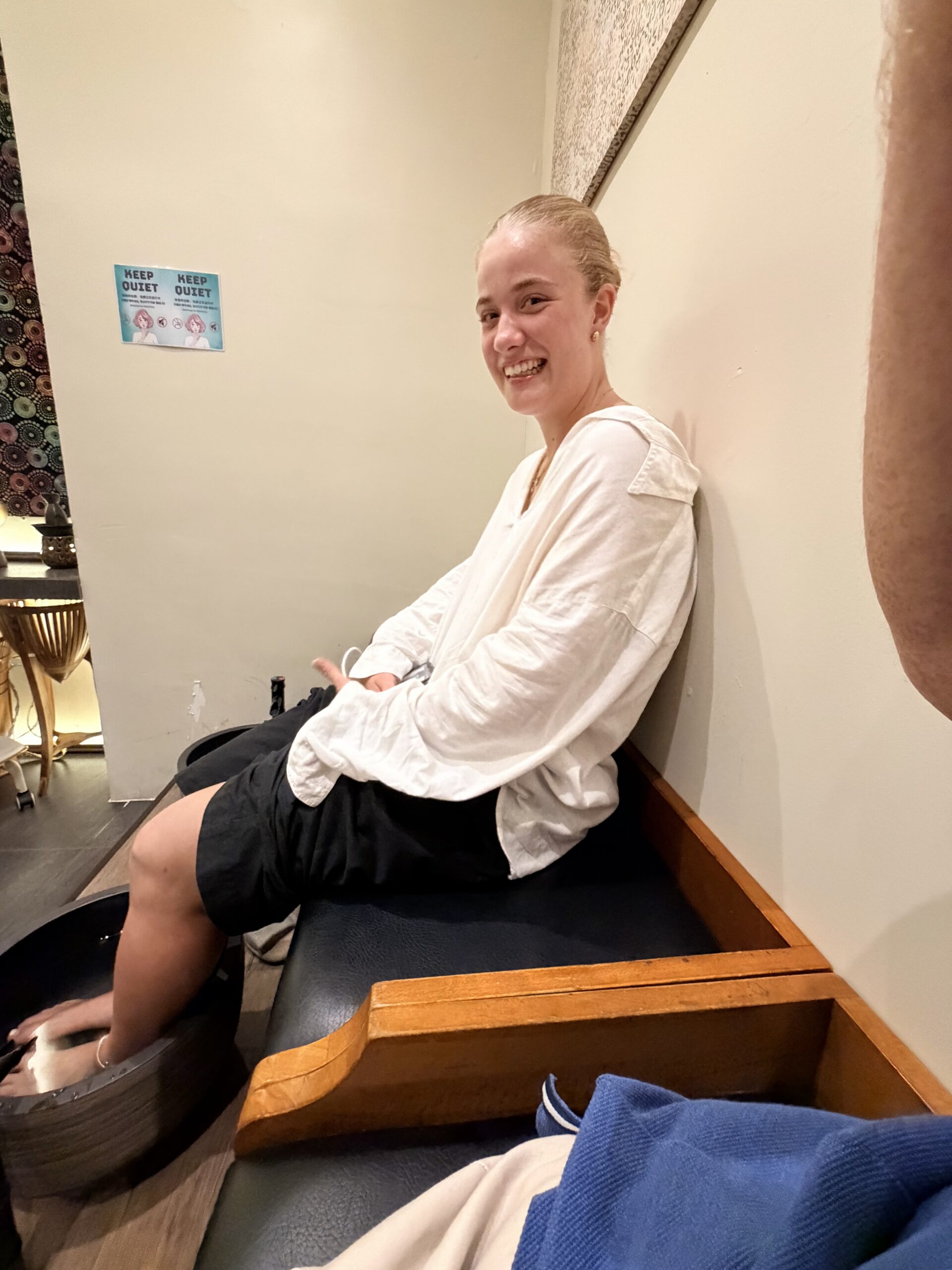
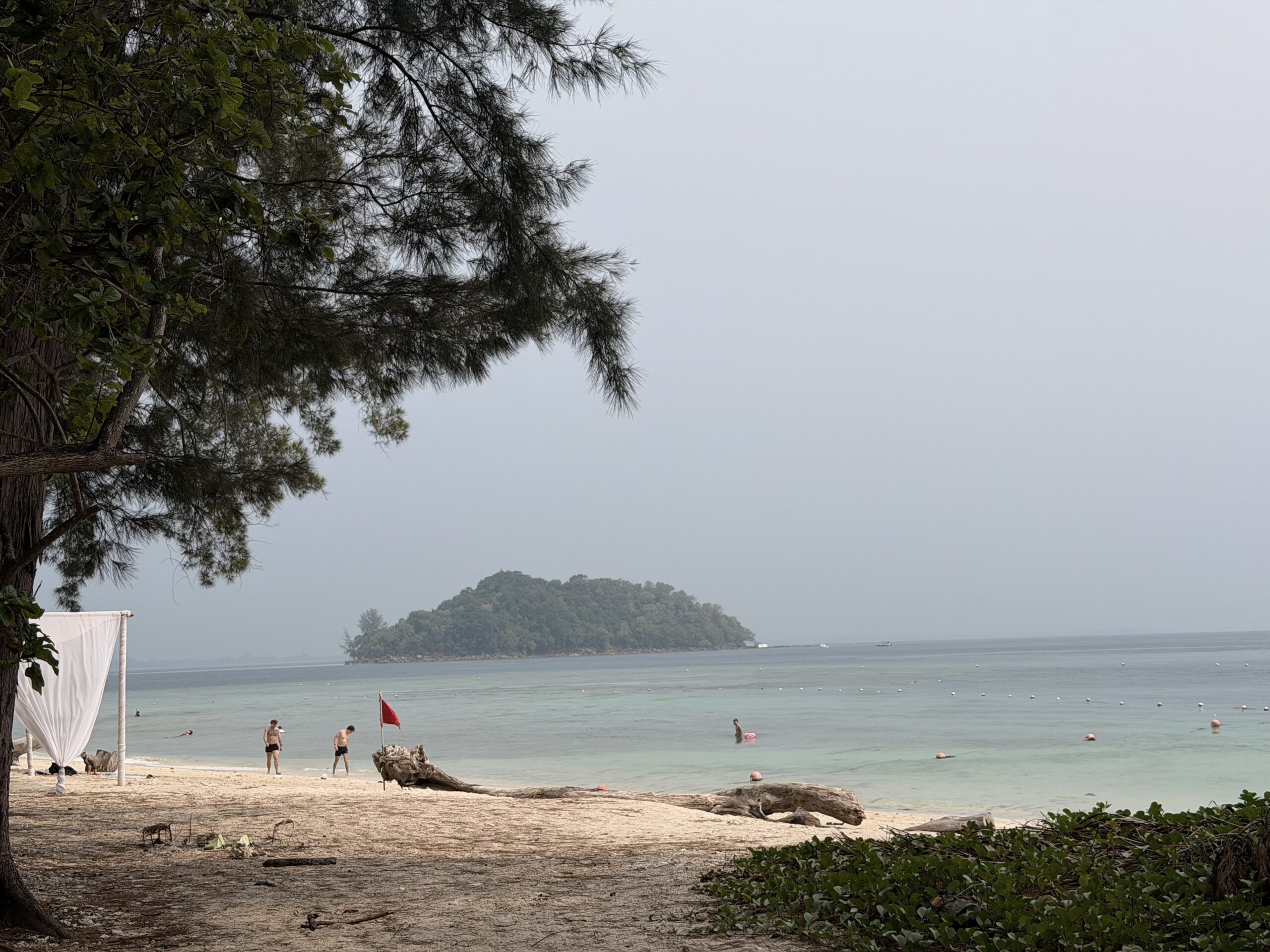
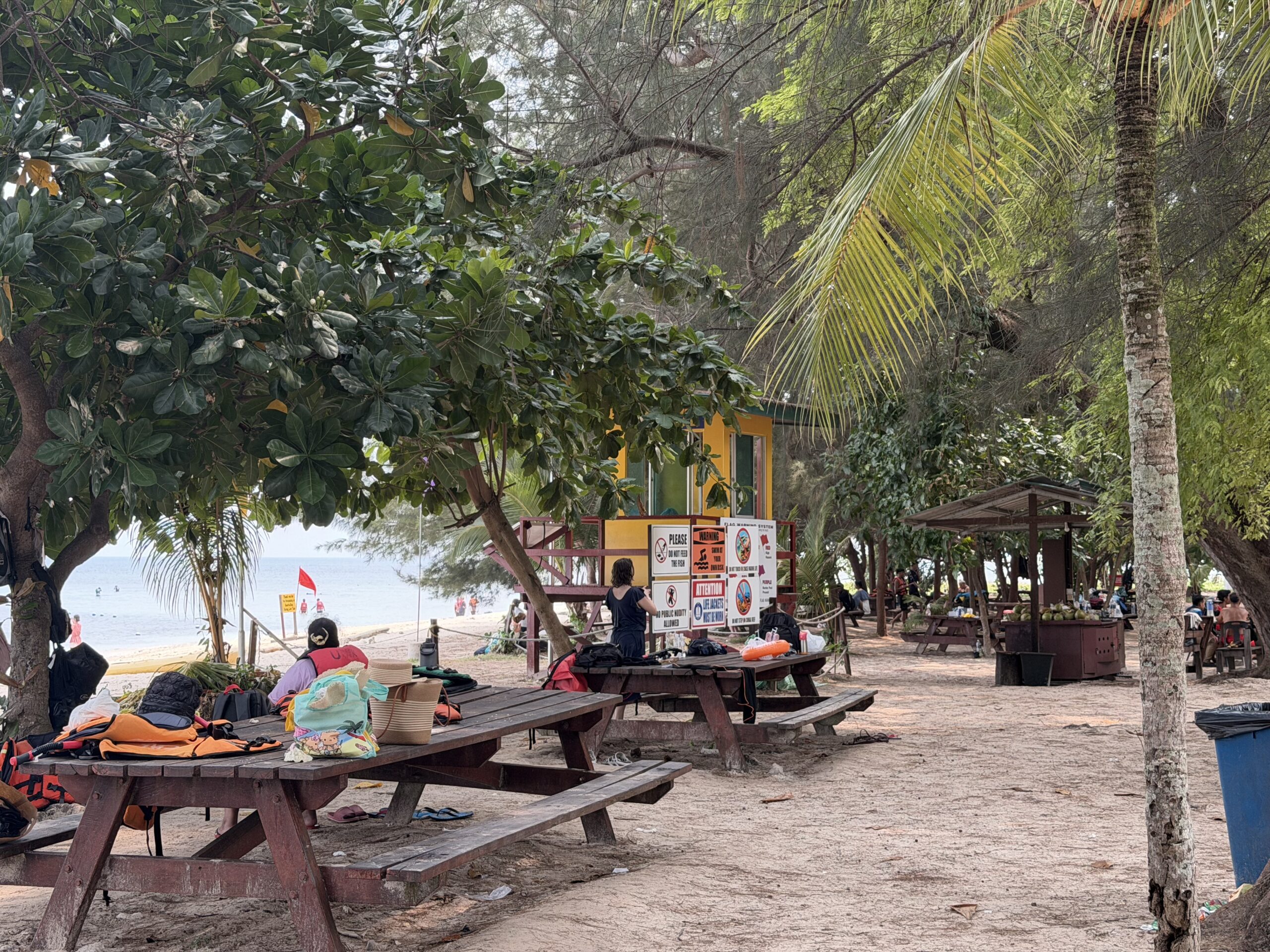
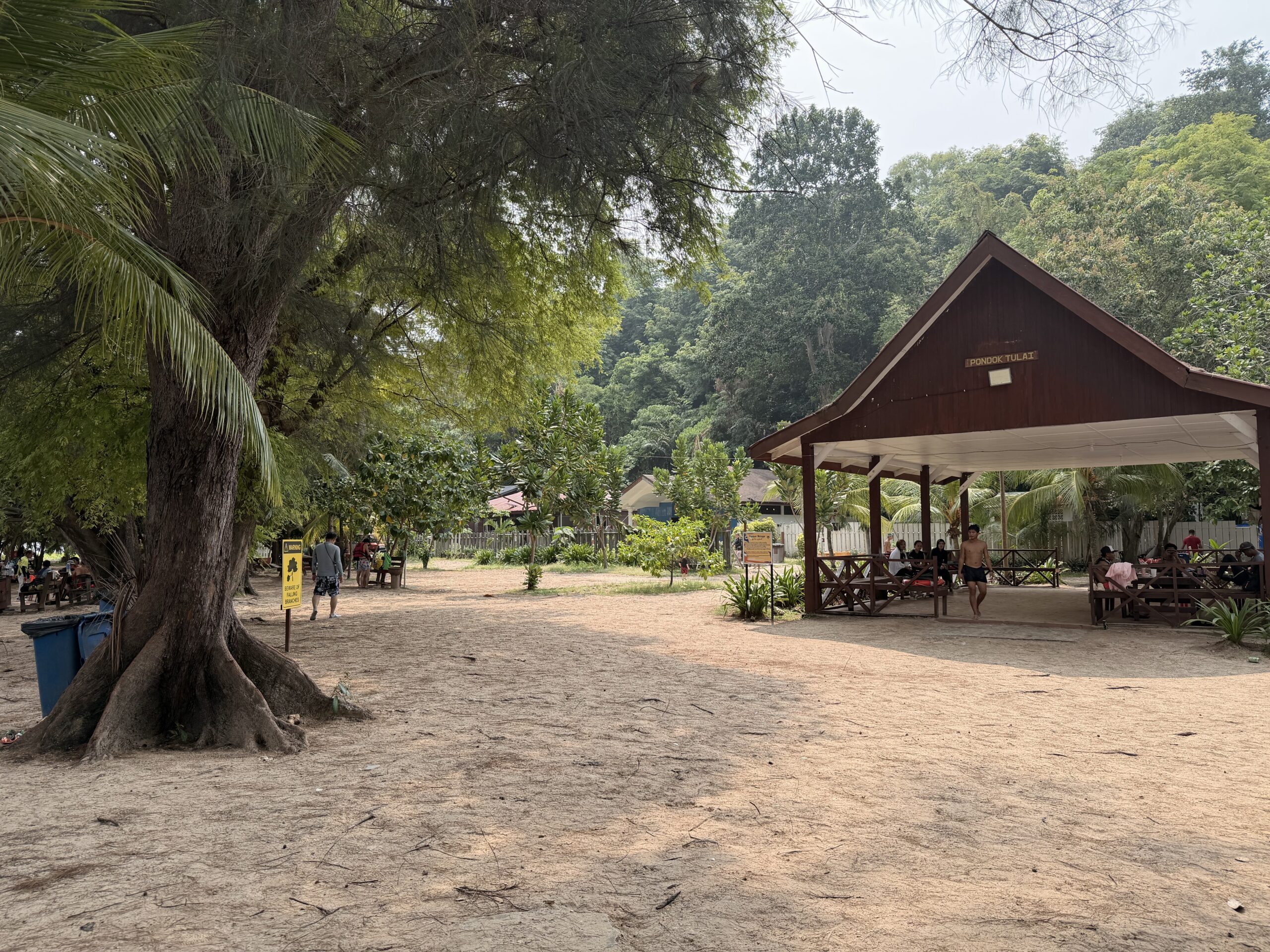
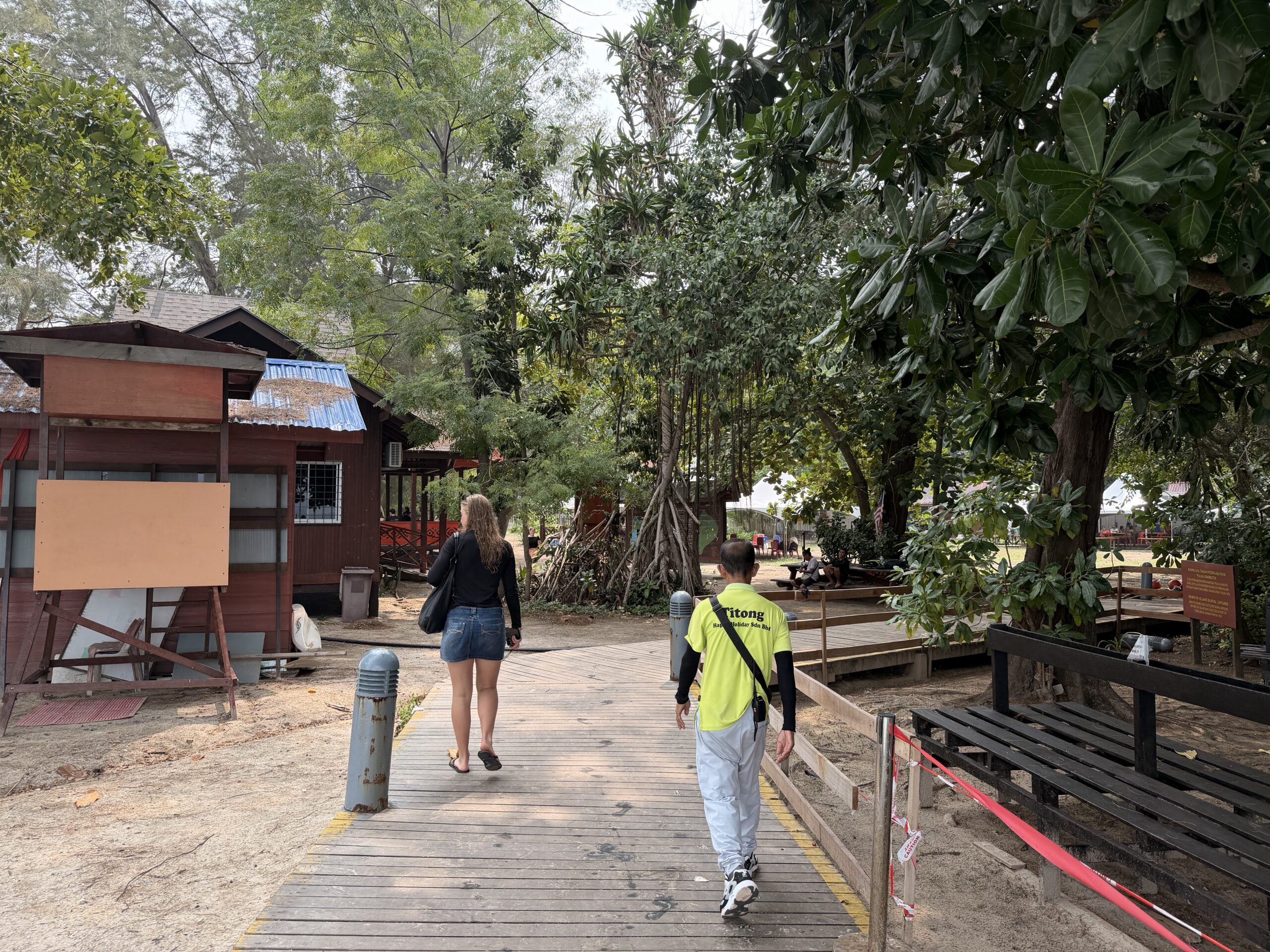
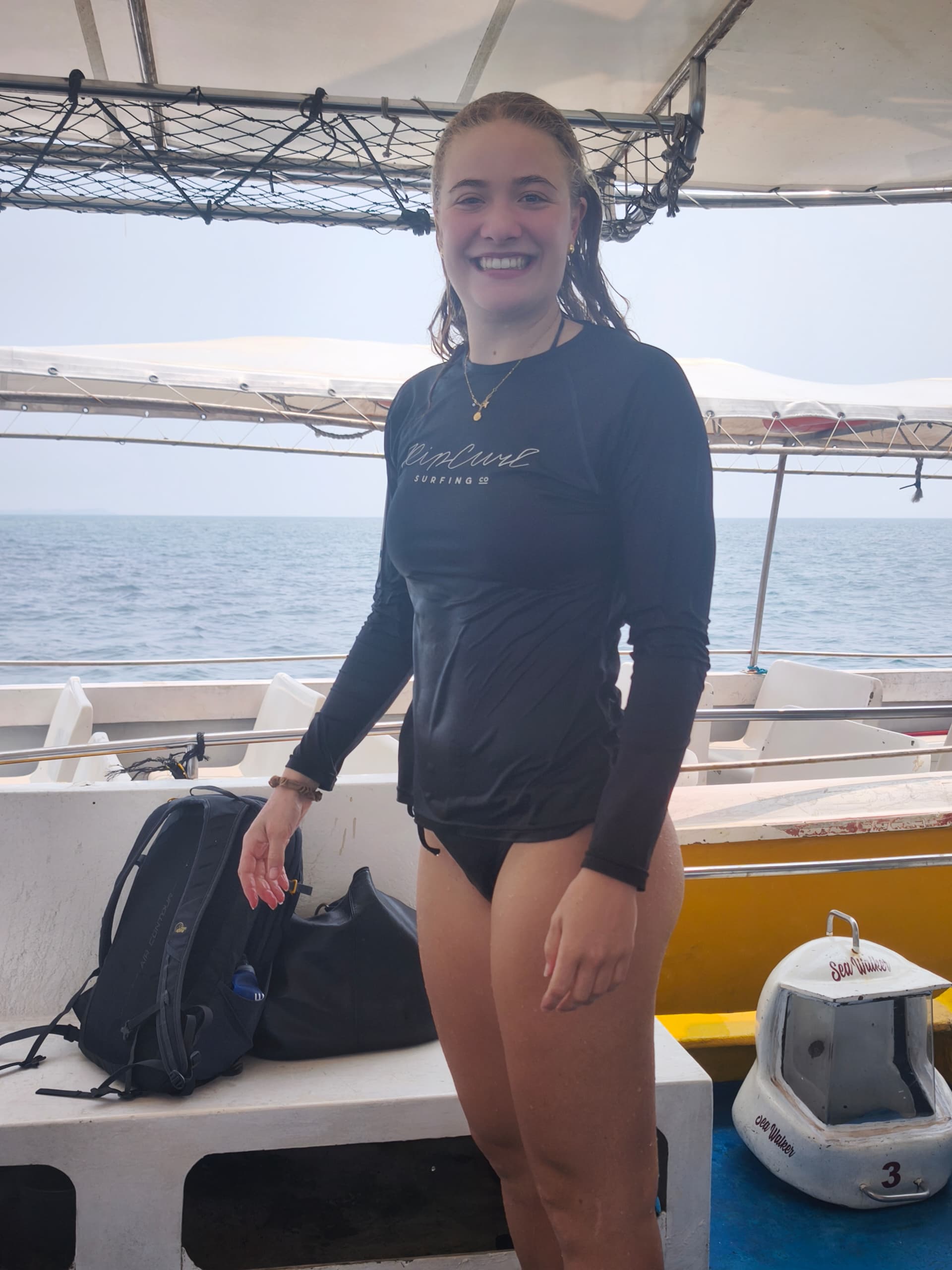
The bext day in Kota Kinabalu we worked out the ferries and decided we had to book a charter. This allowed Rianna to do some scuba diving, before we had briefish vists to a couple of nearby islands. Back at the hotel we felt we had earned a massage each from our mount climbing, only to find they were more painful then regenerative.
Hunt for the Rafflesia Flower
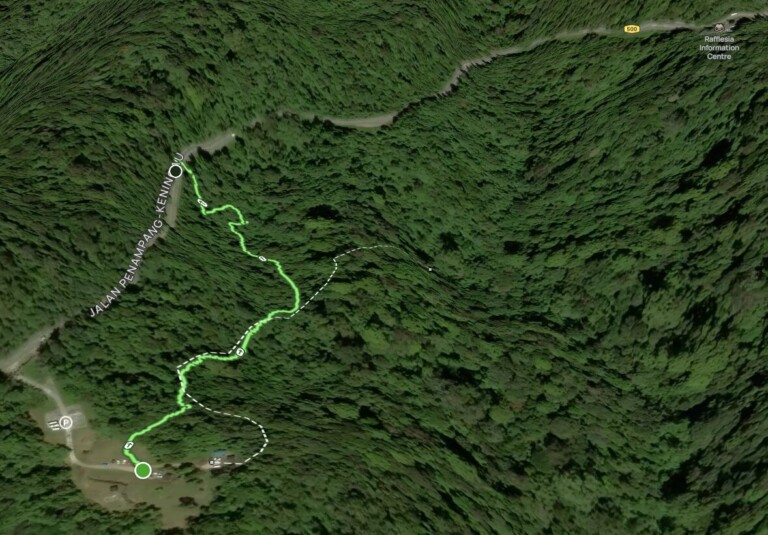
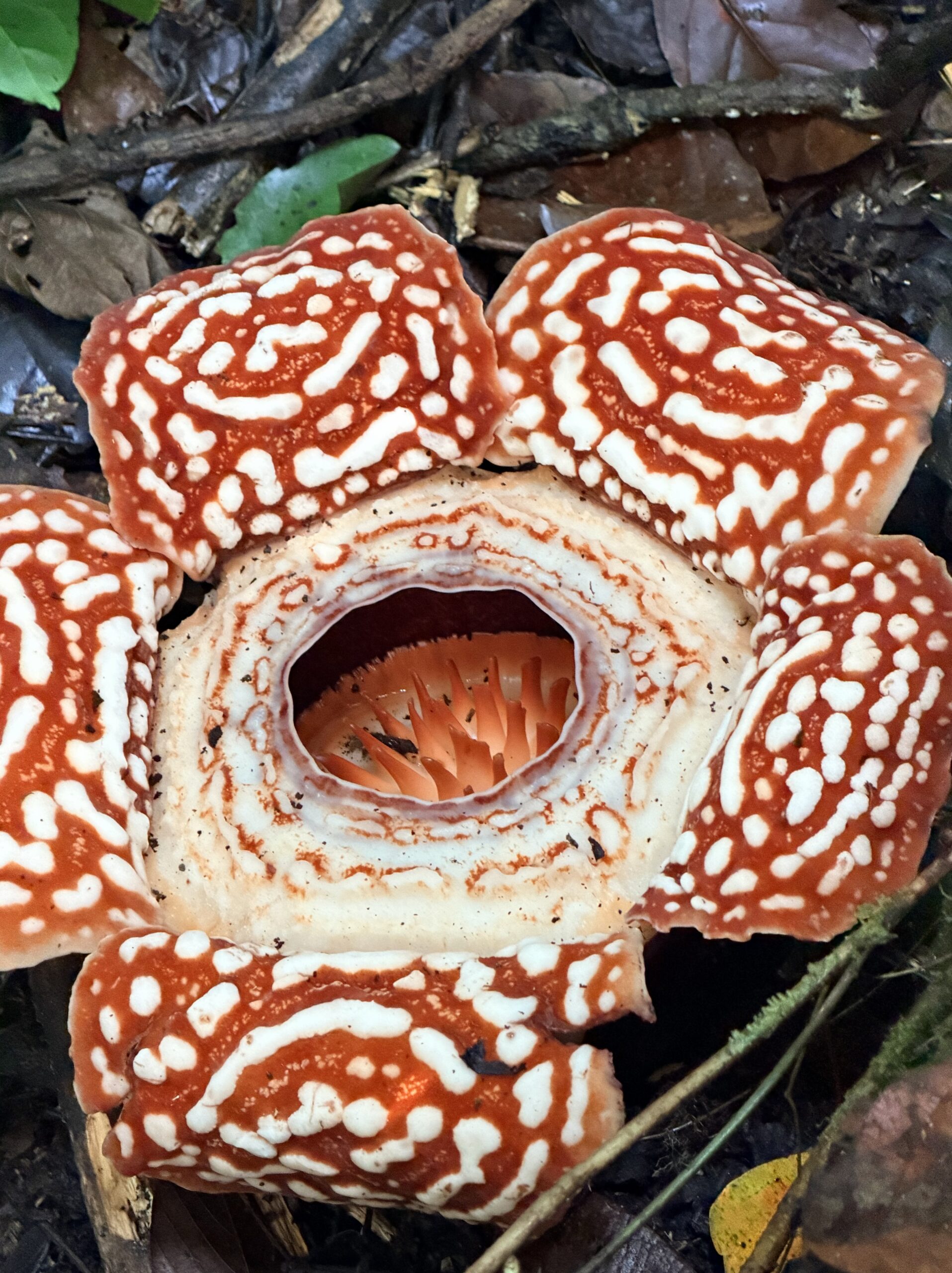
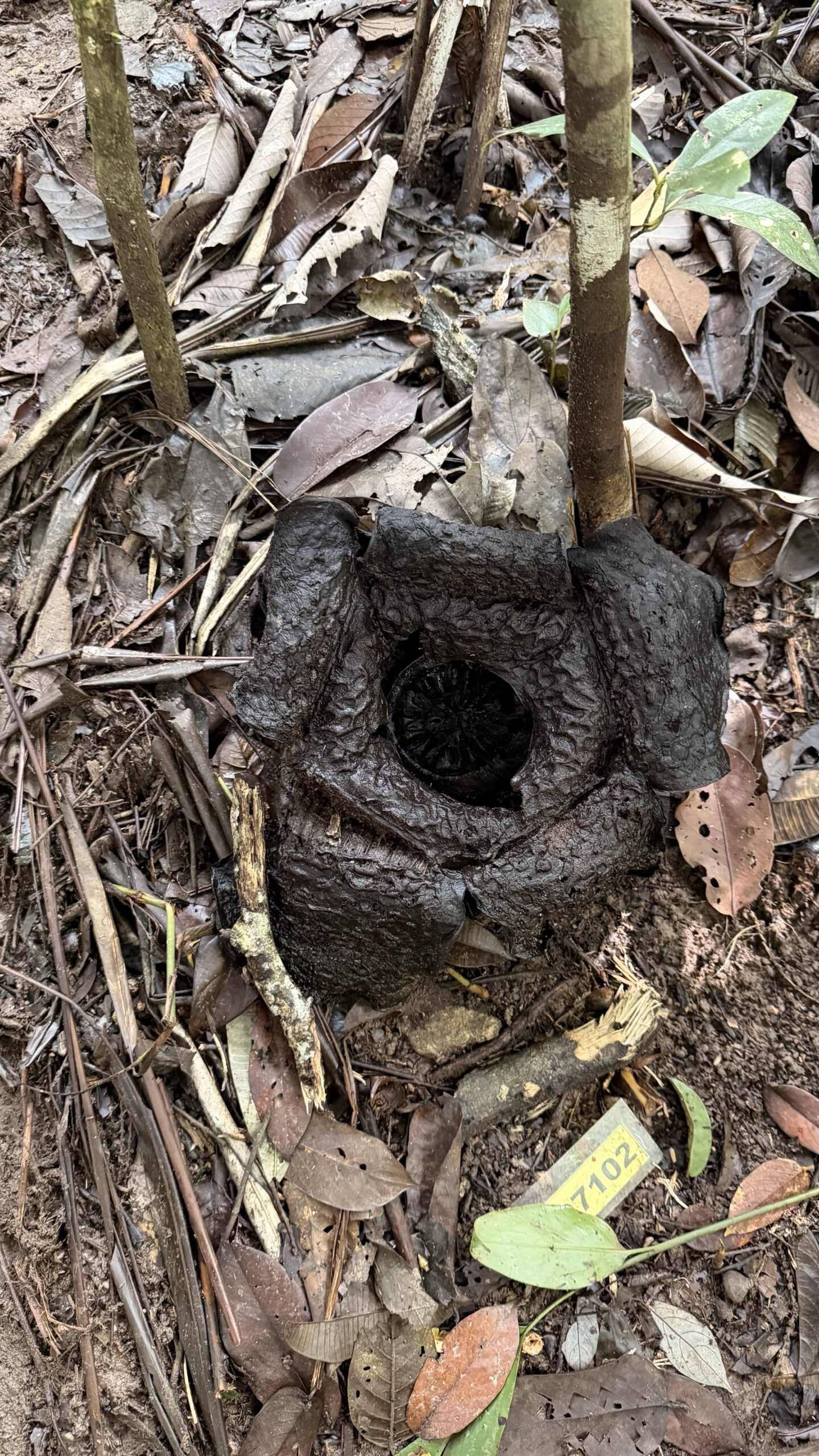
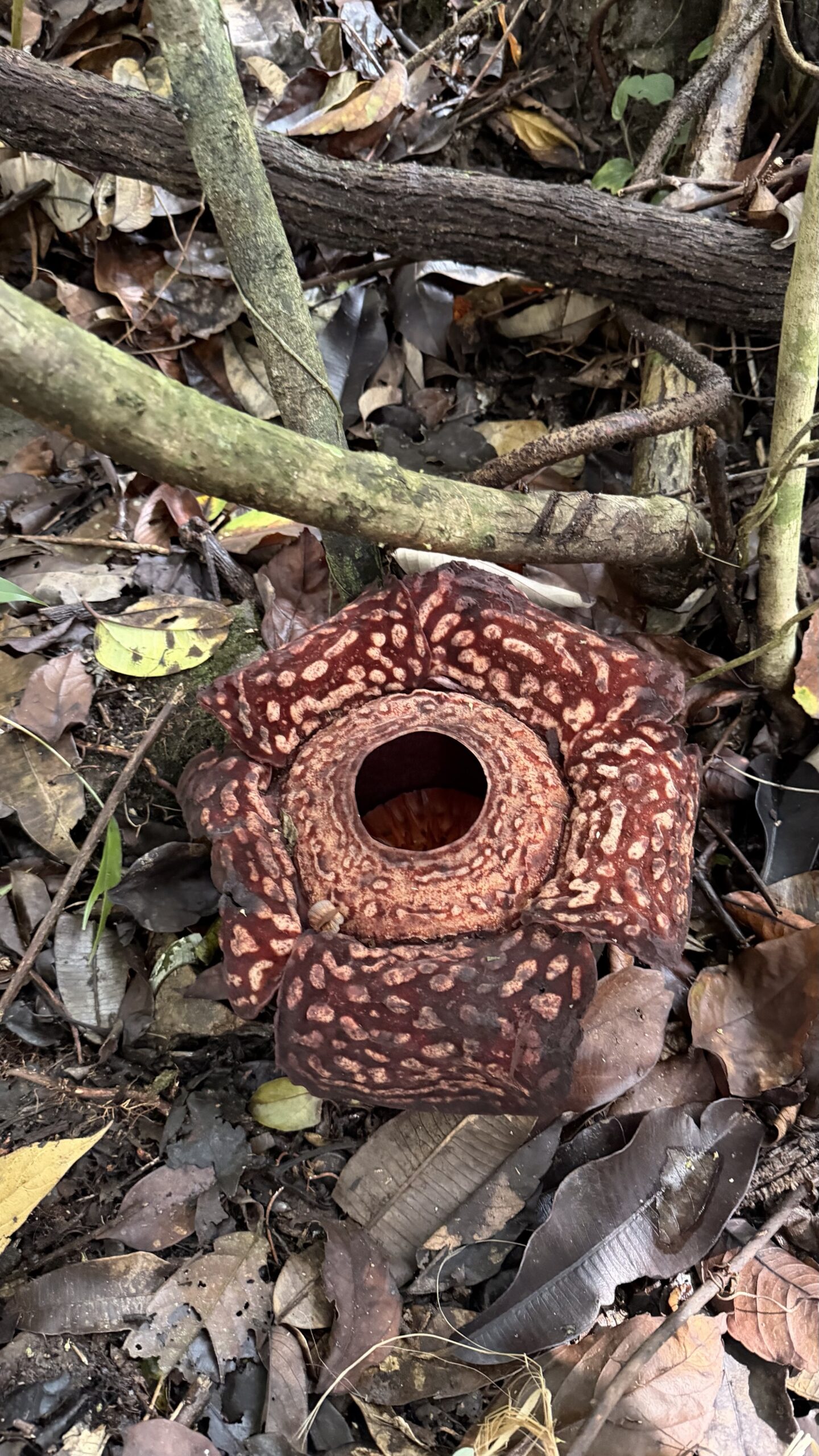
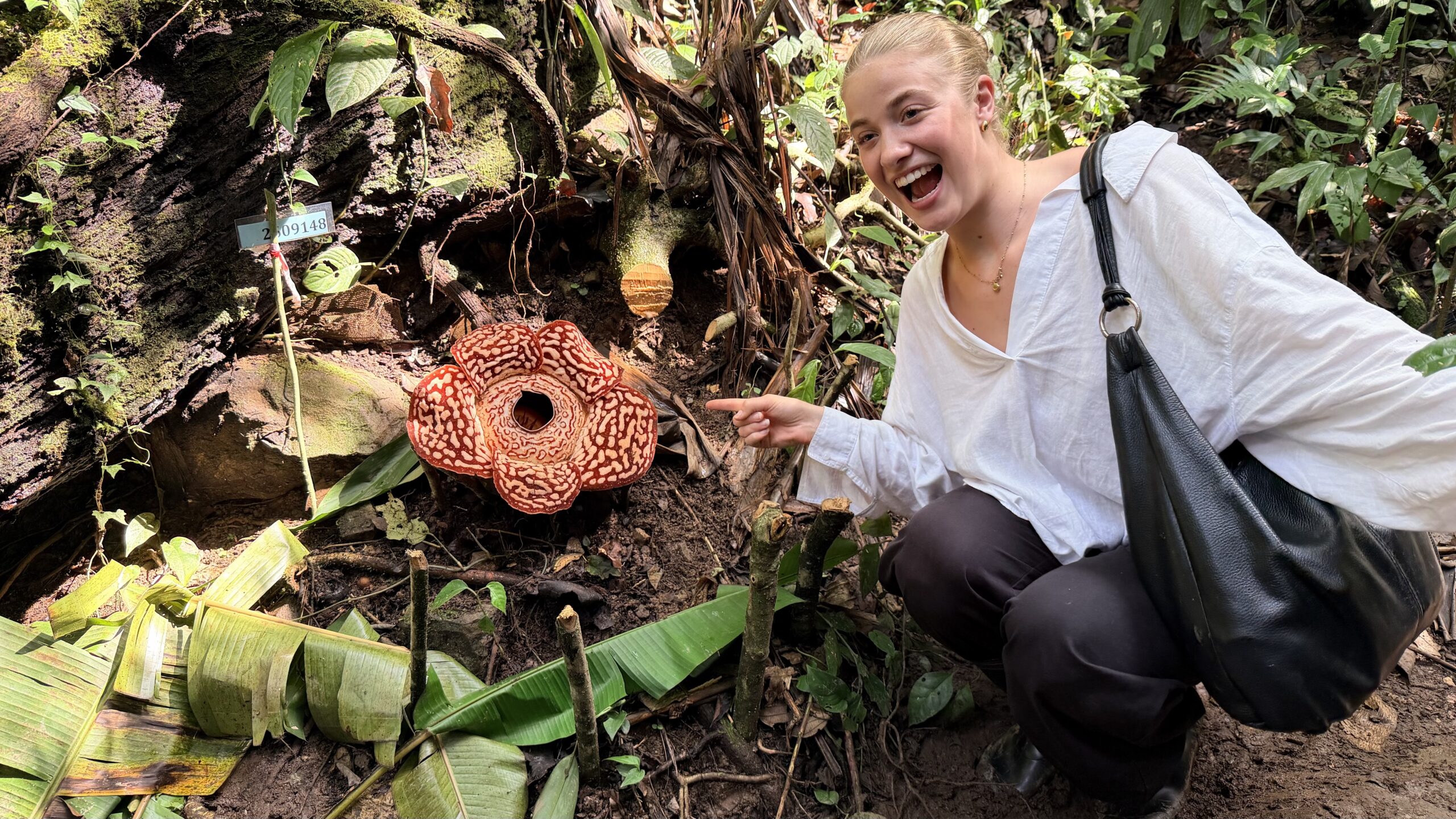
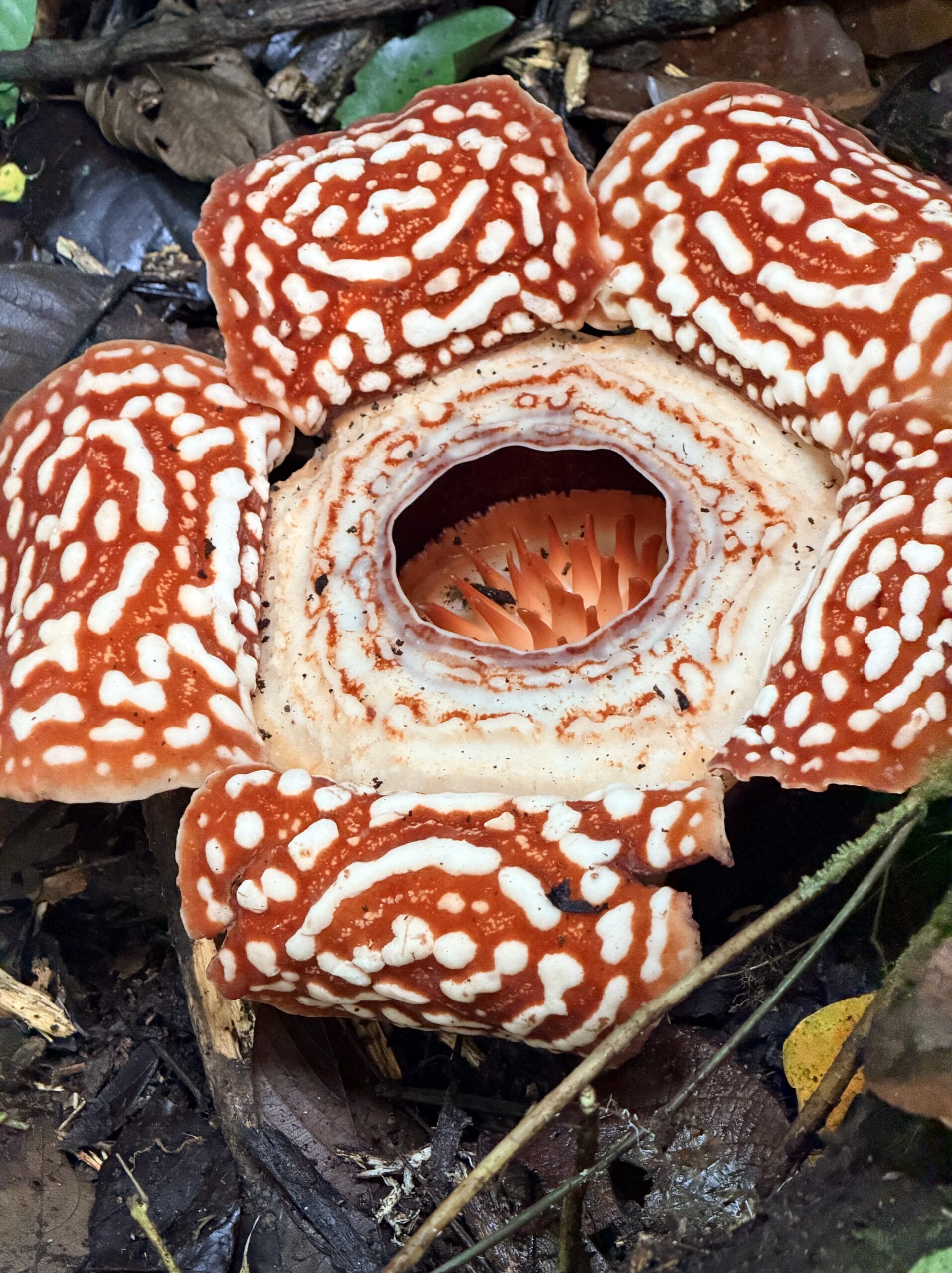
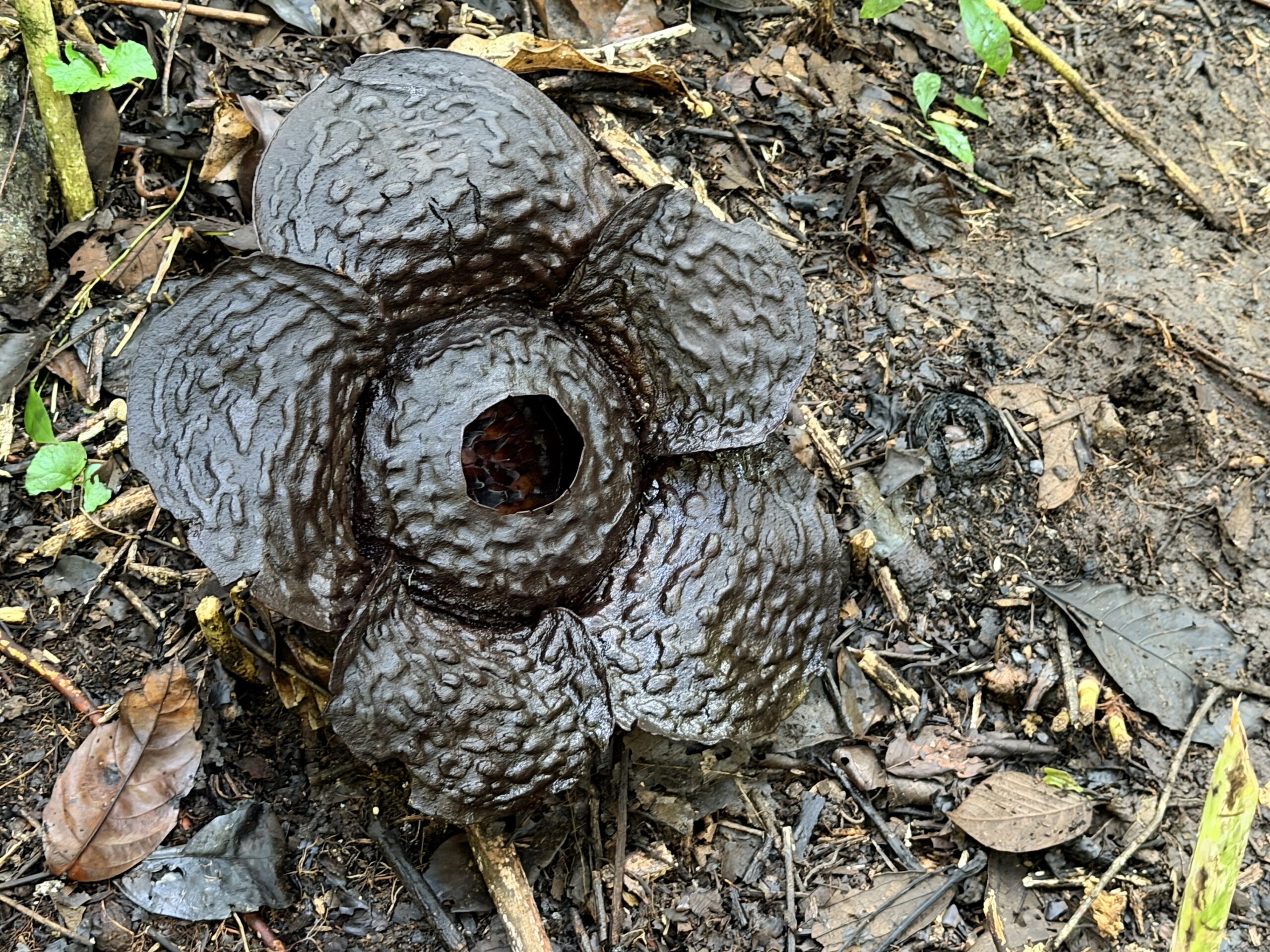
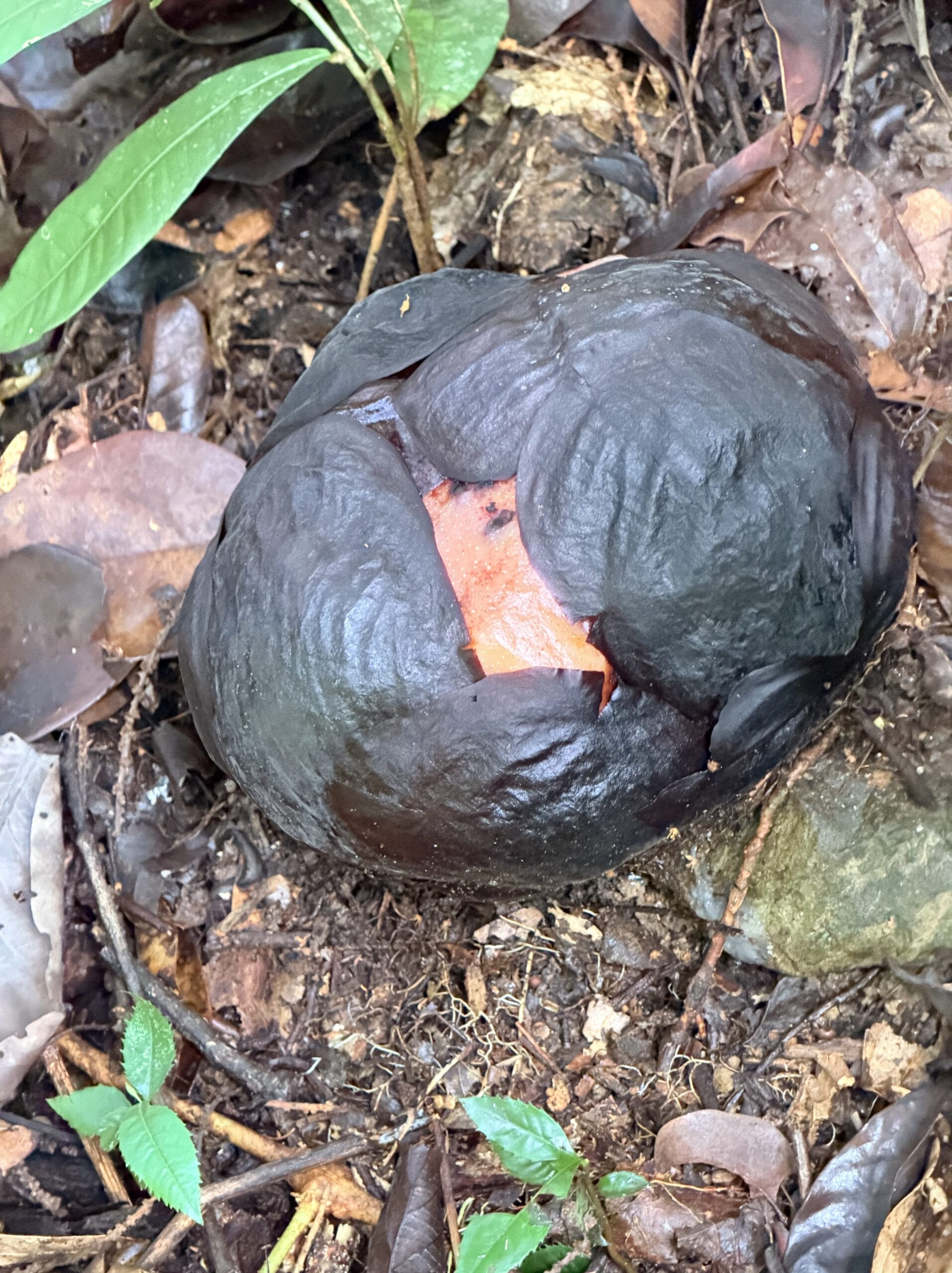
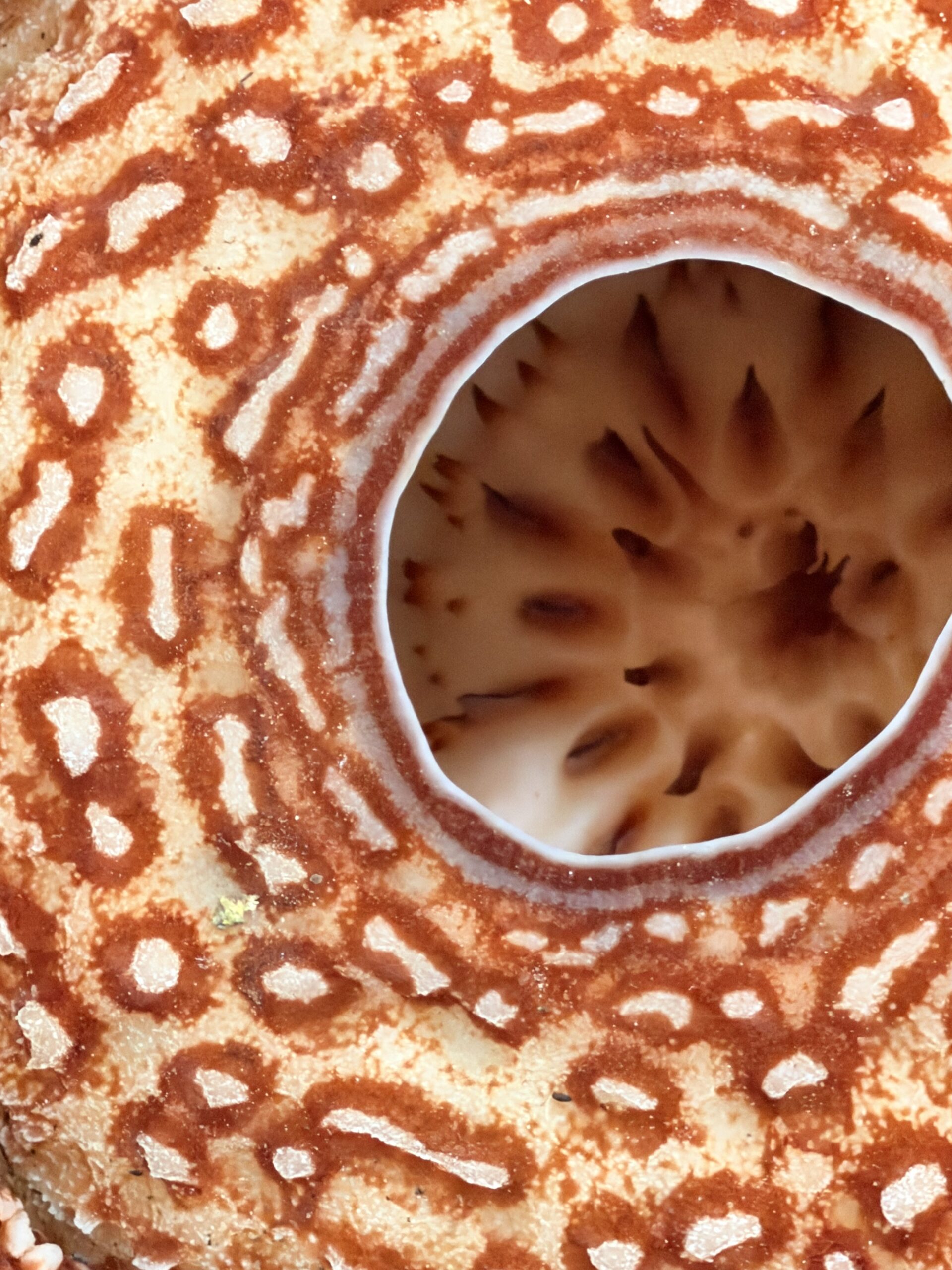
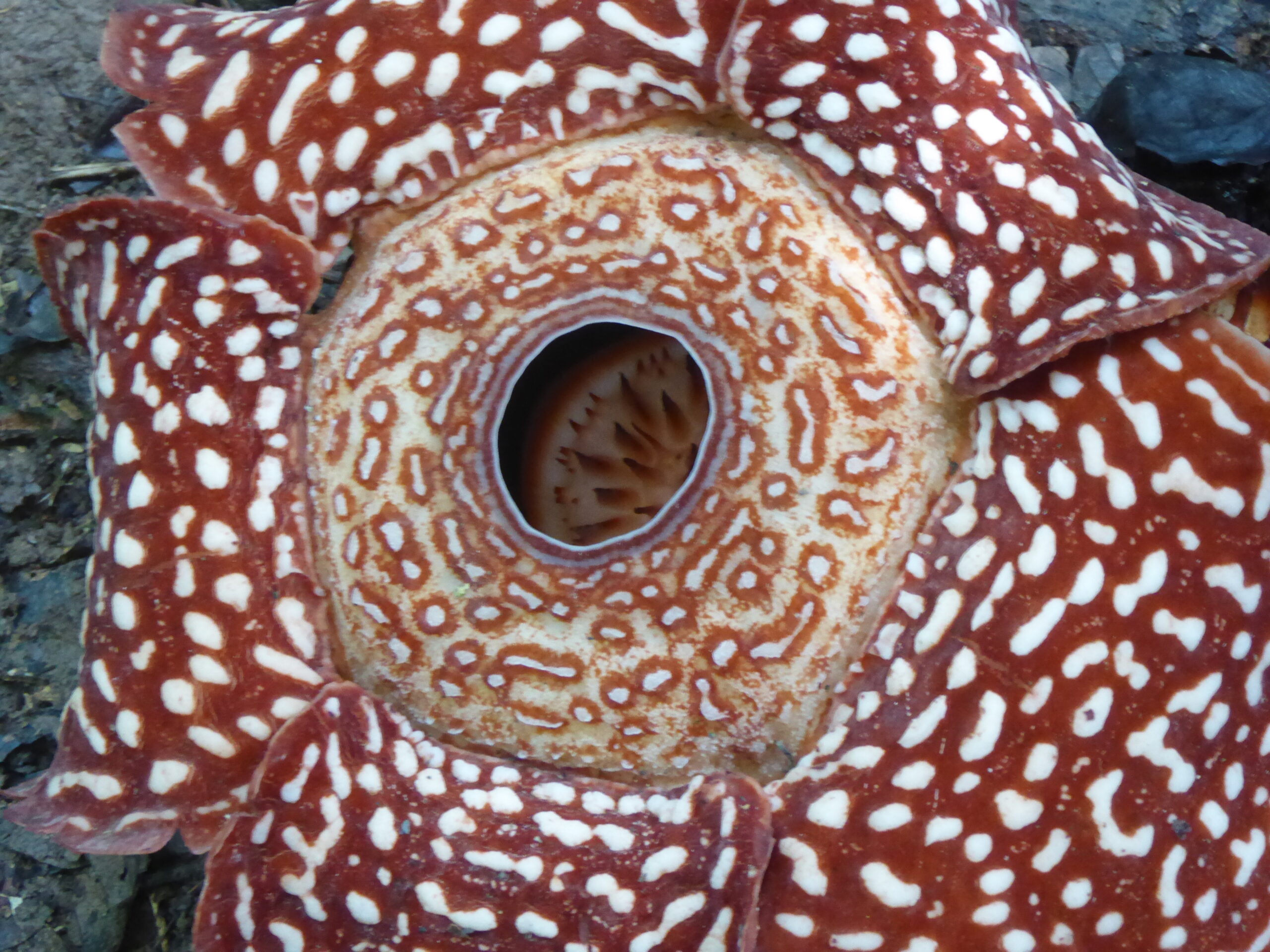
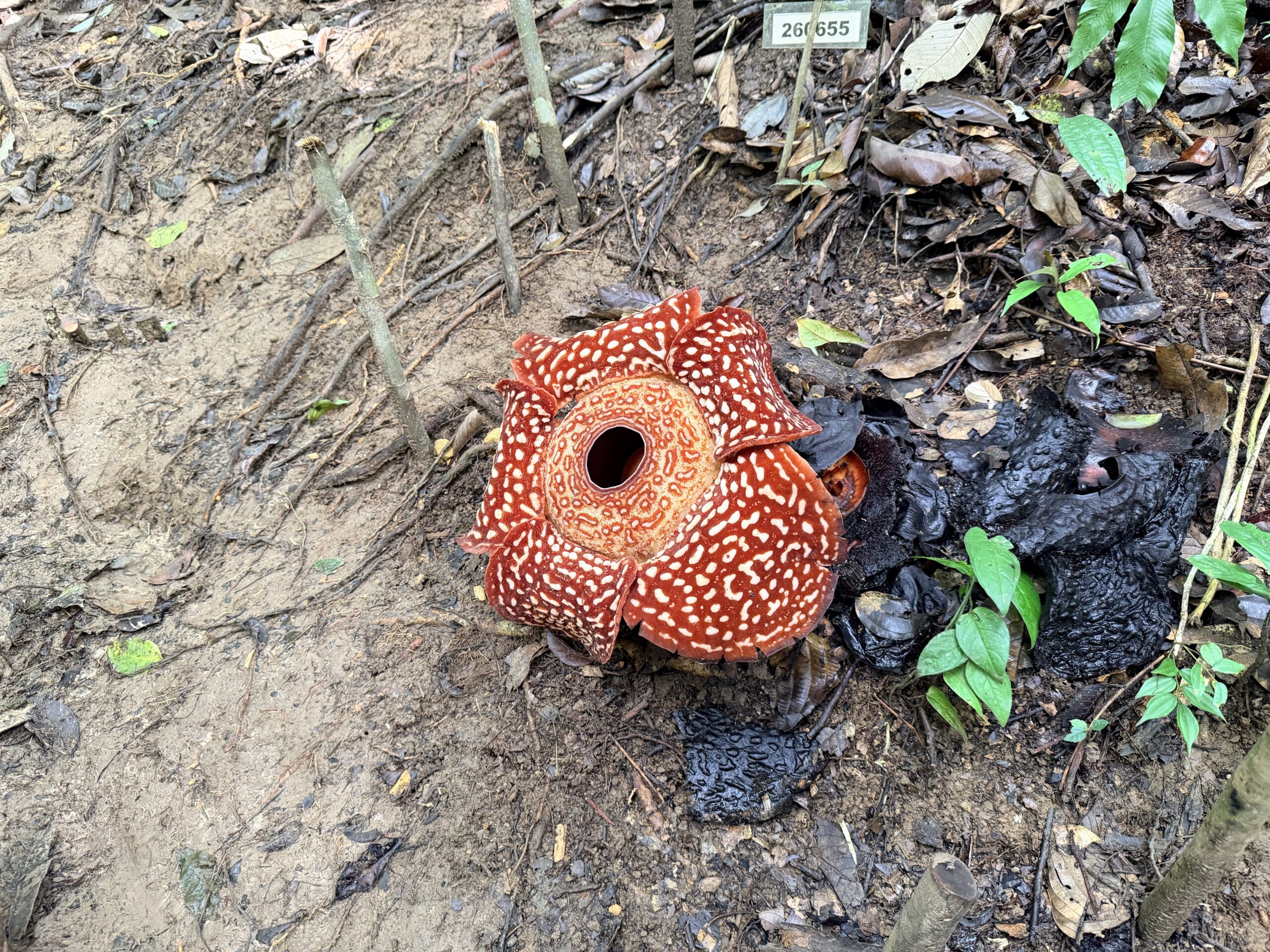
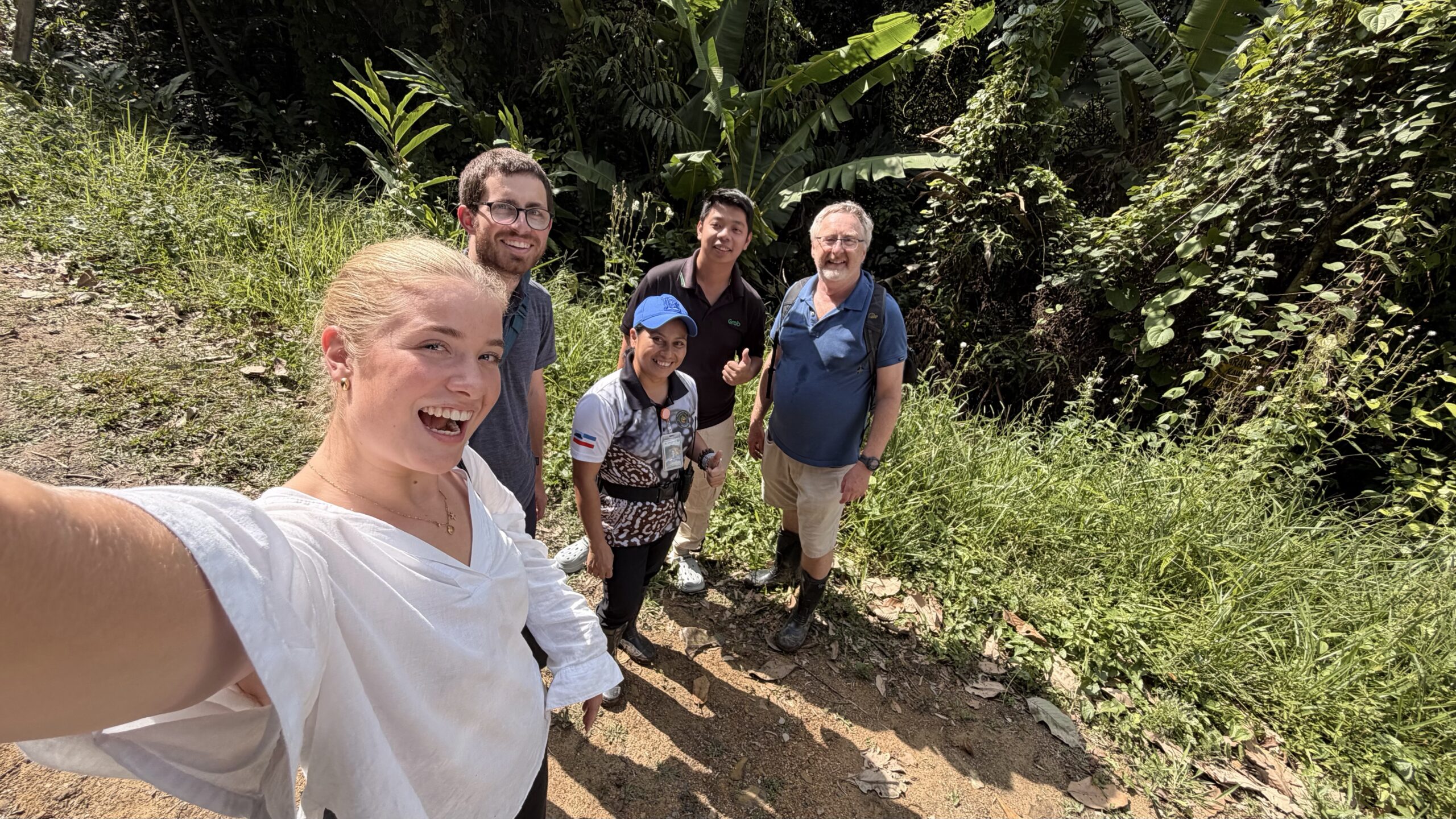
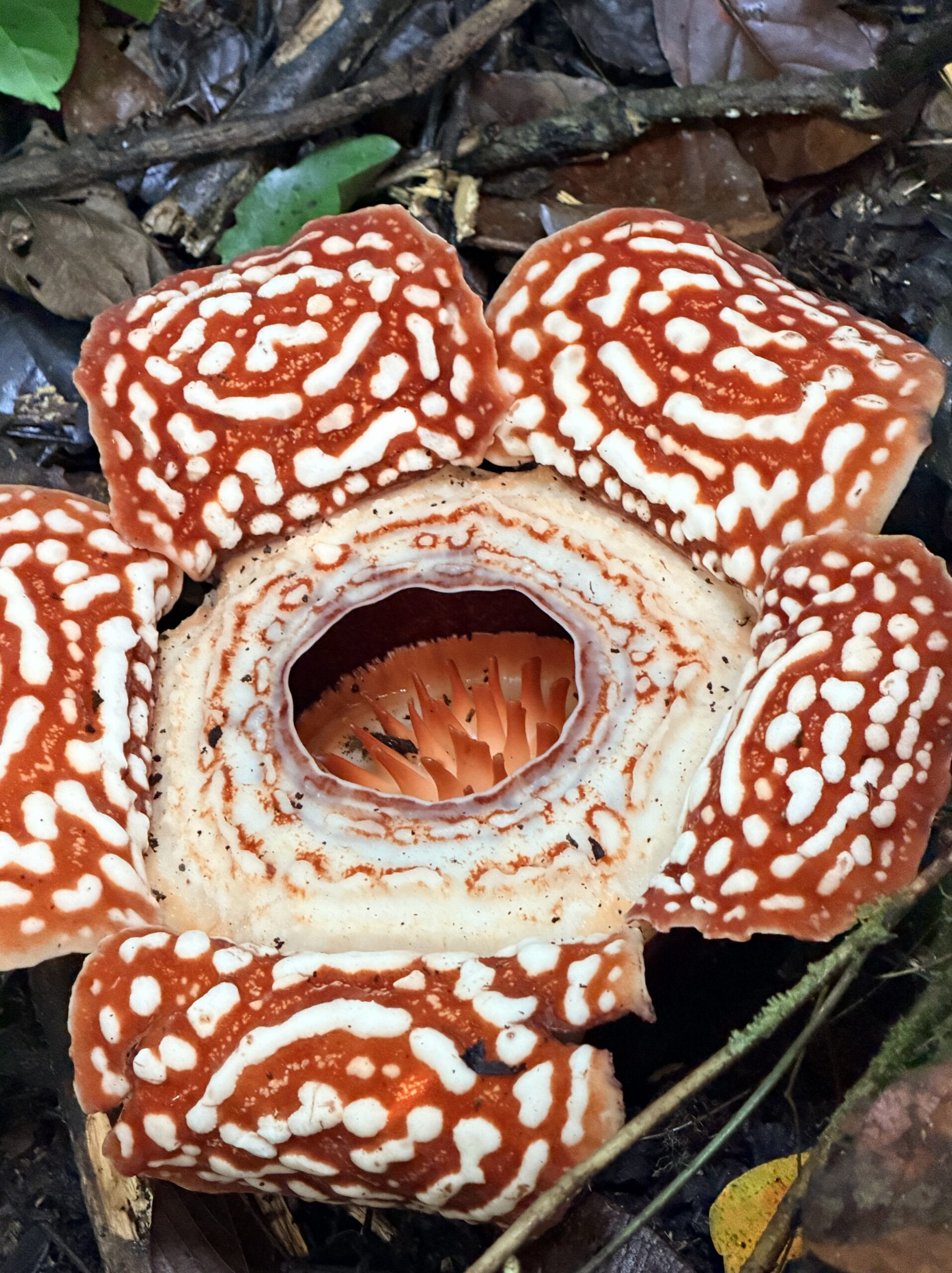
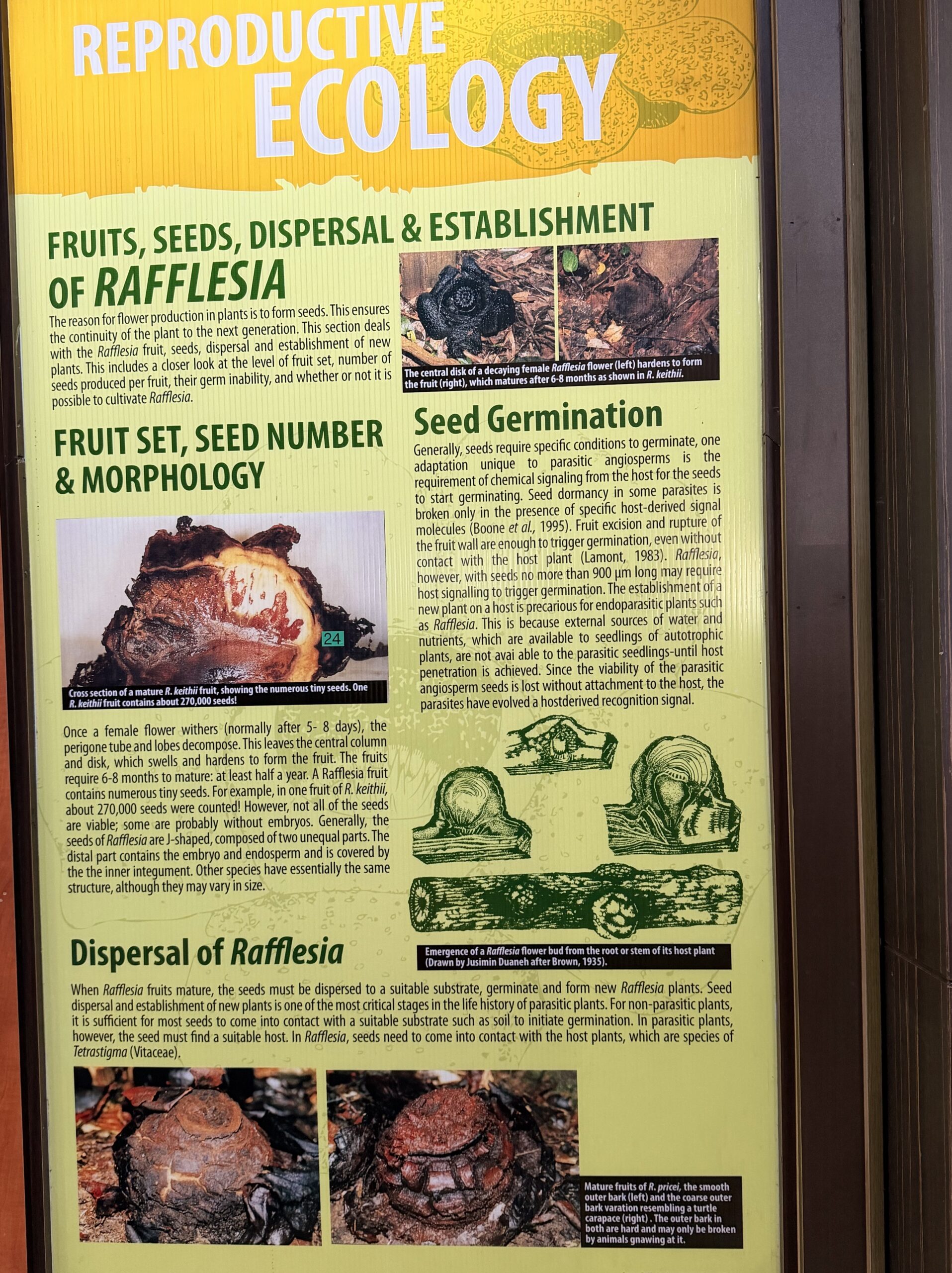
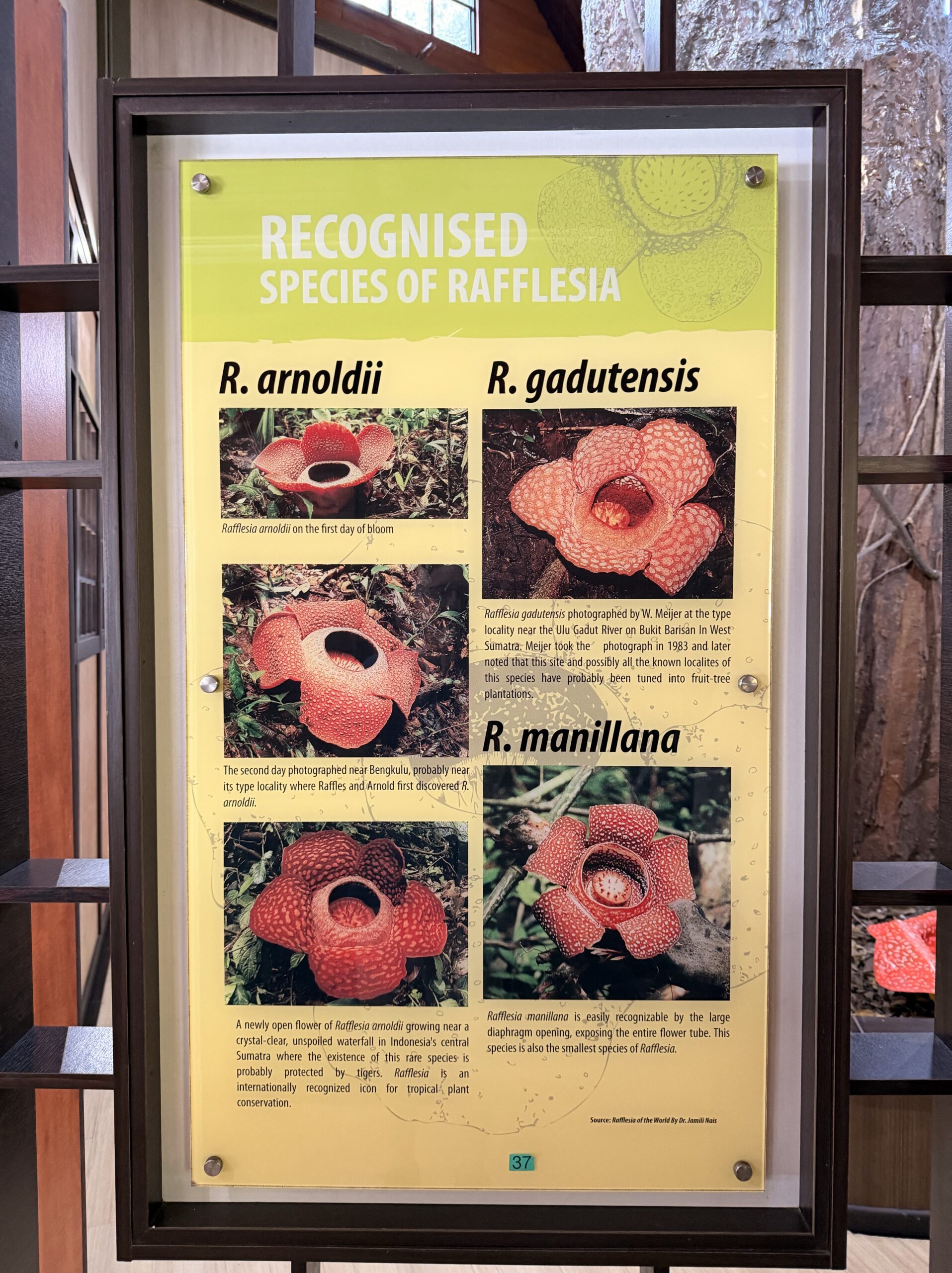
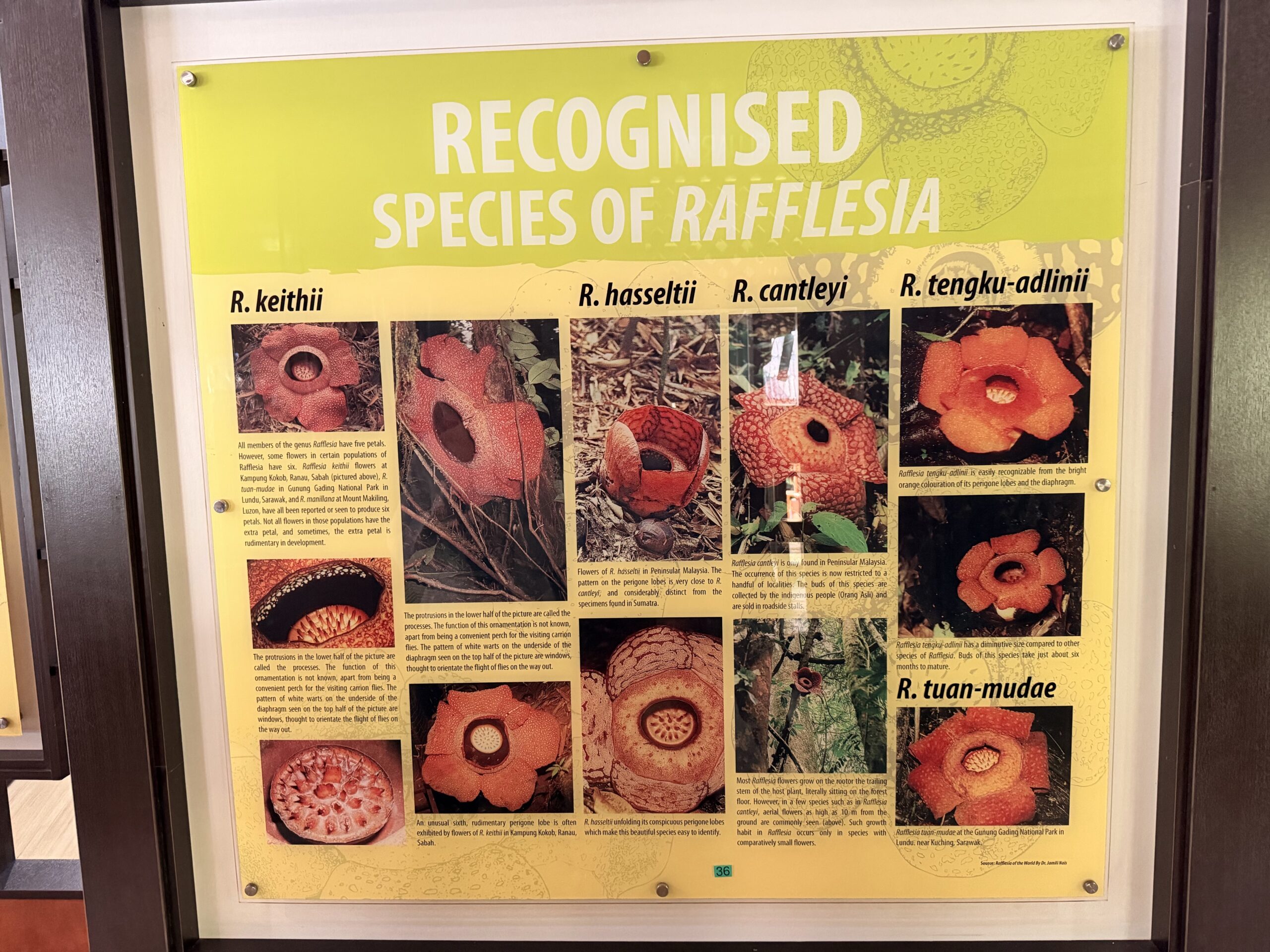
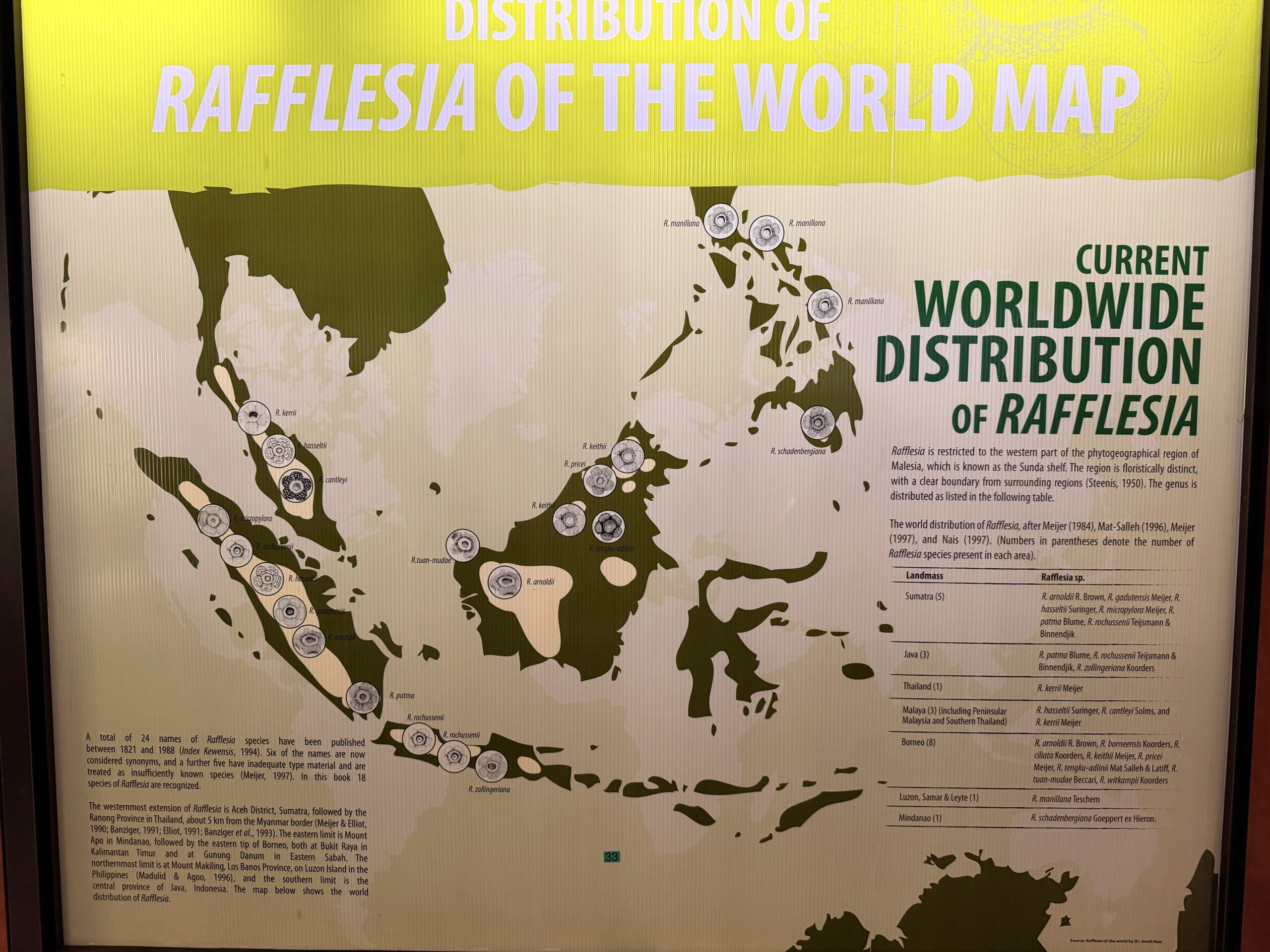
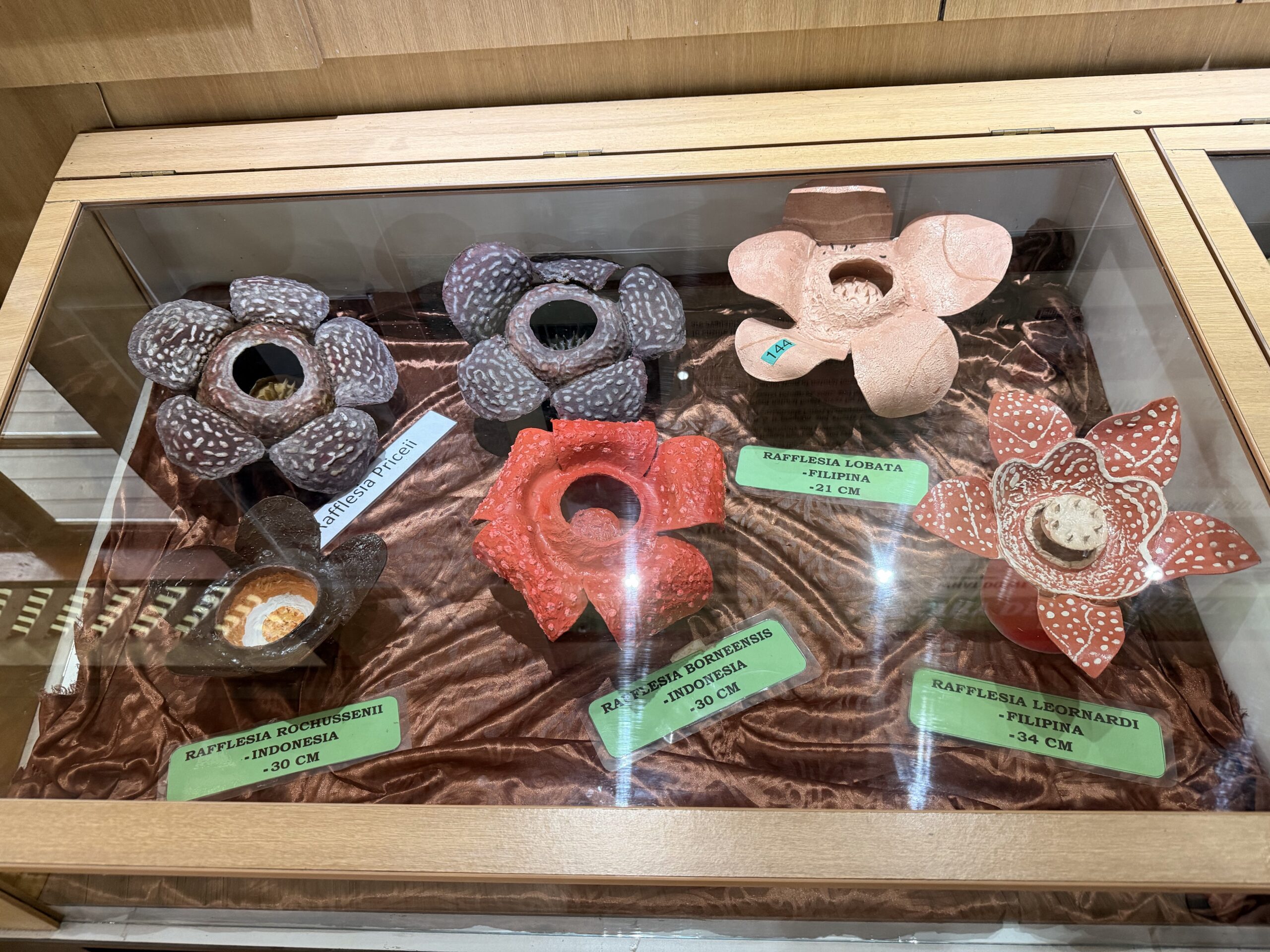
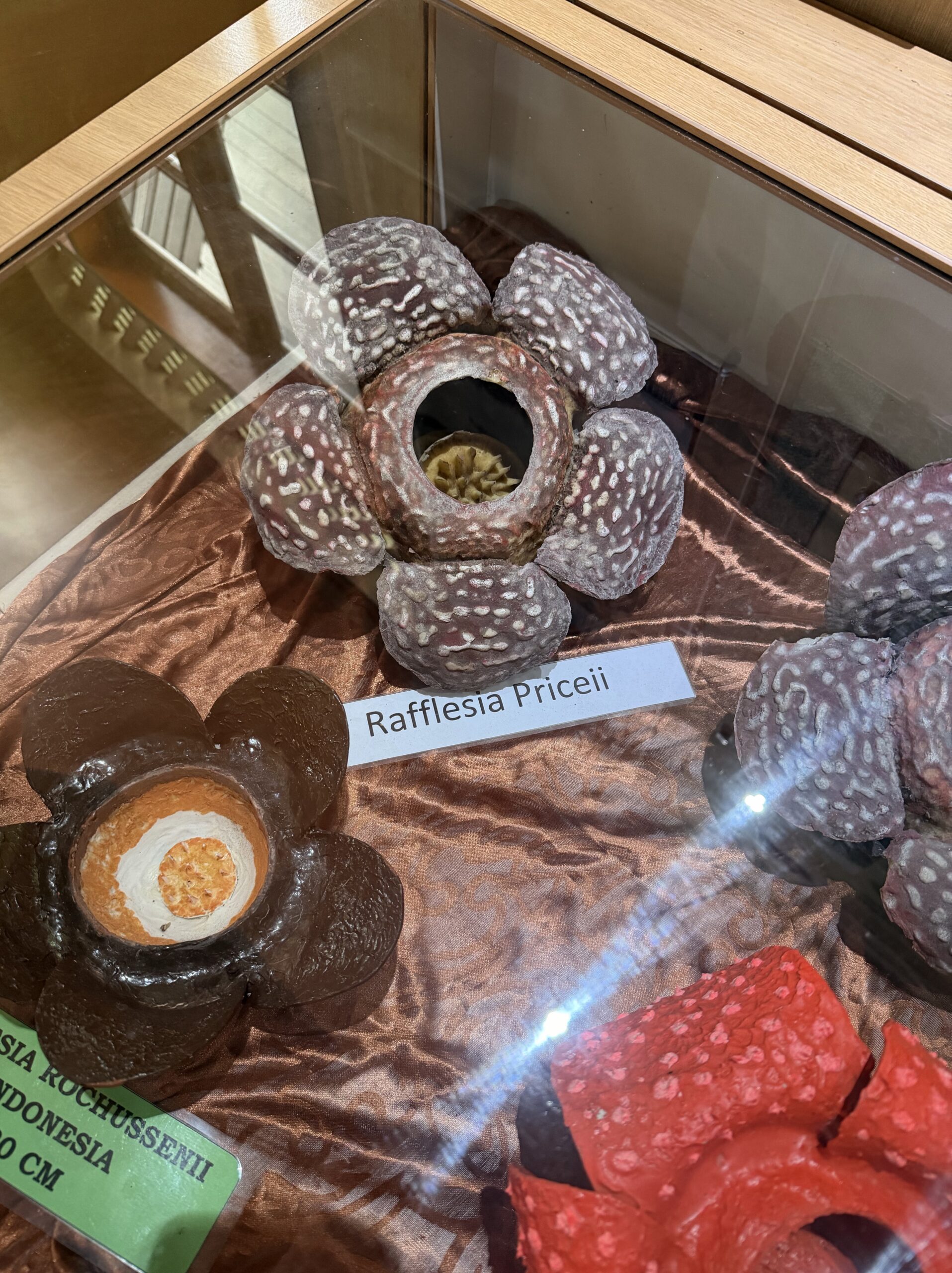
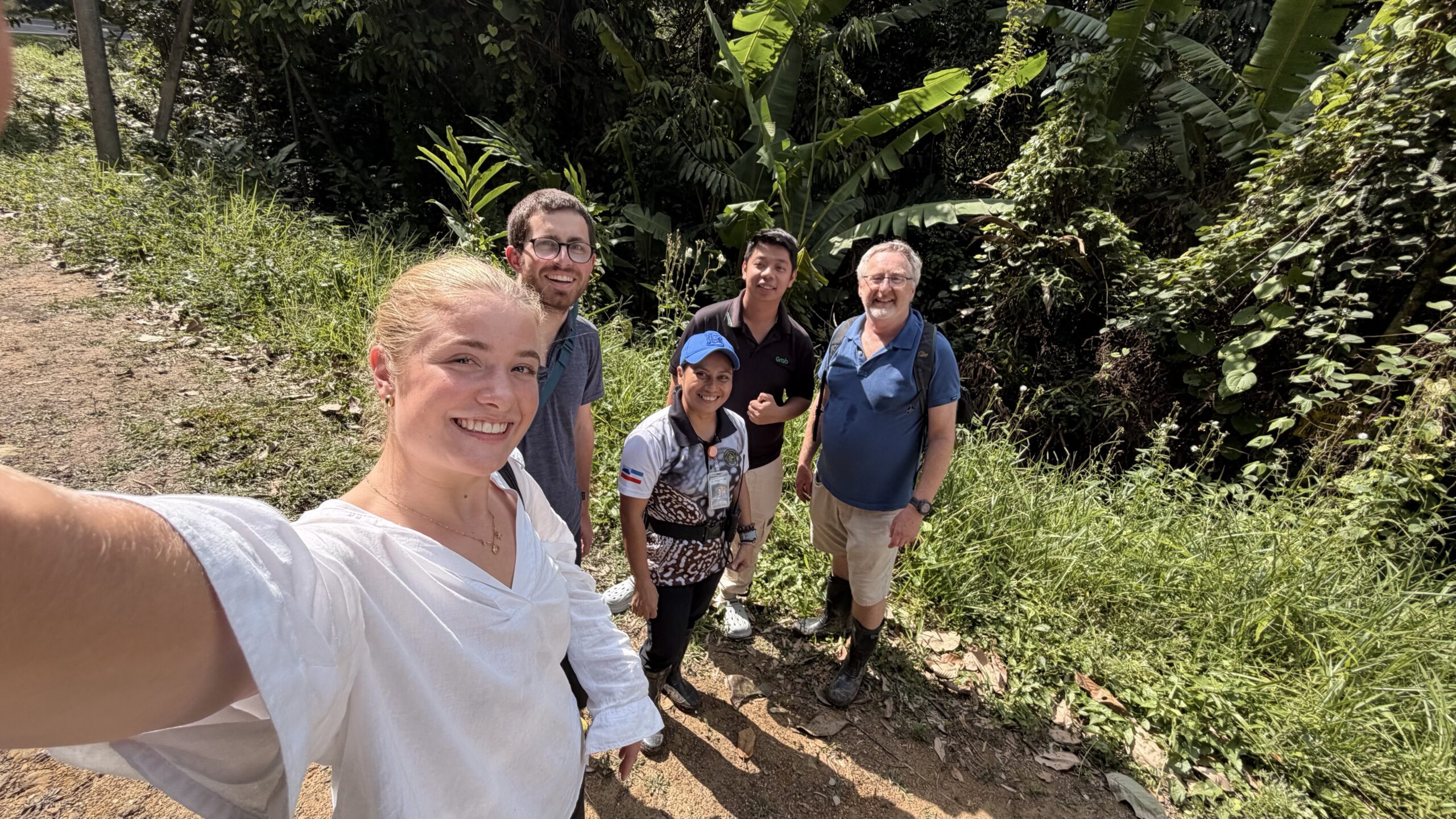
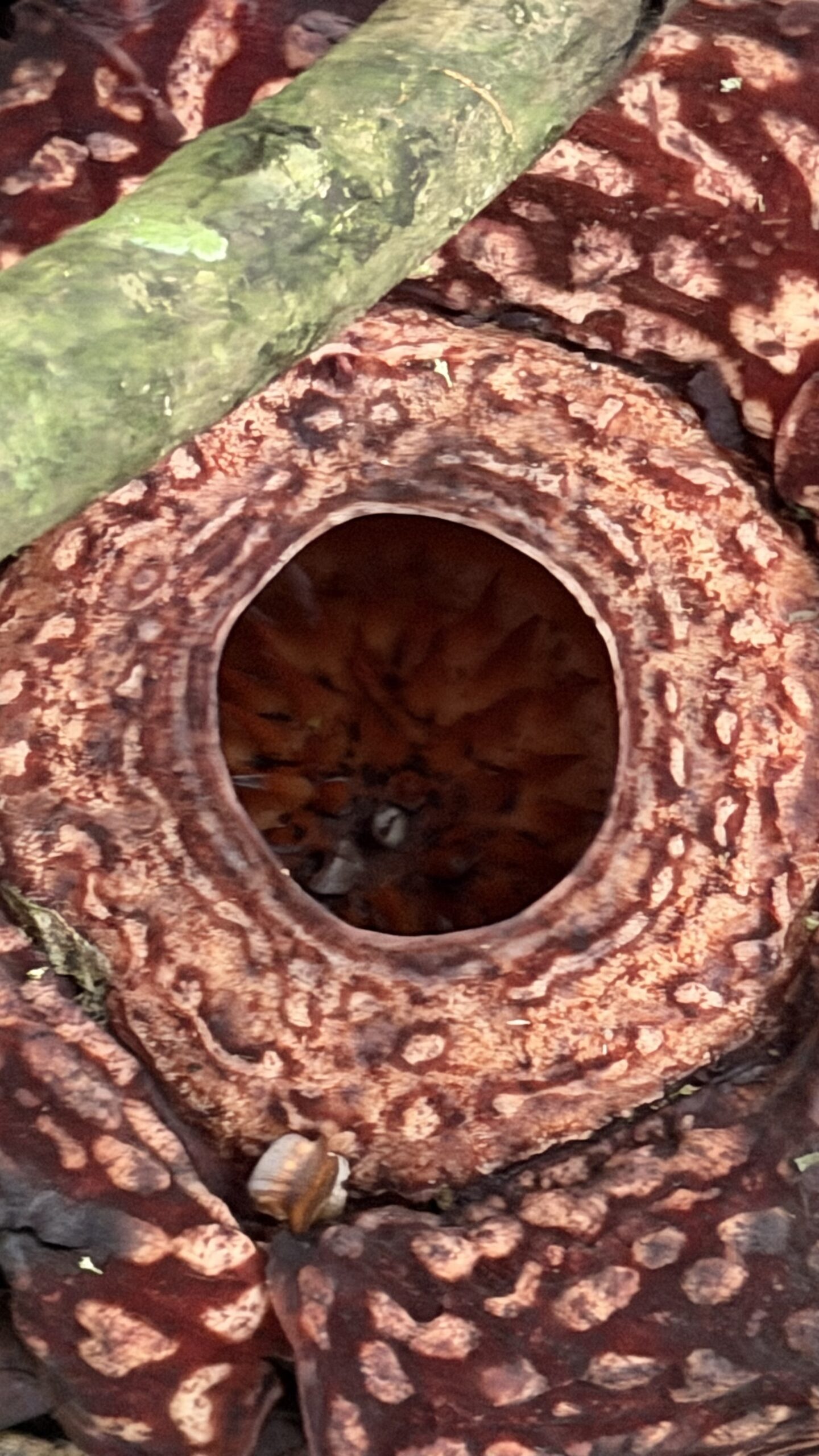
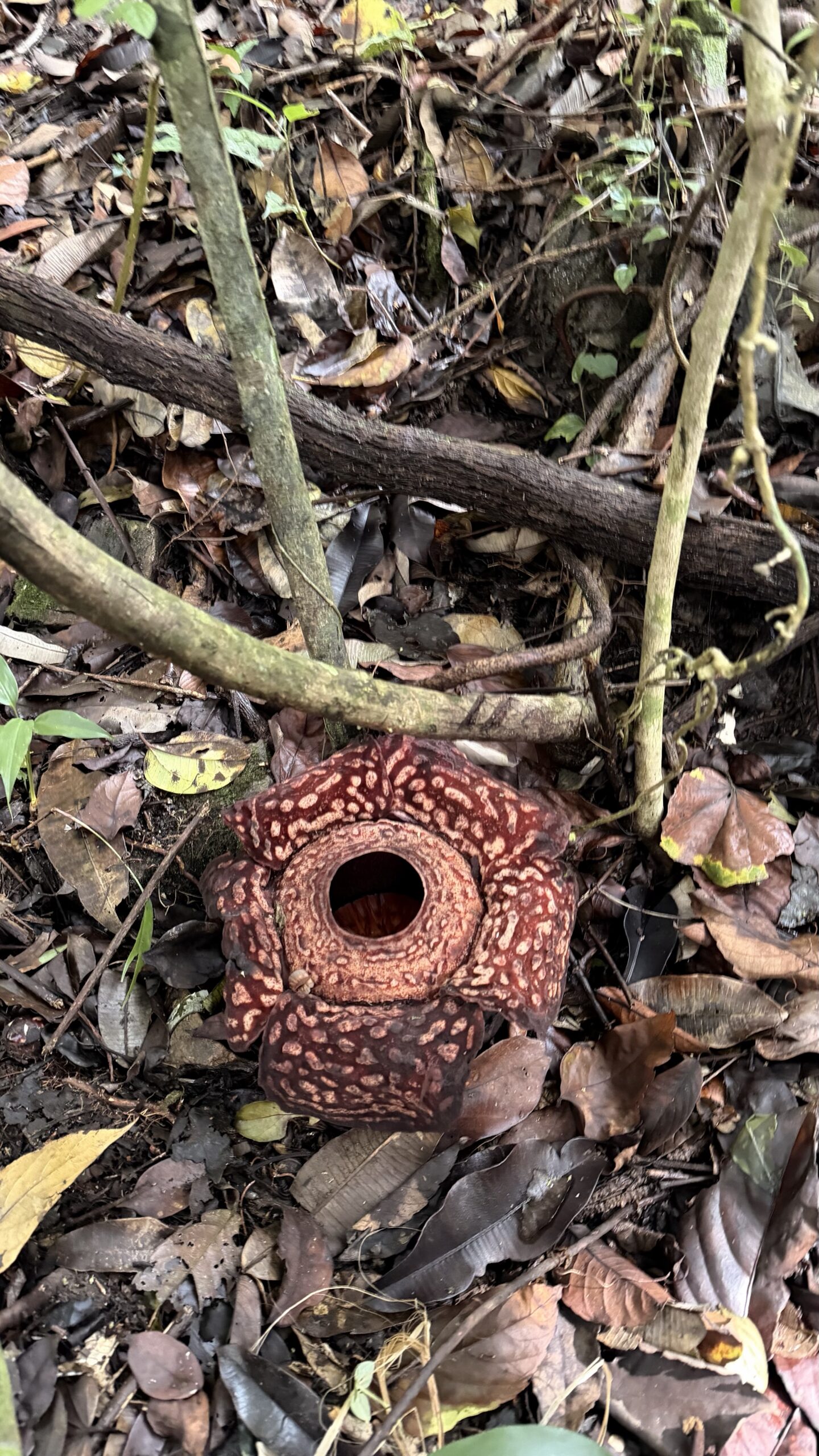
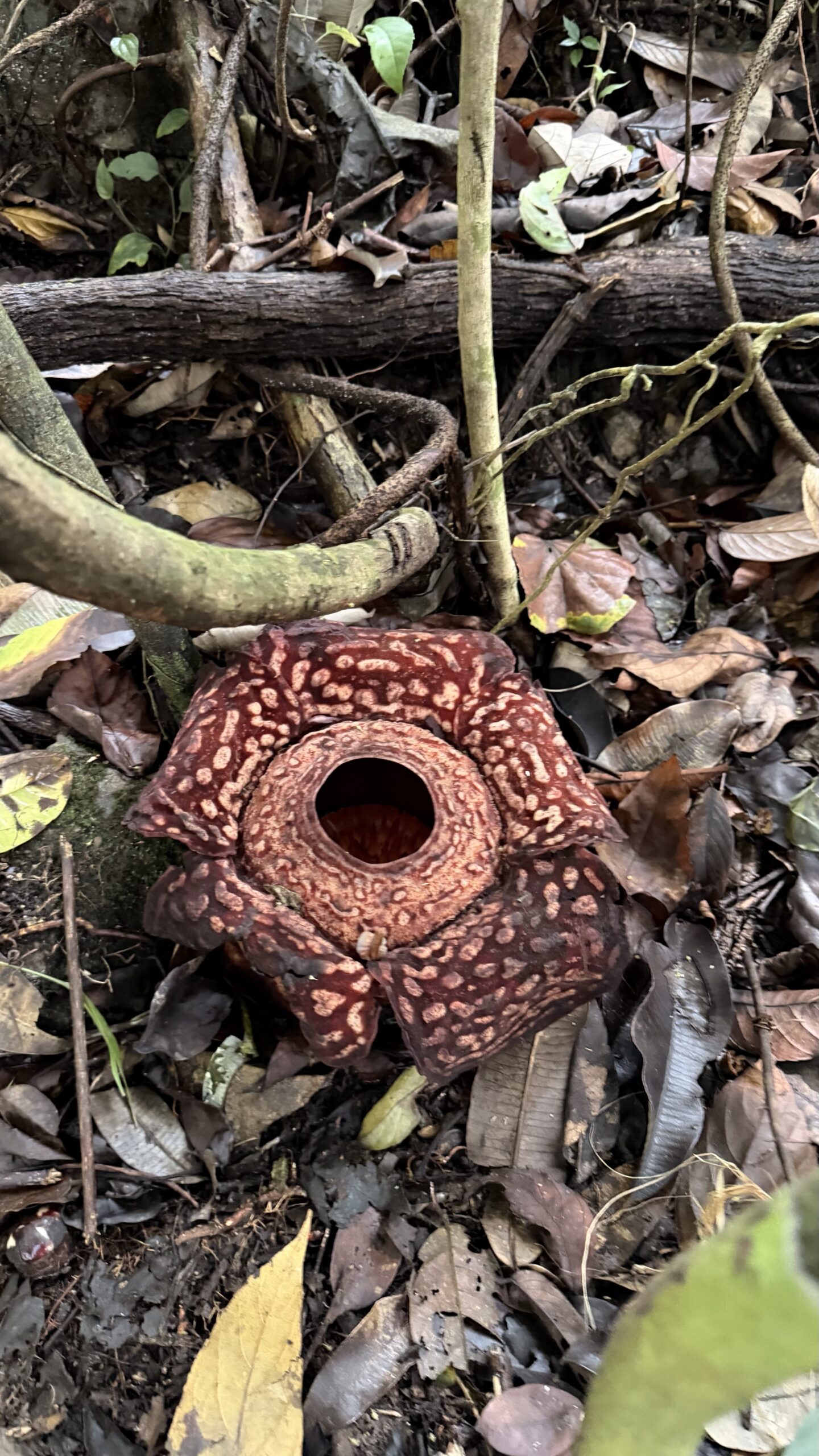
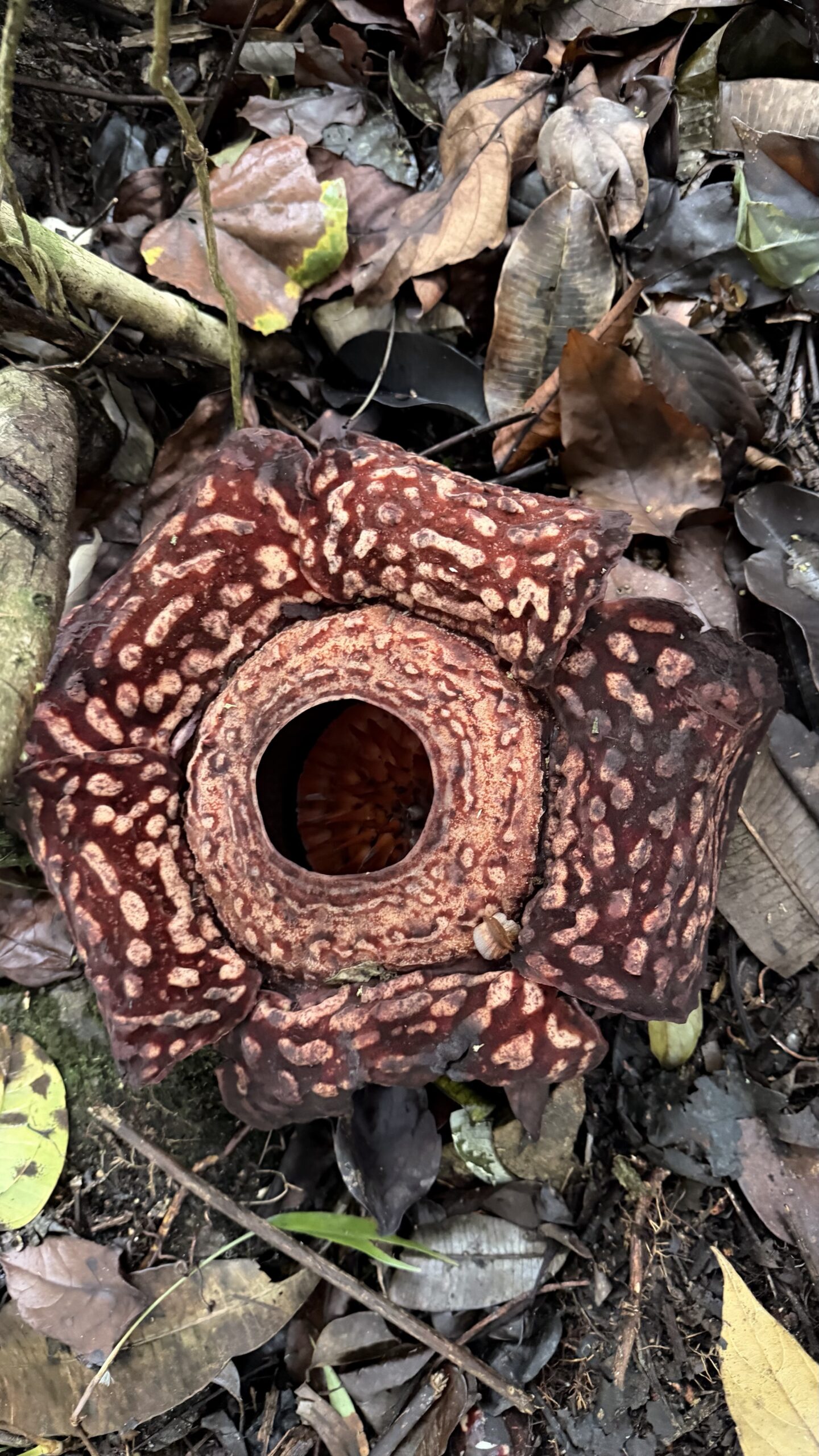
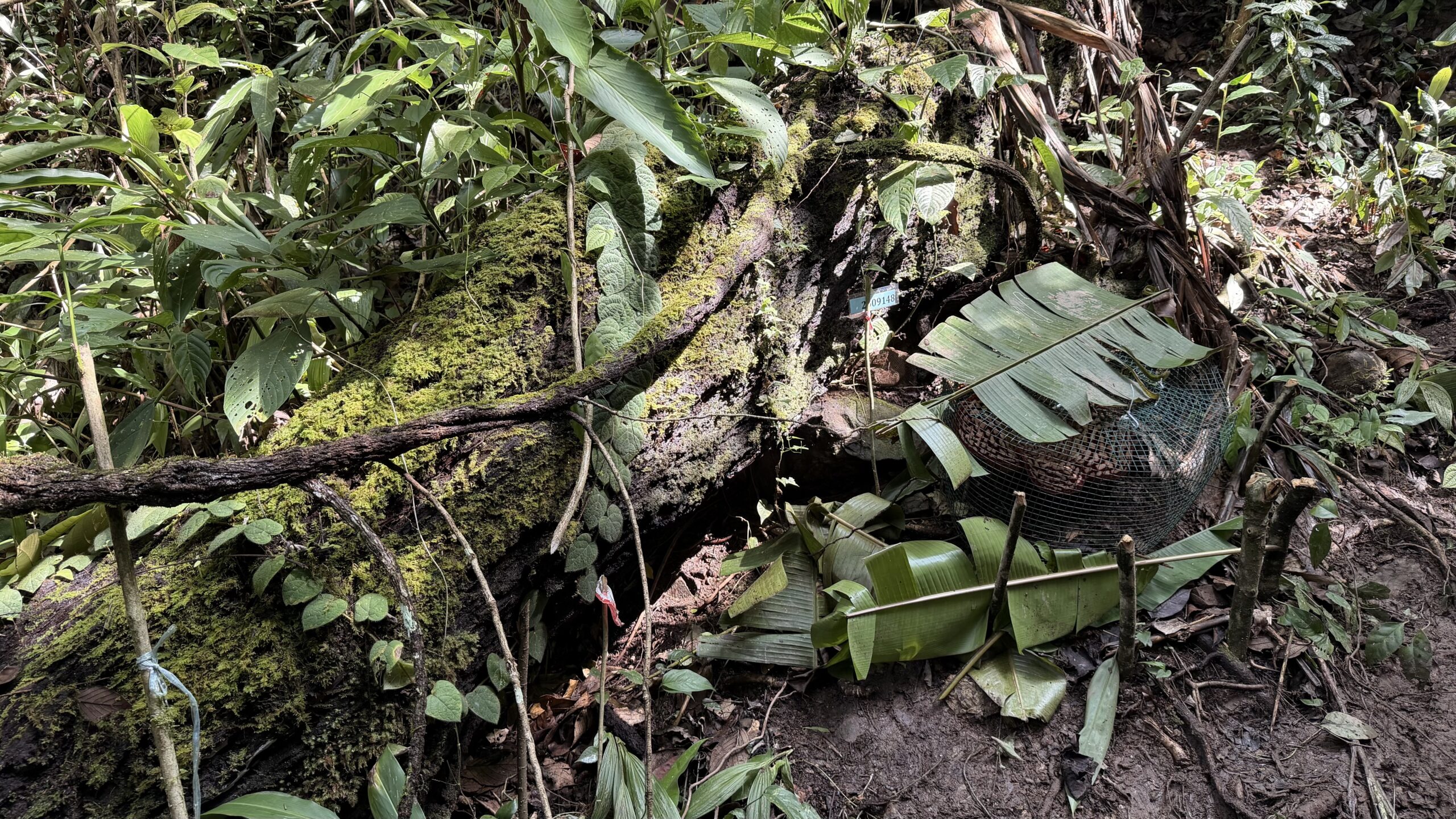
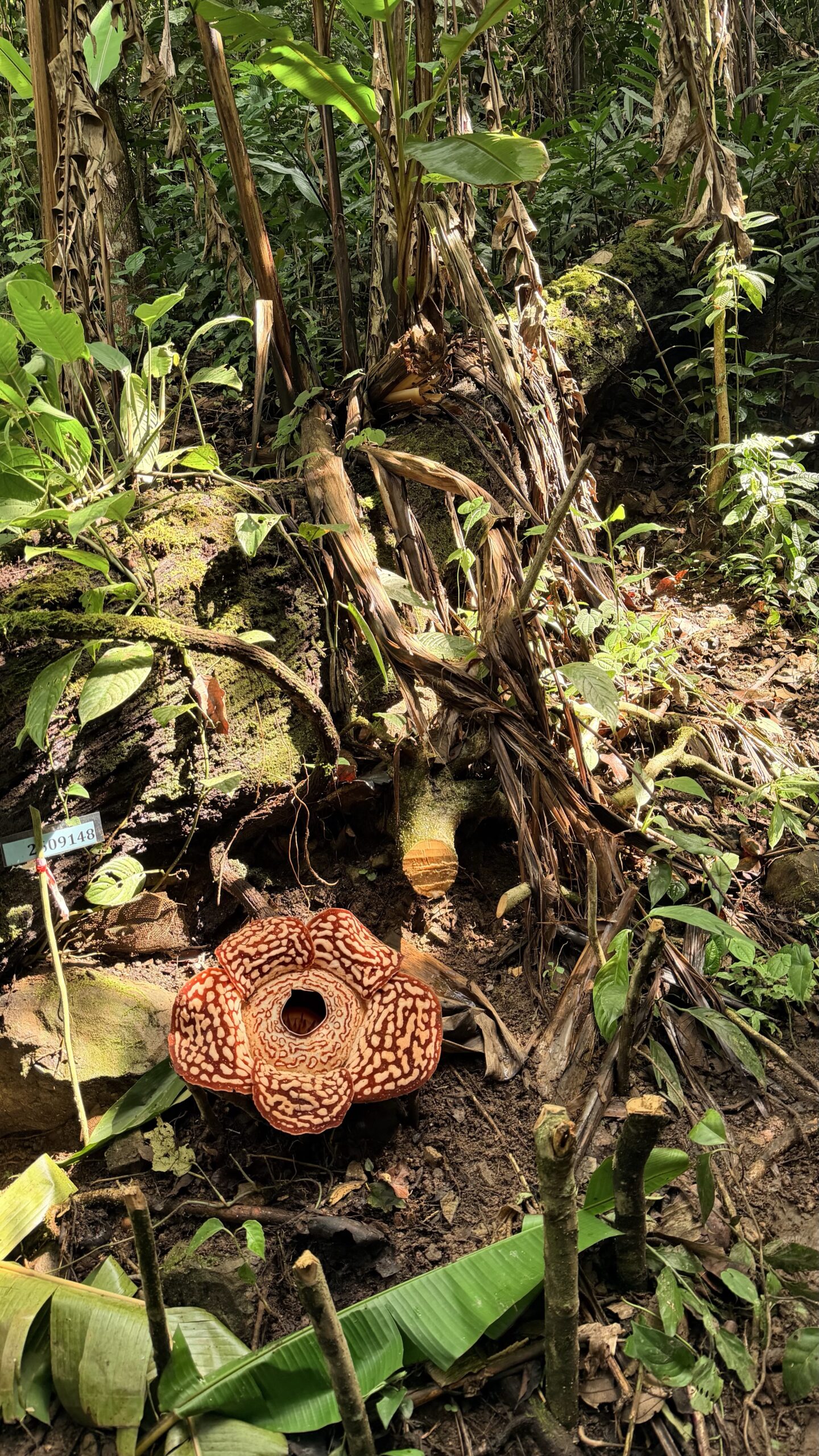
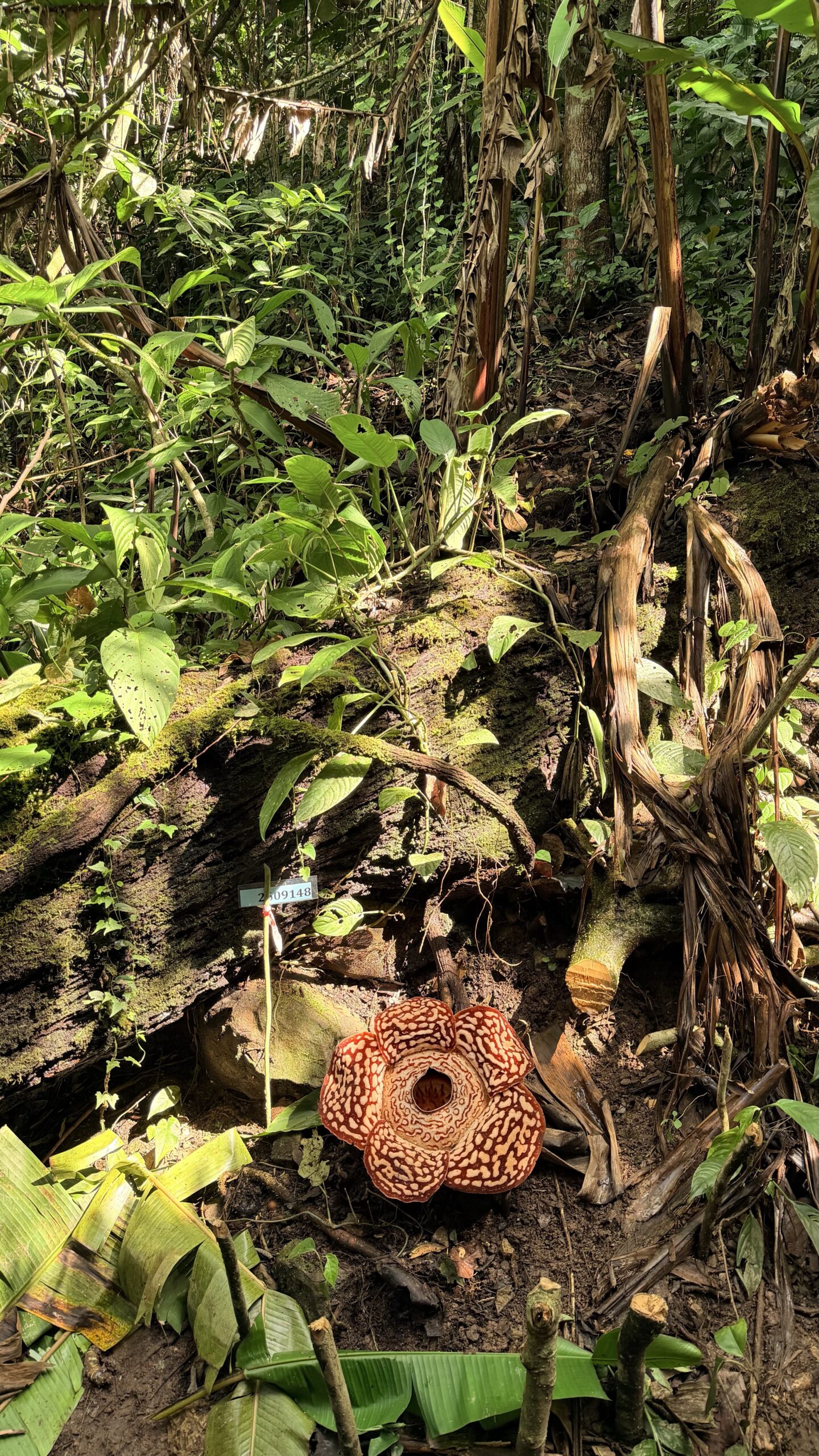
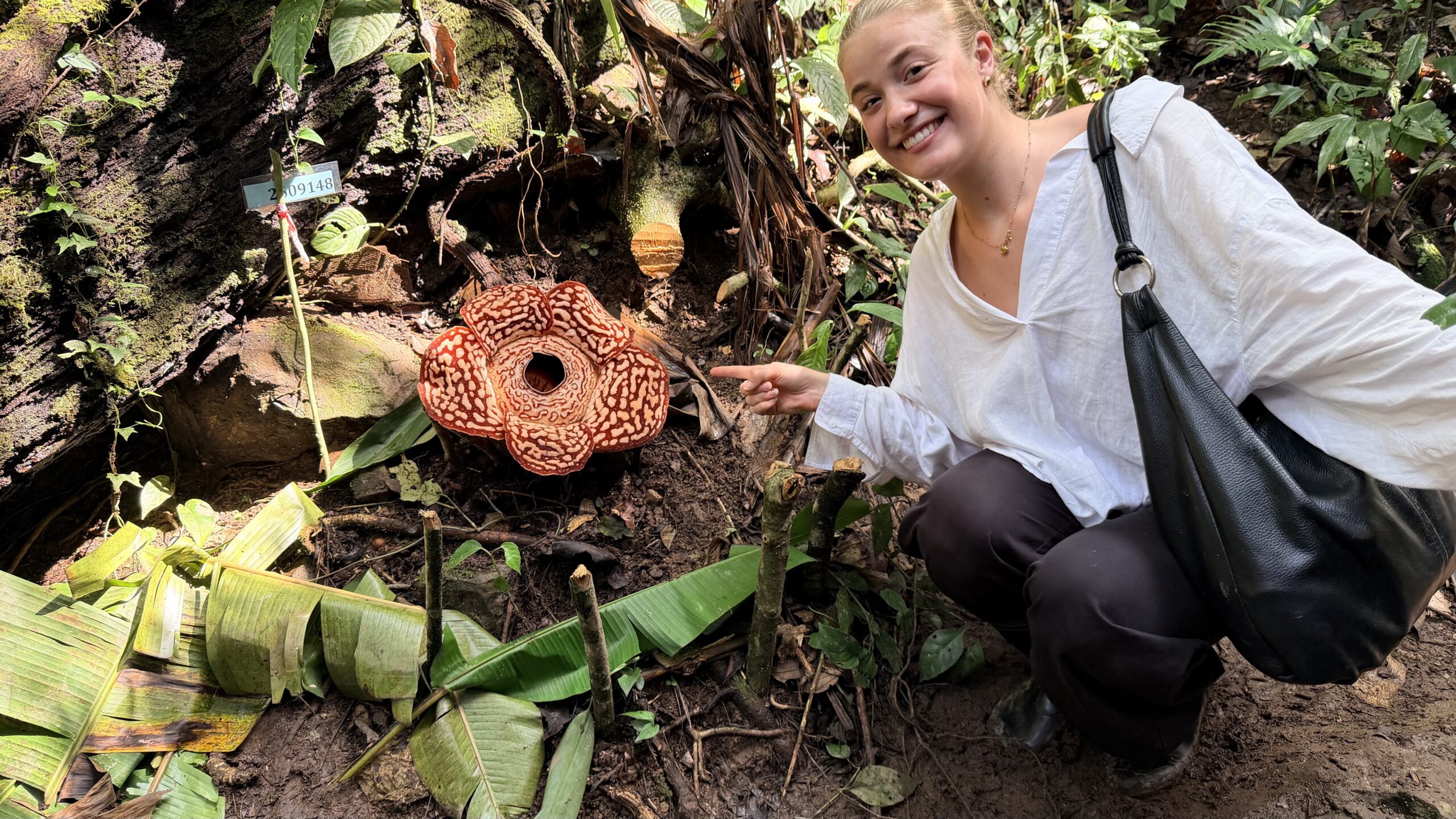
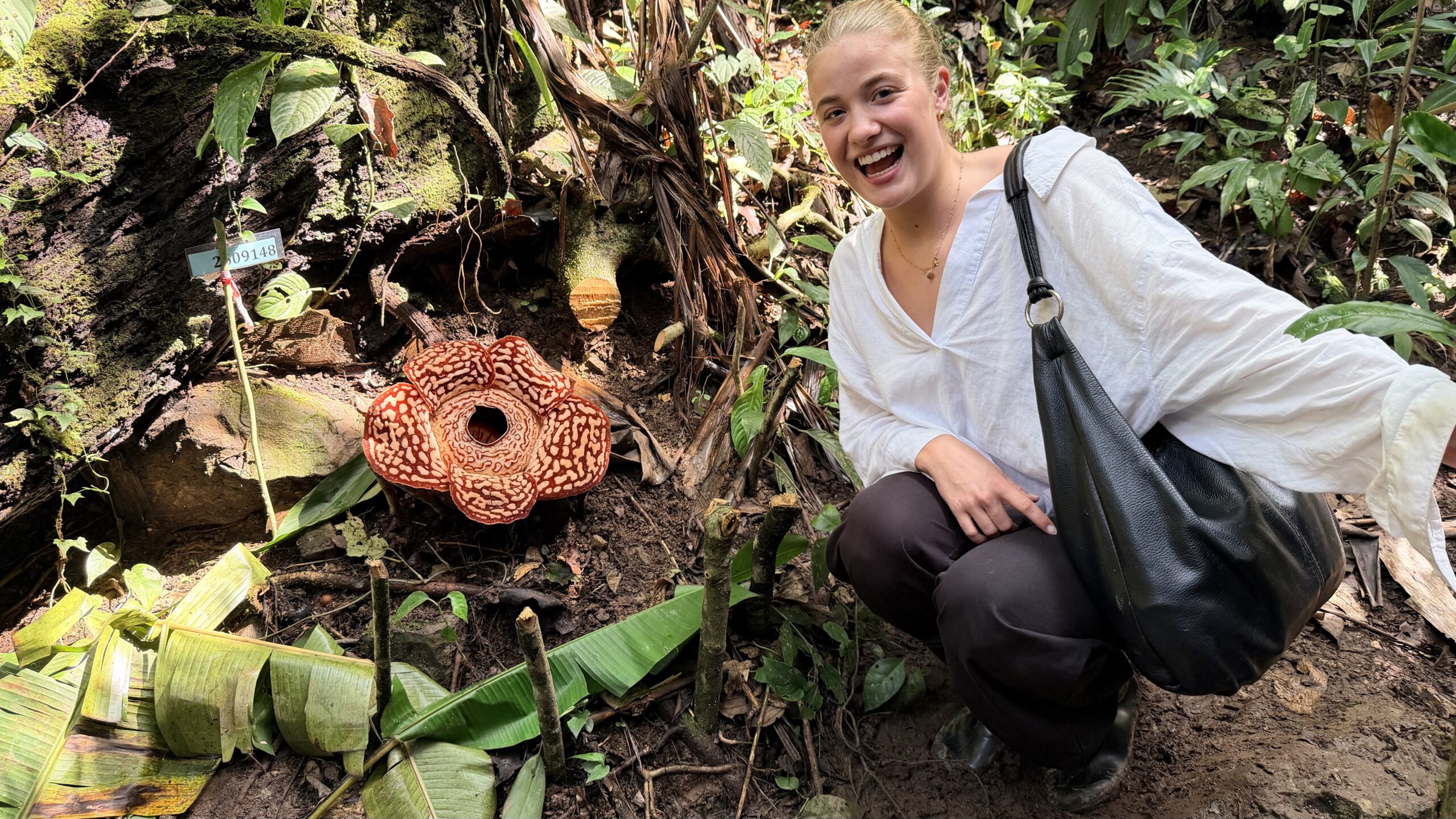
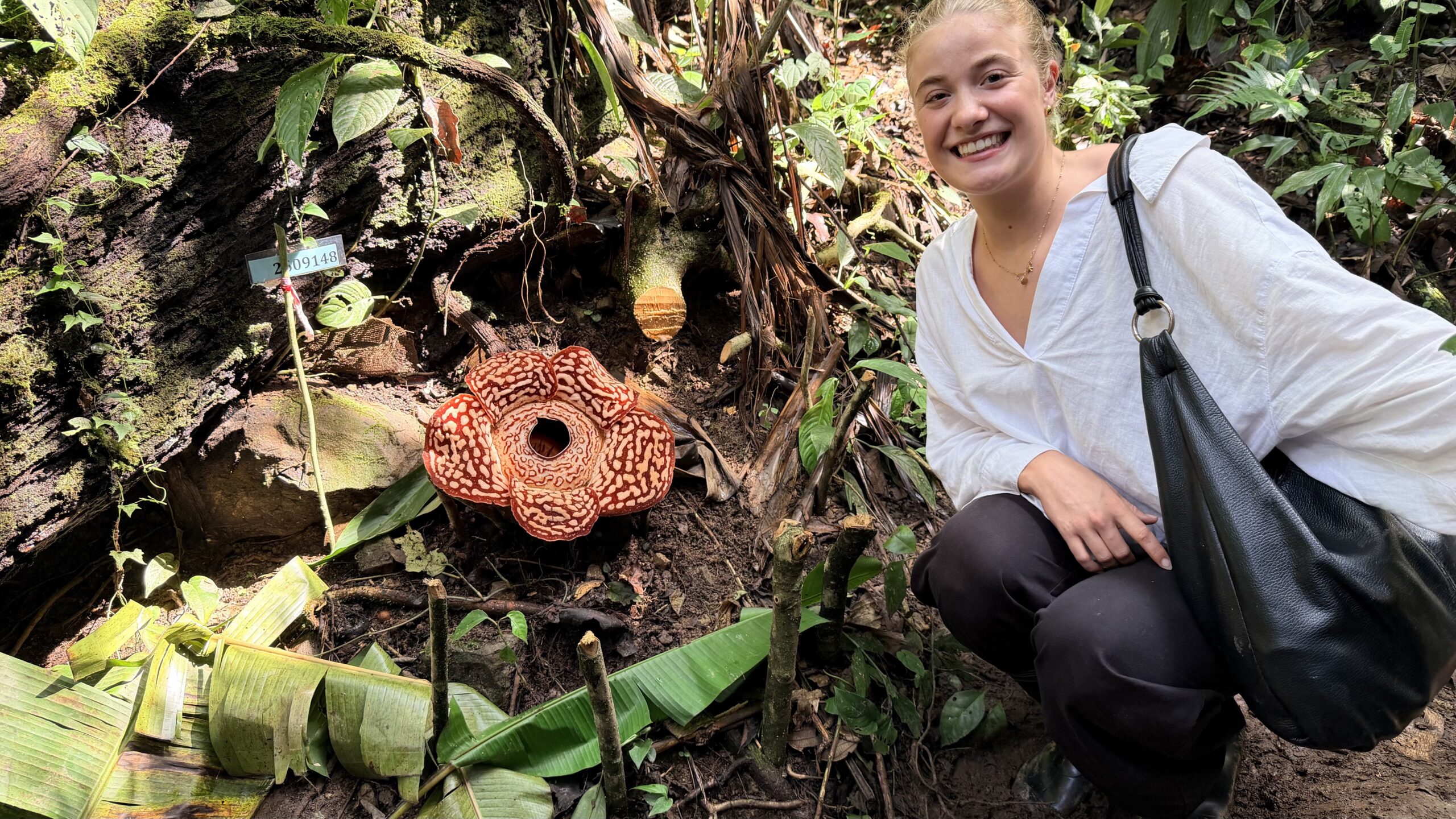
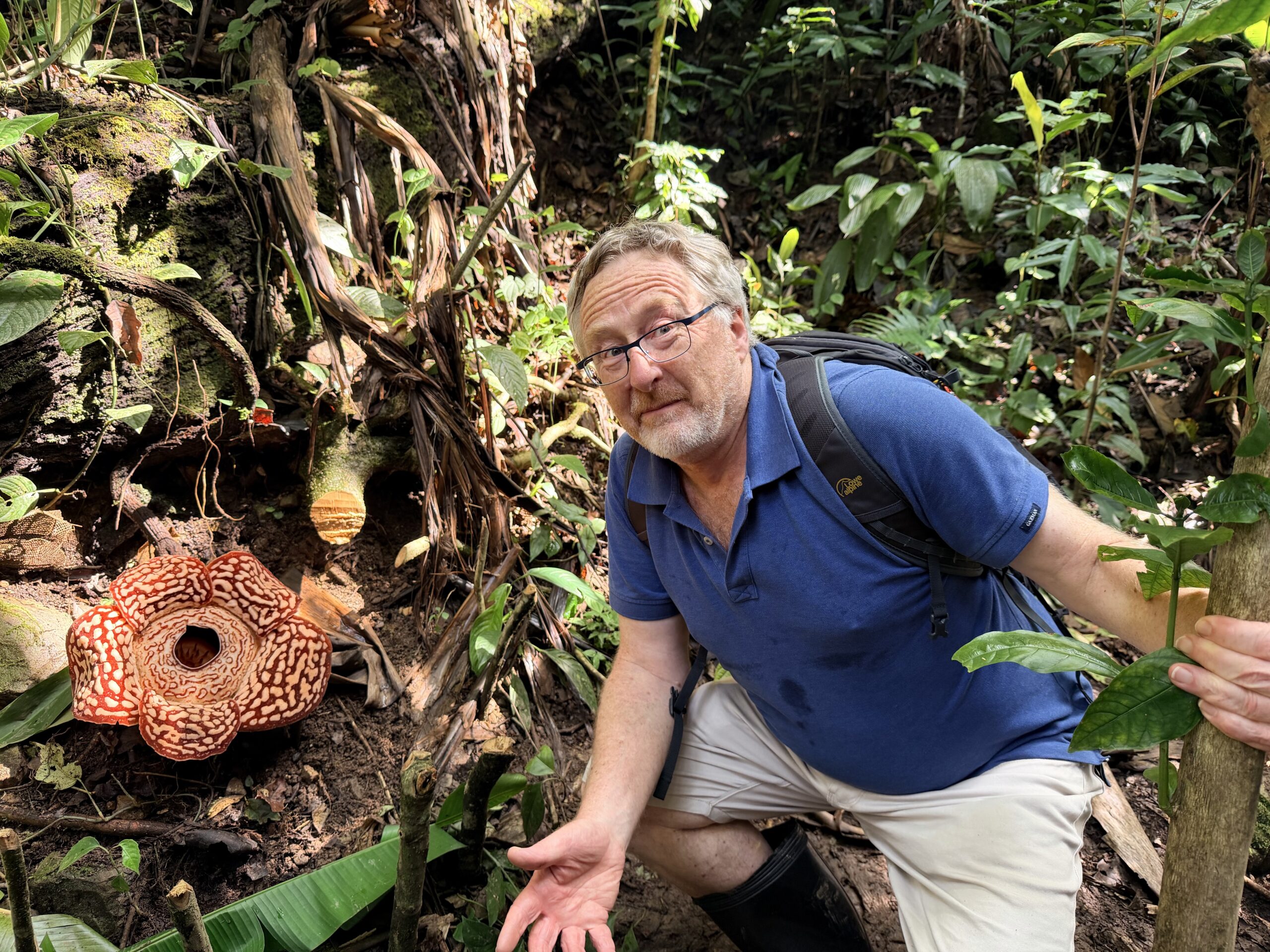
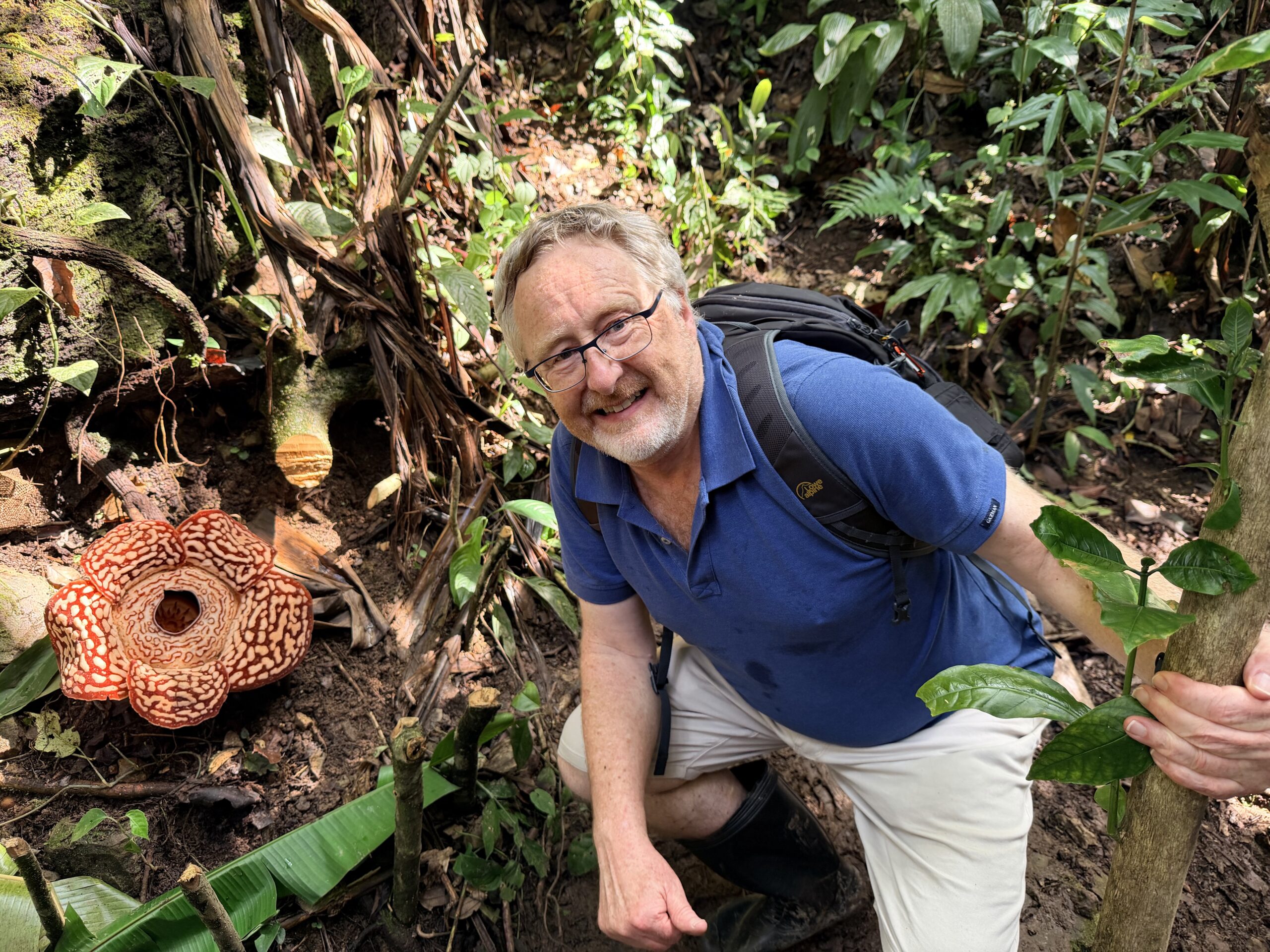
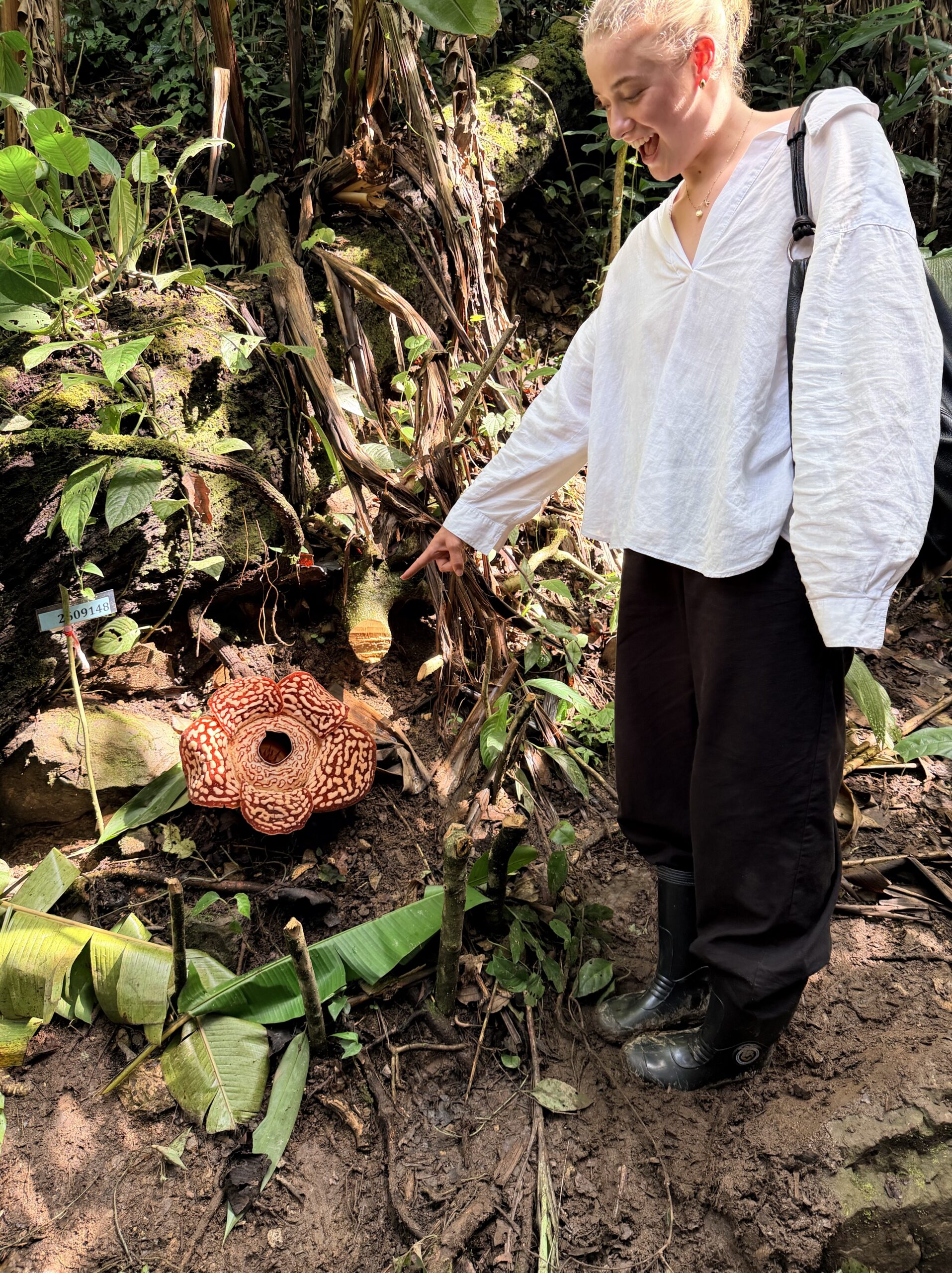
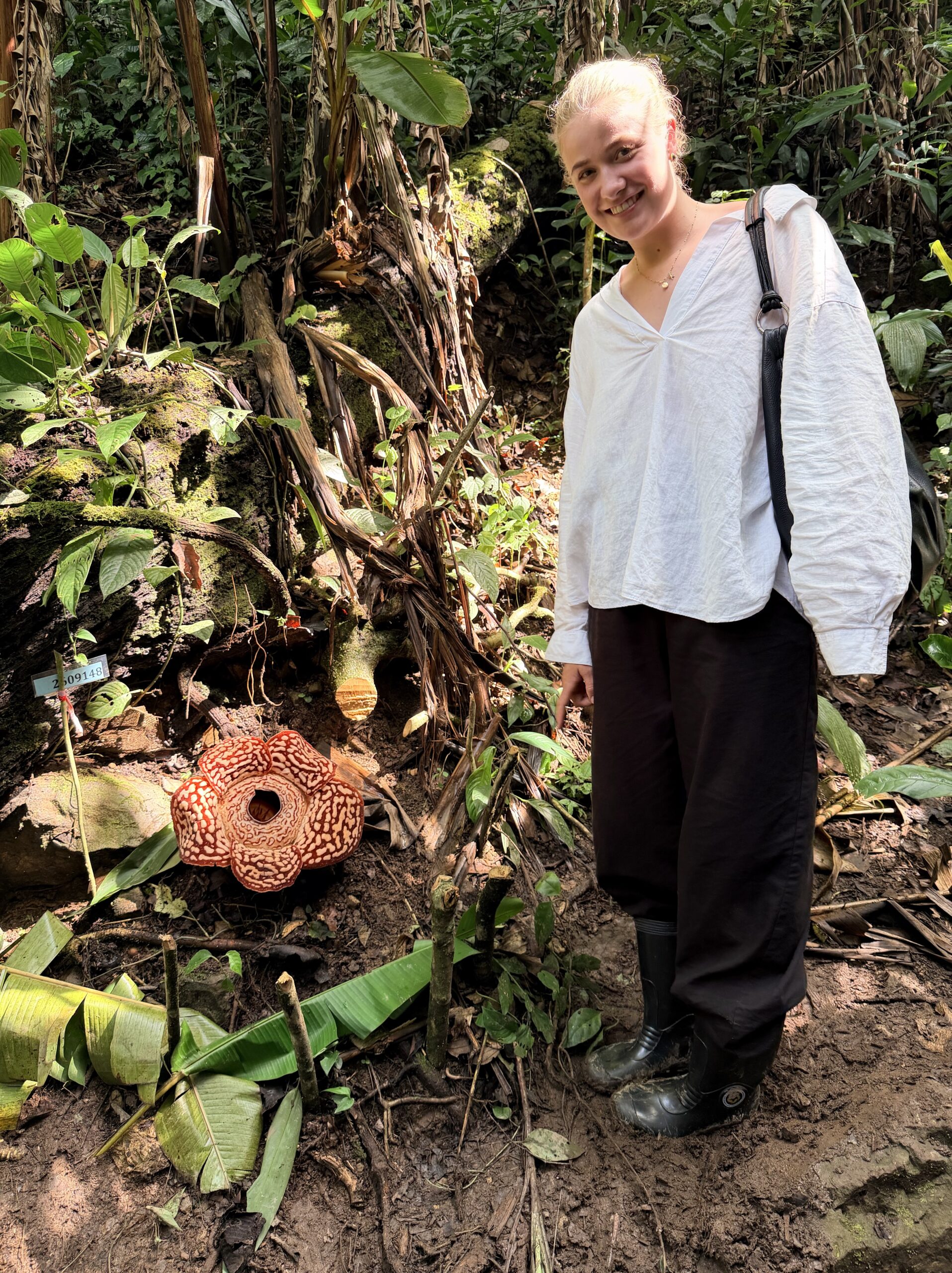
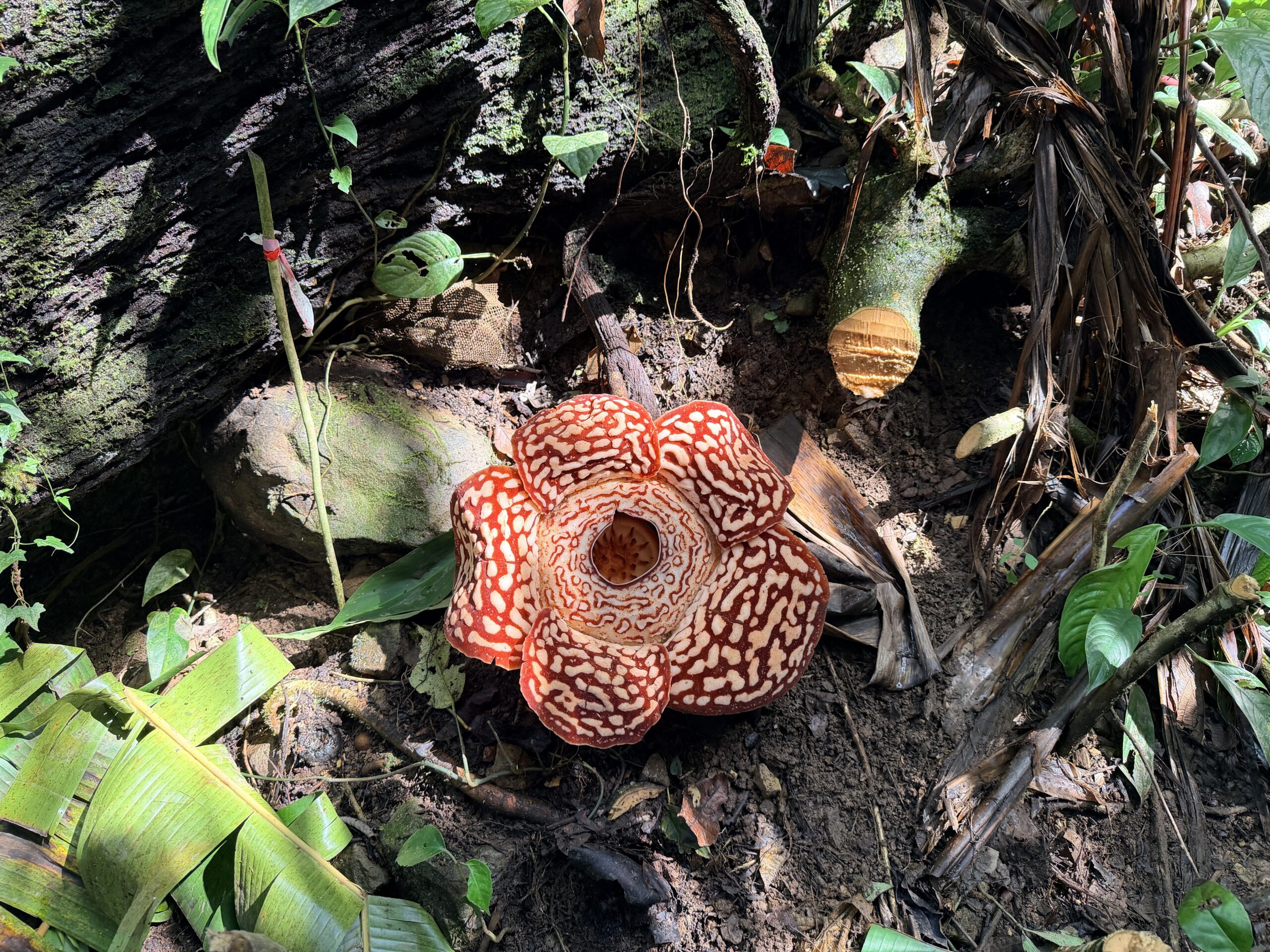
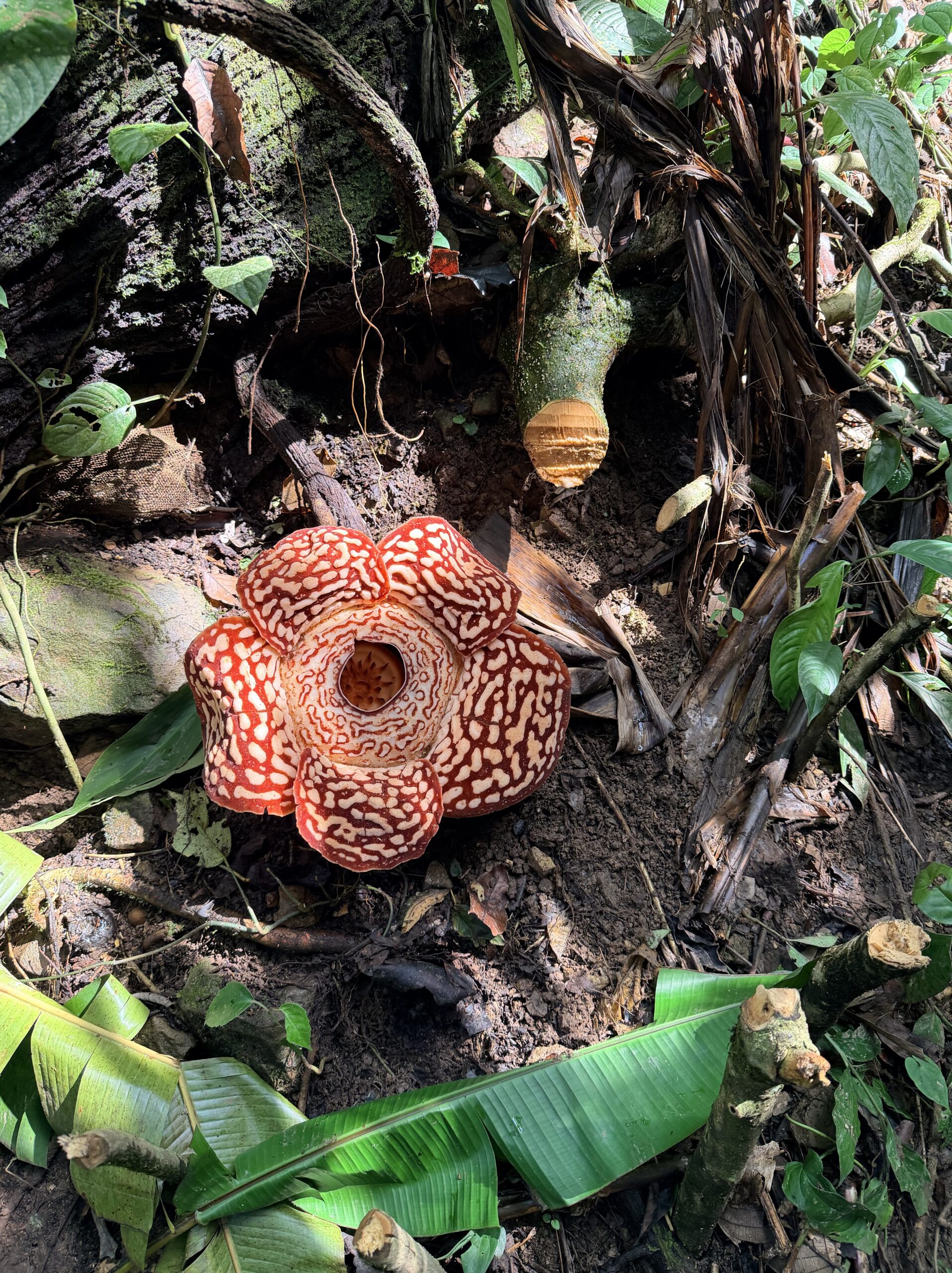
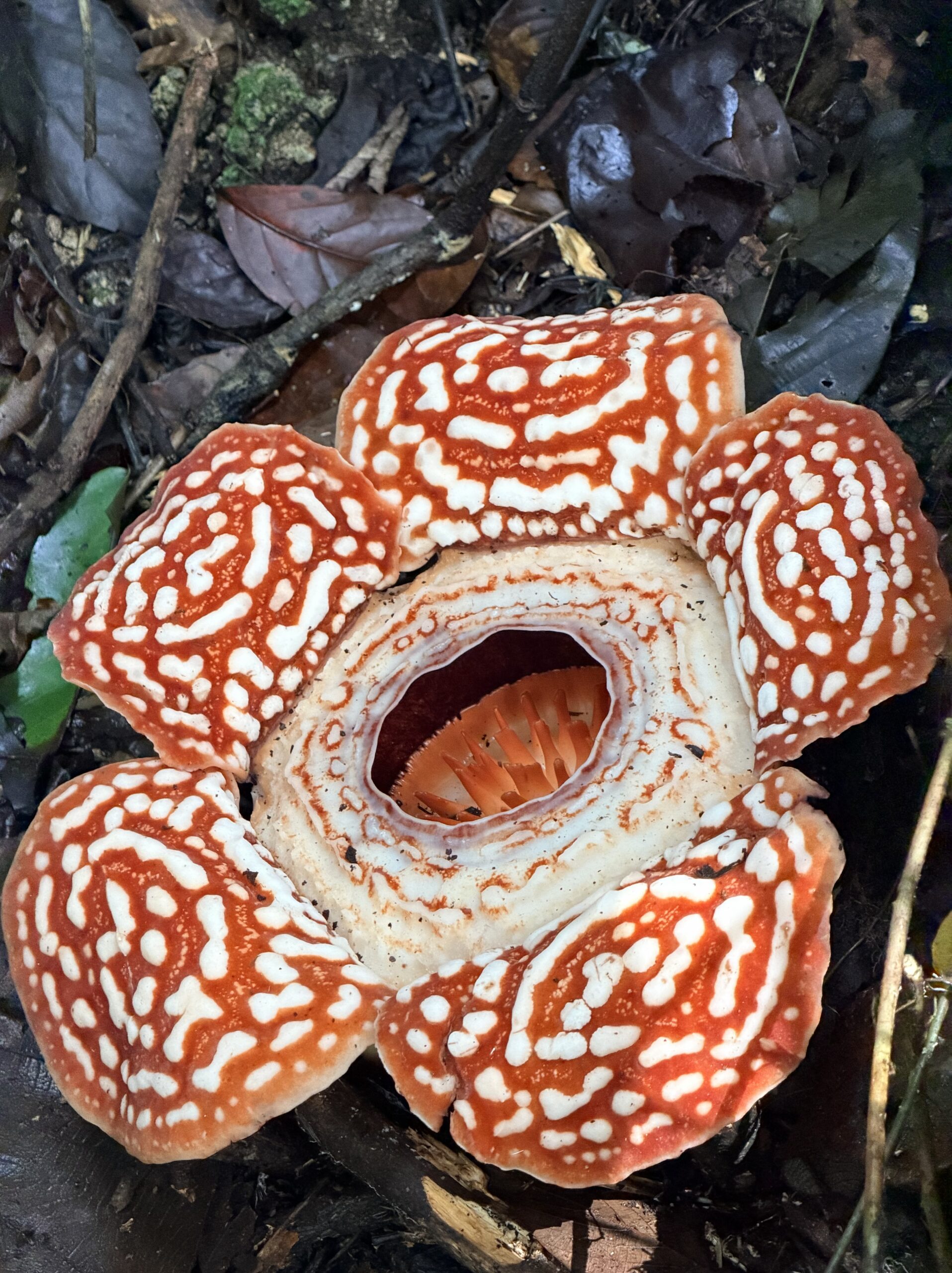
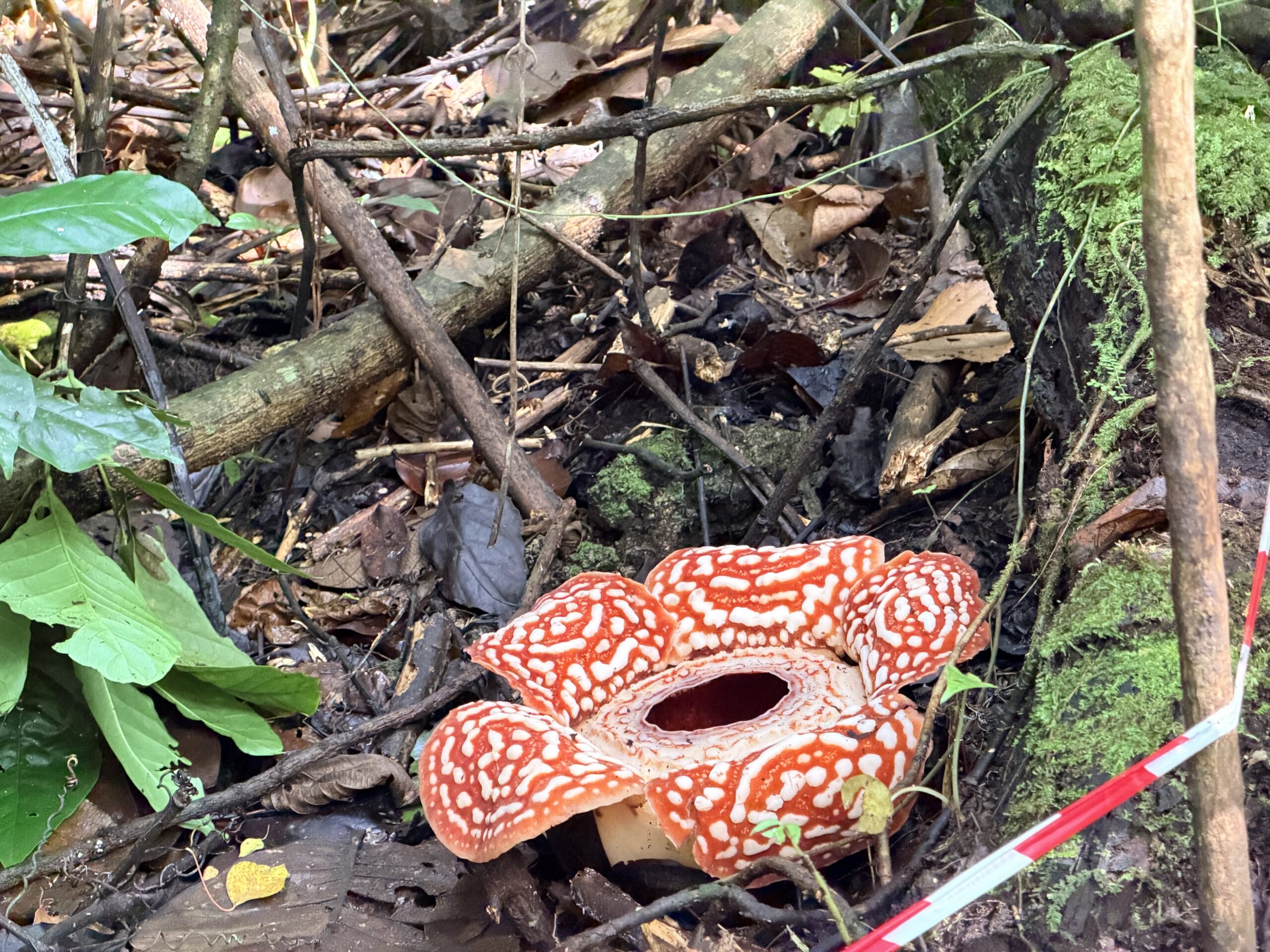
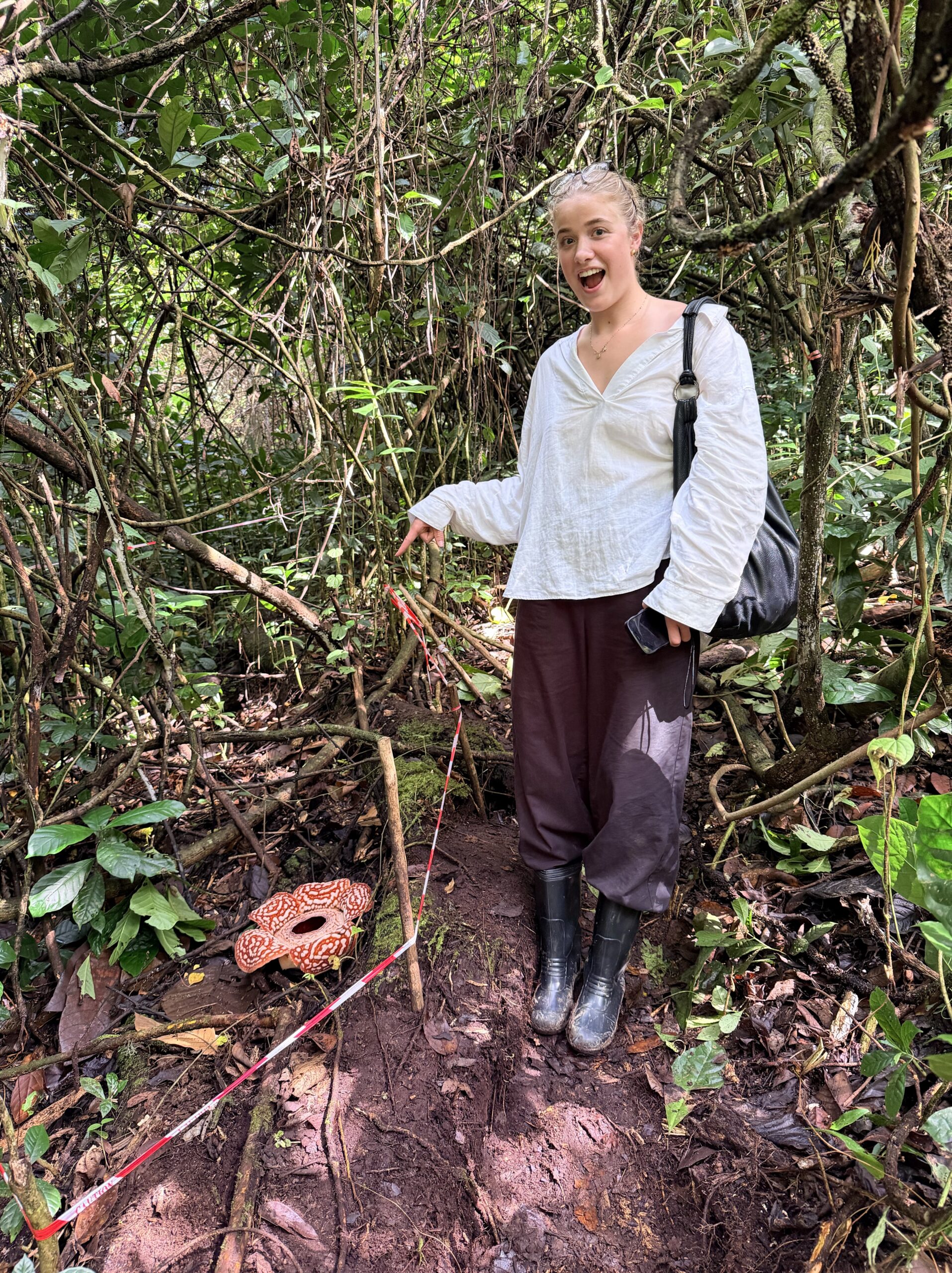
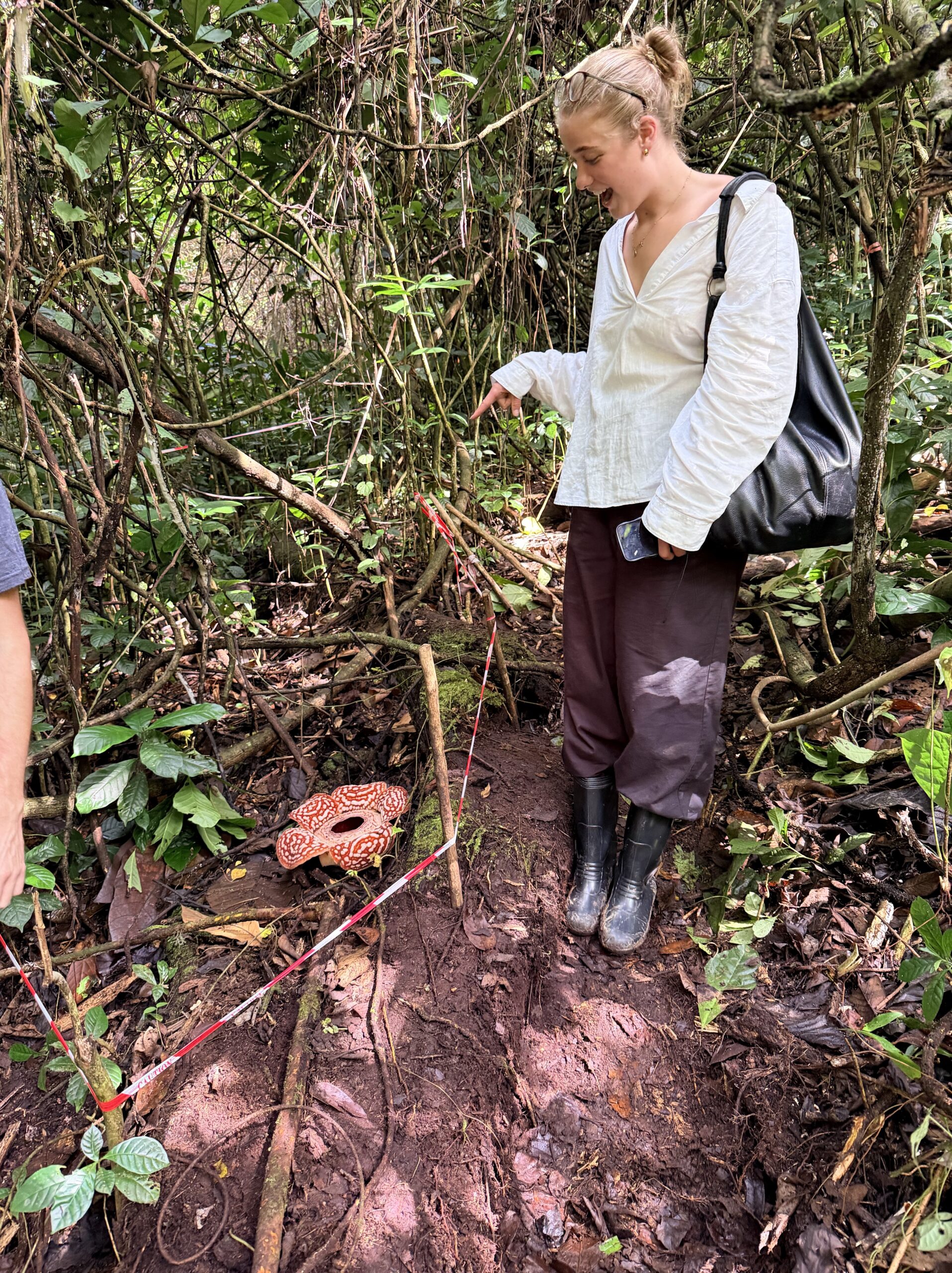
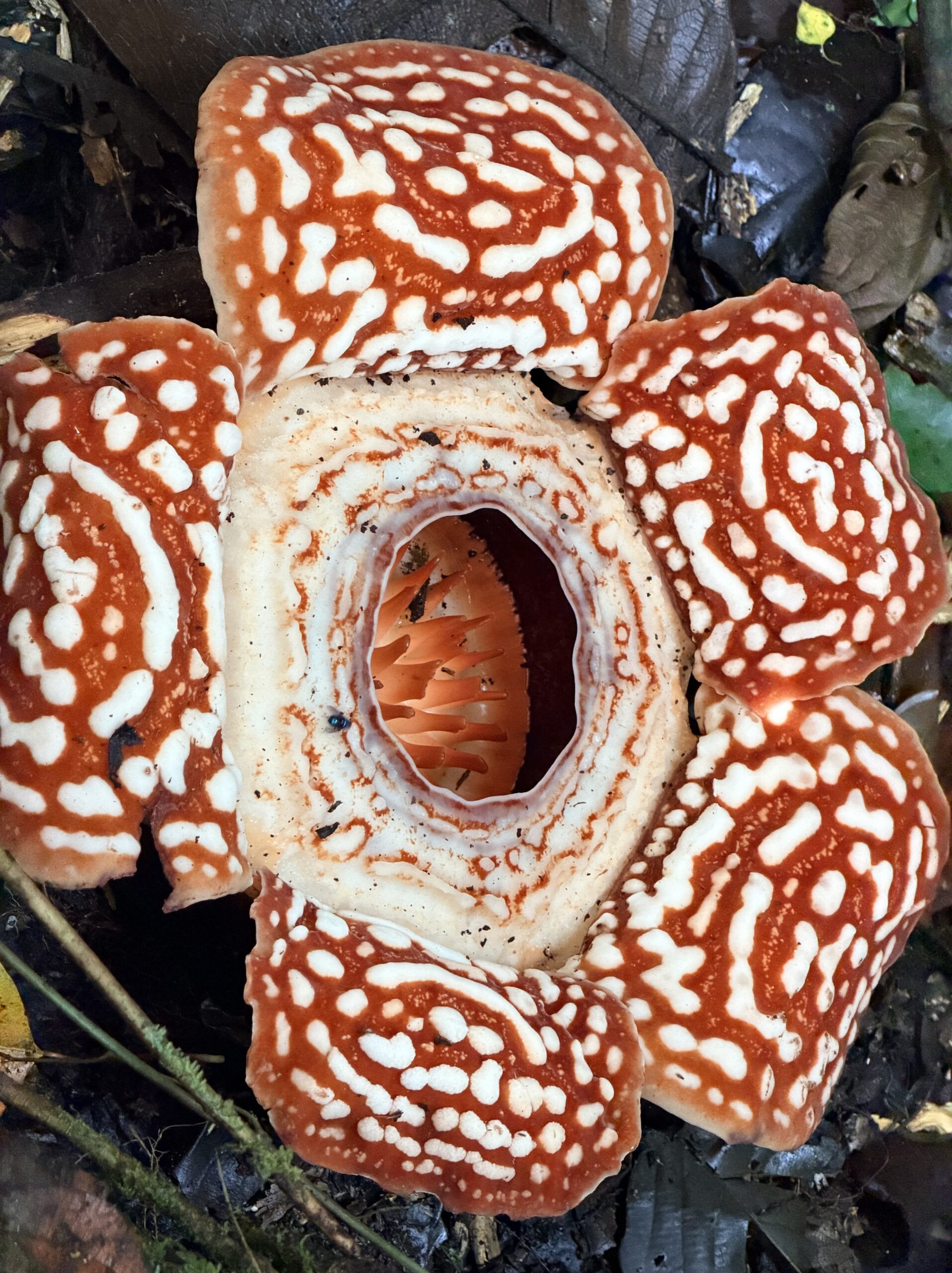
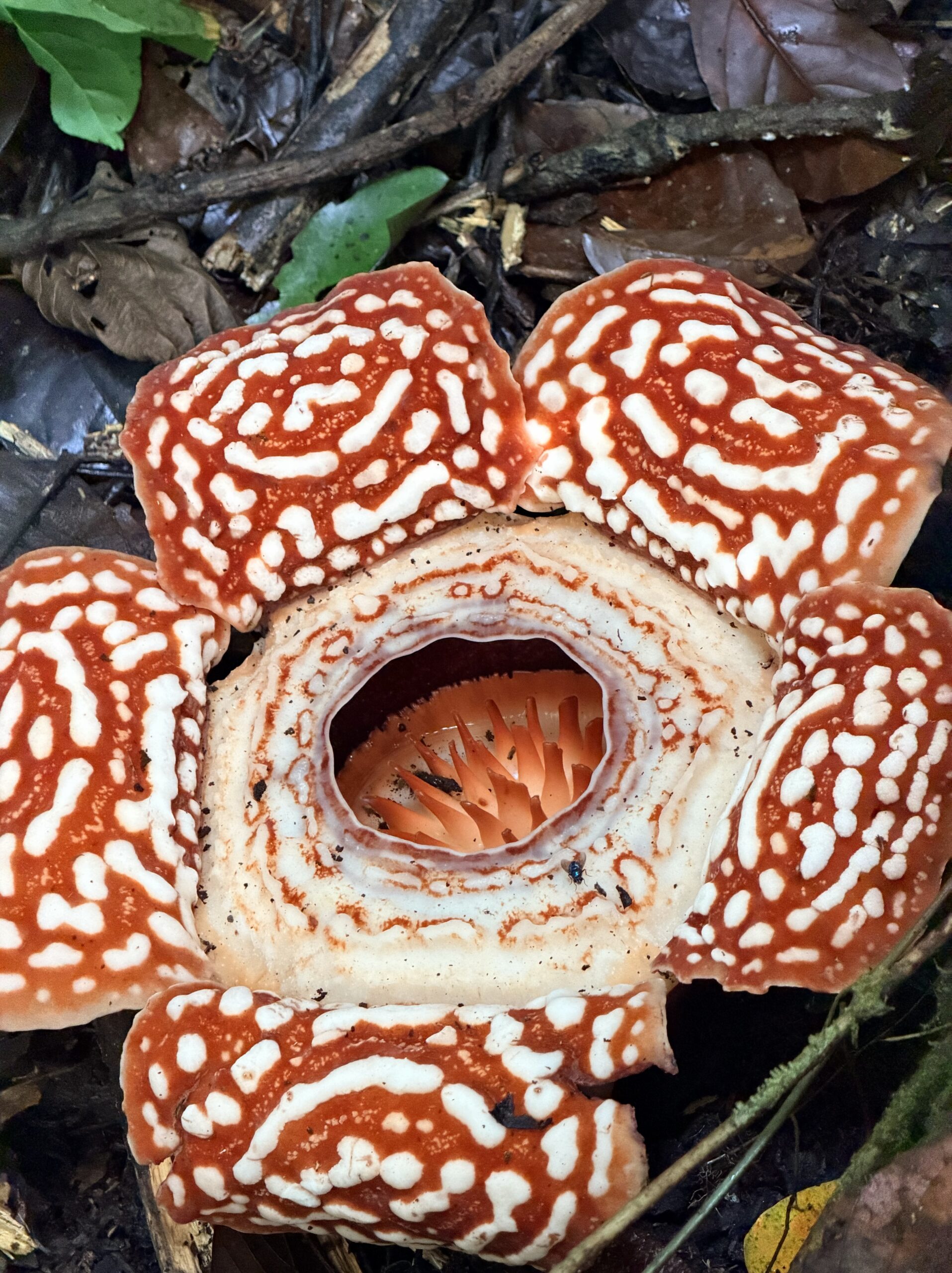
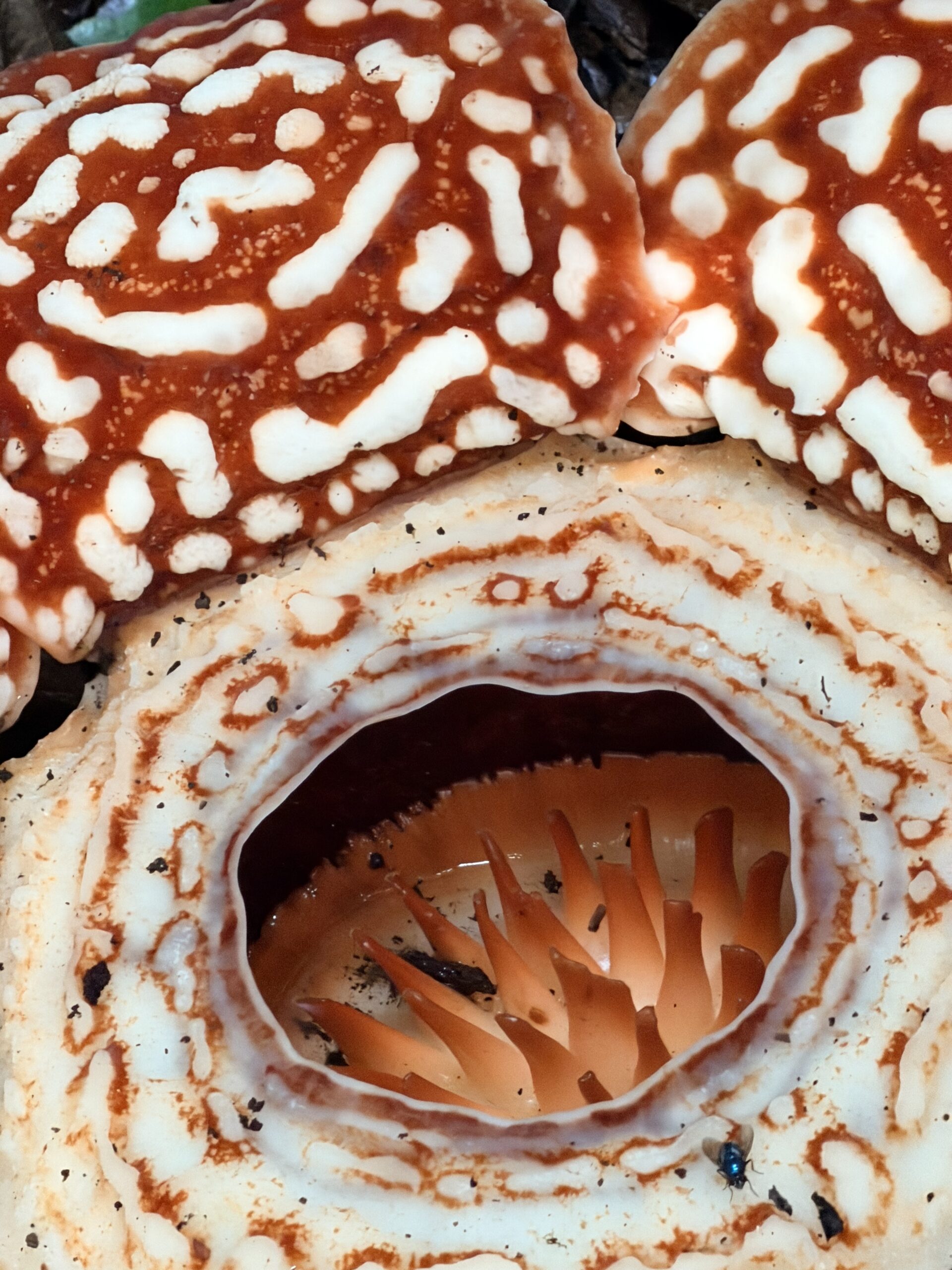
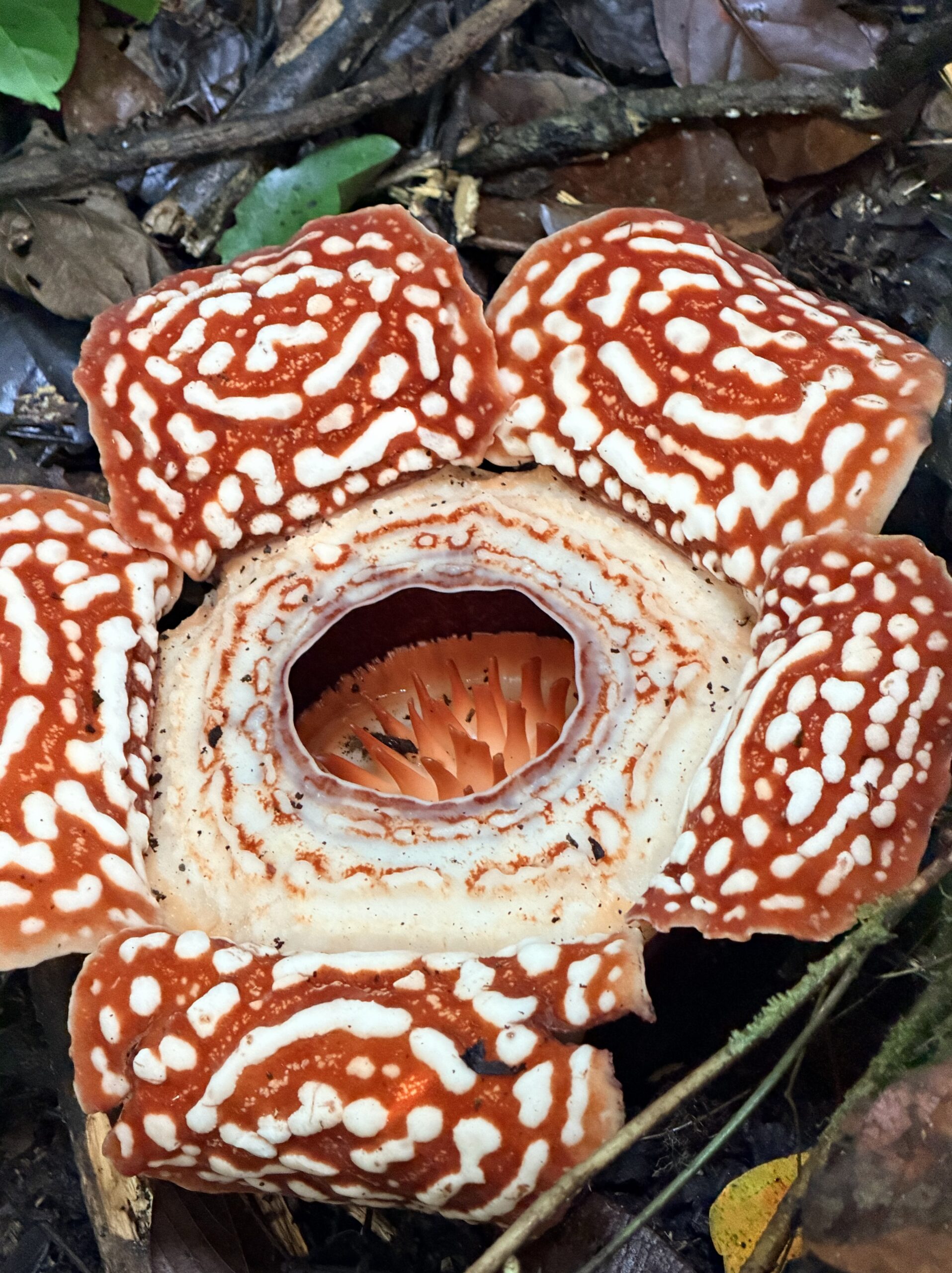
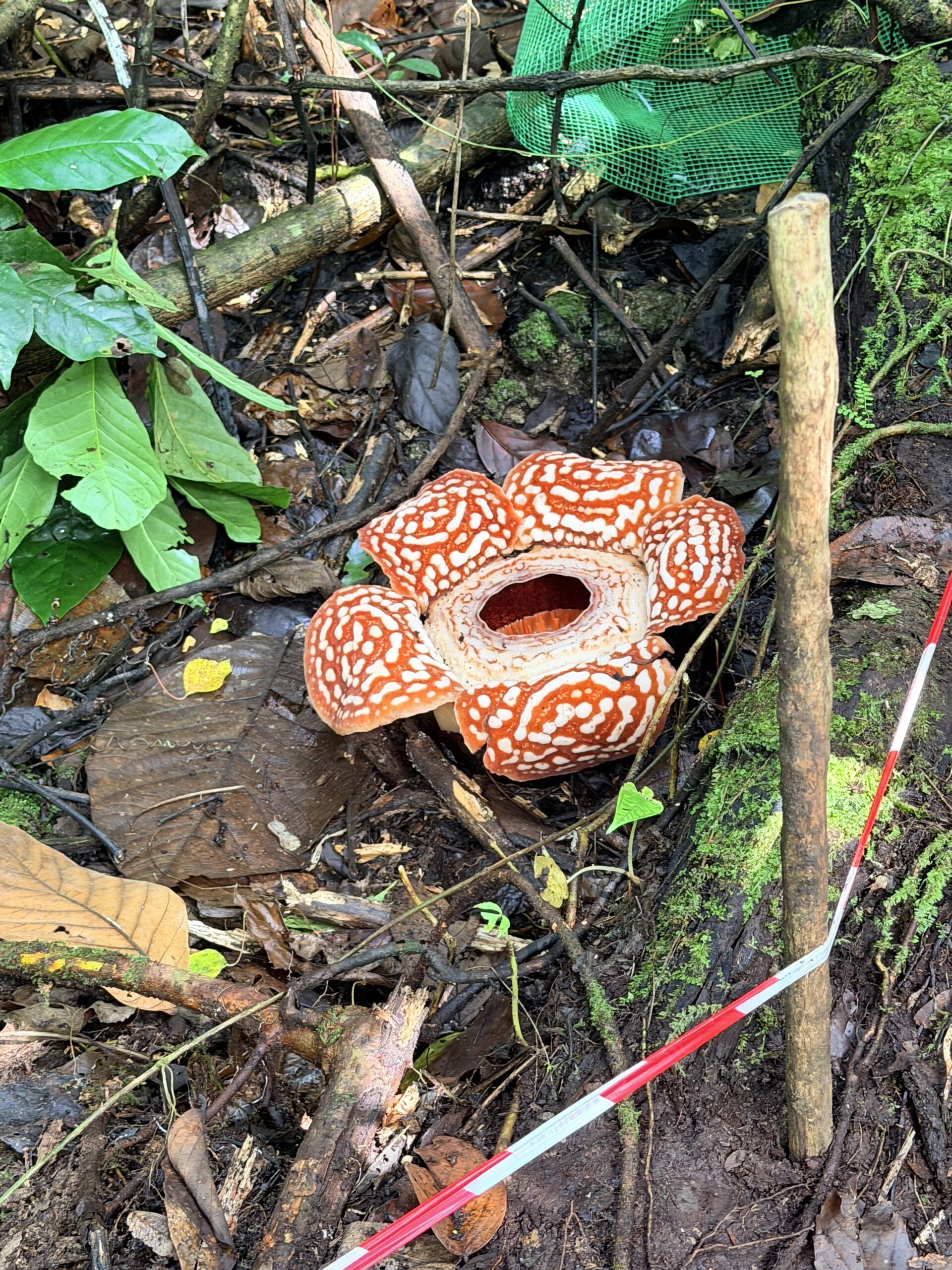
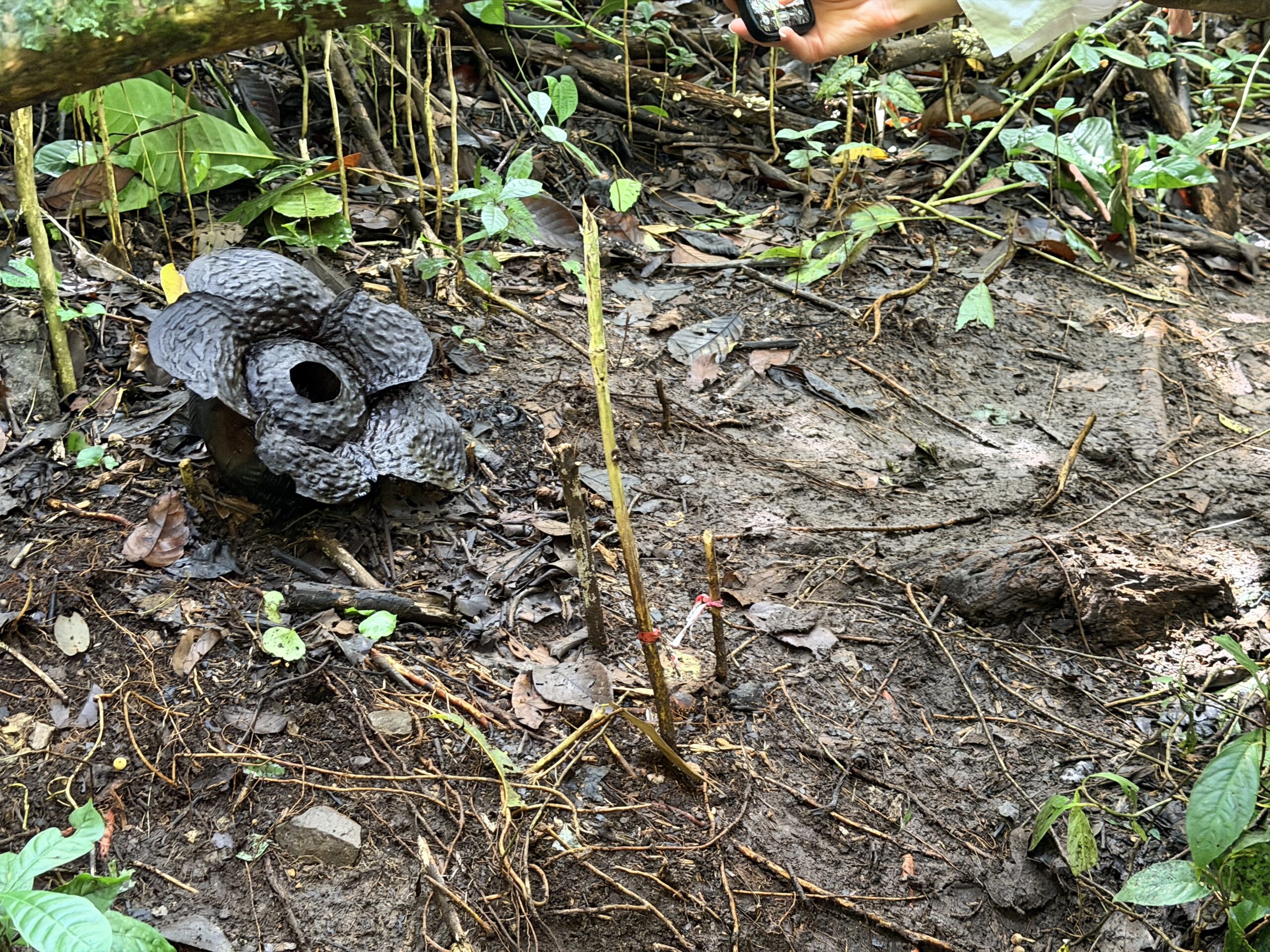
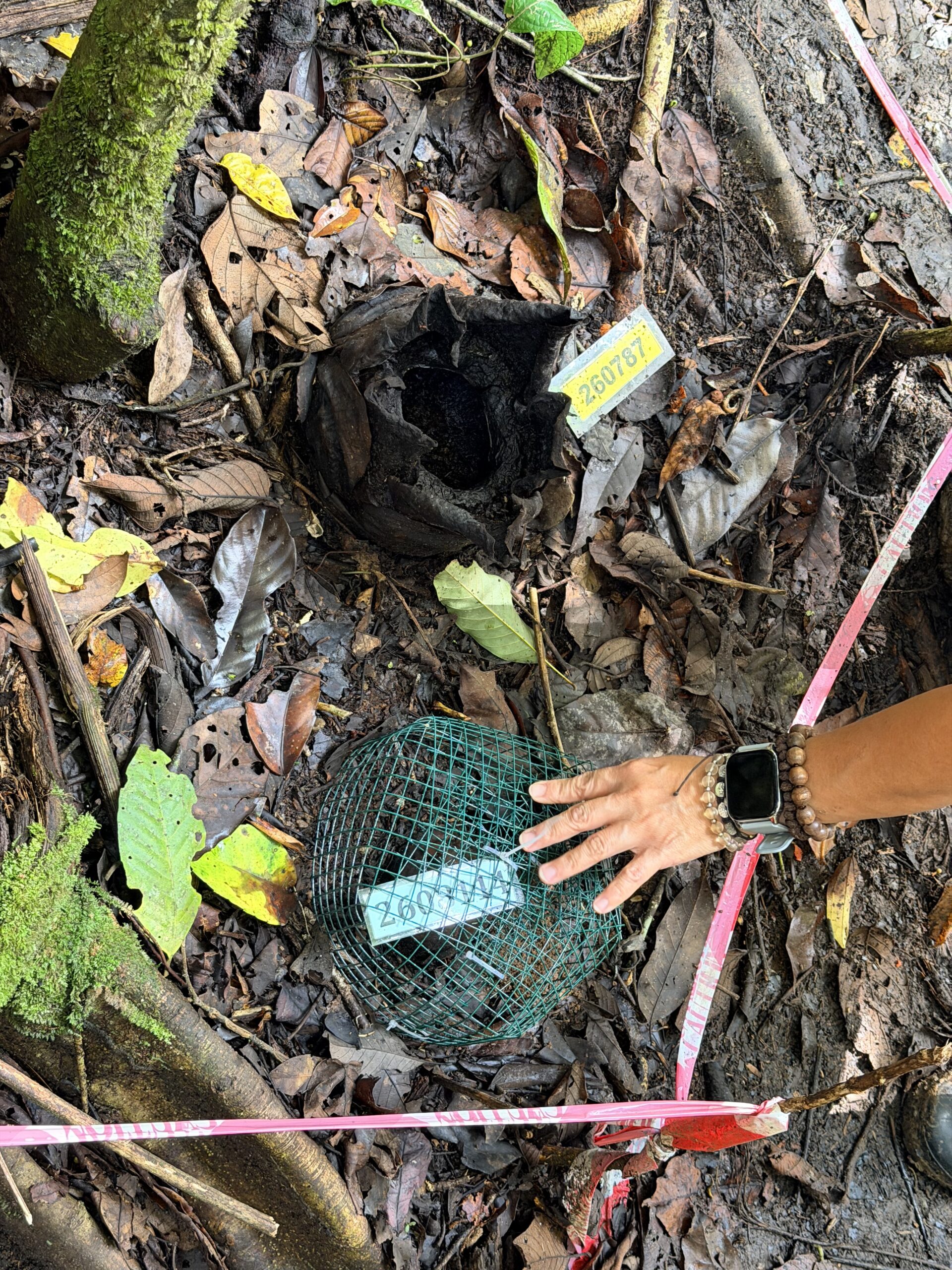
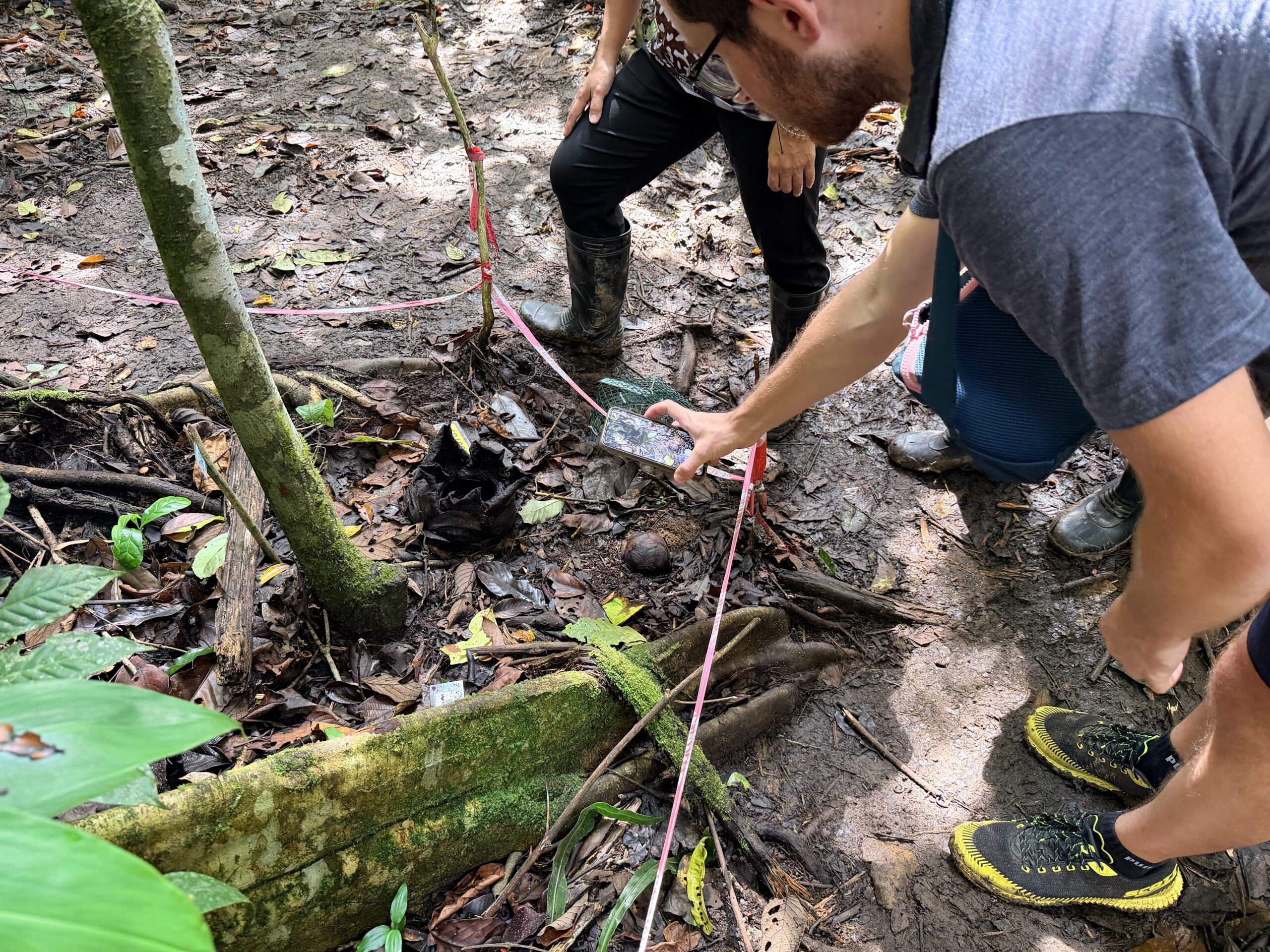
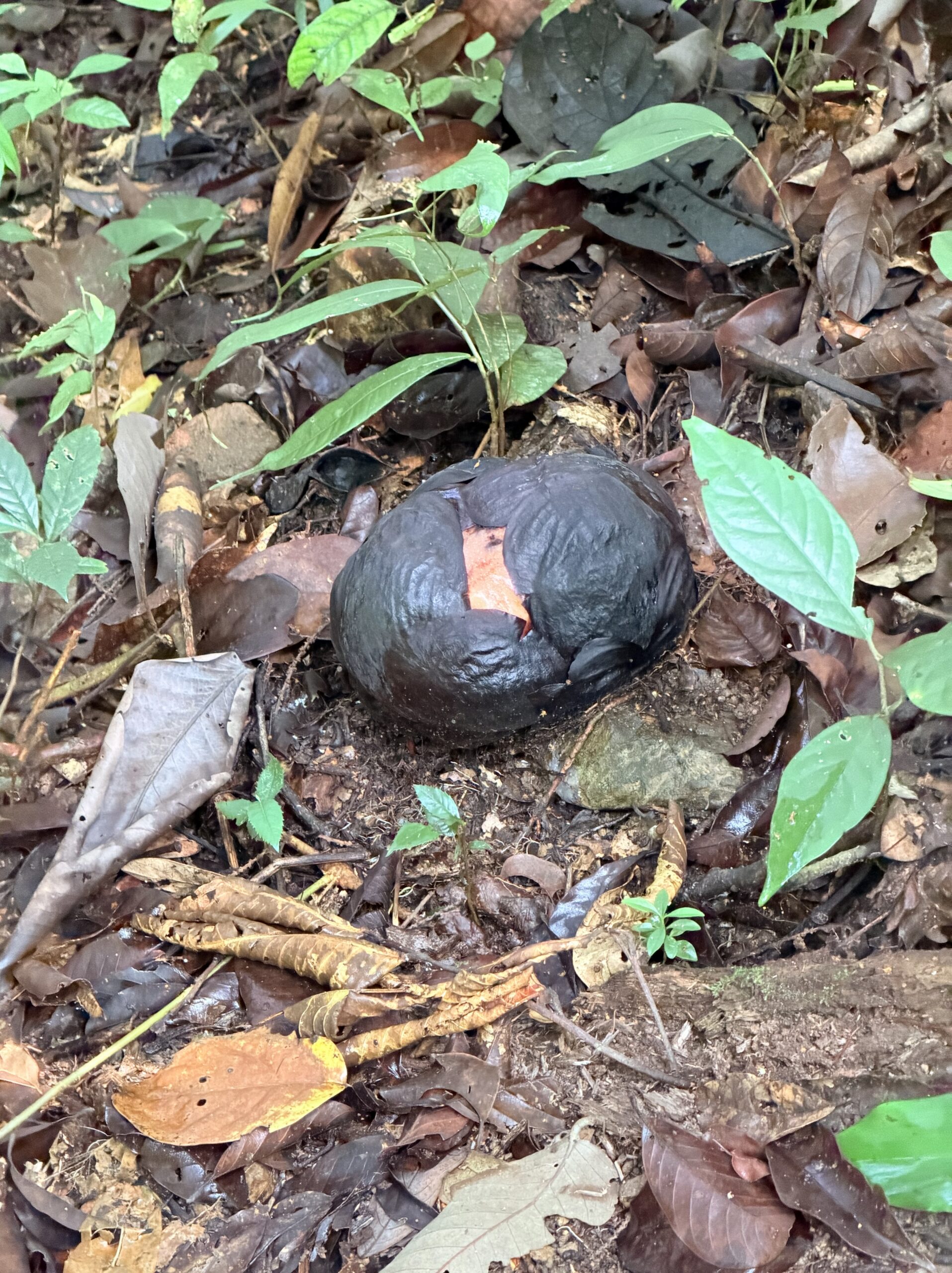
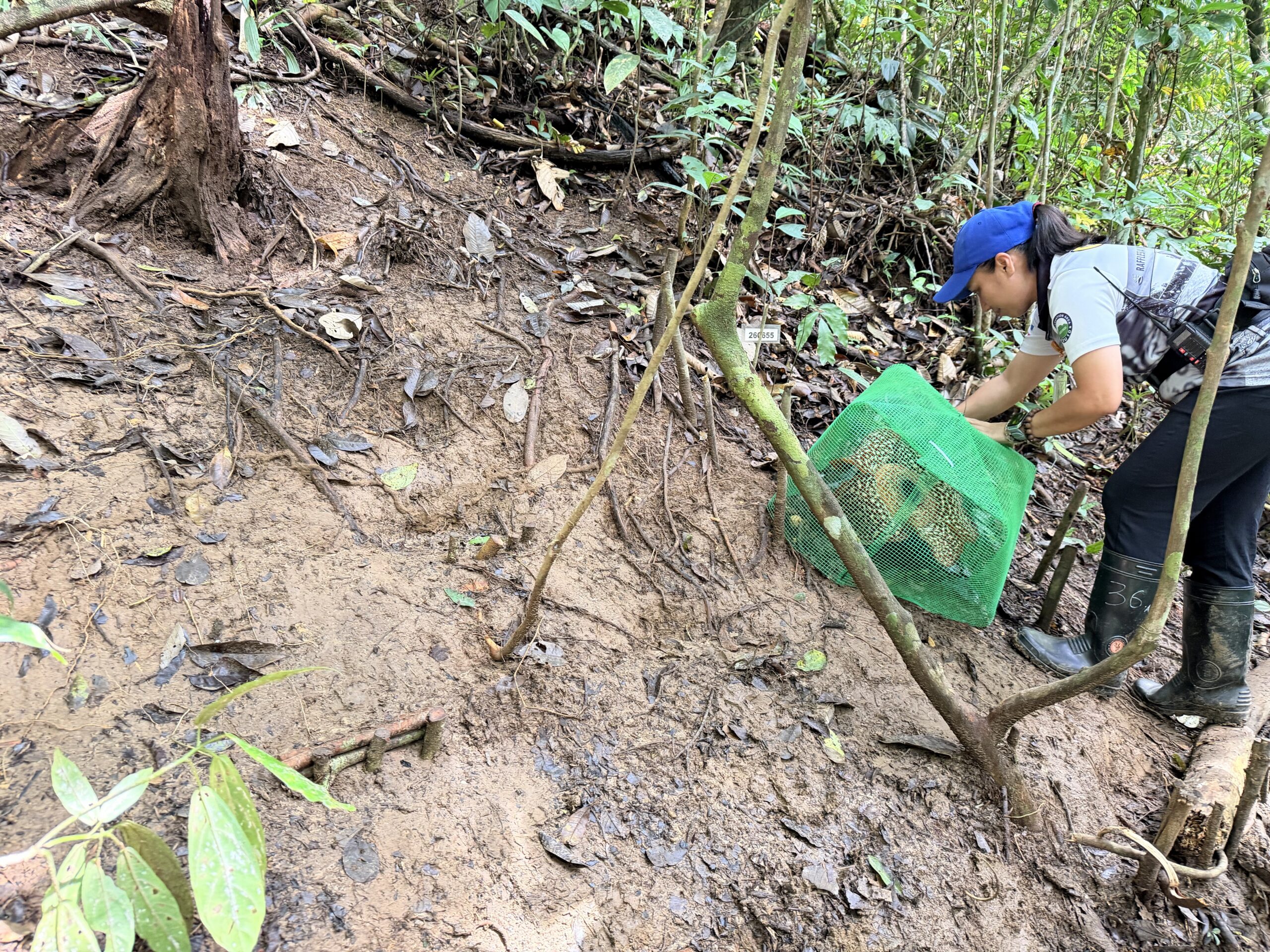
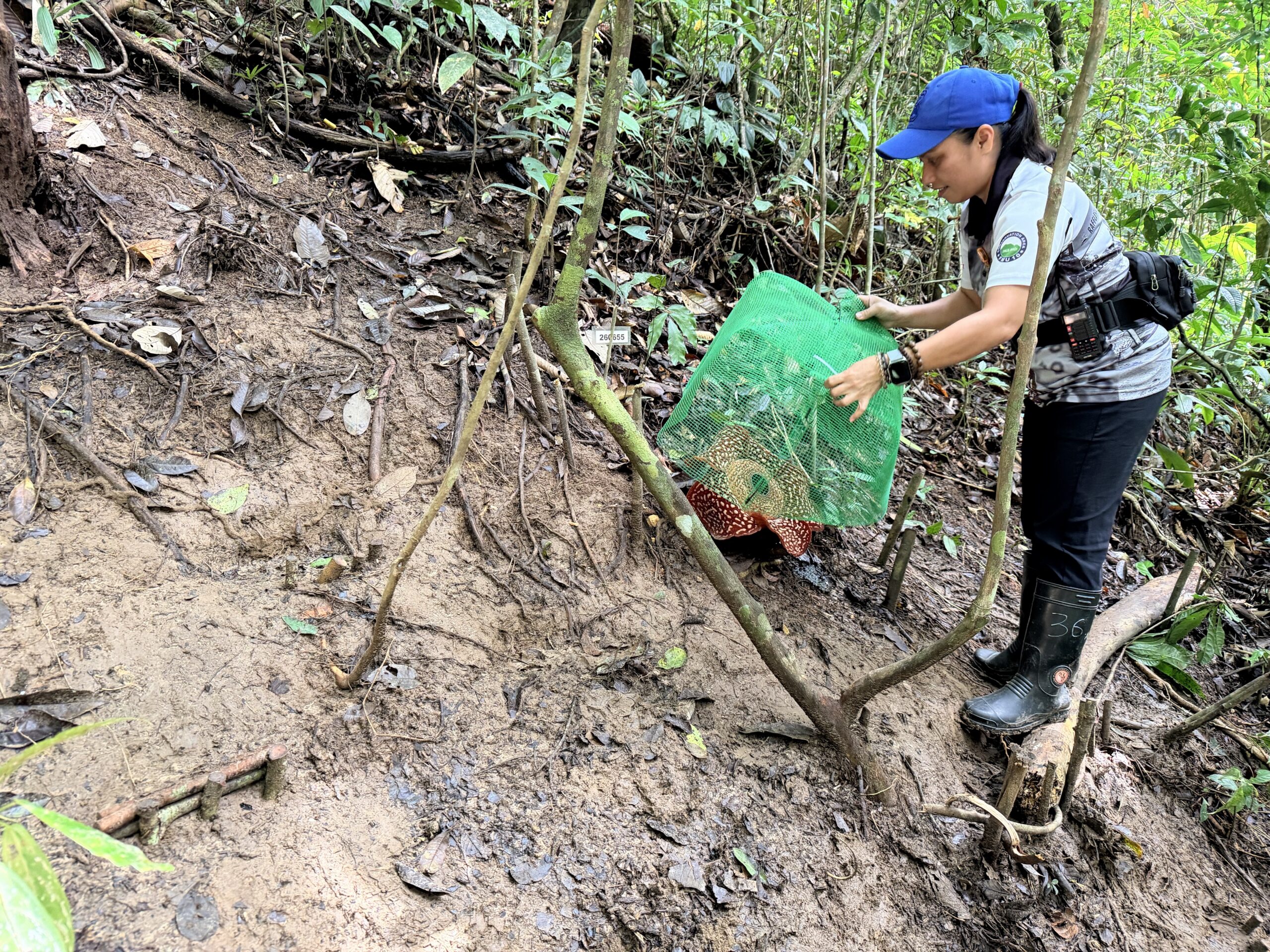
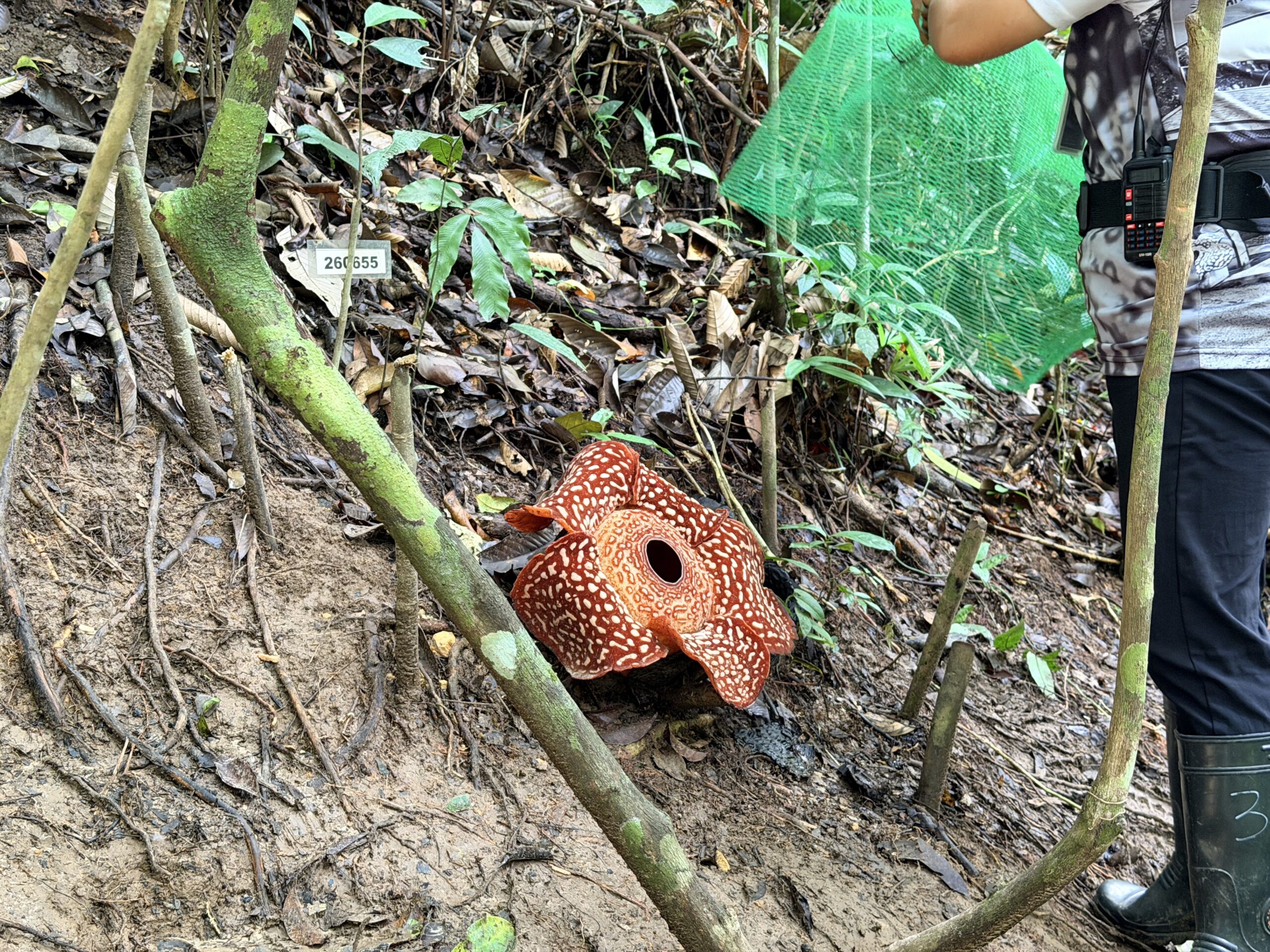
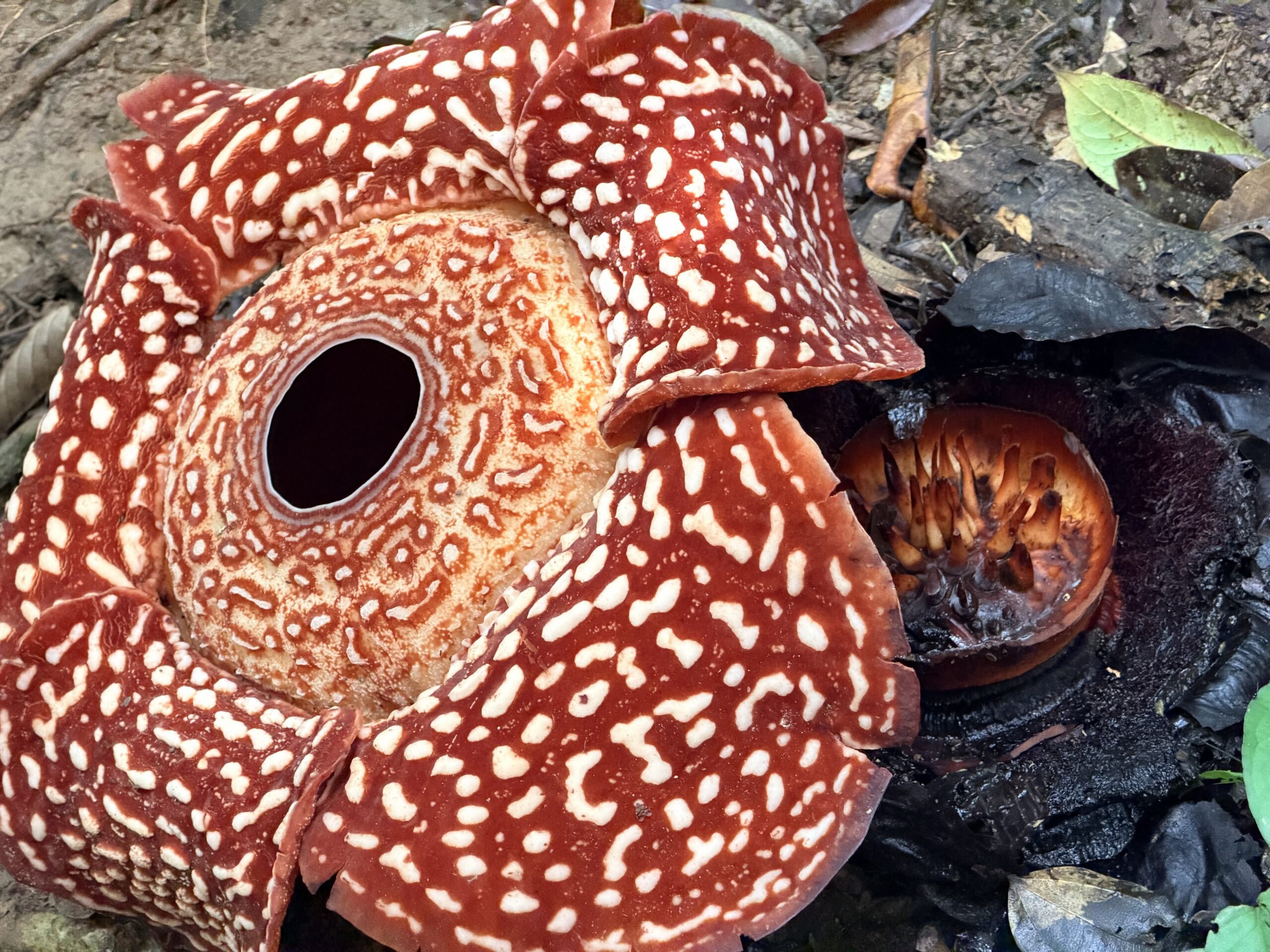
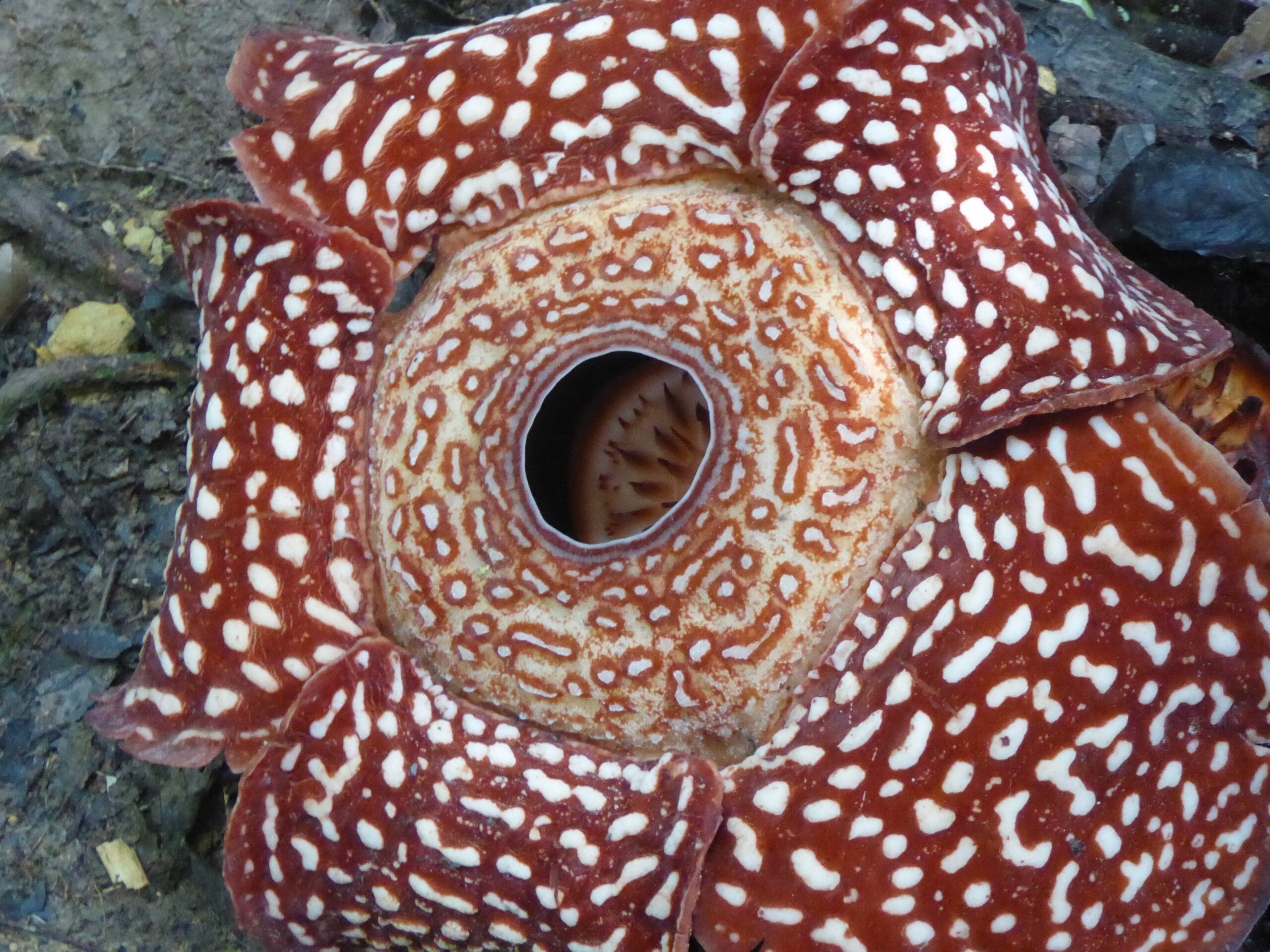
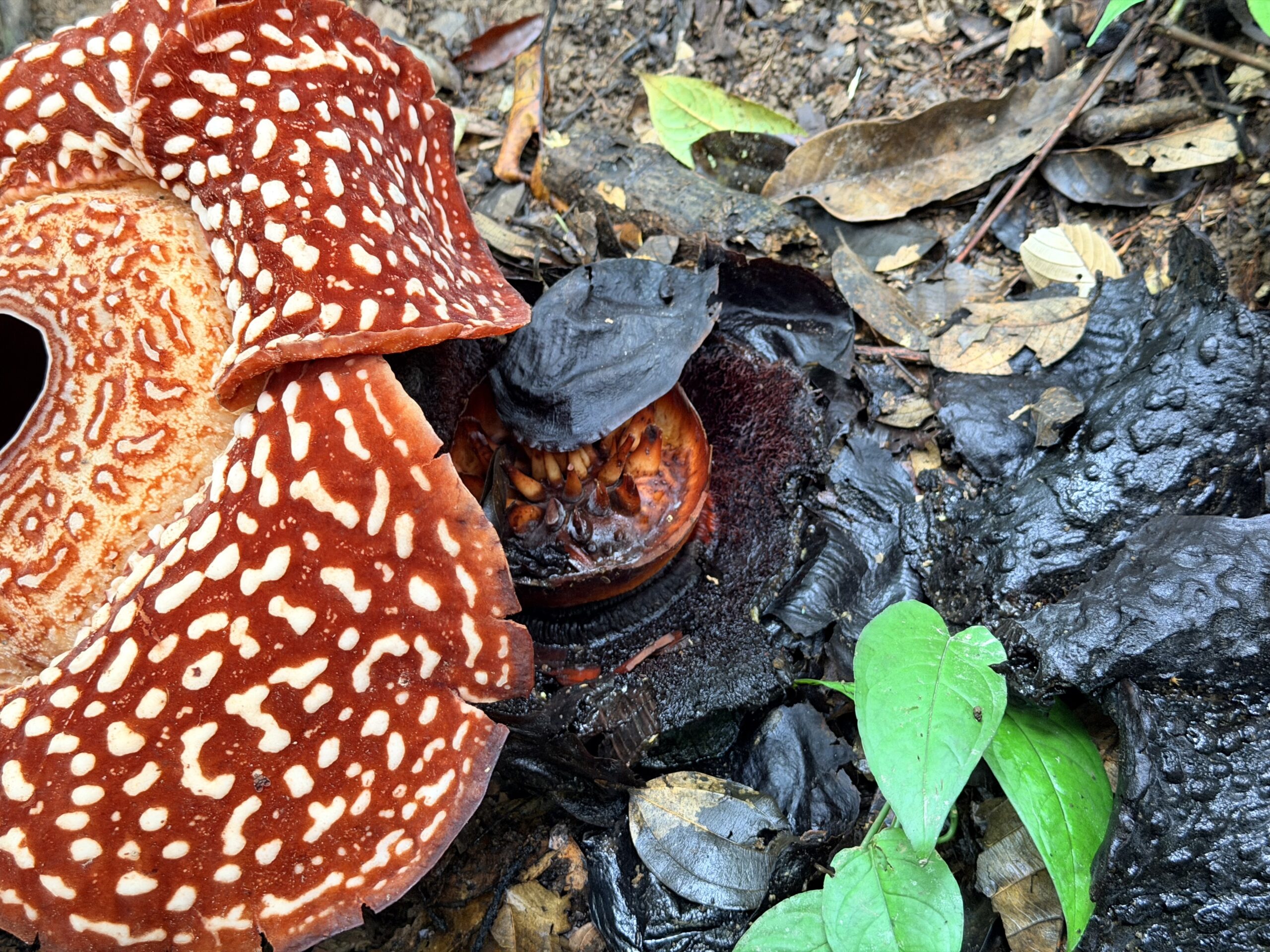
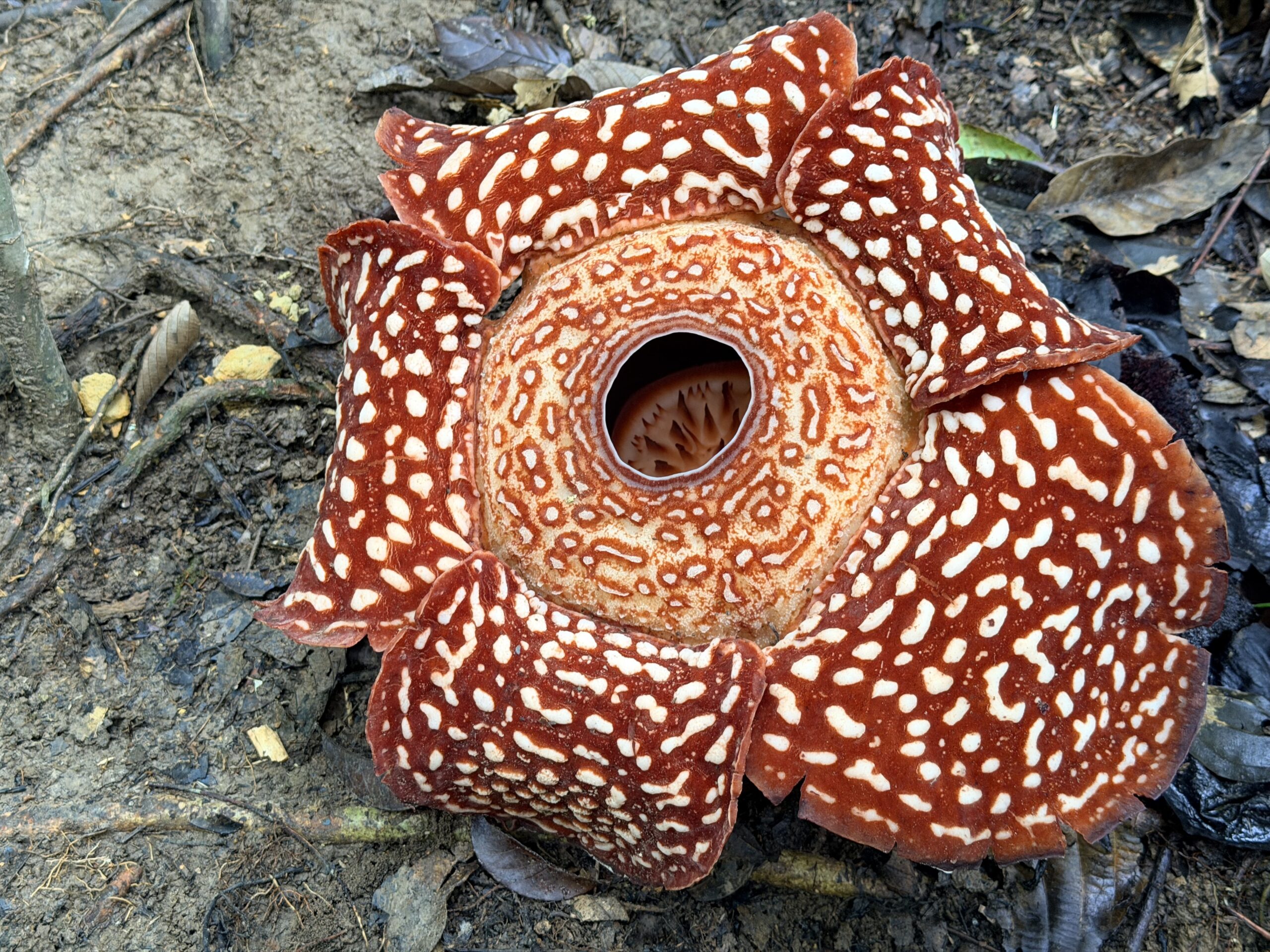
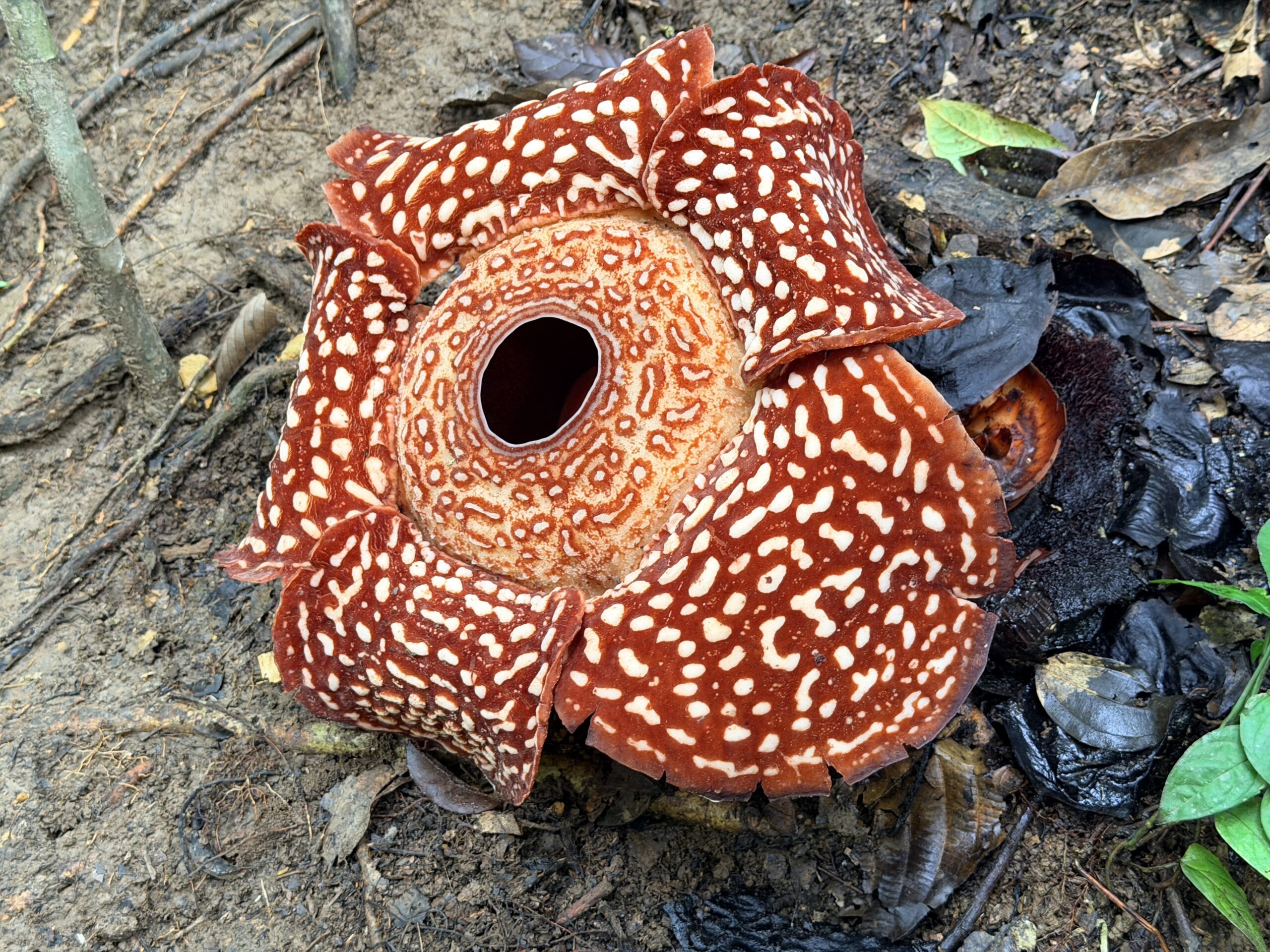
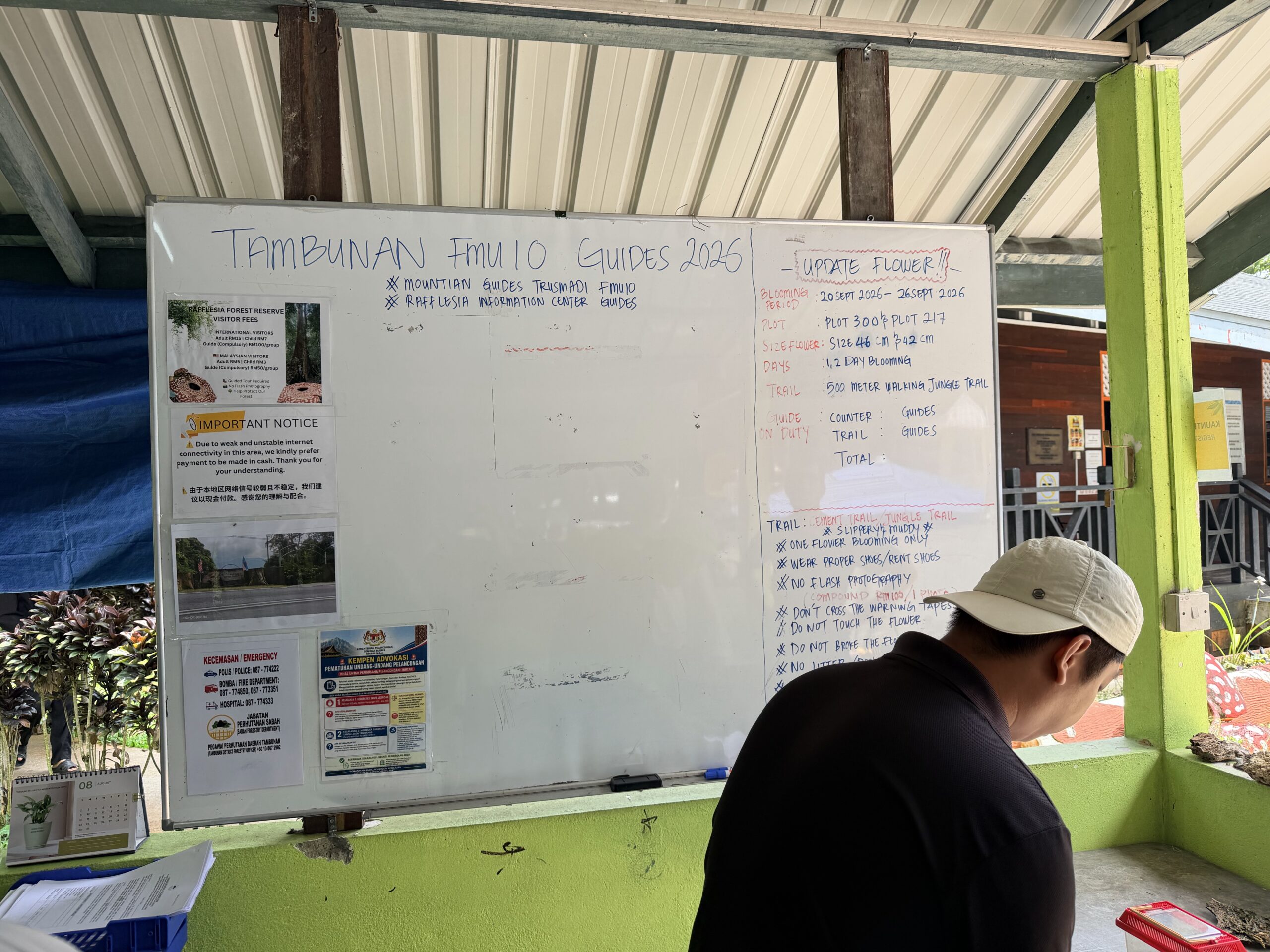
I forget what we had planned to do the next day – probably some local exploring, as Rianna found a location where a rafflesia flower was in bloom, and then found a driver to take us the 90 minutes there. As David the Frenchman was in our hotel we invited him along too. We ended up seeing maybe six or seven flowers in a small area near the Rafflesia Information Centre where we were guided by one of the Park Rangers who projected the flowers. They had an almost pleasant aroma – is seems the reputation and name ‘corps flower’ is for a different species.
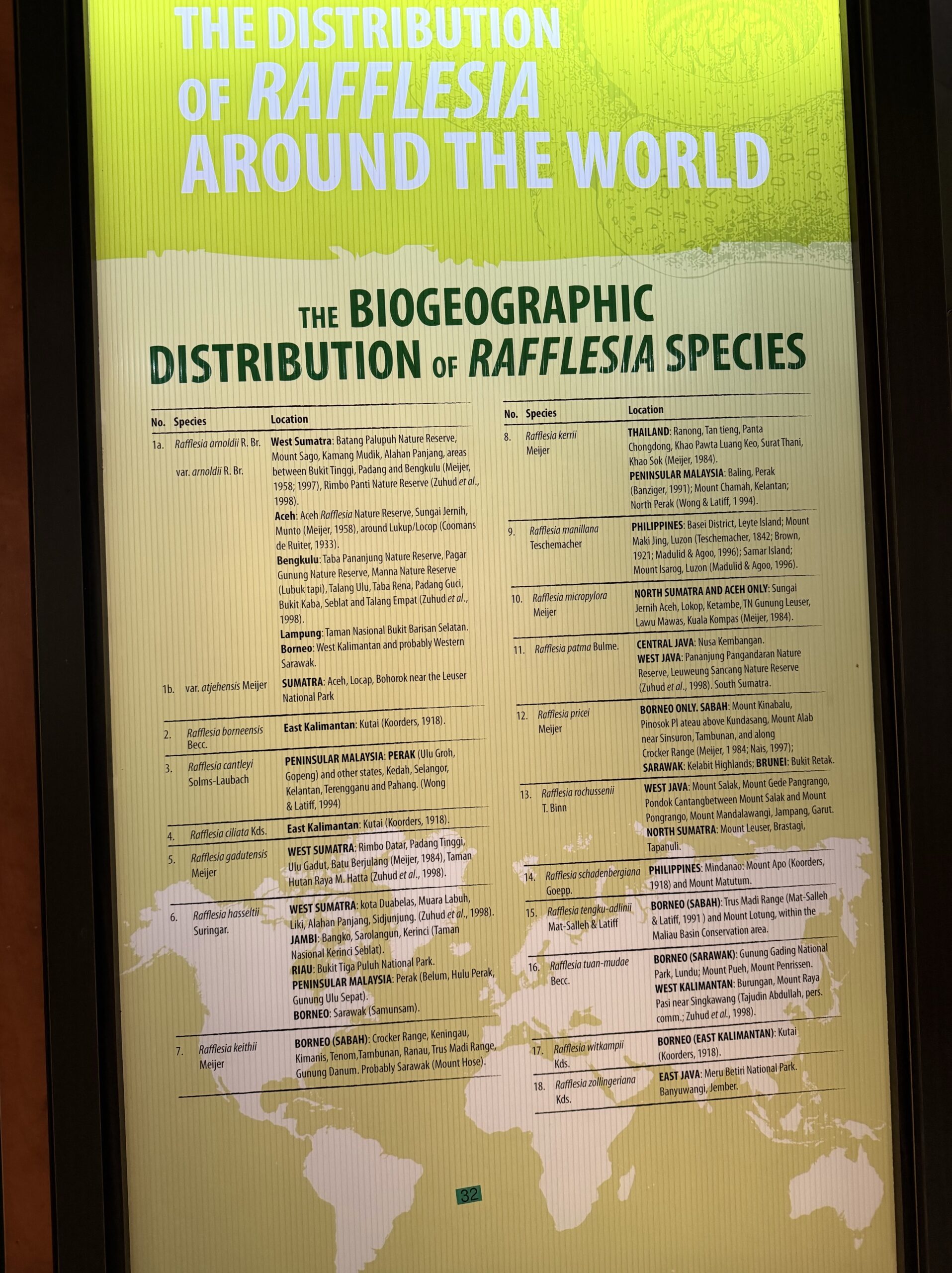
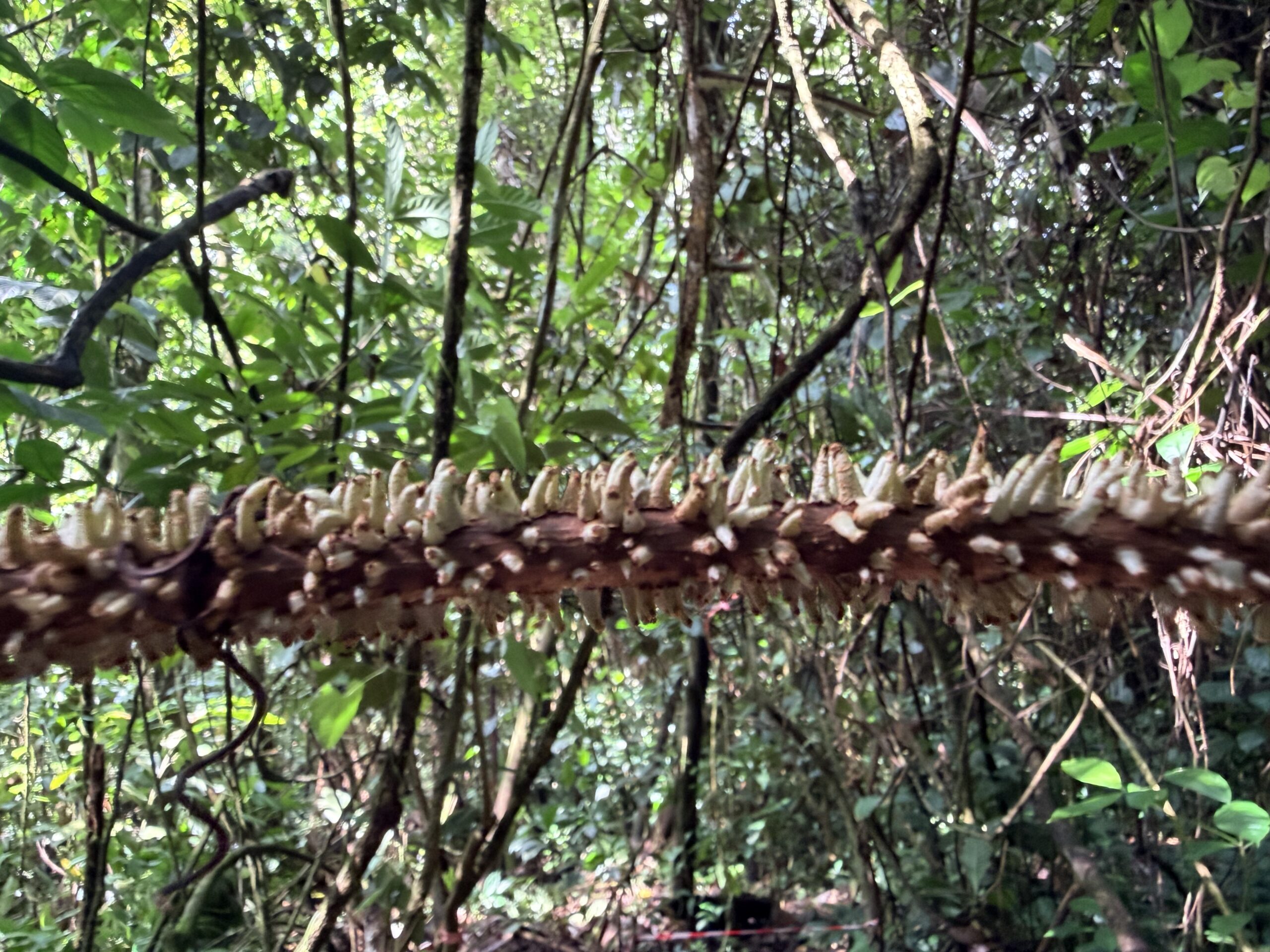
The rafflesia flower is the largest in the world. It has no stem, stalk, leaves or roots, but grows symbiotically on the root of just one type of tree vine. It may bloom once every one or two years, and then only for 4 to 5 days before the flower dies. We say the Raflessia in many stages – from several weeks before flowering to one, three and five day old flowers, to blackened flowers over a monrth old.

A short flight south from Kota Kinabalu brought me to Mulu – an area with no road access. There I met my guide and the afternoon activity was a short drive to the National Park entrance followed by a walk to Lang’s Cave and Deer Cave.
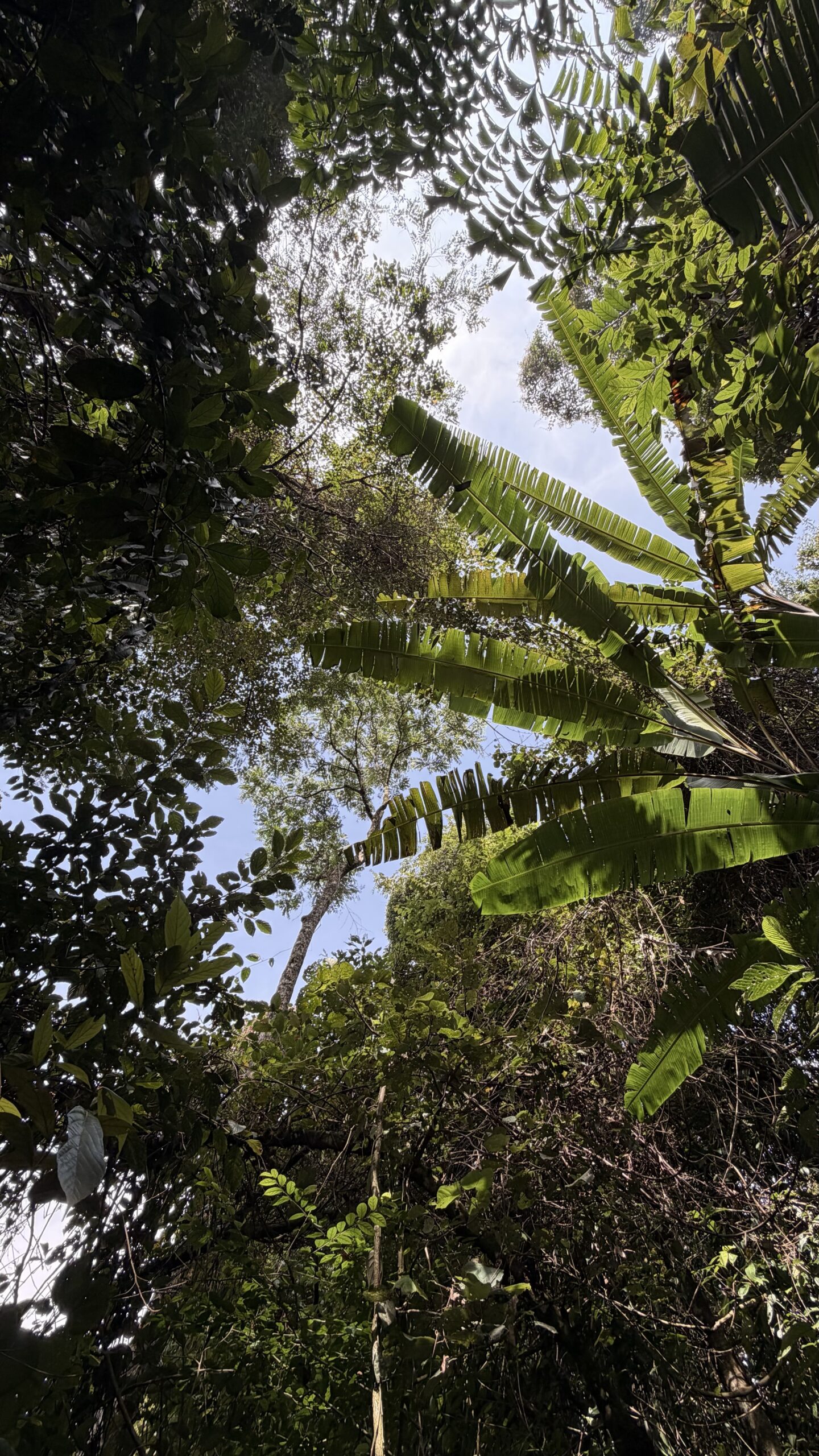
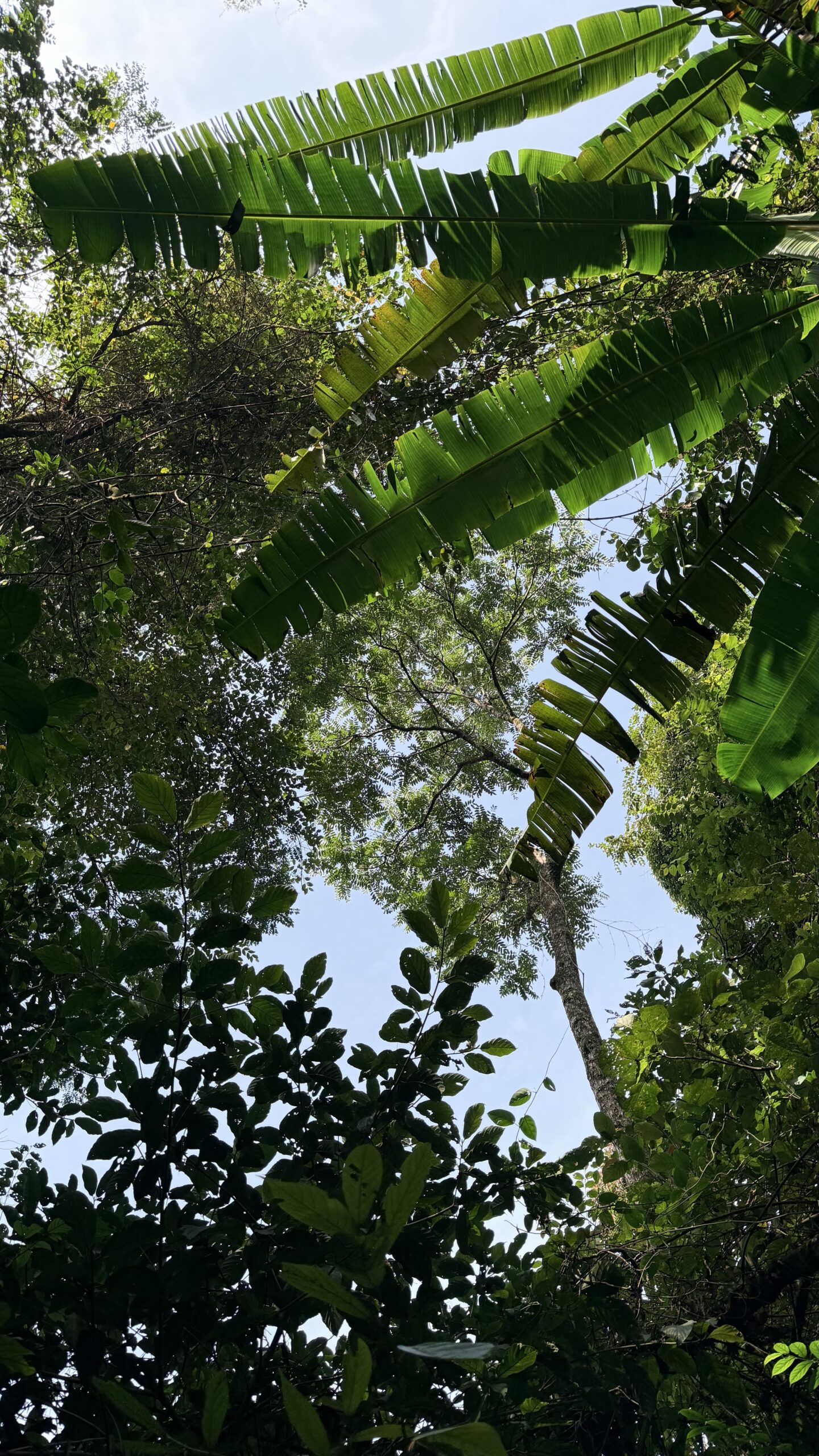
Gunung Mulu is quite rightly a World Heritage Area, famous for its caves, bat populations, geology and wildlife. Travel in the area is on a couple of local roads, by foot or by motorised longboat.
The second day marked the start of three days of hiking through and out of the park along the Headhunters’ Trail to a village longhouse and then a flight out from Limbang.
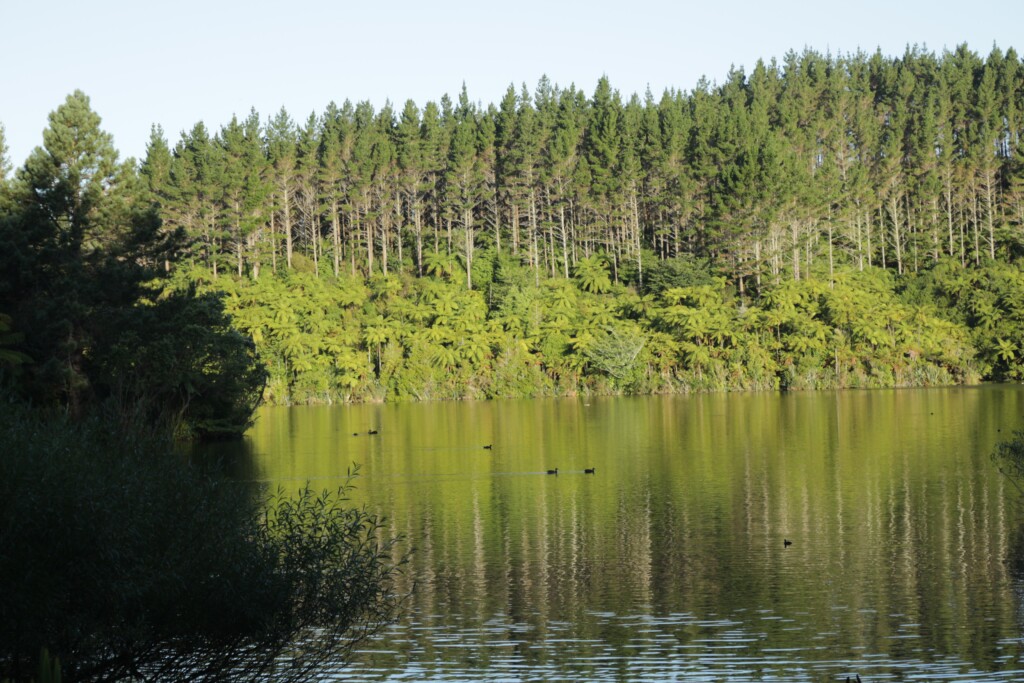
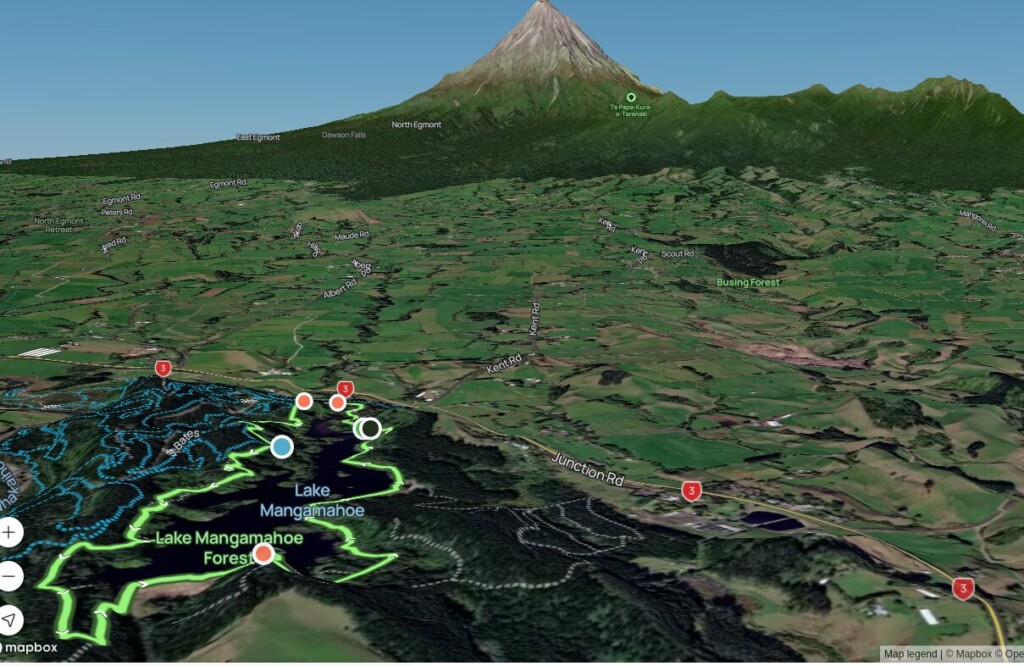
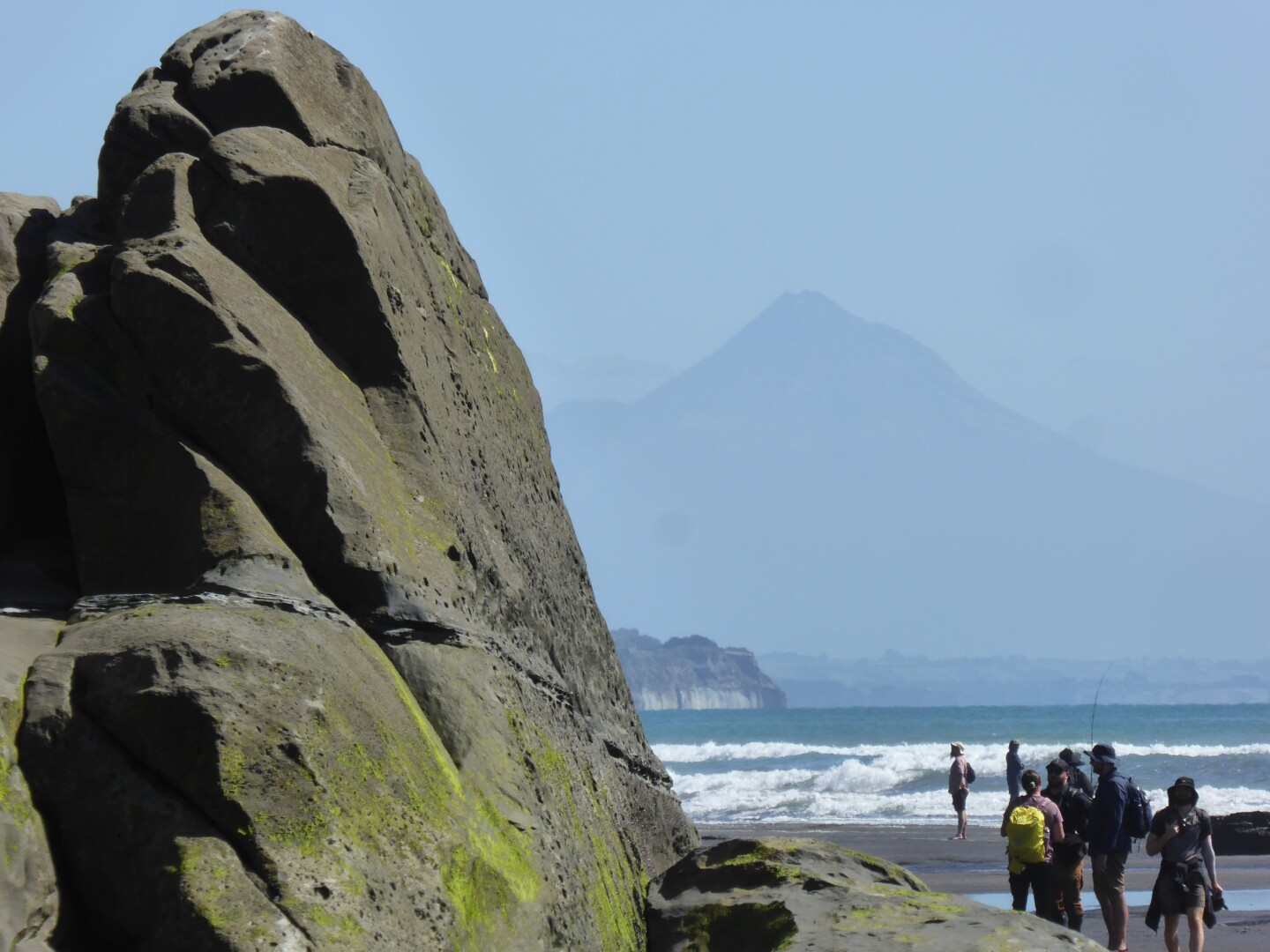
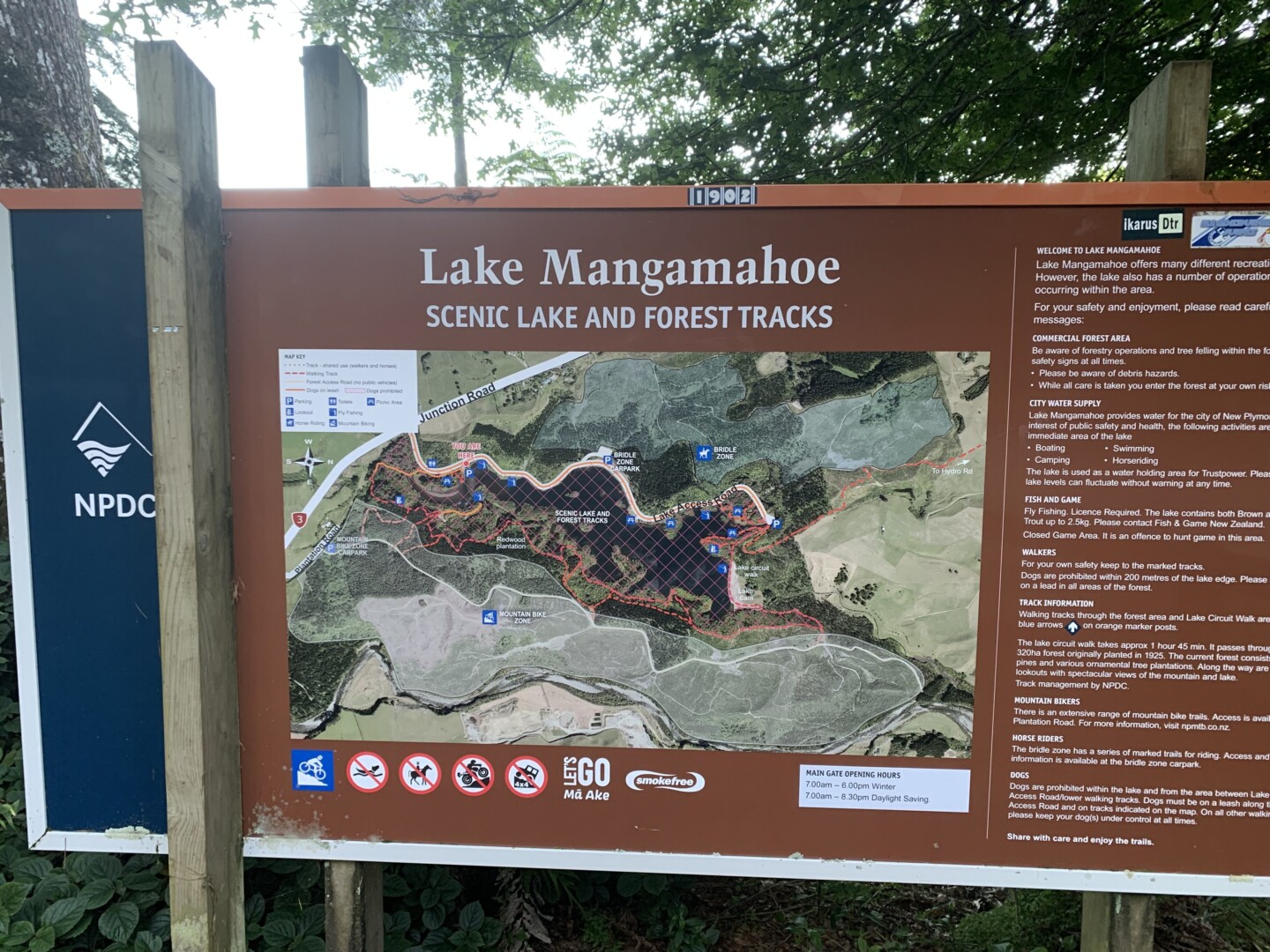
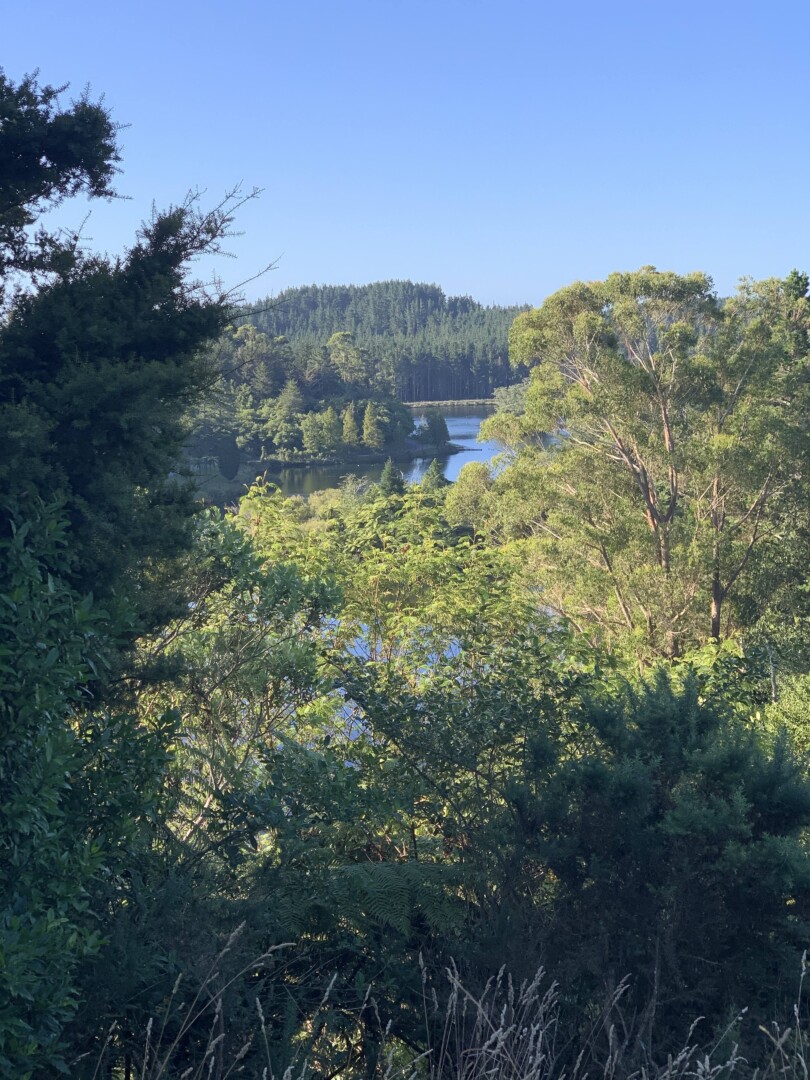
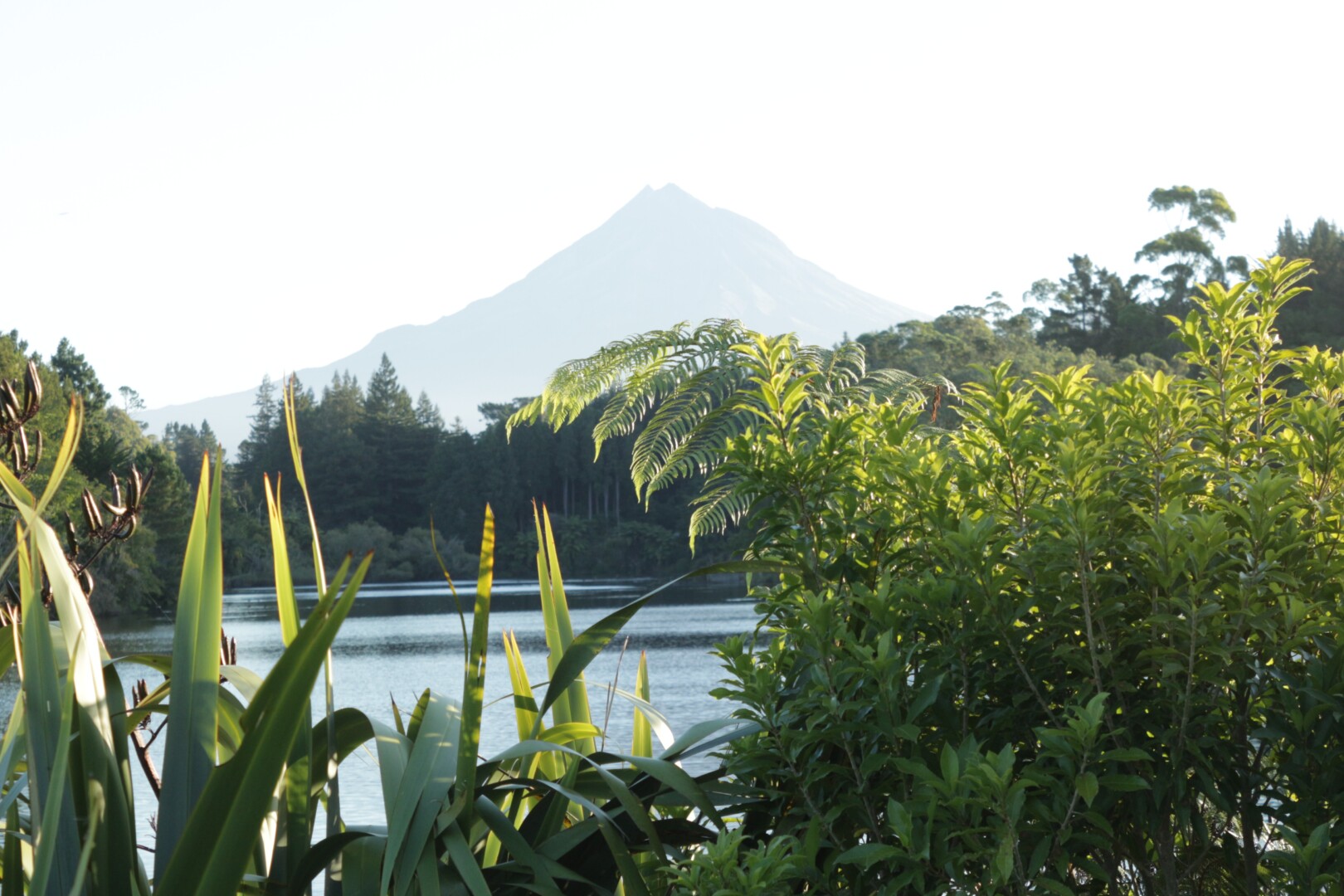
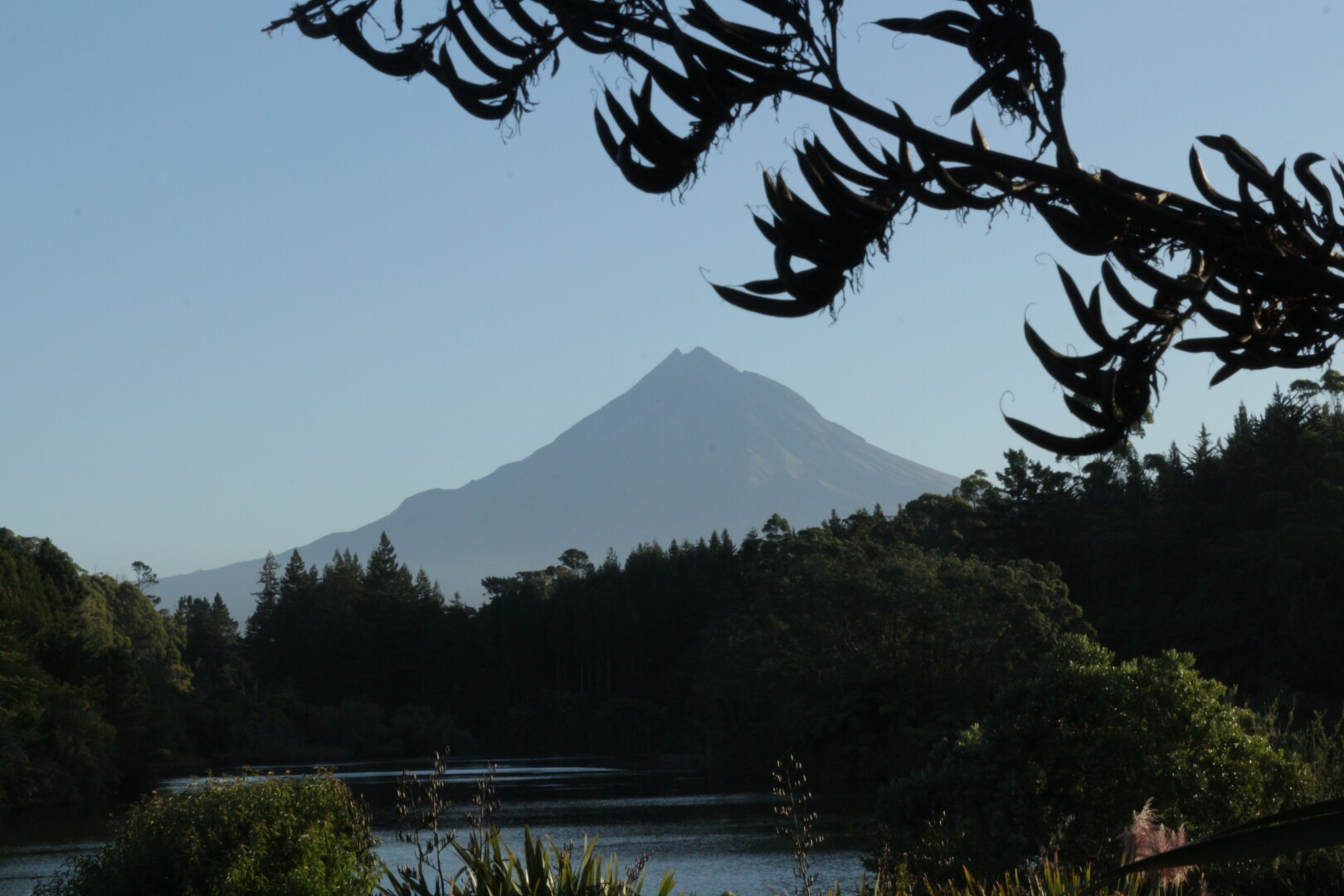
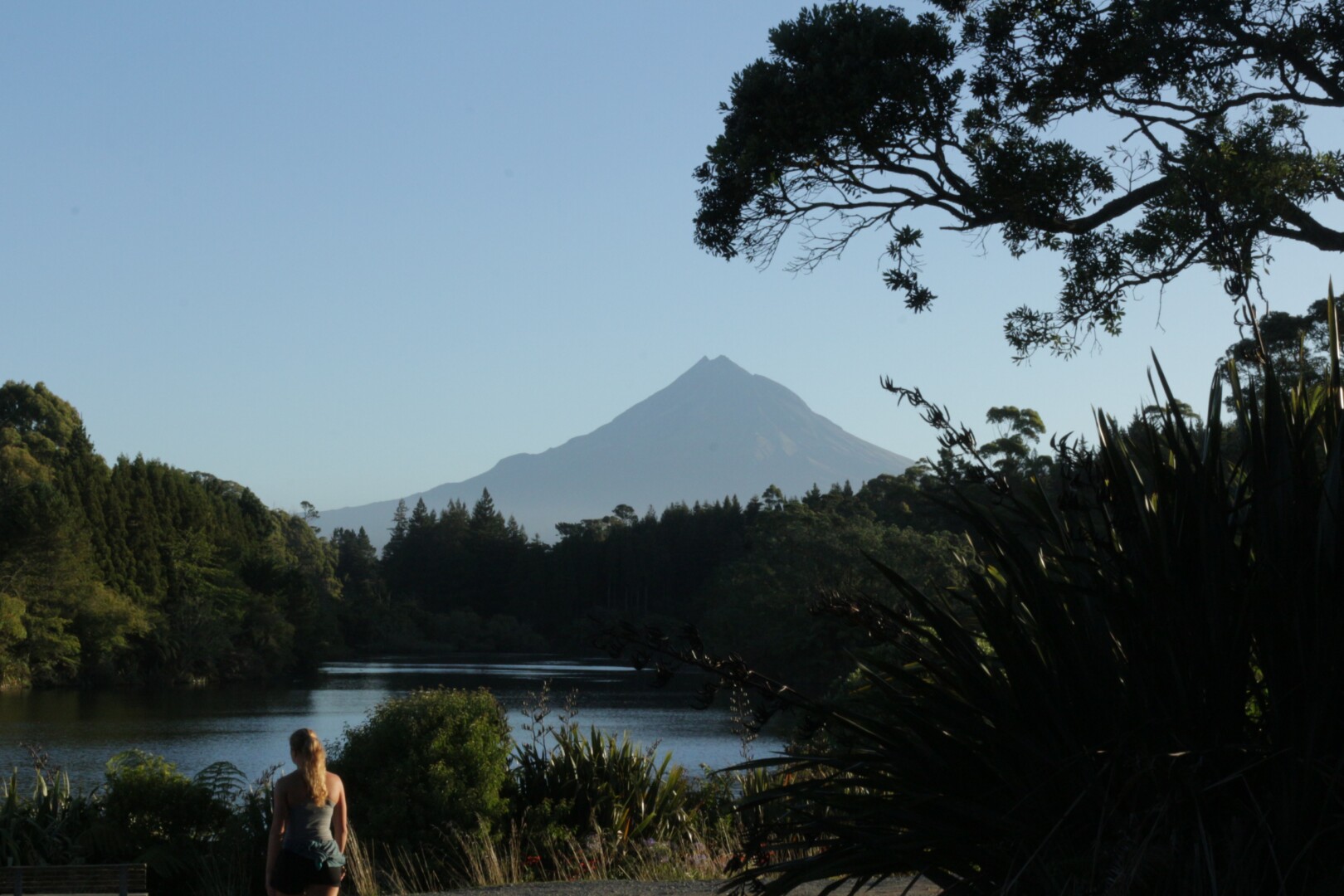
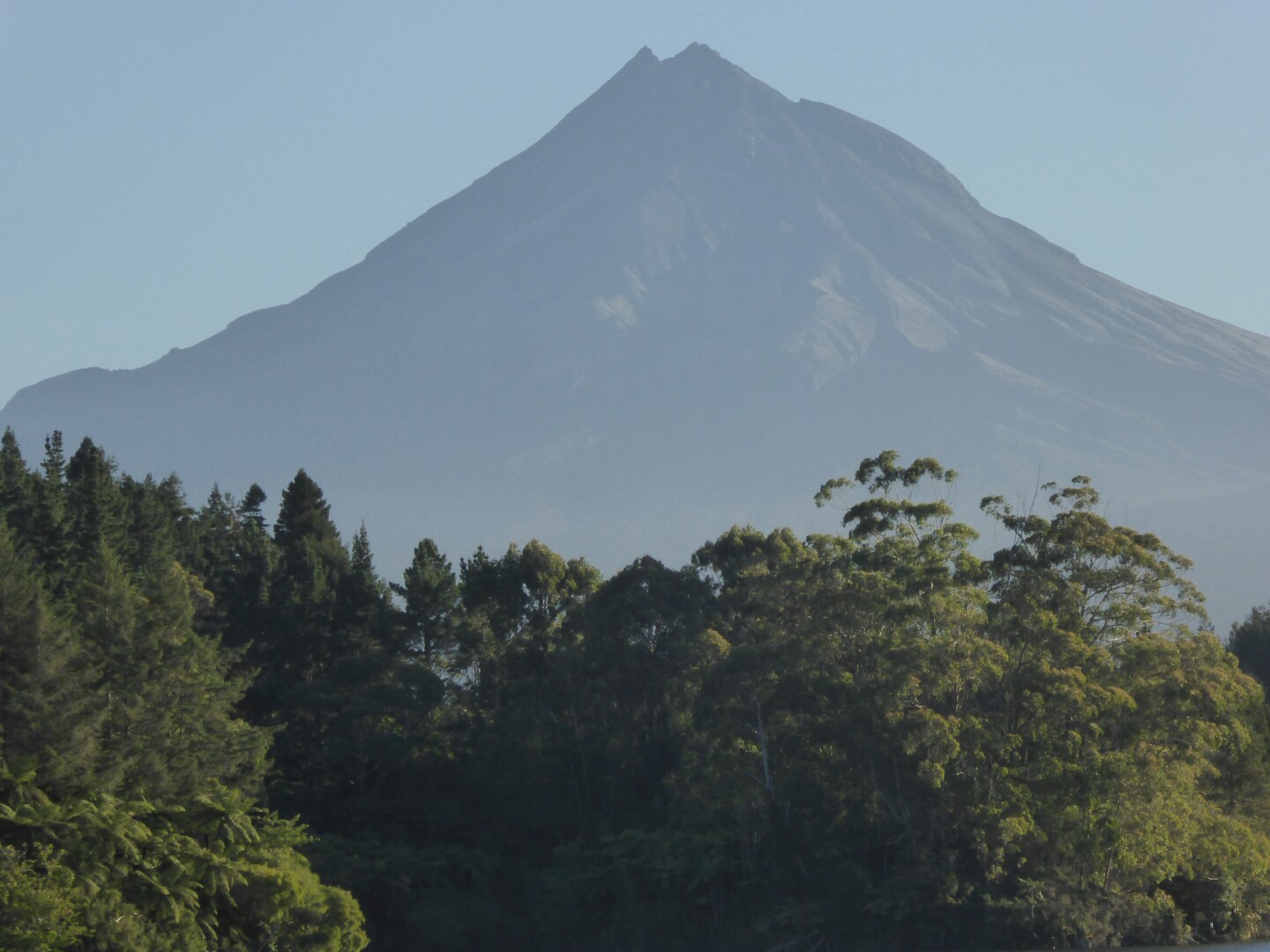
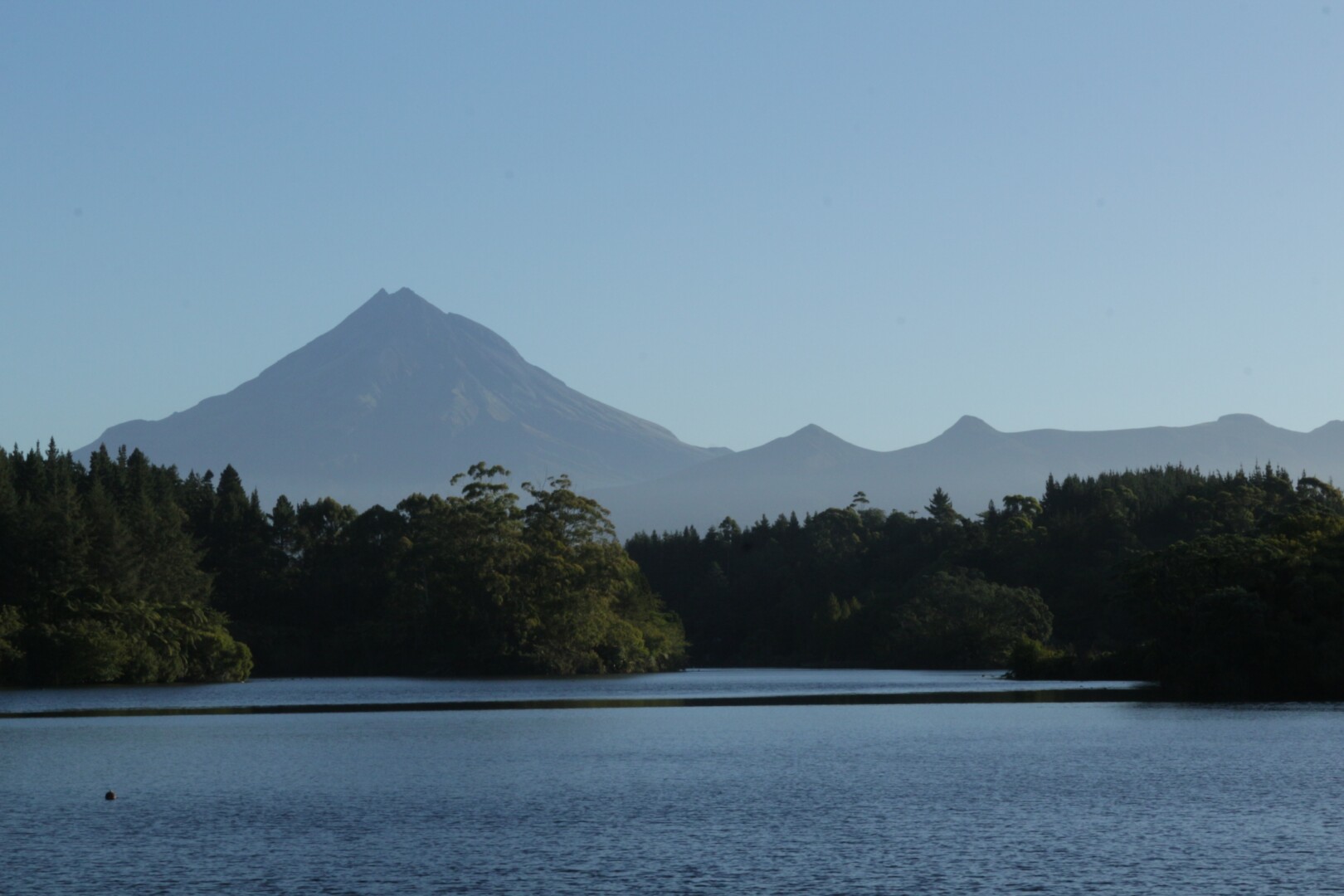
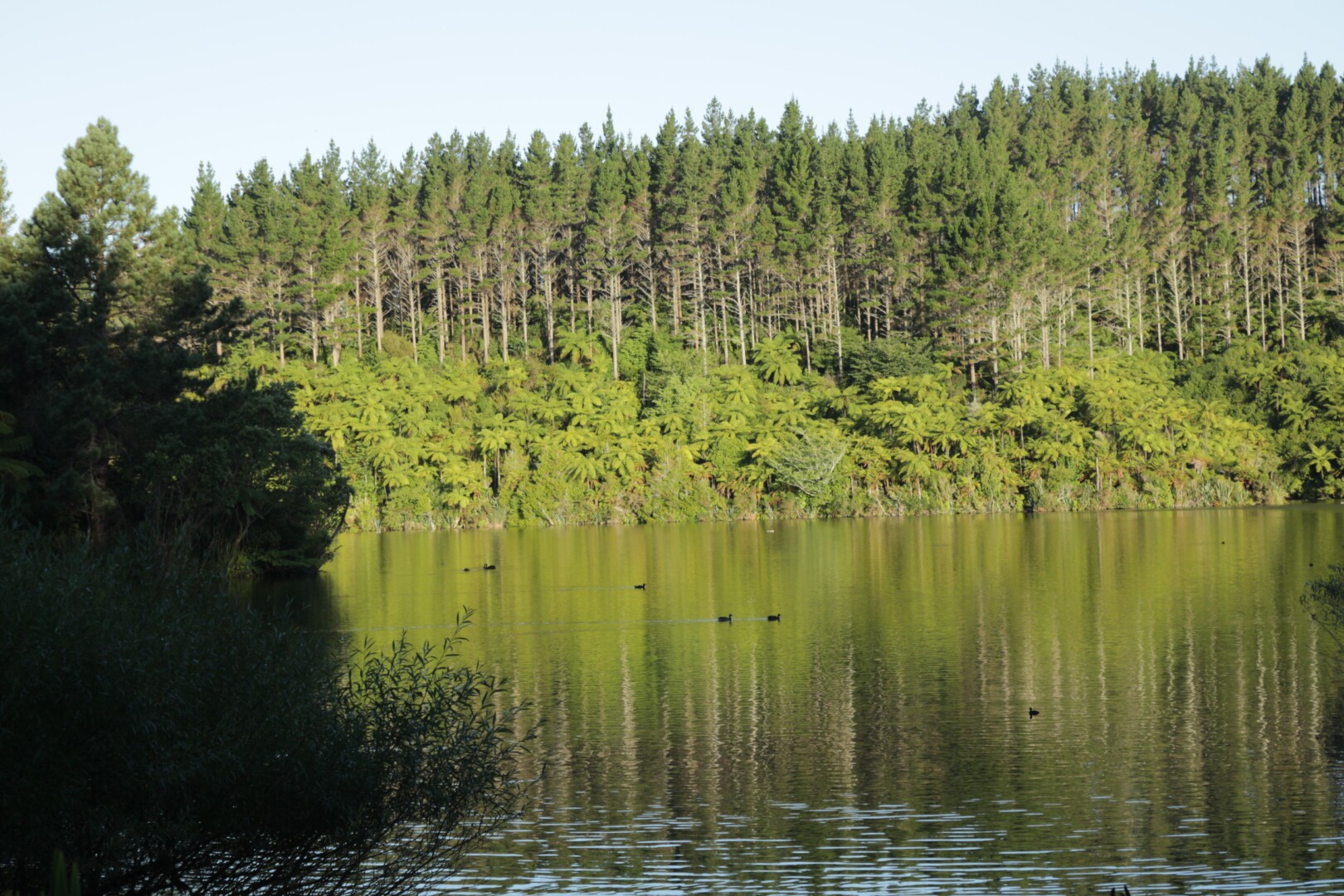
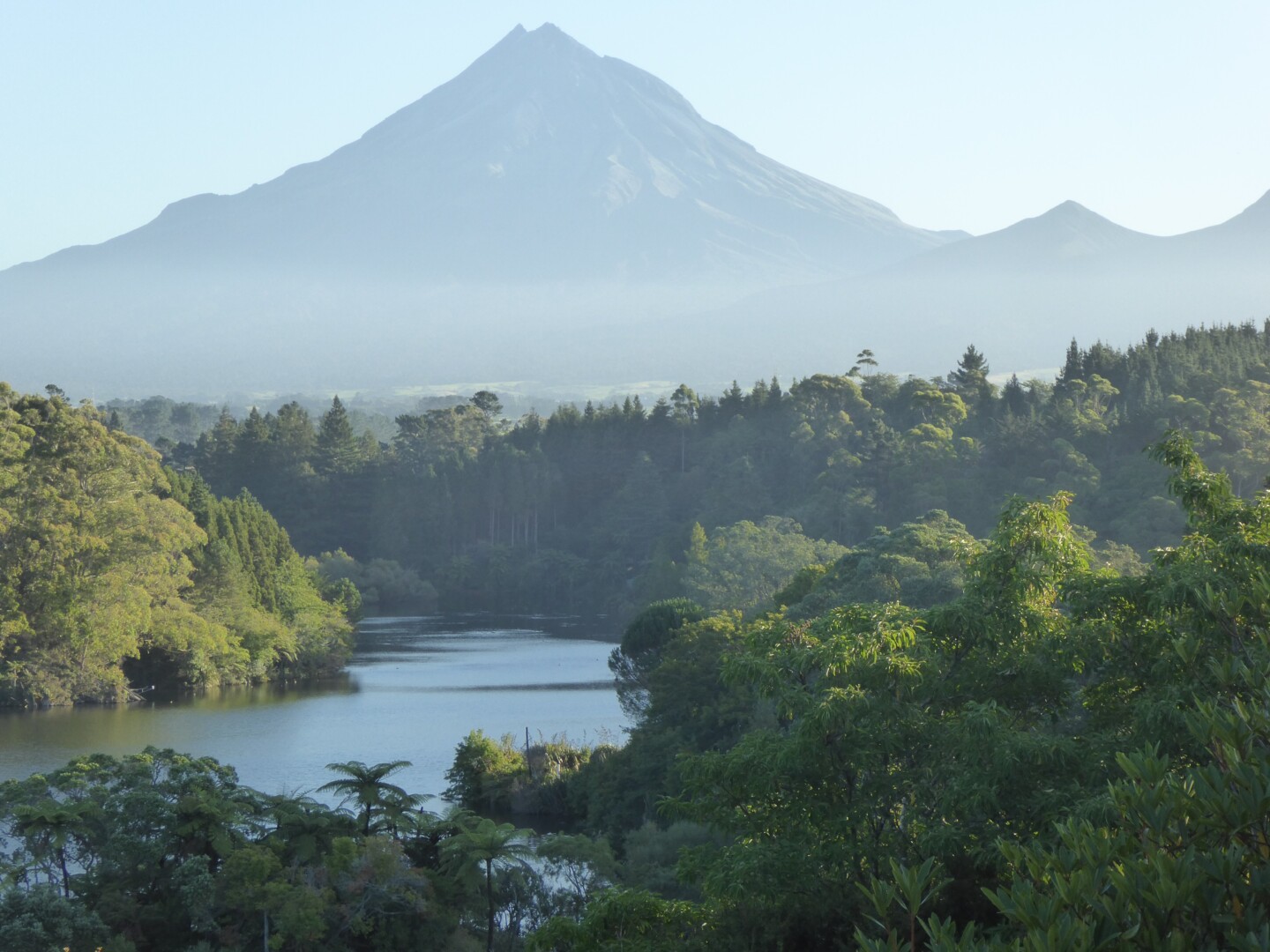
It was getting late in the afternoon but we thought we had time to squeeze in a walk around a lake that promised imposing views of Mount Taranacki. It did not disappoint.
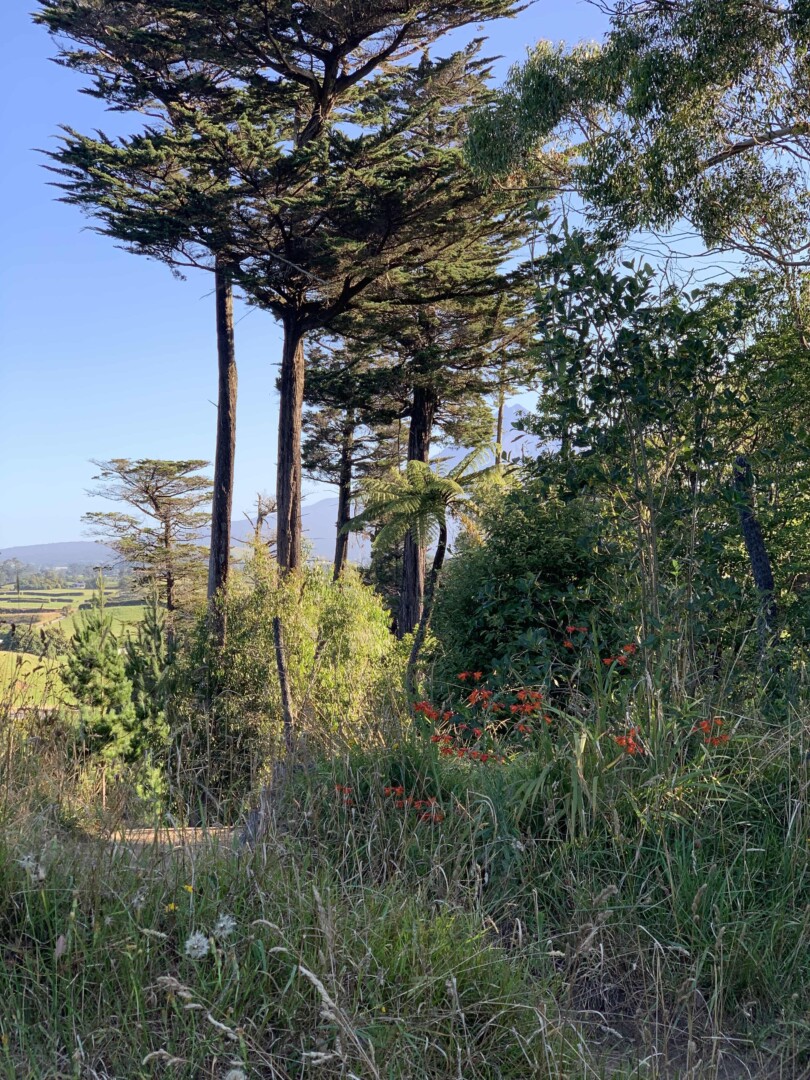
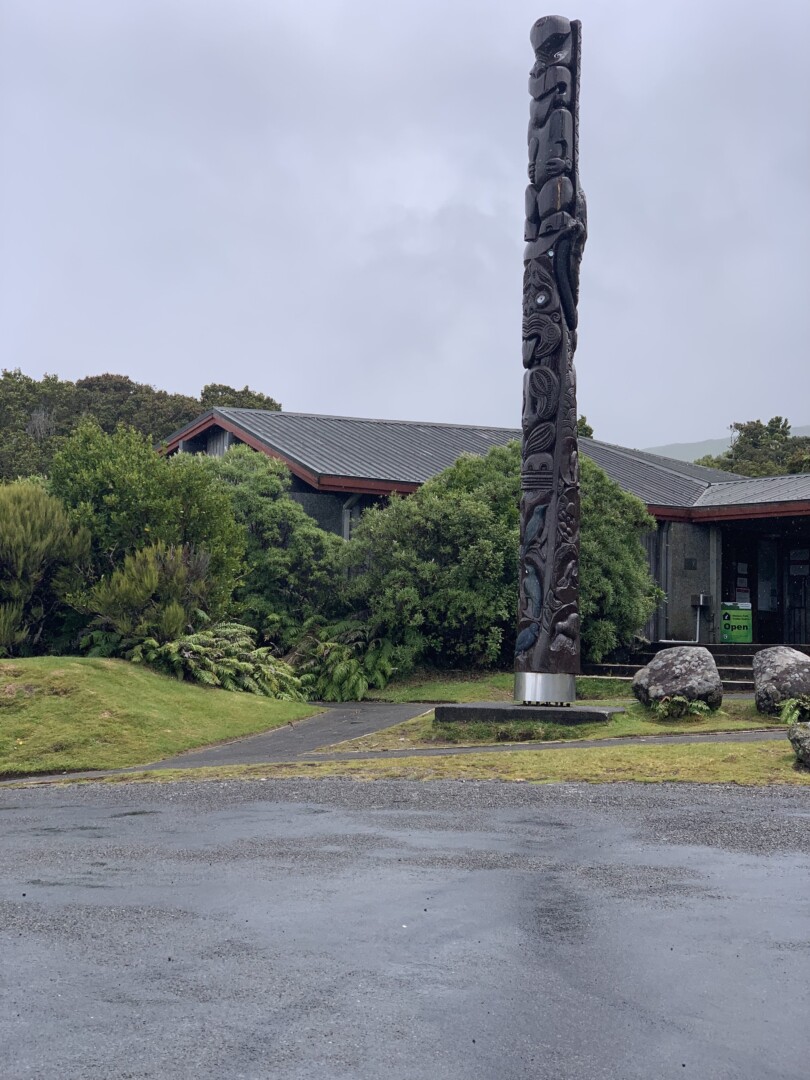
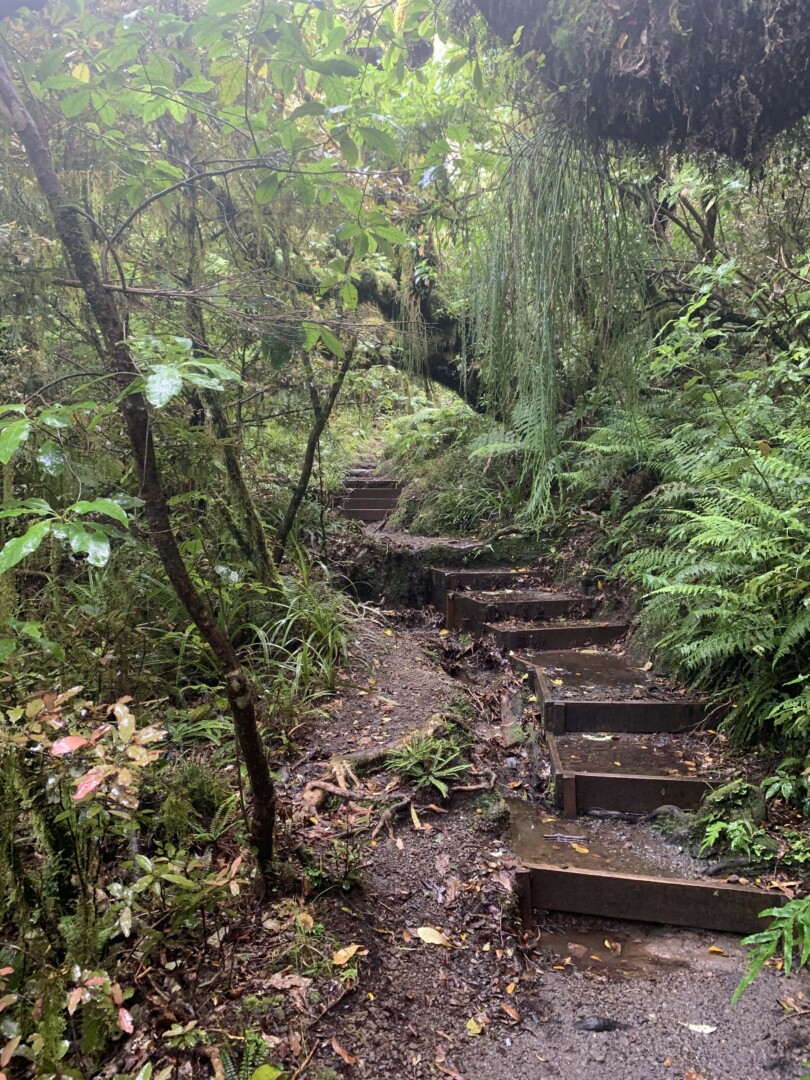
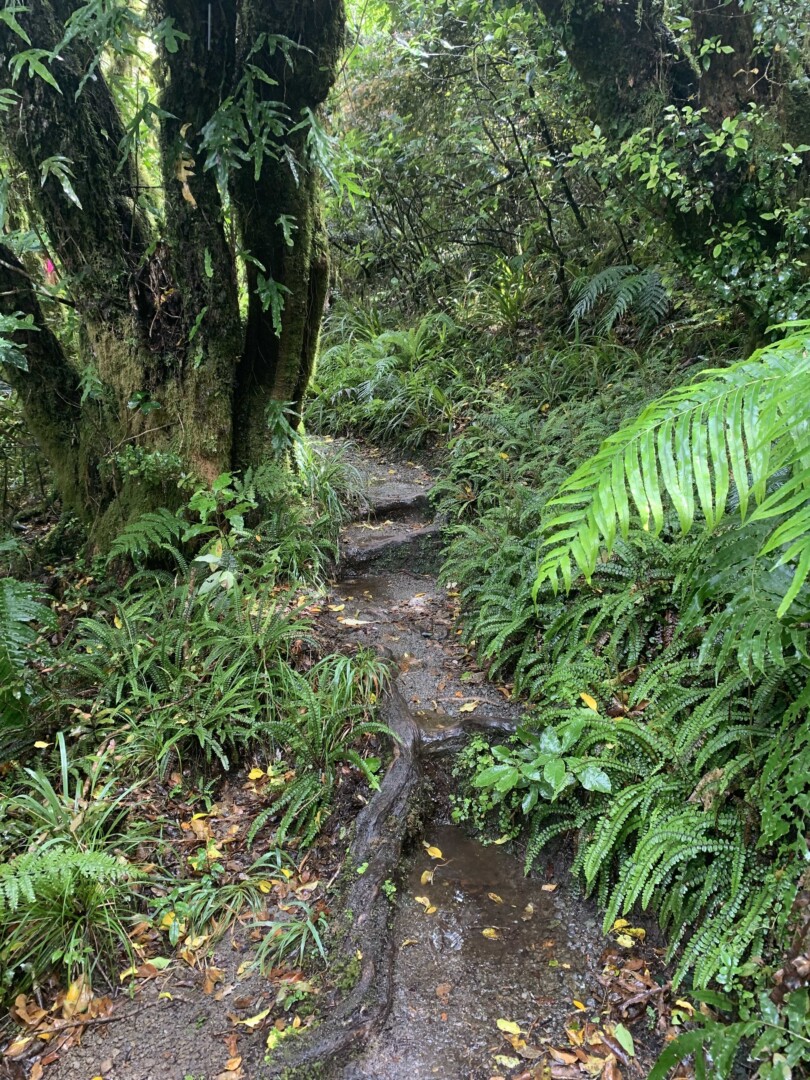
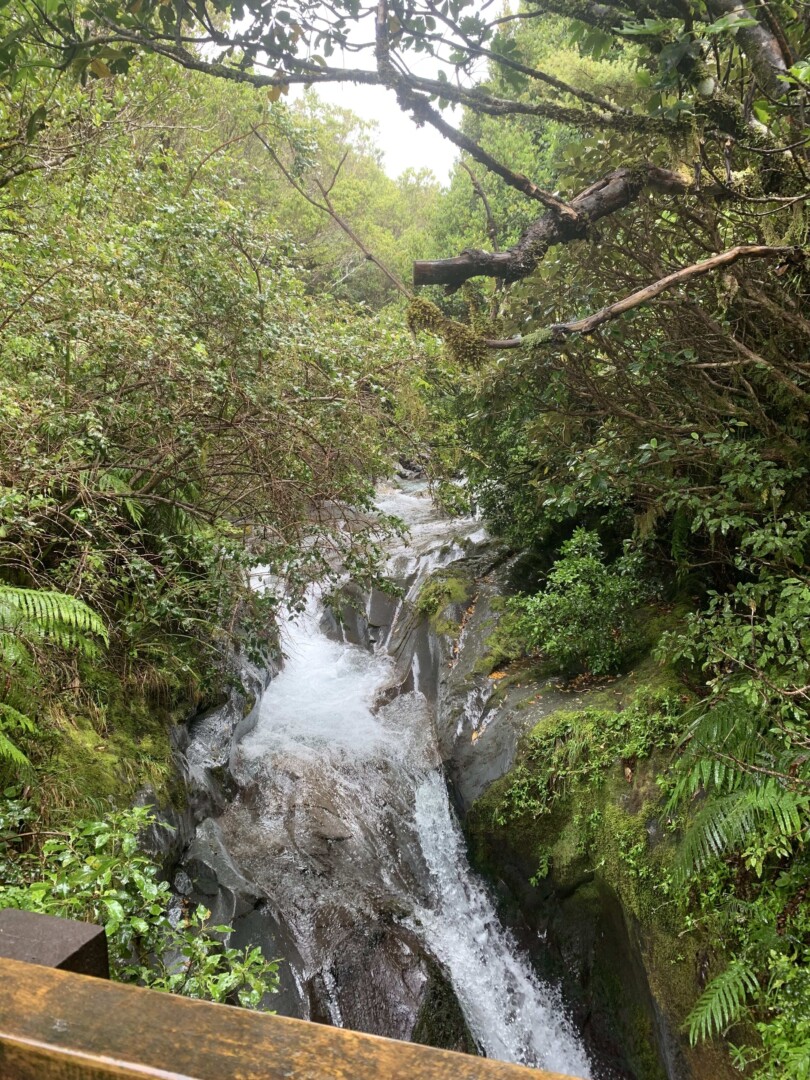
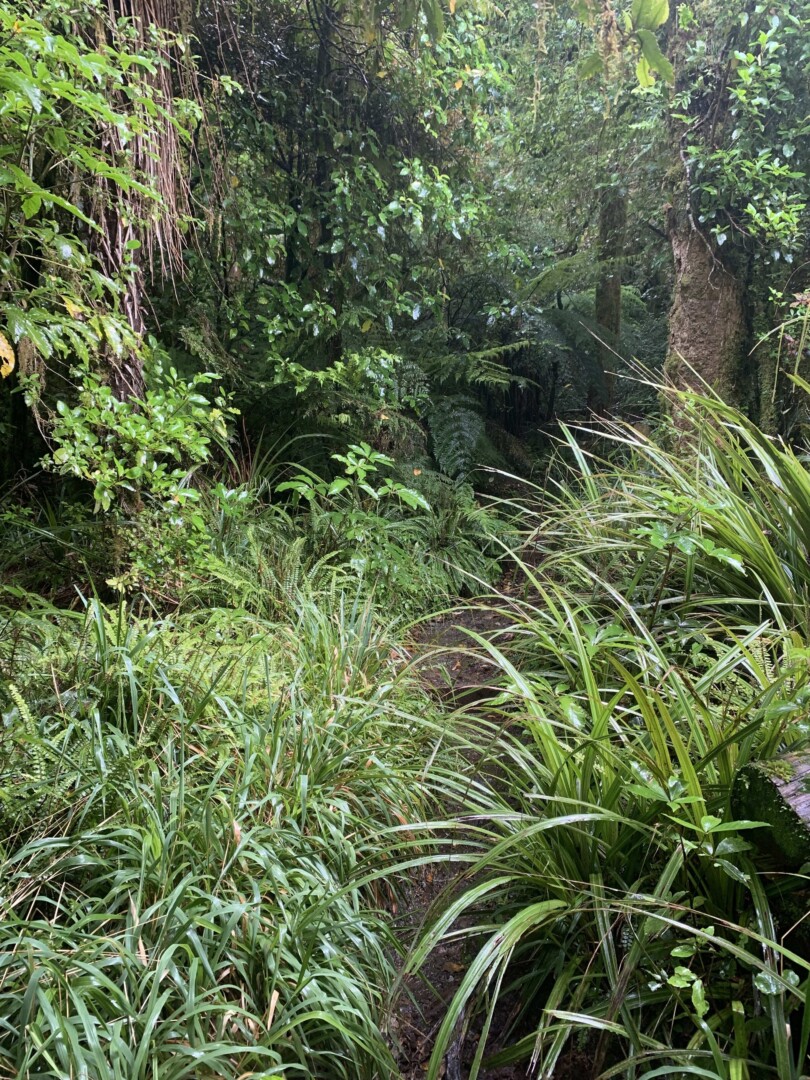
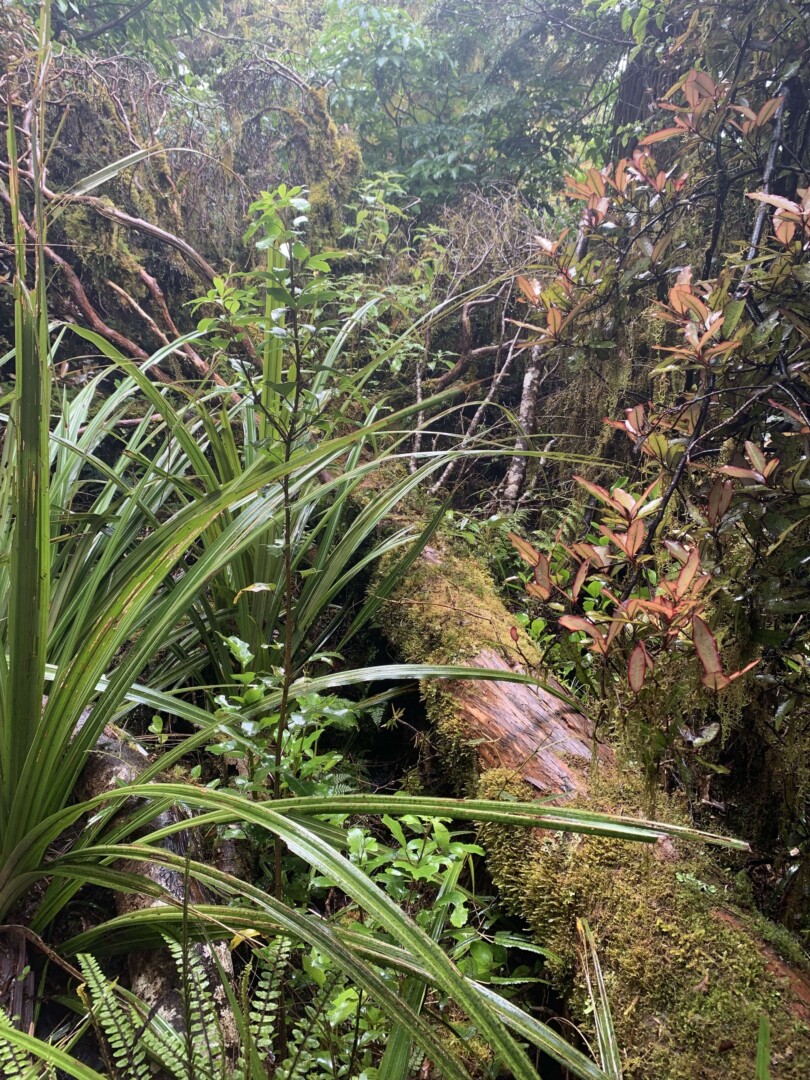
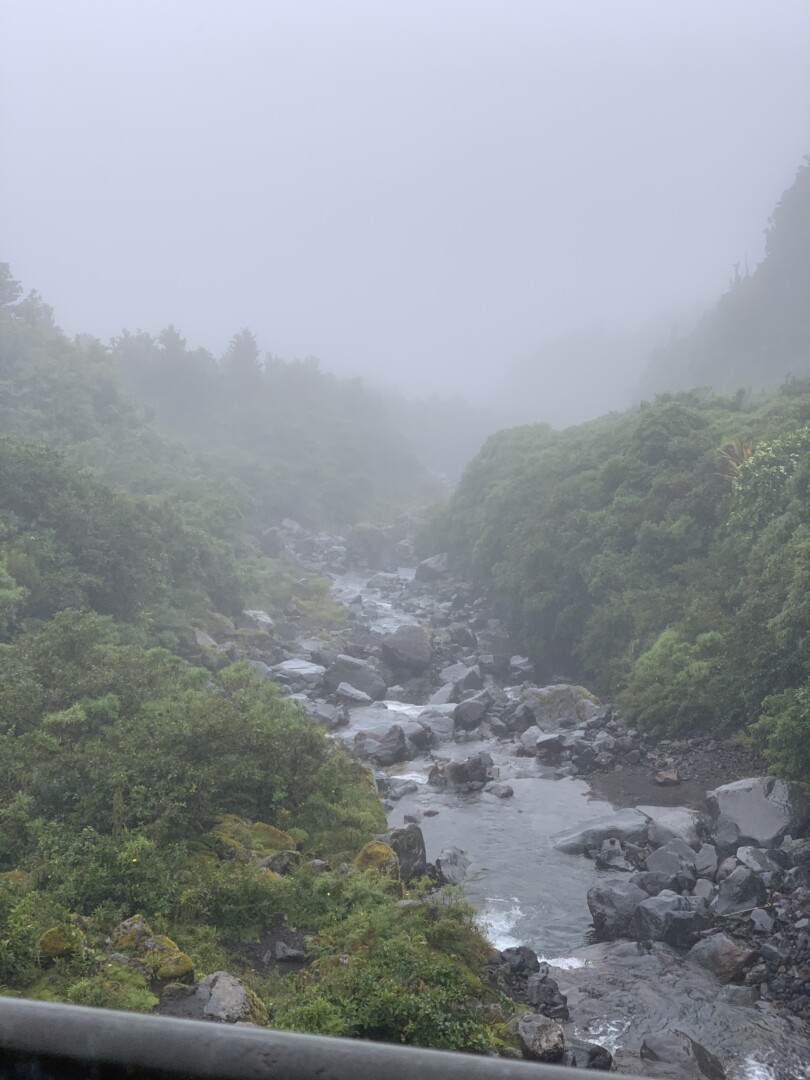
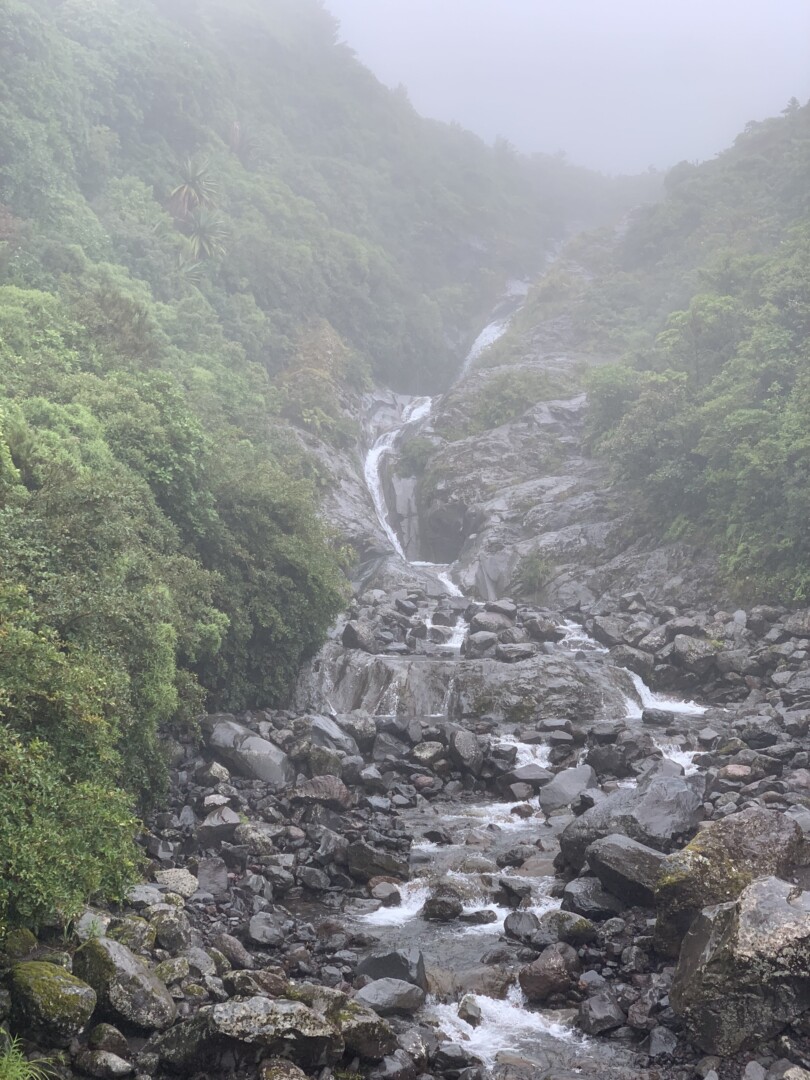
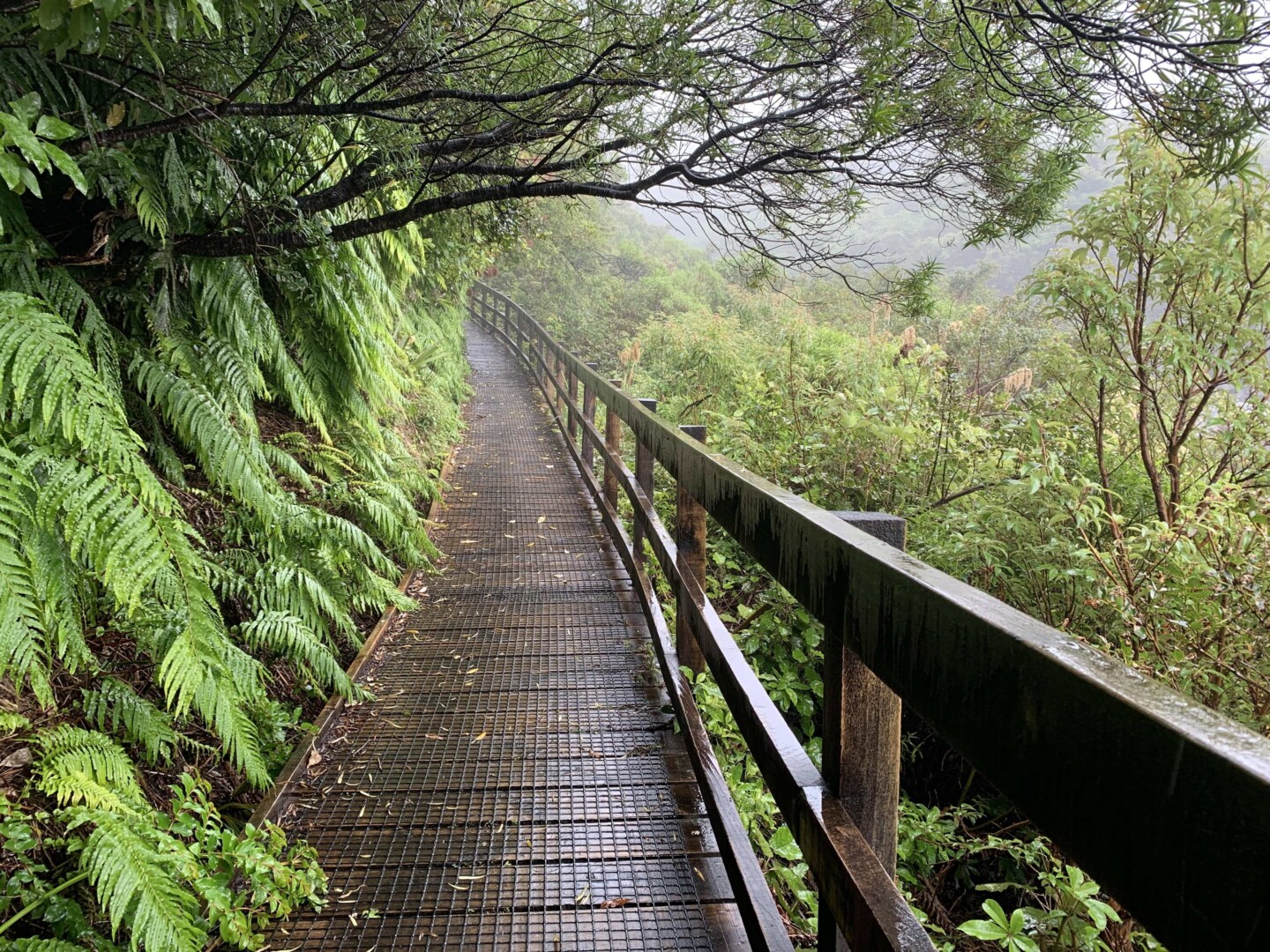
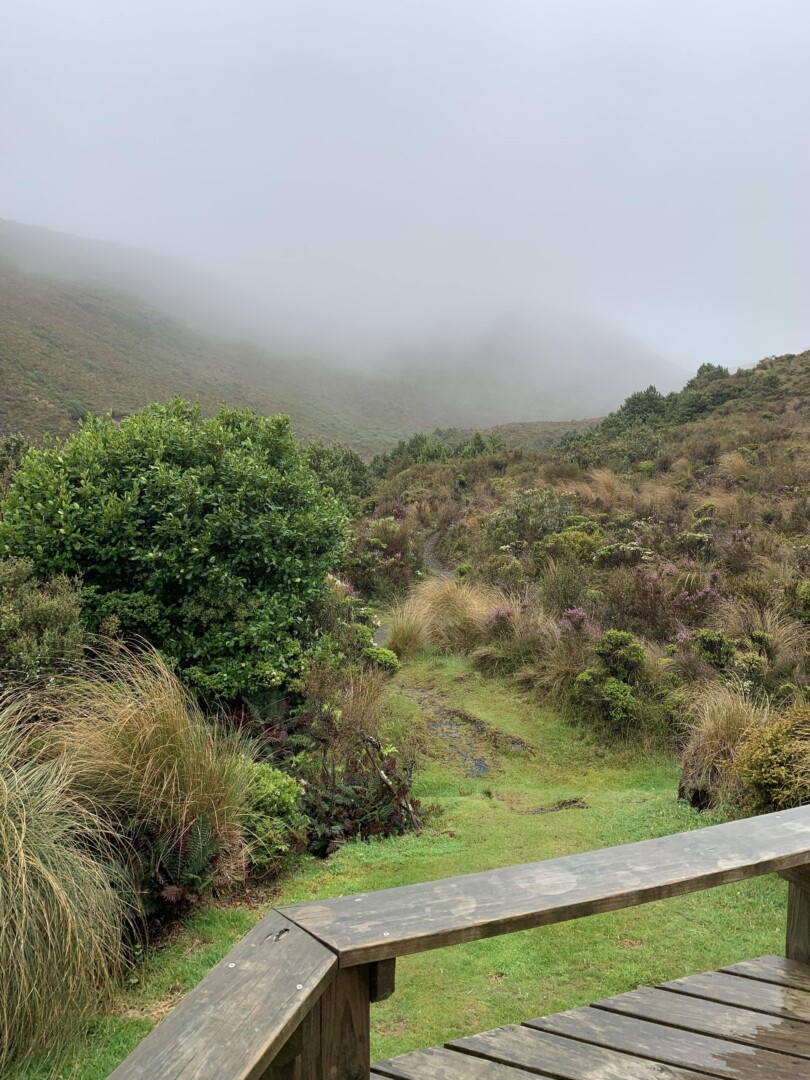
We got to our very nice accommodation in Stratford, buying a few suppliers for a BBQ diner where we reunited with Maya and Kobie. The next day Maya and Kobie left us to do their own things whilst we found a walk on the flank of Mount Taranaki. It was mostly light rain – which was not much of an impediment and meant that there were few people around.
After the walk we learned the shuttle bus had cancelled our booking as the poor weather on Tuesday had resulting the the national Parks people closing the Tongaririo Alpine Crossing. We drove on to our rather spartan hostel type accommodation in National Park where Rianna improvisewd a meal as we scoured the resources for alternative walking options the next day.
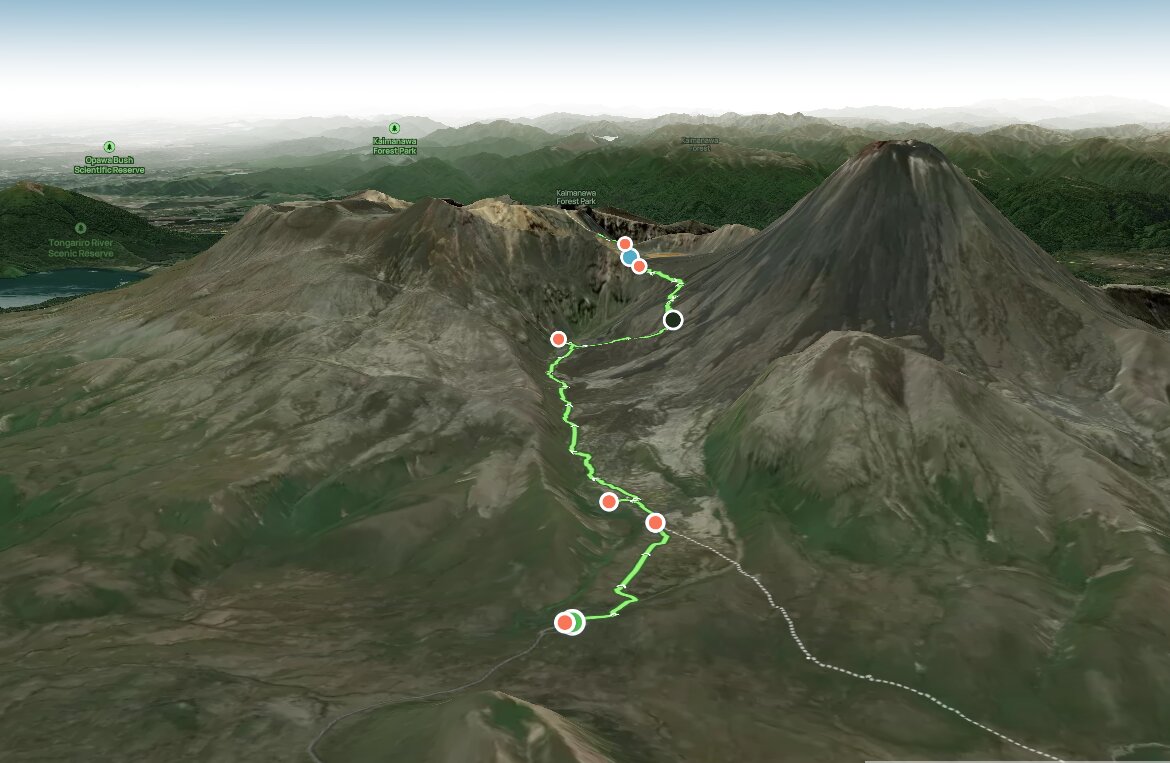
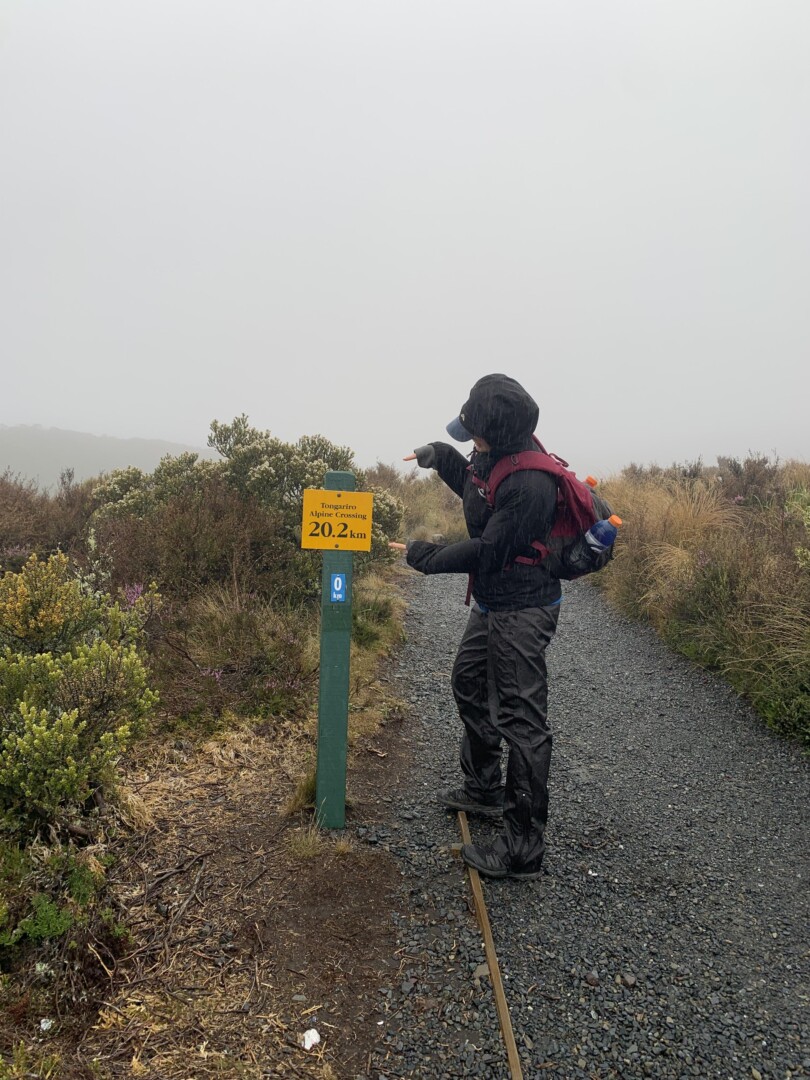
After investigating numerous options we decided to drive to the starting point of the Tongariro Alpine Crossing. There was a car park there with a four hour limit, and a 2 to 3 hour walk along the start of the track to Soda Springs. We thought we would walk to Soda Springs, and possibly a bit further along if it was safe to do.
At the carpark it looked like staff were parked – either to stop walkers from setting out, or to enforce the four hour limit. We were about to start when my day pack was missing – left back in the accommodation. So we lost a bit of our early start advantage, with the weather forecast to worsen from the late morning.
We set out on an excellent track, and saw maybe 10 other walkers – 3,000 is not an uncommon daily number.
We passed one returning walker who was wet through and running back to try and stay warm. She had been part way the day before, but found the lack of visibility and cold conditions had made it pointless and risky to press on.
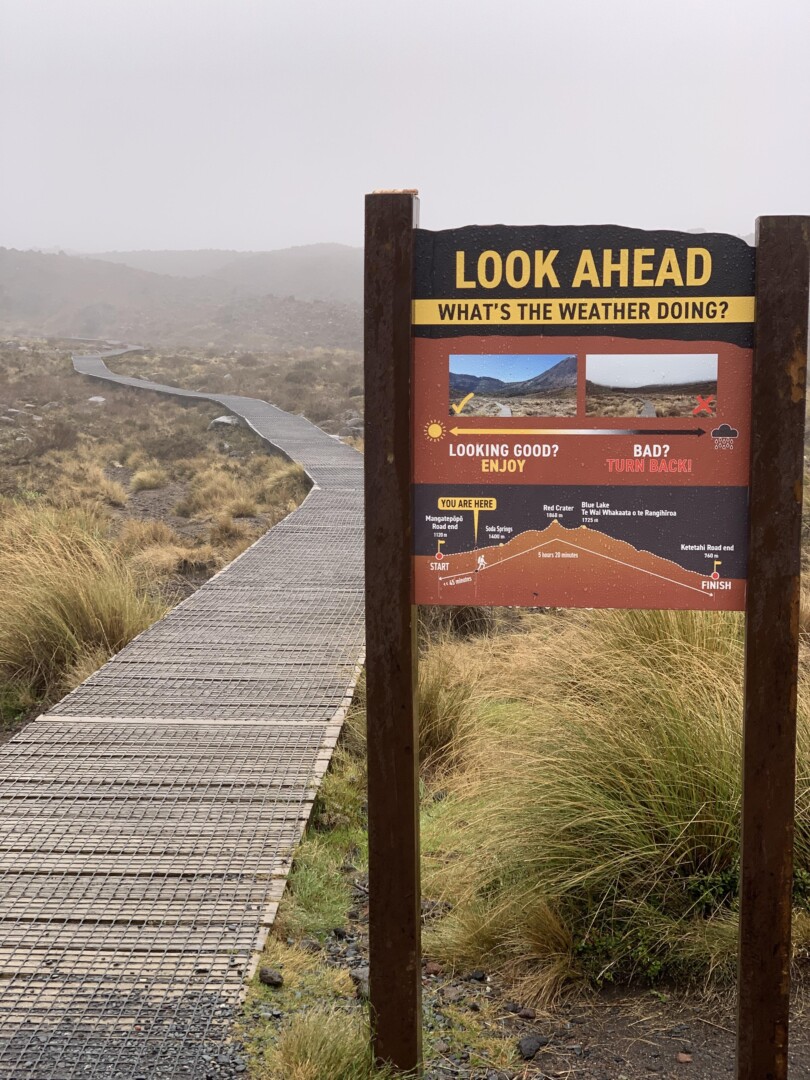
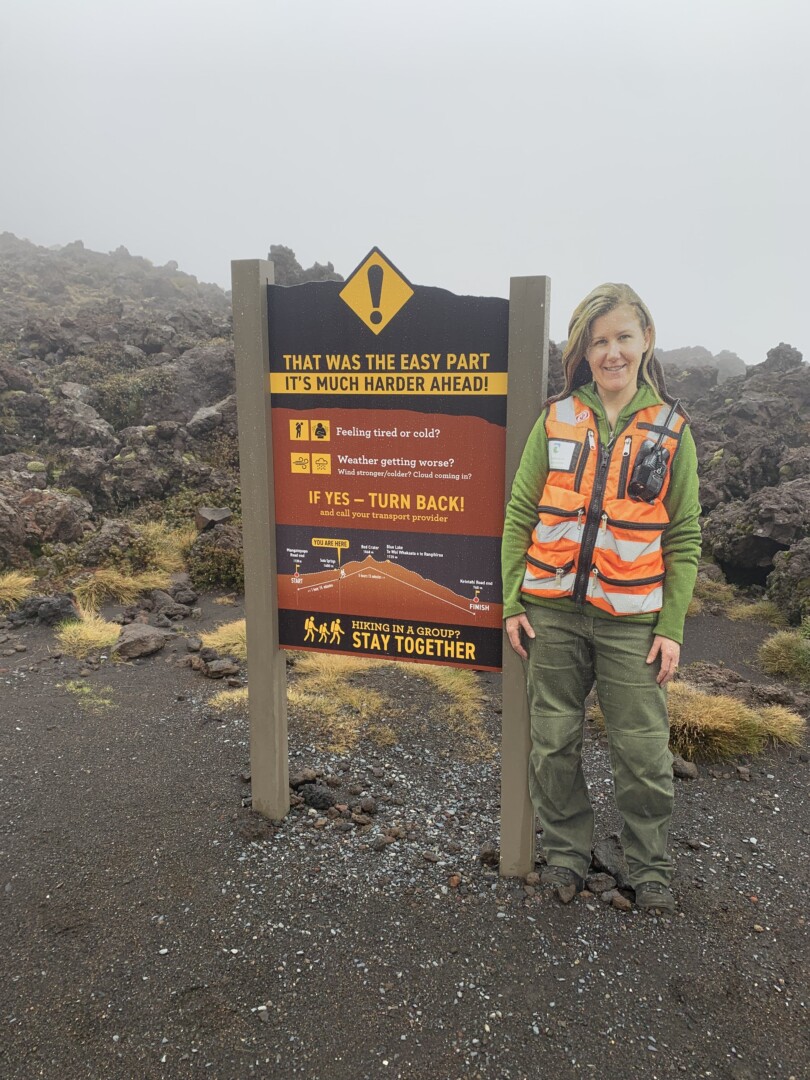
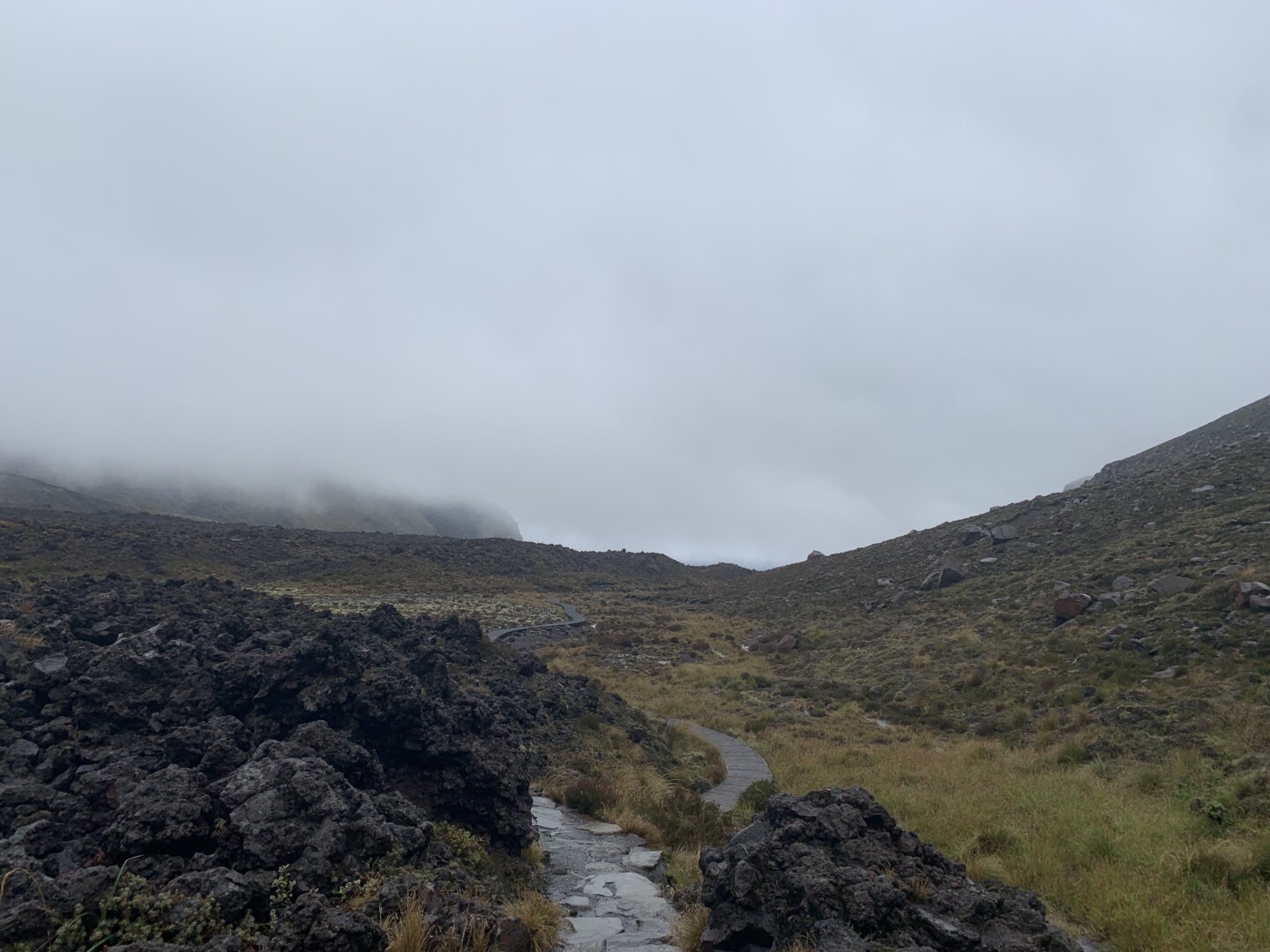
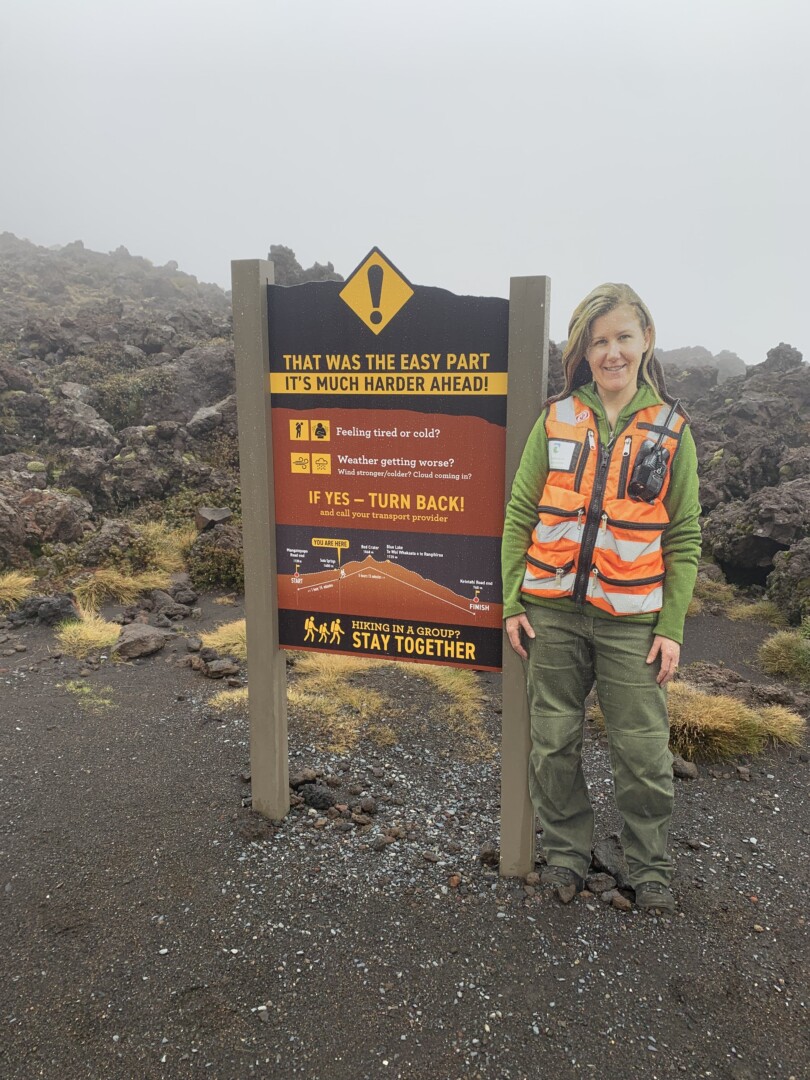
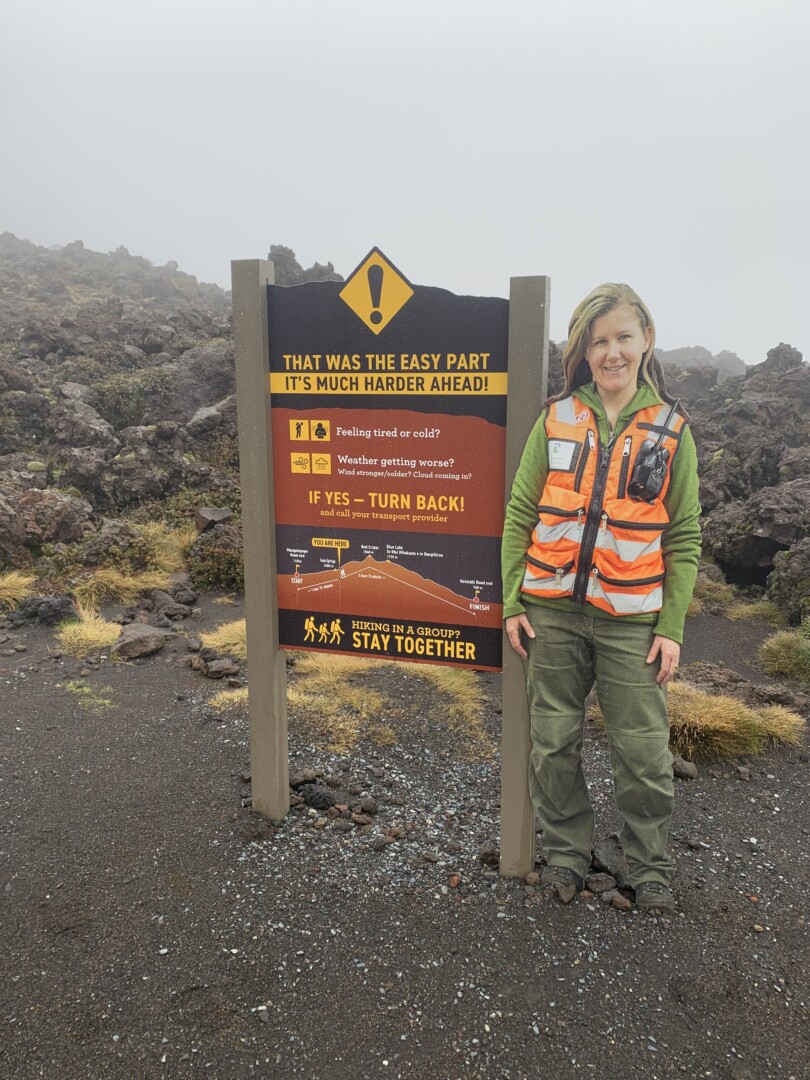
We felt better equipped and still quite dry, say pressed on past Soda Falls, where the real climbing started. There were several warnings signs advising against proceeding in adverse conditions. We photographed and ignored them.
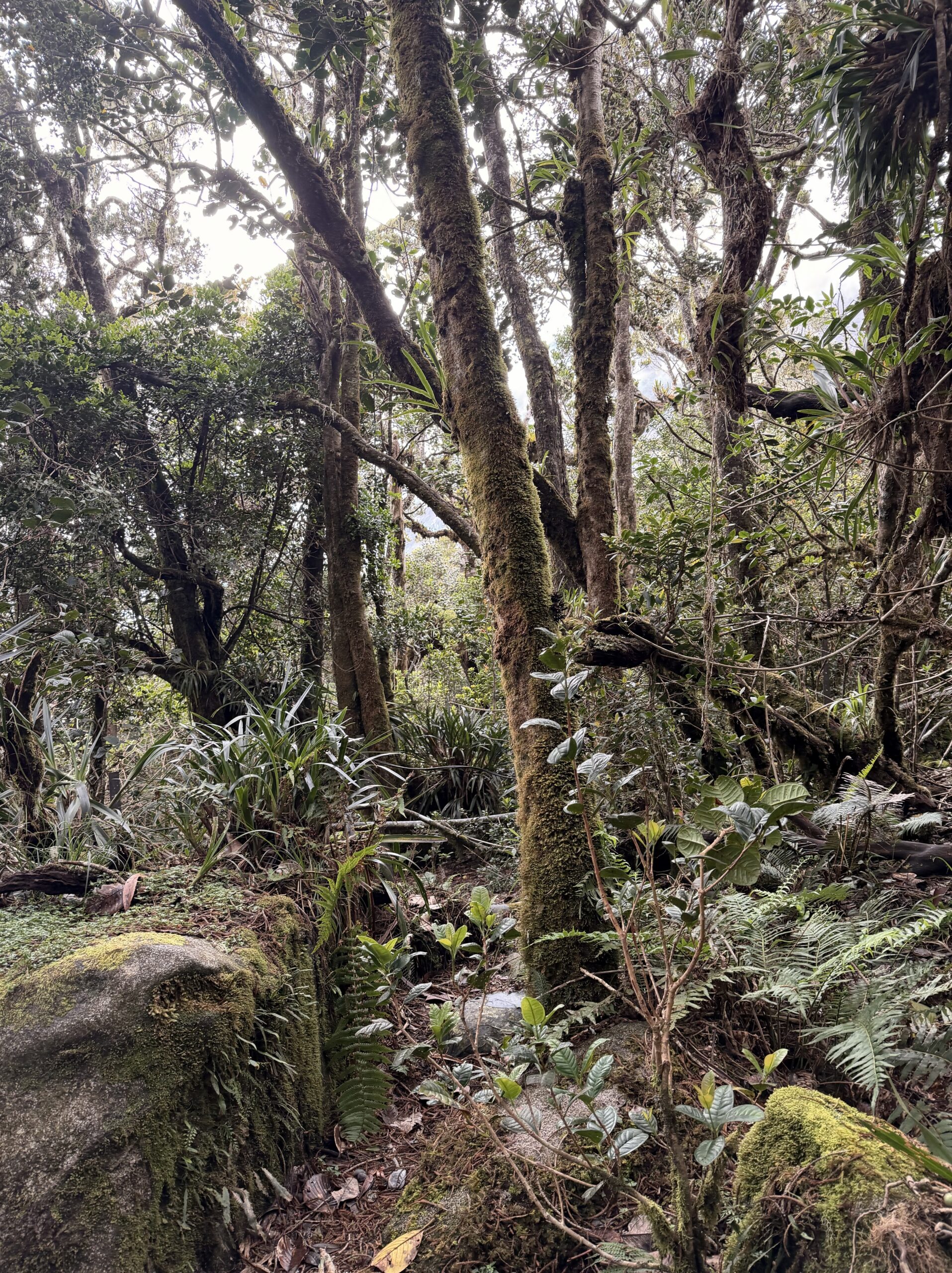
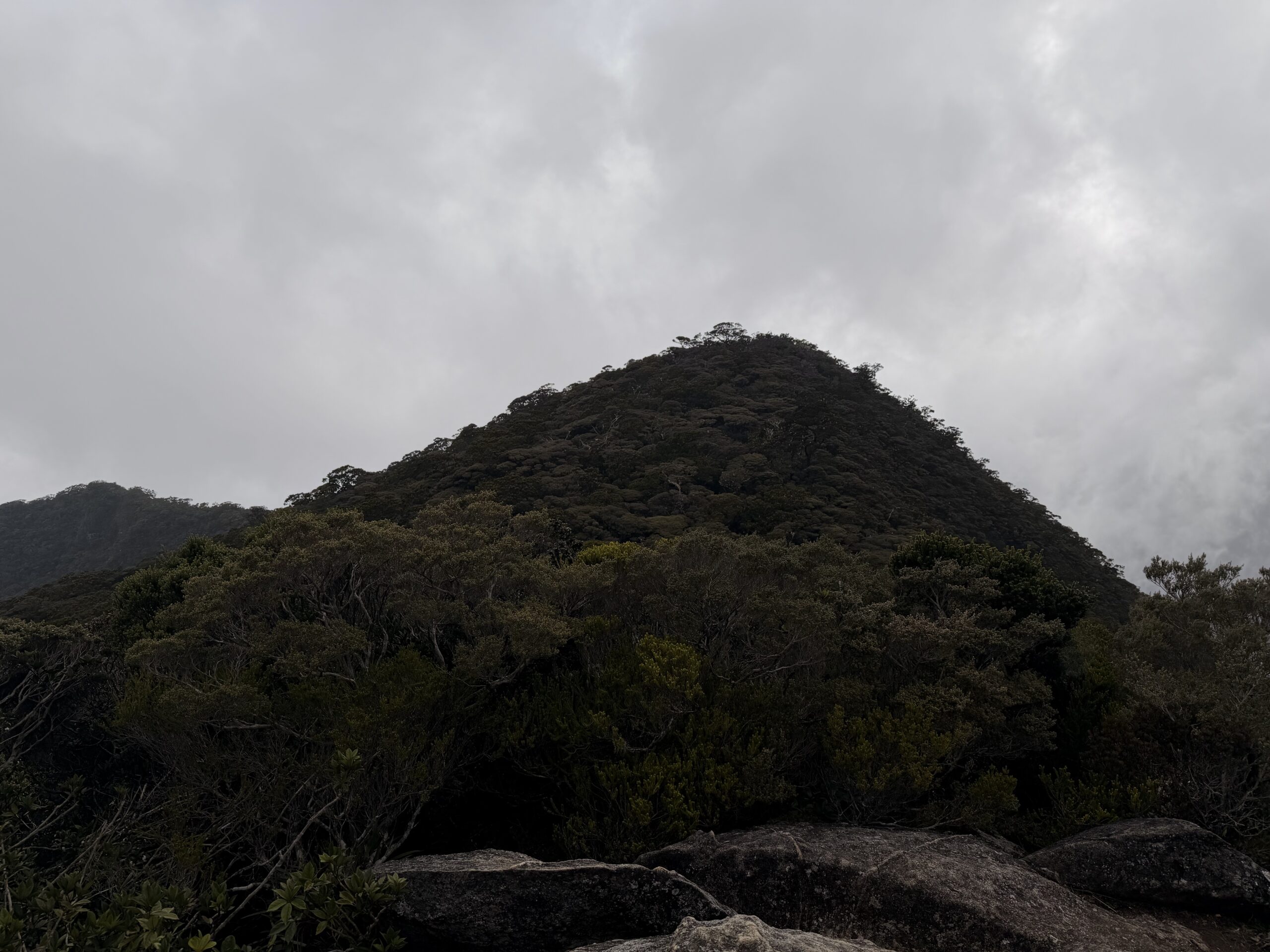
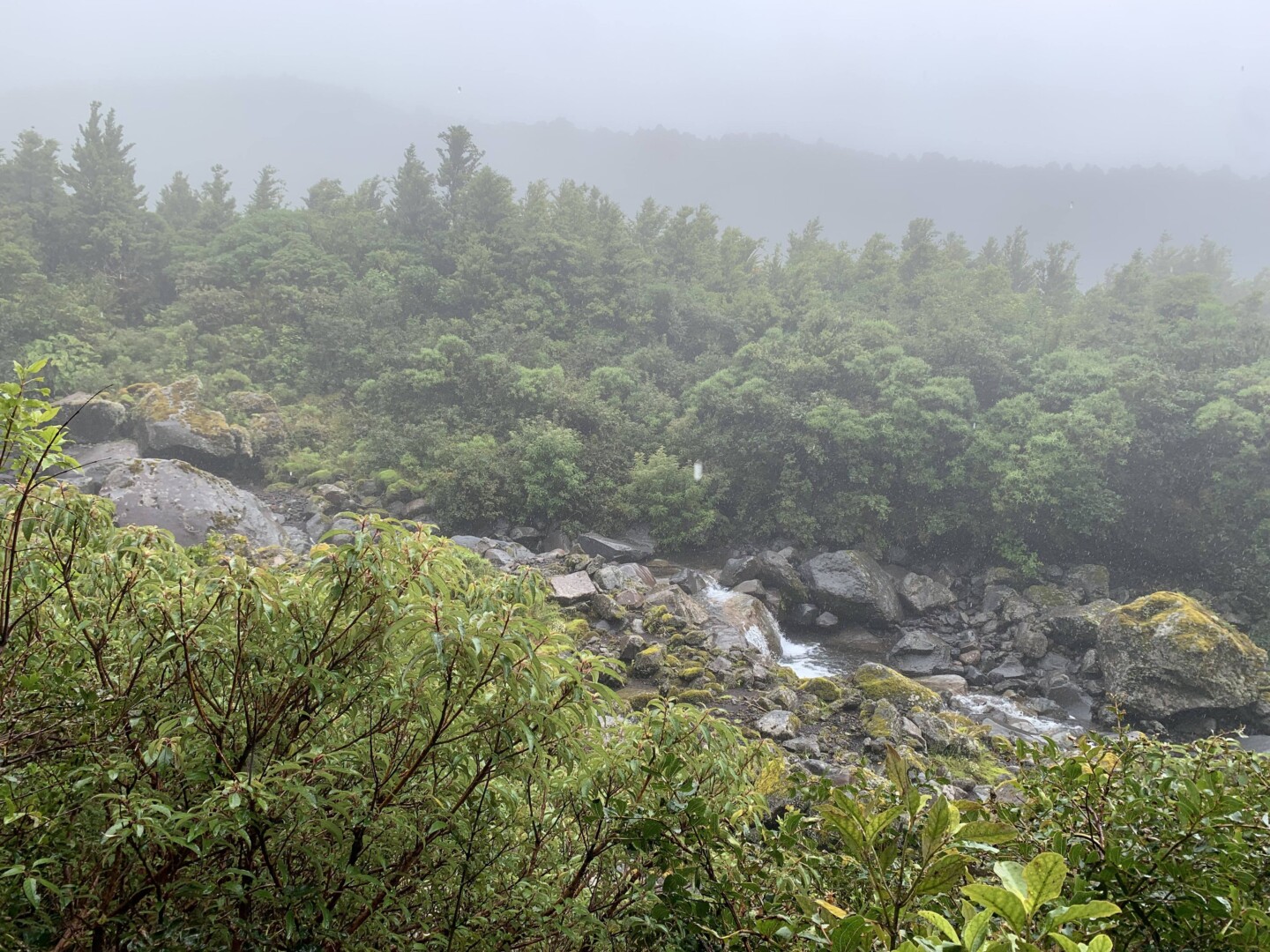
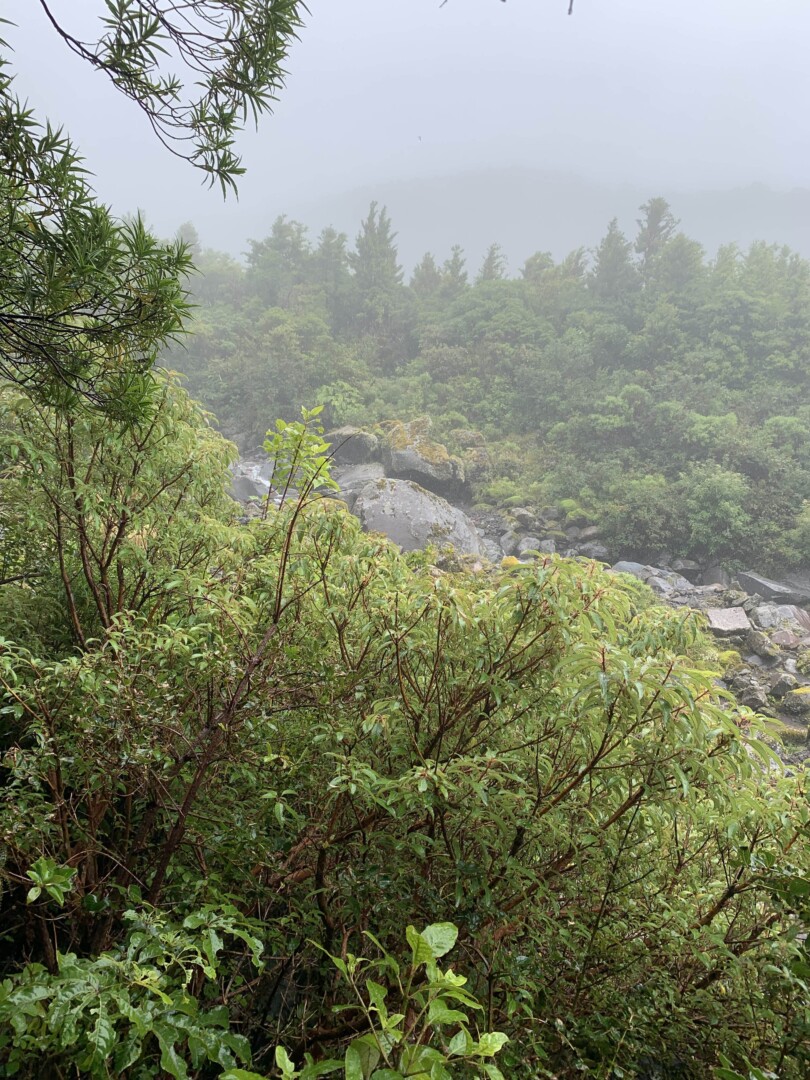
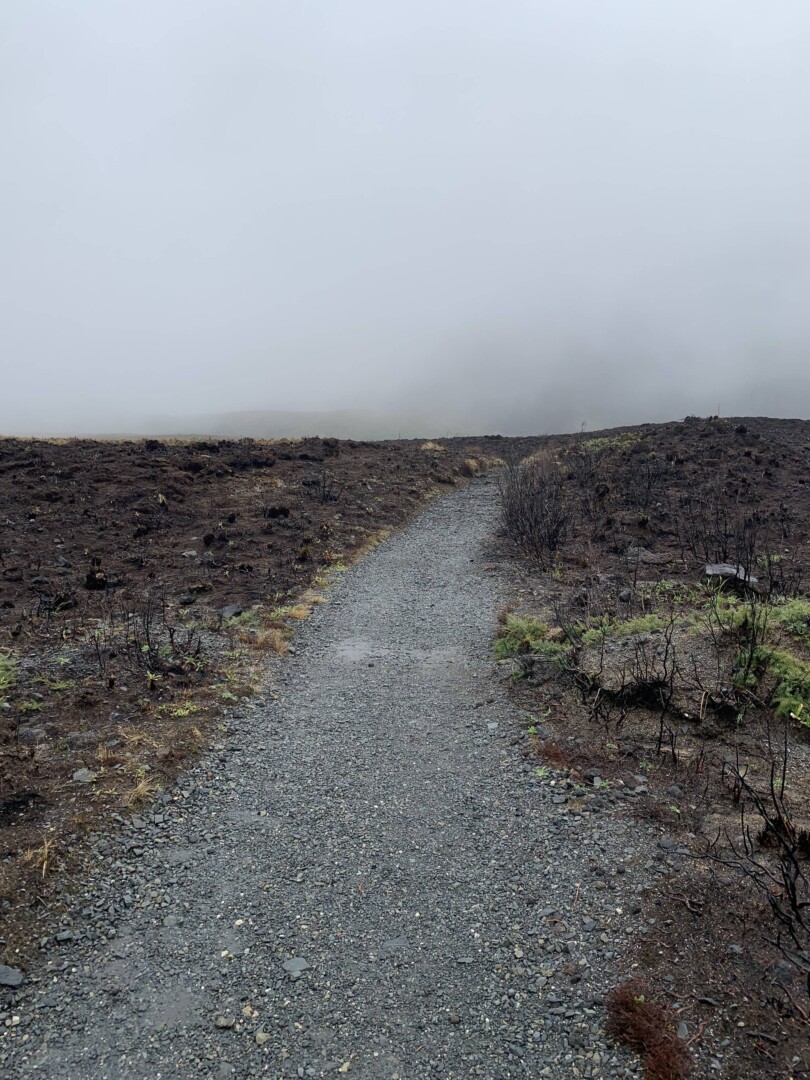
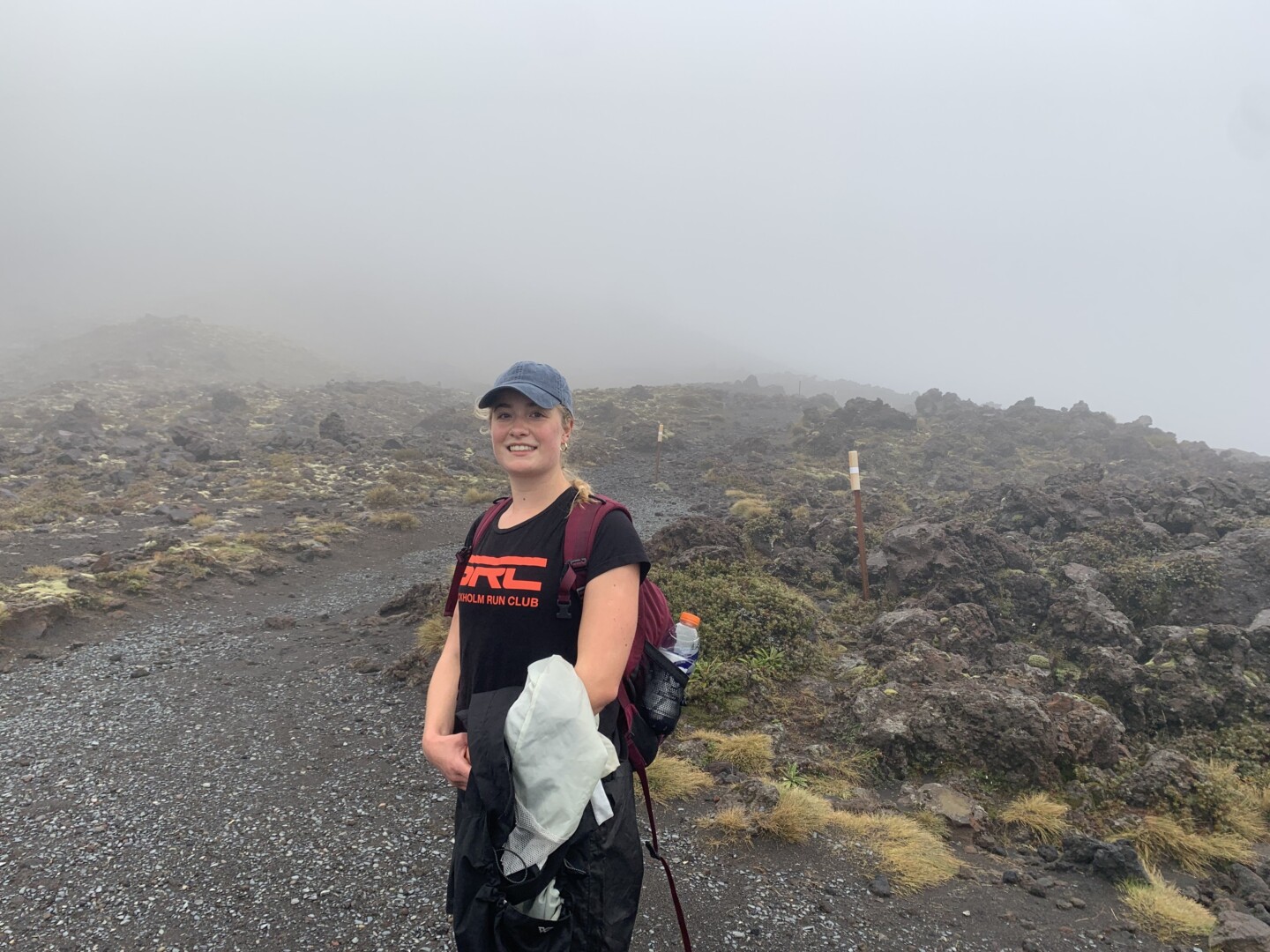
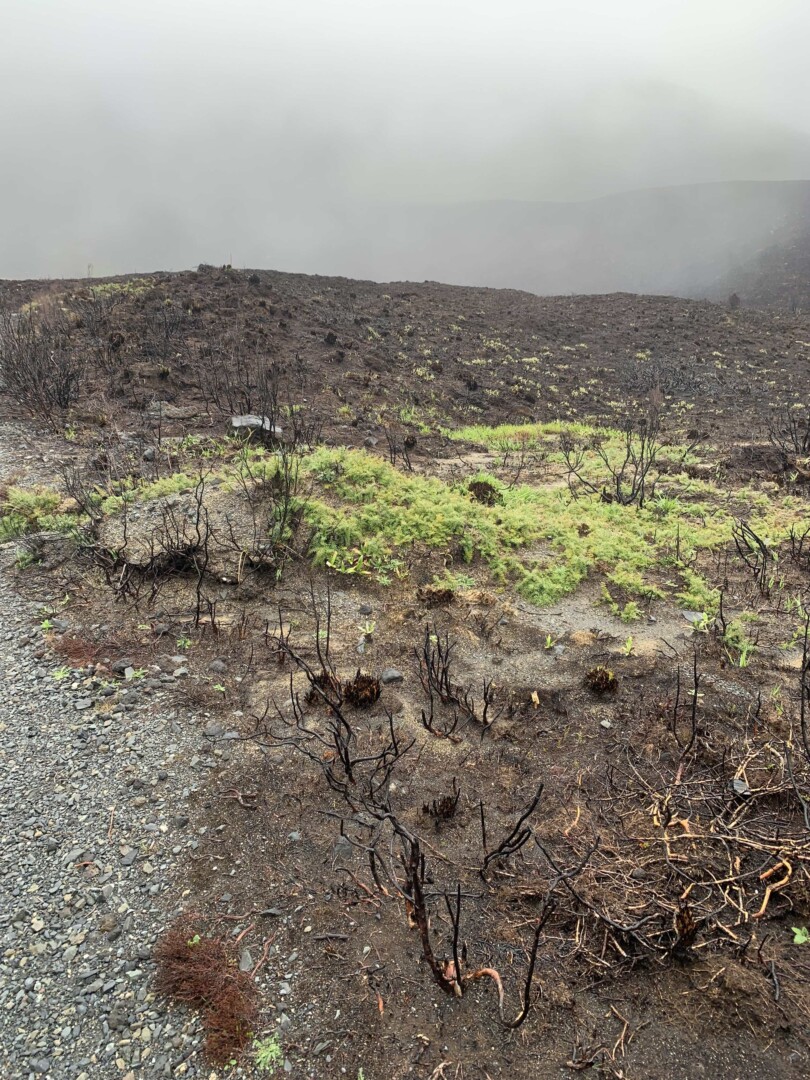
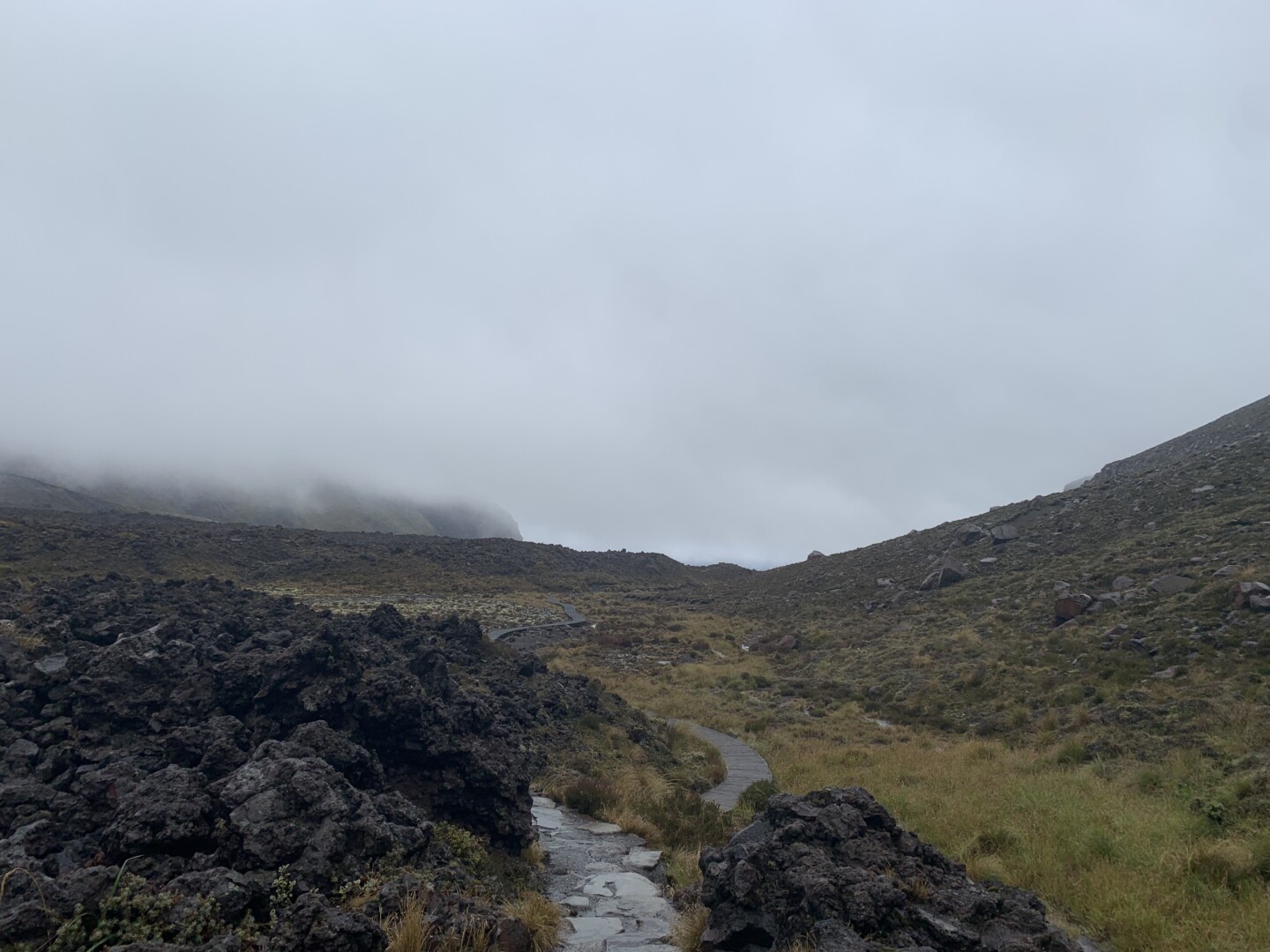
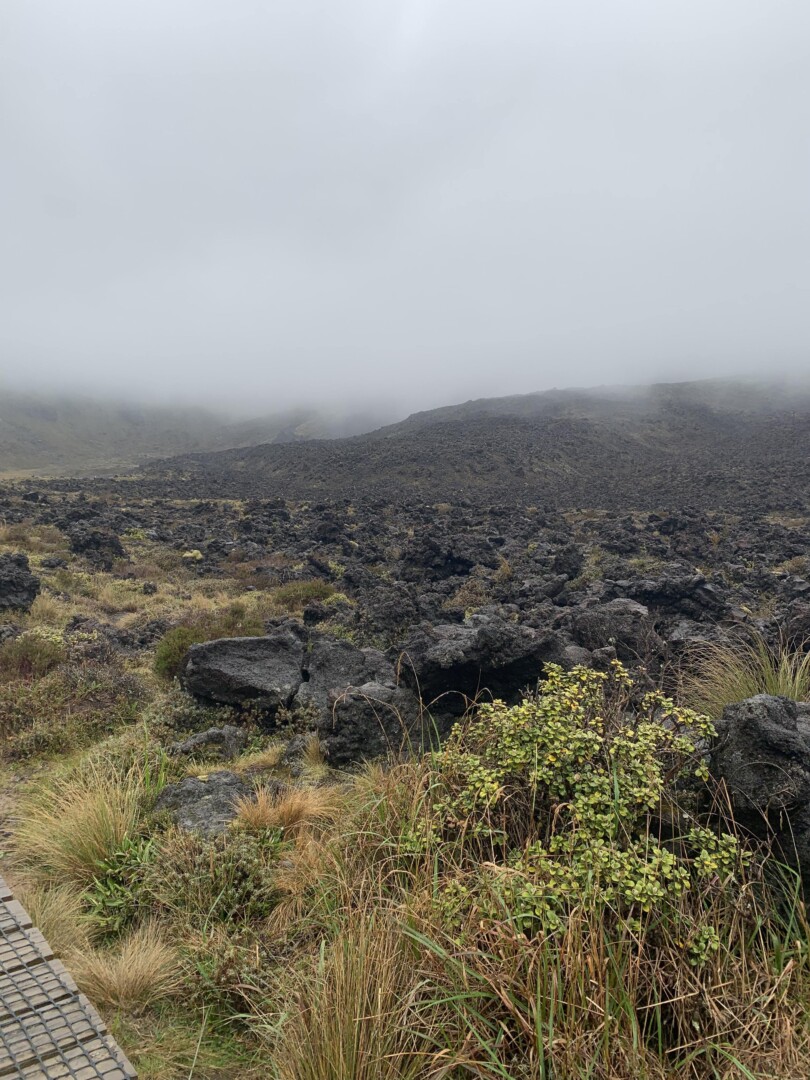
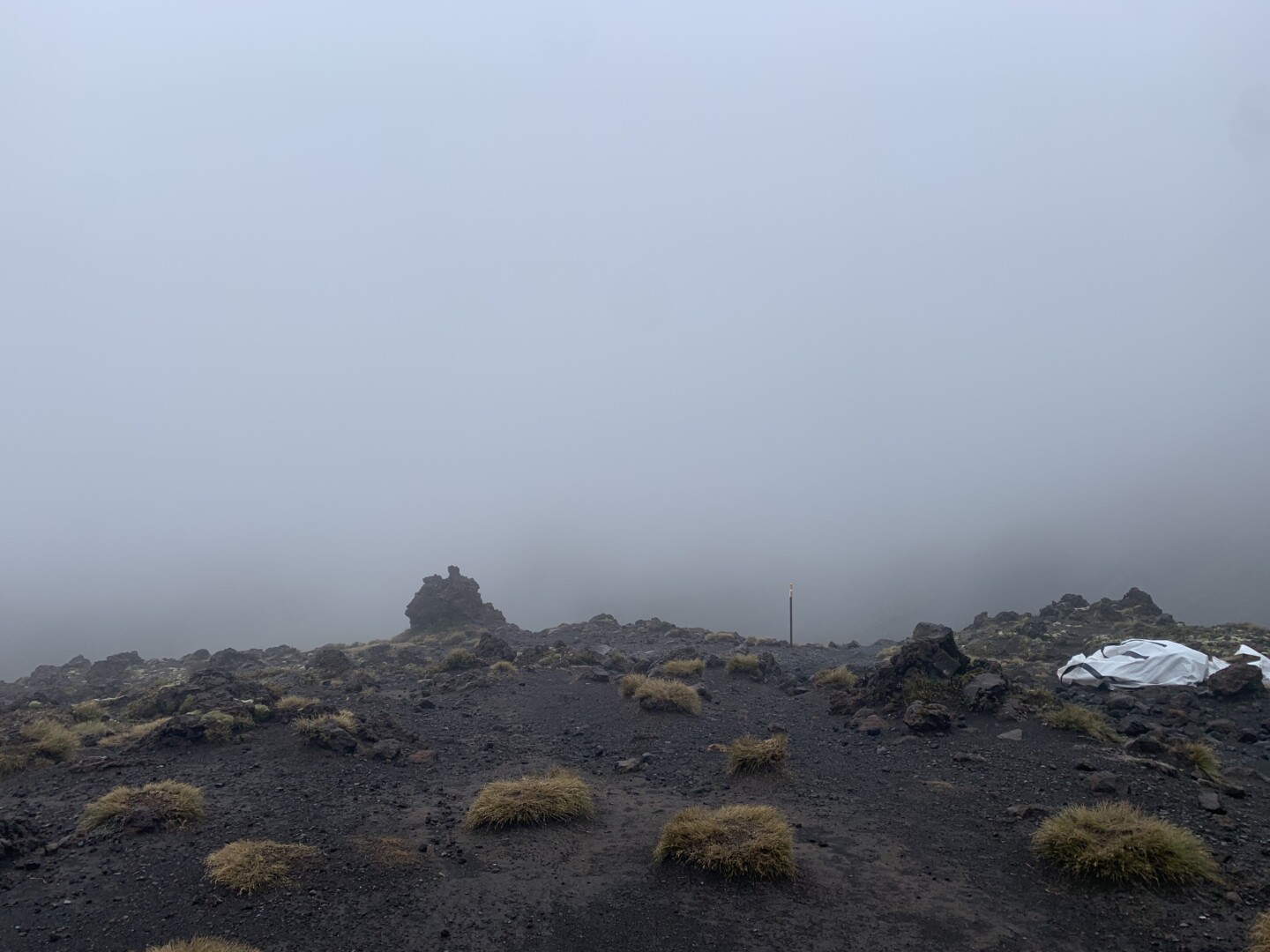
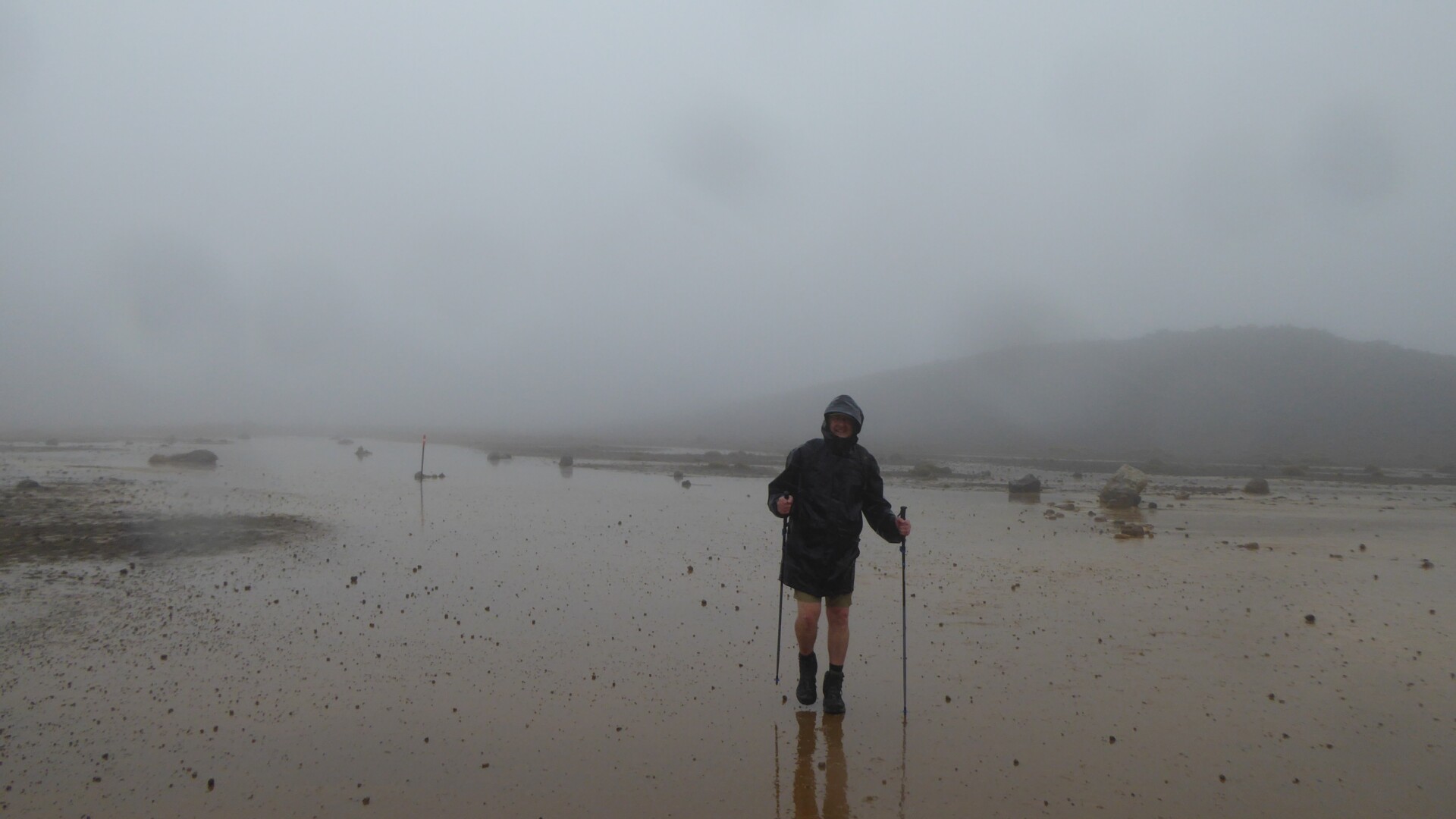
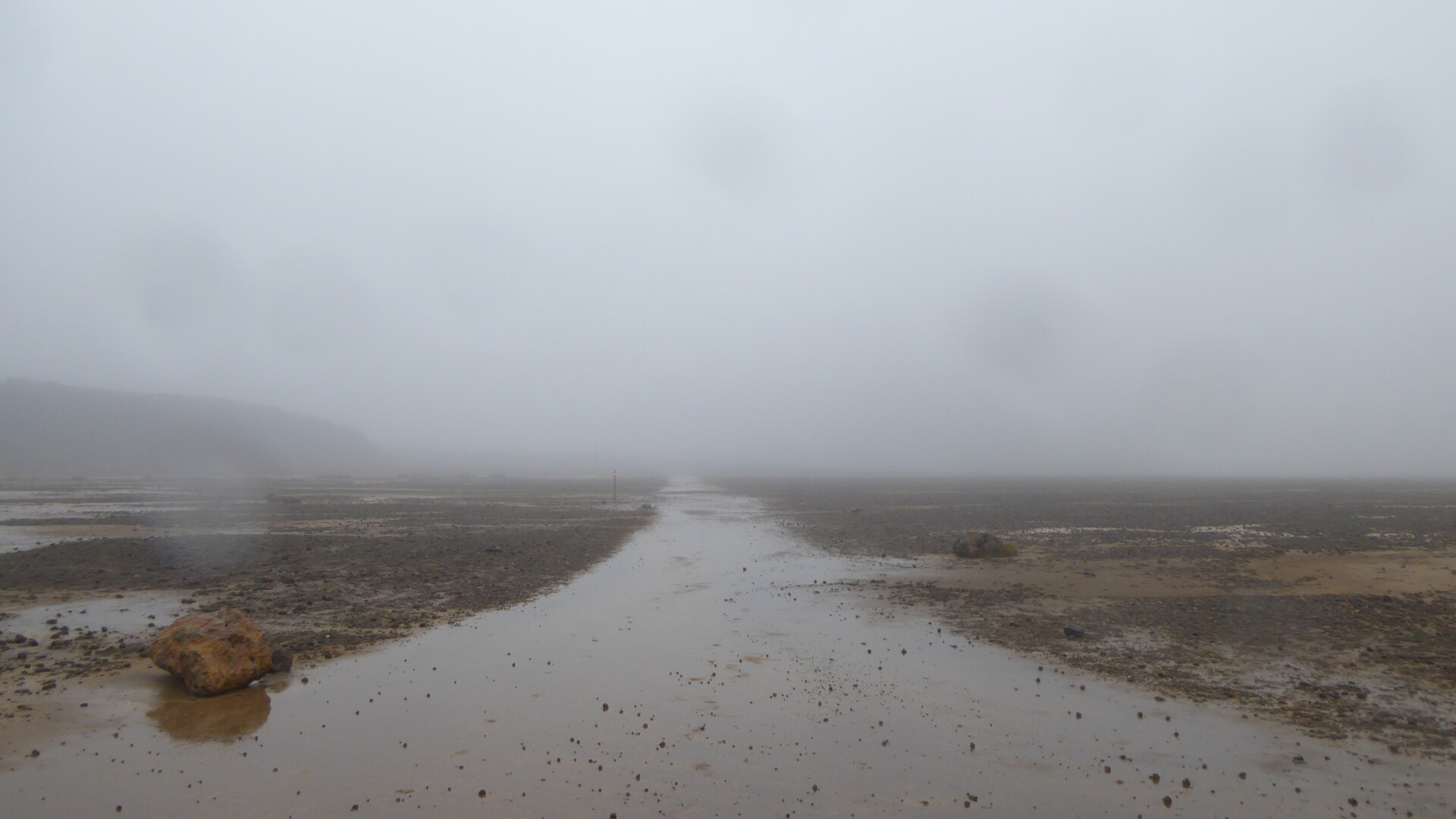
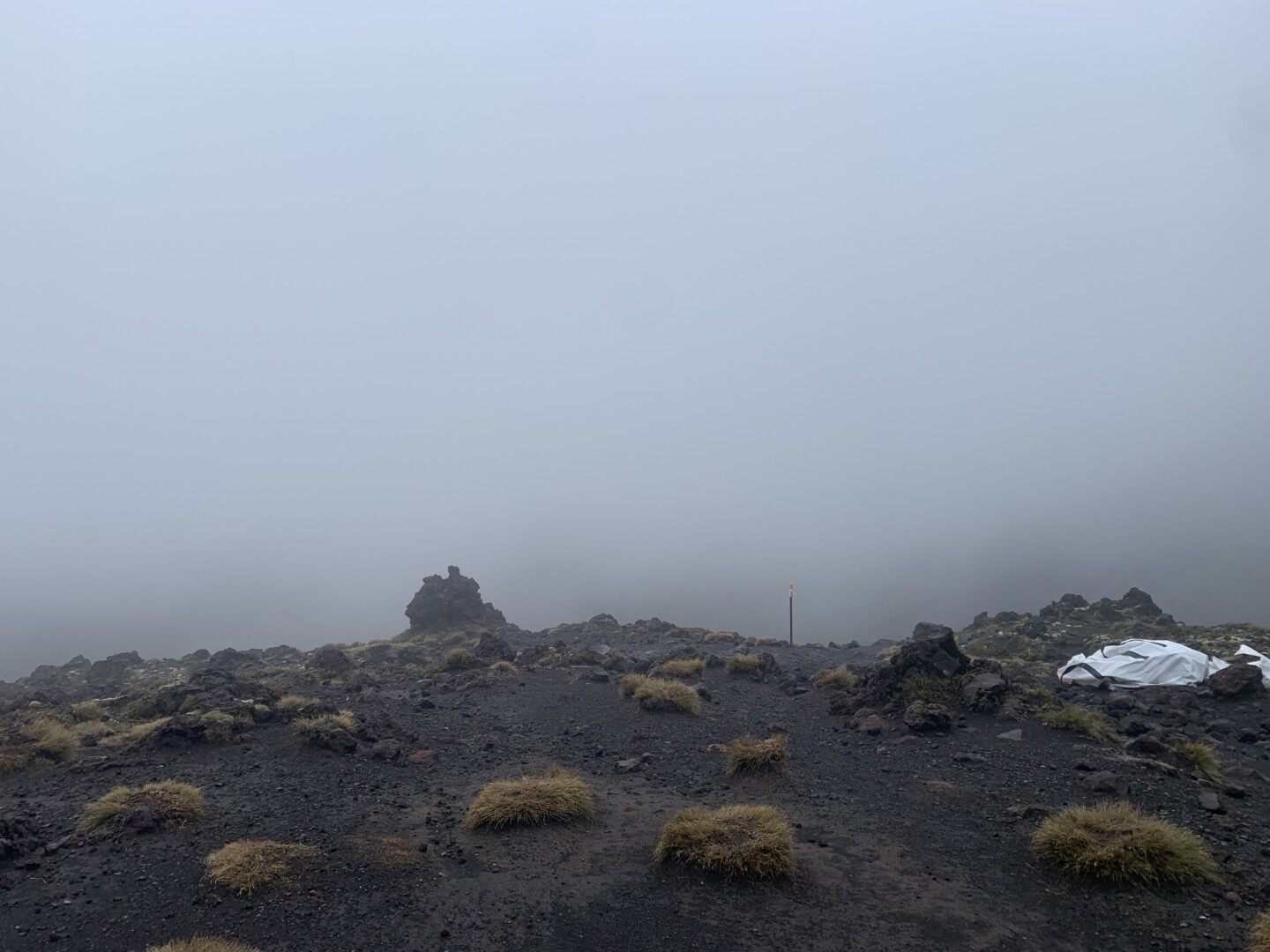
On the first plateau it was like walking across an inch-deep lake in the rain and mist. We climbed up past this point to a ridge-top which seemed to be a volcanic crater rim. The wind was quite strong by now, and combined with the steep, muddy, rocky path we debated the wisdom of continuing. Whilst we had hoped to get to the red and blue crater lakes we realised that they would not be visible – even though we were prepare to incur the $170 parking fine for the cause.
Rianna was OK to press on but I voted otherwise. Once down the steepest of the mountain Rianna ran back to the car – a bit outside of four hour limit but without receiving a parking infringement.
After finishing our slightly wet but extremely enjoyable walk we drove on to Taupo for lunch and then continued to our motel accommodation in Rotorua. We walked in to a very pleasant New Zealand meal. The next morning we looked for Jenny’s Black and Blue got my phone fixed (it had got wet the previous day).
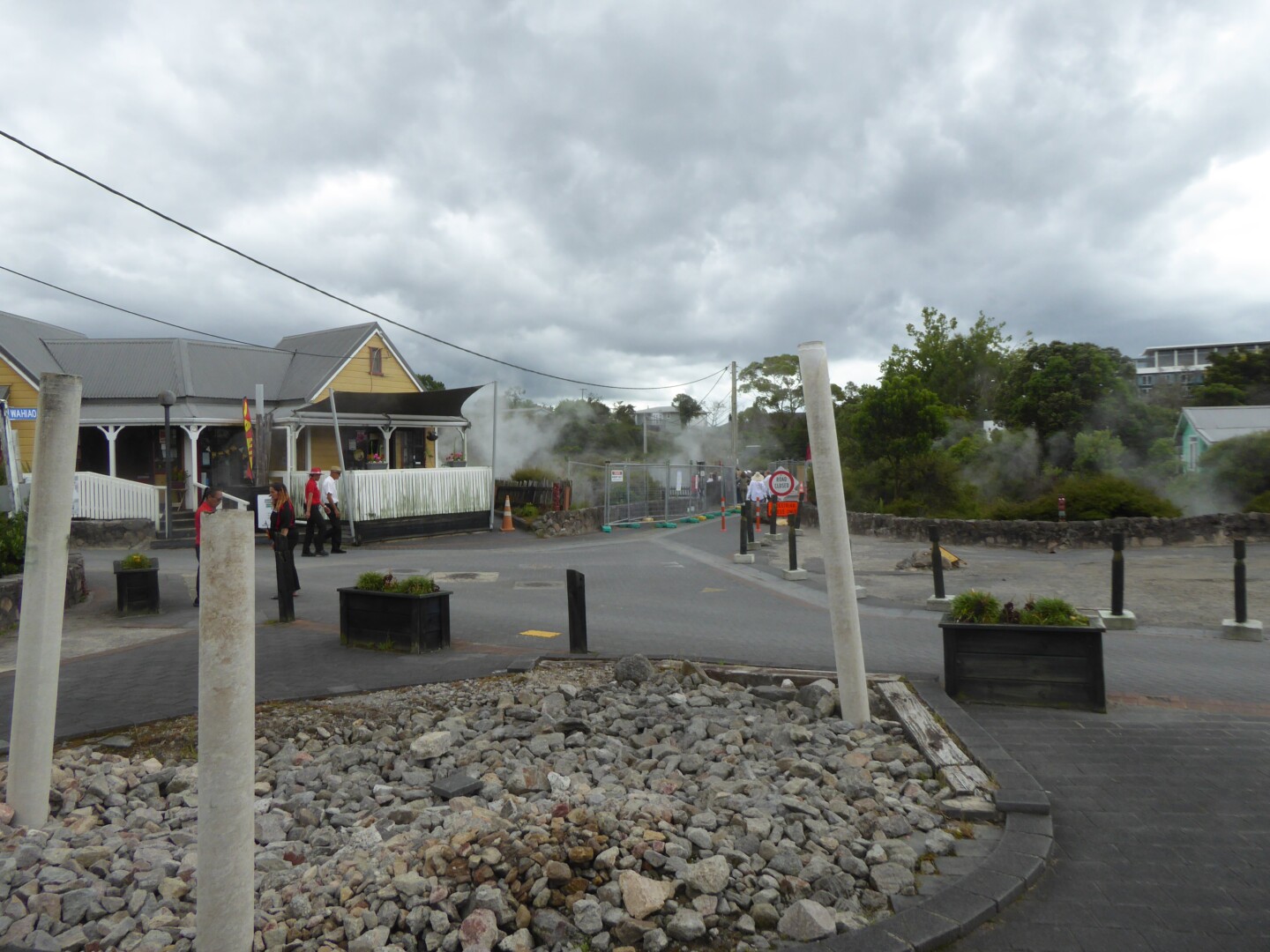
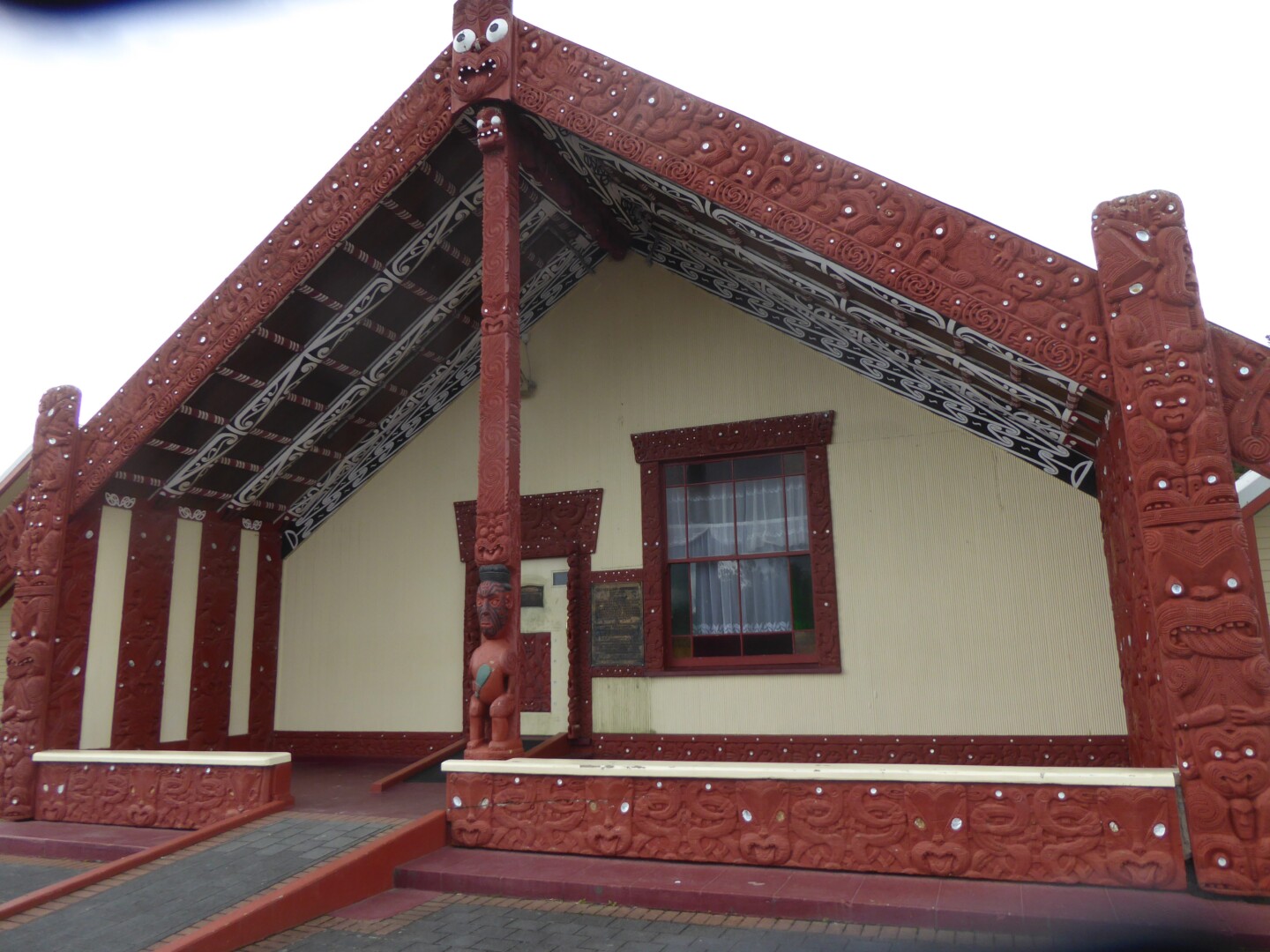
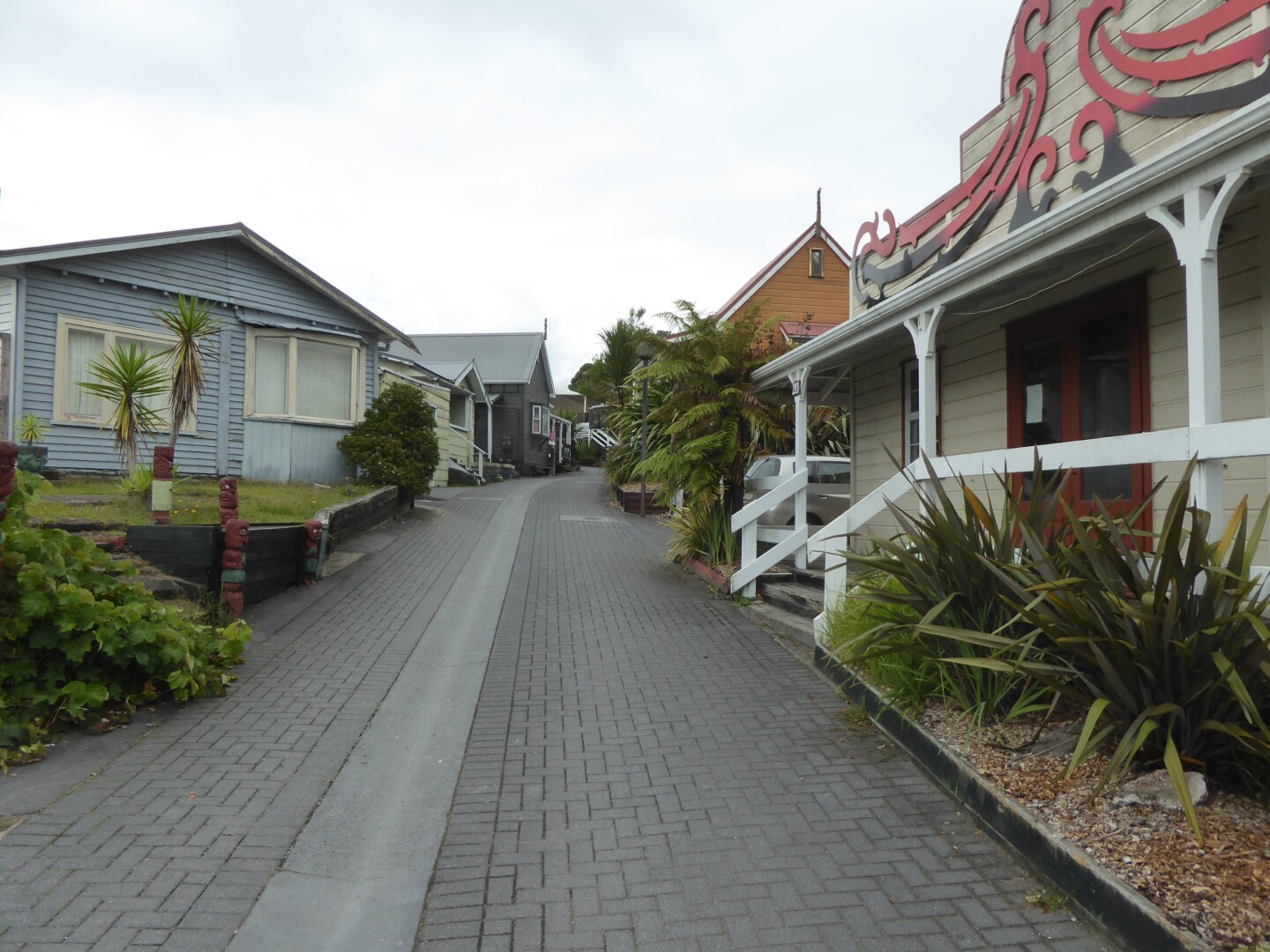
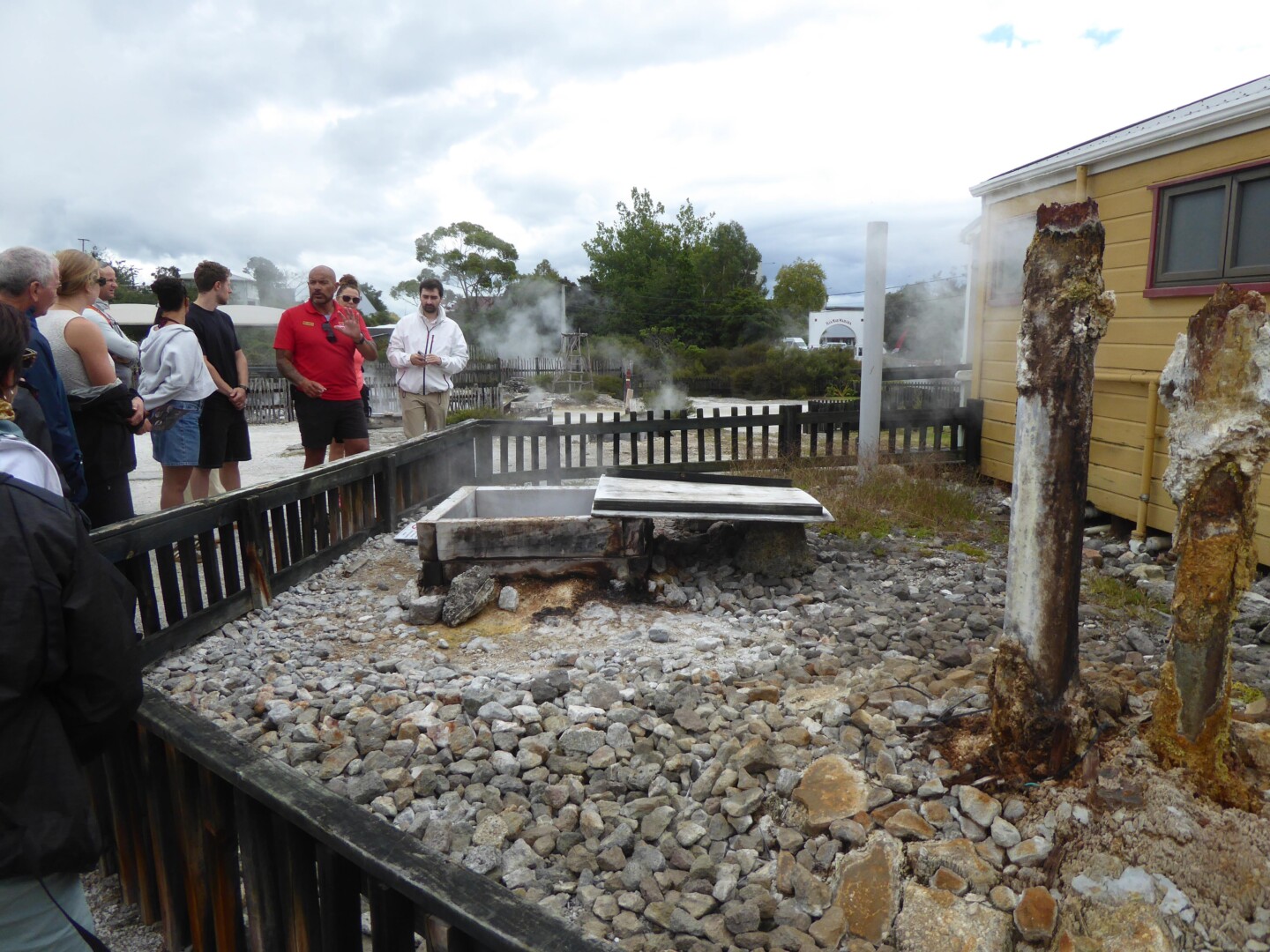
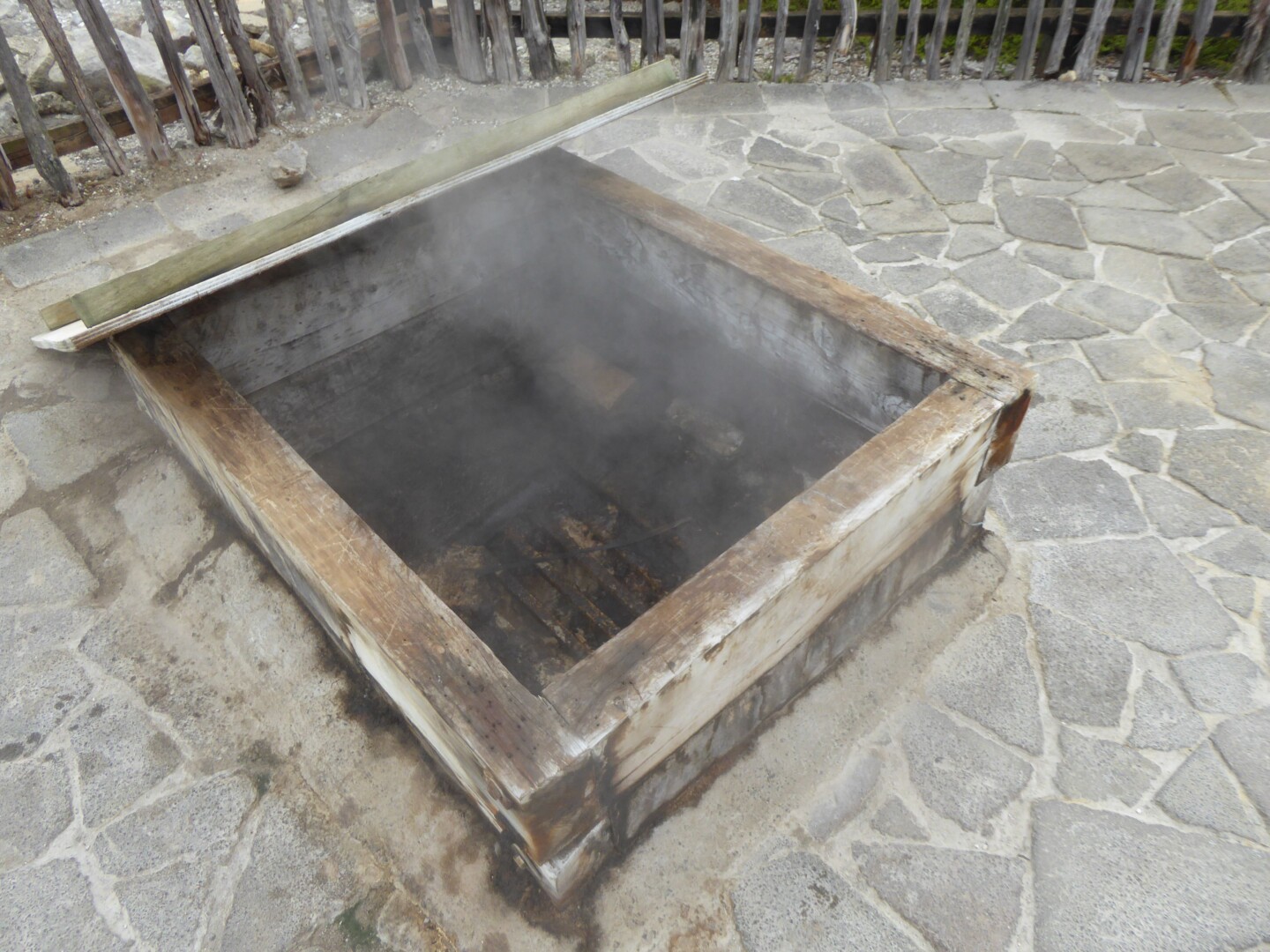
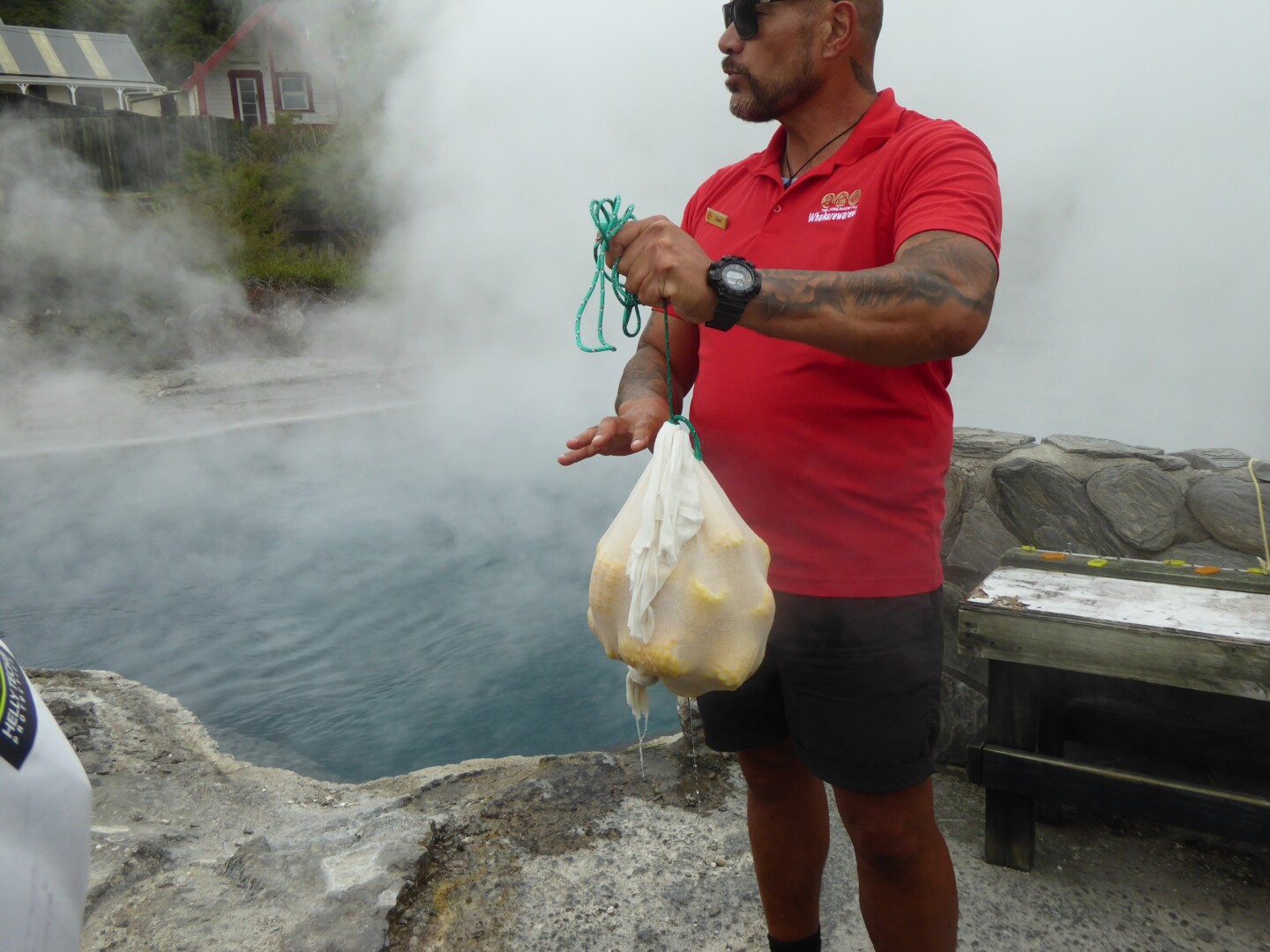
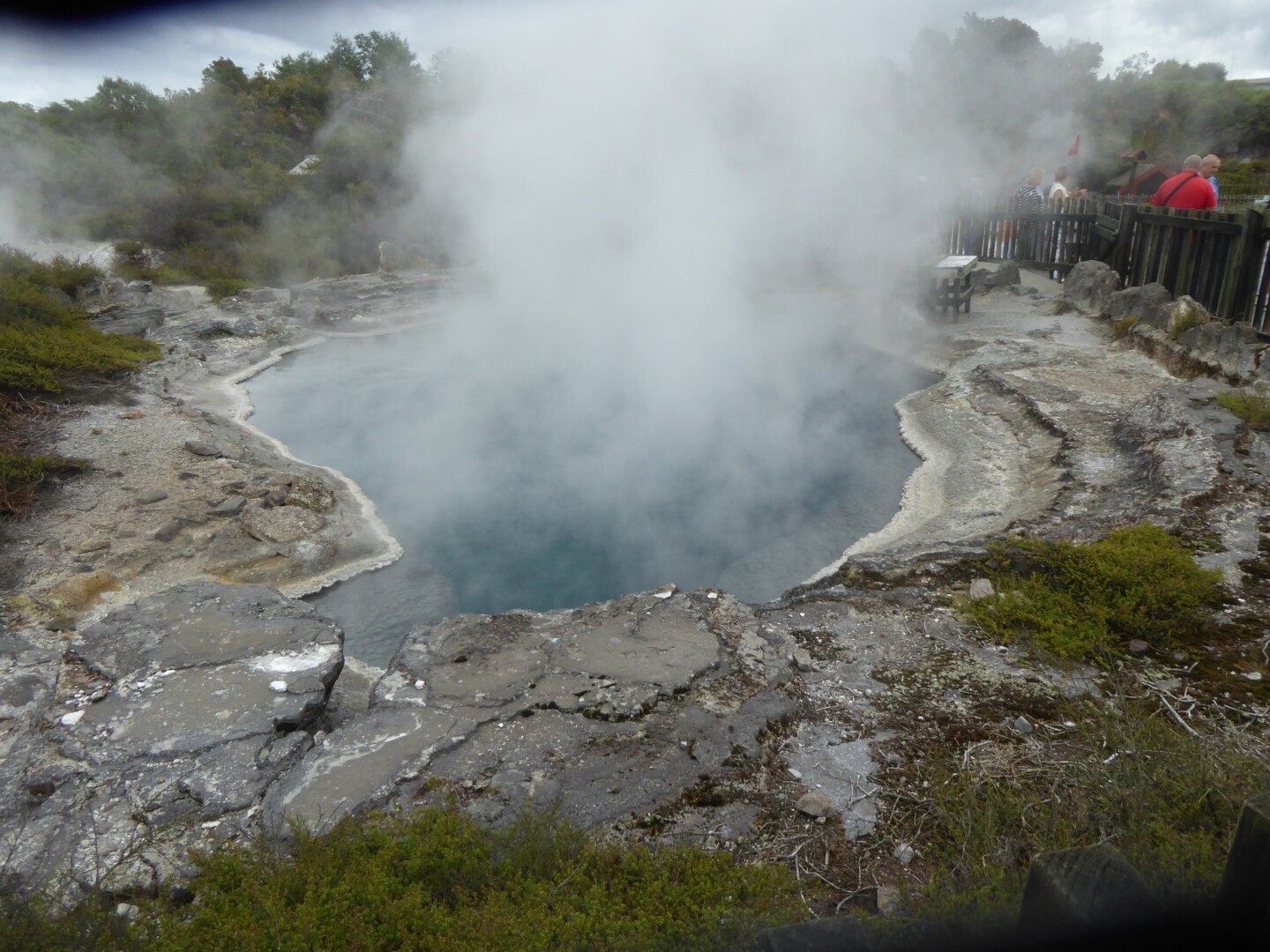
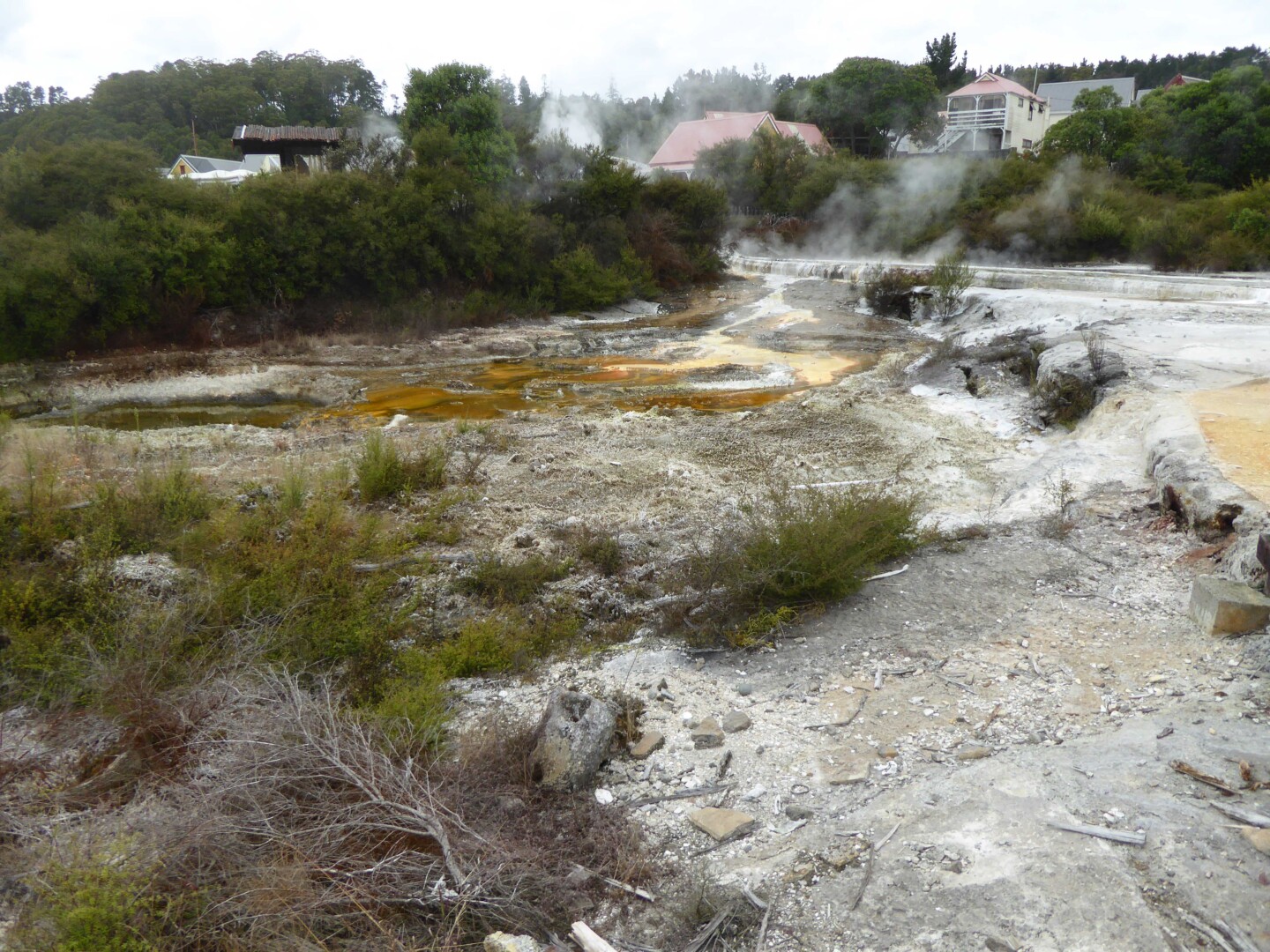
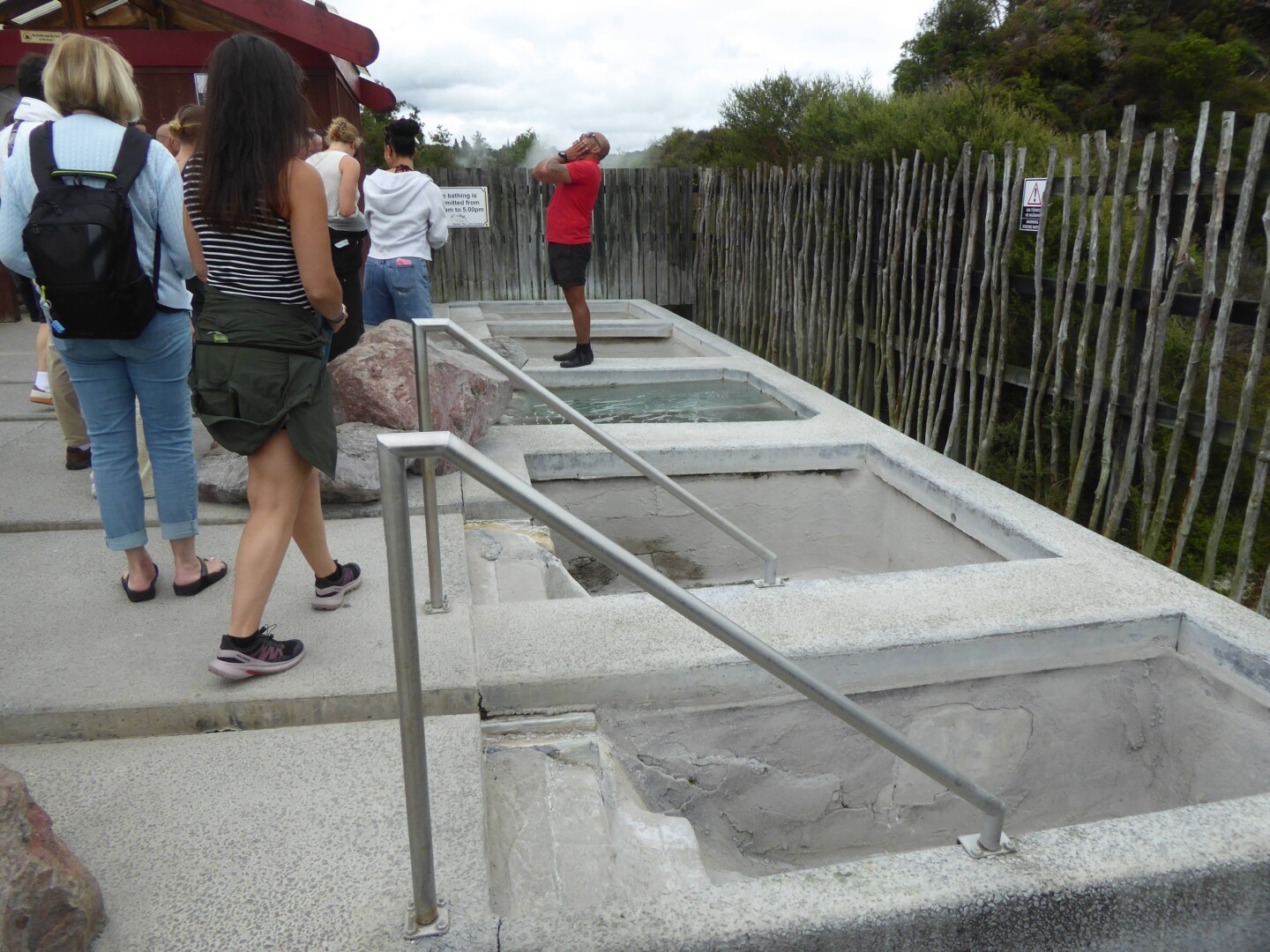
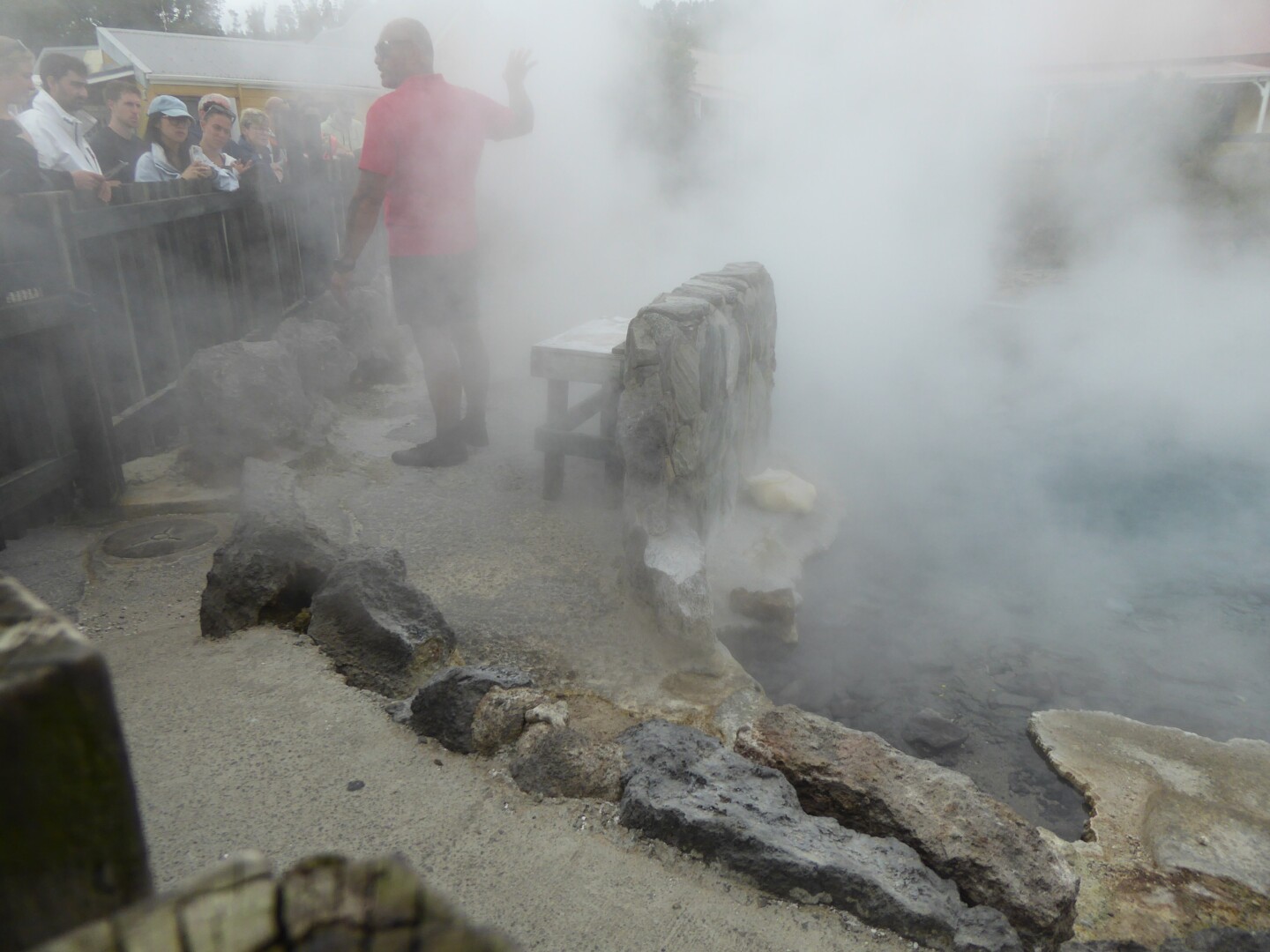
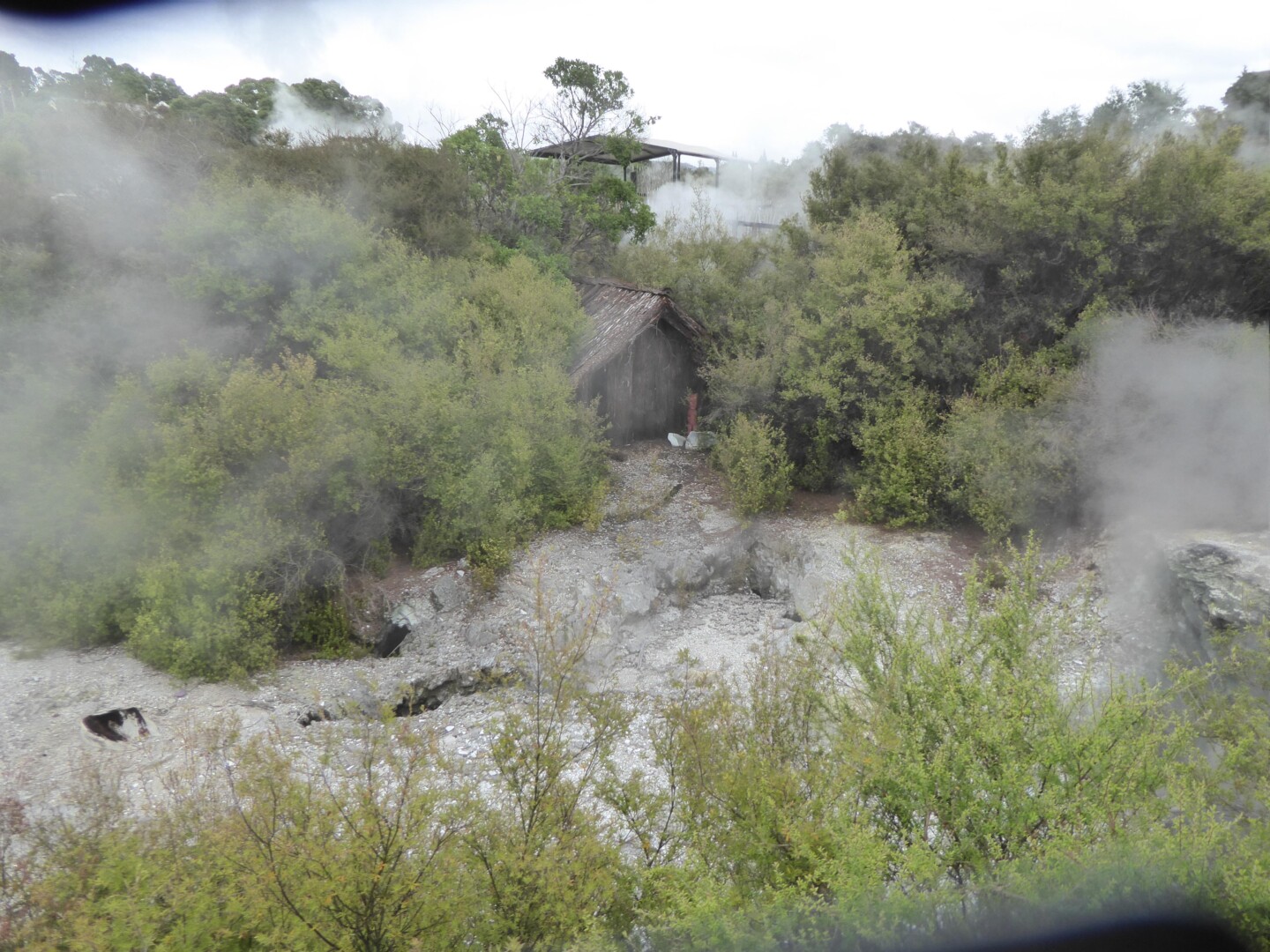
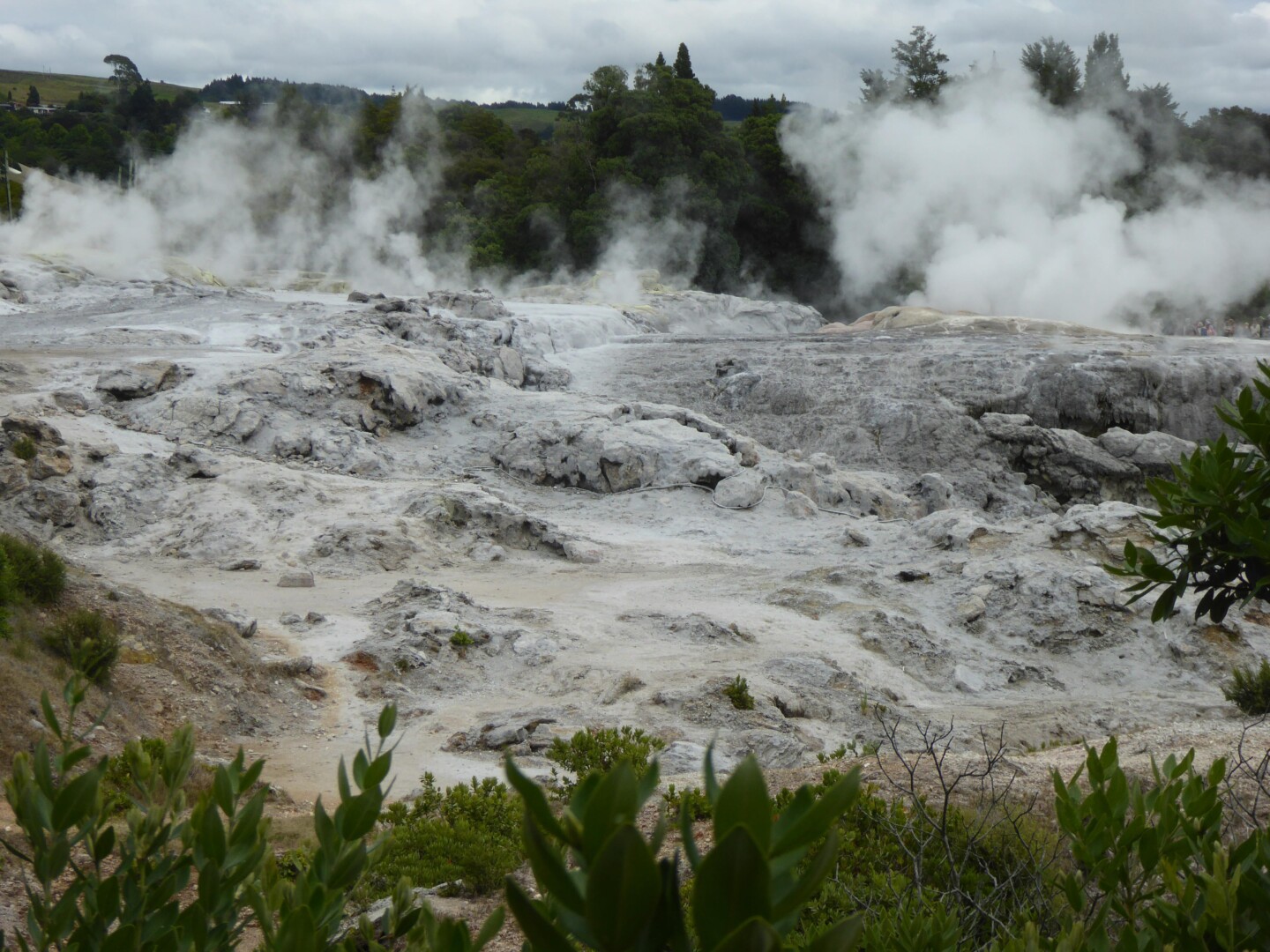
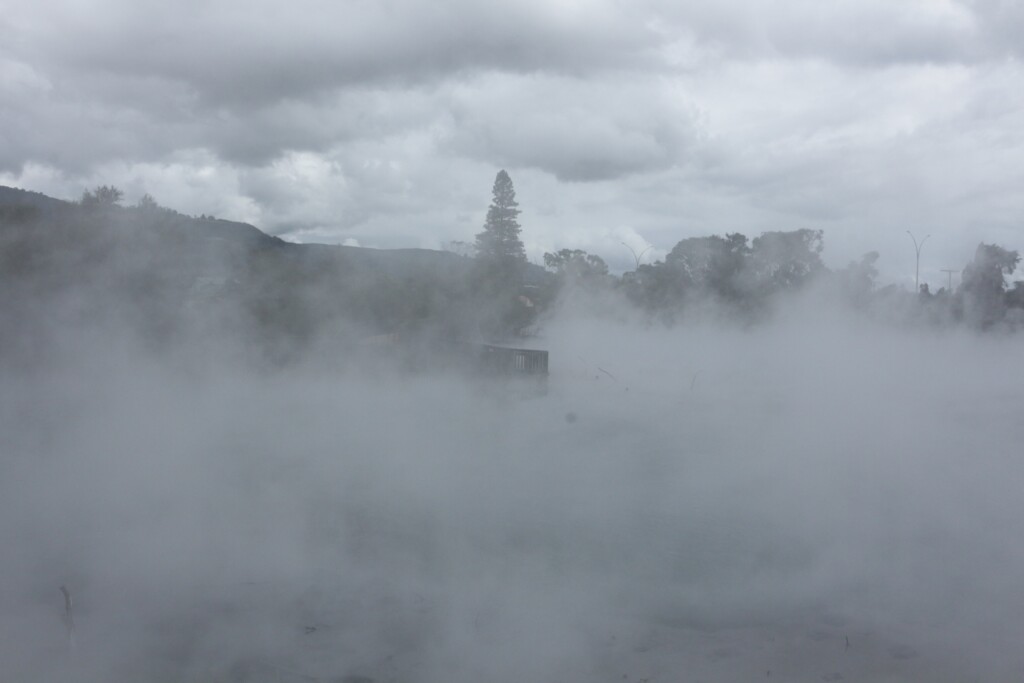
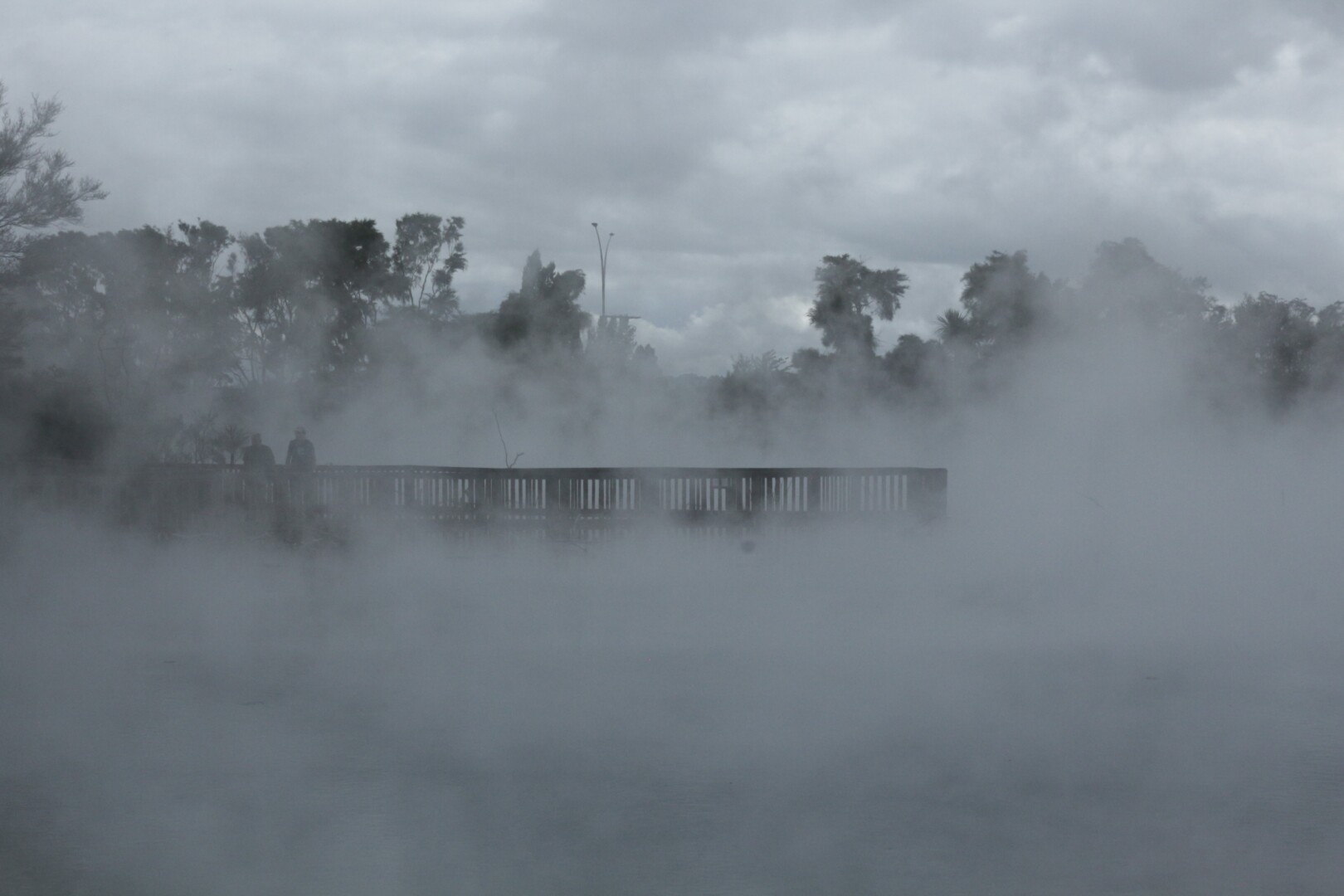
We then walked around a city park that had numerous hot and somewhat smelly springs across it. We then joined a guided tour through a Maori village (Whakarewarewa). It had been built around hot springs and geysers. It was fascinating to see the different temperatures of the pools. One was clear enough and hot enough that food is cooked in it – we sampled some corn – it was very good. There were cooking ovens constructed over steam vents and open air hot water baths fed from a hot spring.
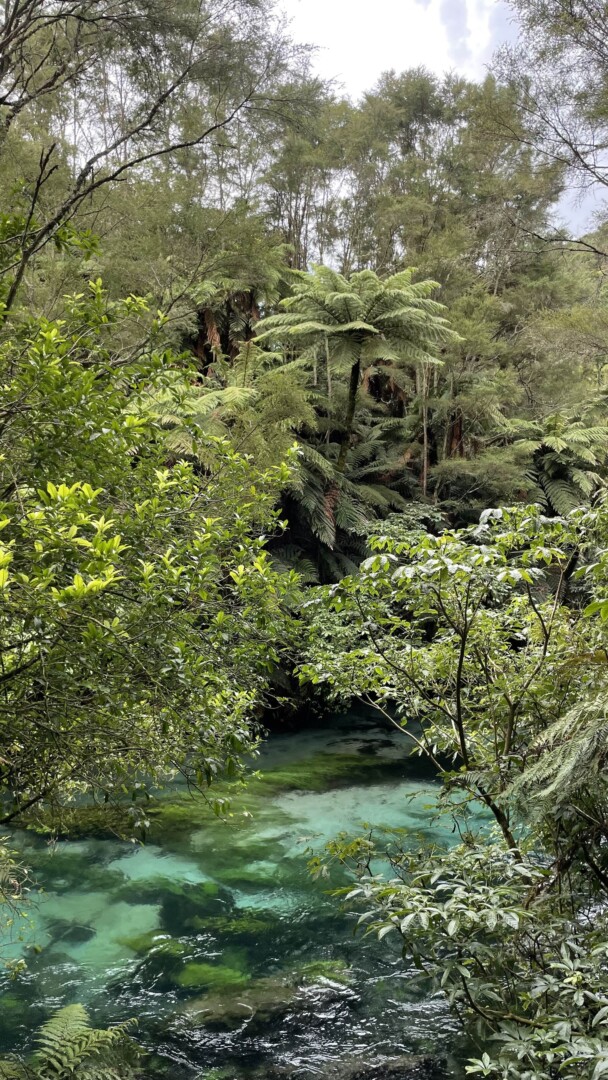
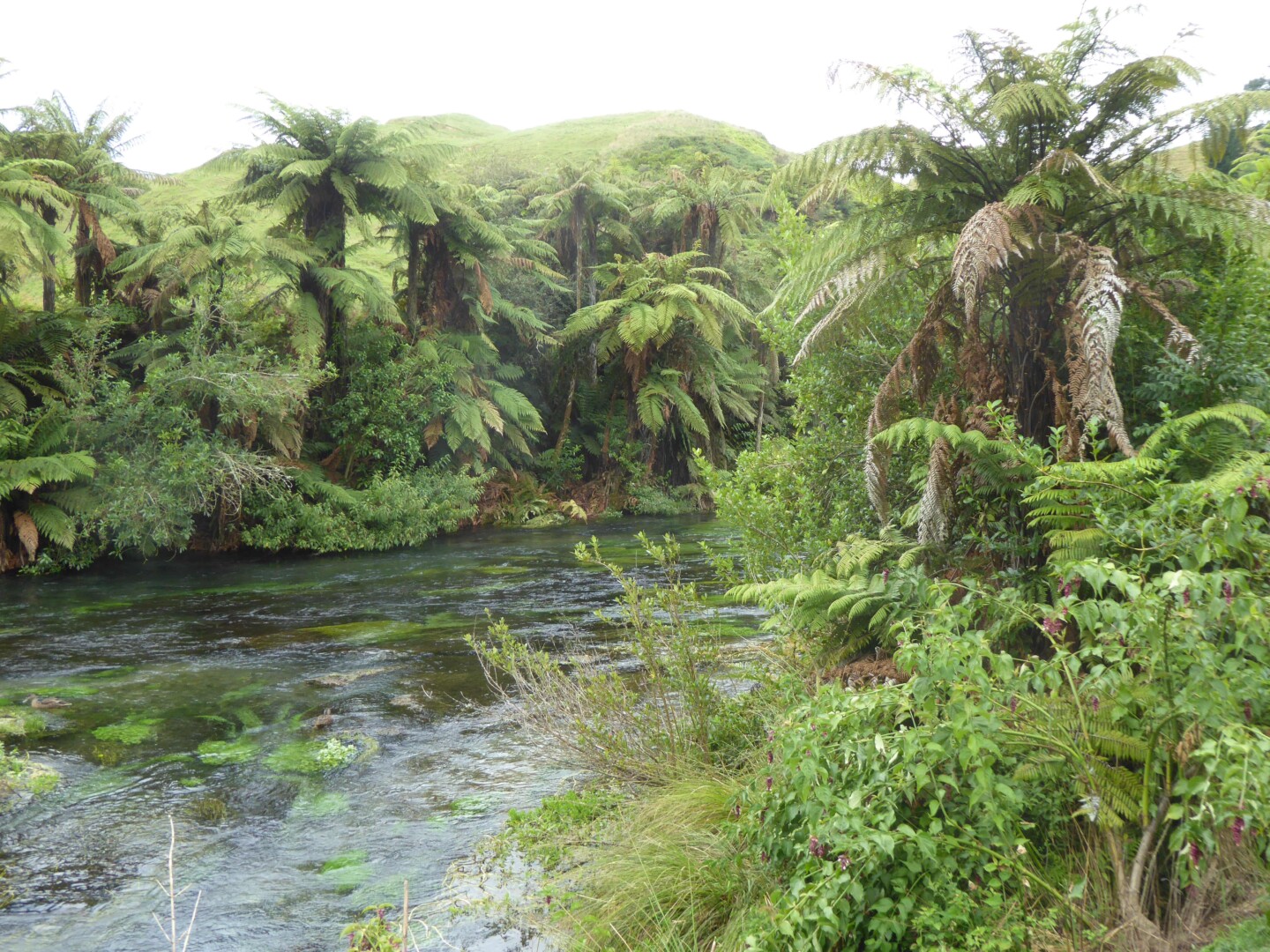
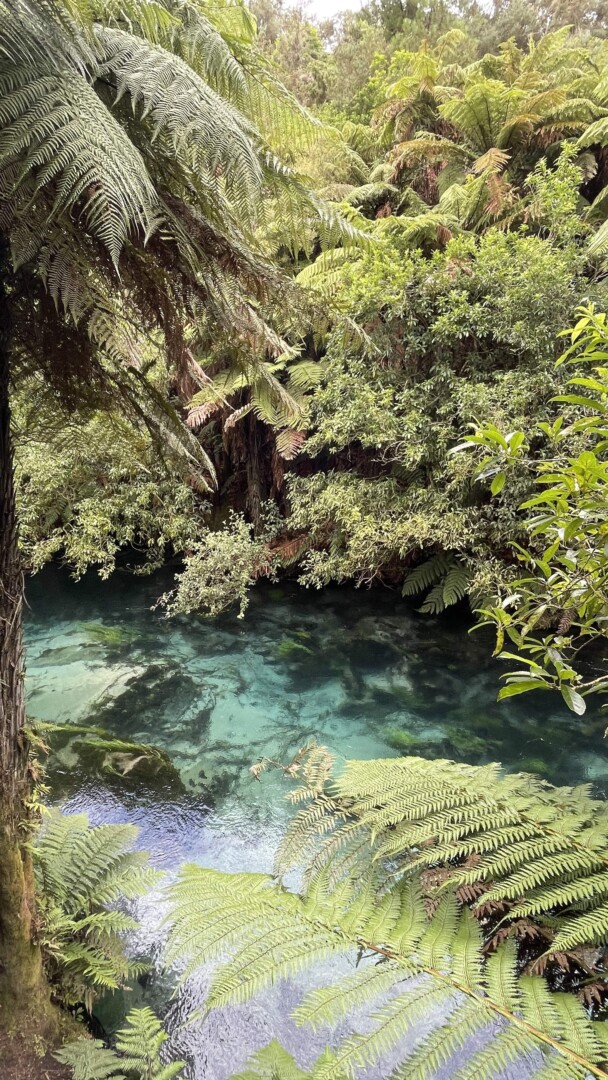
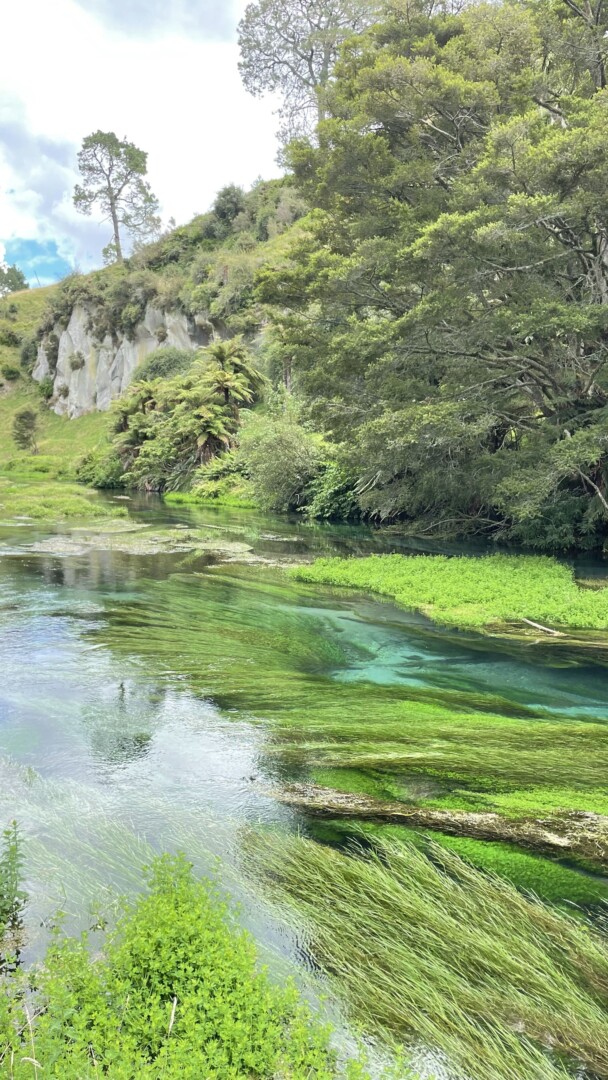
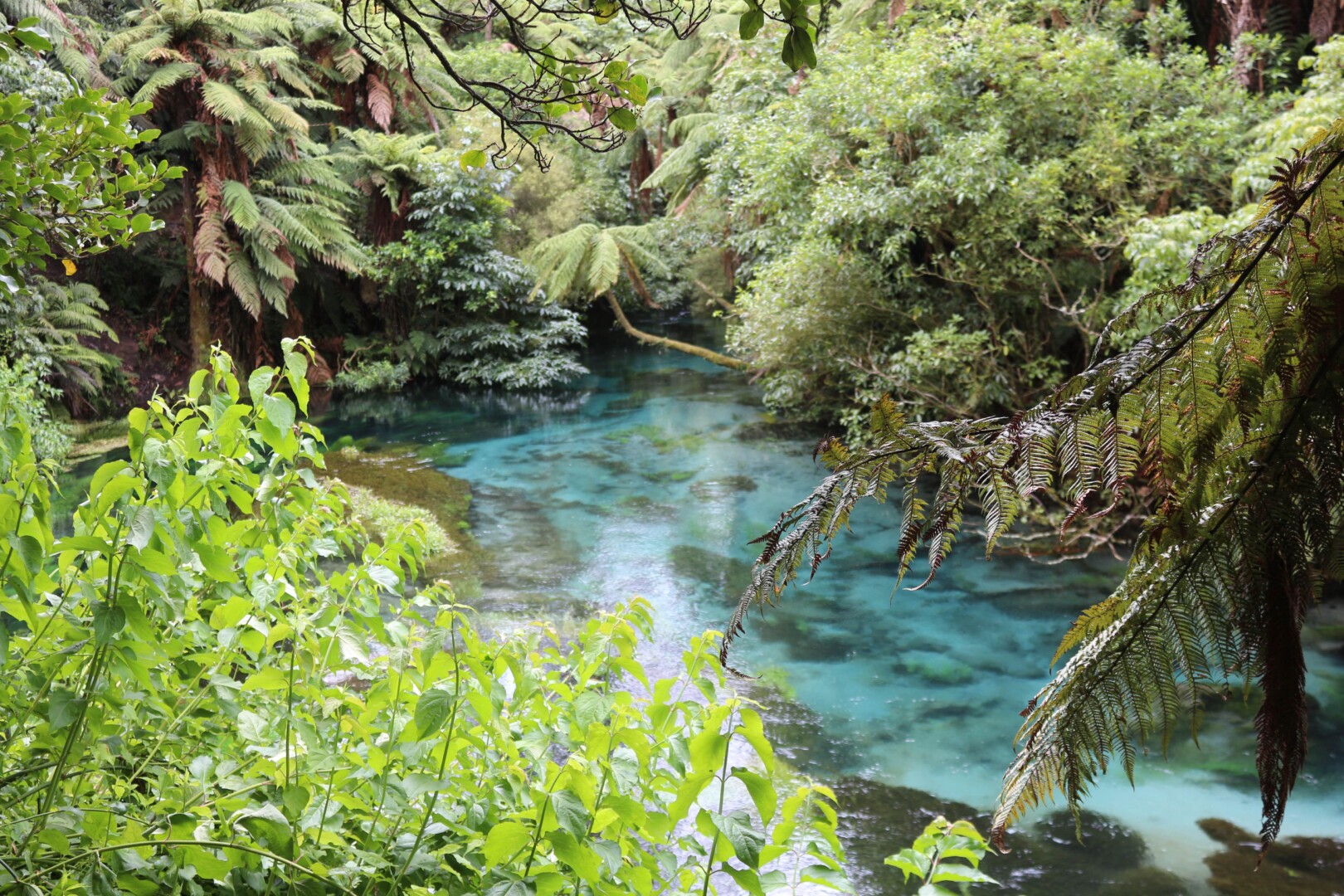
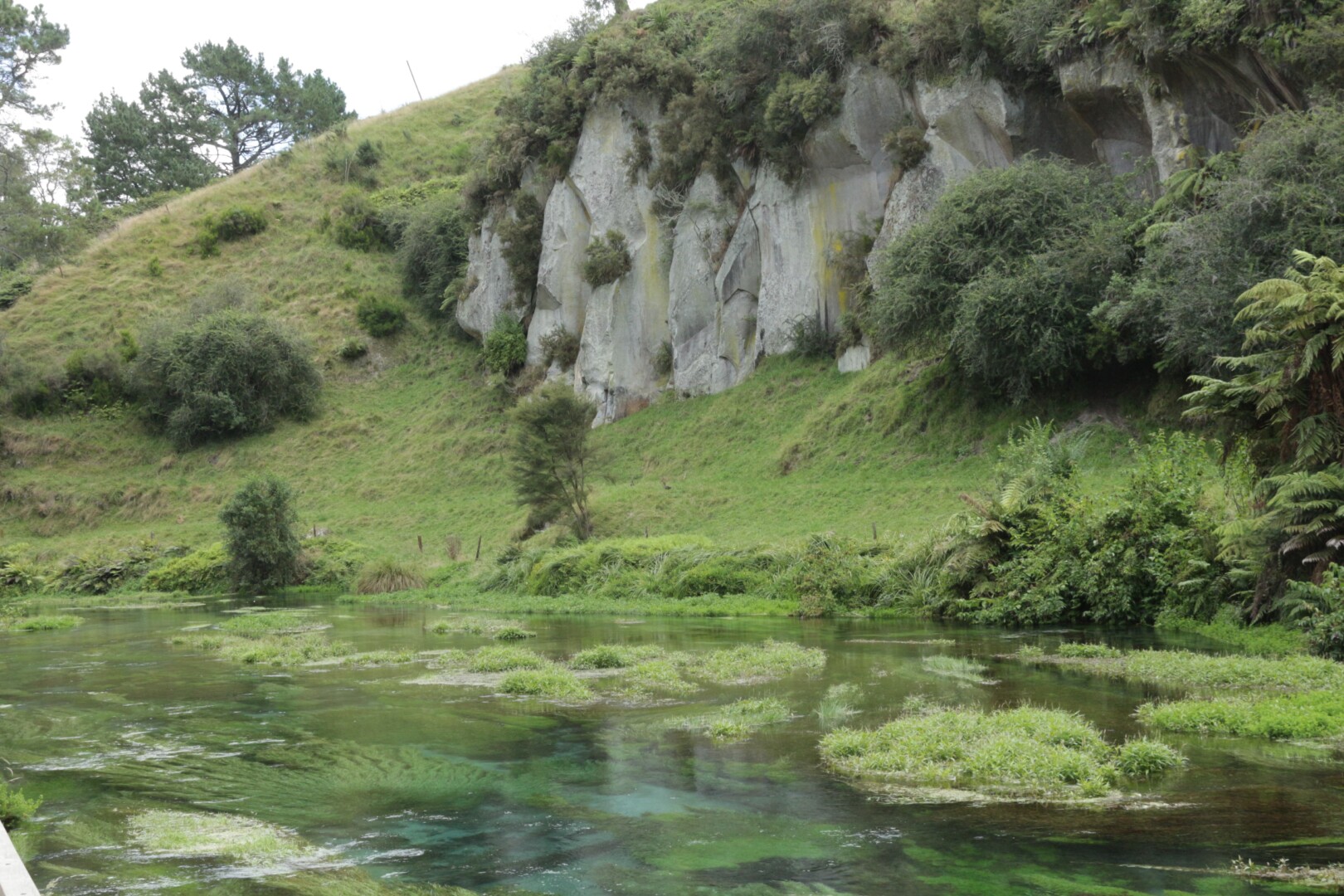
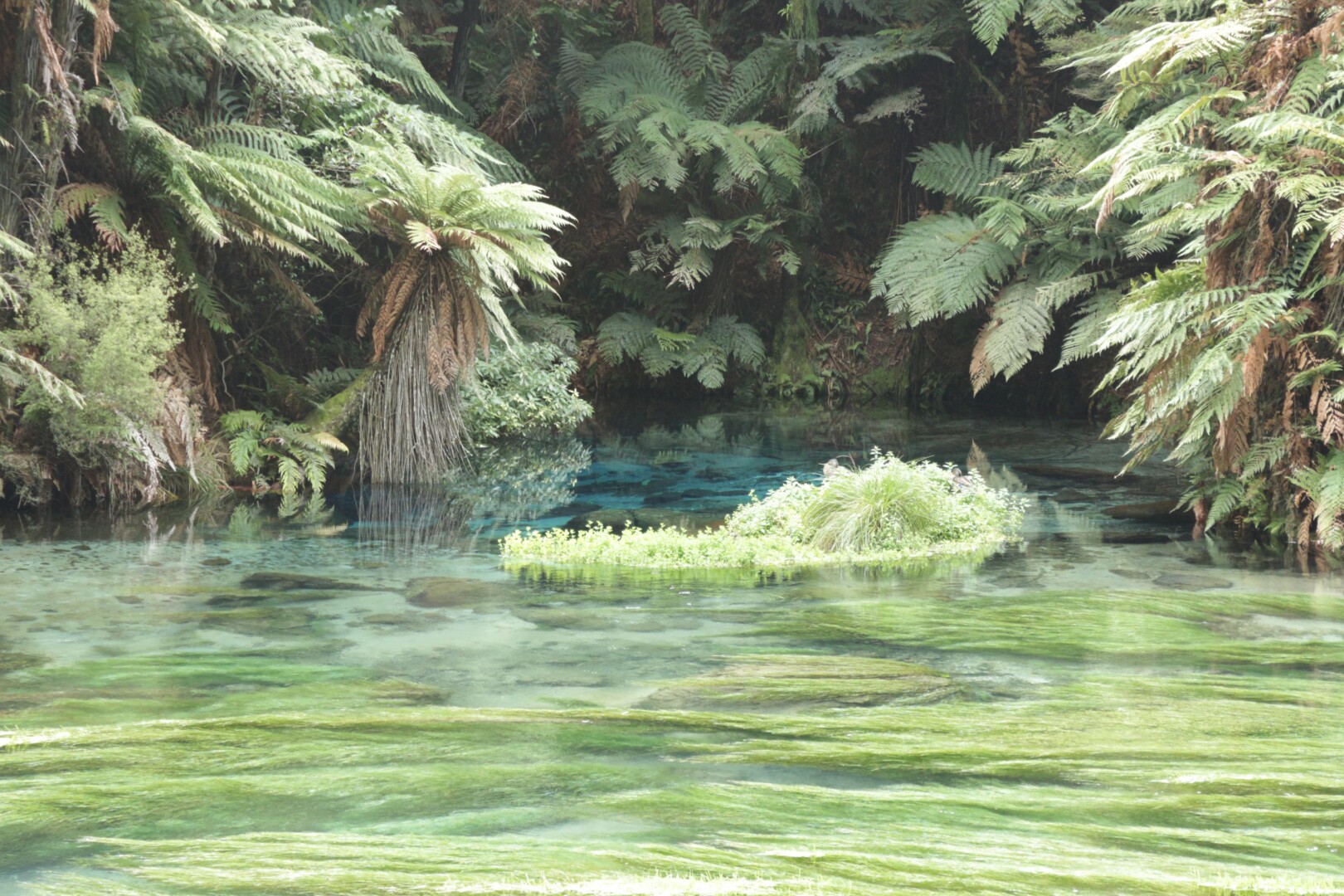
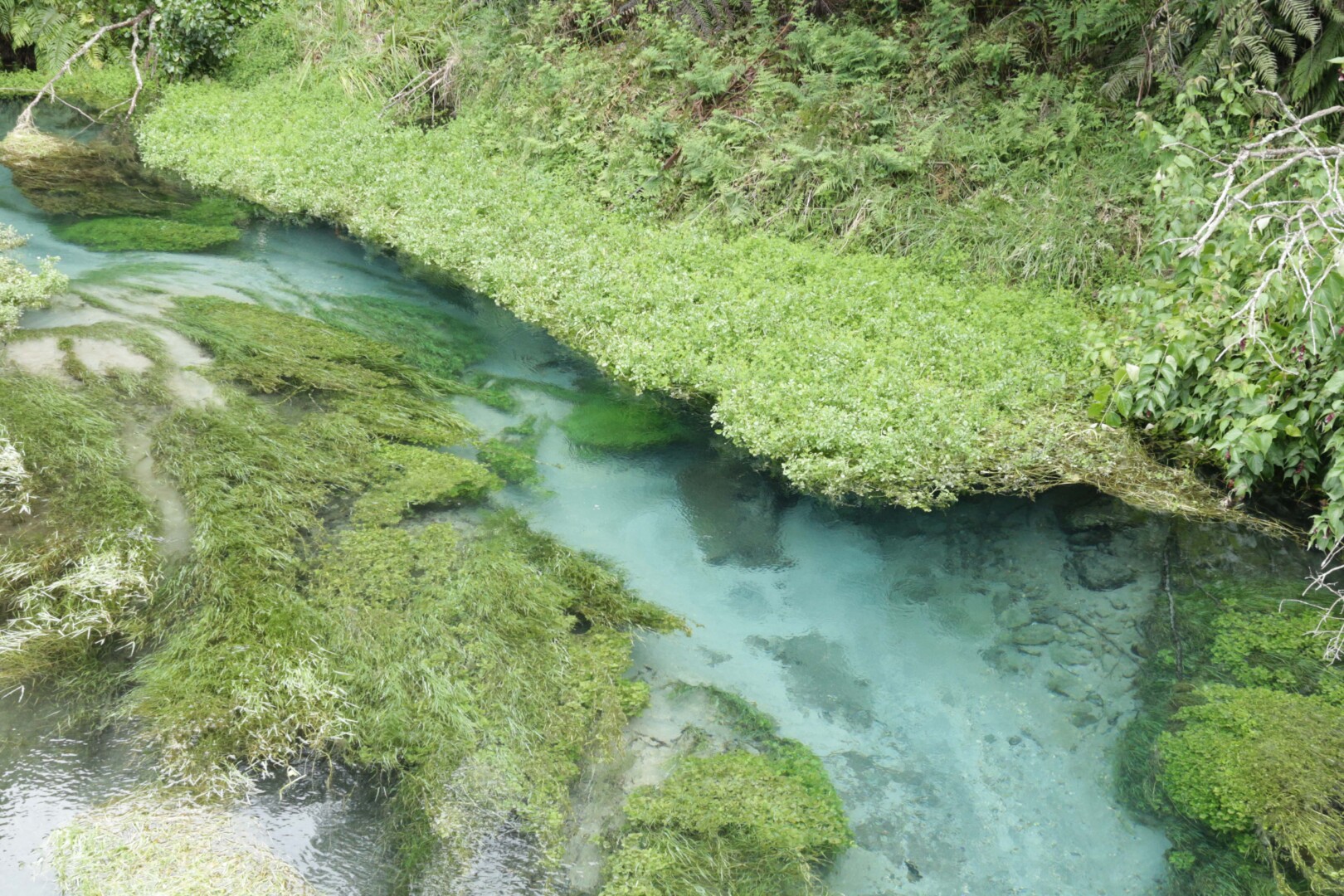
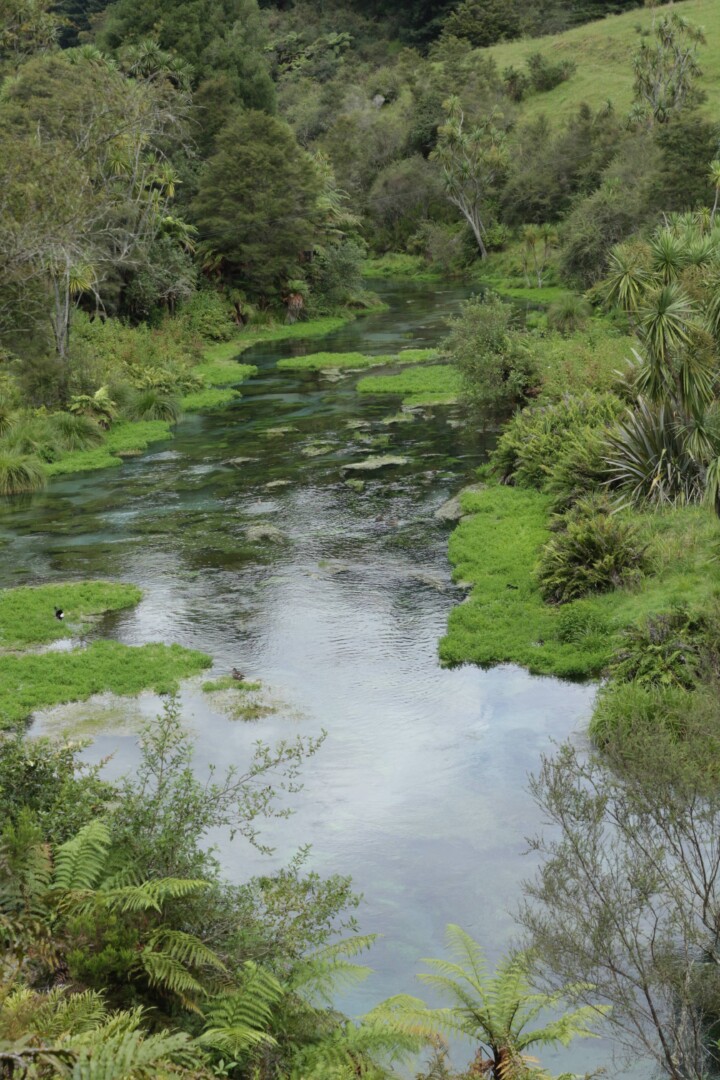
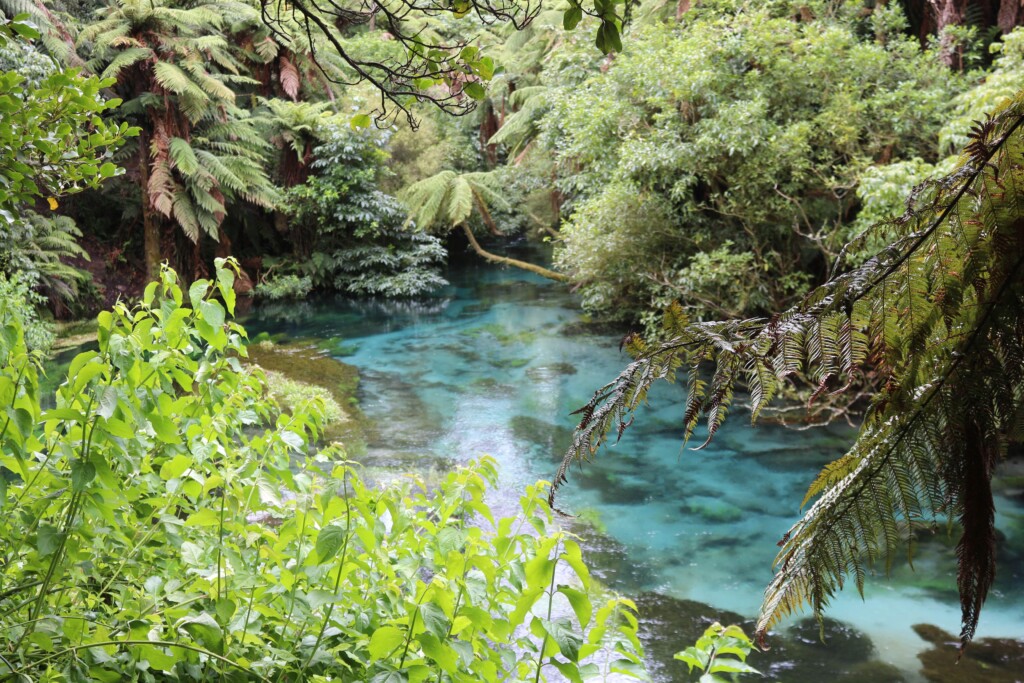
On the way back to Auckland we took a small detour to Putaruru Blue Spring. It was a brilliantly clear, blue tinged river that we followed downstream for over a kilometre.