Saturday 11 to Thursday 16 January 2025
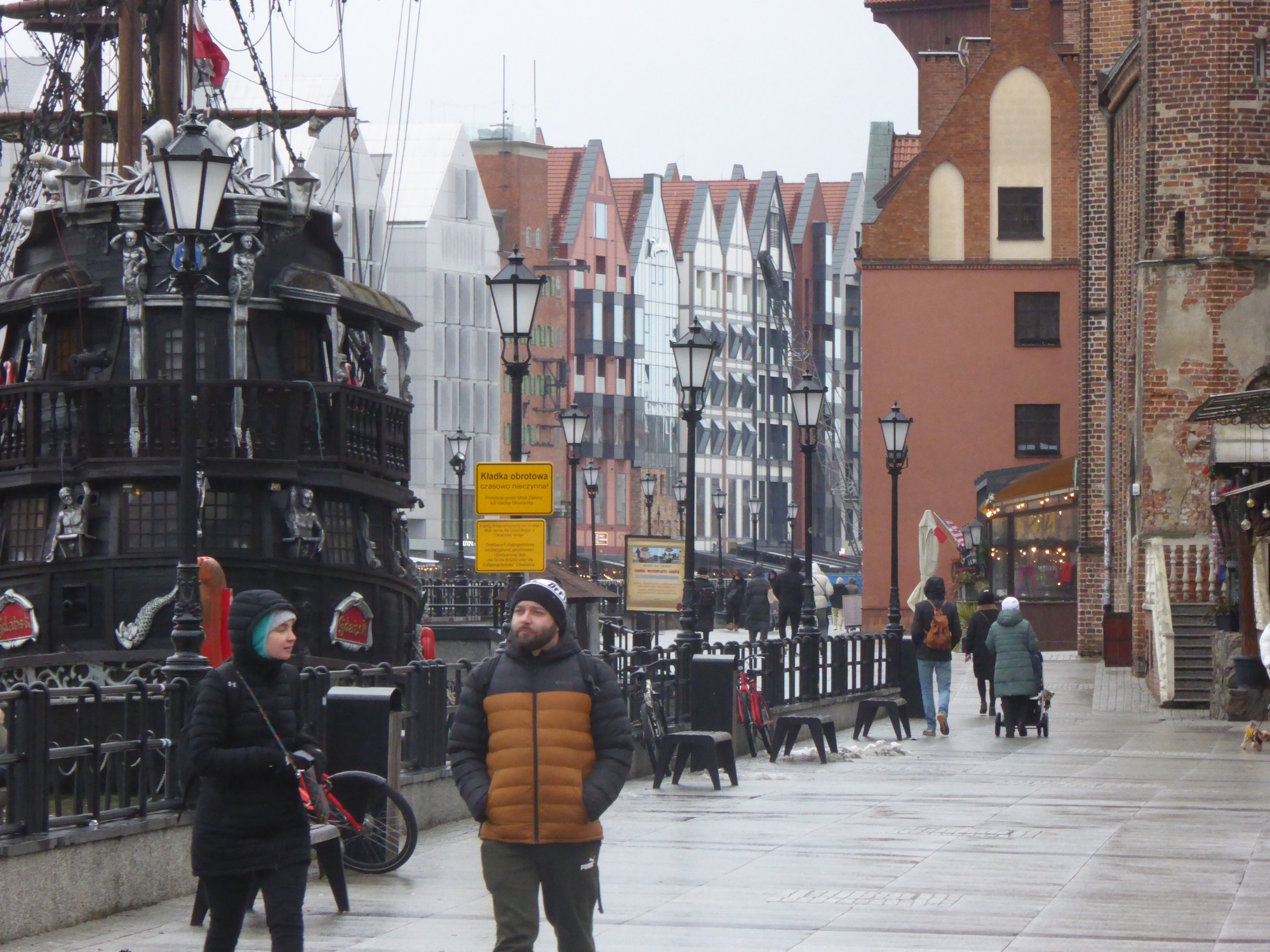
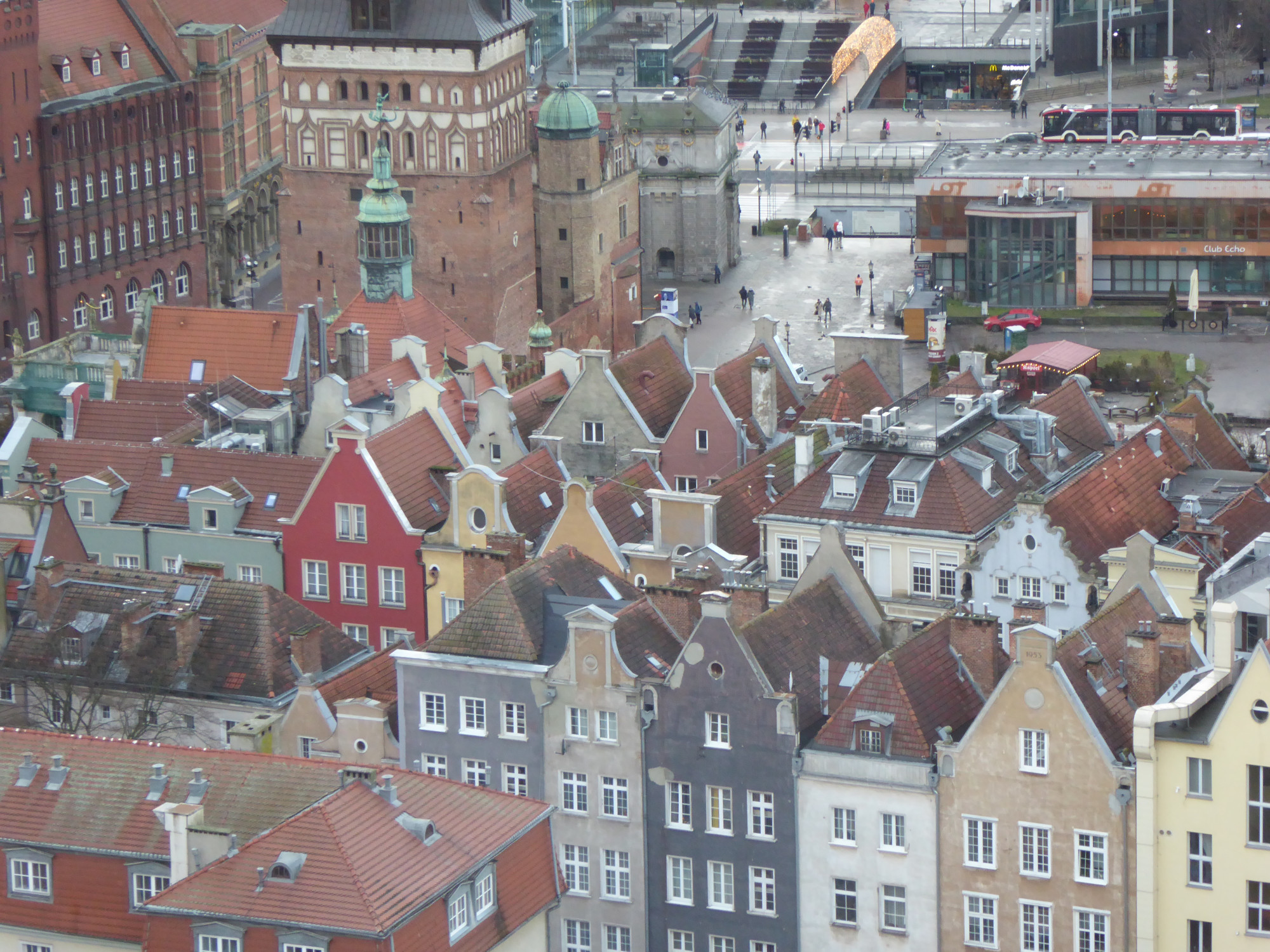
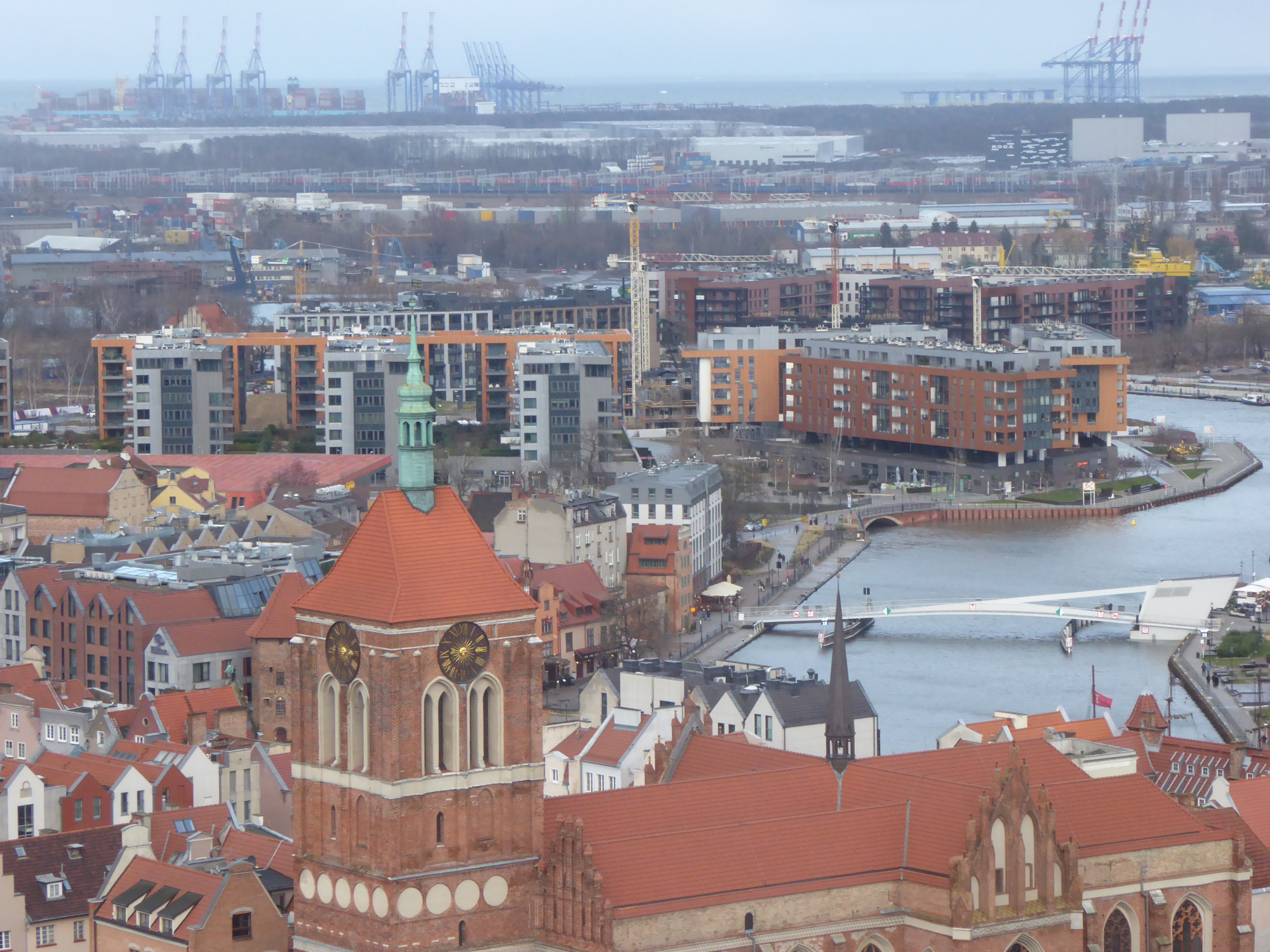
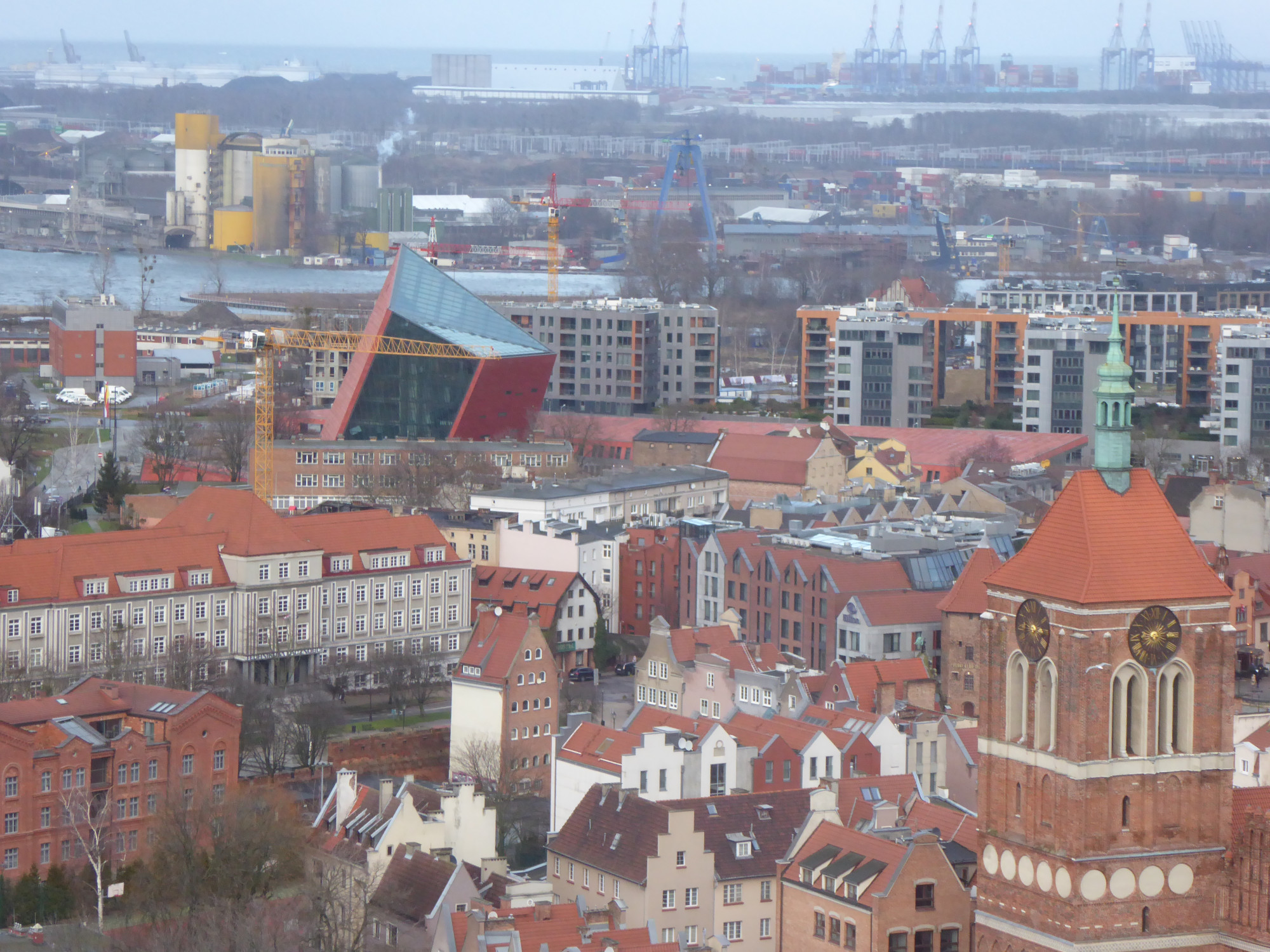
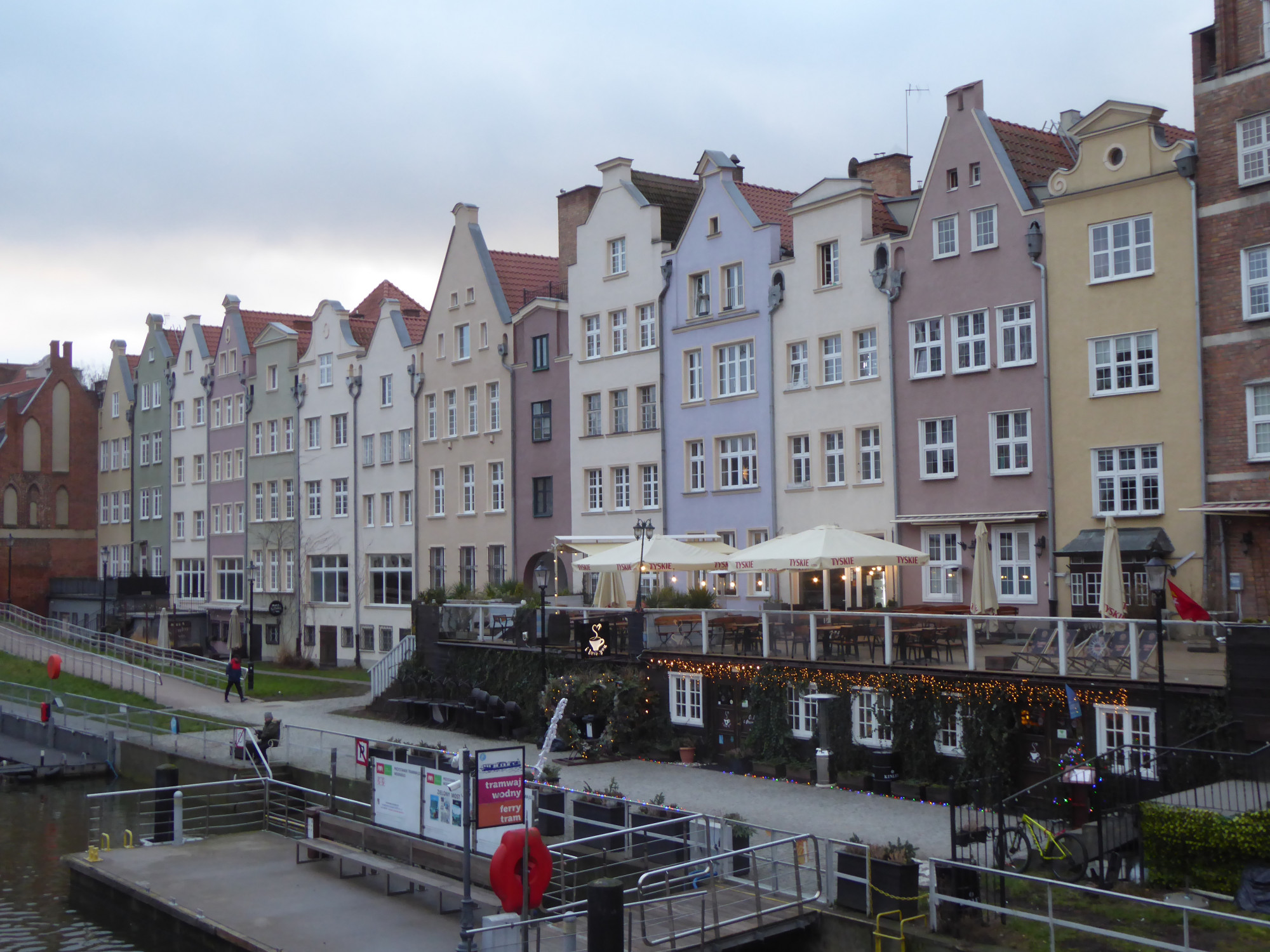
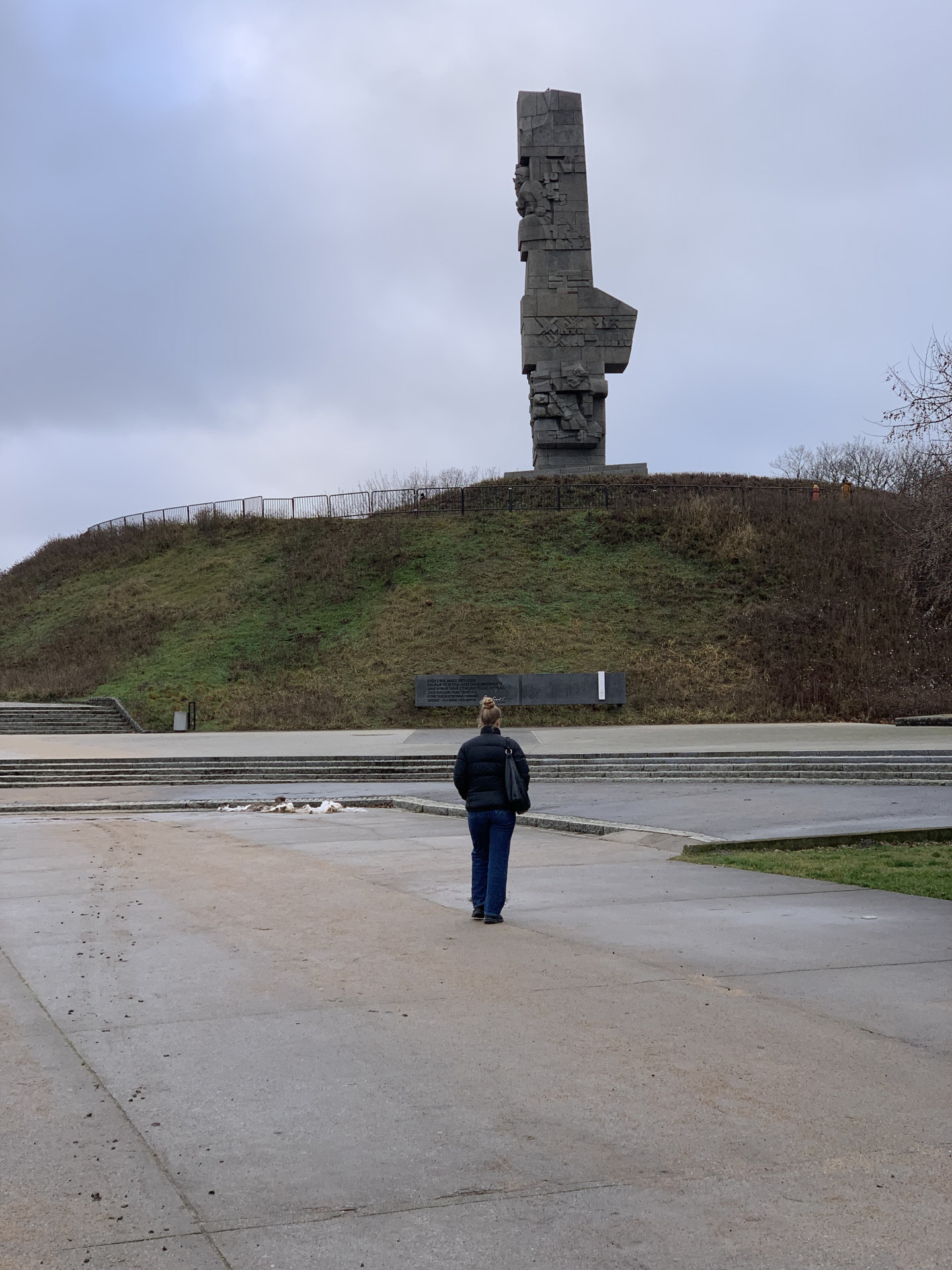
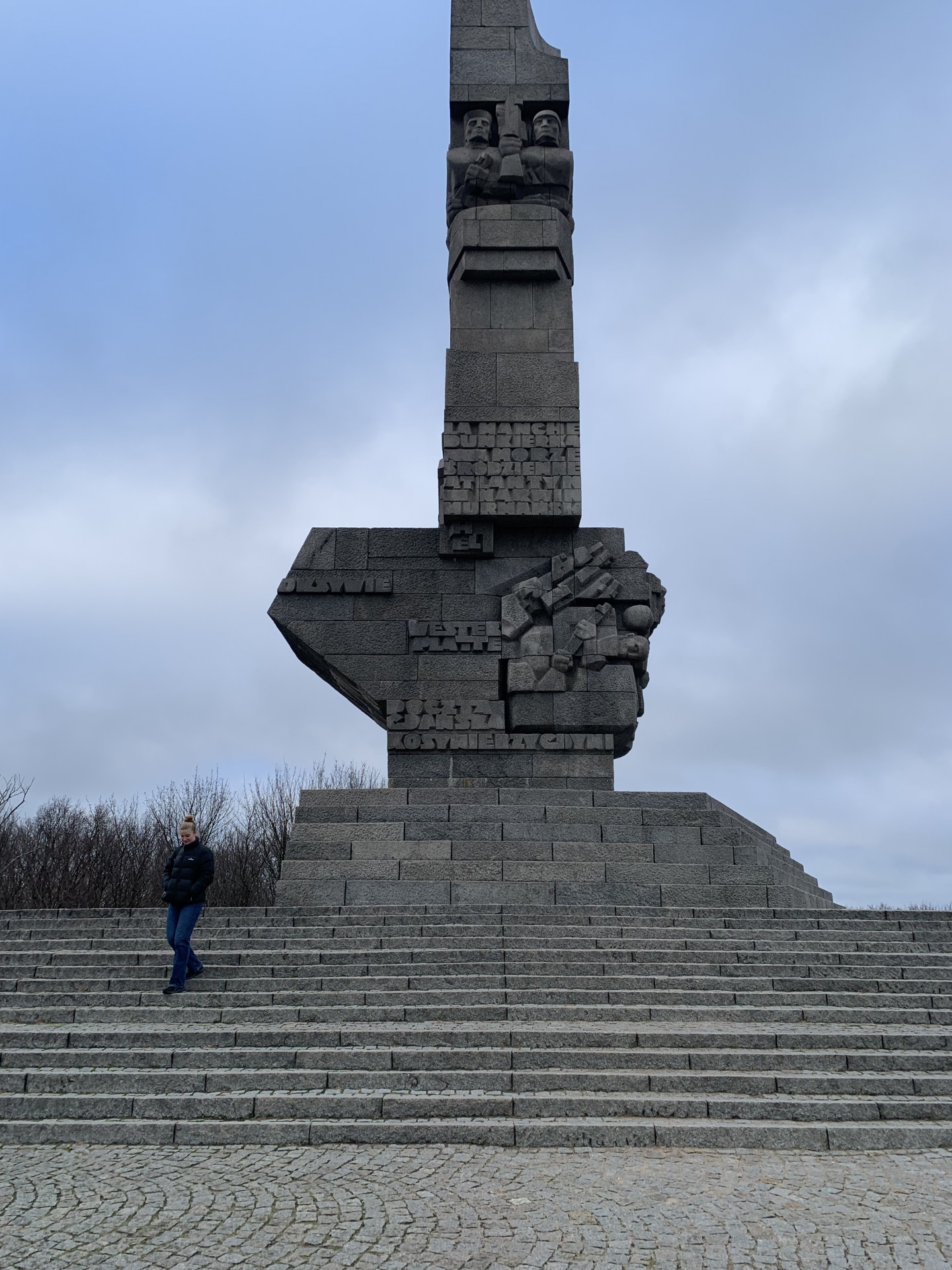
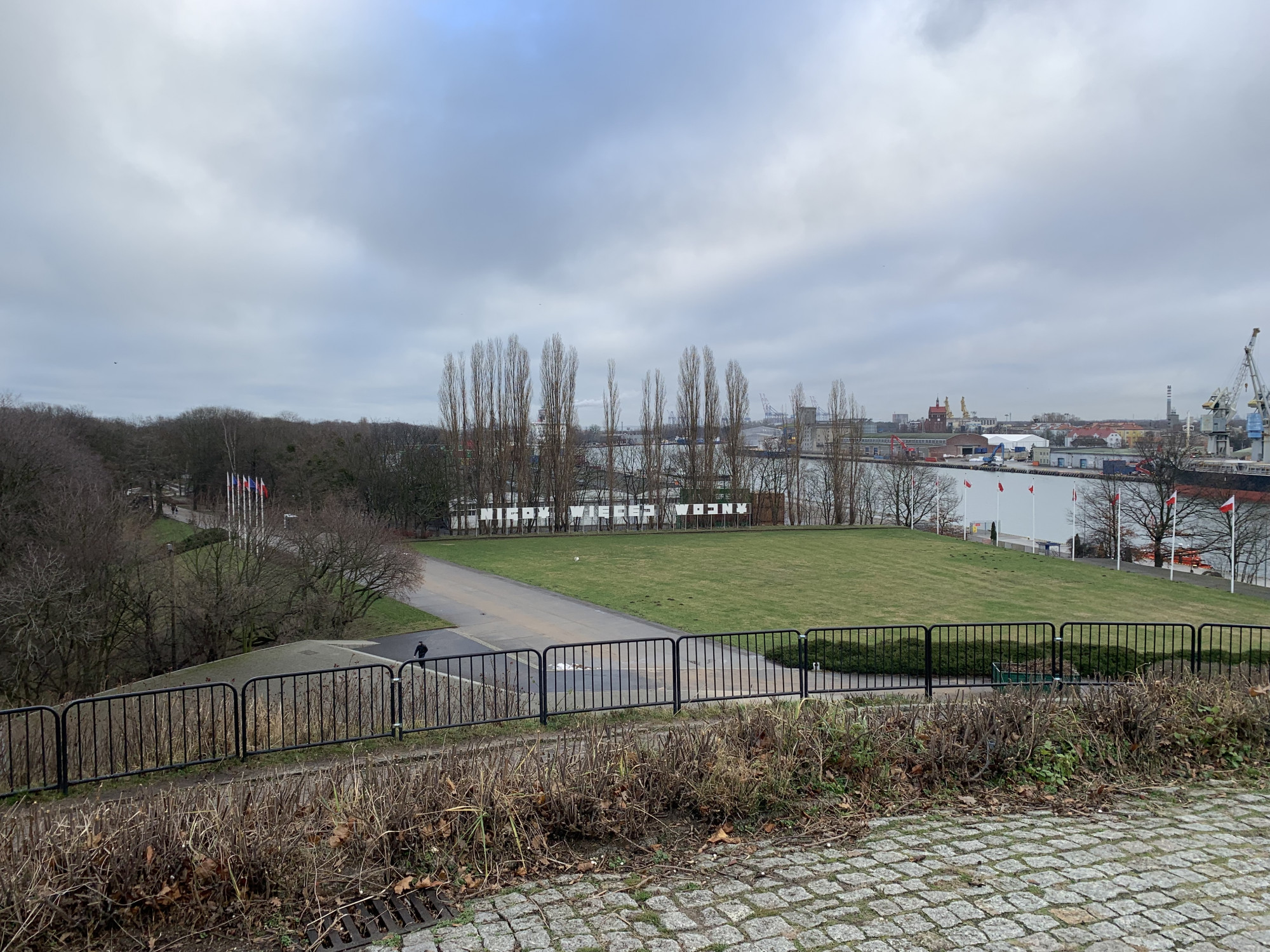
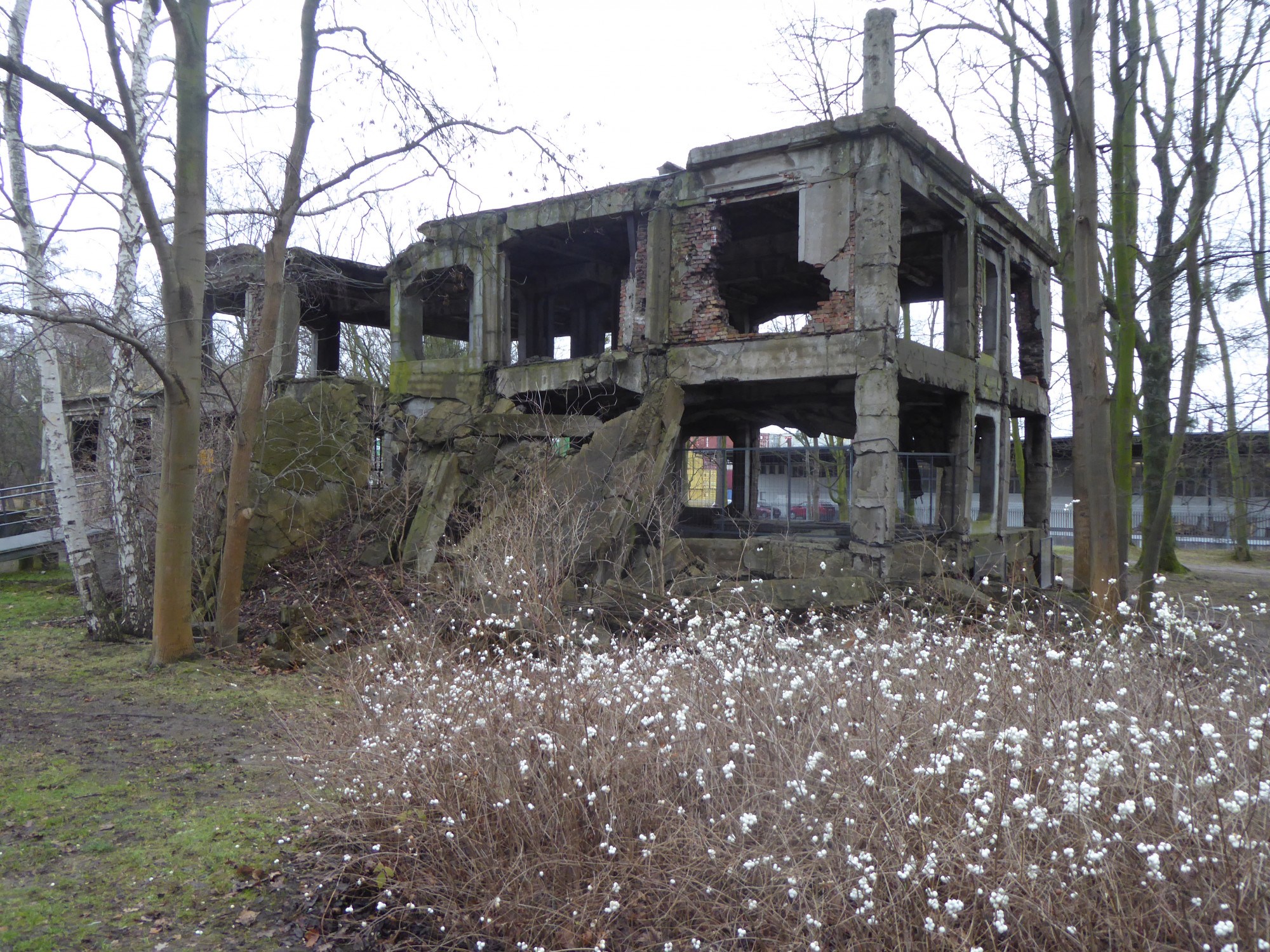
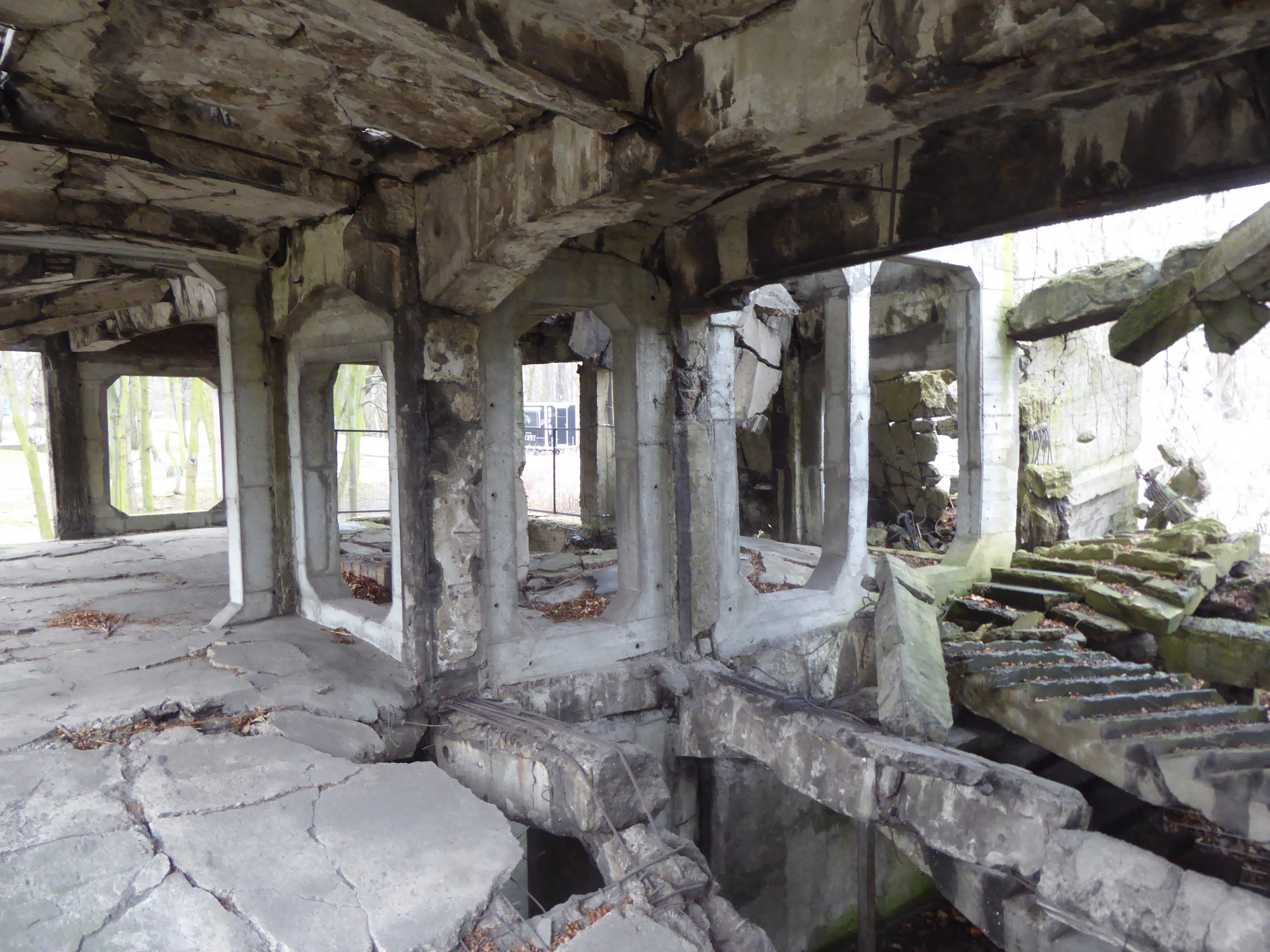
Gadansk has a complex history, having had periods of Polish, German and self rule. An important shipbuilding and trade port since the Middle Ages. It served as Poland’s principal seaport. In 1793, within the Partitions of Poland, the city became part of Prussia, and thus a part of the German Empire from 1871 after the unification of Germany. Following World War I and the Treaty of Versailles, it was a Free City under the protection of the League of Nations from 1920 to 1939. On 1 September 1939 it was the scene of the first clash of World War II at Westerplatte. The contemporary city was shaped by extensive border changes, expulsions and new settlement after 1945. In the 1980s, Gdańsk was the birthplace of the Solidarity movement, which helped precipitate the collapse of the Eastern Bloc, the fall of the Berlin Wall and the dissolution of the Warsaw Pact.
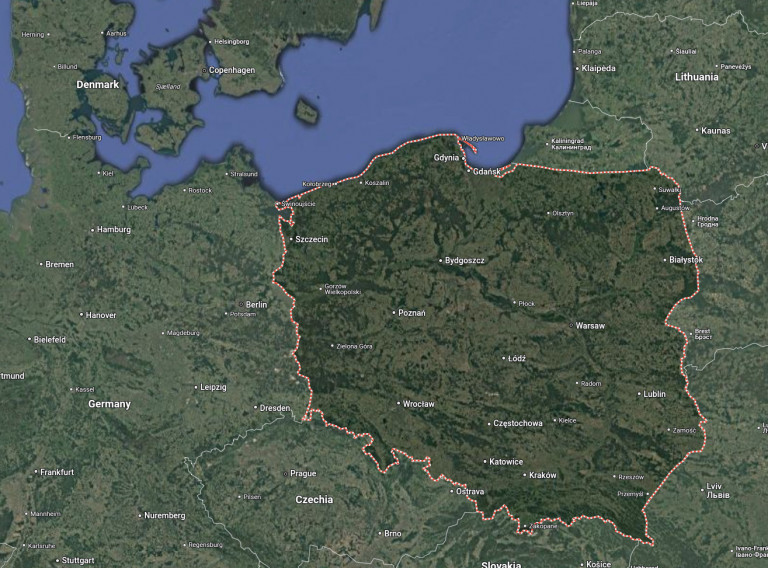
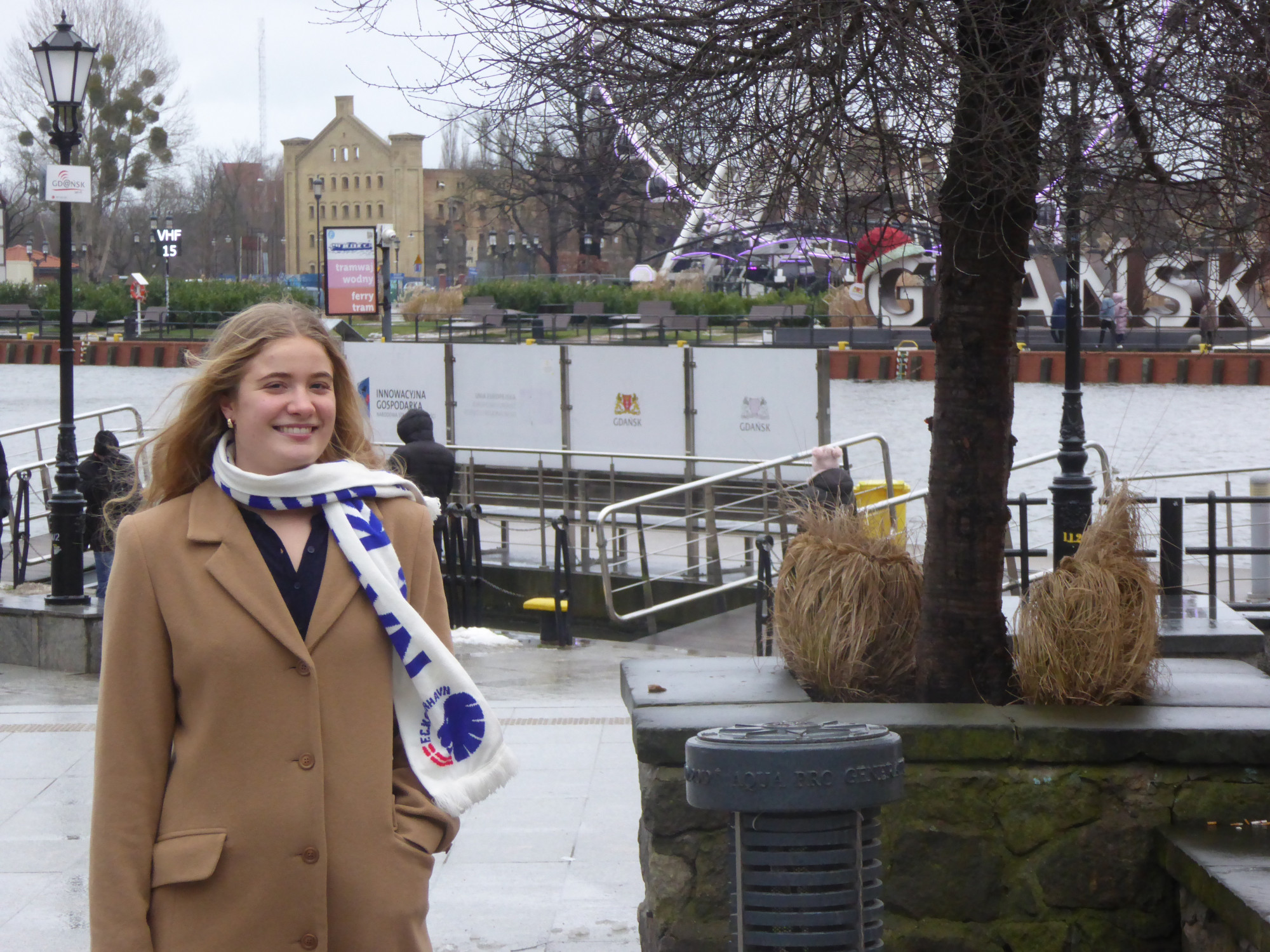
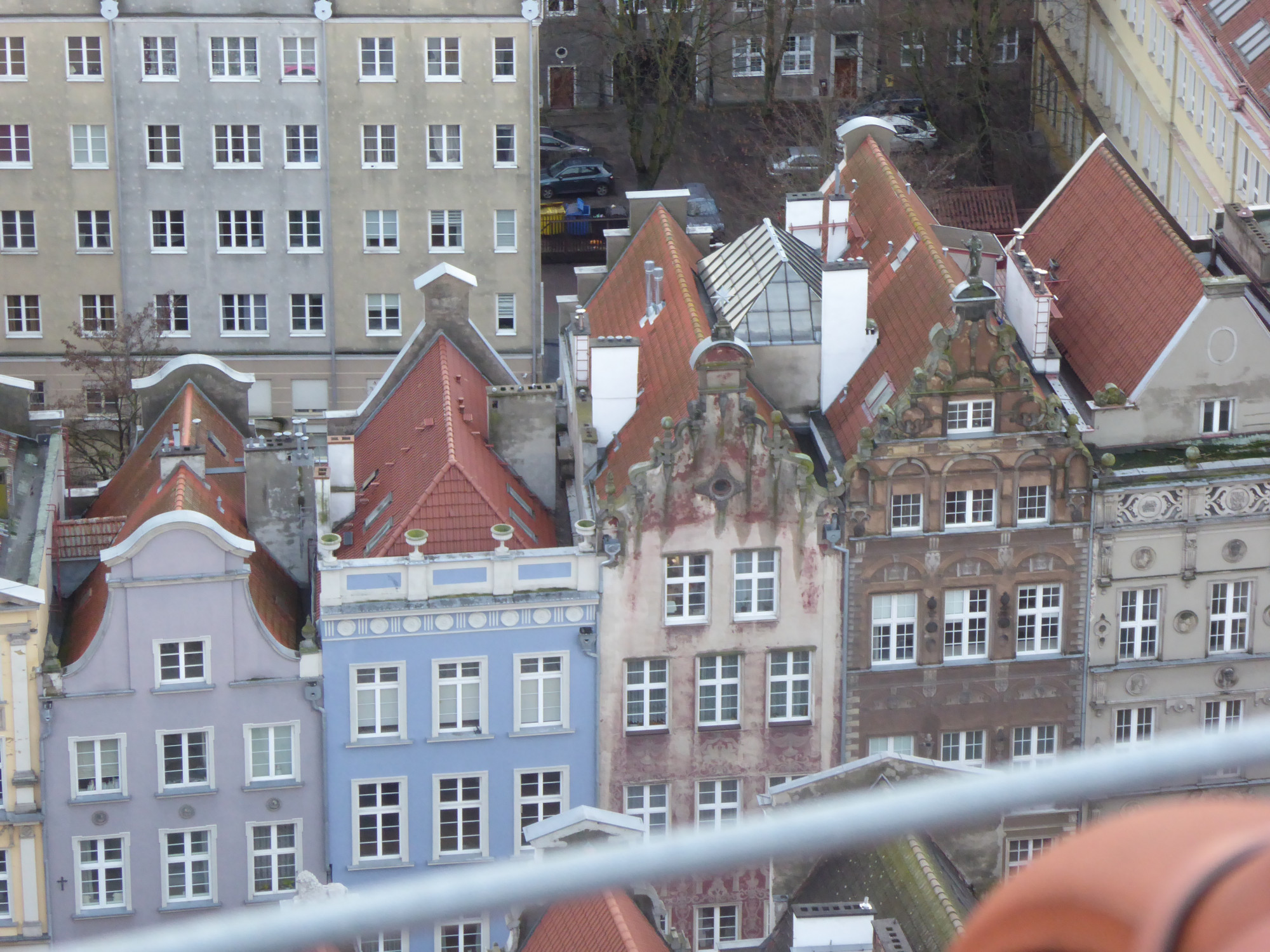
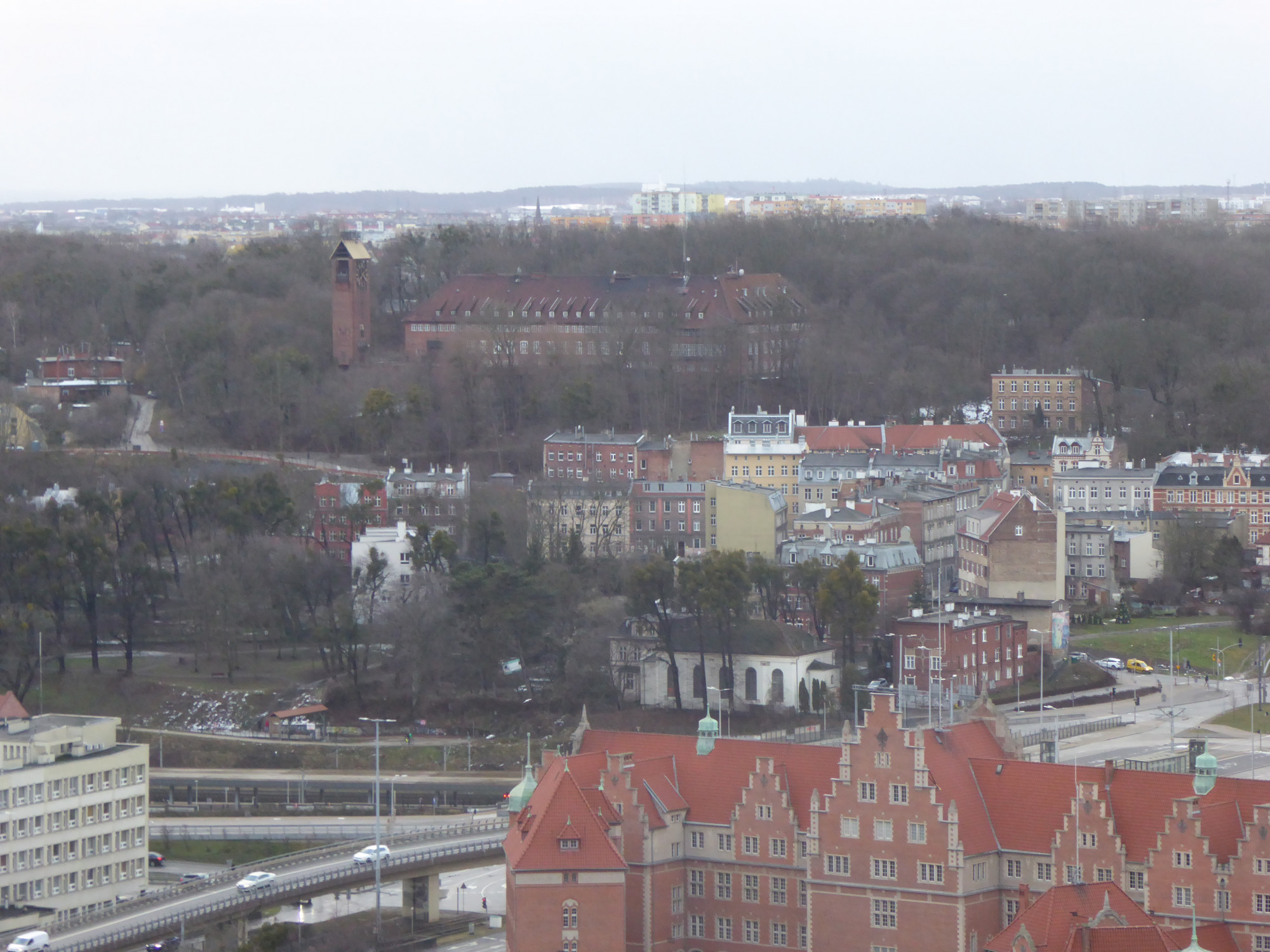
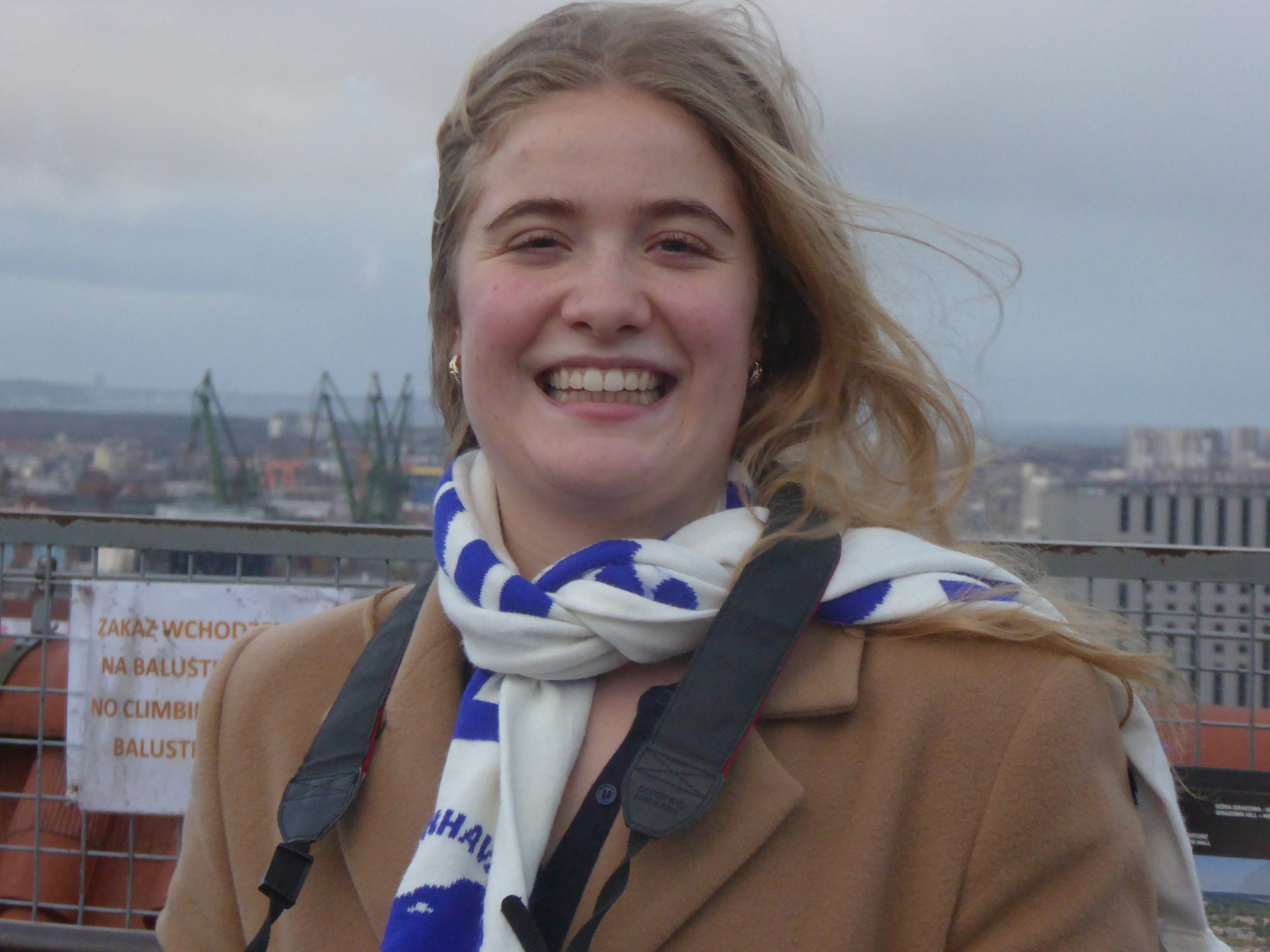
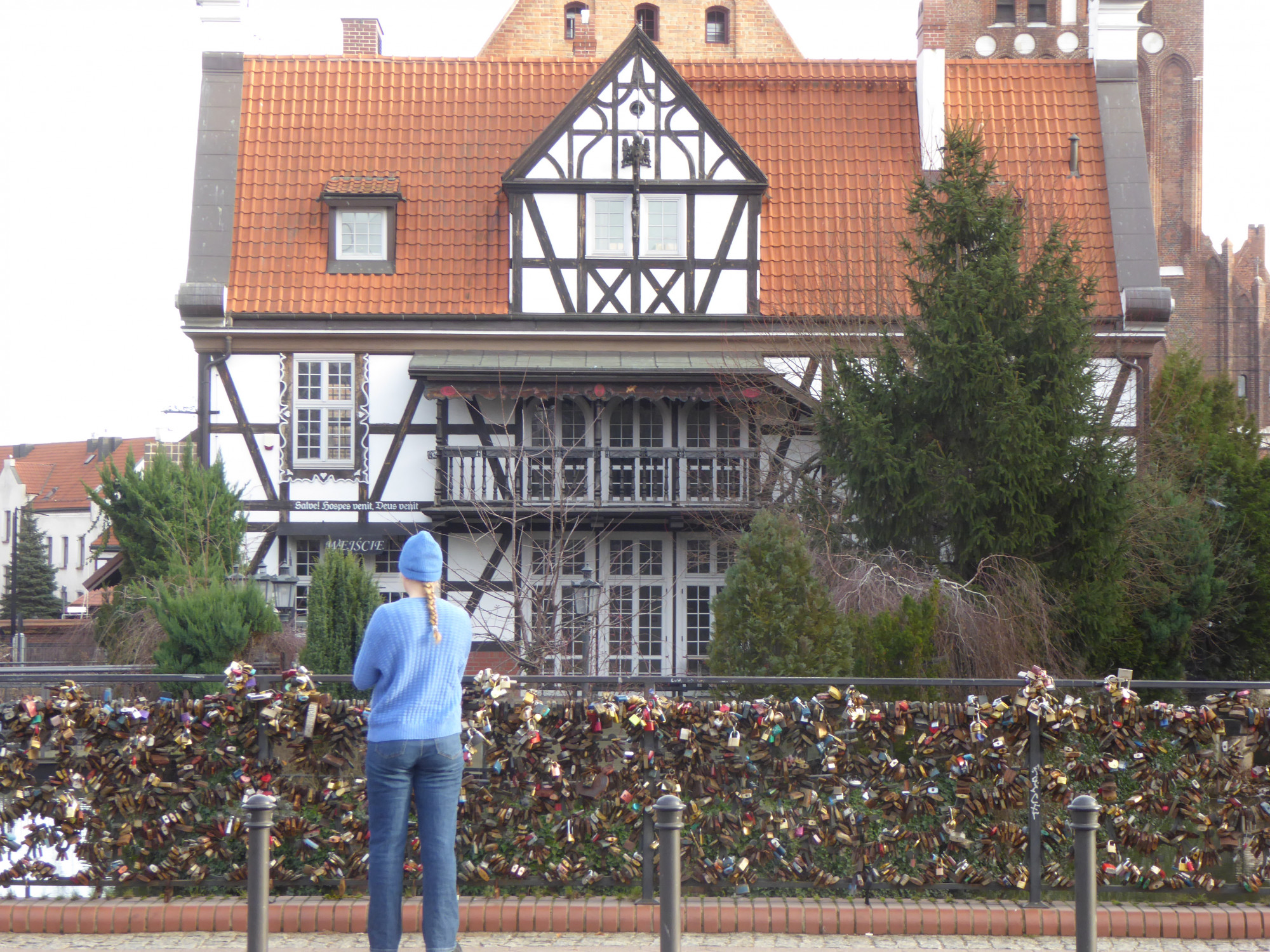
Rianna and I got a great time exploring somewhere unexpected.
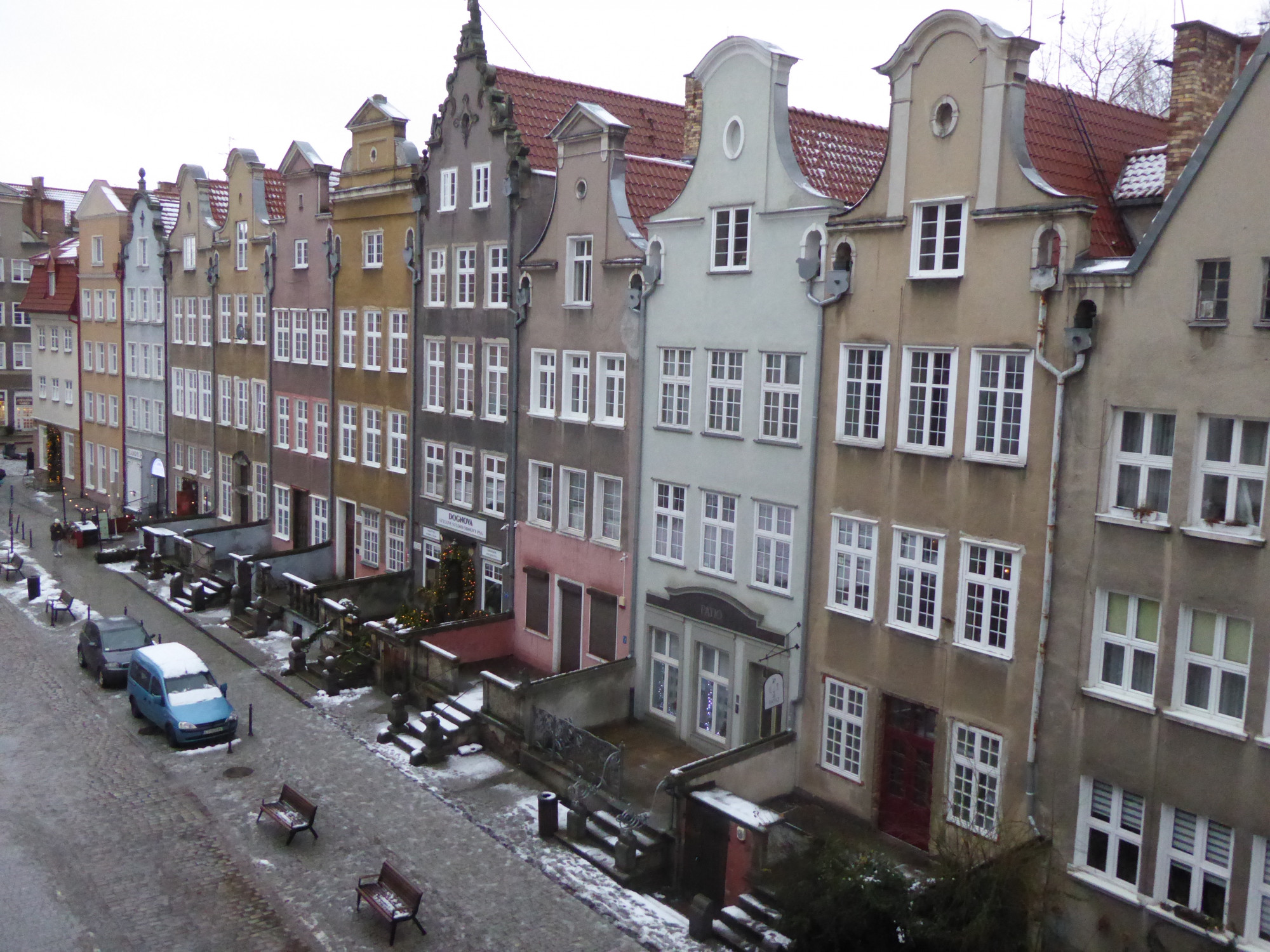
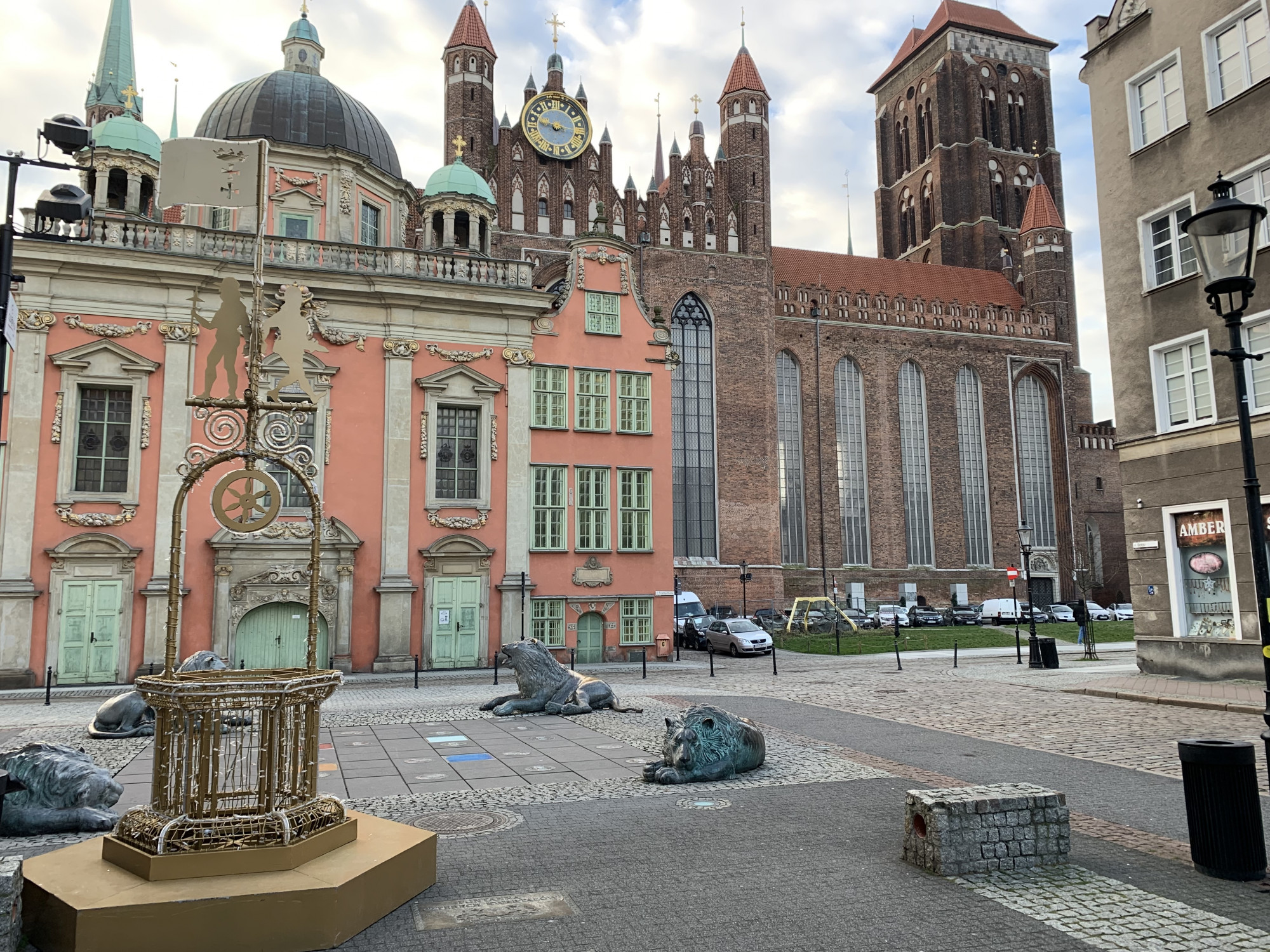
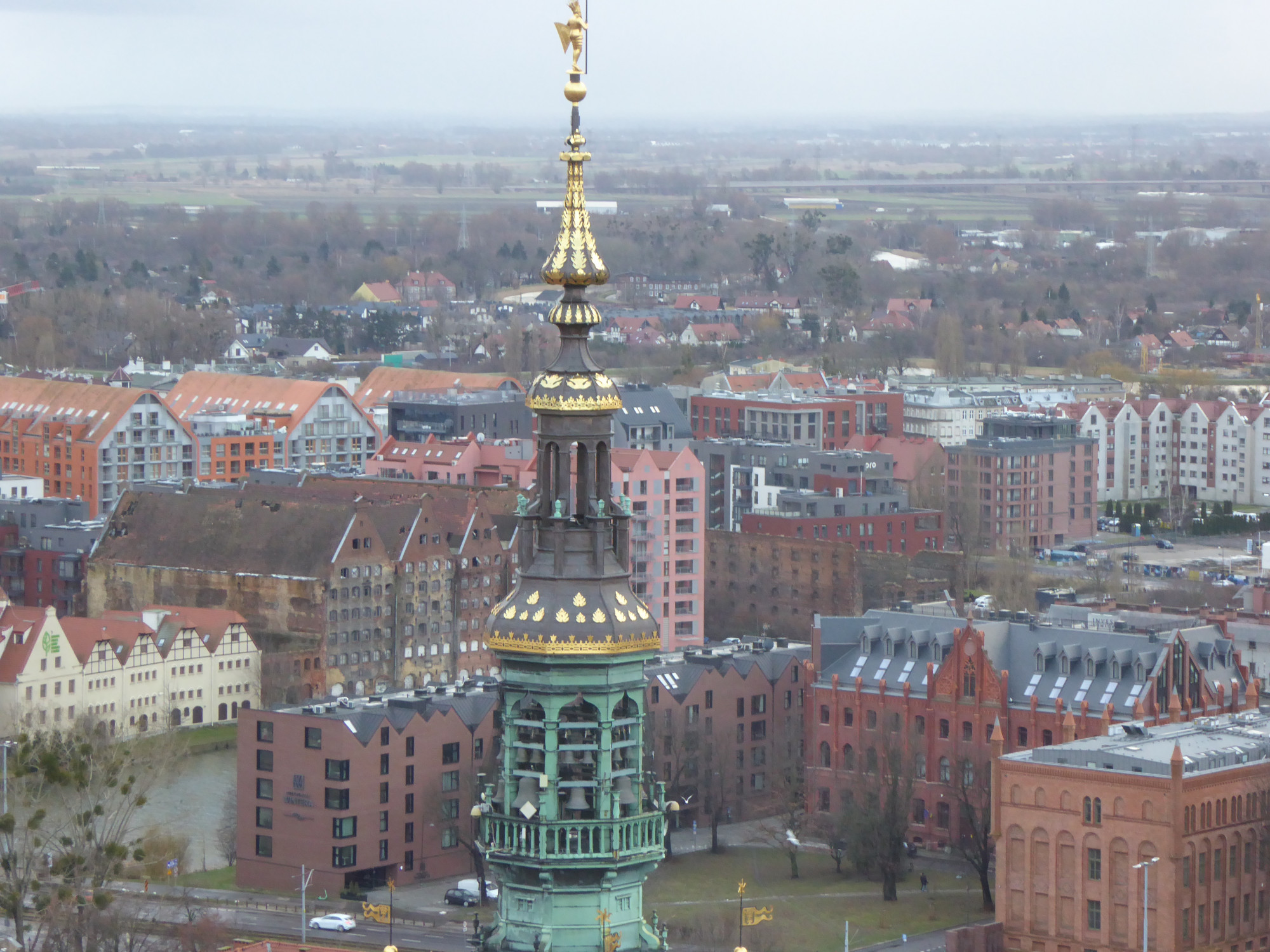
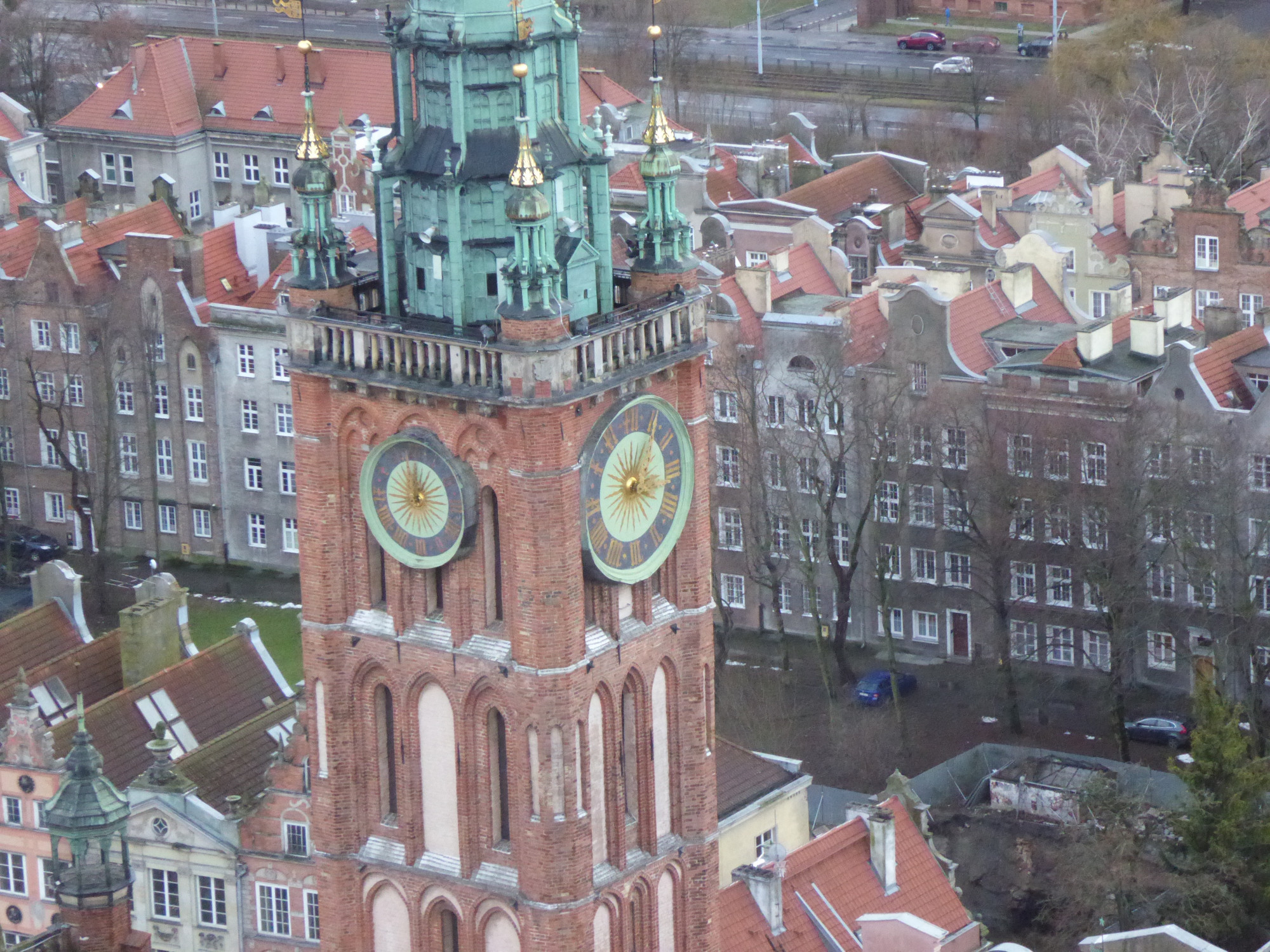
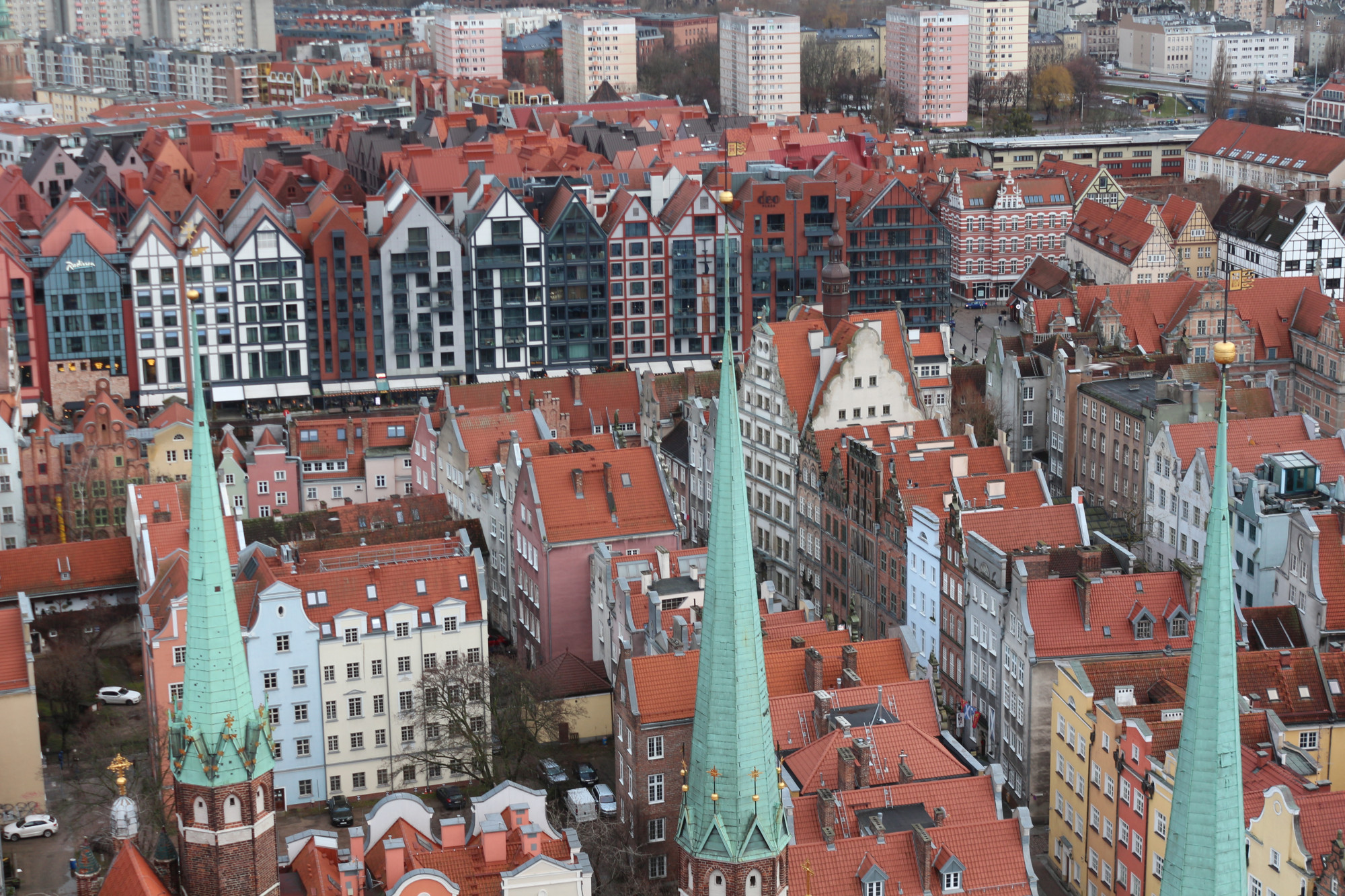
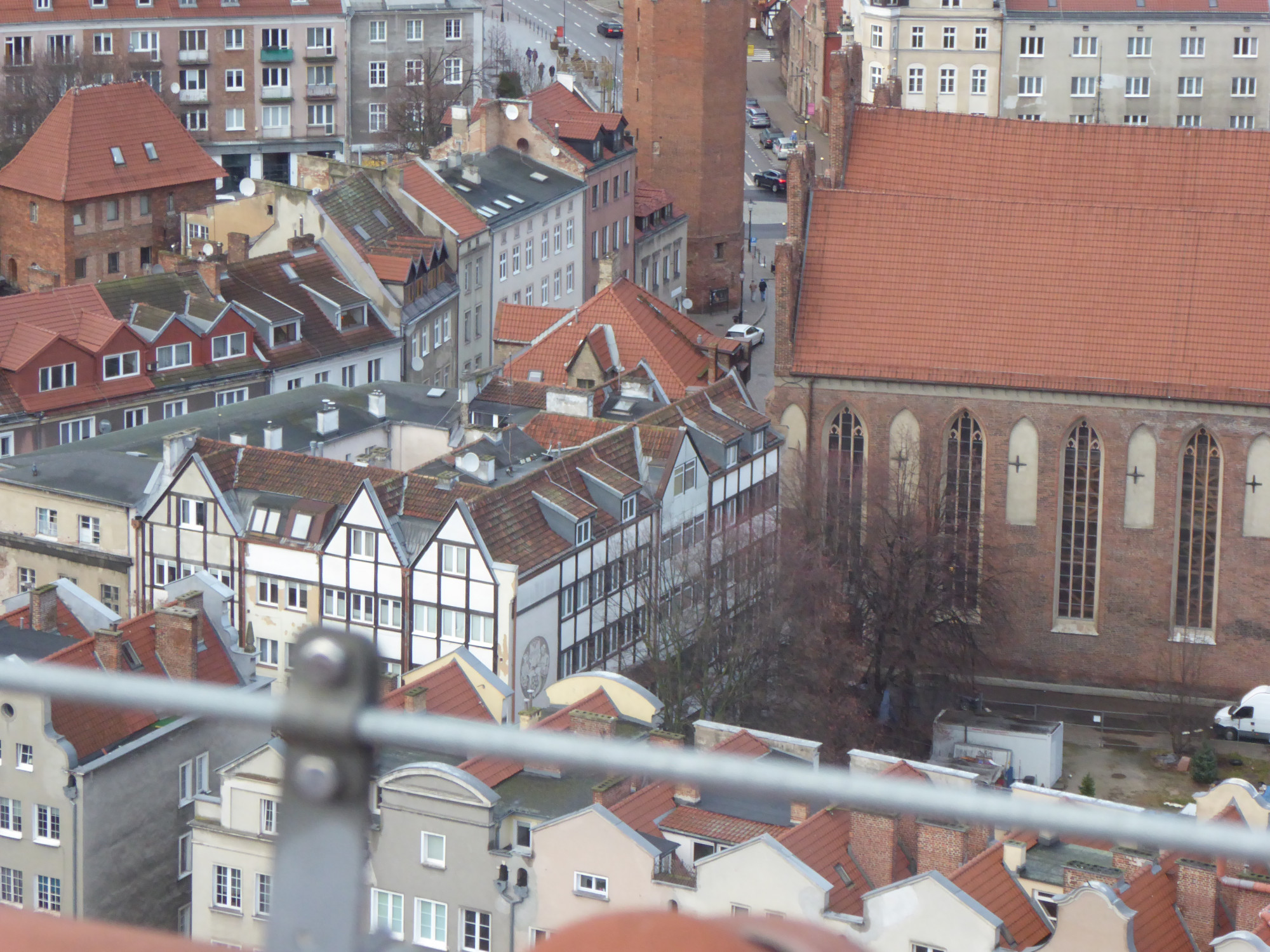
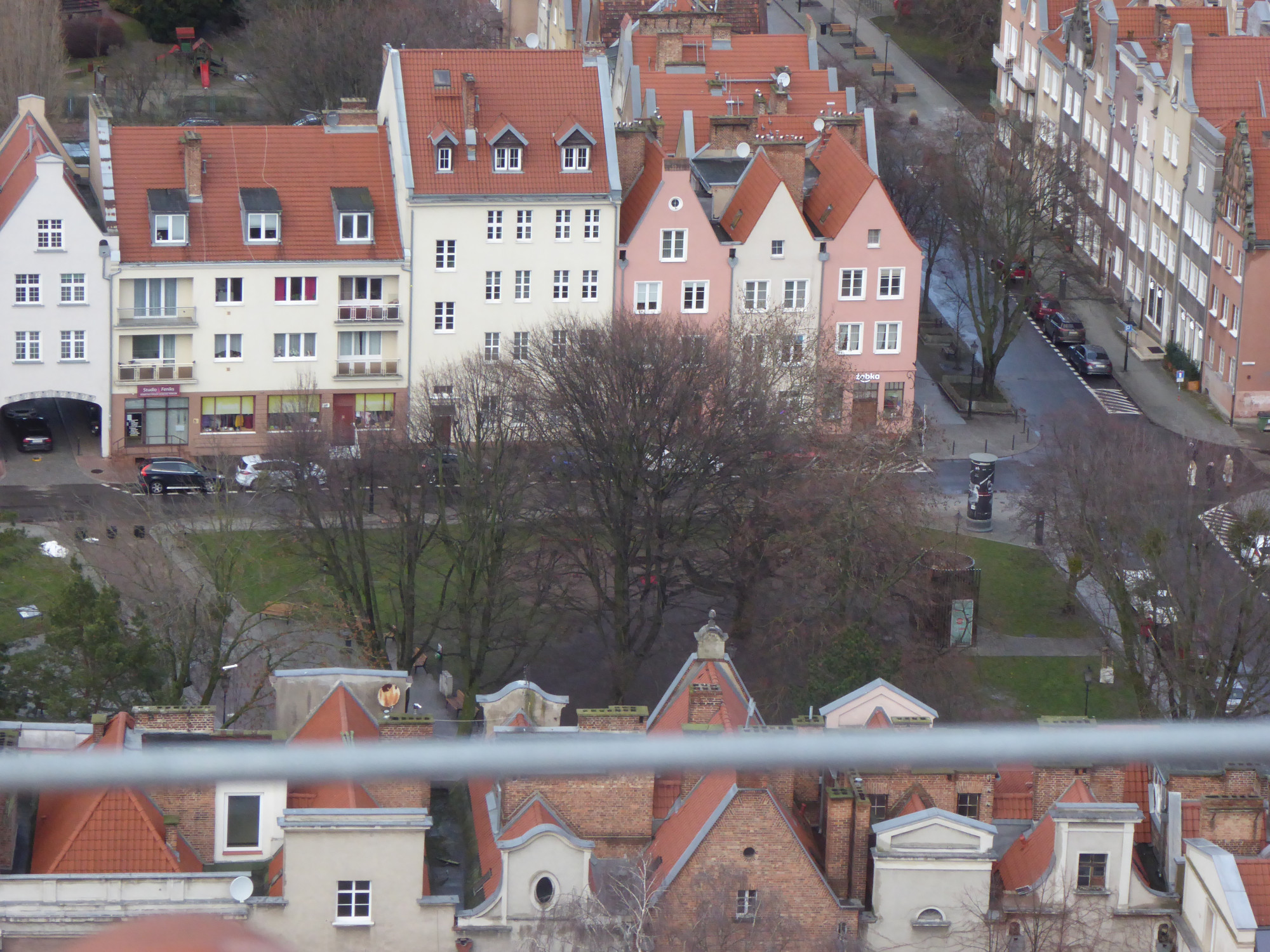
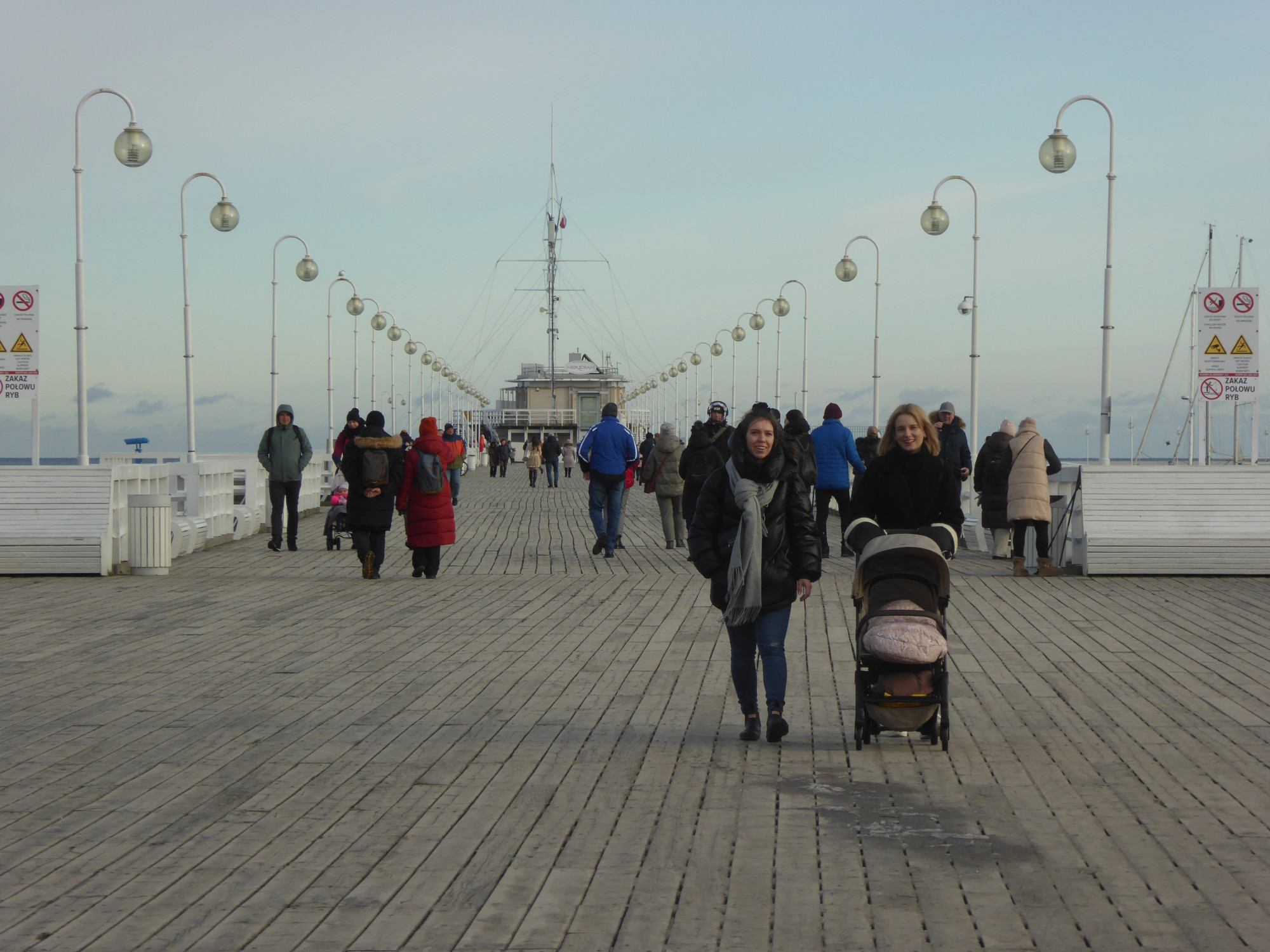
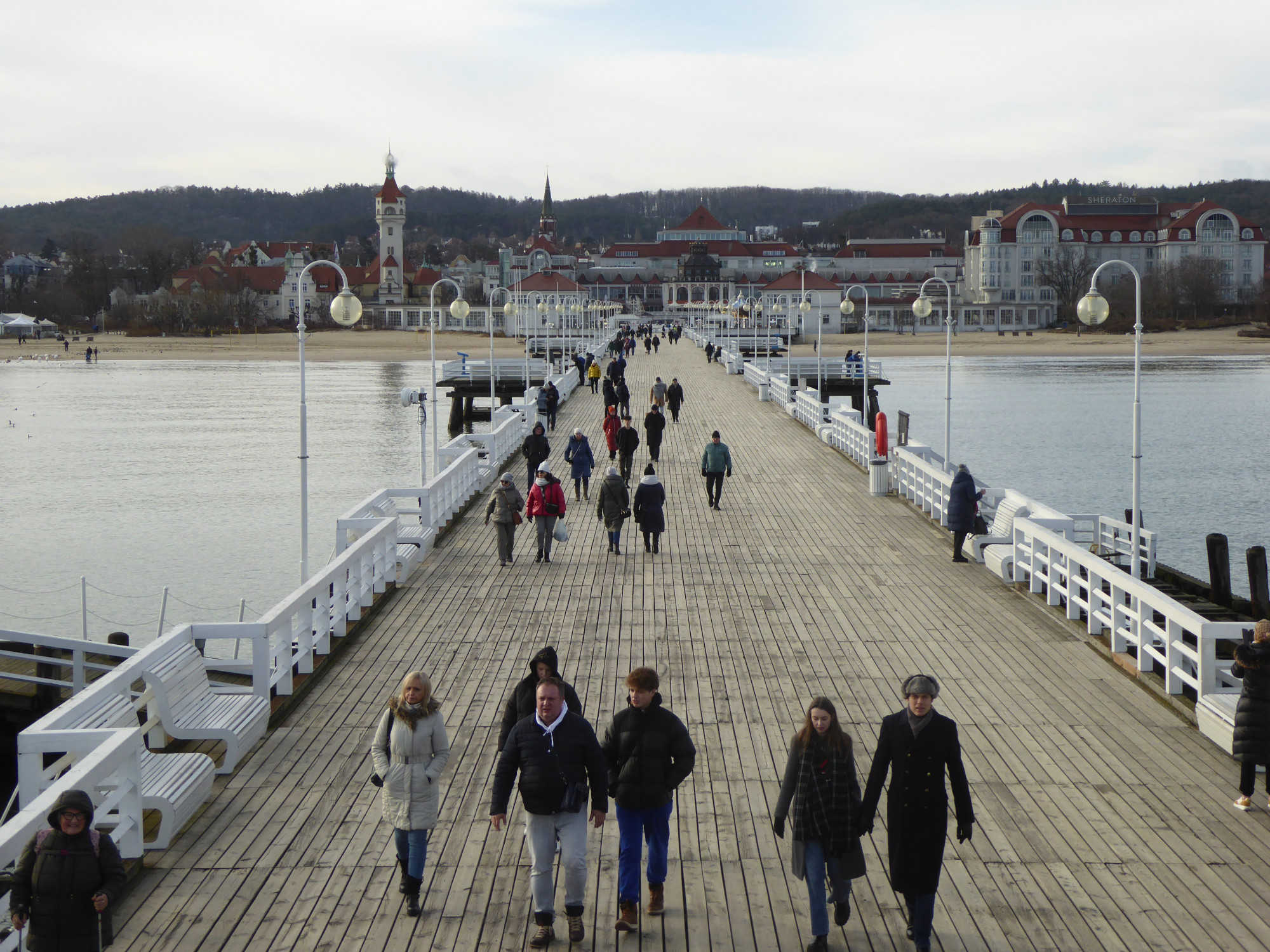
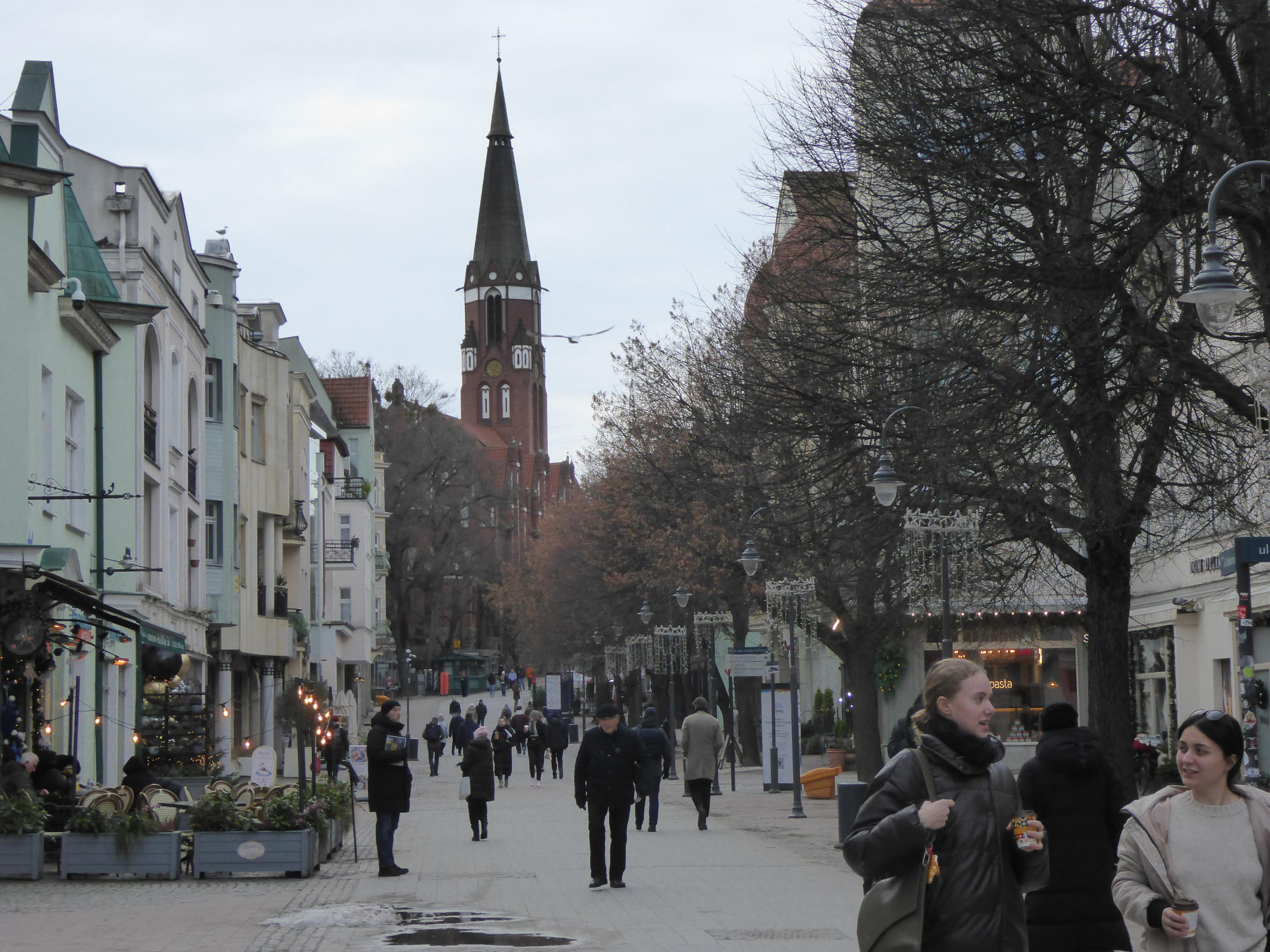
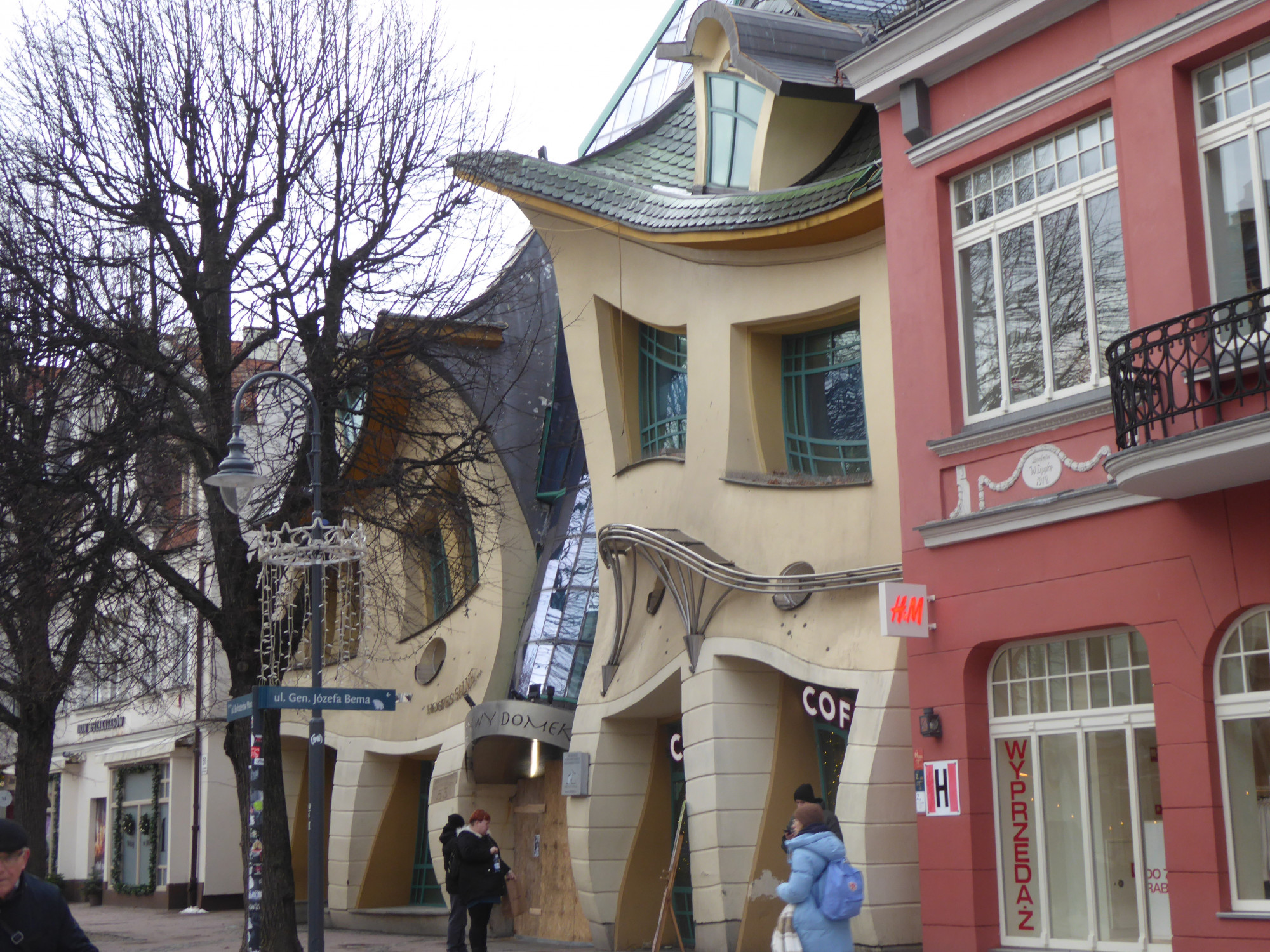
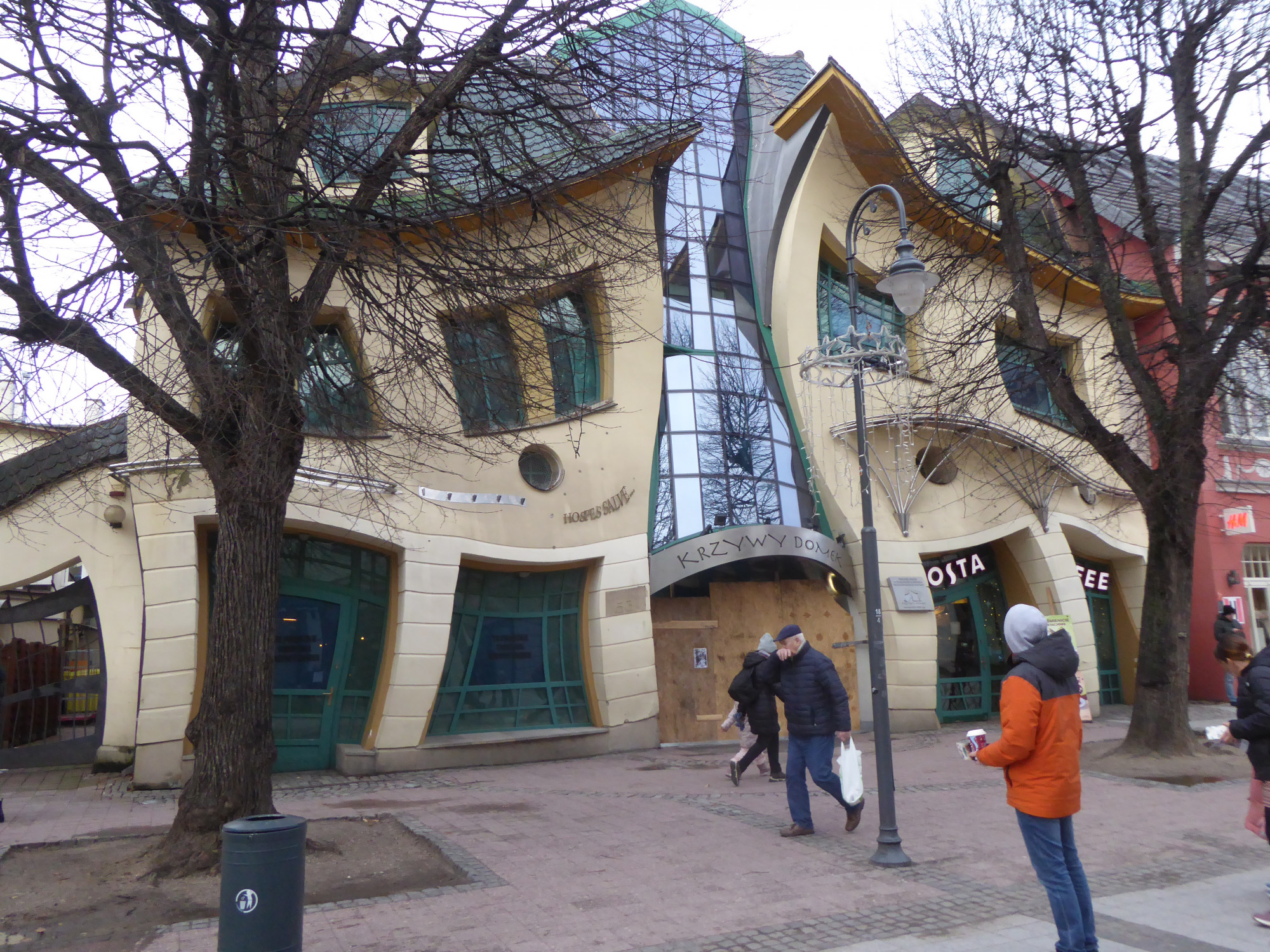
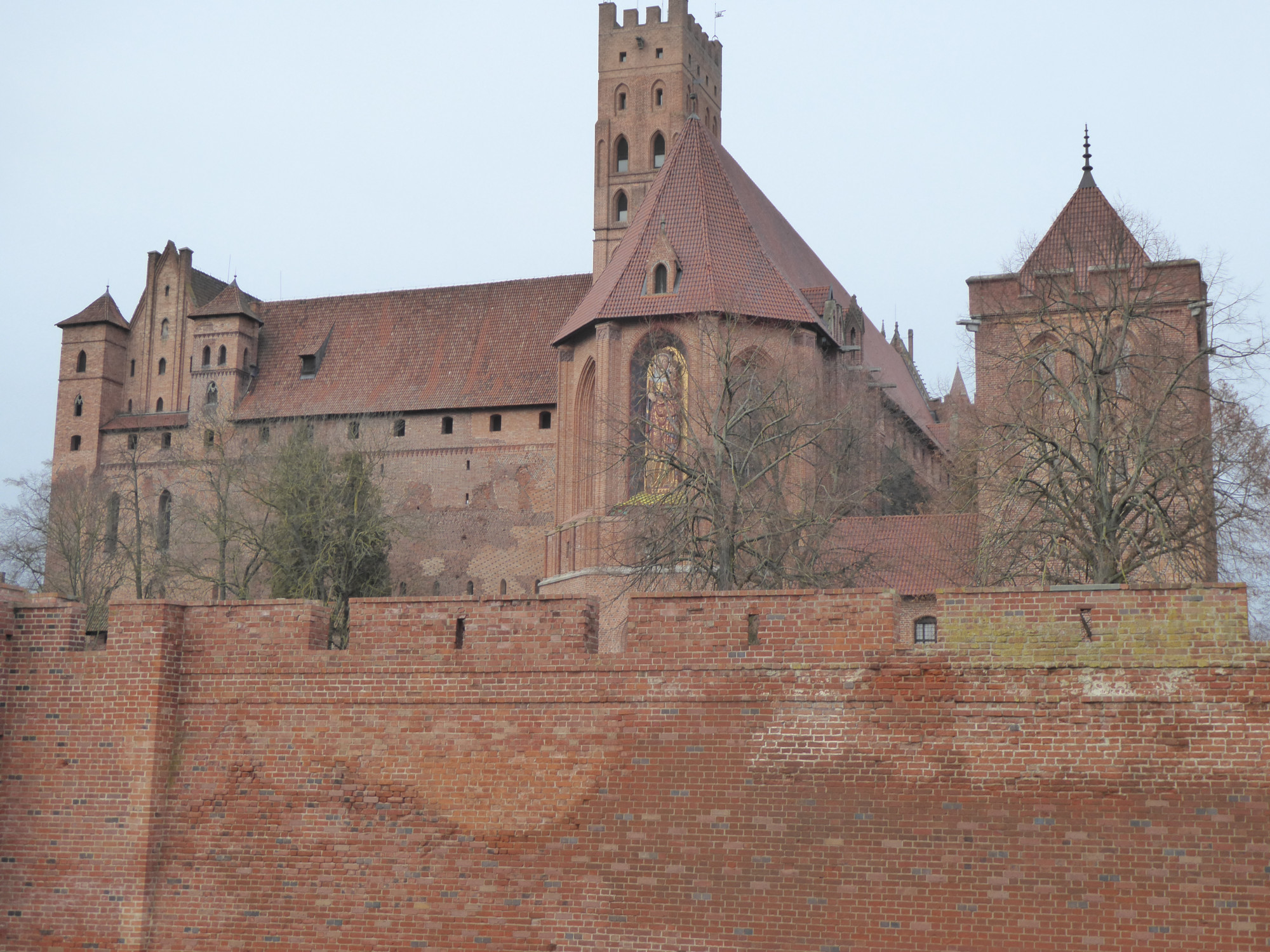
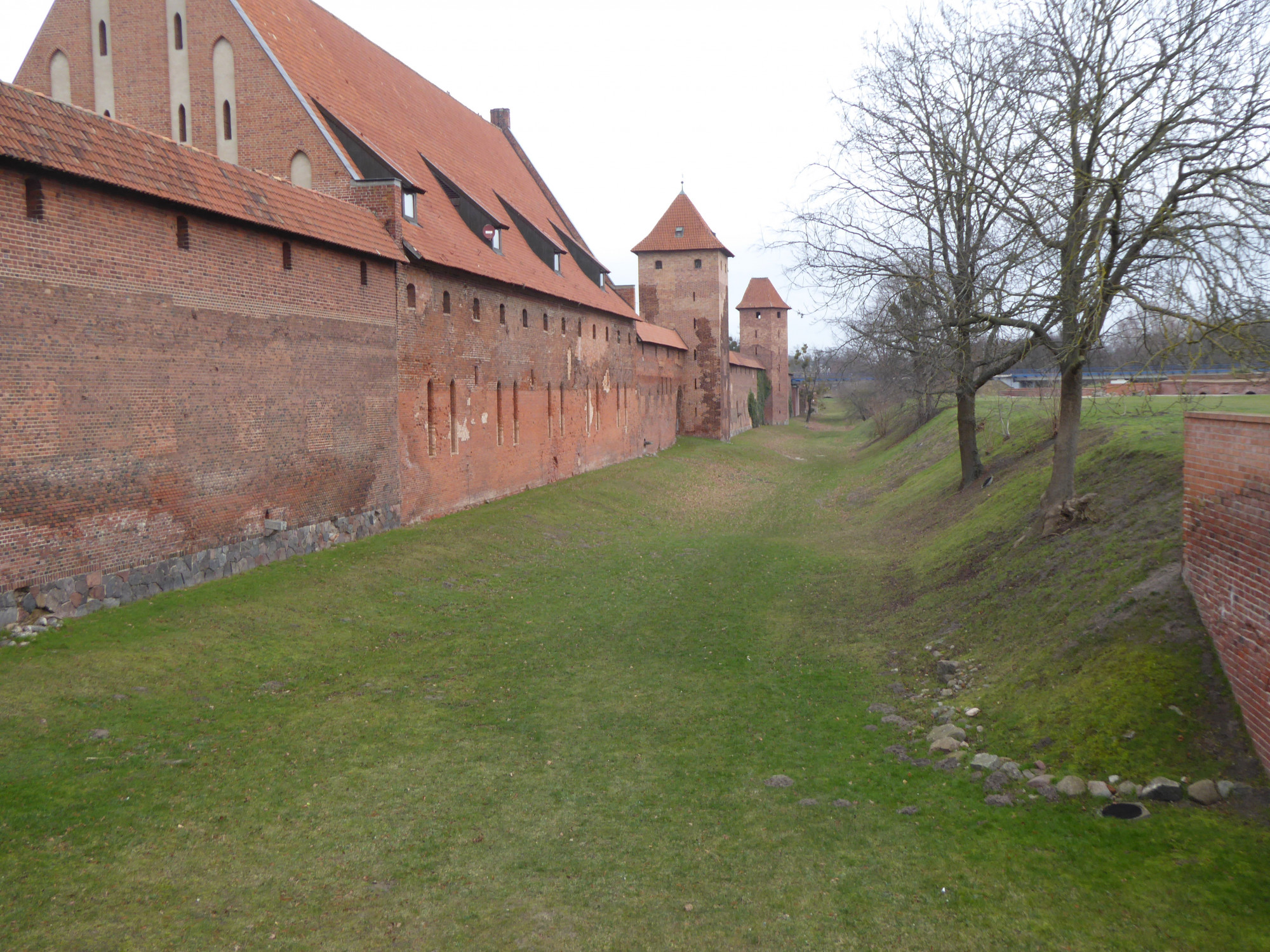
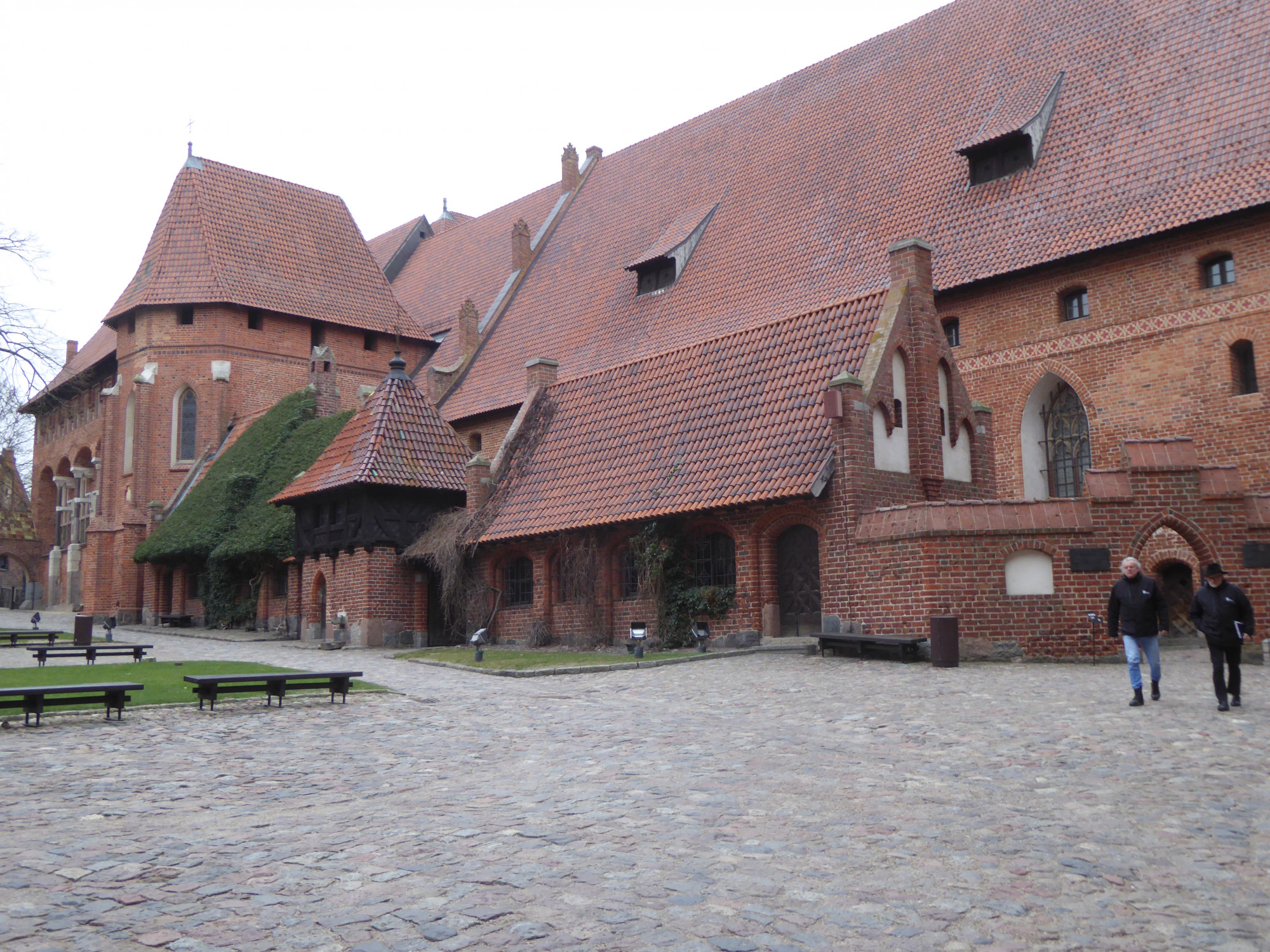
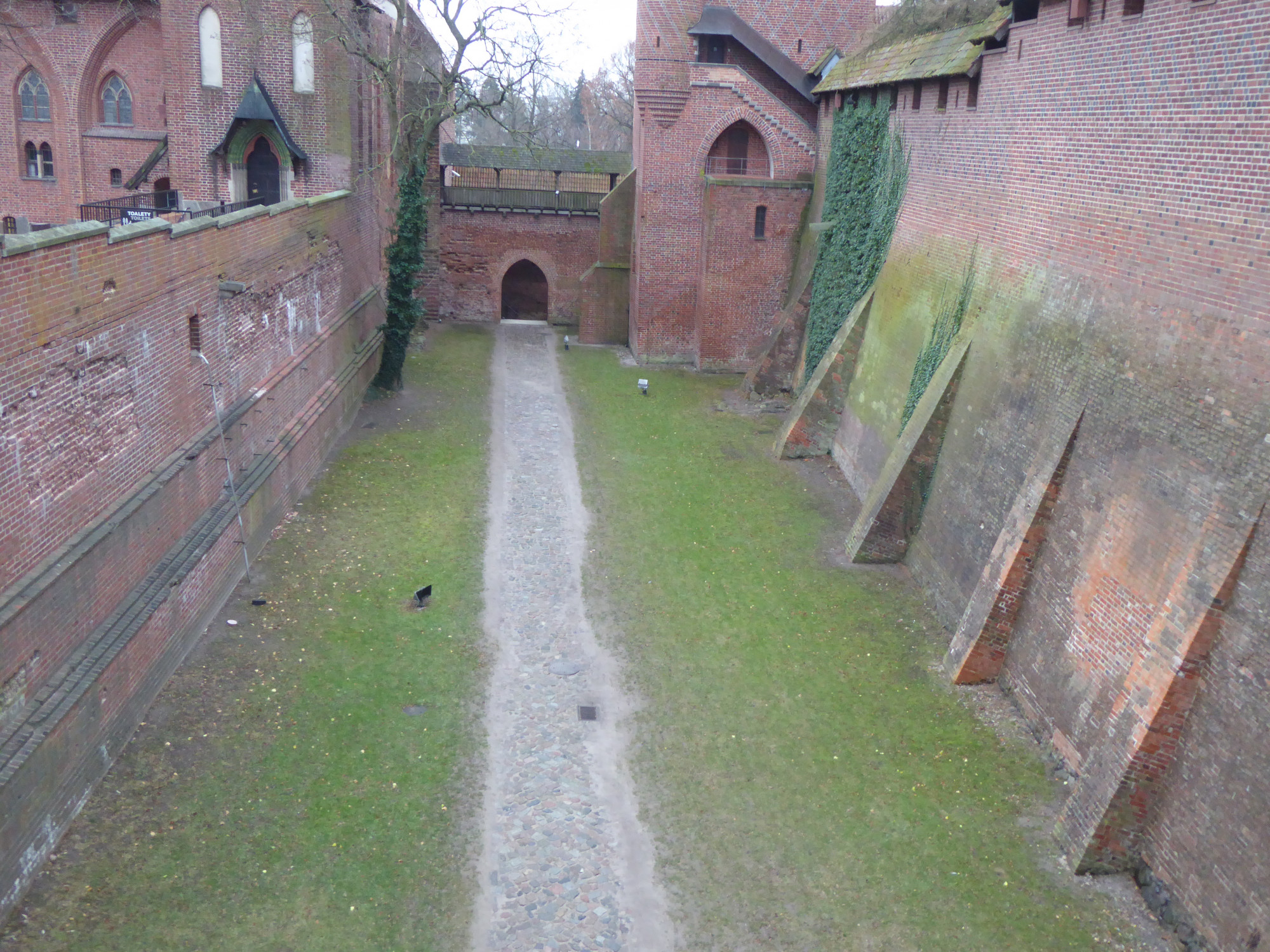
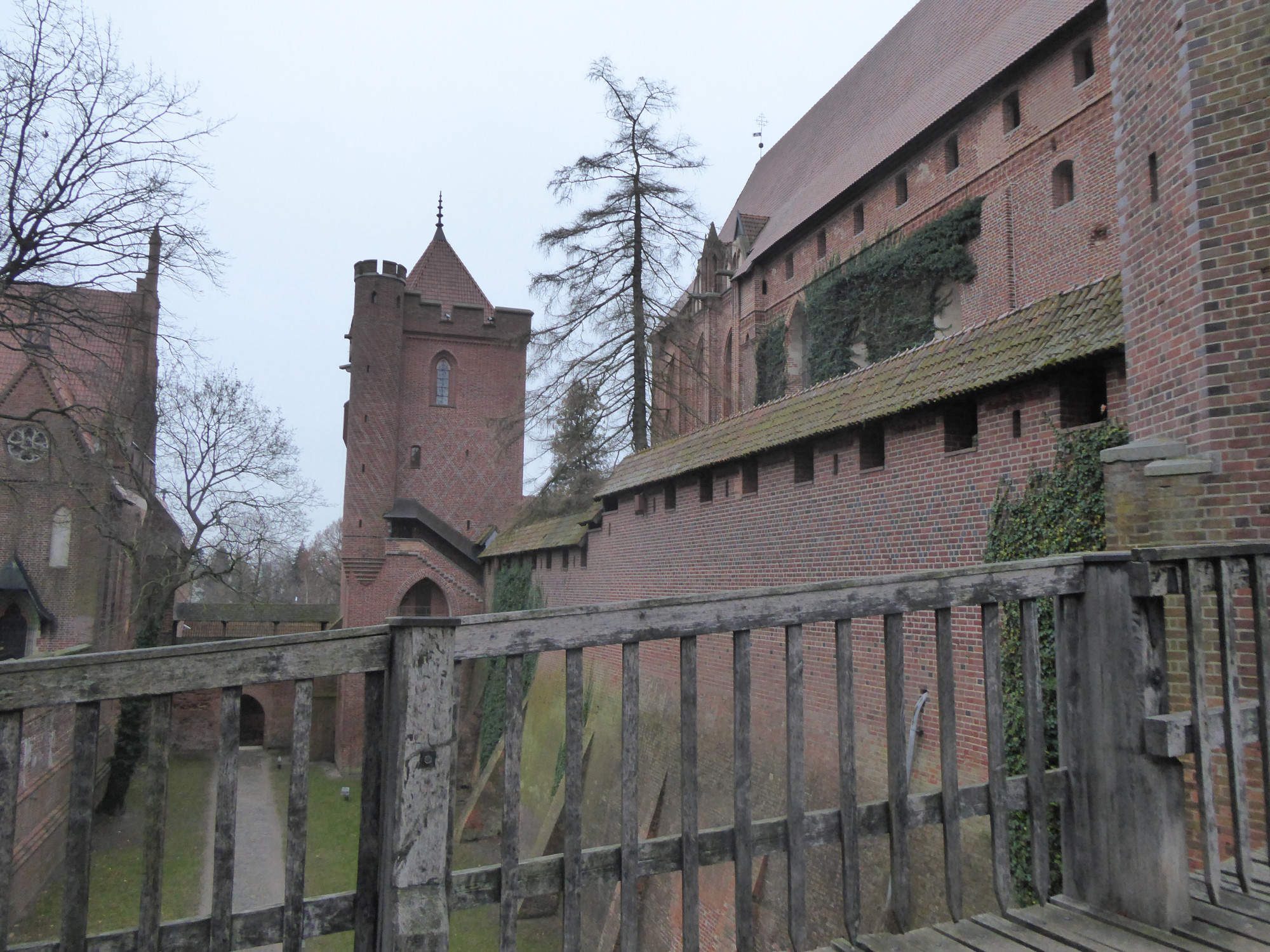
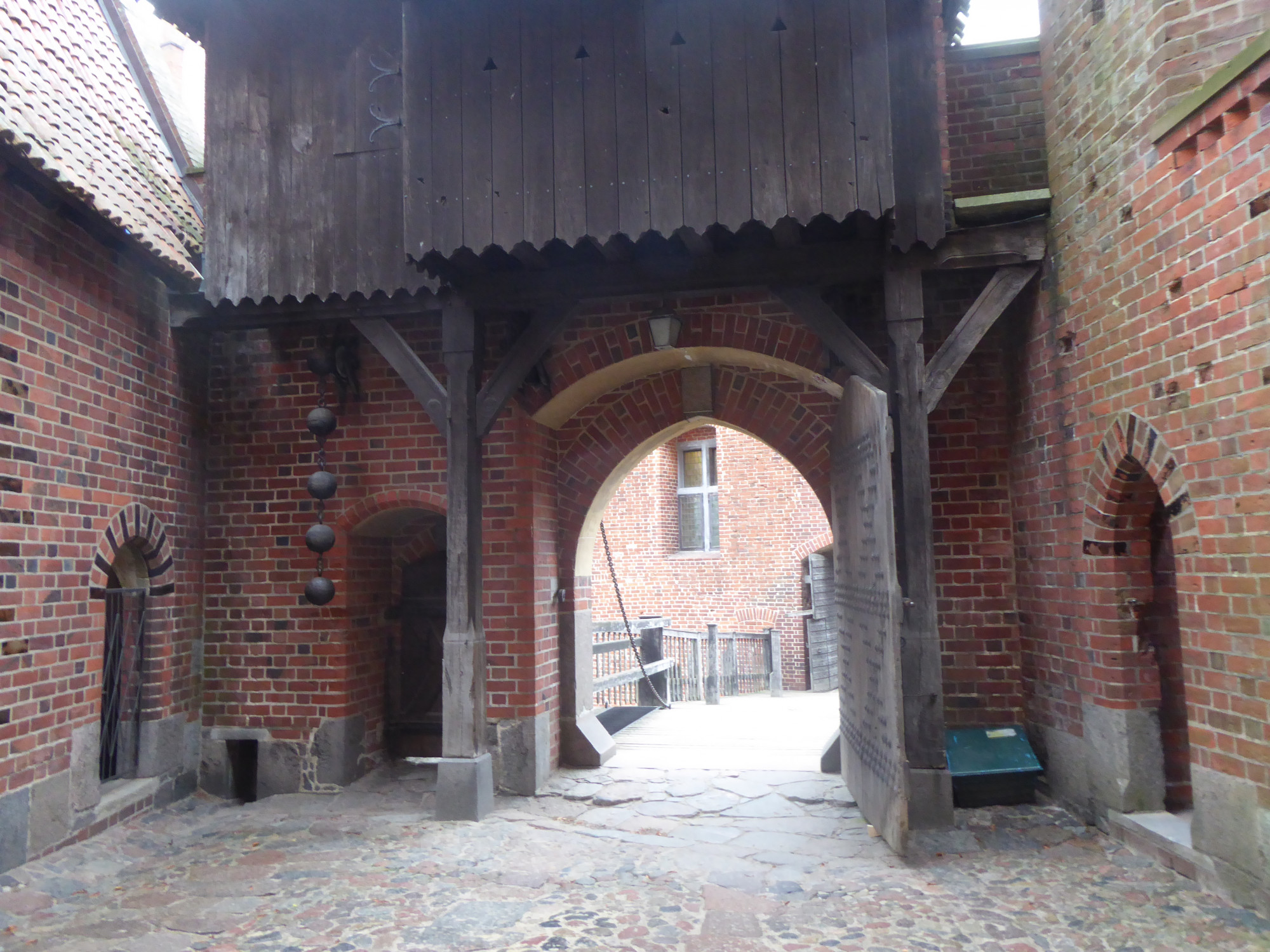
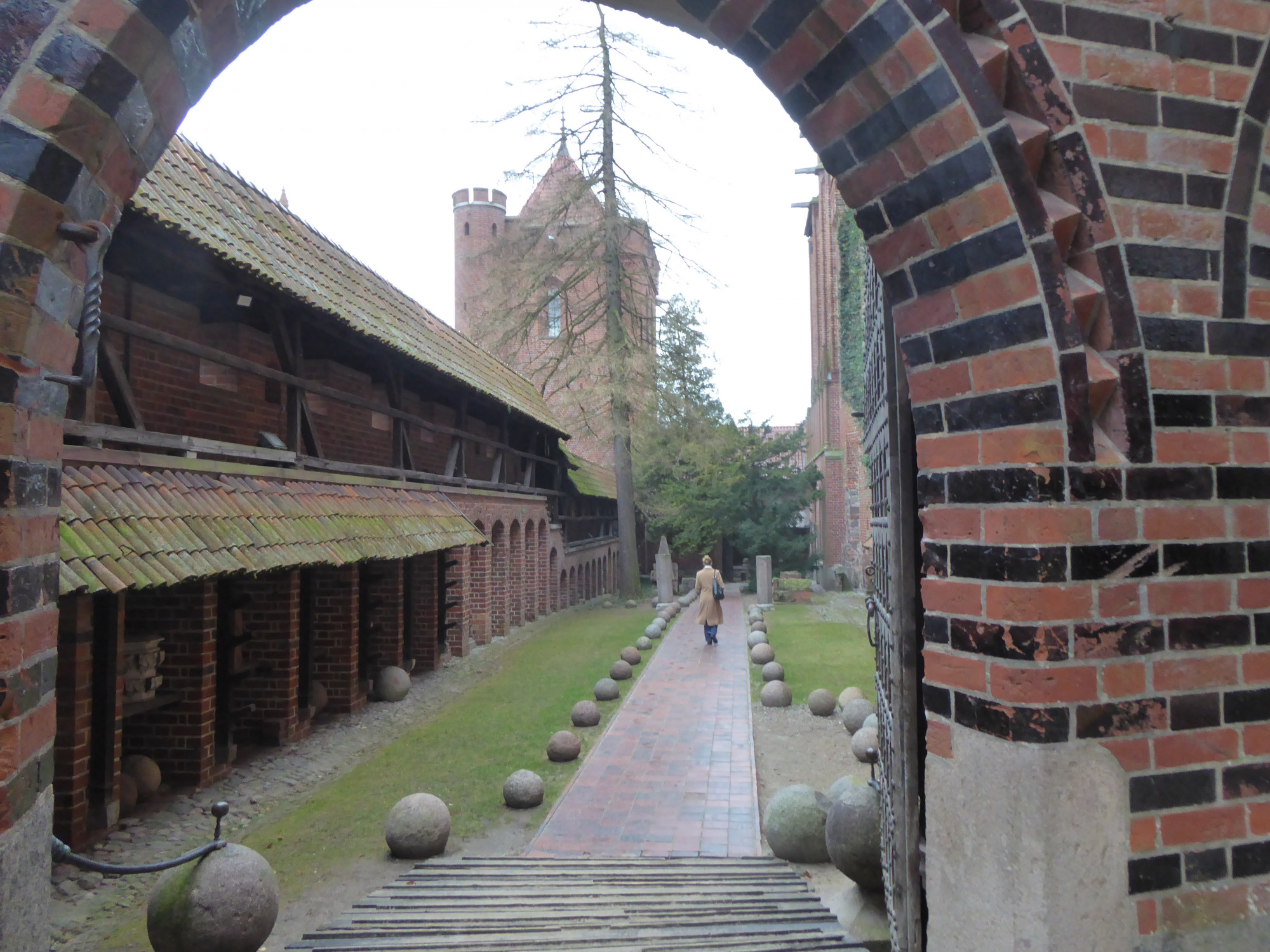
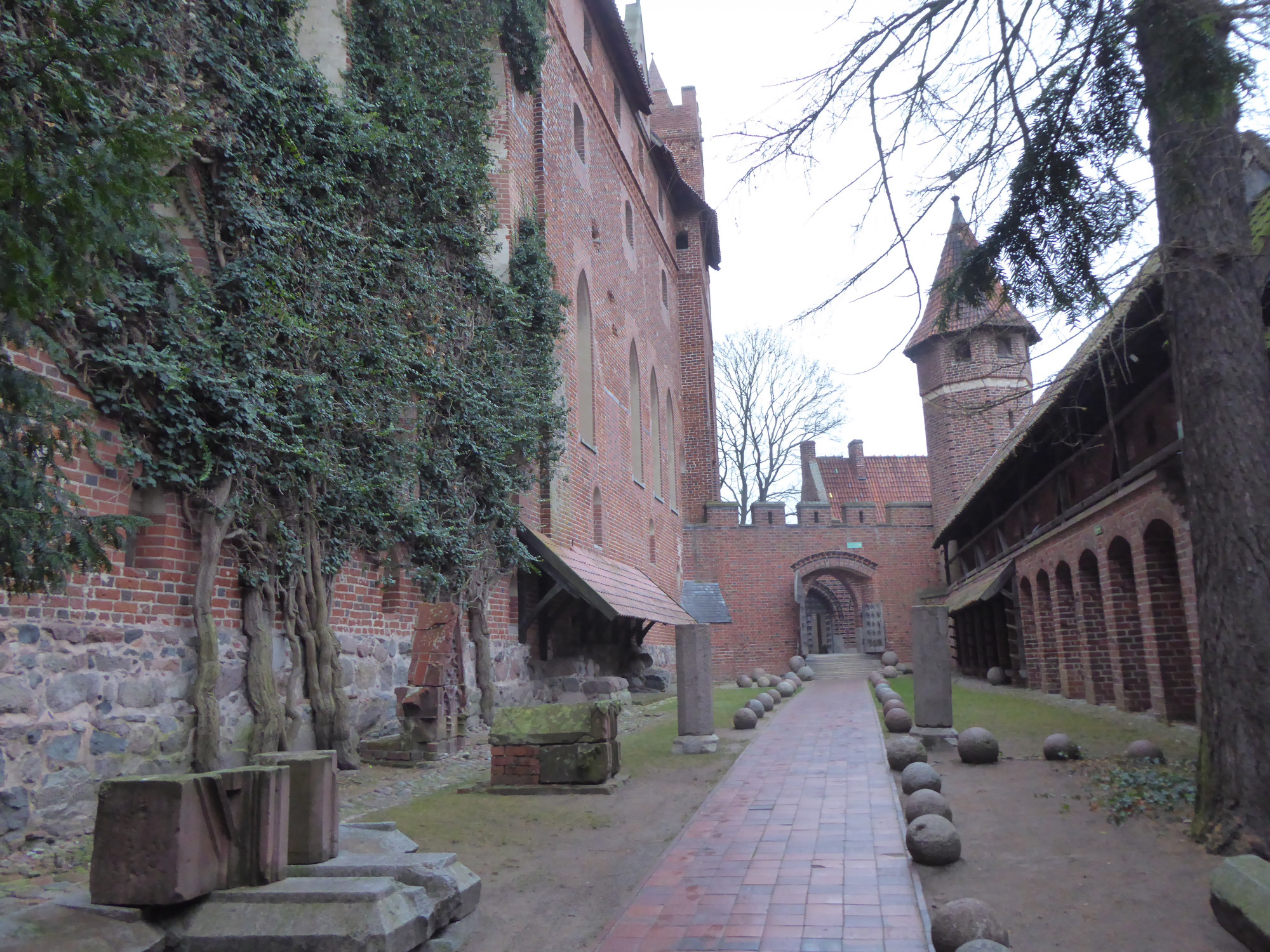
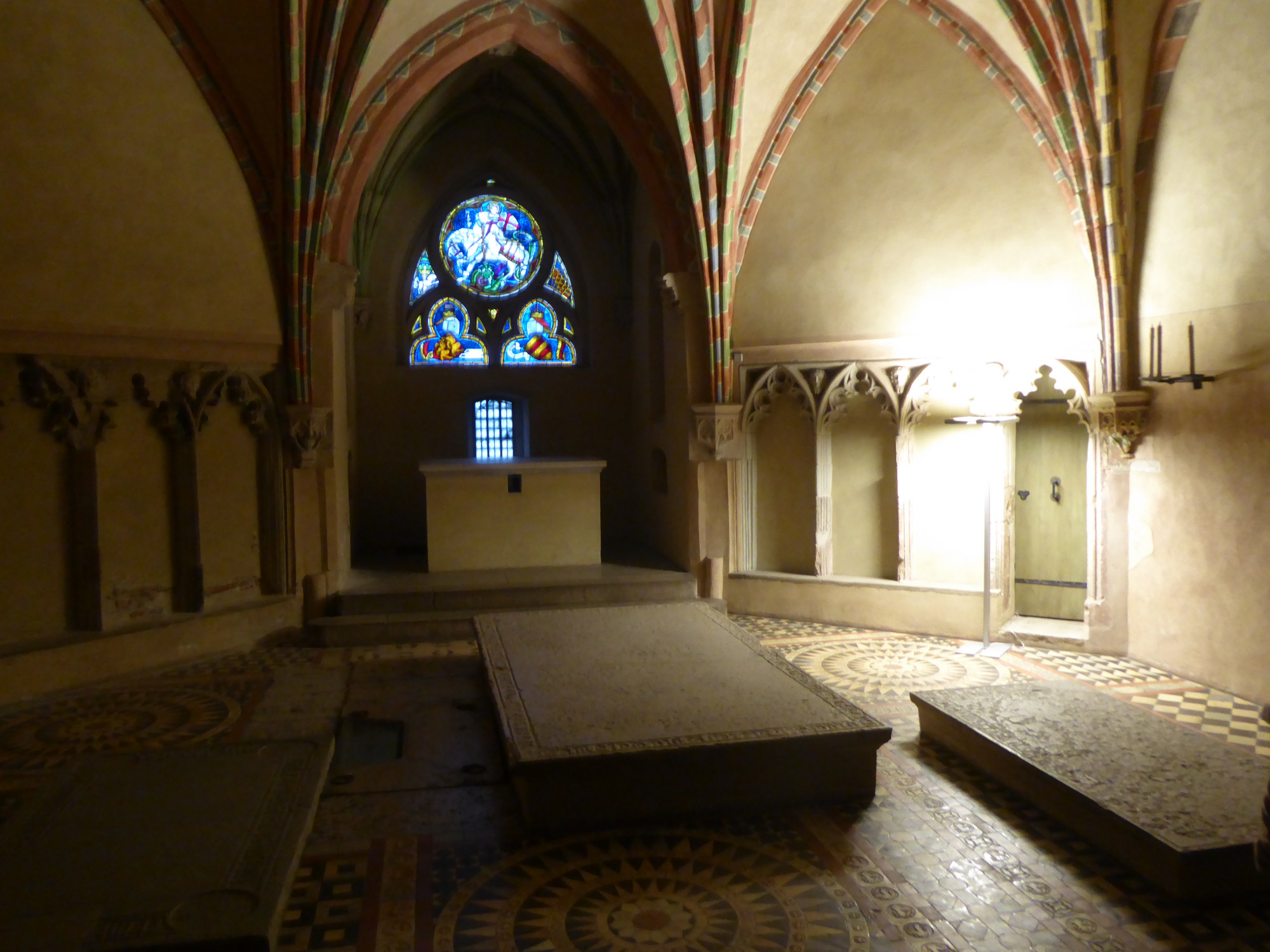
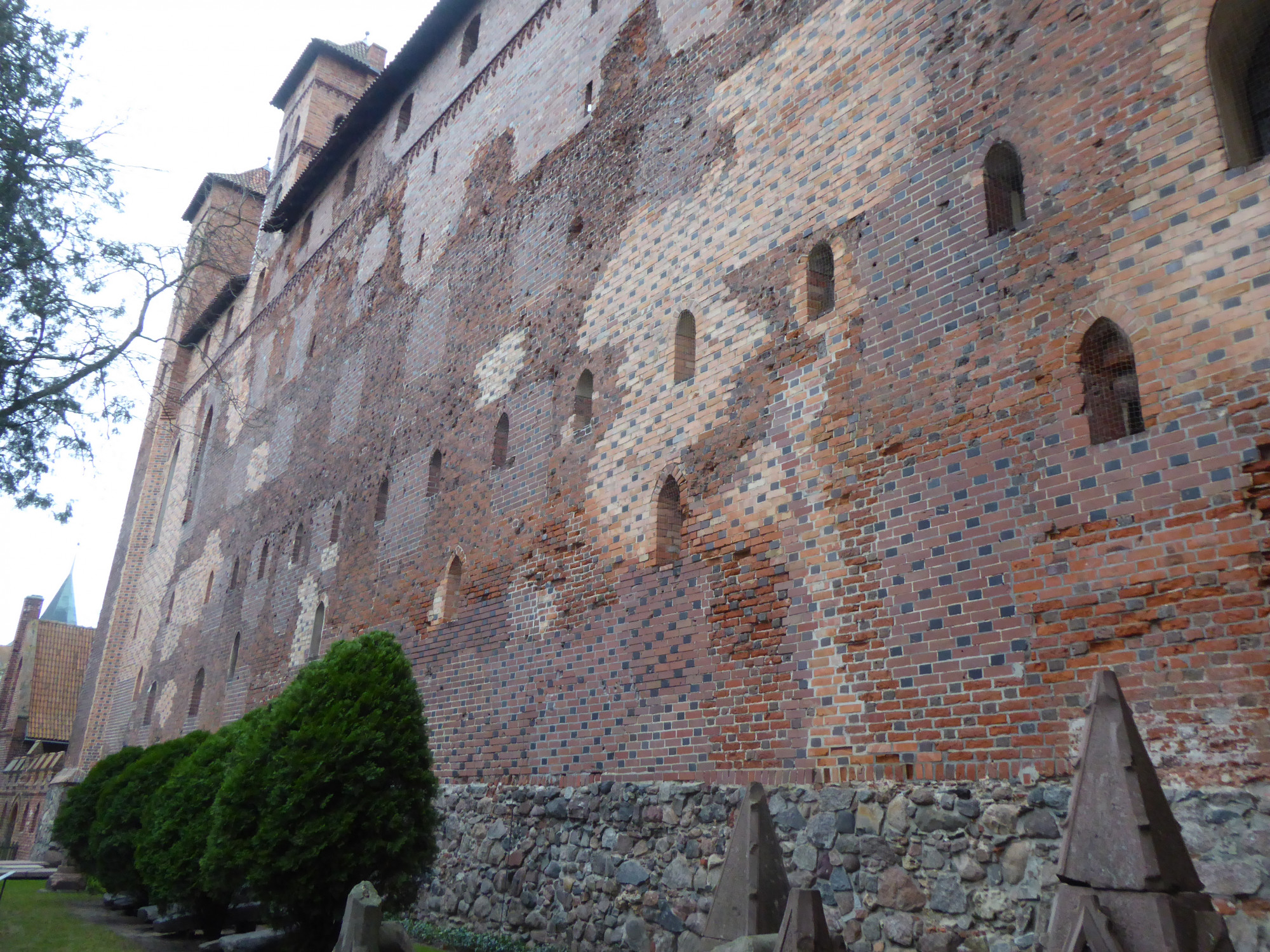
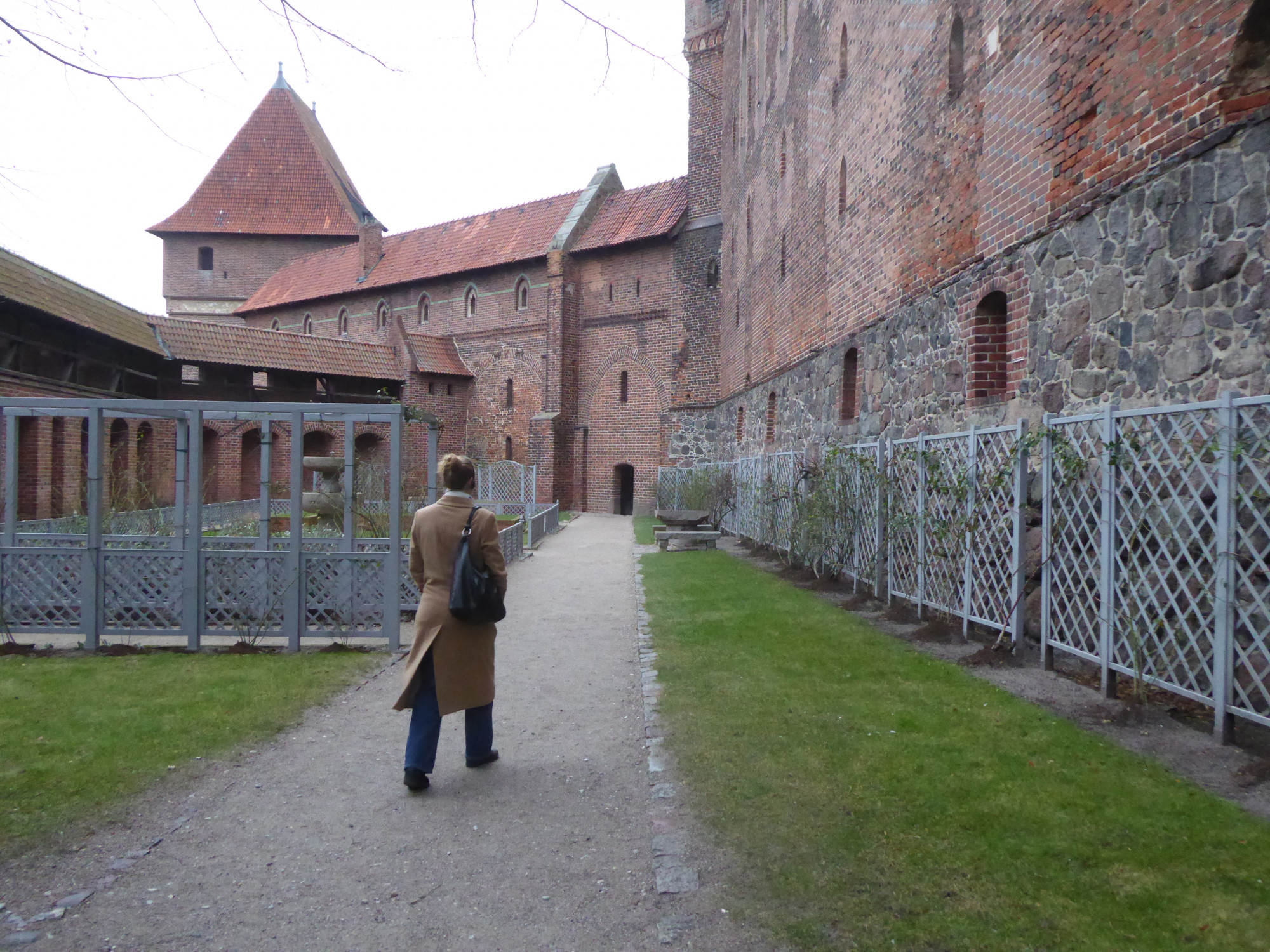
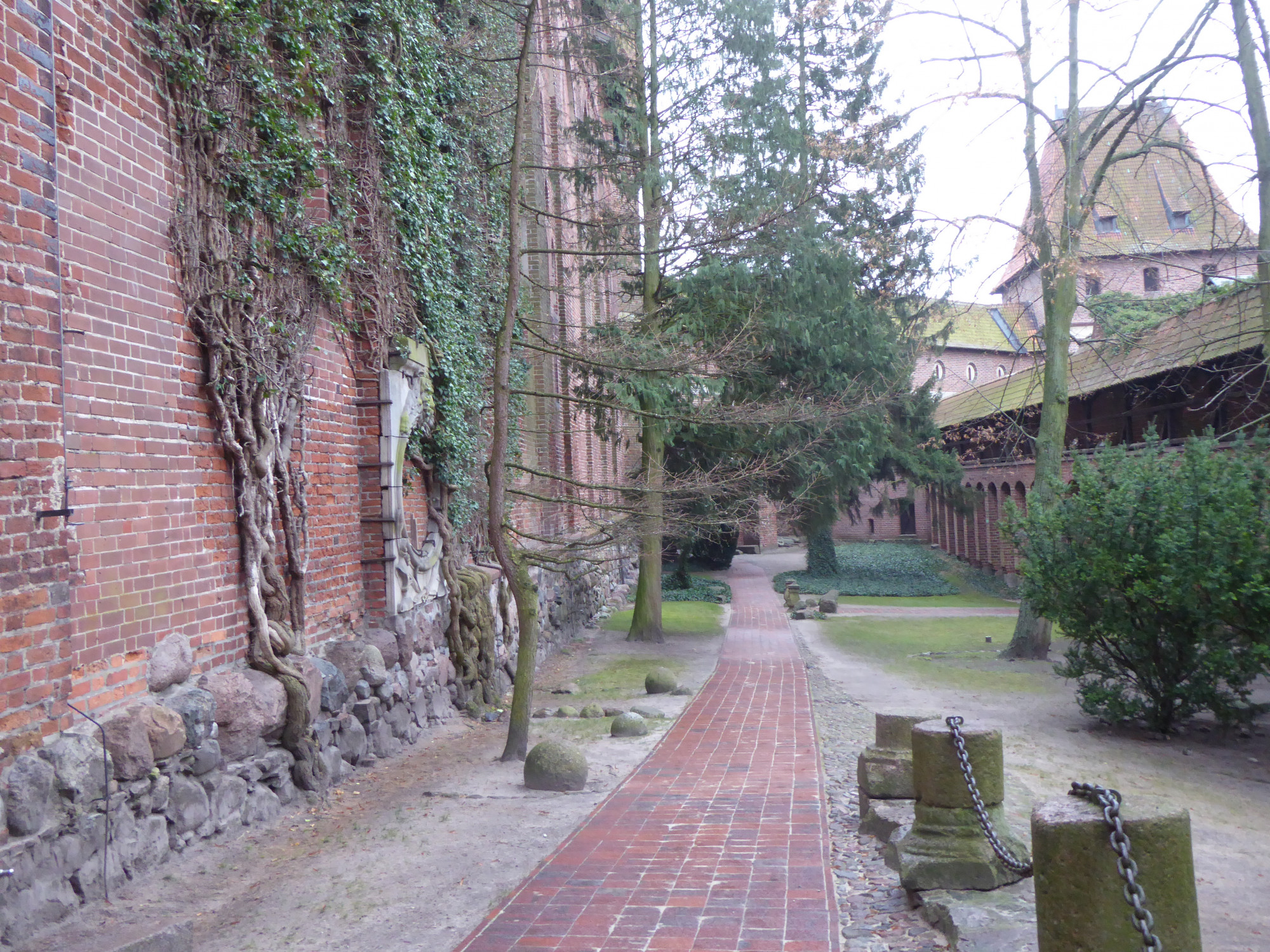
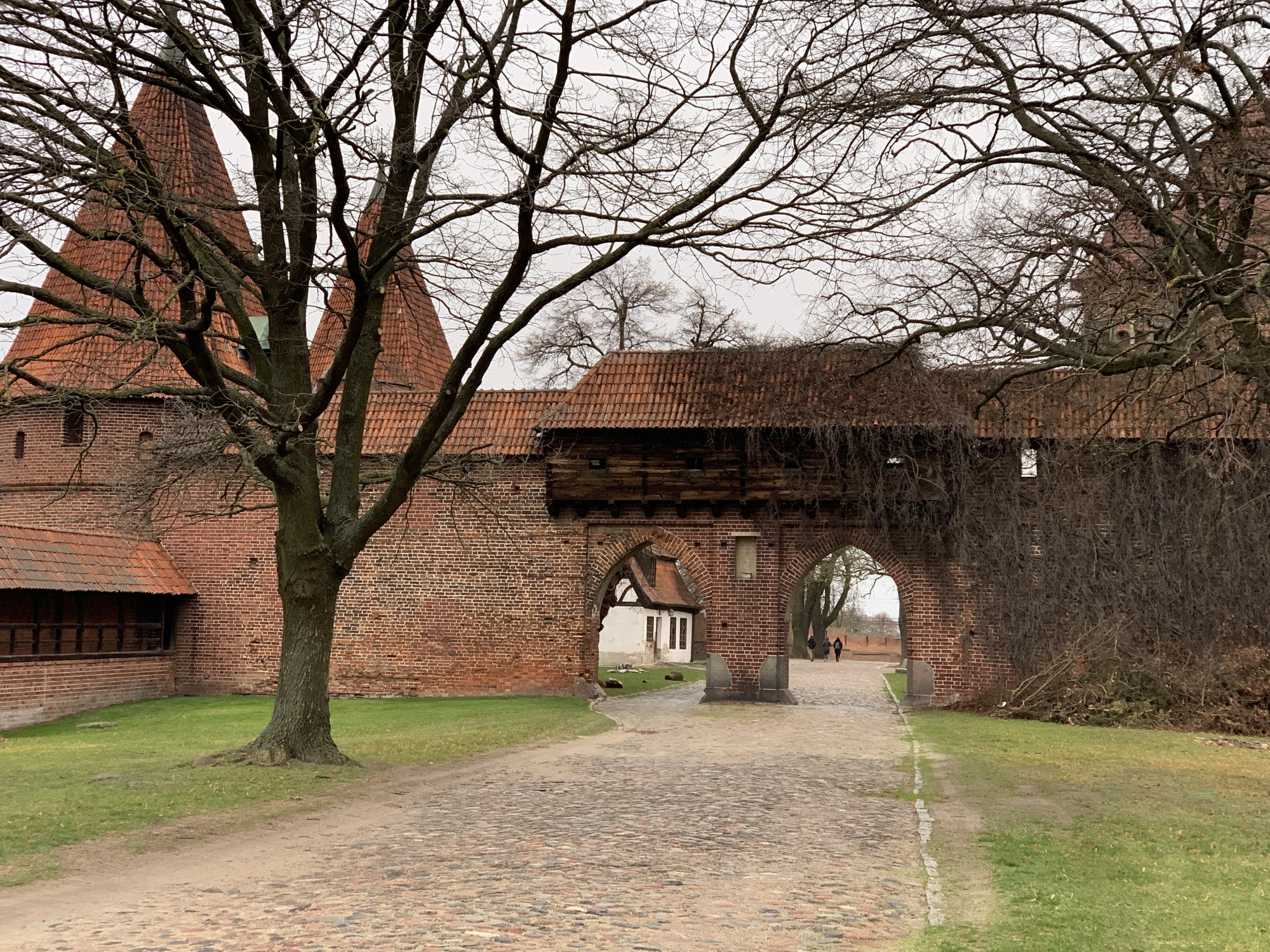
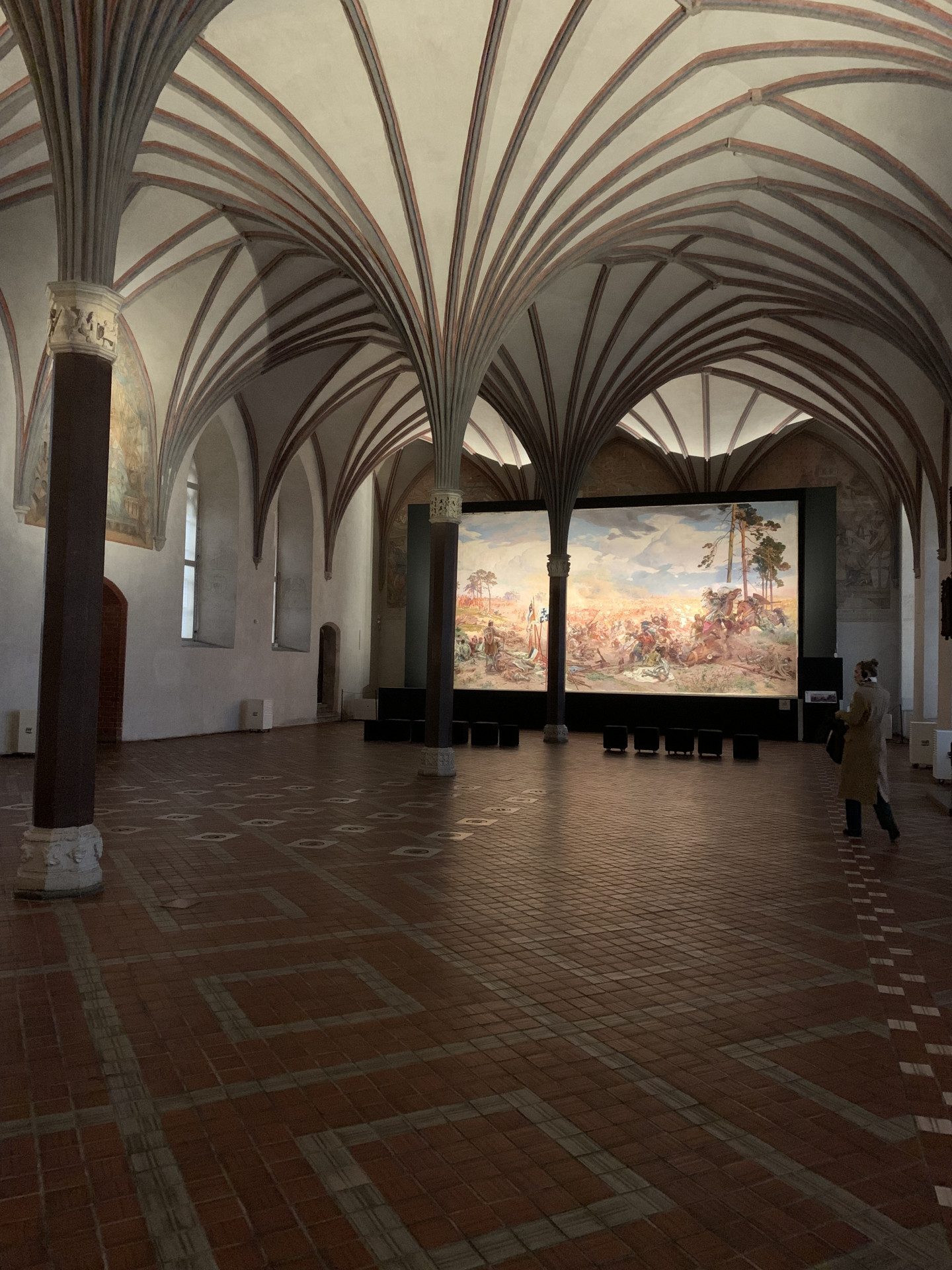
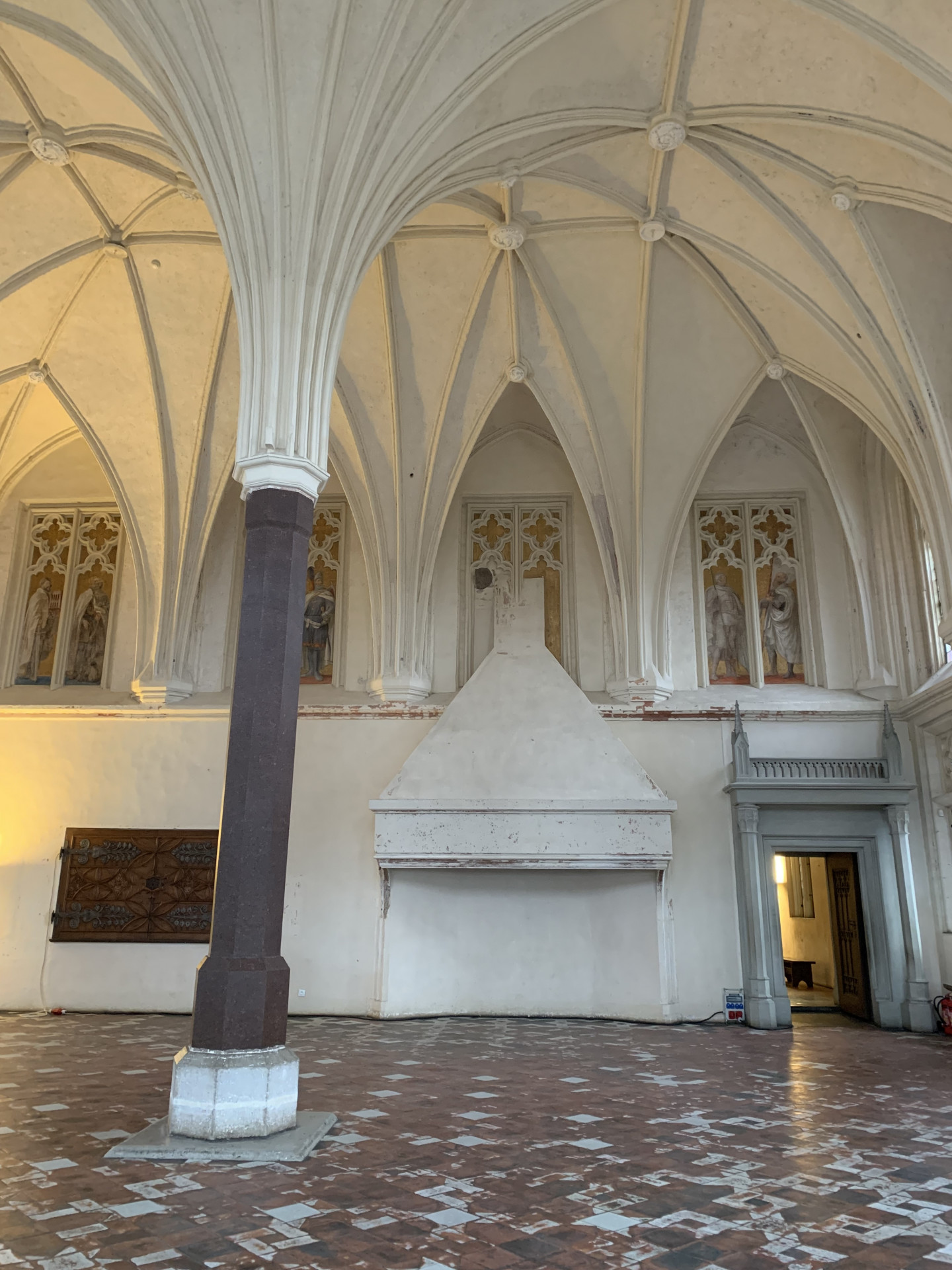
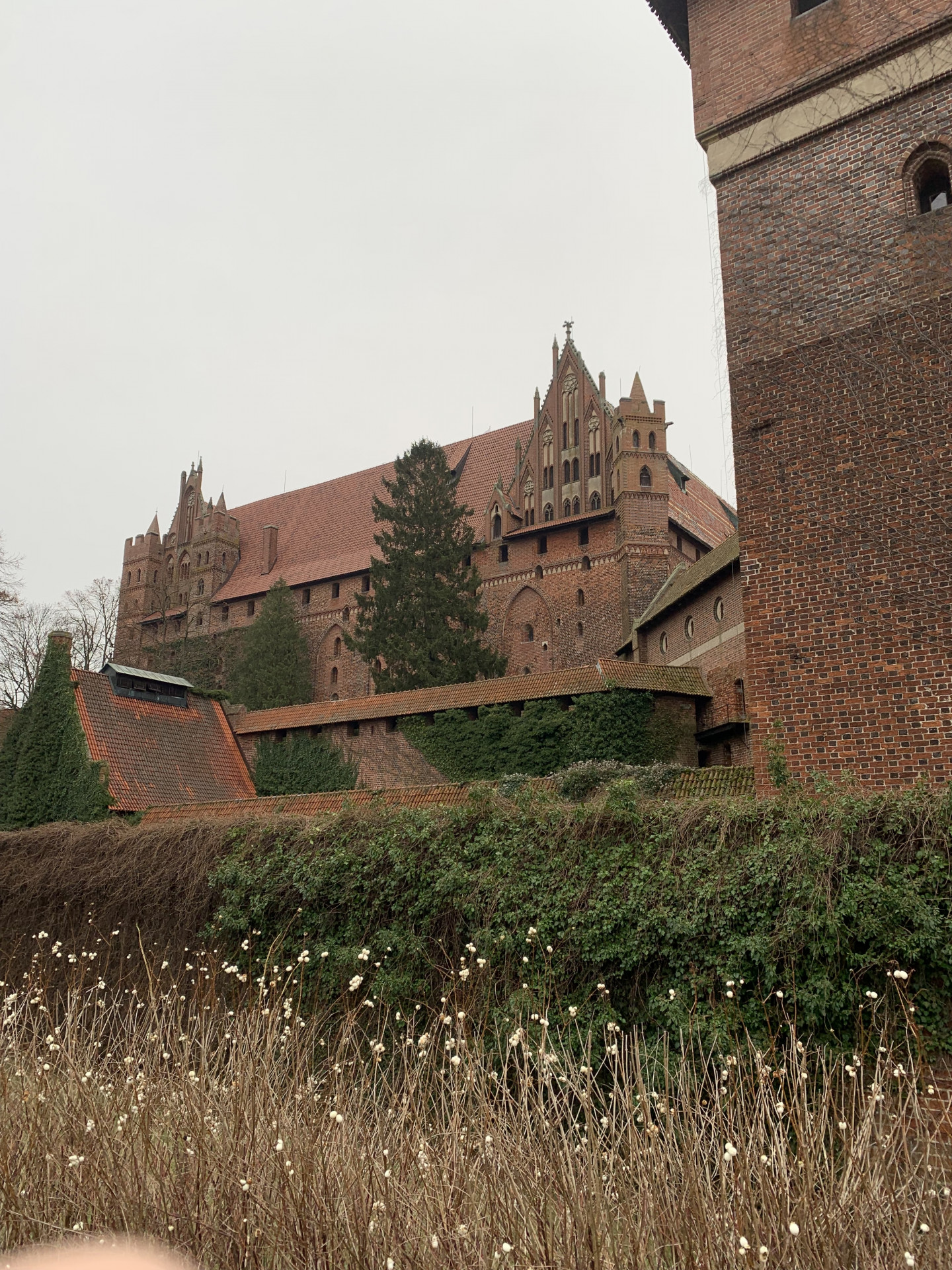
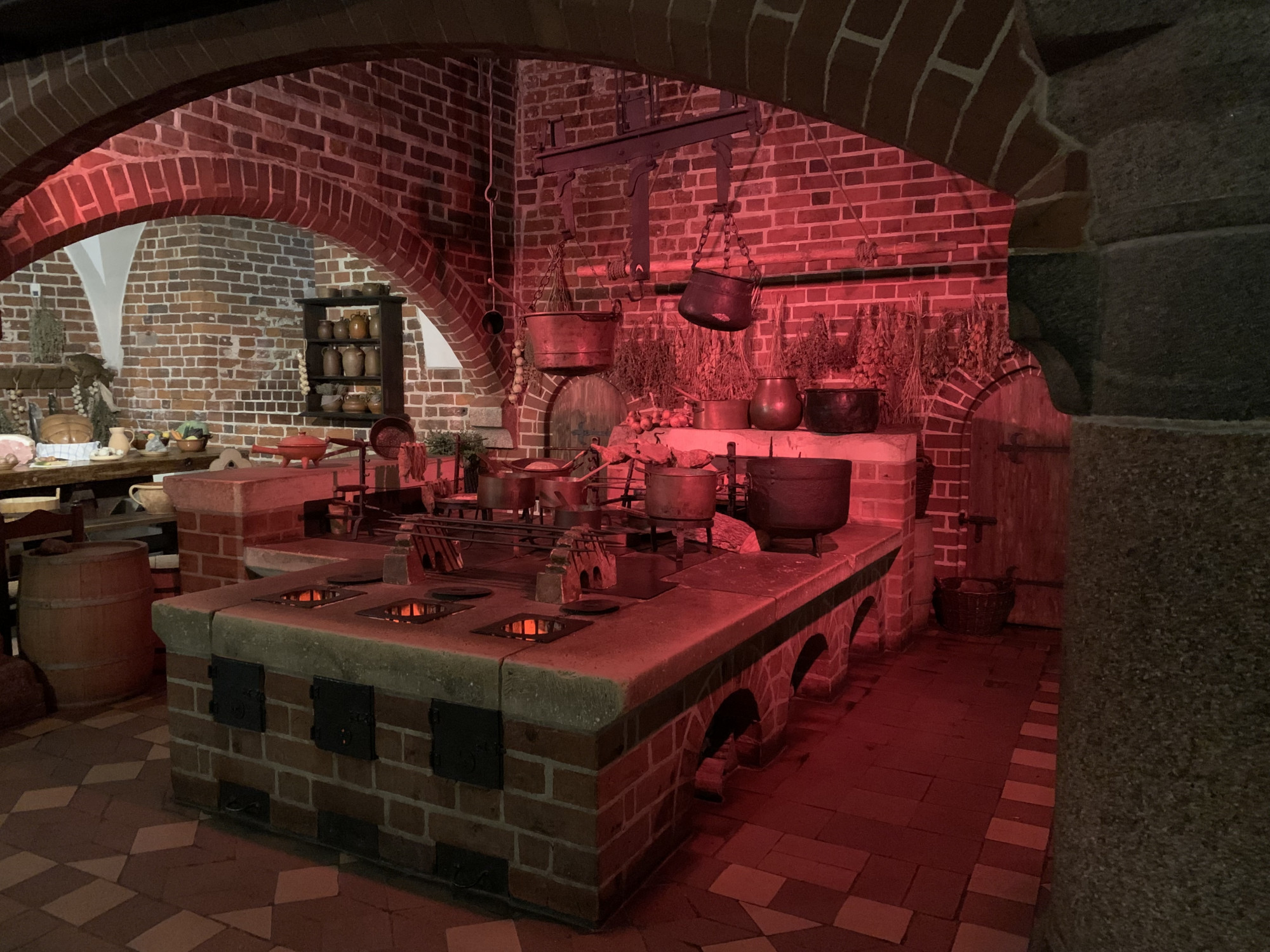
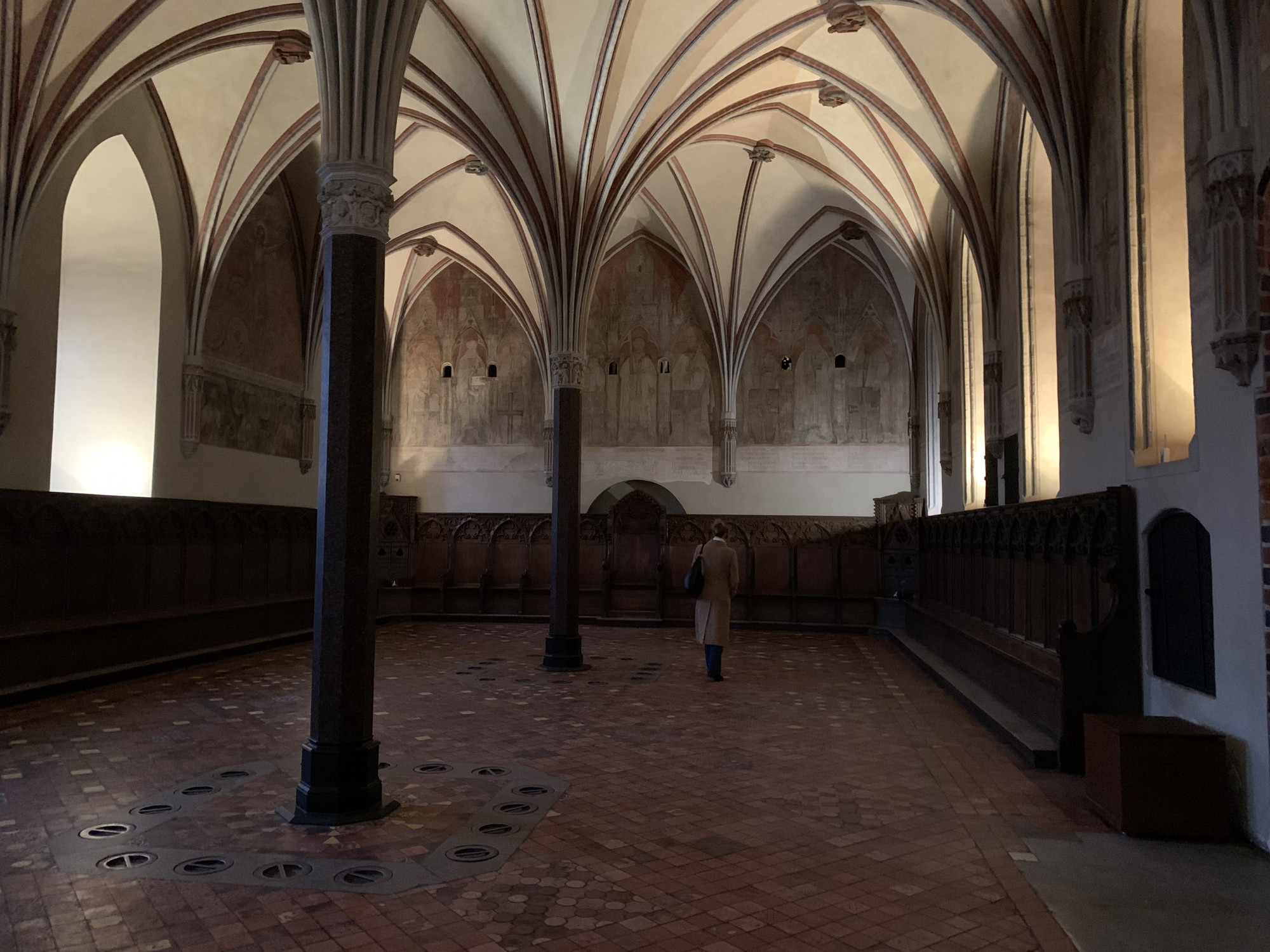
Jolly good but bargin priced accommodation almost 50 metres from the main cathedral. We caught trains to the seaside resort – Sopot, and the the largest brick castle in Europe – Malborg.
Tried their food, snuck through the barricaded roadworks and didn’t quite make the parkrun as the snow dumped on us as we landed.